Advancing rights, biodiversity, and forest stewardship
FSC IF
The 17th Conference of the Parties (COP17) to the UN Convention on Biological Diversity (CBD) brings together governments, Indigenous Peoples, civil society, and partners in Yerevan, Armenia, from 19 to 30 October 2026, to advance global efforts to halt and reverse biodiversity loss and strengthen the implementation of the Kunming-Montreal Global Biodiversity Framework.
At the UN CBD COP17, we join Indigenous representatives, women and youth, Forest Stewardship Council colleagues, and partners to advocate for Indigenous Peoples’ rights, leadership, and self-determination in forest governance.
We aim to advance meaningful Indigenous participation in biodiversity decision-making, forest governance, and sustainable finance, while promoting conservation frameworks and systems that recognize Indigenous territories, respect Free, Prior and Informed Consent (FPIC) and customary governance, and support Indigenous-led forest stewardship.
Throughout the conference, FSC-IF will participate in discussions and side events addressing biodiversity finance, Indigenous Peoples’ rights, gender, forest governance, and responsible business engagement.
Join us at these events:
22 October | 15:00–15:45
From Commitments to Accountability: How Assurance, Data, and Partnerships Can Mobilize Biodiversity Finance
Business & Biodiversity Hub (UNEP-WCMC)
FSC: Sharon London | FSC-IF: Maria Esther De Leon
22 October | 17:00–18:00
Gender and Biodiversity in Latin America: Scaling Impact through Certification, Ecosystem Services and Value Chains
CBD Women’s Caucus Pavilion
Speakers: Valentina Figuera Martínez and Berta Medrano, CBD Women’s Caucus; Mega Ayu Lestari, Secretariat of the Working Group on ICCAs Indonesia, Camila Cosse Braslavsky, Support, Forest Stewardship Council; and Maria De Leon, FSC-IF.
Moderator: Dian Yusvita Intarini
23 October | 09:30–10:30
Halting and Reversing Deforestation by 2030: Implementing the COP30 Presidency Roadmap
Nature Positive Pavilion, Small Room
FSC: Camila Cosse Braslavsky and Anand Punja | FSC-IF: Maria Esther De Leon
For the FSC Indigenous Foundation, participation at CBD COP17 is an opportunity to strengthen relationships, exchange experiences, and advance collaboration with Indigenous Peoples, governments, international organizations, and forest sector partners.
Biodiversity conservation must recognize Indigenous Peoples not only as participants, but as rights holders and leaders in decisions affecting their territories, forests, and futures.
Forests & Indigenous Voices | September 2026
News from around the world
FSC IF
The Forests & Indigenous Voices Newsletter brings you monthly stories and news on Indigenous leadership and knowledge, global advocacy, nature-based solutions, and opportunities to connect and engage.
GLOBAL NEWS
Finland
From Collaboration to Action: Advancing Motion 37
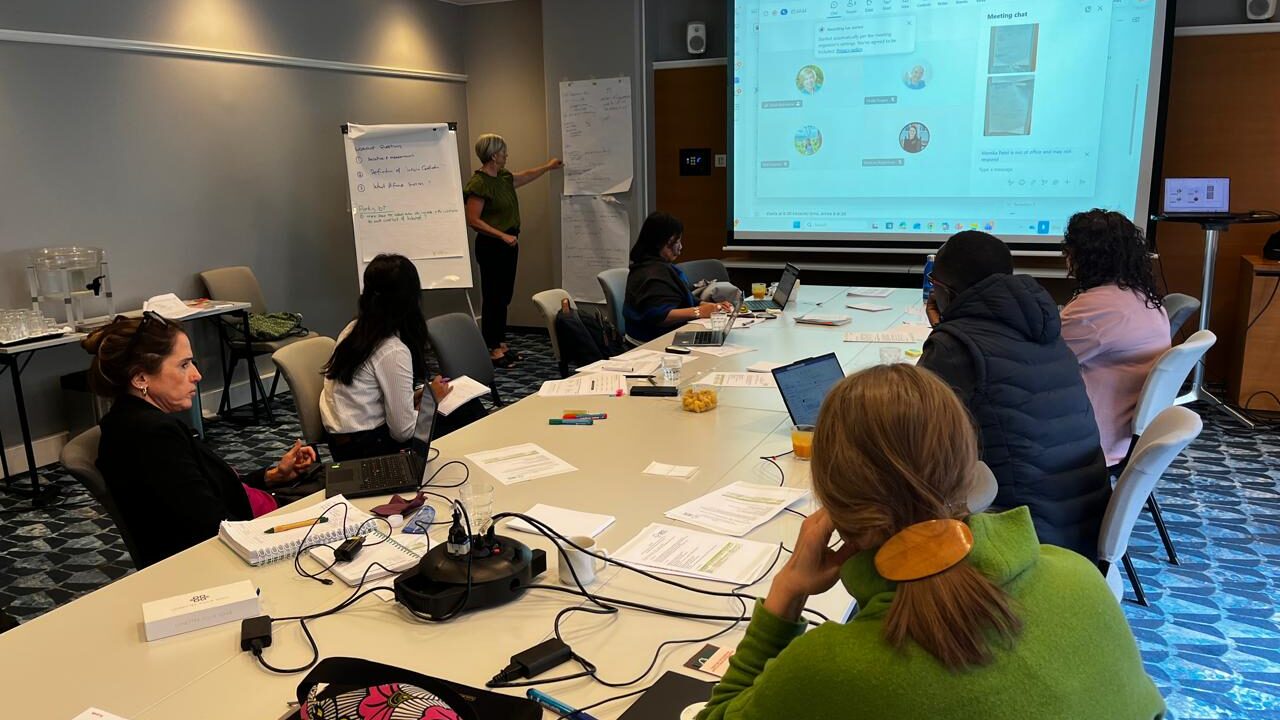
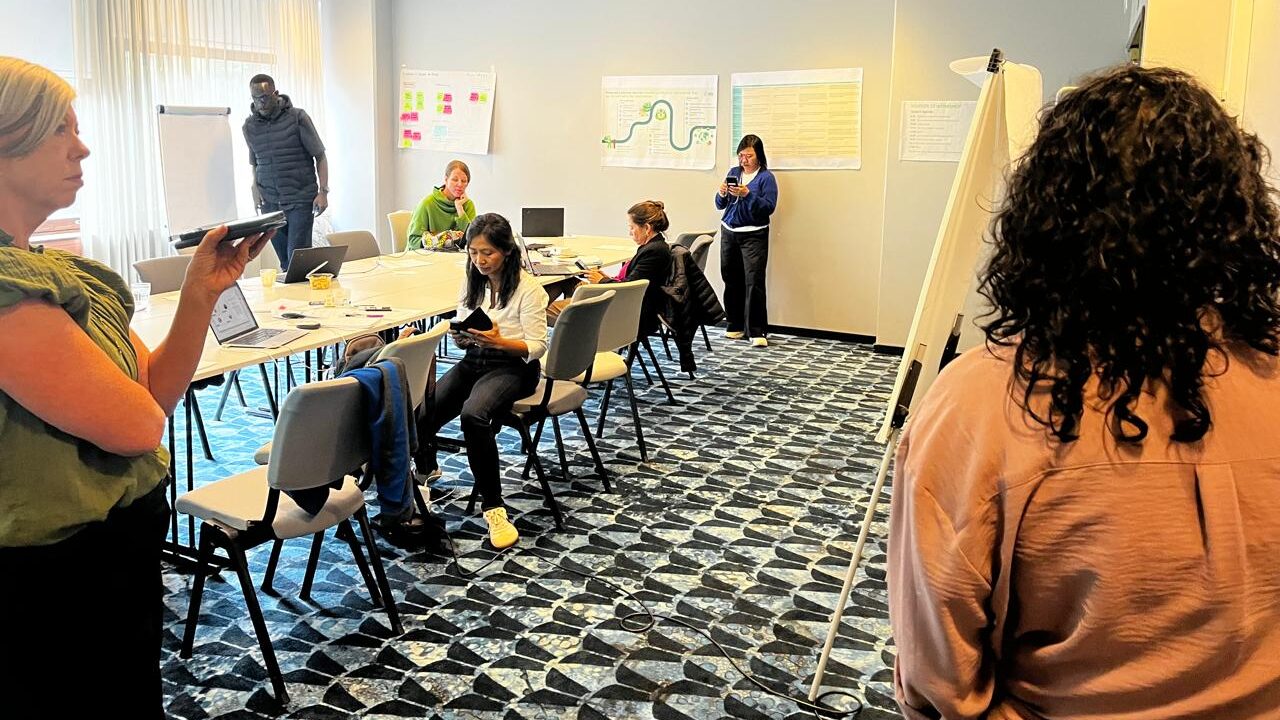
The workshop on Motion 37 was held in Helsinki on September 7, where FSC Indigenous Foundation’s Fredy Duque and Dian Intarini joined representatives from FSC International as facilitators.
The workshop provided an opportunity to explore how existing tools and capacities within FSC can be better connected to respond to the needs of Indigenous Peoples and local communities, while identifying recommendations for the next phases of Motion 37.
The conversation in Helsinki was one step in that process, moving towards practical pathways for action.
Ireland
Healthy forests sustain life
Healthy forests sustain biodiversity, cultures, livelihoods, and the well-being of communities. This interconnectedness reminds us why efforts around biodiversity, health, human rights, and climate action must come together.
At COHAB 3, the Third International Conference on Health and Biodiversity, we engaged in conversations around these connections on the road to the 2026 UN Biodiversity and Climate summits. This participation also provided an opportunity to keep strengthening relationships with partners, such as Health in Harmony, and explore how Indigenous leadership and knowledge can contribute to addressing these interconnected global challenges.
Germany
Annual FSC Certification Bodies Meeting
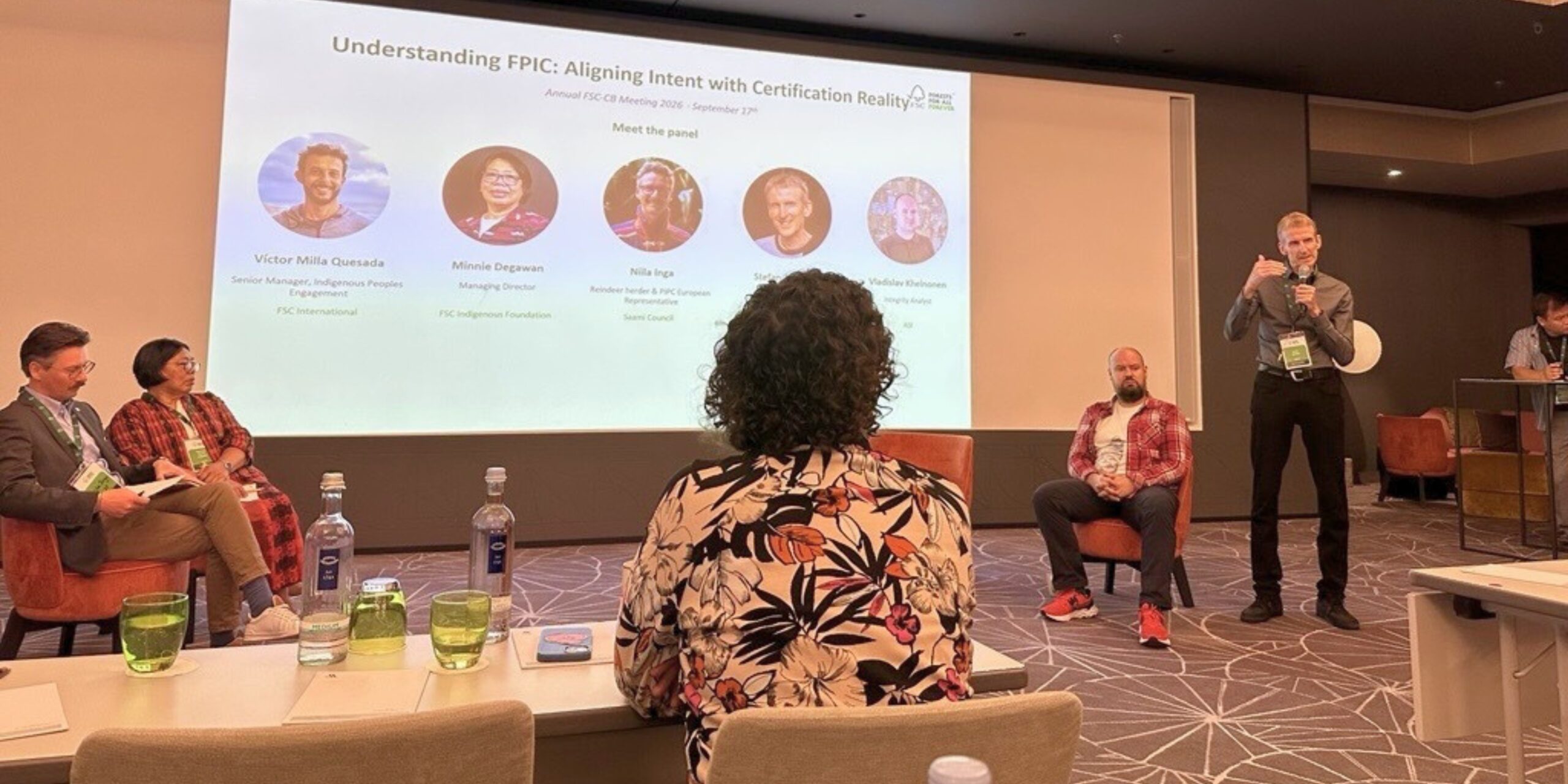
Certification Bodies, commonly referred to as CBs, play an important role in the FSC certification system, and within the FSC system, the rights of Indigenous Peoples are addressed through Principle 3 of the FSC Principles and Criteria for Forest Stewardship, including requirements related to FPIC.
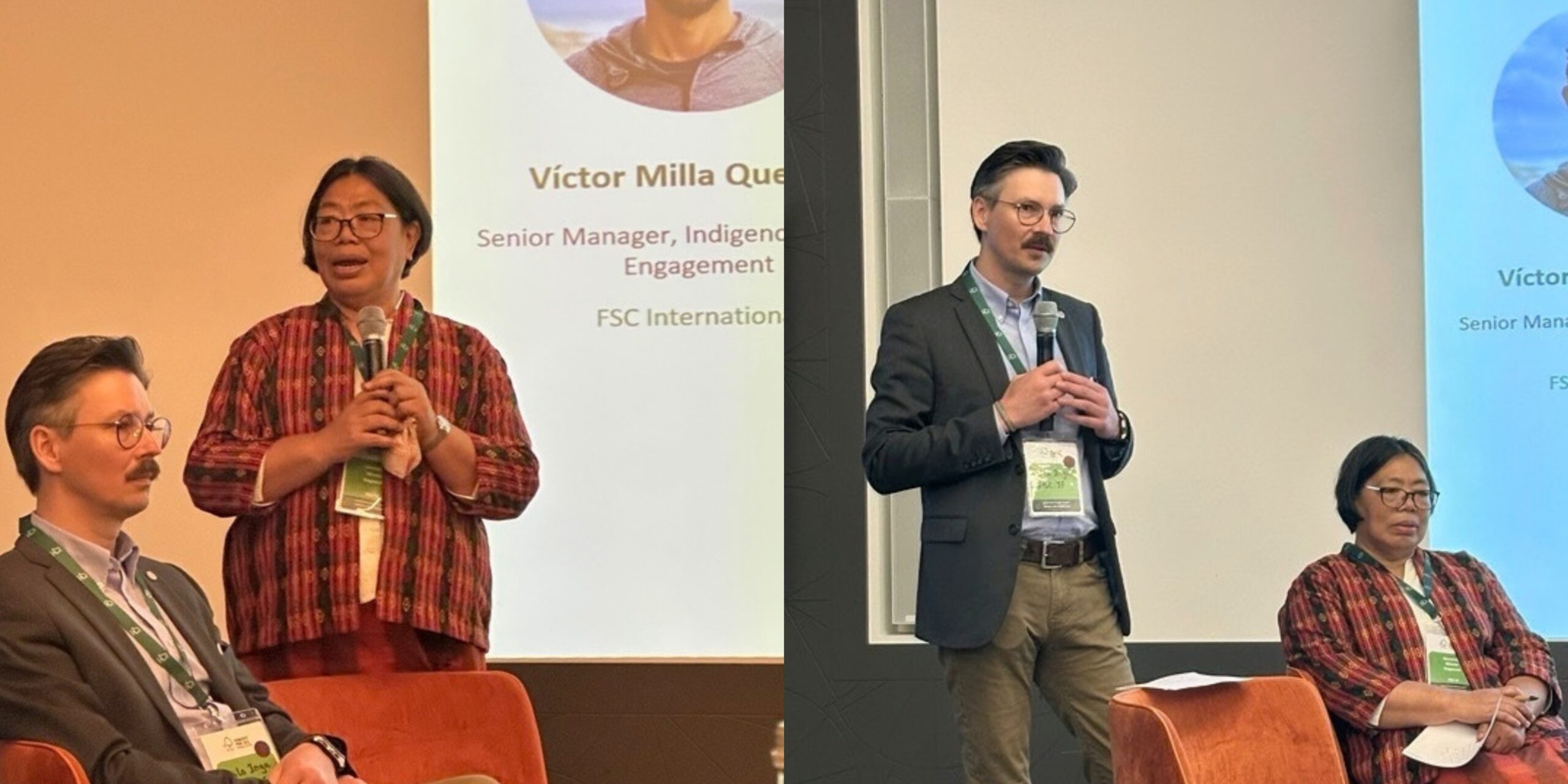
During the CBs Meeting, we joined fellow panelists to discuss the importance of FPIC during the session Understanding FPIC: Aligning Intent with Certification Reality.
Minnie Degawan, FSC-IF Managing Director, shared that FPIC at its core is about relationship building and not so much about legalities.
Niila Inga, FSC-IF Council member, also commented on how mutual respect and understanding are a good basis for working together.
Philippines
Fourth Conservation and Human Rights Forum
From September 14–17, we participated in the Fourth Conservation and Human Rights Forum in the Philippines, co-organized by the Pawanka Fund, Wildlife Conservation Society, and Tebtebba Foundation. The gathering brought together Indigenous Peoples, Afro-descendant Peoples, local communities, conservation organizations, and donors to look at an important question: how can commitments on rights, land tenure, direct funding, and governance translate into concrete action?
Kalea Aquino, FSC-IF’s Regional Focal Point for Asia and the Pacific, moderated the session Perspectives from the Philippines, which examined rights, conservation, and nature in the country through the experience of Indigenous Peoples, local communities, and the Philippines’ 30×30 commitments.
The discussion covered the state of Indigenous Peoples’ engagement with the Philippine government on biodiversity strategy and planning, the role of Indigenous knowledge, and the challenges and opportunities of the national guidelines on other effective area-based conservation measures (OECMs) and Indigenous and Community Conserved Areas (ICCAs). She guided participants toward the common issues facing Indigenous Peoples and local communities at the site level, how OECMs and ICCAs can advance a shared agenda, and recommendations for concrete action.
Panama
Connecting Generations, Culture and Forests
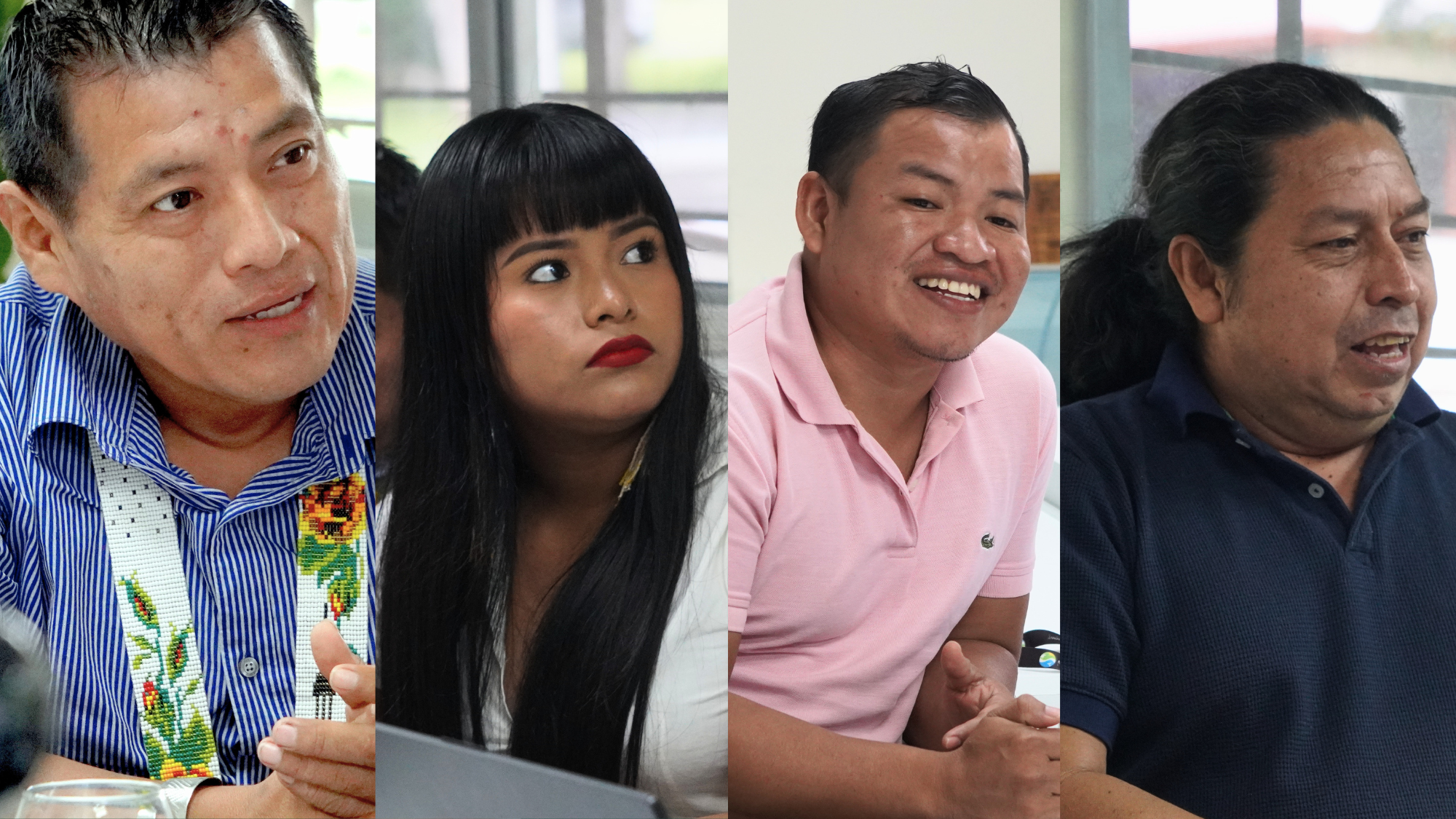
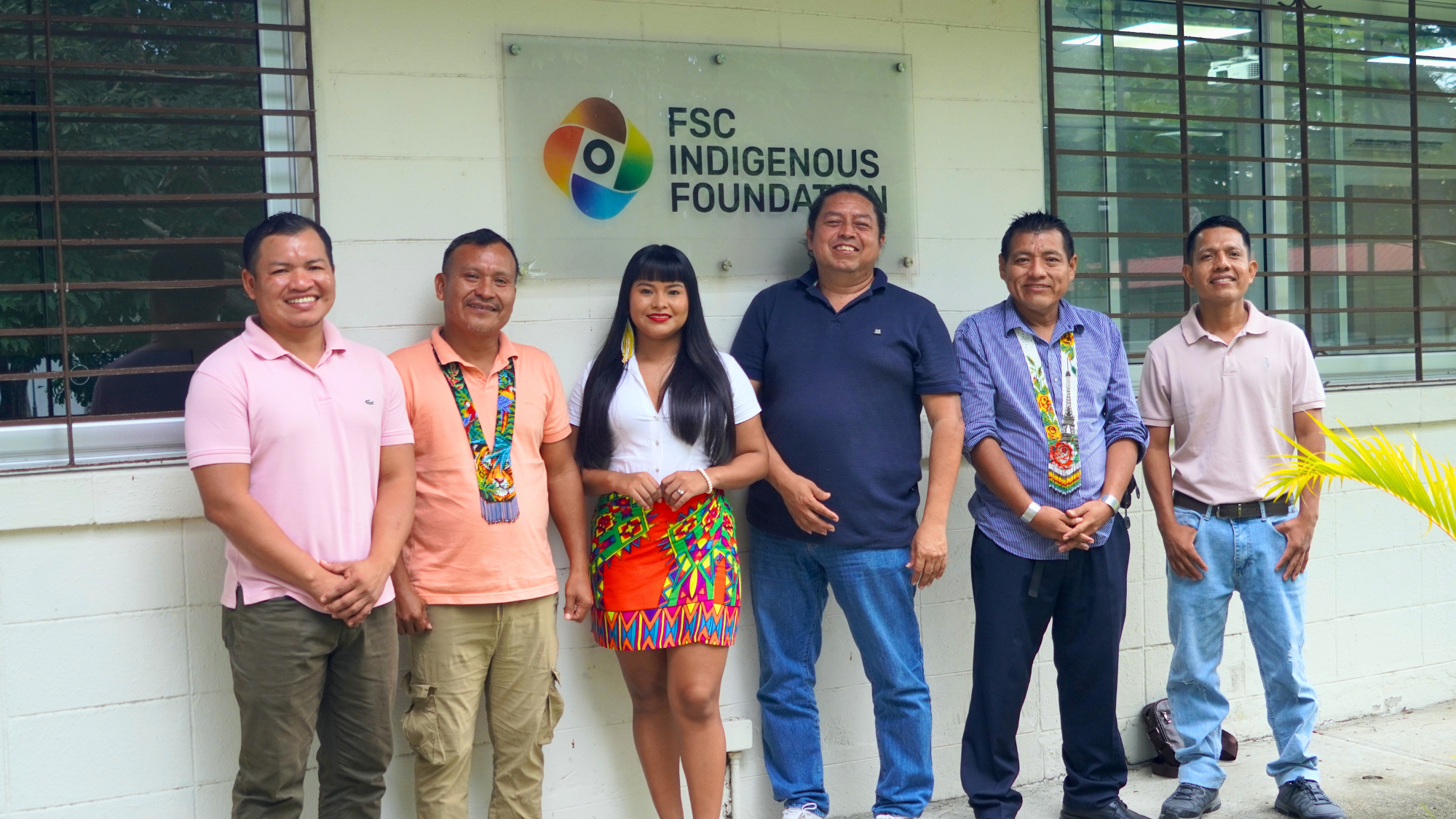
Bringing Indigenous leaders, women, and youth together creates space for communities to shape economic opportunities on their own terms. In Panama, representatives from the Emberá-Wounaan Comarca, Emberá-Wounaan Collective Lands, and the National Wounaan Congress came together to explore how community-based tourism can grow while respecting traditional authorities, cultural identity, community organization, and the decisions of Indigenous Peoples themselves. The participation of women and youth is especially important, bringing new perspectives while helping ensure that knowledge, leadership, and community priorities continue across generations.
What stands out in these conversations is the deep relationship between Indigenous Peoples and forests. Forests are not simply resources or places to visit. They are connected to culture, knowledge, livelihoods, biodiversity, and ways of life. At a time when healthy forests are increasingly recognized globally to addressing climate change and biodiversity loss, Indigenous leadership and knowledge are essential to conversations about their future. By developing tourism around the territory, culture, and biodiversity of the Emberá-Wounaan Peoples, communities are exploring opportunities to generate income while keeping the forest, cultural heritage, and community priorities at the heart of development.
For Indigenous Peoples, “forests are more than carbon sinks or resources.” They are home and relatives, and our relationships with them are shaped by generations of knowledge, culture, livelihoods and ways of life.
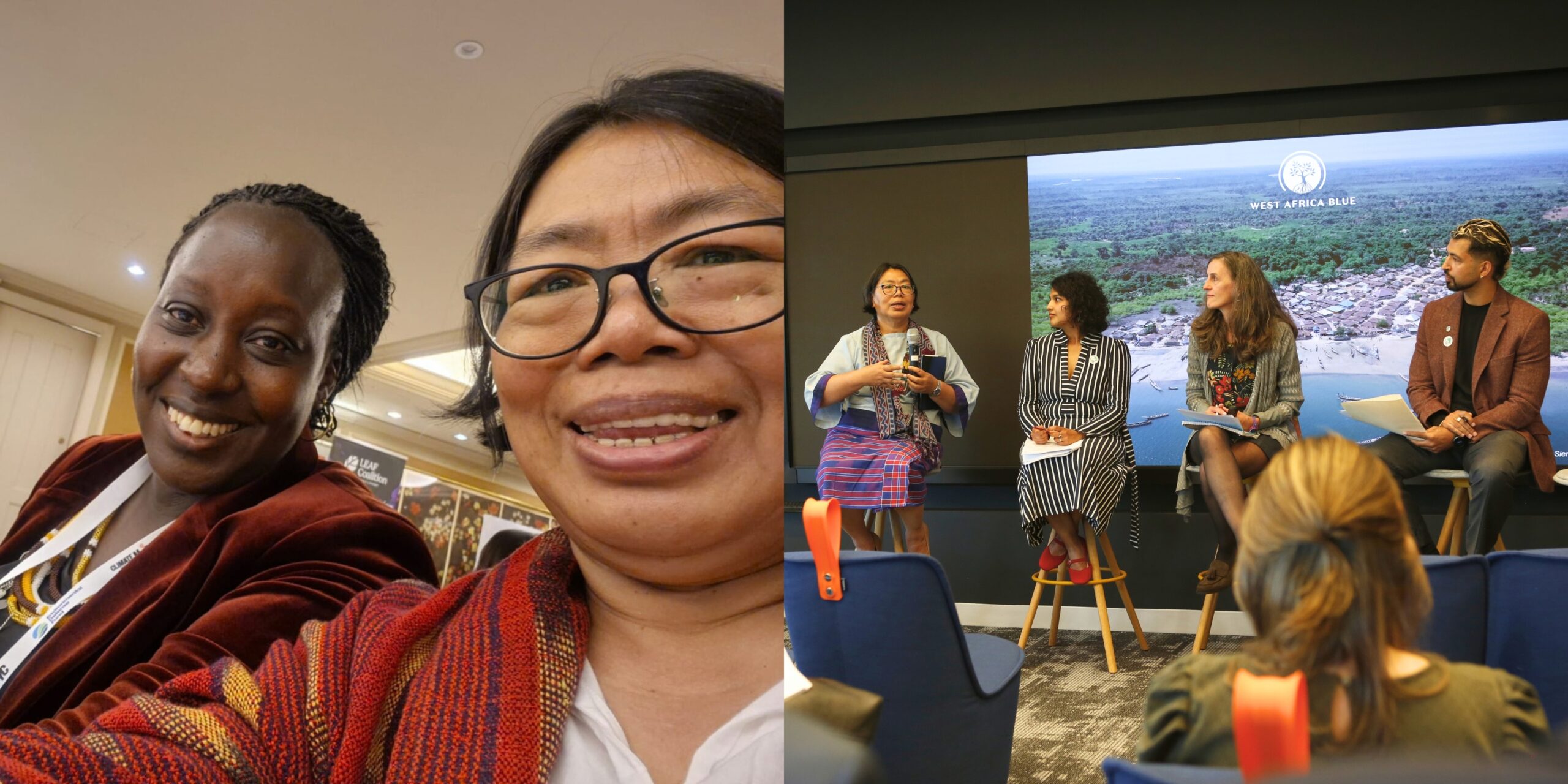
During Climate Week NYC, we brought this perspective to several engagements. Across these spaces, Minnie shared messages on the value of forests beyond carbon and the connection between thriving forests and healthy communities.
A particularly relevant engagement was the Forest Tenure Funders Group meeting, where the results of the five-year Forest Tenure Pledge were shared. The pledge reached $2.35 billion between 2021 and 2025, exceeding the original commitment.
This conversation goes beyond the amount of funding. It is also about how funding reaches Indigenous Peoples and their territories, whether it responds to their priorities and decision-making, and how it contributes to advancing collective land rights.
Global opportunity for youth
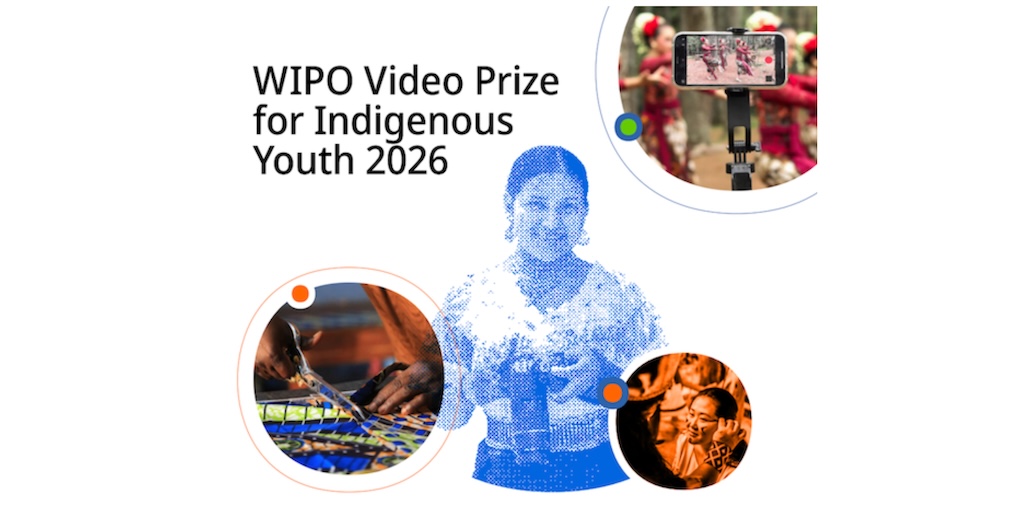
WIPO Video Prize for Indigenous Youth 2026
The WIPO Video Prize for Indigenous Youth 2026 invites Indigenous youth aged 18–35 to showcase their knowledge, culture, and creativity through video under the theme Indigenous Peoples’ Know-How and Creativity in Action.
Entries are open until November 6. The application is in English, Spanish and French. For any questions, please contact tkvideoprize@wipo.int.
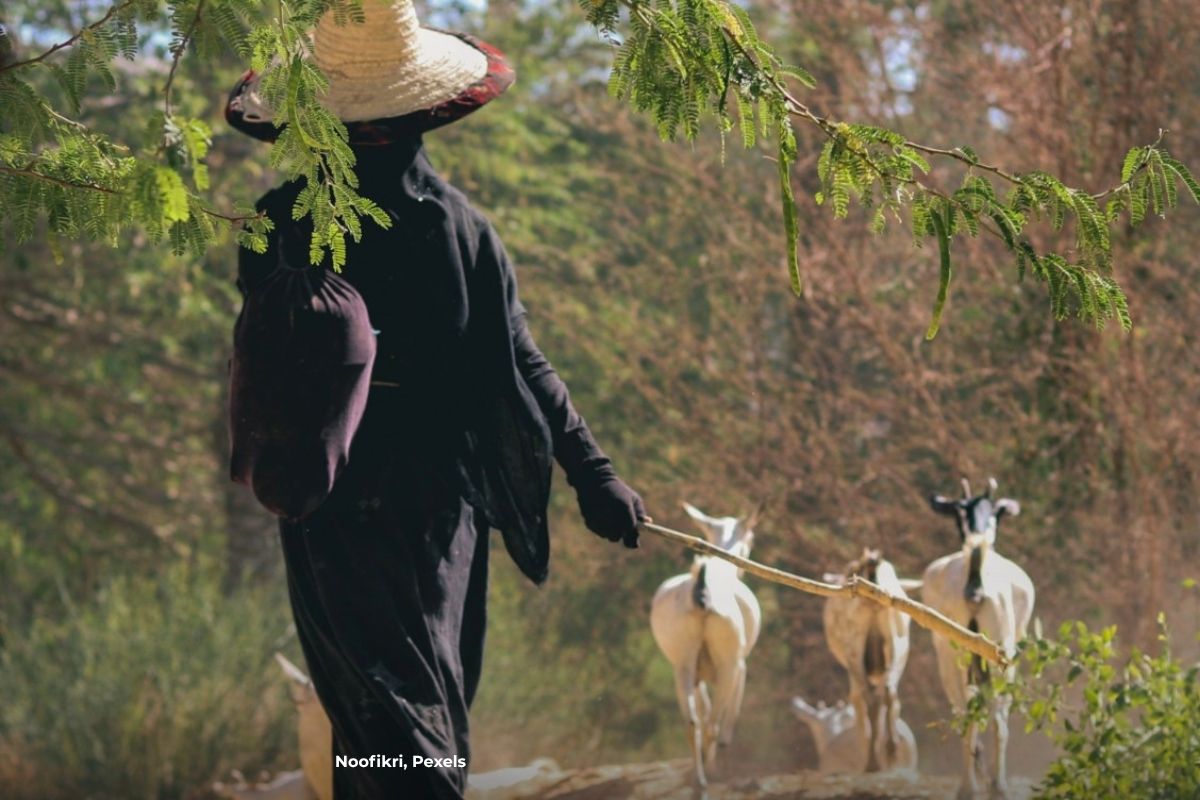
In 2026, the world is marking the International Year of Rangelands and Pastoralists, a United Nations initiative led by the Food and Agriculture Organization of the United Nations (FAO) to raise awareness of the importance of rangelands and the people who sustain them.
Rangelands, including grasslands, savannas, shrublands, steppes, deserts, mountain areas and wetlands, cover around half of the world’s land surface. Pastoralists are people whose livelihoods depend largely on raising livestock using the natural forage these landscapes provide. In many regions, mobility is fundamental to pastoralism, allowing people and animals to adapt to changing availability of water and pasture.
But pastoralism is more than a livelihood. For many Indigenous Peoples, it is connected to culture, identity, traditional knowledge, territorial governance and relationships with land that have developed over generations. Pastoralist practices can also contribute to biodiversity, healthy soils, water cycles, food security and the resilience of rangeland ecosystems.
For Aehshatou Manu, an Mbororo Indigenous Pastoralist woman from Africa, the International Year presents an opportunity to move beyond simply celebrating these contributions.
“For Indigenous pastoralists, the Year should not only be about celebrating pastoralism, but about creating lasting policy and investment commitments that strengthen pastoralist livelihoods, protect rangelands, support Indigenous-led restoration, and improve access to financing and services.”
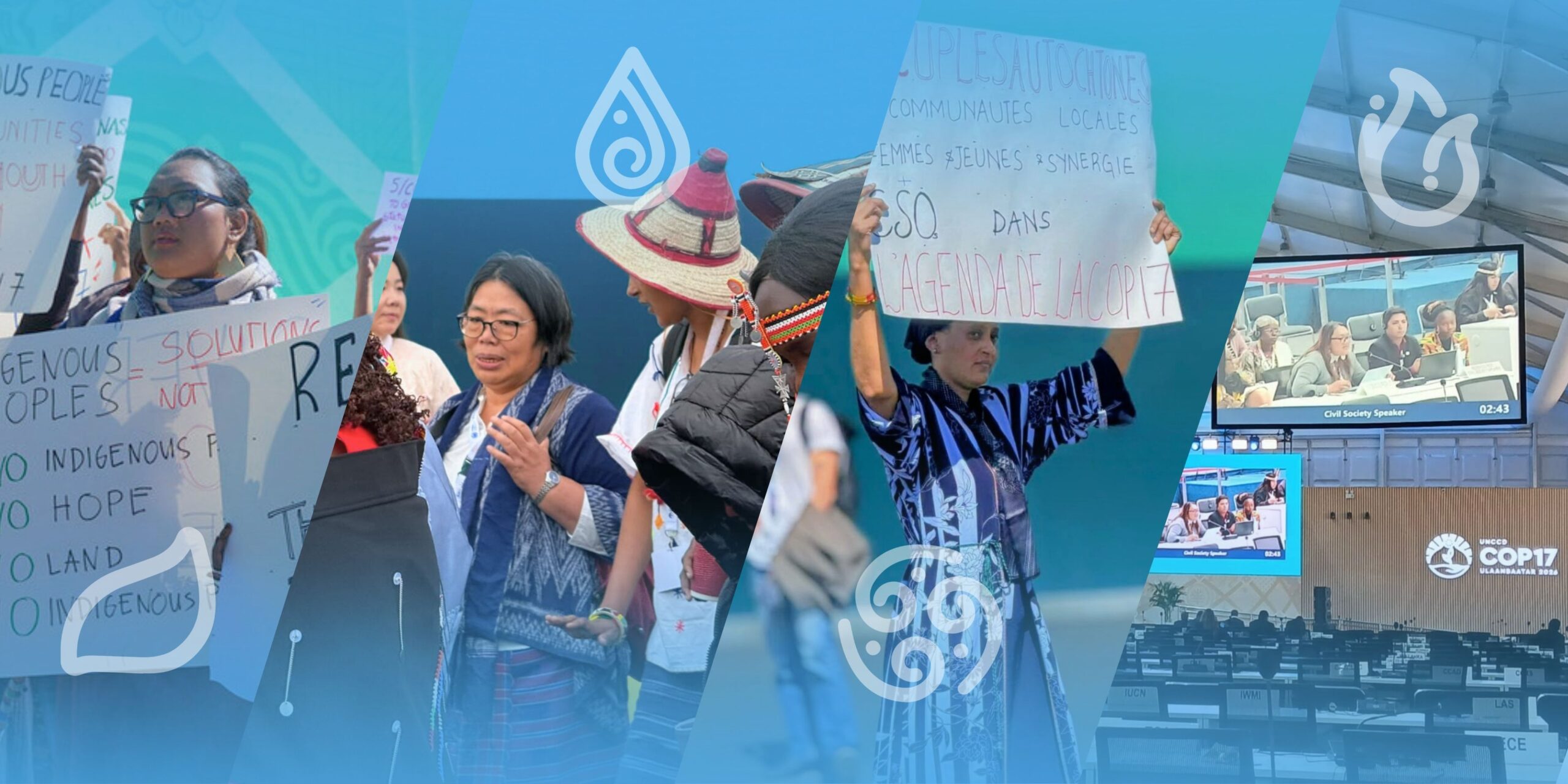
Throughout COP17, Aehshatou Manu and Kalea Aquino were actively involved in Indigenous Peoples’ engagement in the UNCCD process. Aehshatou supported the Indigenous Peoples’ Pavilion and Caucus, helped organize African Day at the Pavilion, and coordinated peaceful advocacy actions calling for meaningful participation. Kalea supported the Indigenous Peoples’ Caucus and followed negotiations on Indigenous Peoples’ participation, synergies among the Rio Conventions, and resource mobilization.
During Finance Day, Kalea also took the floor on behalf of the International Indigenous Peoples Forum of the UNCCD, delivering its statement during the Ministerial Dialogue.
To look more closely at what COP17 meant for Indigenous Peoples, both share their experiences from Ulaanbaatar and reflect on the progress made, the challenges that remain, and what needs to happen next.
Looking back at COP17, what discussion or moment stood out to you the most, and why?
Aehshatou: What stood out to me most was the strength and unity demonstrated by Indigenous Peoples and other social groups in demanding meaningful recognition and participation in the COP processes. African Day at the Indigenous Peoples’ Pavilion was also particularly meaningful because it brought African Indigenous Peoples’ realities, knowledge, challenges and solutions to the forefront while strengthening connections across regions.
Kalea: The moment that stayed with me came on the very first day, during the adoption of the agenda, when I watched the items on civil society participation, synergies among the Rio Conventions, and gender objected to and set aside before the substantive work had even begun.
“I came to understand that recognition on paper and presence in the room are two different things, and that the second does not wait for the first.”
What do you consider the most important outcome of COP17 for Indigenous Peoples and their territories?
Aehshatou: I see COP17 as an important step rather than an end point. The real outcome will depend on translating recognition and commitments into concrete action at national and local levels, including secure land and resource rights, meaningful participation in decision-making, direct access to financing, and stronger protection of Indigenous Peoples’ traditional knowledge.
For me, the priority is to move from participation to influence, and from recognition to implementation.
Kalea: The outcome I would name sits outside the decision text: it is the way Indigenous Peoples organized ourselves when formal channels were closed. What I carry home is a clearer sense of who we are inside these negotiations and that the defense of our lands does not wait for the Convention to grant us permission to speak.
What needs to change to ensure that international commitments on land restoration and resilience translate into meaningful action at the territorial level?
Aehshatou: We need to move from commitments made at the global level to rights-based, locally led implementation at the territorial level. This requires recognition of Indigenous Peoples’ collective land and resource rights, meaningful participation in planning and decision-making, respect for Free, Prior and Informed Consent, and recognition of Indigenous and traditional knowledge.
Indigenous Peoples should also have direct and simplified access to financing, technical support and other resources so they can design and lead initiatives that respond to the realities of their own territories.
What are the main barriers Indigenous Peoples still face in accessing finance and participating in decisions about land restoration?
Kalea: Access to finance remains challenging because many funding mechanisms operate at a scale and with requirements that can be difficult for Indigenous and community-based institutions to meet. Requirements related to accreditation, co-financing, proposals and reporting can limit direct access to resources.
There are also practical barriers to participation, including travel and visa costs, the technical and linguistic complexity of negotiations, and the need to involve Indigenous Peoples earlier in the design of initiatives rather than primarily at later stages of consultation.
What does the Indigenous Peoples’ Declaration mean for Indigenous Peoples’ participation and recognition within the UNCCD?
Aehshatou: The Indigenous Peoples’ Declaration is an important milestone for strengthening the recognition and participation of Indigenous Peoples within the UNCCD. It provides a stronger basis for Indigenous Peoples to continue engaging collectively with Parties and other stakeholders and advocating for their priorities to be reflected in UNCCD policies, decisions, programmes and implementation.
However, its true significance will depend on what happens after COP17.
“For me, recognition must translate into influence and concrete action on the ground.”
What message from COP17 do governments, donors and other partners need to hear most clearly from Indigenous Peoples?
Kalea: Our rights should not be seen as an obstacle to restoration, but as fundamental to making restoration efforts last. When tenure is secure and communities are involved from the outset, restoration and resilience investments can be more durable.
“If there is one thing to carry out of Ulaanbaatar, it is that respecting Indigenous Peoples is not the price of doing this work well, it is the condition of it.”
As Indigenous participants, what did being part of COP17 mean to you personally, and what are you taking away from the experience?
Kalea: Being part of COP17 meant learning that I belong in that room, not as a guest brought in to observe, but as one voice in a long line of Indigenous Peoples who have carried this work far longer than I have. I learned from sitting beside elders and delegates from other regions and watching how they hold their positions with patience and dignity.
What I am taking home is a sense of responsibility heavier and clearer than the one I arrived with […] and a conviction that defending our territories is not something that happens only in halls like the one in Ulaanbaatar.
Aehshatou: As an Indigenous Pastoralist woman from Africa, being part of COP17 was both a privilege and a deeply meaningful experience. Being part of the Indigenous Peoples’ organizing committee allowed me to see the strength that comes from collective Indigenous leadership and solidarity across the seven UN socio-cultural regions.
Personally, it reinforced my conviction that our voices matter and that Indigenous Peoples must continue to claim their rightful space in decision-making processes.
What should we be watching between now and the next UNCCD COP to determine whether the commitments made in Mongolia are actually being implemented?
Aehshatou: We should watch whether the commitments made in Mongolia are translated into concrete policies, resources and actions at national and territorial levels. This includes whether Indigenous Peoples’ rights, knowledge and participation are reflected in national strategies, whether accessible financing reaches Indigenous-led initiatives, and whether Indigenous Peoples and pastoralist communities participate in planning, implementation, monitoring and decision-making.
There is also a need for transparent monitoring and accountability mechanisms that allow Indigenous Peoples themselves to assess progress.
“For me, the real test will be whether we can see a shift from commitments and declarations at the global level to measurable improvements in the lives, livelihoods, rights, and territories of Indigenous Peoples and pastoralist communities before we arrive at the next COP.”
From her to her
The chain of knowledge connecting Indigenous women across generations
FSC IF
FSC Indigenous Foundation
To mark the International Day of Indigenous Women, the FSC Indigenous Foundation collaborated with the Forest Stewardship Council (FSC) on a special story celebrating the knowledge, leadership, and experiences that Indigenous women carry across generations.
On 5 September 1782, an Aymara leader and weaver named Bartolina Sisa was executed for defending her people. Two hundred years later, Indigenous women of the Americas chose her day as the International Day of Indigenous Women: a day about leadership, resilience, rights and about what women hand to the women who come after them.
Today there are an estimated 238 million Indigenous women in the world (ILO, 2019). Much of what humanity knows about living with forests survives because women like them carried it – from mother to daughter, elder to student, hand to hand – a role that has largely gone unseen. We asked seven Indigenous women leaders from five continents what they were given by the women before them and what they pass on. This is the chain, in their words.
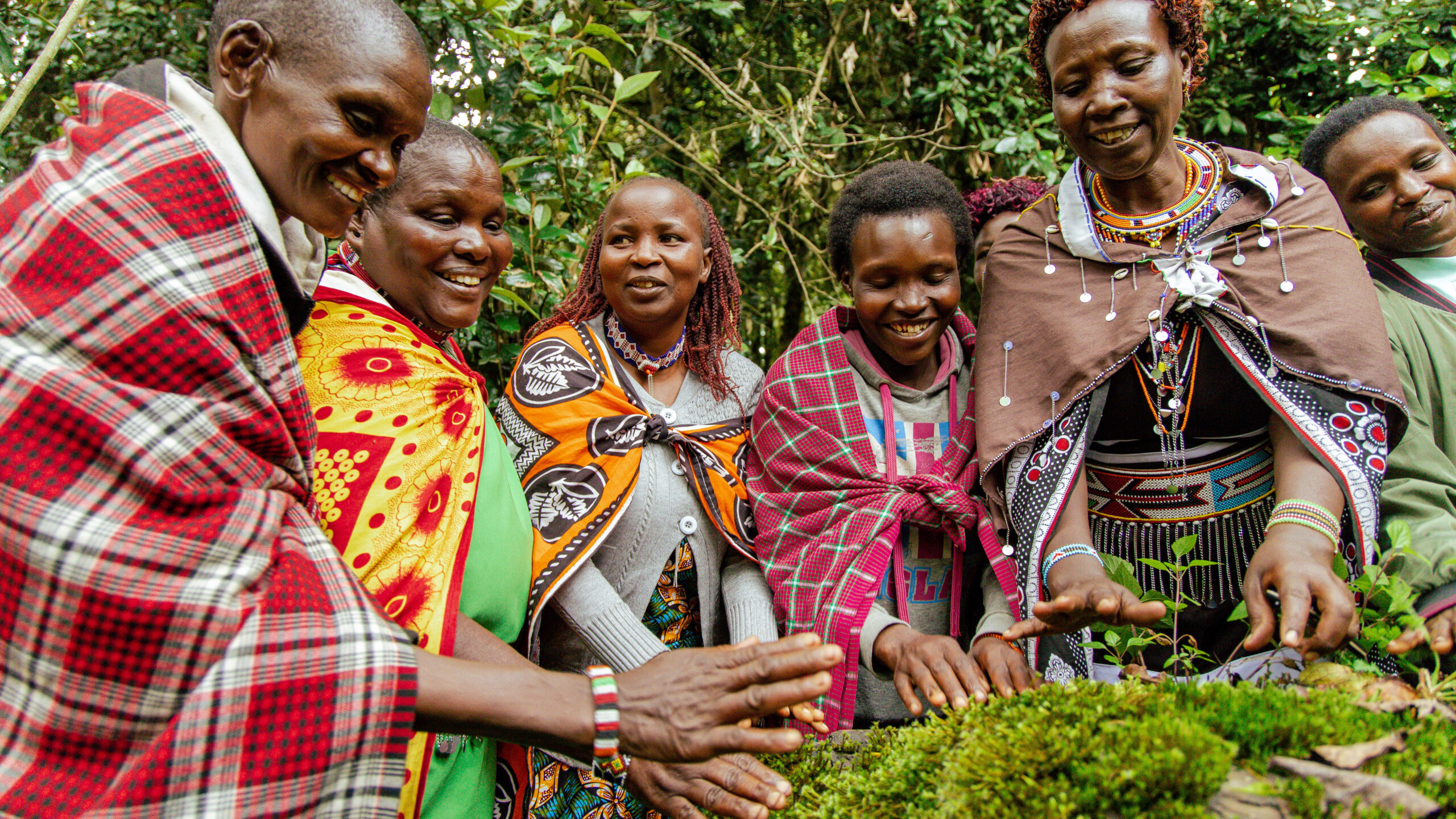
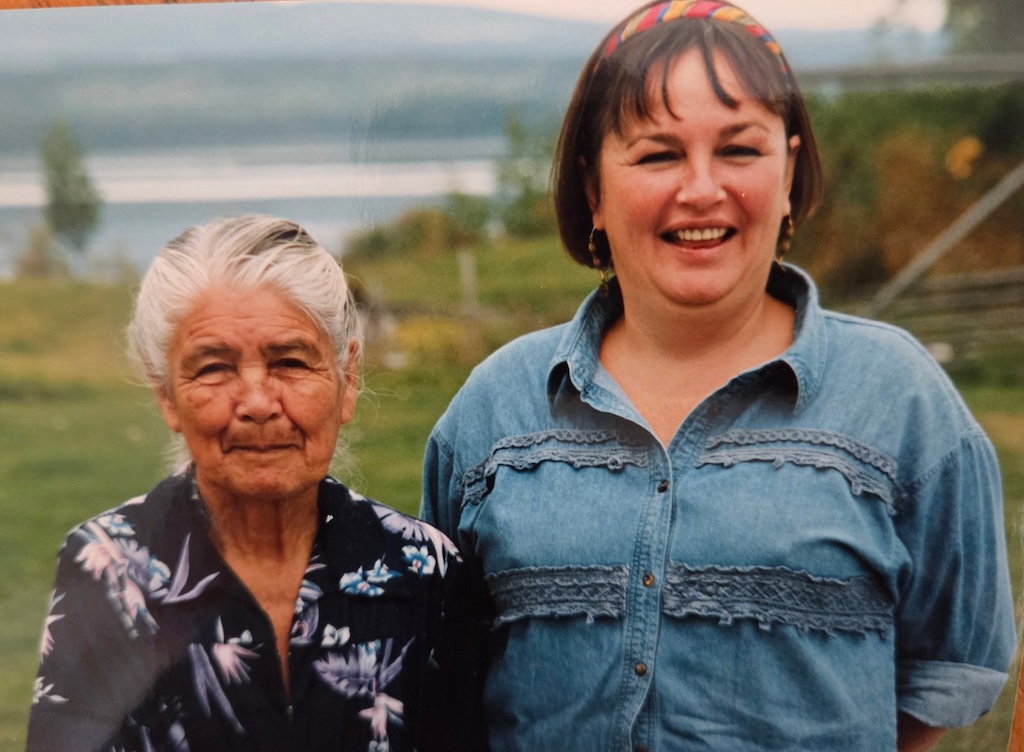
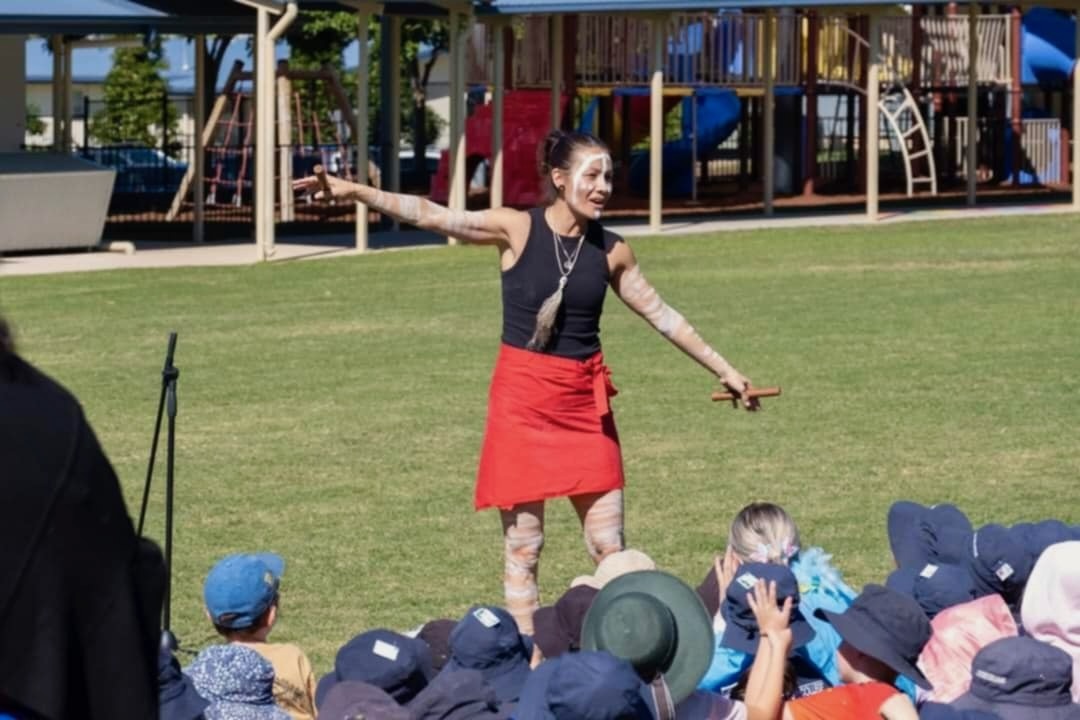
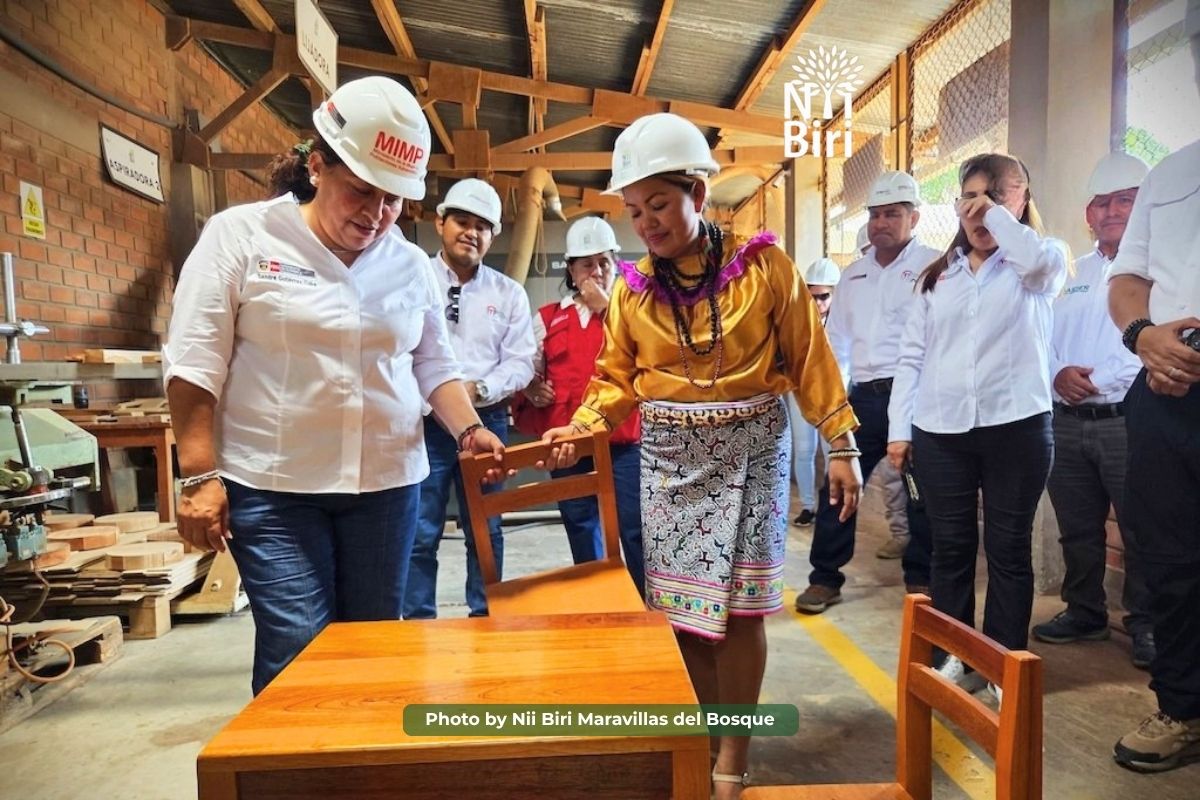
Minnie Degawan (Kankanaey-Igorot, Philippines), Managing Director of the FSC Indigenous Foundation · Tolita Davis-Angeles (Cobble Cobble, Barunggam Nation, Australia), Chair of the FSC First Nations Committee and founder of Gandan Yarnings · Sara Omi Casamá (Emberá, Panamá), lawyer and president of the Territorial Women Leaders of Mesoamerica · Peggy Smith (Miskwaanakwadook, Red Cloud Woman; Cree ancestry, Canada), member of the FSC Canada Indigenous Chamber · Cindy Kobei (Ogiek, Kenya), lawyer and advocate for Indigenous Peoples’ rights · Yu-An Chen (Iupi’i ’akuyayana; Tsou Tribe, Chinese Taipei), Chairperson, Chiayi County Alishan Indigenous Tfuya Community Cooperative · Gely Rojas (Shipibo-Konibo, Peru), Indigenous Business Development, Nii Biri.
Ogiek Peoples’ Development Program
What they received from the women before them
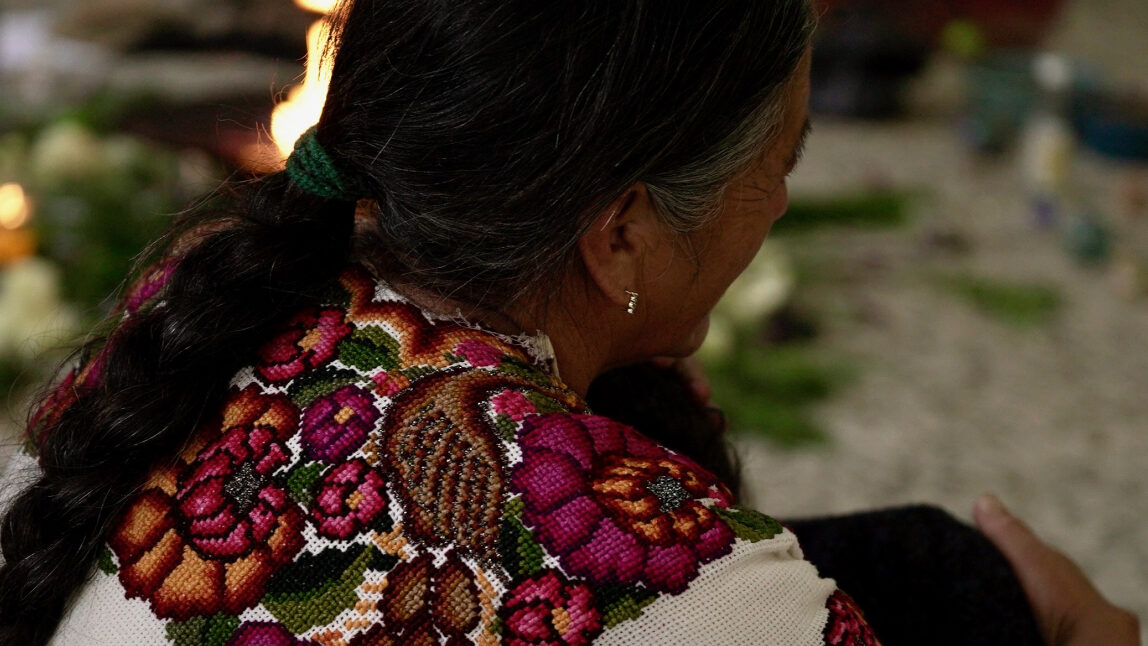
Sara Omi Casamá believes that Indigenous women have long been the bridge between generations, transferring traditional knowledge, often without recognition.
Omi Casamá: “This knowledge is always kept alive in the thoughts and hearts of Indigenous women… What we are trying to do now is to make their role visible.”
Across their experiences, the forest is a refuge, a teacher, a family member, and a home.
Smith: “An Anishinaabe elder, a very wise woman, said to me, ‘If you’re looking for guidance, go to the forest and sit. Just be there, and the answers will come to you.’
Rojas: “Our mothers and grandmothers taught us that we must take care of the forest, because it’s not just a resource, it’s part of our family, it’s part of our home.”
Kobei: “As an Ogiek woman, I was raised to understand that the forest not only provides food, medicine, and water, but it is also part of our culture and our identity.”
For others, knowledge is listening and understanding our place and role in the wider world.
Davis-Angeles: “I’ve always been told that we’ve got two ears and only one mouth, so we should be listening twice as much as we’re speaking.”
Degawan: “Inayan is a value that we are constantly reminded of in my community and basically means that whatever we have has to be shared, and that whatever we do has consequences.”
What they give to the next generation
These seven leaders understand that knowledge survives when it is shared. This is what they will leave to those who follow.
Degawan: “I strive to teach my daughter that even if you think you are a big dot, you are still just a dot… and if our dot can connect with the other dots, together we can become a beautiful rainbow.”
Smith: “It is usually women who step up to act as role models for their own children. We are going to bring our communities out of poverty and discrimination. And, become equal members of society. Women naturally feel that they have a responsibility to be that role model for their kids.”
Knowledge can be transferred through experience, creating spaces where youth can learn from elders.
Yu-An: “We invite tribal elders and interested youth to spend a day or two together in the mountains. Along the way, elders lead the group through our traditional territories, sharing the names and stories of these landscapes, as well as how our ancestors once lived and worked the land. To me, what matters most is not dictating what young people should do, but helping them rediscover their culture and land. Through this journey, they can gradually find their own connection to the tribe and reflect on how they wish to build meaningful lives here.”
Many share messages of courage for the next generation.
Kobei: “Listen to the women who have gone before you – they have walked the journey, they know the challenges, and they have lessons they want to share… do not be afraid to be a leader.”
Davis-Angeles: “Every day when I drop my daughter off at school I tell her, ‘You’re strong, you’re smart, and you’re resilient’.”
Rojas: “The message I want to give to Indigenous girls and women is that we must never be silent, that our voices must be heard, that our culture must be shared respecting all our ancestral knowledge. That we should never, ever be afraid to say, ‘I can’t’ because we can, because if one of us climbs, we all climb.”
Seven women, seven inheritances, and seven gifts already moving toward the next generation. The knowledge was always carried – from her, to her.