
News

Indigenous Peoples’ knowledge is vital to combat the climate crisis

Takeaways from Africa Climate Summit and Climate Week 2023

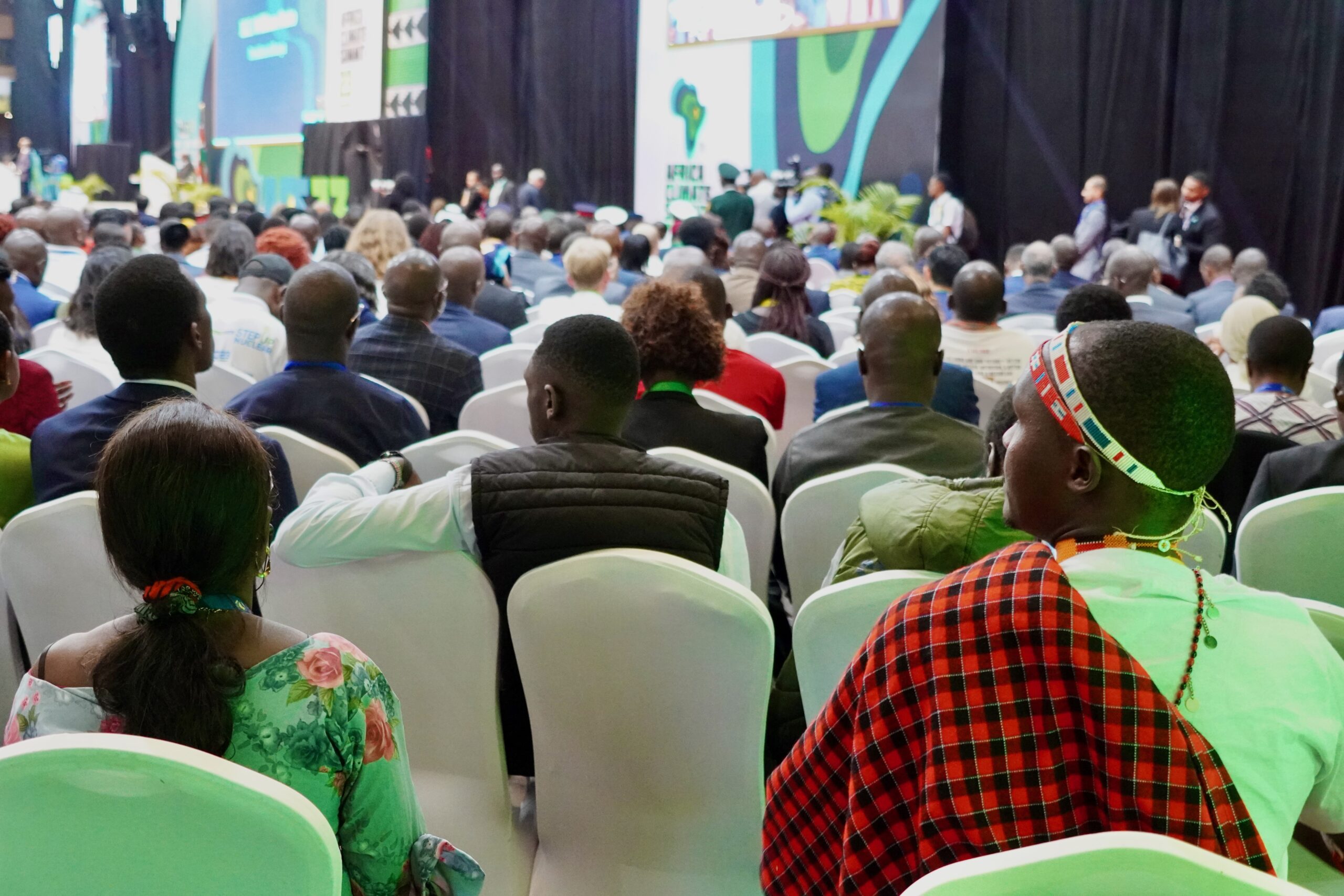
Last week in Nairobi, Kenya, governments, businesses, international organizations, civil society, and Indigenous leaders met at Africa Climate Week 2023 and African Climate Summit to highlight solutions to reduce greenhouse gas emissions while adapting to the climate crisis.

One message from the week is clear: Indigenous Peoples’ ancestral knowledge is vital to combating the climate crisis. If we scale up Indigenous-led actions and funding, we can protect our planet, peoples, and future.

Many stakeholders have identified nature-based solutions as key programmatic priorities in the next decade in the fight against climate change. Indigenous Peoples have been the world’s nature-based solution providers for thousands of years.

Highlights from Africa Climate Week

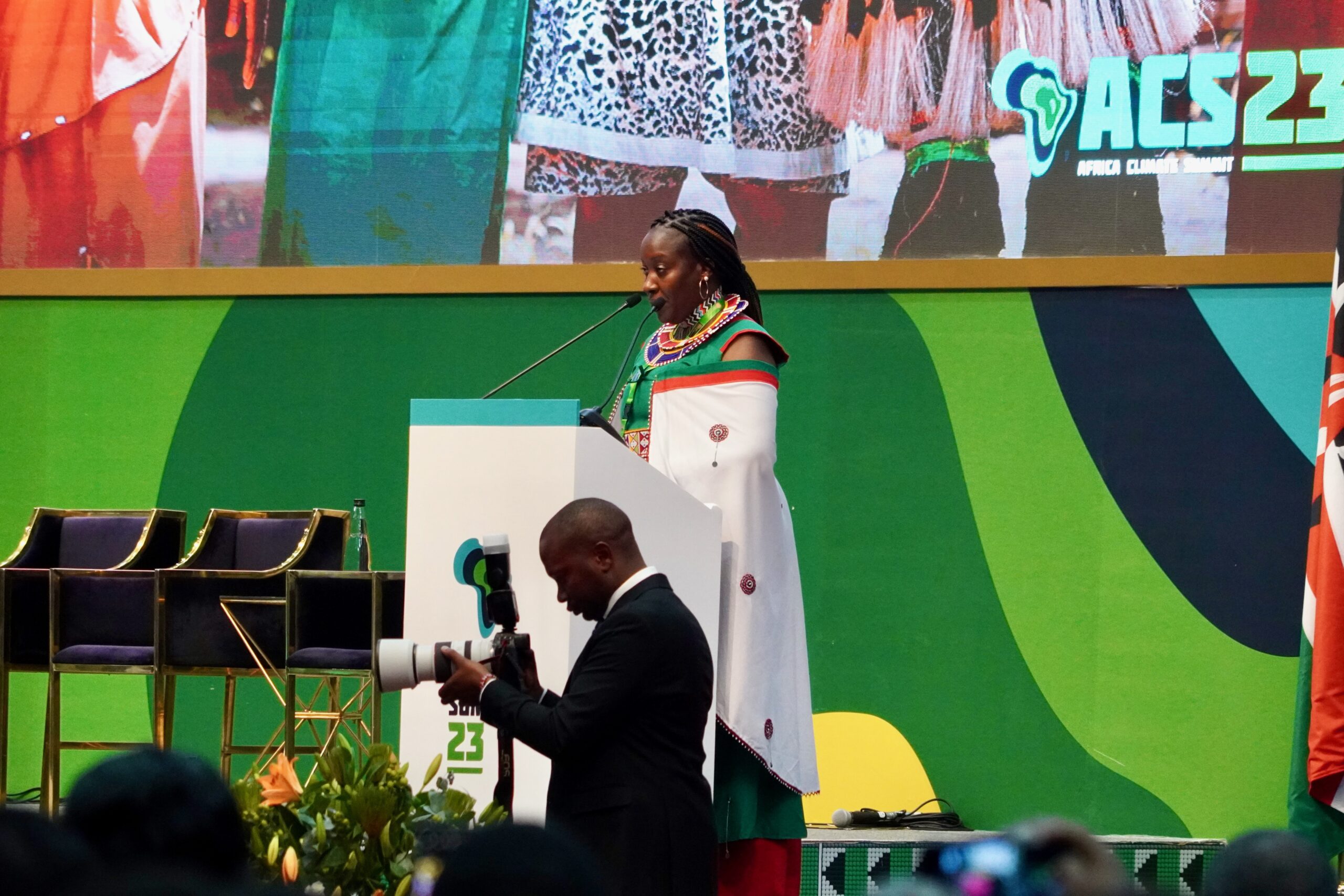
Over 30,000 people gathered for Africa Climate Week and Summit to explore solutions. In the opening ceremony, Anne Samante of the National Indigenous Peoples Coordinating Committee on Climate Change and MPIDO read a statement that was put together in an Indigenous Peoples pre-summit. 

Indigenous Peoples  “are not only victims but we also come with solutions,” Anne Samante said. 

The gathering concluded with the Nairobi Declaration – a common position for Africa leading up to COP28 with commitments around climate finance, renewable energy, a Global Climate Finance Charter, green minerals, and economic transformation. A key theme discussed throughout the week was the potential and need to include youth, one of Africa’s most valuable resource. The President of Kenya Dr. William Ruto acknowledged the role Indigenous Peoples play in their cultural landscapes in protecting forests, savannahs, marine environments, and drylands. 

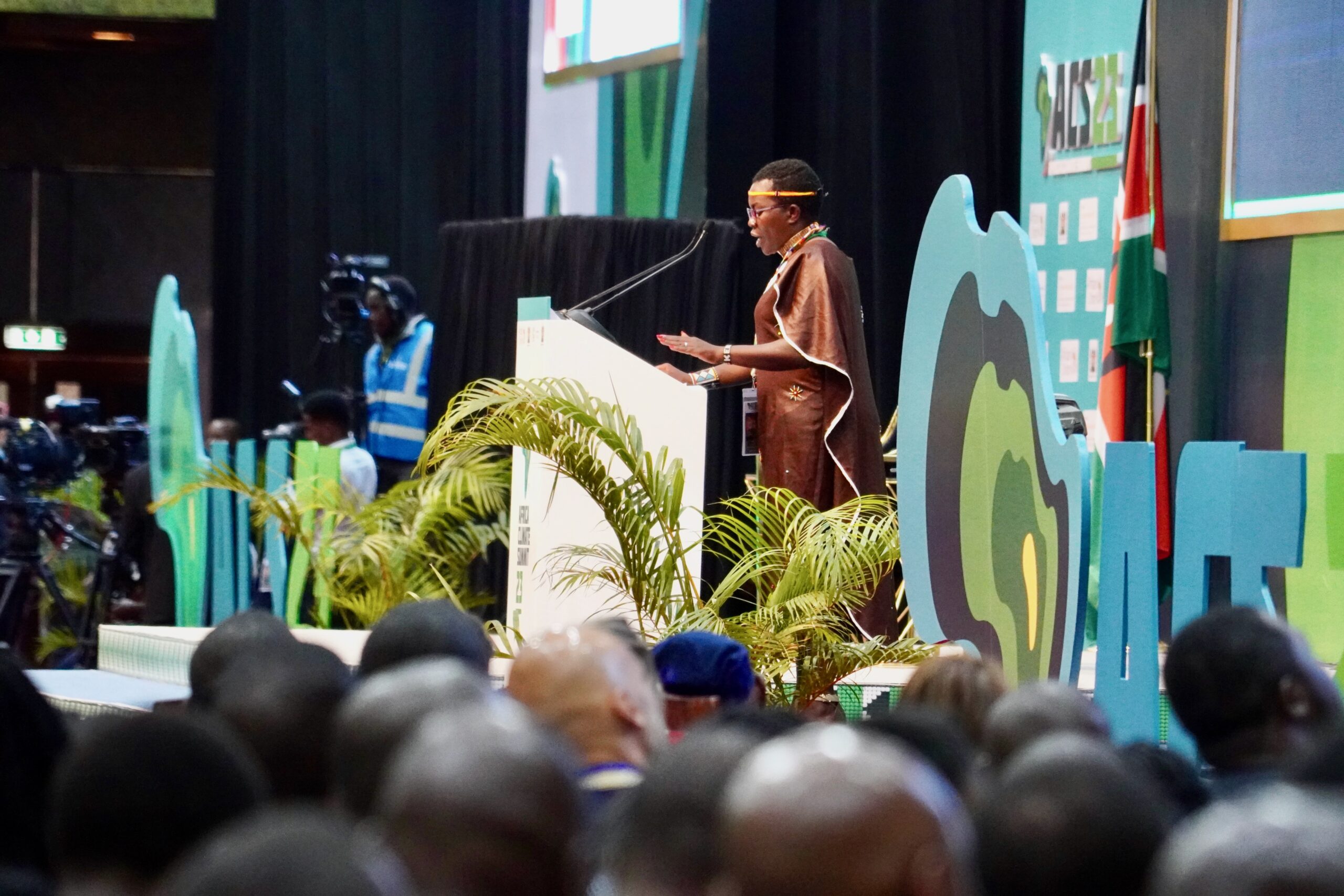
Judith Kipkenda from the Ogiek Peoples of Kenya and the Global Indigenous Youth Caucus read the Indigenous Peoples’ declaration in the closing ceremony. It includes the following key themes: (1) Indigenous focal points and participation at African Union and United Nations level, (2) free, prior, informed consent (FPIC) and stopping evictions of Indigenous Peoples from their lands, (3) recognition and strengthening traditional knowledge systems and partnerships to integrate this knowledge with scientific knowledge, among others.

“Although we as Indigenous Peoples contribute the least to climate change, we suffer the most from its consequences. We are here with solutions and lessons,” Judith Kipkenda said. 

Indigenous knowledge systems for adaptation actions in Africa

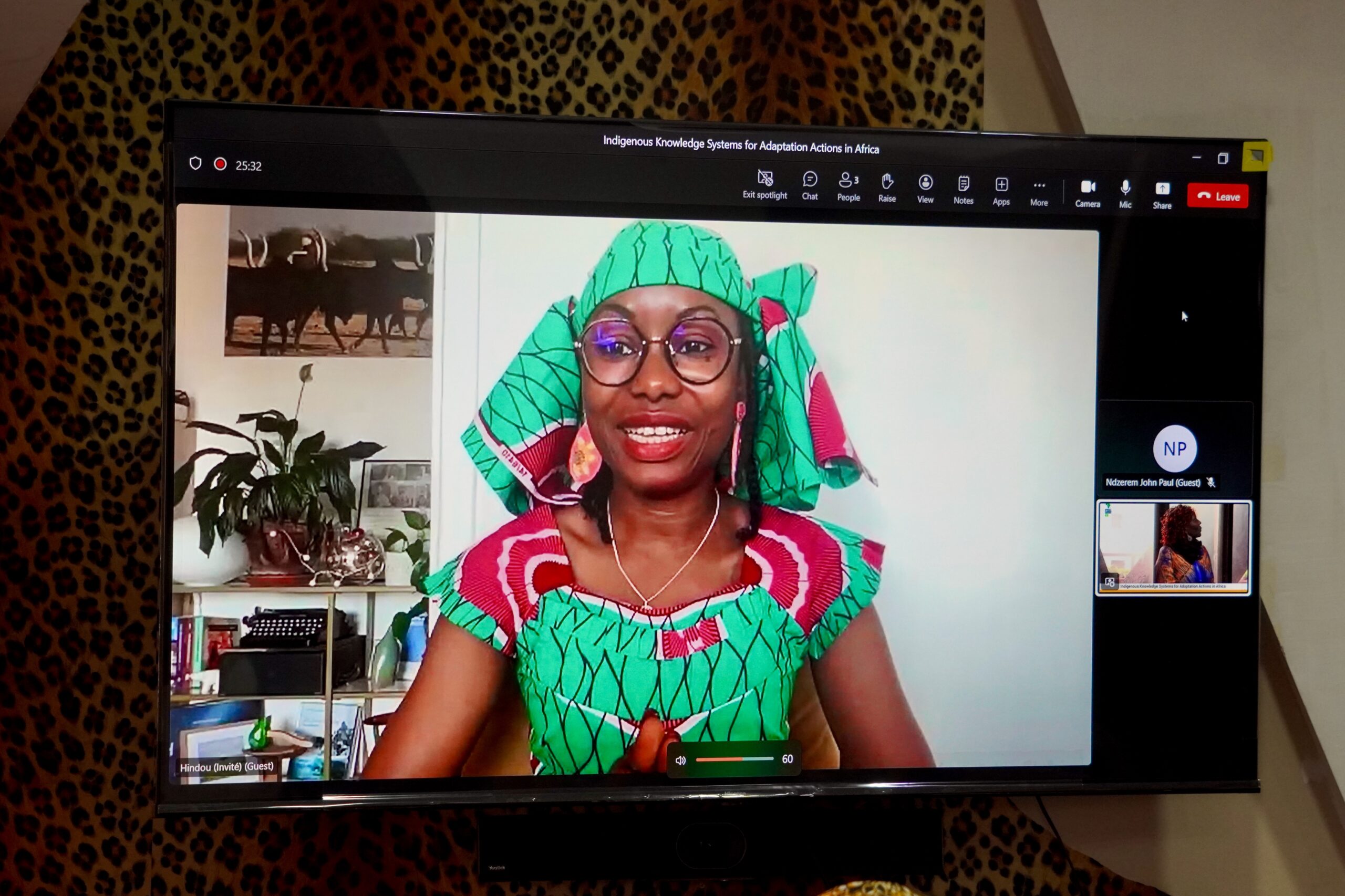
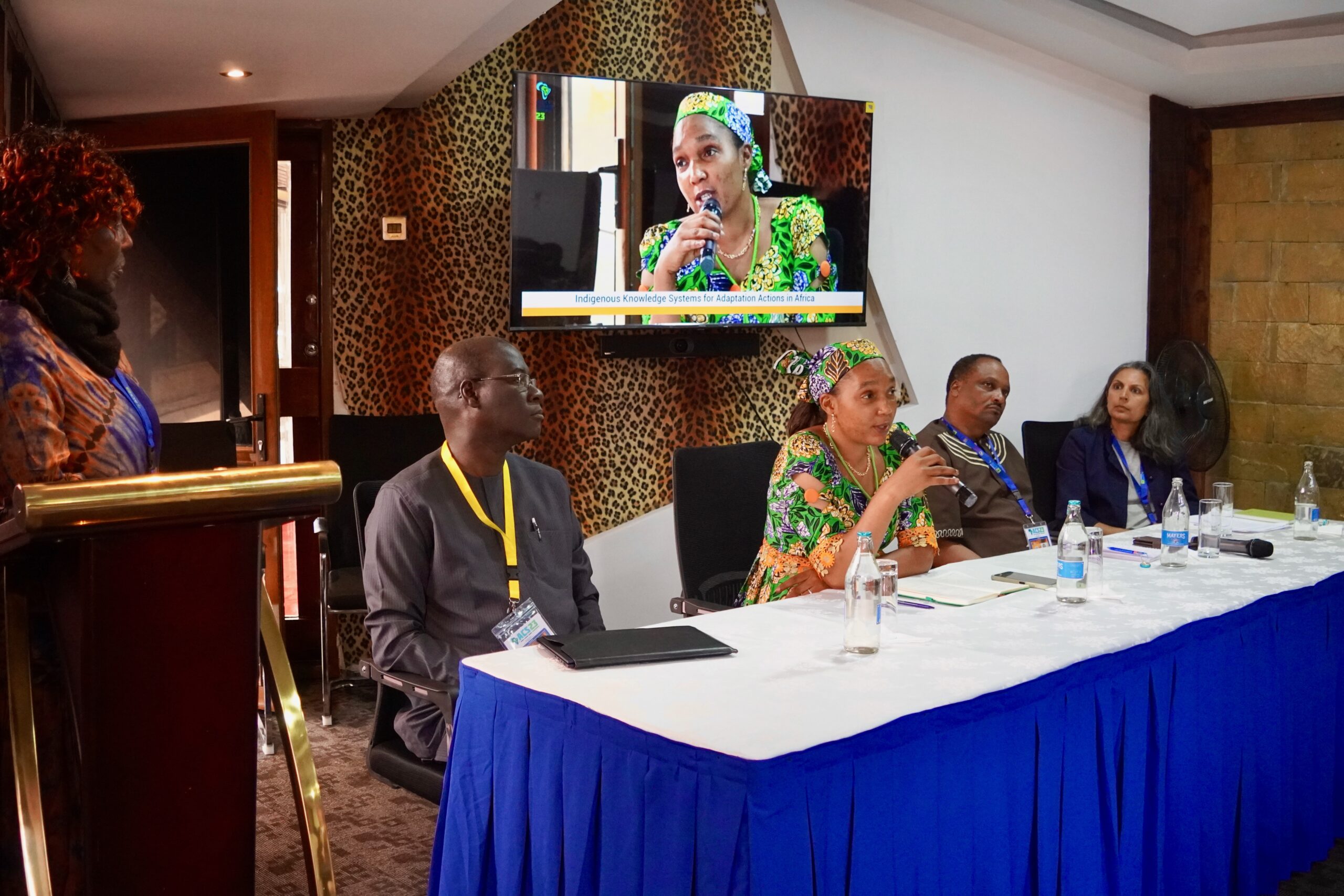
In an Africa Climate Week side event organized on September 8 jointly by the FSC Indigenous Foundation (FSC-IF) and the African Development Bank (AfDB), Indigenous Knowledge Systems for Adaptation Actions in Africa, Indigenous leaders and key stakeholders discussed the necessity of including Indigenous knowledge for effective and long-term solutions to the climate crisis.

Dr. Al-Hamndou Dorsouma, Division Manager, Climate and Green Growth Department, African Development Bank, and Hindou Oumarou Ibrahim, FSC Indigenous Foundation Council Chair, gave opening remarks. 

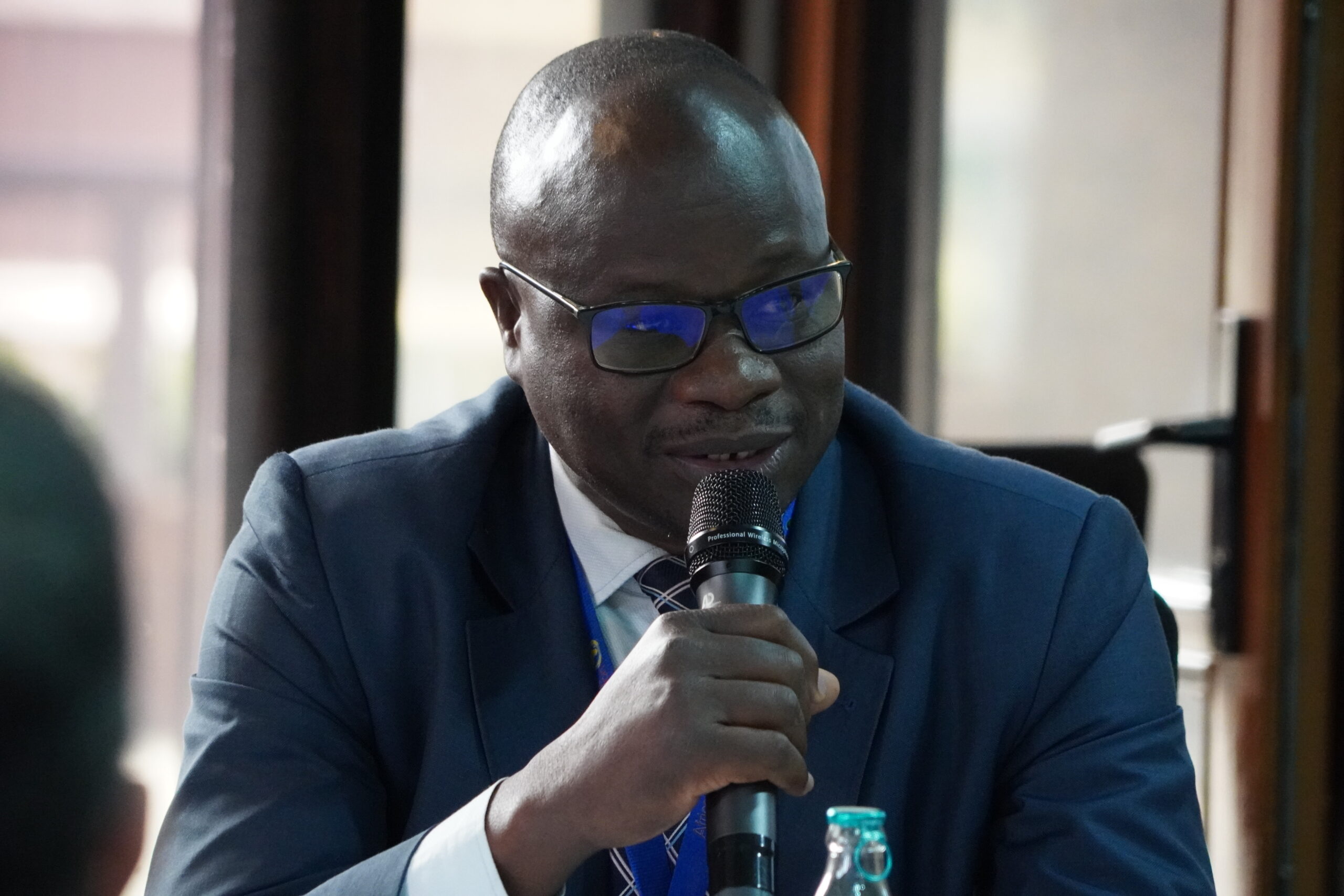
“Those with Indigenous knowledge have higher adaptation and lower vulnerability, they make informed decisions and used local knowledge of diversification of crops,” said Dr. Dorsouma.

“It is the time to trust Indigenous Peoples and learn from Indigenous Peoples,” said Hindou Ibrahim.

Then, a panel discussed the importance of Indigenous knowledge in addressing climate adaptation in Indigenous Cultural Landscapes, including Dr. Arona Soumaré, Regional Principal Climate Change Officer, AfDB; Daniel Kobei, Executive Director, Ogiek Peoples Development Program, Balkisou Buba, Vice President of the Cameroon Branch of the Network of Indigenous Peoples and Local Communities for Sustainable Management of Central Africa Forests Ecosystem (REPALEAC); and Roopa Karia, Environment Office Director, USAID Kenya and East Africa. Salina Sanou, FSC-IF Regional Director for Africa and Asia, moderated the event. 

“We are moving away from a do not harm to an inclusive approach, “ said Dr. Soumaré of the AfDB.  

“While working with science, we need to consider Indigenous knowledge. Women are holders of that knowledge,” said Balkisou Buba. 

“Indigenous Peoples must be part of climate strategies from the design phase,” said Daniel Kobei, emphasizing that Indigenous knowledge is different from traditional knowledge. 

“A real concern from USAID is the legal rights of Indigenous Peoples and the human rights of Indigenous Peoples,” said Roopa Karia.

Dr. Alejandro Paredes, Interim Managing Director of the FSC Indigenous Foundation and Dr. Olufunso Somorin, Regional Principal Officer, Climate Change and Green Growth Program at the African Development Bank, closed the event.

Speakers agreed that Indigenous knowledge is powerful and we need to use it in climate adaptation strategies and actions. Indigenous knowledge is the future. 

We invite you to join us to make this future a reality as we carry this message to COP28 and work to elevate Indigenous-nature-based solutions with concrete actions. 

News

Cultural references  

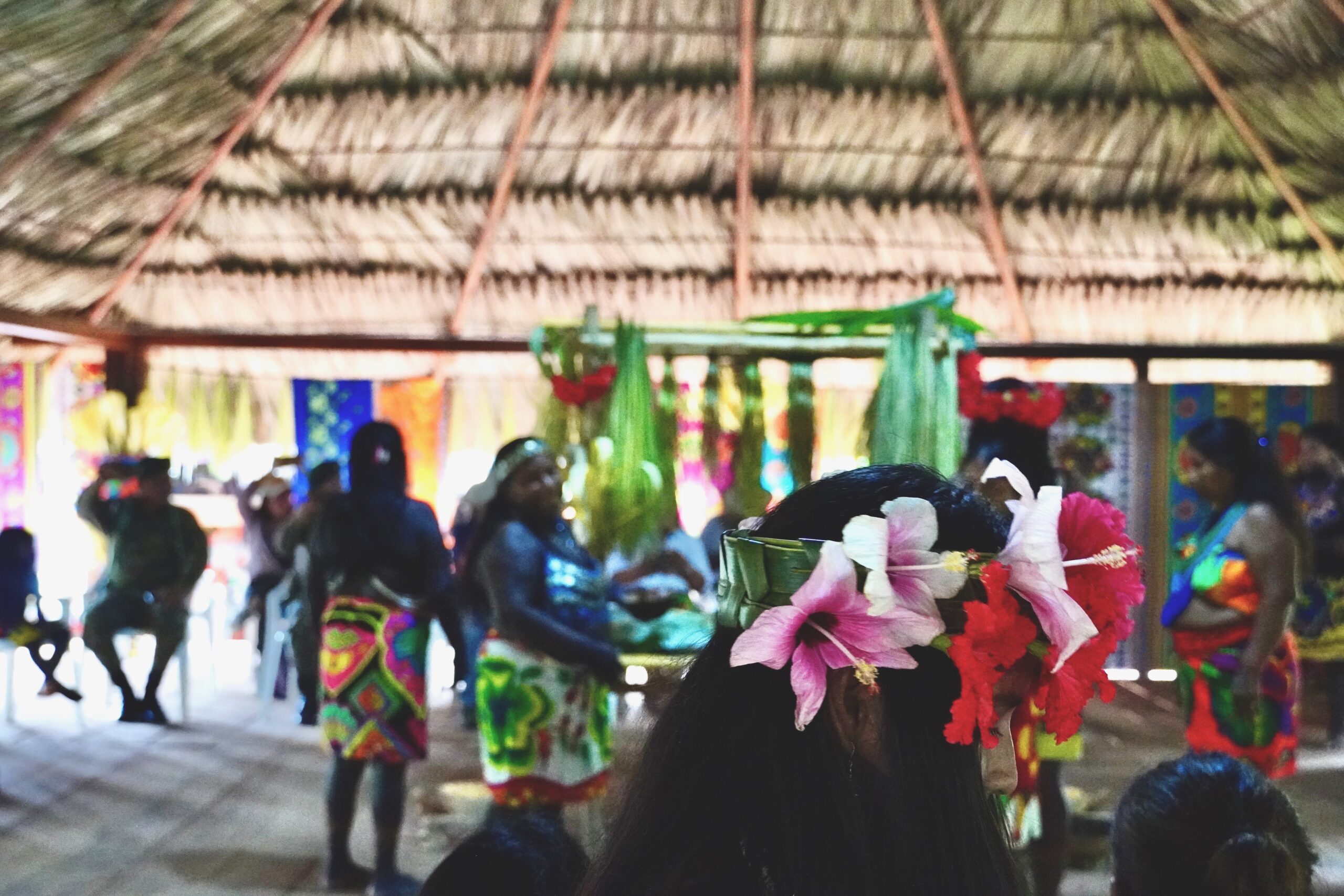
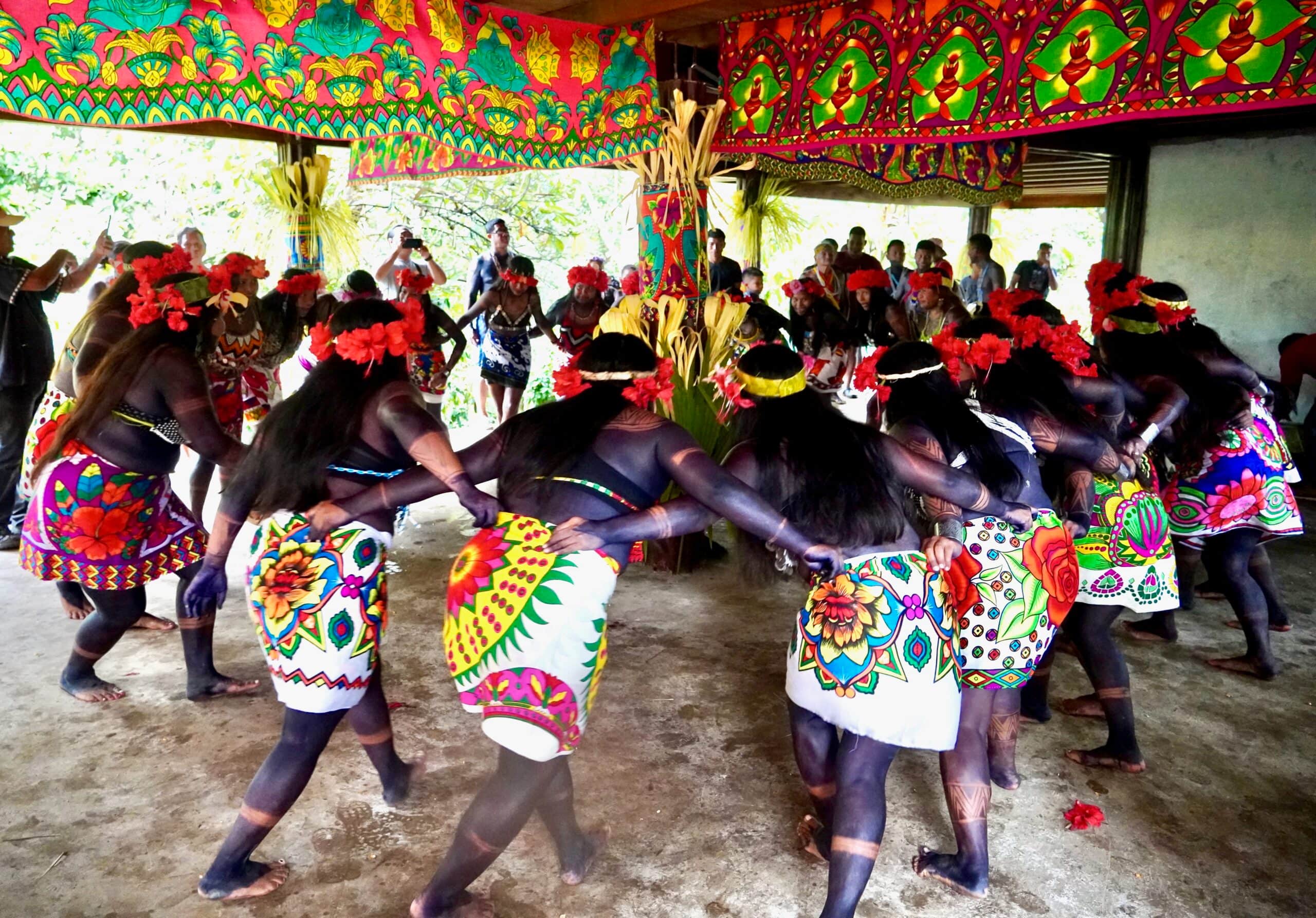
Indigenous women of the Emberá Ipetí community preserve and share their ancestral knowledge

Indigenous women are creators and guardians of culture, and their identity and belonging stem from this role. Recognition of identity and culture is crucial for the personal, social, and economic empowerment of Indigenous women. 

“Our cultural value, our identity, our language, will not die. That our way of living does not die, that our dance does not die, that our hair does not disappear, that our water does not disappear, that our way of being does not disappear. So, that is why identity is very important, because we want to continue resisting. Because nobody will value us, nobody will recognize us, nobody will respect us, if we do not maintain our identity in order to resist,” says Omaira Casama, leader in the Emberá Ipetí community located in eastern Panama. 

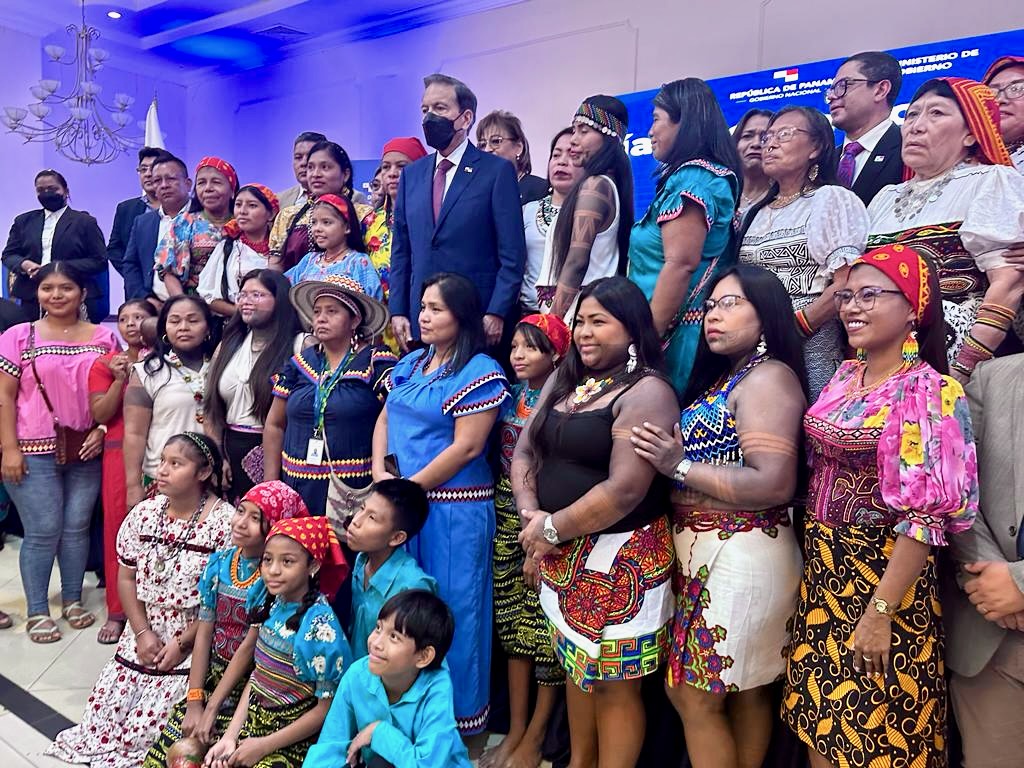
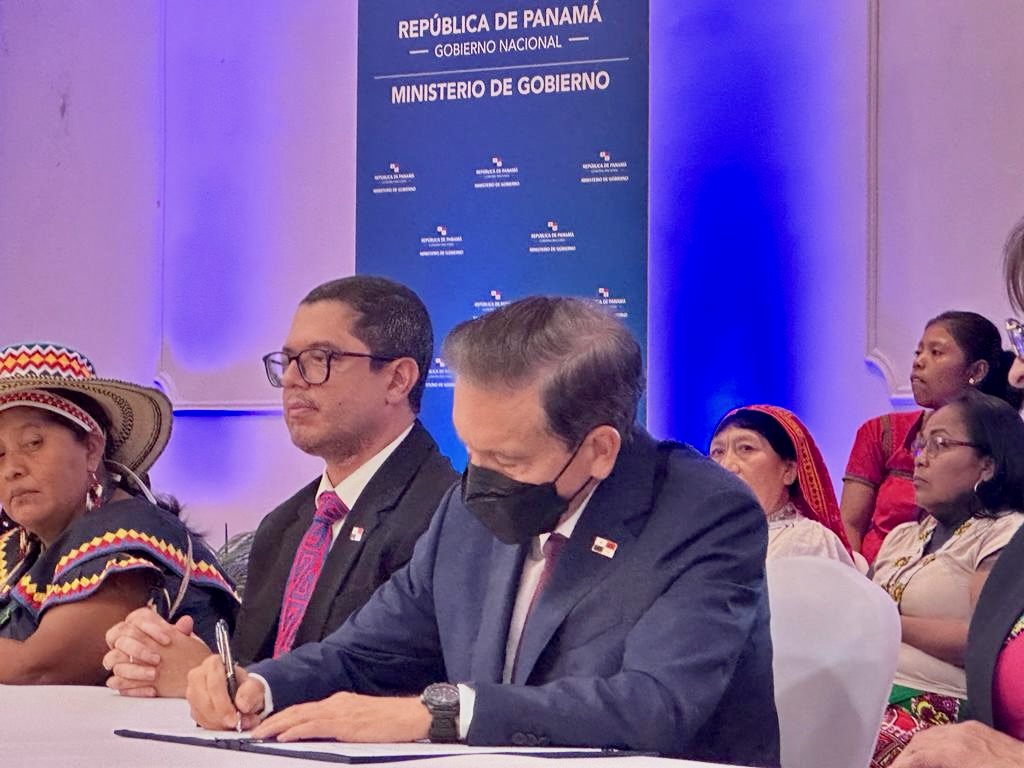
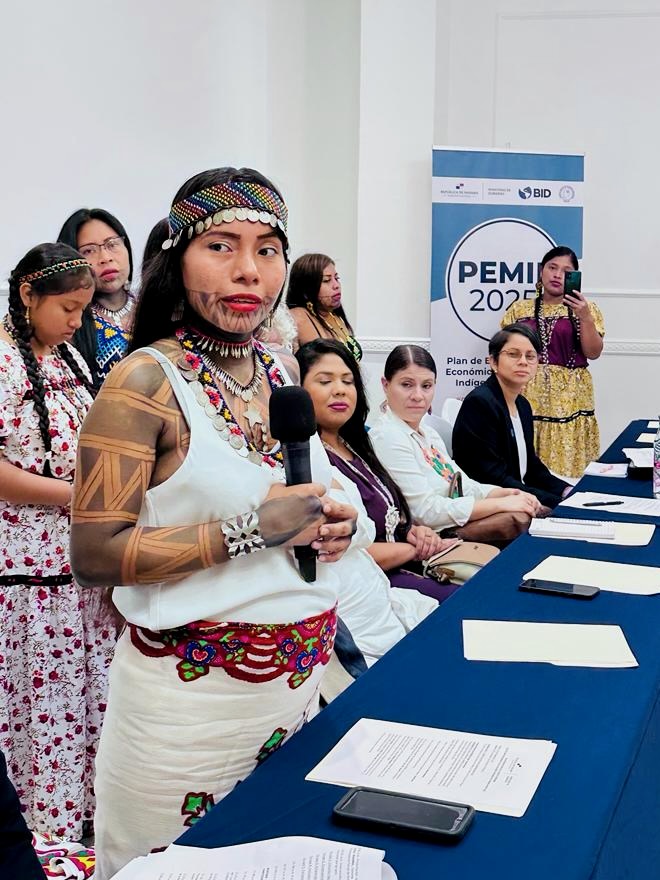
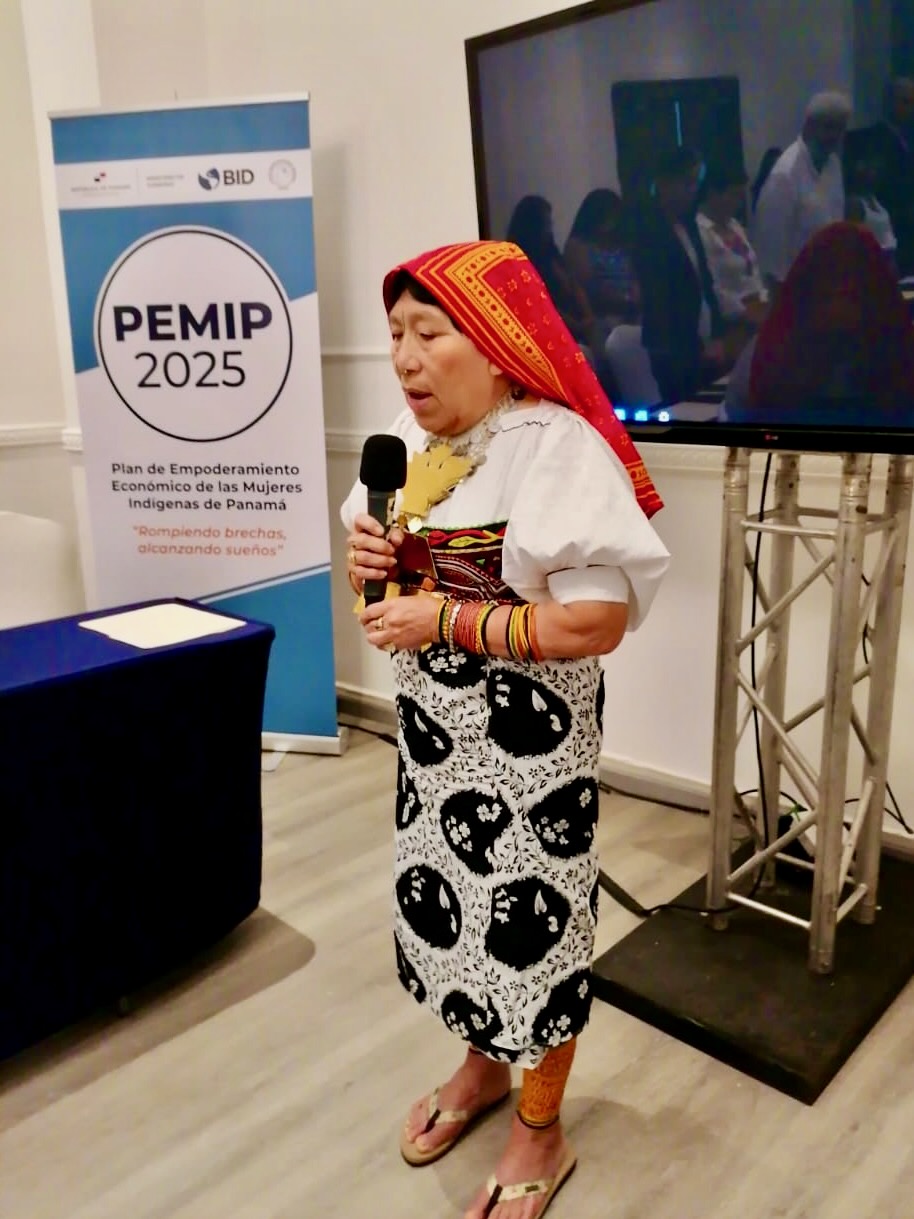
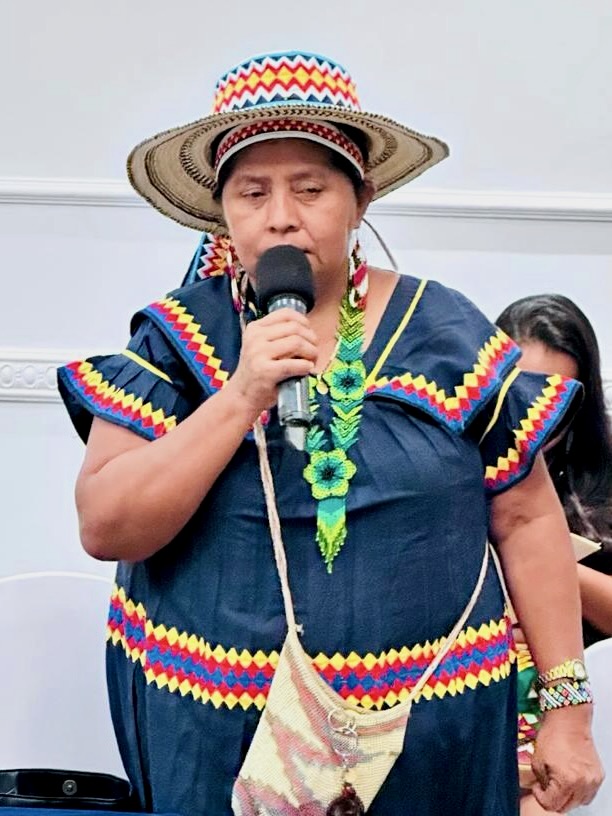
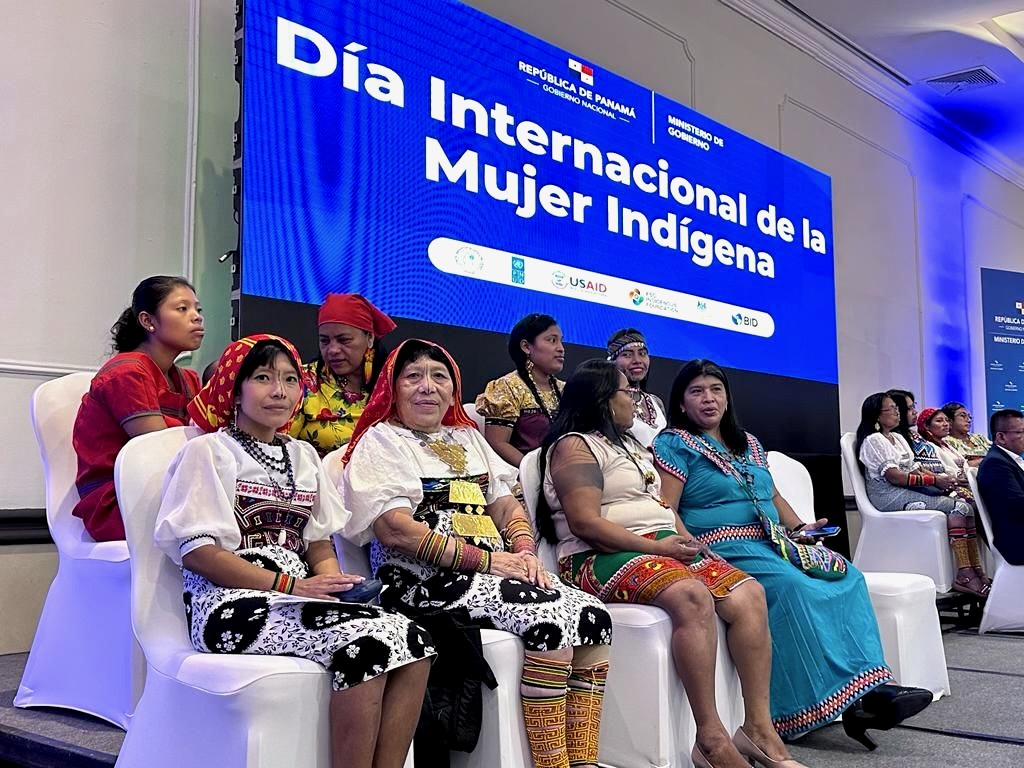
The FSC Indigenous Foundation, through the Indigenous Peoples Alliance for Rights and Development (IPARD) Program, is making a pioneering commitment to support the rescue of the cultural heritage of Indigenous Peoples. This project is part of the Economic Empowerment Plan for Indigenous Women of Panama (PEMIP 2025), developed by the Committee of Indigenous Women of Panama (CAMIP) and supported by the Government of Panama, the Inter-American Development Bank, and the FSC Indigenous Foundation.  

To develop a methodology for the restoration of cultural references of the Indigenous Peoples of Panama and apply it in a first pilot project, we worked in co-creation with the women of the Emberá Ipetí community. ENRED Panama and Norlando Meza of TV Indígena supported this project. 

Together we gathered a vision of the Emberá culture, based on the empowerment and self-determination of the women and men of the community. The community identified the thirteen priority cultural references to be mapped and documented in two focus group sessions, each lasting 6 hours, in which a total of 17 women and 4 men participated.  

None of this work could have been accomplished without the community, its traditional governments and representatives, and without their free, prior, and informed consent. 

Everything is collective  

An important element of the Emberá culture is that everything is collective, including the process to restore cultural practices. “Starting with the spiritual theme and the vision that spirituality teaches us, is that our way of living is collective,” explains Omaira.

“We cannot only see a theme of cultural rescue with a single woman or a single young woman or a single man. Because what we live is a collective coexistence. The food is not cooked by just one woman, it is cooked by all the women who come to talk, to tell that story and it is always the adolescents and the girls who are learning, so that is why it also has to do with a process of sharing, with a process of teaching and with a process that the food we are giving is healthy, that everything is natural.” 

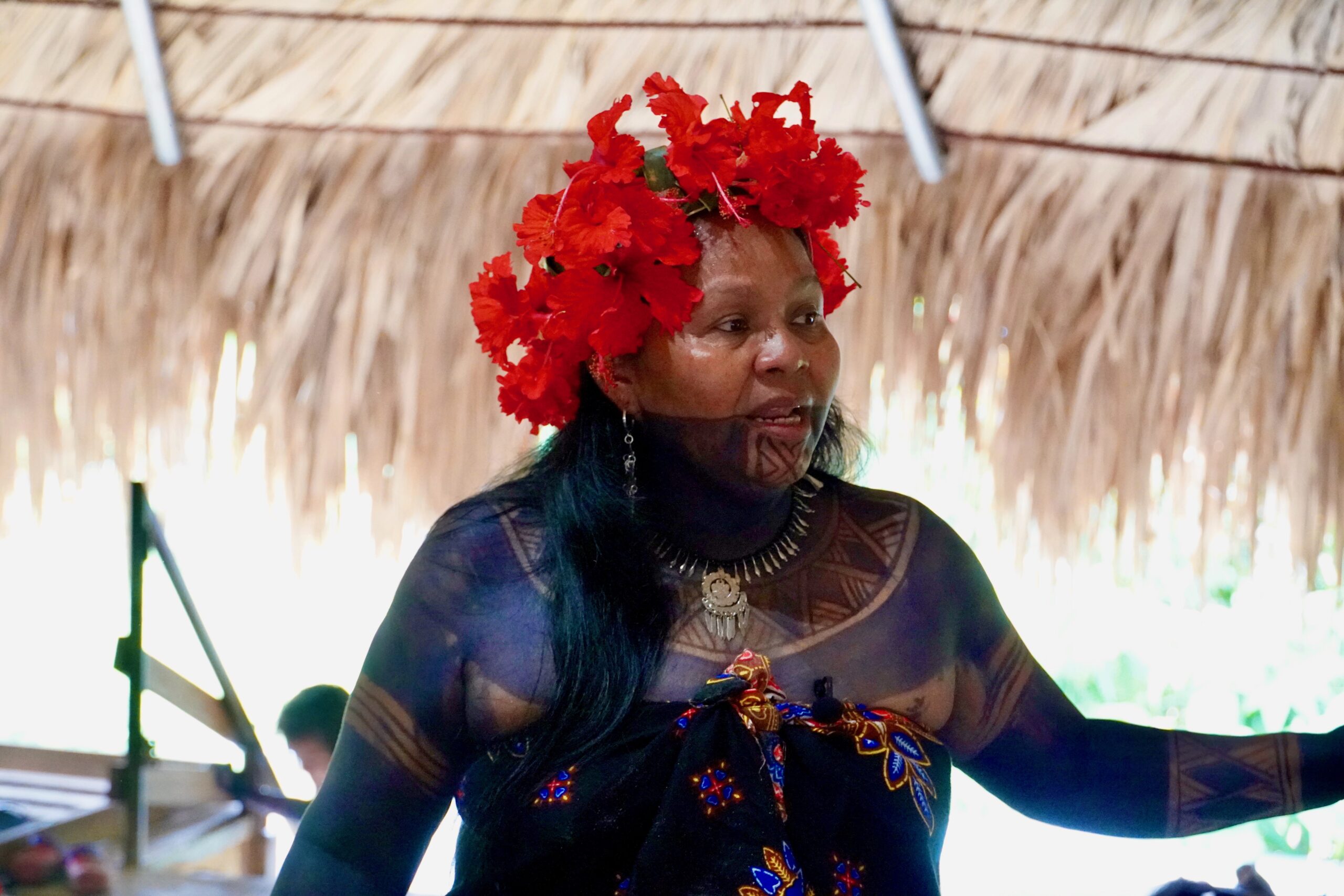
Embera face and body painting is linked to their cosmovision. It is one of the most important manifestations of their culture. Painting each other’s skin expresses the relationships between the members of the community, where each plant, each animal, and each element has a place in their cosmovision and a reason for being. 

Methodology and database 

The methodology developed in the pilot project presents a tool to provide Indigenous women with an organized and authentic vision of their culture to enhance social cohesion, transmission to youth, communication, and generation of economic activity. 

The guide establishes three main categories of cultural references:  

  • The body  
  • The structures and dynamics of community life  
  • Relationships in the territory and with the land of their ancestors.  

Everything points to a continuum between nature and culture, natural order and social order, and individual and community. In addition, time and the calendar occupy a prominent place as a meta-element. Time, in this case, is presented as the way to move forward, to develop the rescue of cultural references. 

We also produced twelve audiovisual references of the Emberá Ipetí community with accompanying texts and created a Database of Cultural References of the Indigenous Peoples of Panama where these resources are classified and can be accessed. 

In this series of videos, the women of the community explain and demonstrate their knowledge, including: 

  • Baby ritual (Warrazaque) 
  • Cultural house (Wera de) 
  • Rice ball (Bododji) 
  • Collection of chunga (Iwa / Nawal, Jupijapa, Carludovica palmata) 
  • Dyeing of the chunga (Iwa Zoadia) 
  • Senora Nely’s basket (Hösig di) 
  • Body painting (Kiparada Odia / Jawa) 
  • Preparation of pumpkin (Zan Dodi Karea) 
  • Preparation of corn (Be badia) 
  • Preparing the sacred space (Dau Zadia Jaibana) 
  • Opening of the room (Chimbombom / Karidia Werada) 
  • Spiritual cleansing (Dau Zadia) 

Watch the videos here: (in Spanish) 

“We Indigenous women need organizations, like the [Indigenous] Foundation, that give us hope, that give us confidence to continue challenging the process of social construction of Indigenous women, because many times when we do not have that confidence, we do not have those strategic allies. There are many people who continue speaking on behalf of Indigenous women and that is what we are not looking for. Maybe we have been able to reach their thoughts and their hearts and to be able to implement this great project of the needs and aspirations of Indigenous women, so that this knowledge can be transmitted from generation to generation,” says Omaira. 

Future pilots will be carried out with other Indigenous communities of Panama to expand the Database of Cultural References and involve more Indigenous women in the cultural restoration process for empowerment, the transmission of knowledge to future generations, and for the promotion of economic activity.  

There are different forms of cultural houses: the bat house, with a trunk in the center, representing men, and the women’s house, without a trunk because the women support themselves collectively. For the Emberá community it is important to take good care of nature and build the house with love, for the good of the new generations. 

News

Indigenous women’s ancestral knowledge and technology 

On International Women's Day, we share the words of Indigenous Women about the importance of this knowledge for the rights and self-determination of Indigenous Peoples.

Indigenous Women are guardians of ancestral knowledge, protecting forests, water resources, and biodiversity, and are responsible for transmitting this knowledge from generation to generation.  

International Women’s Day is commemorated each year on March 8th to recognize the struggle and achievements of women for social, economic, cultural, and political rights all around the world. This year’s theme is Innovation and technology for gender equality.  

Technology is the application of knowledge. That is why, this year on International Women’s Day, we are sharing the words of Indigenous Women around the world on their ancestral knowledge and technology, and how this contributes to the promotion of Indigenous Peoples’ rights and self-determination. 

The FSC Indigenous Foundation is committed to the empowerment of Indigenous Women as leaders, providers of solutions, and an integral part of holistic self-development. A future without Indigenous Women will be a future where Mother Earth is at risk.  

We invite you to share your video selfies with us, tagging us @fscindigenousfoundation on Instagram, Facebook, and LinkedIn and @fsc_if on Twitter and the hashtags #IWD2023 #DigitALL, answering the following questions:  

What is Indigenous technology? 

How can technology improve the lives of Indigenous Women and contribute to their communities? 

How do you see the importance of technology for Indigenous Peoples’ rights and Indigenous self-determination? 

News

A new generation of Indigenous leaders to promote rights and an alternate vision of development

Expert Degree empowers 44 Indigenous community leaders from Latin America to create and support agendas for change

The FSC Indigenous Foundation (FSC-IF) supported the 16th edition of the Course: Expert Degree in Indigenous Peoples, Human Rights, and International Cooperation for Indigenous leaders in Latin America offered by the Fund for the Development of the Indigenous Peoples of Latin America and the Caribbean (FILAC) through the Universidad Carlos III de Madrid. 

Strong Indigenous leadership is essential for community development. The students who attended the course will become part of a new generation of global leaders who will provide solutions to protect Mother Earth, rooted in their cosmovision, ancestral knowledge, and innovation.

The future of the whole planet depends on the future of Indigenous Peoples. 

The course provided participants with training to assume responsibilities and leadership roles in the design and creation of national public policies to defend and protect Indigenous Peoples’ rights. In addition to leadership and capacity development, the Expert Degree promoted community and knowledge exchange around to the common values among the Indigenous students and awareness of shared challenges. 

Myrna Cunningham, Vice President of the board of FILAC, explained, “we have tried to promote a new intercultural higher education model which combines, in a very respectful way, the knowledge of our Indigenous Peoples with the knowledge of modern science together, and innovate, through a constructive dialogue, solutions to respond to the barriers which keep our peoples oppressed and discriminated against.”  

Francisco Souza, Managing Director of the FSC-IF, emphasized why Indigenous leadership is so important. “Less than 5% of the population of the planet manages almost 50% of the territory. And this 50% of the territory has been extremely effective in protecting Mother Earth. Here we are talking about 70% of the planet’s native forests…Indigenous Peoples are important in proposing solutions to challenges we face in different parts of the planet.” 

Scholarships funded by the Spanish Agency for International Development Cooperation (AECID), the Anne Deruyttere Foundation, the International Labor Organization (ILO), and the FSC Indigenous Foundation allowed 44 students to attend this course, including 25 Indigenous women leaders. The FSC-IF supported nine students from different Indigenous Peoples organizations in Bolivia, Guatemala, and Panama. 

“These topics deepen knowledge related to the human rights of Indigenous Peoples to achieve an alternative vision of more human development,” said Enrique Obaldia Pérez of the Guna People of Panama, one of the students supported by the FSC-IF. 

Listen to him discuss the importance of learning about the colonization of power, of being and knowing, intercultural education, multilingualism, development of identity, racism, and of living well.  

“I will continue to strengthen this knowledge which I consider a way to keep the essence of our true identity as Indigenous Peoples alive,” said Liria Elizabeth Tay Ajquill of the Maya Kaqchikel People of Guatemala, another student supported by the FSC-IF. 

Watch Liria’s video on how knowledge can lead to increased visibility of Indigenous Peoples and societies where collective rights and identity are respected and protected. 

Read more testimonies of previous graduates here.  

At FSC-IF we believe that Indigenous Peoples and their organizations have the capacity and should have access to the right tools and skills to be able to defend their rights, territories and livelihoods and achieve their vision of development. The FSC-IF and its Program the Indigenous Peoples Alliance for Rights and Development (IPARD) work to strengthen the capacities of Indigenous Peoples’ organizations through the development of leadership, planning, management, organizational, technical, and negotiation skills, as well as the capacities of other stakeholders in Indigenous issues.  

Watch the closing ceremony of the 16th edition of the Expert Degree here

1 4 5 6 7 8