
News

Indigenous land, our future

The FSC Indigenous Foundation will attend the UNCCD COP16 to promote Indigenous land rights and solutions to combat desertification

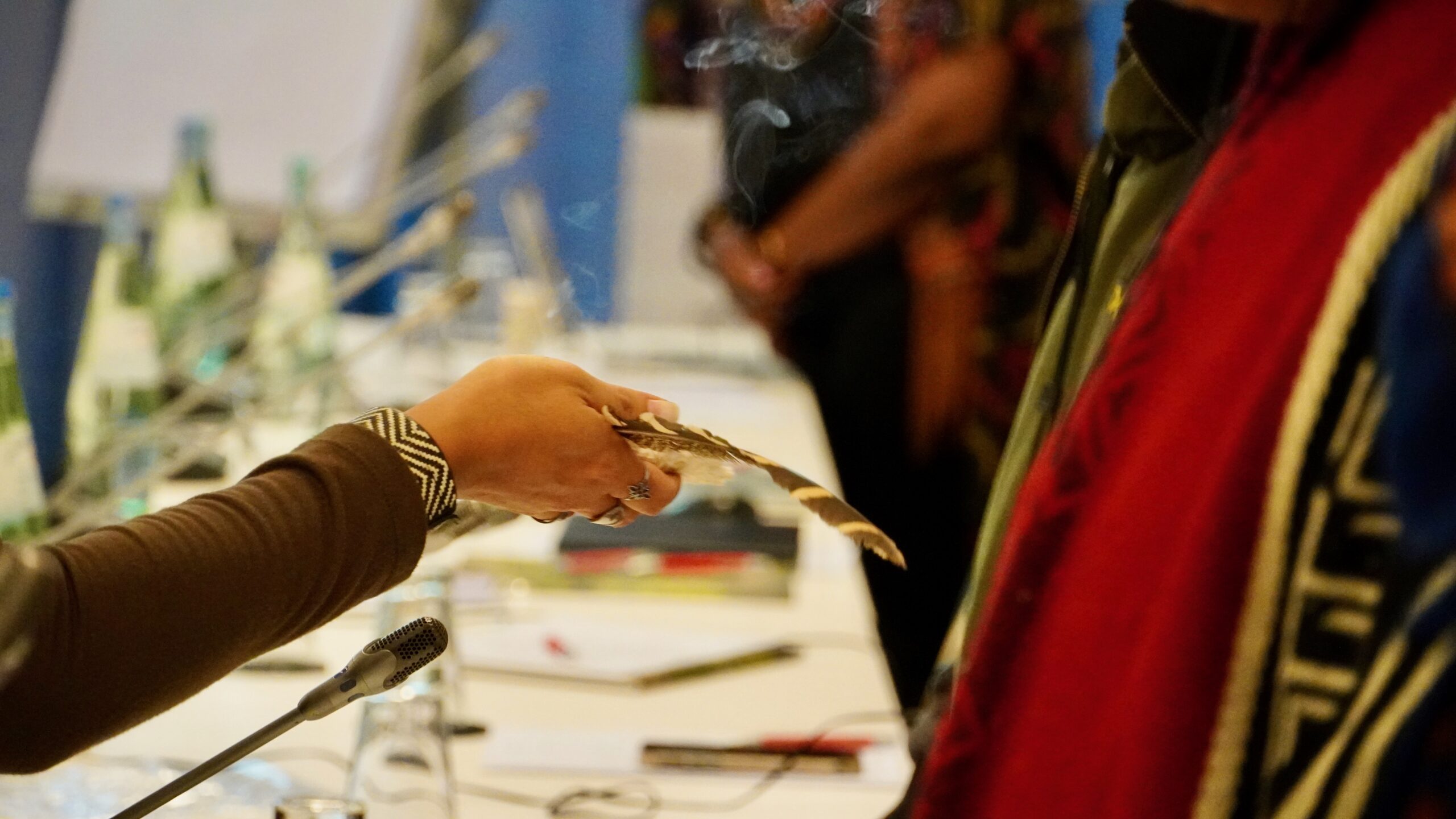
“But Mother Earth – it’s us. It is everything that we belong to and that belongs to us,” says Niila Inga of the Saami People and a member of the Forest Stewardship Council (FSC) Permanent Indigenous Peoples Committee, reflecting Indigenous Peoples’ deep spiritual connection with Mother Earth.

We see the land not as a resource to be exploited, but as a living, integral being that sustains all life and ensures the balance of ecosystems. It is the foundation of our identity, our culture, and our survival. It is through our connection to the land that Indigenous Peoples secure the future of our planet and for us all.

However, Indigenous communities often face threats to their land rights that hinder their ability to implement sustainable land practices effectively. Protecting Indigenous land rights and supporting their knowledge systems through partnerships and investments is crucial for addressing environmental challenges like desertification and drought.

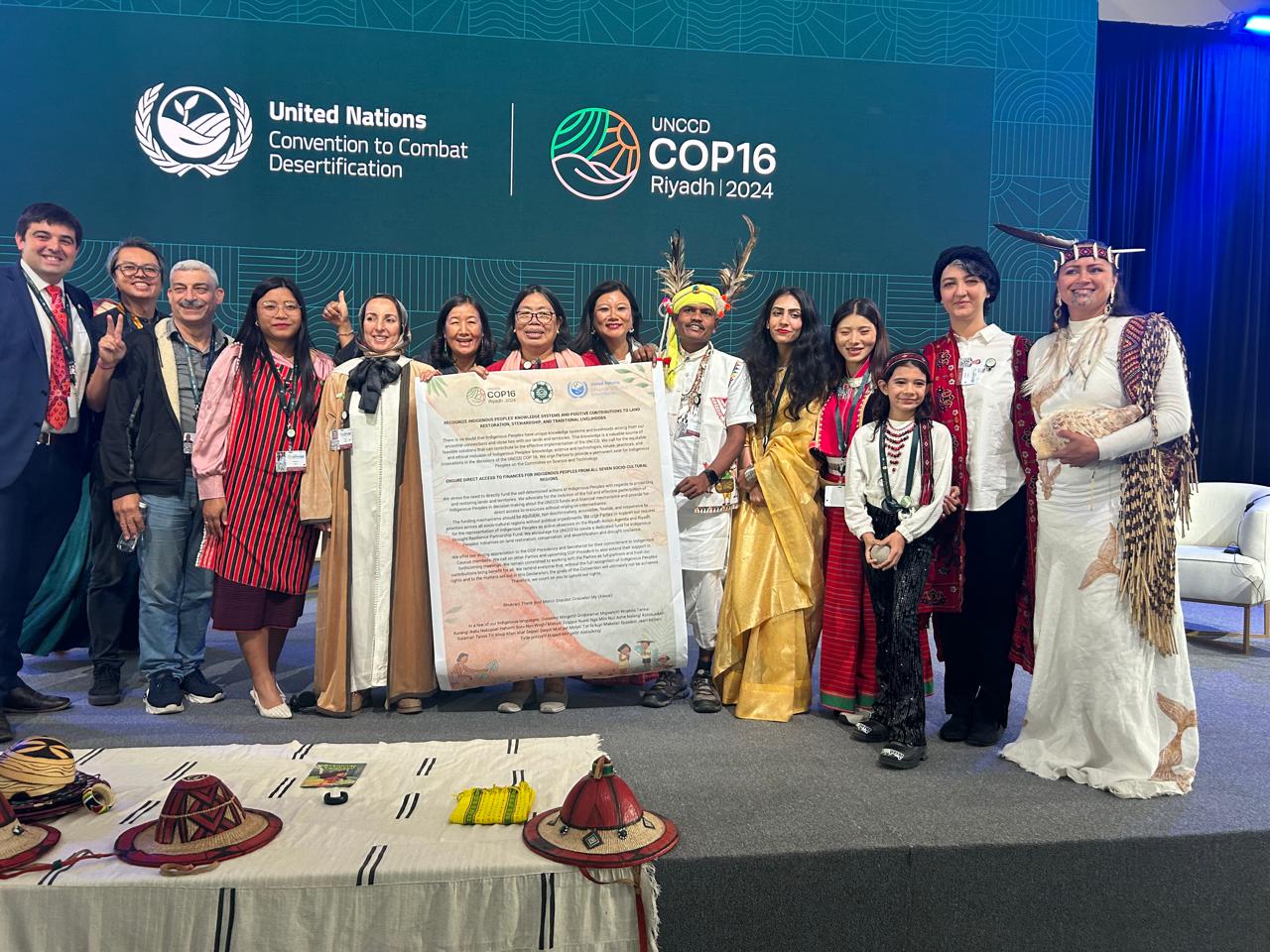
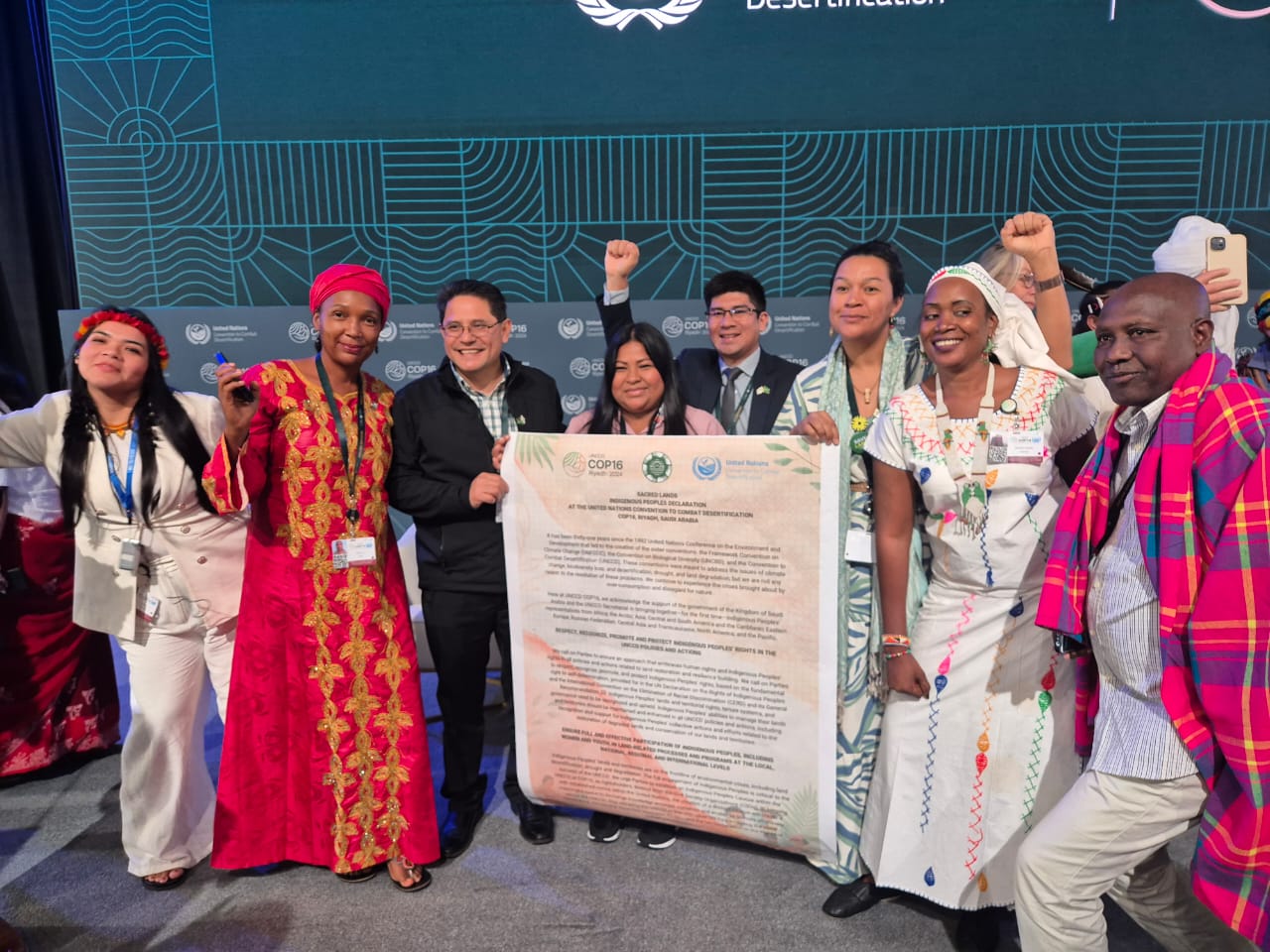
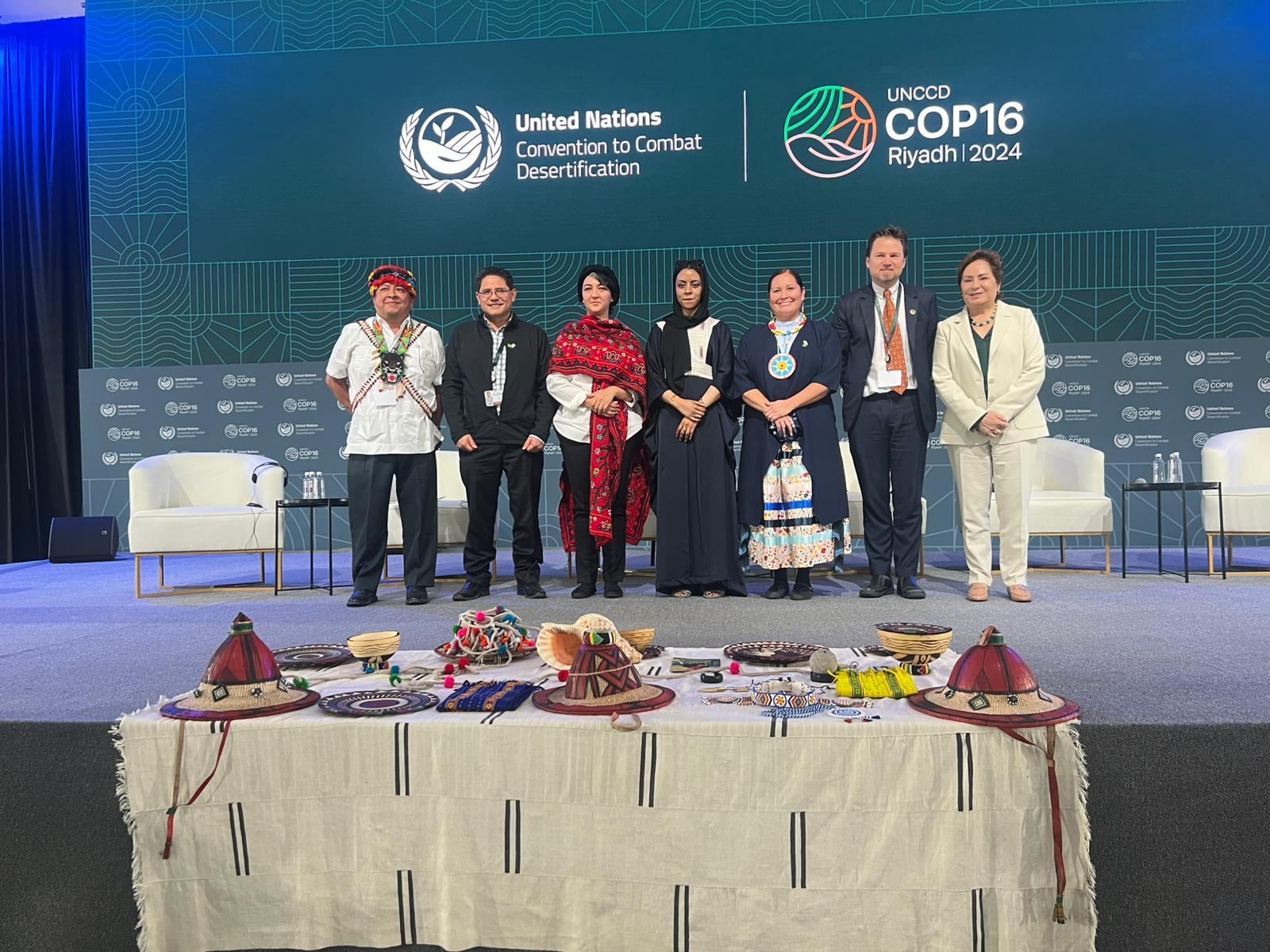
For these reasons, the FSC Indigenous Foundation (FSC-IF) will actively participate in the 16th Conference of the Parties (COP16) of the UN Convention to Combat Desertification (UNCCD) in Riyadh, Saudi Arabia, from December 2 – 13, 2024. This crucial conference will unite leaders from governments, the private sector, civil society, and global stakeholders to accelerate progress in sustainable land management and combat the growing threat of desertification.

At COP16, we will promote Indigenous land rights as a key solution to combat desertification, influence global climate policies, and engage stakeholders to foster new collaborations and resource mobilization.

Our work for land rights

The FSC Indigenous Foundation is advancing Indigenous land rights and governance through a variety of global initiatives.

In partnership with the Fund for the Development of Indigenous Peoples of America (FILAC), we have conducted studies on Indigenous land rights across Latin America and are expanding our research into Africa, providing critical data for advocacy. We are supporting Indigenous communities in remedy processes, where rights to land have not been respected previously.

We also support Indigenous governance by supporting traditional authorities and communities develop Charters of Rights, which help consolidate Indigenous governance in both recognized and unrecognized territories. For territories yet to be recognized, the Charter can become a valuable instrument and tool for advocacy. With territorial regulations aligned with their cosmovision and values, Indigenous communities can better steward their land and natural resources and grow businesses aligned with their worldviews.

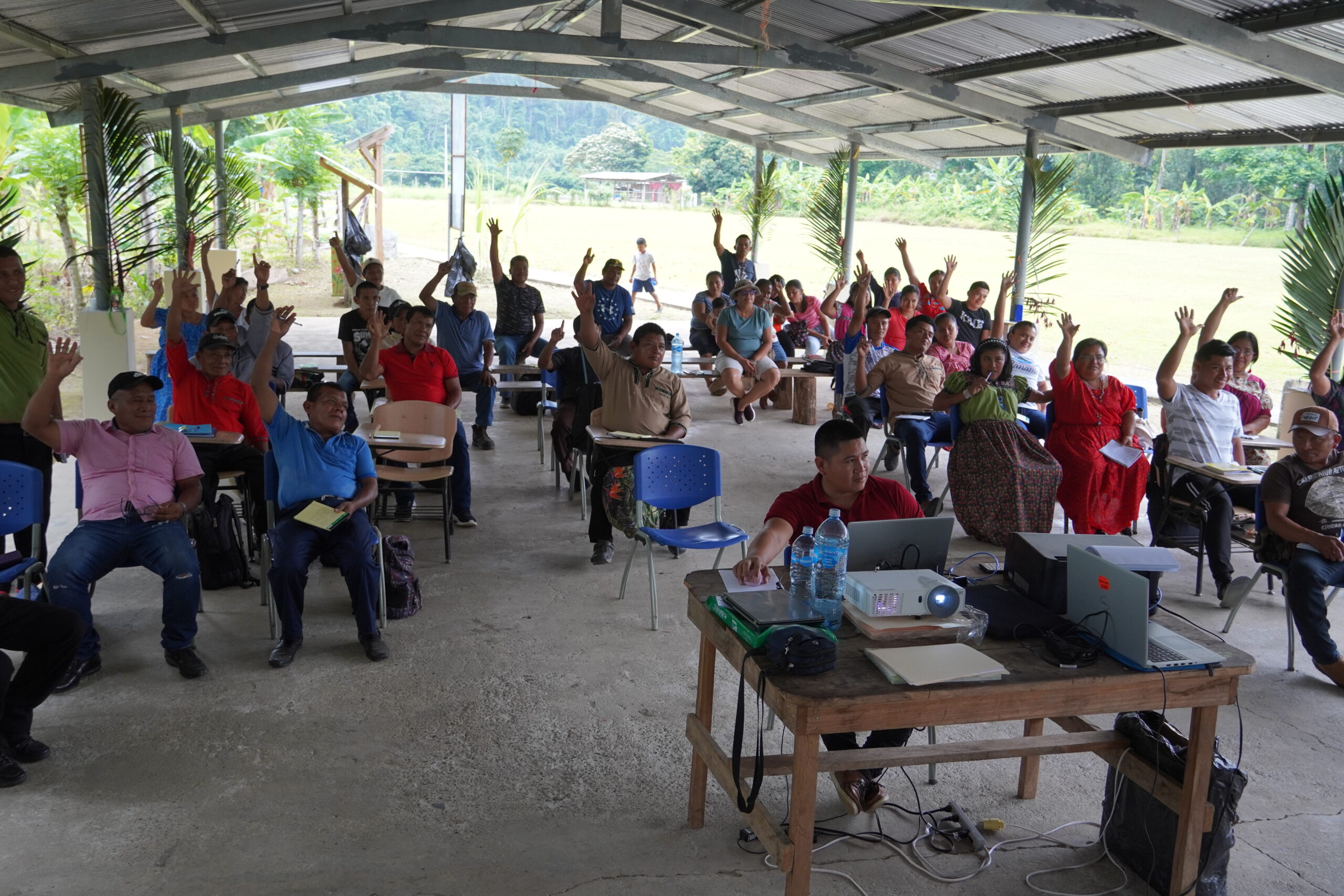
In Panama and Honduras, we are helping to advance policies that support Indigenous economic empowerment, land rights, and the Free, Prior, and Informed Consent (FPIC) processes. In Kenya, we are facilitating dialogue between the Ogiek Peoples and government institutions to align policies with Indigenous rights.

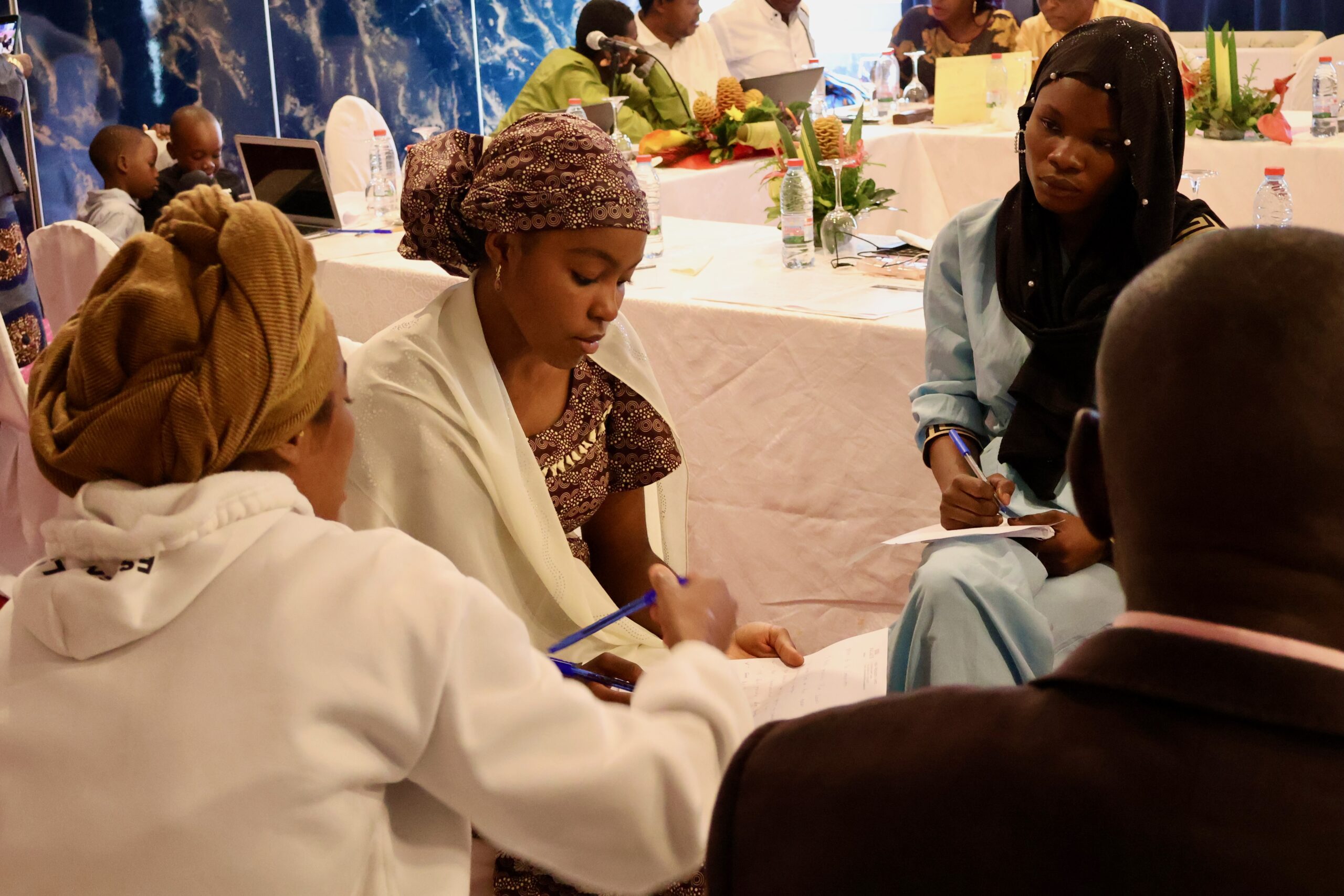
In Central Africa, we partnered with the regional network REPALEAC to organize a participatory mapping workshop, where 50 participants from eight countries developed a system for monitoring and collecting data on the rights, culture, lands, and territories of Indigenous Peoples, supporting REPALEAC’s goal of securing 4 million hectares of land by 2025.

Get involved

Indigenous Peoples are not just victims of land degradation but are integral to its solution. Indigenous land rights, traditional knowledge, and cultural landscapes offer powerful solutions to desertification and climate change. Protecting these rights and community land stewardship is key to restoring ecosystems, fostering resilience, and ensuring the future of all life on Earth.

Join us at COP16 and beyond as we bring Indigenous solutions to the center of global climate dialogues. Together, we can create a future where people and Mother Earth thrive in harmony.

Stay tuned for updates and reach out to us at fsc.if@fsc.org to get involved.

News

Indigenous solutions at COP29

FSC Indigenous Foundation engagement at the UN Climate Change Conference in Baku, Azerbaijan

At the United Nations Climate Change Conference (COP29), a global coalition is gathering in solidarity in Baku, Azerbaijan, to address the climate crisis. As the world faces increasingly severe environmental disasters, Indigenous Peoples are on the frontlines with the knowledge and solutions needed to combat climate change. Their deep ecological wisdom, sustainable practices, and stewardship of the land are crucial for a sustainable future. Indigenous knowledge is a climate solution. 

A green world is an Indigenous world

Indigenous Peoples manage 25% of the Earth’s surface, rich in biodiversity and home to 36% of the world’s intact forests.  These territories could contribute up to 37% of global CO2 mitigation by 2030. Their role in tackling the climate crisis is essential. However, their rights must be fully recognized and supported to unlock their potential for climate solutions.

At COP29, the global community must take action to support the rights, self-devlopment, and self-reliance of Indigenous Peoples. When Indigenous Peoples’ rights are respected, their ecological knowledge can guide sustainable resource management for future generations. While stakeholders gather this week in solidarity for a green world, we know that a green world is an Indigenous world, and together, we can make this vision a reality.

The FSC Indigenous Foundation at COP29

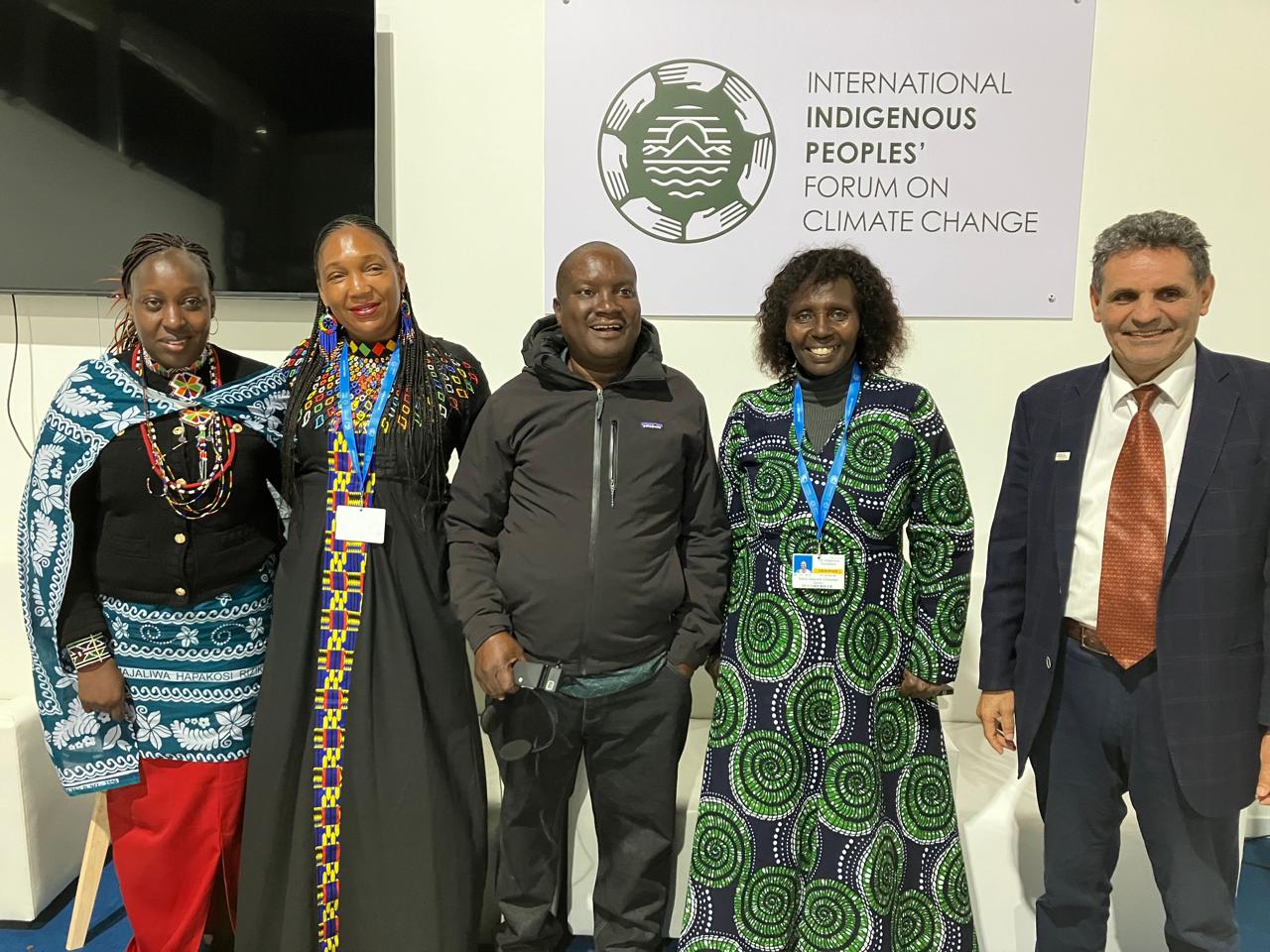
We are attending COP29 to highlight the essential role of Indigenous communities in climate action, advocate for direct climate funding to Indigenous Peoples, and engage with diverse stakeholders, implementing our multi-sectoral approach. Our delegation includes:

Salina Sanou, Africa and Asia Regional Director and IPARD Deputy Director

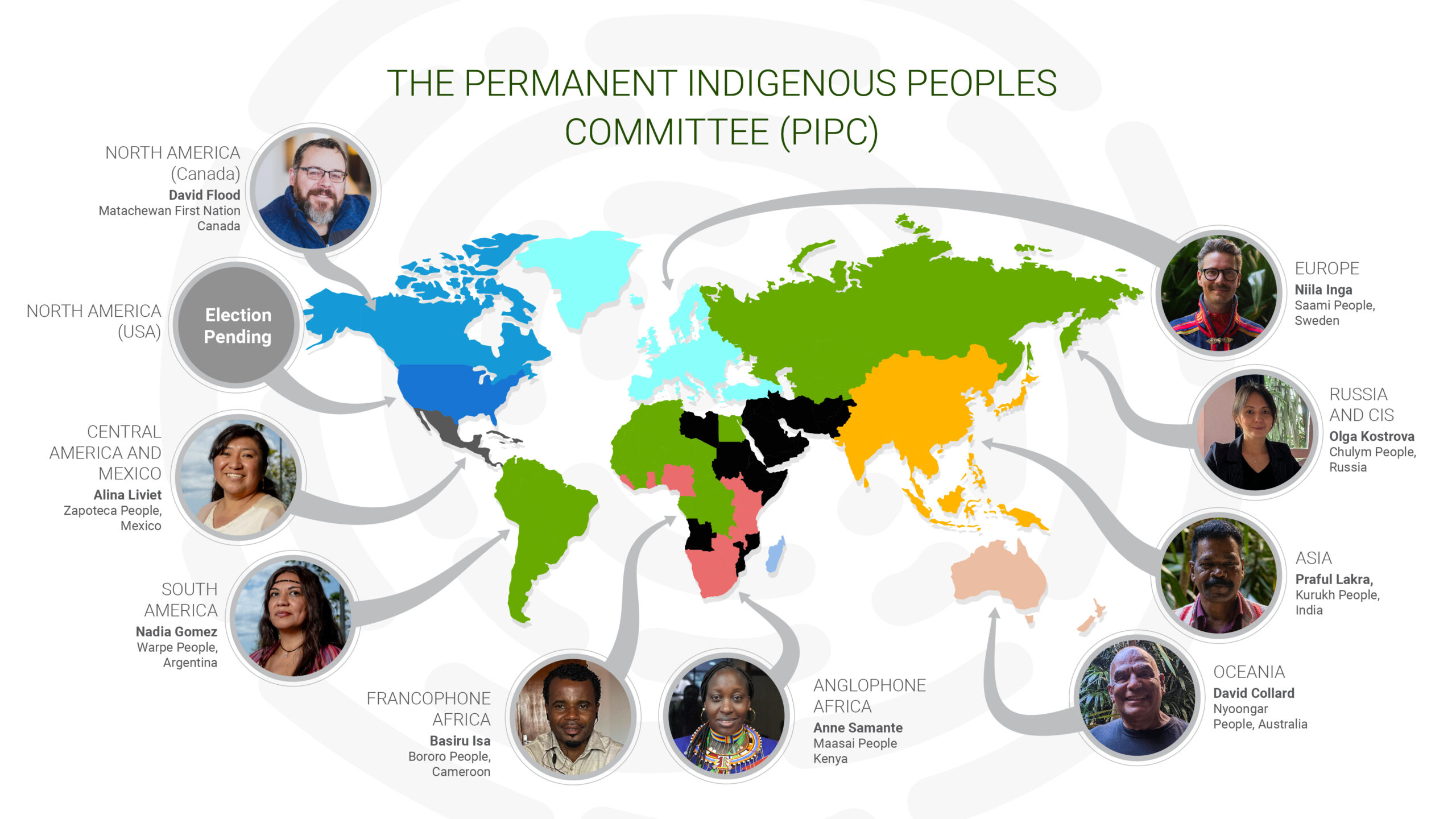
Olga Kostrova, FSC Permanent Indigenous Peoples Committee (PIPC) member 

Anne Samante, FSC Permanent Indigenous Peoples Committee (PIPC) member 

Basiru Isa, FSC Permanent Indigenous Peoples Committee (PIPC) member, REPALEAC

Integrating Indigenous Peoples into Nationally Determined Contributions

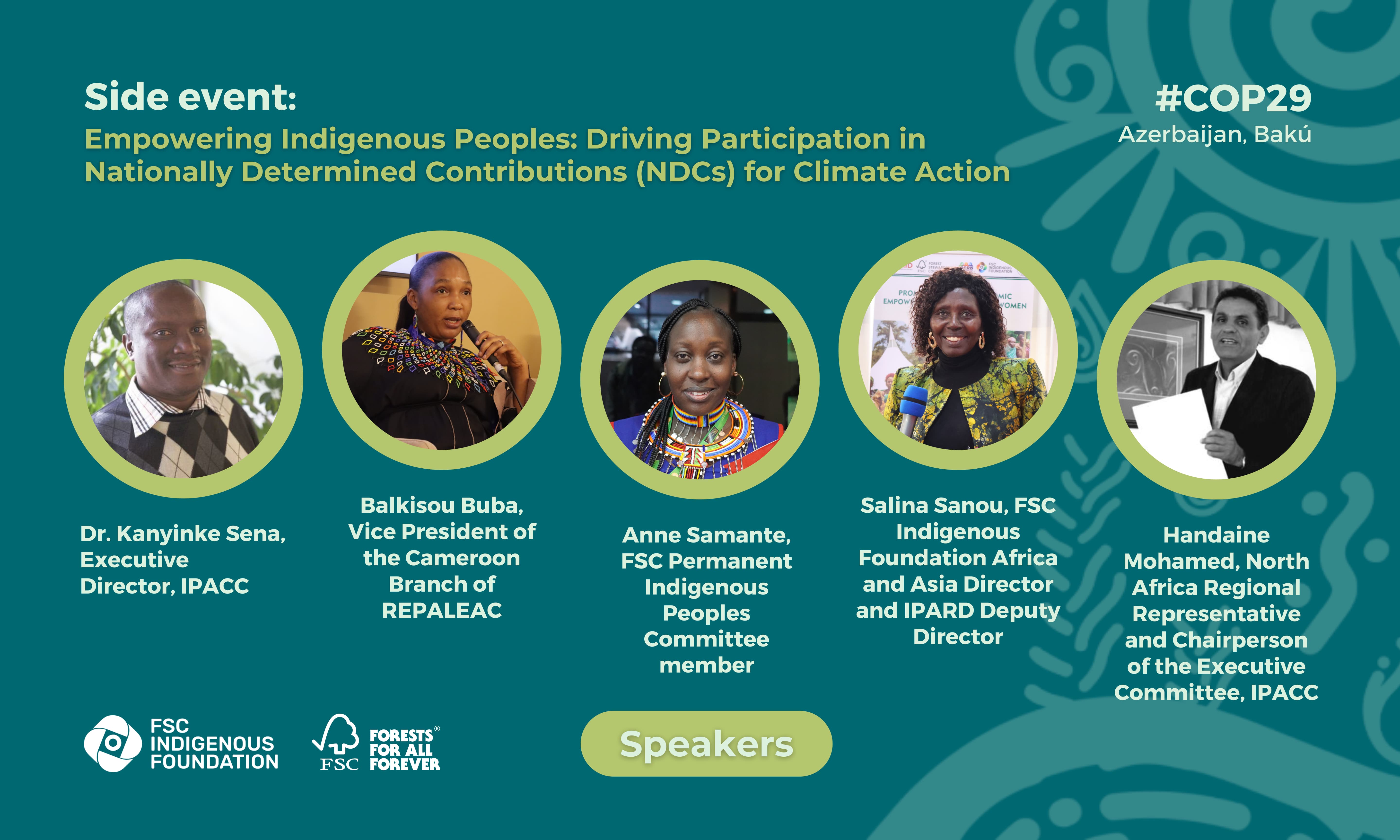
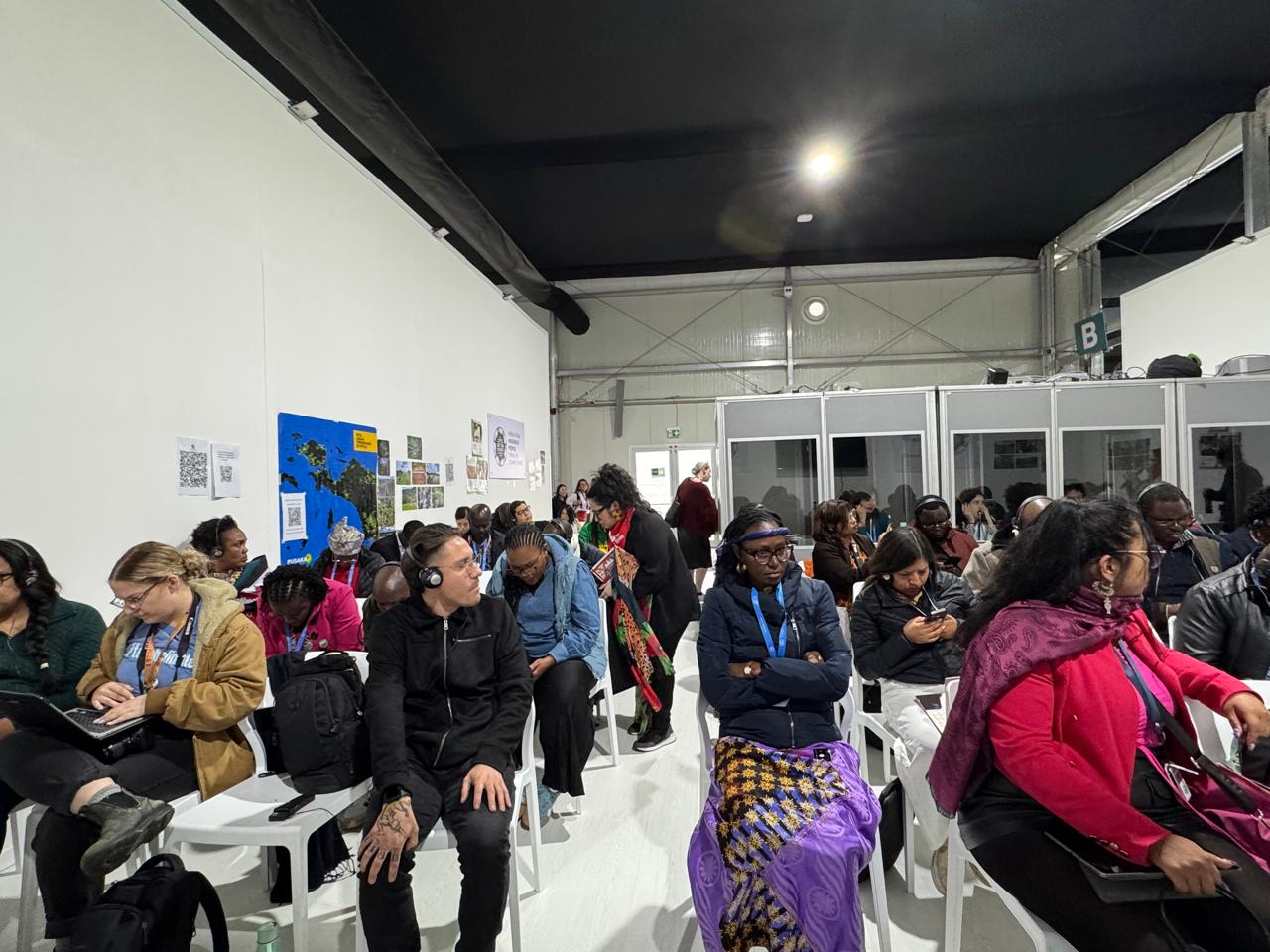
At COP29, with an increased focus on inclusivity and just transitions, it is imperative to explore how Indigenous Peoples can meaningfully participate in developing and implementing Nationally Determined Contributions (NDCs). We invite you to join us for a side event at COP29  co-hosted by the Indigenous Peoples of Africa Coordinating Committee (IPACC) and the Network of Indigenous and Local Communities for the Sustainable Management of Forest Ecosystems in Central Africa (REPALEAC) to discuss actionable ways to include Indigenous Peoples in the NDC process. 

By creating a platform for dialogue and collaboration, this event aims to bridge the gap between policy frameworks and the grassroots knowledge that Indigenous communities offer.

Find more information below.

Find us at other key events organized by the Forest Stewardship Council. More information here.

Indigenous women on the frontline against climate change

Listen to Indigenous women from around the world share how climate change is affecting their communities and the innovative solutions they bring to adapt to and mitigate climate change.

Join us!

The FSC Indigenous Foundation seeks partnerships with governments, multilateral institutions, and the private sector to achieve visionary goals by leveraging the power of your resources, your expertise, and your innovative tools. Let’s work together to elevate Indigenous solutions for climate action and shape policies that respect and incorporate traditional knowledge.

If you would like to meet us during COP29 to discuss how we can build sustainable solutions together, write to us at fsc.if@fsc.org.

News

The FSC Indigenous Foundation is at COP16

Let's learn how to live in peace with nature from the world's best biodiversity stewards.

FSC Indigenous foundation is at COP 16 cover art

For Indigenous Peoples, Mother Earth is not only the place where we live, it is the sacred space in which we manifest spiritual connections with all living things. Rooted in ancestral cosmovision, we view the natural environment as an integral being that sustains life and the harmony of ecosystems. This is biodiversity. This is living in peace with nature. 

Joining global biodiversity discussions

From October 21 to November 1, 2024, the vibrant city of Cali, Colombia, will host the 16th Conference of the Parties (COP16) to the Convention on Biological Diversity (CBD). Under the slogan “Peace with Nature,” this historic event calls for a renewed commitment to the preservation of our planet’s biodiversity and the sustainable use of its resources.

The FSC Indigenous Foundation (FSC-IF) will participate in COP16 to amplify the global voices of Indigenous Peoples and advocate for their crucial role in biodiversity conservation. 

At COP16, we aim to:

  • Collaborate: Engage with diverse stakeholders to build a comprehensive biodiversity agenda that values, recognizes and incorporates Indigenous knowledge
  • Network: Identify funding opportunities and strengthen partnerships with Indigenous Peoples Organizations (IPOs), governments, and other key stakeholders
  • Influence: Highlight the vital importance of Indigenous knowledge in biodiversity stewardship, particularly under Article 8J of the CBD.

Why Indigenous knowledge matters

Indigenous Peoples are among the world’s most effective stewards of biodiversity, especially where their rights and recognized and supported. As biodiversity declines, so too does cultural and linguistic diversity. Protecting both is critical for our planet’s future. Promoting Indigenous rights and inclusion of Indigenous Peoples and their valuable knowledge in biodiversity management and decision-making is essential for a successful global biodiversity framework.

Let’s learn how to live in peace with nature from the world’s best biodiversity stewards.

Biodiversity work in action

Explore FSC-IF impactful projects that illustrate our commitment to preserving biodiversity through Indigenous knowledge and solutions:

  • Boosting Indigenous Nature-Based Business Models: Collaborating with the IDB Lab and Health in Harmony in an innovative project to connect Indigenous Peoples with economic opportunities that align with their cultural values and biodiversity conservation efforts by collaboratively designing a market seal.
  • Indigenous Peoples and water: Integrating Indigenous knowledge and practices into sustainable models of transboundary watershed management.

FSC-IF numbers of impact

FSC-IF numbers of impact inphography

See more numbers of impact for Indigenous Peoples, biodiversity, and forests, and read the stories behind the numbers here.

Our delegation at COP16

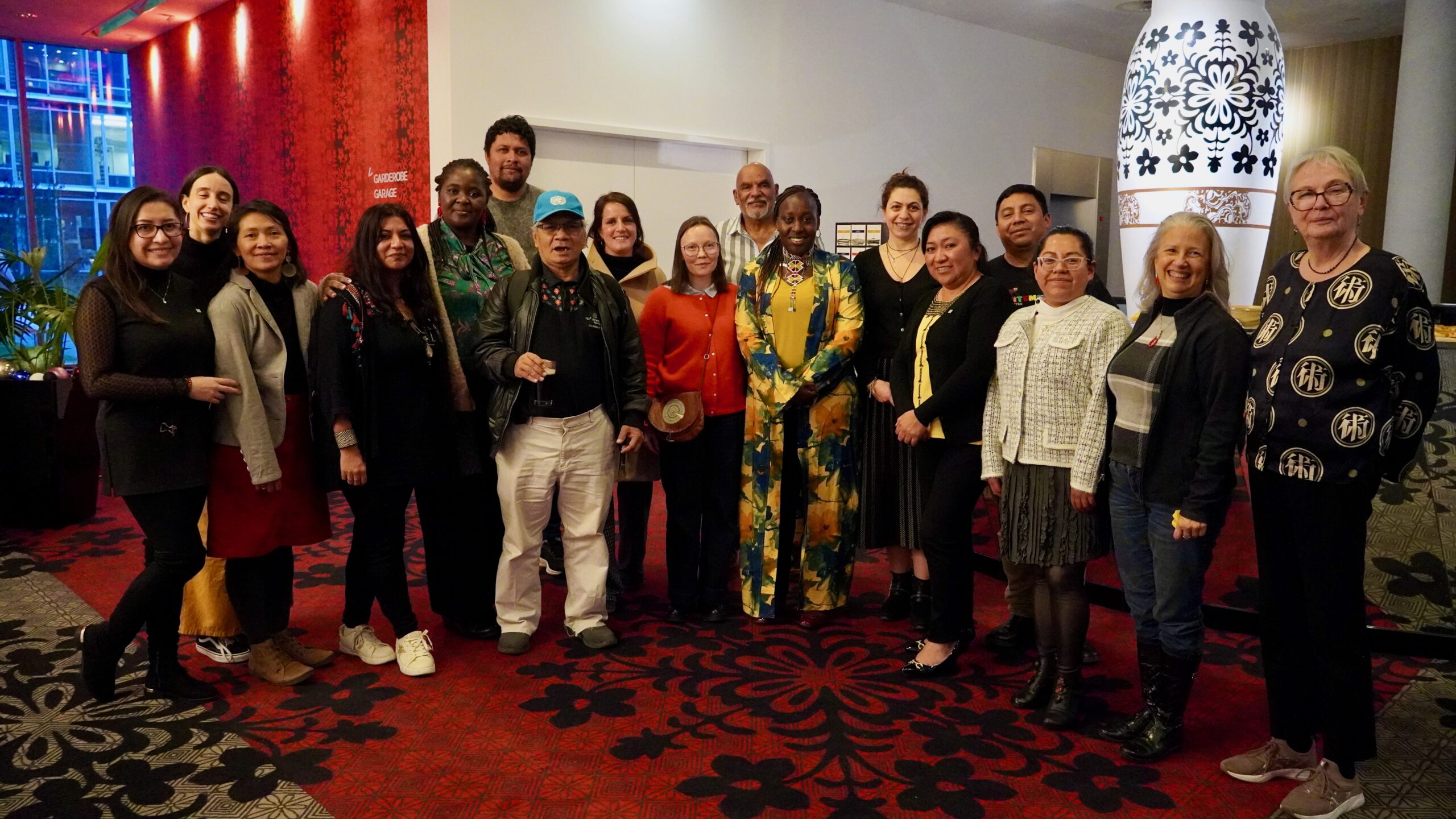
FSC-IF delegation at COP16

Indigenous leaders and our partners

FSC Aulina Ismare Opua indigenous leader portrait

Aulina Ismare Opua, Cacica Wounaan General Congress.

Wounaan People, Panama.

FSC Daniel Kobei indigenous leader portrait

Daniel Kobei, Executive Director, Ogiek Peoples Development Program (OPDP)

Ogiek People, Kenya.

FSC Juan Carlos Jintiach indigenous leader portrait

Juan Carlos Jintiach, Executive Secretary, Global Alliance for Territorial Communities (GATC)

Shuar People, Ecuador.

FSC Mala Mareachealee indigenous leader portrait

Mala Mareachealee, Deputy Director, Indigenous Peoples of Africa Coordinating Committee (IPACC)

FSC Nadia Gómez indigenous leader portrait

Nadia Gómez, FSC-IF Indigenous Advisor, and FSC Permanent Indigenous Peoples Committee (PIPC) representative from South America

Warpe People, Argentina.

FSC Norlando Meza indigenous leader portrait

Norlando Meza, TV Indígena

Guna People, Panama.

FSC Sara Madriz Martínez indigenous leader portrait

Sara Madriz Martinez, Mesoamerican Alliance for Peoples and Forests (AMPB)

Cabécar People, Costa Rica.

FSC Yoselin Yissel Casama Martínez indigenous leader portrait

Yoselin Yissel Casama Martínez, Association of Women Artisans of Ipeti Embera (AMARIE),

Emberá People, Panama

Get involved, make a difference

We are leading global efforts towards long-term and resilient Indigenous-led solutions. With Indigenous Peoples, we can conserve and restore biodiversity for everyone’s survival.

The FSC-IF seeks partnerships with governments, multilateral institutions, and the private sector to achieve visionary goals by leveraging the power of your resources, your expertise, and your innovative tools. Let’s work together to elevate Indigenous solutions for biodiversity stewardship and shape policies that respect and incorporate traditional knowledge.

Follow our journey: Check out our website and social media for updates, video interviews with our delegation, and our objectives at COP 16.

Connect with us: If you would like to meet us during COP16 to discuss how we can build sustainable solutions together, write to us at fsc.if@fsc.org 

Together, we can ensure that the wisdom of Indigenous Peoples is recognized and integrated into the global biodiversity agenda.

FSC hummingbird and butterfly over flowers art
News

It’s time for Indigenous solutions

Join us at Climate Week New York to connect with the value of Indigenous knowledge and territories

The FSC Indigenous Foundation is happy to announce its participation in Climate Week New York. As a leading global advocate for Indigenous-led climate solutions, the Foundation will join key organizations and global leaders in addressing critical environmental issues and promoting sustainable practices.

Indigenous Peoples’ traditional knowledge offers vital solutions to the climate crisis. They manage over 25% of the global landmass, making the future of Indigenous territories key to global sustainability. The FSC-IF seeks to integrate Indigenous knowledge into climate strategies and supports Indigenous leaders, for the future of our planet and for us all. Catch us at our side events listed below, or reach out to organize a meeting. 

It’s time to lead with Indigenous solutions and make a meaningful impact. Join us in driving positive change.

Supporting Indigenous Self-Determination, Self-Reliance, and Self-Governance in Nature-based Solutions

Date and time: Monday, September 23rd, 2024, 10:30 – 11:30

Location: Nature Positive Hub, Convene, 101 Park Ave, New York. Room: Chrysler Forum

Description: Indigenous Peoples are at the forefront of land protection. Although they comprise less than 6% of the world’s population, their collective territories are close to 25% of the land base and contain 80% of the world’s remaining terrestrial biodiversity. However, Indigenous Peoples face countless challenges that limit their capacity to strengthen their livelihood practices and secure rights and self-determination within their territories. The moderated panel will highlight the necessity of Indigenous-led climate solutions and barriers to achieving a healthier planet.

This event will illustrate the reciprocal relationship Indigenous Peoples have with Mother Earth, demonstrating the role of Free, Prior, and Informed Consent in rights-based approaches, and discussing partnerships between businesses and Indigenous organizations to support self-determination. It is hosted by the Forest Stewardship Council (FSC), the world’s most respected and widespread forest certification system, and the FSC Indigenous Foundation (FSC-IF), a global Indigenous-led organization working to elevate Indigenous Peoples in their contribution to the protection of Mother Earth and recognize them as providers of solutions and partners to fight against global challenges. 

Panelists:  

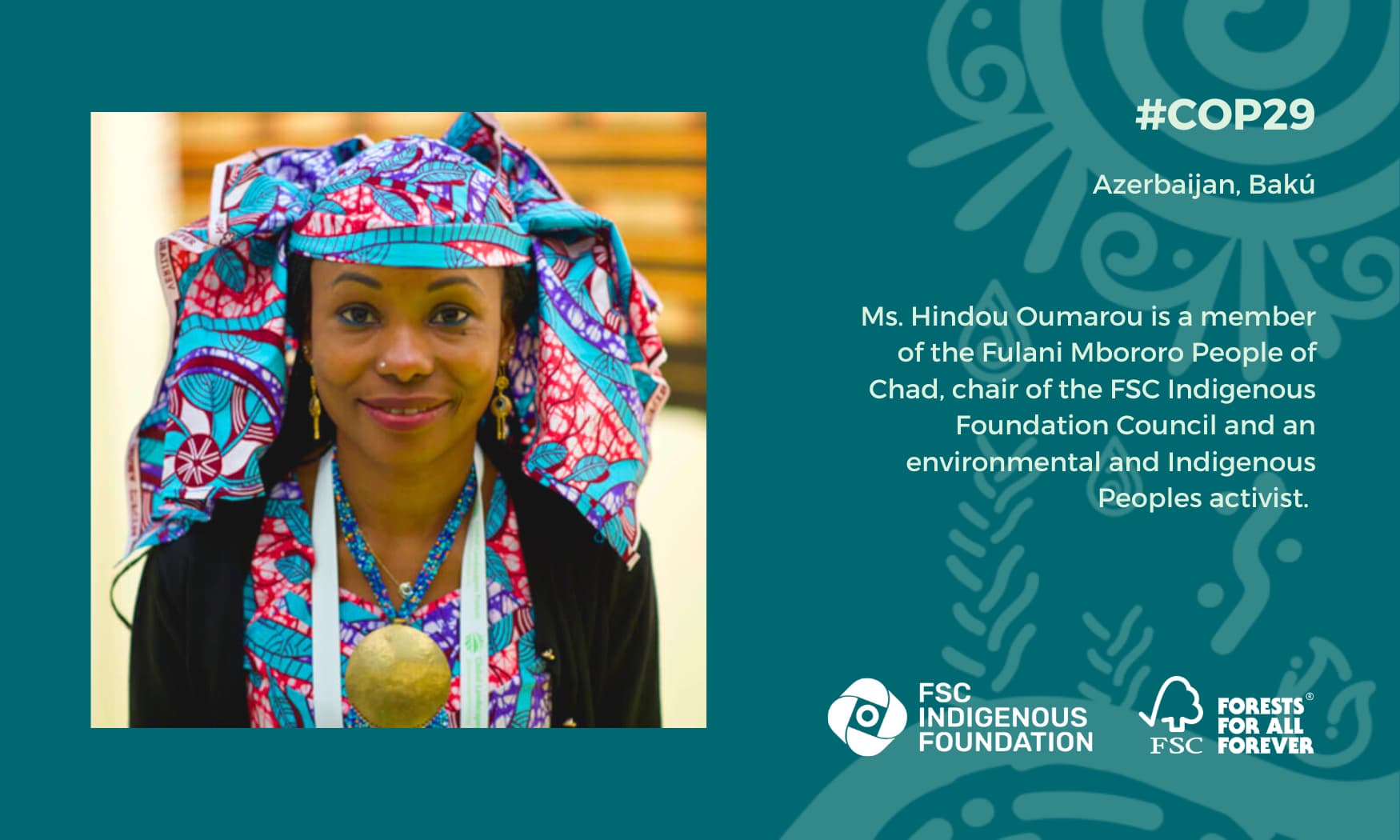
Hindou Omarou Ibrahim Chair of FSC Indigenous Foundation Council and Chair of the UN Permanent Forum on Indigenous Issues

Moderator: Satnam Manhas, R.P.F., Senior Manager, Indigenous Capacity Support Canada, FSC Indigenous Foundation 

Erica Fensom, DocuSign, Vice President, Corporate Affairs 

Sergio Guzman, manager of the community forest Guatecarbon REDD+ project, in Guatemala 

Join us to learn how you can support Indigenous nature-based solutions.

Register here

Our People, Our Future: From Commitment to Actions

Date and time: September 26, 2024, 9:30 – 11:30 am

Location:  Studio 3, 873 Broadway, #401,  New York, N.Y 10010

Description: This event, hosted by the FSC Indigenous Foundation and Health in Harmony will connect Indigenous Peoples with business and philanthropy, offering an opportunity to engage and scale social, environmental, and economic impact when working together. It will provide the opportunity to:

  • Discover solutions: Learn about Indigenous approaches to climate change, land degradation, deforestation, and biodiversity loss.
  • Contribute resources: Find actionable ways to contribute your resources and expertise towards impactful projects, gender equality, and youth empowerment. Indigenous Peoples are key to addressing pressing global challenges, such as climate change and biodiversity loss. Through collaboration, we can make a significant impact in these areas.  
  • Build partnerships: Network to form strategic alliances for sustainability.  
  • Boost business value: Discover how integrating ecosystem services can enhance sustainability, including biodiversity, carbon markets, and beyond.
  • Verify impact: Learn methods for impact verification to ensure your contributions are making a measurable difference.

Panelists:

Hindou Oumarou Ibrahim, Chair of FSC Indigenous Foundation Council and President of the UN Permanent Forum on Indigenous Issues

Jerome Foster II, Climate Activist

Solange Bandiaky-Badji, President and Coordinator, Rights and Resources Initiative

Rachel Markham, Principal, Patchwork Collective

Ashley Emerson, Co-CEO Business and Scale, Health in Harmony 

Moderator: Satnam Manhas, Senior Manager, Indigenous Capacity Support Canada, FSC Indigenous Foundation 

Join us in this transformative journey to drive positive change and sustainability.  

Register here

Connect with us

The FSC-IF is leading global efforts toward resilient Indigenous-led solutions, but we cannot do it alone. We call on partners to help us achieve visionary goals by leveraging the power of your resources, expertise, and innovation. If you would like to meet us during Climate Week to discuss how we can build sustainable solutions together, write to us at fsc.if@fsc.org.

1 4 5 6 7 8 10