
News

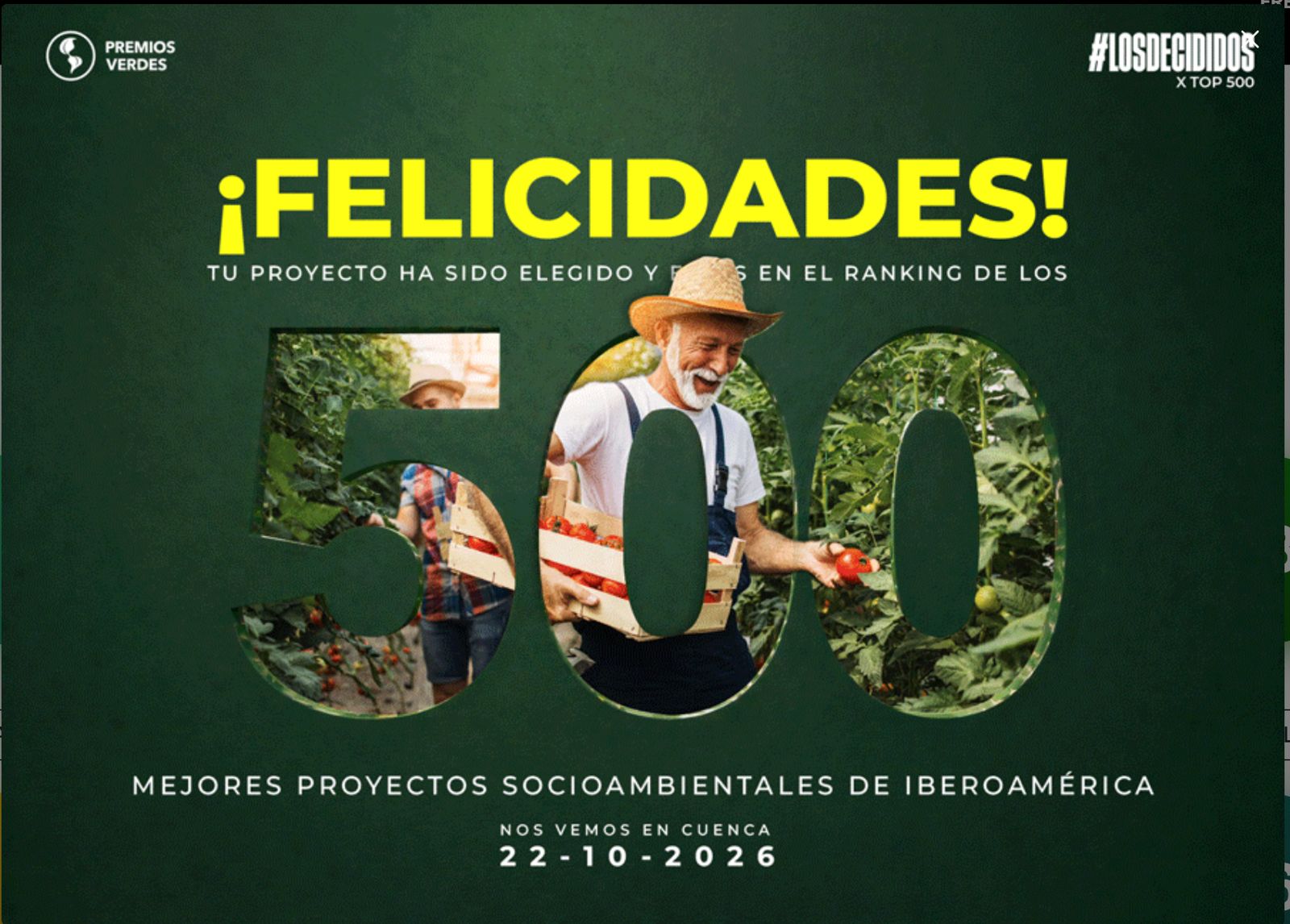
Top 500 sustainability projects in Premios Verdes

Boosting Indigenous Nature-based Businesses Models

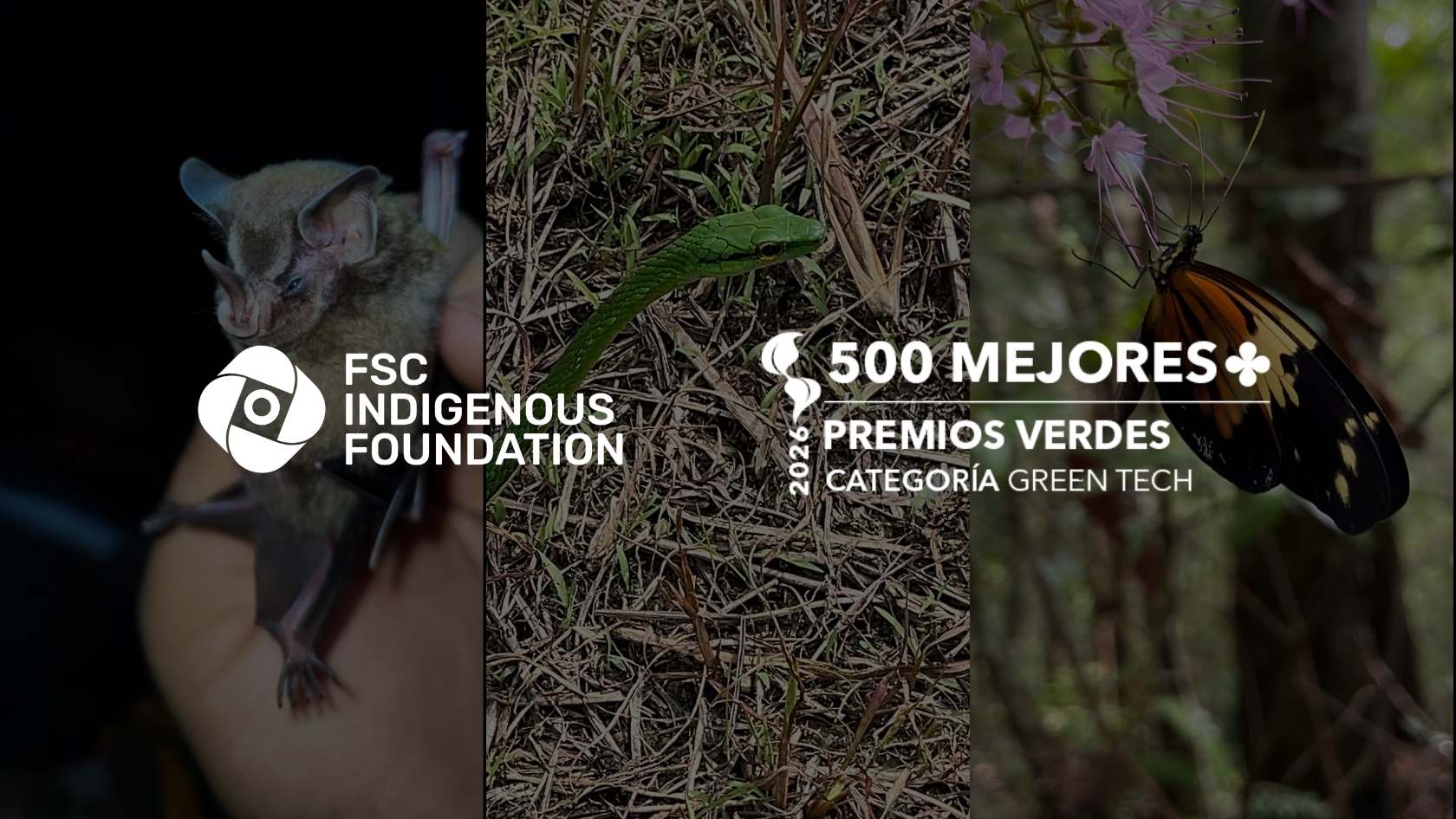
The pilot project “Boosting Indigenous Nature-Based Business Models” has been selected as one of the Top 500 sustainability projects in Latin America and the Caribbean by Premios Verdes. We celebrate this news together with our Emberá-Wounaan brothers and sisters from Darién, Panama. 

The project is led by the FSC Indigenous Foundation and the IDB Lab (the Inter-American Development Bank’s Innovation and Entrepreneurship Lab), with support from the Forest Stewardship Council (FSC) and Health in Harmony (HiH).

Forest Health and Indigenous Peoples 

The project focuses on a specific group of Indigenous communities, where, through a biodiversity monitoring system supported by artificial intelligence, 211 high-value species (9 of which are endangered) were identified, including 199 birds, five mammals, and seven amphibians, representing a significant advance in local knowledge of the biodiversity present in community forests.

Photos: FSC-IF / Hayro Cunampio

This initiative supported the Emberá-Wounaan peoples in sharing their knowledge about forest health and the importance of the species that inhabit their territories. In this context, Muriche Cheucarama, leader of the Puerto Lara community, noted: “With this knowledge, the people must take further steps to meet their goals and achieve greater sustainability through the forest. Everything that is being done is for the benefit of the community.”

Co-creation of an innovative label

At the heart of the initiative is the creation of a distinctive label that recognizes the contributions of Indigenous Cultural Landscapes and helps connect Indigenous products and services with consumers and markets that value culture, conservation, and sustainable livelihoods. To support its development, FSC-IF has begun working with Indigenous focus groups to ensure that the label reflects Indigenous perspectives, priorities, and realities.

Community Thriving Narrative 

In addition, the project incorporates the Community Well-being Narrative as a key component of the monitoring system, in partnership with HiH, If Not Us Then Who, and Ulu Films, with the aim of gathering and presenting a qualitative account of community well-being as told by Indigenous Peoples themselves.

Photo: FSC-IF / Fredy Duque

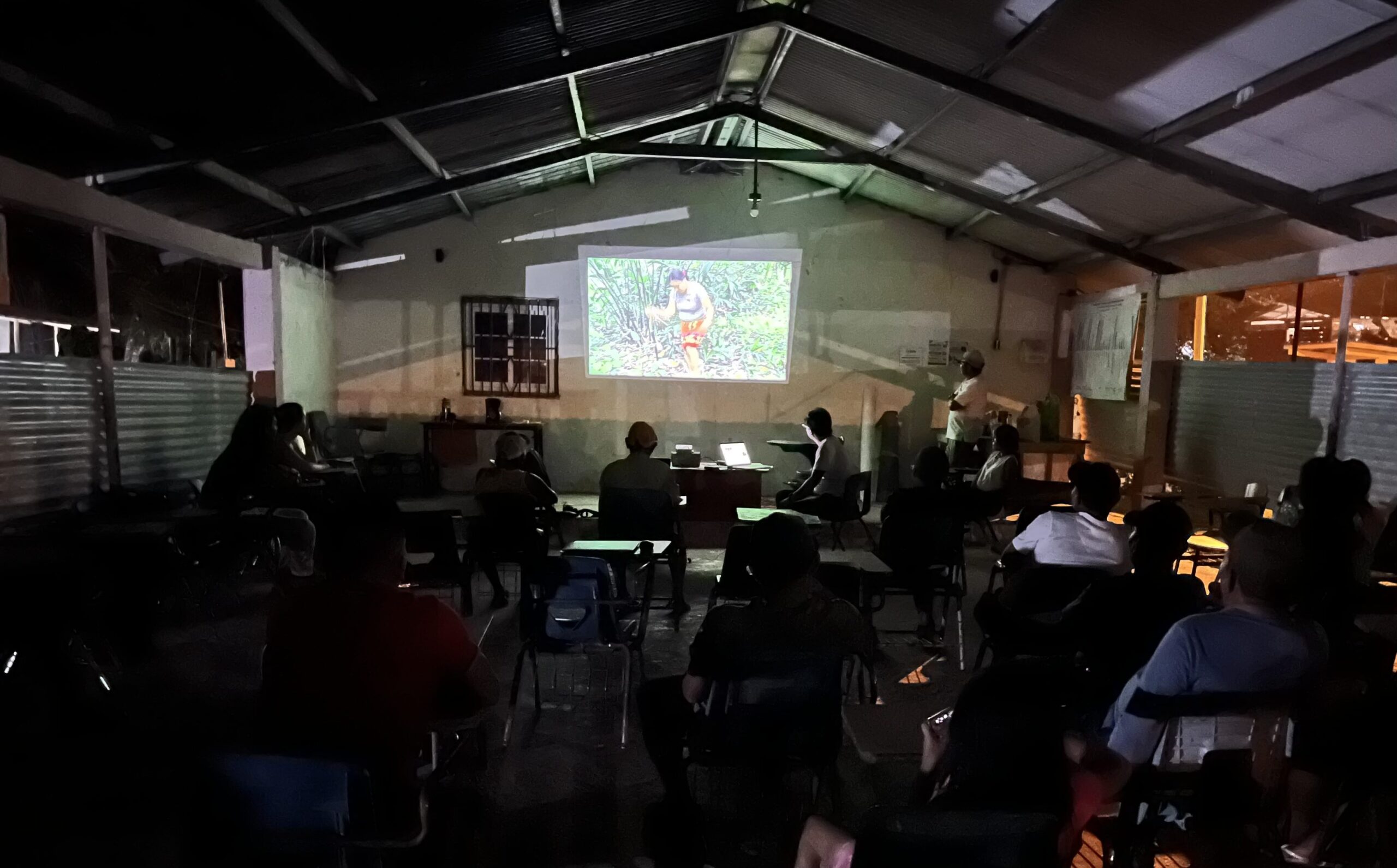
As part of this initiative, the communities produced videos based on the topics of greatest local interest. In Puerto Lara, the video addressed the issue of access to drinking water; in Alto Playón, the narrative focused on the impact of migration on local livelihoods; and in Arimae and Embera Puru, the video documented the impacts experienced during the protests against Law 462 in 2025 in Panama.

This process also helped build local capacity in the use of audiovisual tools as a means of expression, documentation, and community outreach. As young Samuel Cheucarama from the community of Puerto Lara put it, “We never thought this could happen—to see the video we recorded ourselves.” He added, “We learned a lot, and there were some points that really struck me, because just imagine that with videos alone we can create a story, record it, and publish it. Plus, this town is a tourist destination, and there are organizations we can support through this.”

Self-determination and Indigenous Rights 

All of this work is carried out in accordance with the principles of free, prior, and informed consent (FPIC), data sovereignty, and respect for Indigenous rights, combining innovation and ancestral knowledge in digital solutions validated by the Indigenous Peoples themselves.

Other initiatives, such as the community of practice, create a space for learning among Indigenous Peoples, which becomes a key tool for identifying their own paths to development, while strengthening community governance and the capacity to make long-term decisions.

Another key component of the project is participatory long-term economic planning through the FSC Economic Viability Tool. This process helps communities identify opportunities and challenges, and make collective, data-based decisions that increase their well-being.

Learn more about the project 

News

May News and Highlights

Indigenous voices in Santa Marta, New York, Cambridge (UK)

“For us, biodiversity is life,” Minnie Degawan

From safeguarding forests and mountains to nurturing sustainable food systems, Indigenous communities have long been stewards of nature through ancestral wisdom and deep responsibility to the land.


A Call for Integrated Action on Climate, Biodiversity, and Land Crises
Explore the need for stronger collaboration across the Rio Conventions. Indigenous leadership and knowledge are essential for addressing climate, biodiversity, and land crises through integrated solutions.

Read more

From Commitment to Action:
Scaling Sustainable Forest Management Halting Degradation and Deforestation (UNFF21 Side Event, FSC).

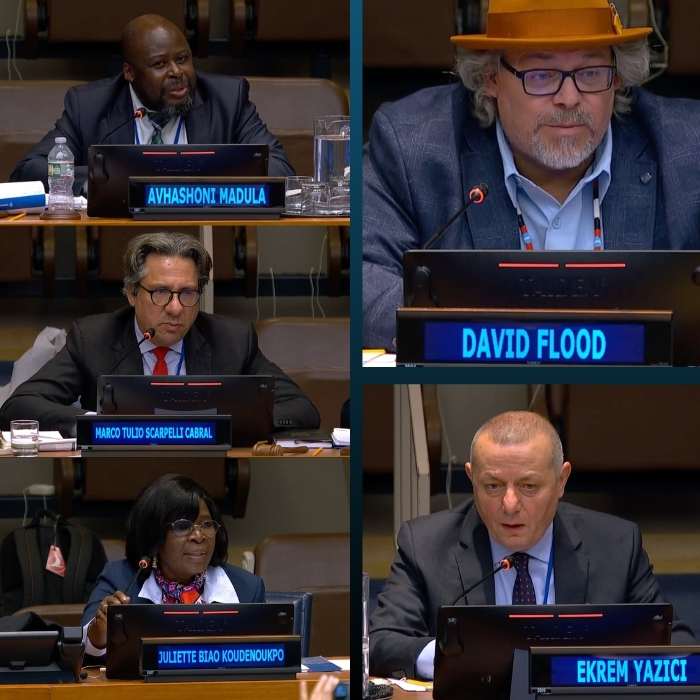
“There is more value to the wood, the land, the forest, the water, the soil, plants, crawlers, swimmers, the fliers. This is why we say all our relations,” David Flood, Matachewan First Nation.

Watch now

First International Conference on Transitioning Away from Fossil Fuels
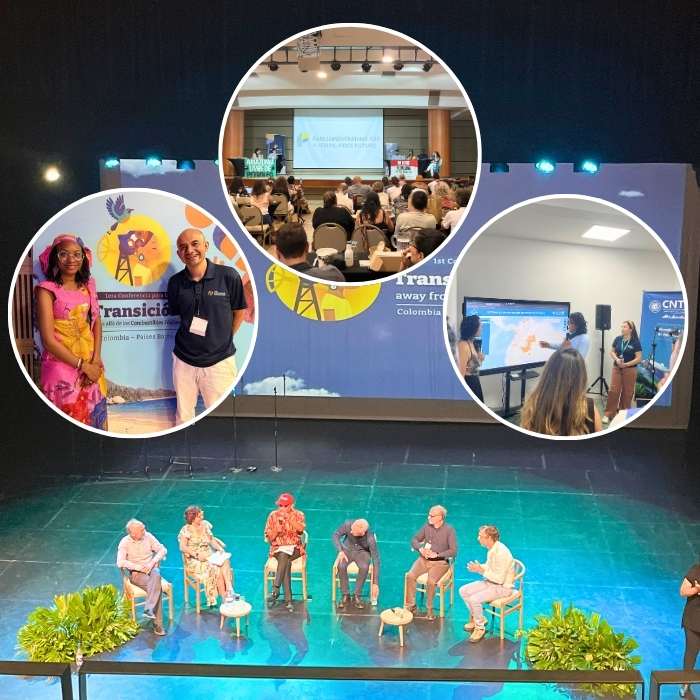
In the event, it was highlighted that exchanges between Indigenous Peoples communities strengthen territorial solutions and sustainable forest-based livelihoods…

Learn more

Nature Action Dialogues
Learning from Indigenous knowledge and leadership: Inspiring business models for nature and people

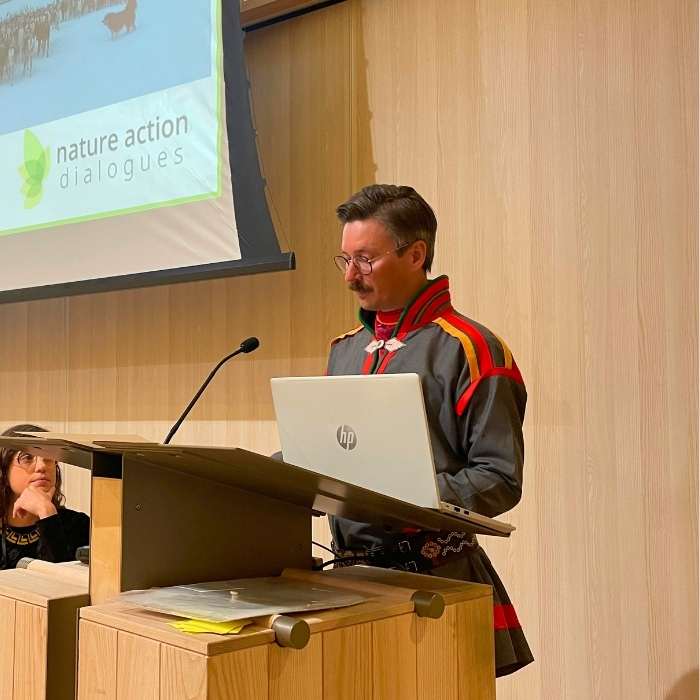
“The quality of life and care of nature are more important than economic profit…” Niila Inga, Sámi People.

Learn more
News

International Day for Biological Diversity

Indigenous Peoples Are Essential to Protecting Biodiversity

On this International Day for Biological Diversity, FSC-IF’s Managing Director, Minnie Degawan, highlights the vital role of Indigenous Peoples in protecting biodiversity and sustaining life for future generations.

“For us, biodiversity is life.” – Minnie Degawan

For Indigenous Peoples across the world, biodiversity is not only about protecting nature. It is a way of life rooted in responsibility, stewardship, and intergenerational knowledge.

For generations, Indigenous Peoples have worked at the local level to sustain ecosystems and protect biodiversity. Yet despite their contributions, policies affecting natural resources are too often developed without their meaningful participation. In many cases, Indigenous communities continue to face displacement from their lands due to extractive industries or conservation approaches that fail to respect their rights and knowledge systems.

As we mark Biodiversity Day, we must move beyond acknowledgement and take meaningful action to support Indigenous Peoples’ rights to lands, territories, self-determination, and resources.

Protect Indigenous rights, protect biodiversity.

Support Indigenous-led action for people and planet:

Support us

News

April News and Highlights

Indigenous voices in Chiang Mai, Oaxaca, Yeosu, New York, and Bonn.

Photos: Minnie Degawan: FSC/Christoph Söldner, other photos: FSC-IF

PIPC Asia Regional Meeting:
In Chiang Mai, a crucial dialogue unfolded, where Indigenous leaders challenged systems, shared lived realities, and reimagined the future of forest governance in Asia.

Read Story

Community of Practice – Panama and Mexico
Impactful knowledge exchange between the Embera, Wounaan and Zapotec Peoples in Ixtlan de Juarez, Mexico.

Get inspired!

LCIPP Biregional Gathering – Climate Week in Yeosu, Korea:
When forest knowledge meets global decision-making.

Engage here

UNPFII in New York:
“Ensuring Indigenous Peoples’ health, including in the context of conflict.”
Protect their rights. Protect the Forests. Protect the Earth.

Highlights

Global Staff meeting 2026
“Will working with FSC bring at least one community to the good life we’re aiming for?”

FSC-IF at the GSM

Opportunities for Indigenous Peoples:
FSC offers multiple pathways for Indigenous Peoples to engage and lead.

FSC and Indigenous Peoples

1 2 3 12