
Strengthening Indigenous communities: community forests in Peru and sustainable forest management
The Shipibo and Belgica communities protect their ancestral lands with Indigenous knowledge.
December 2023 – Miranda Mars, in collaboration with FSC Latin America and FSC Peru
Globally, FSC® has actively collaborated with local communities to promote sustainable forest management practices. The wisdom of indigenous communities in protecting their forests is an invaluable source of inspiration for us all. Their deep connection to nature, their understanding of delicate ecosystems and their traditional knowledge are lights and guides on the journey of being stewards of the forest.
Recognizing the importance and richness of Peru’s forest resources and the need for their conservation, the local FSC office has been working closely with indigenous communities and small producers throughout the country, through capacity building initiatives, technical support and guidance on responsible forest management; implementing in collaboration with them, sustainable practices that balance environmental, social and economic impact.
In this story, we dive into inspiring trips to indigenous communities in two regions of Peru. We visited 5 Shipibo communities in Ucayali and the Belgica Native Community in Madre de Dios. These communities are dedicated to sustainable forestry practices, prioritizing the protection of their ancestral lands for future generations. As we celebrate their efforts in forest conservation, we remember that sustainable practices and responsible forest management are key to a prosperous future for both nature and humanity.
Shipibo Indigenous Communities
Caring for the Amazon
For this story we go deep into the Amazon jungle. A three-hour boat ride down the river from Pucallpa in Ucayali takes us to Callería. This area was once the victim of uncontrolled exploitation. In the 1990s, informal loggers infiltrated their land, devastating 500 hectares of the community’s forest, which covers a total of 4,000 hectares. The Callería community has a diverse landscape, including specific areas for urban expansion, agriculture, hunting and forest preservation. Home to approximately 50 families of the Shipibo-Conibo ethnic group, this community values its unique language while also adopting Spanish as a common means of communication. Timber harvesting, fishing and the sale of handicrafts are the mainstay of their economic activities.
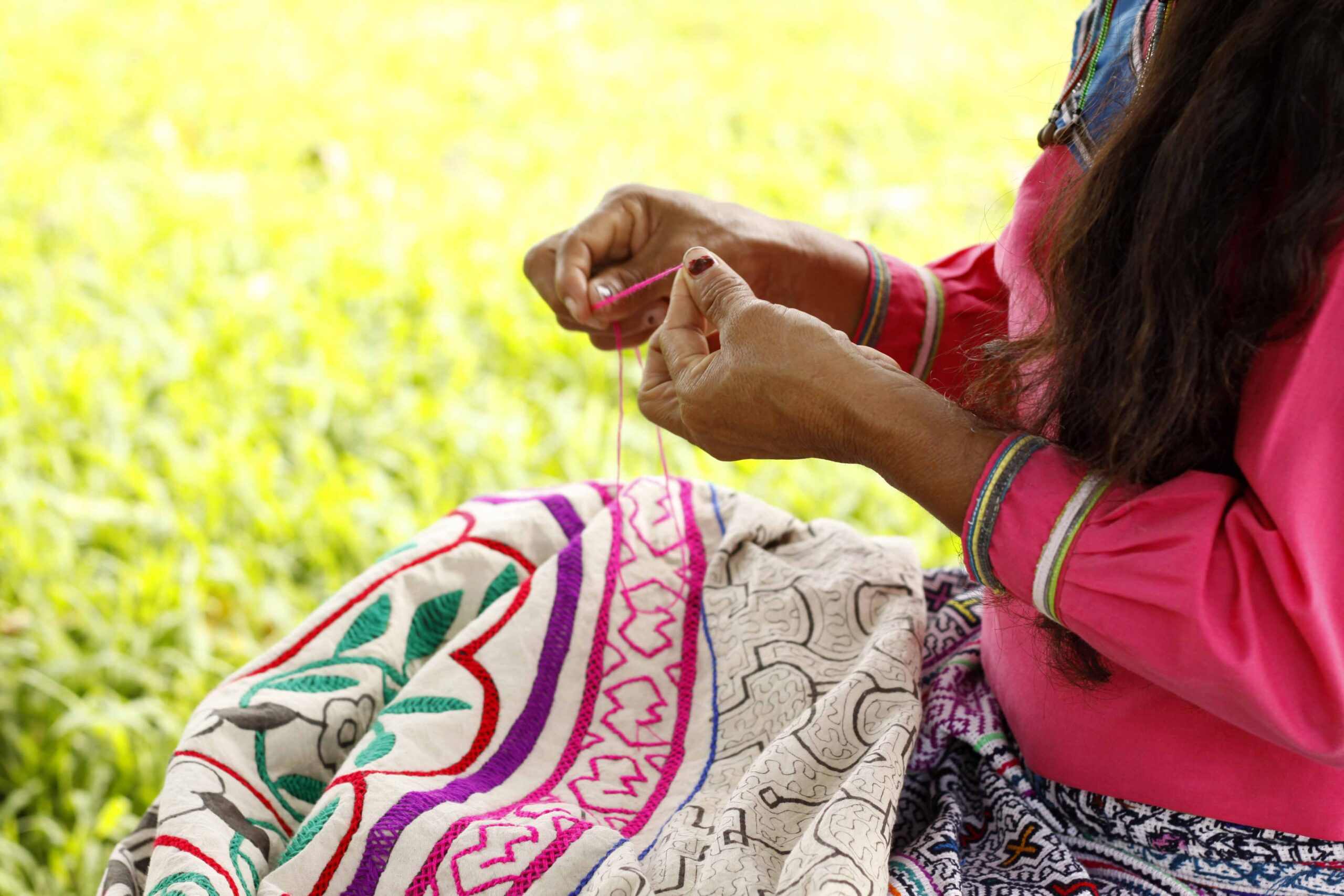
At the heart of Callería lies a deep connection to the forest, as Diana Mori, a member of the Shipibo-Conibo people, shares. “One of the most cherished memories I have about the forest is during the month of August when millions of bird species arrive. It is a time of joy and excitement for our community. Mothers prepare baskets and, together with our fathers, we venture into the forest to collect eggs. The abundance of eggs allows us to collect just enough for the day, ensuring their freshness. In addition, we return with freshly caught fish, which have a unique taste, different from any fish bought in the city. This moment of sharing and enjoying fresh fish from the rivers in our forests captures our greatest joy as Shipibo people: the essence of our happiness lies in these communal experiences.”
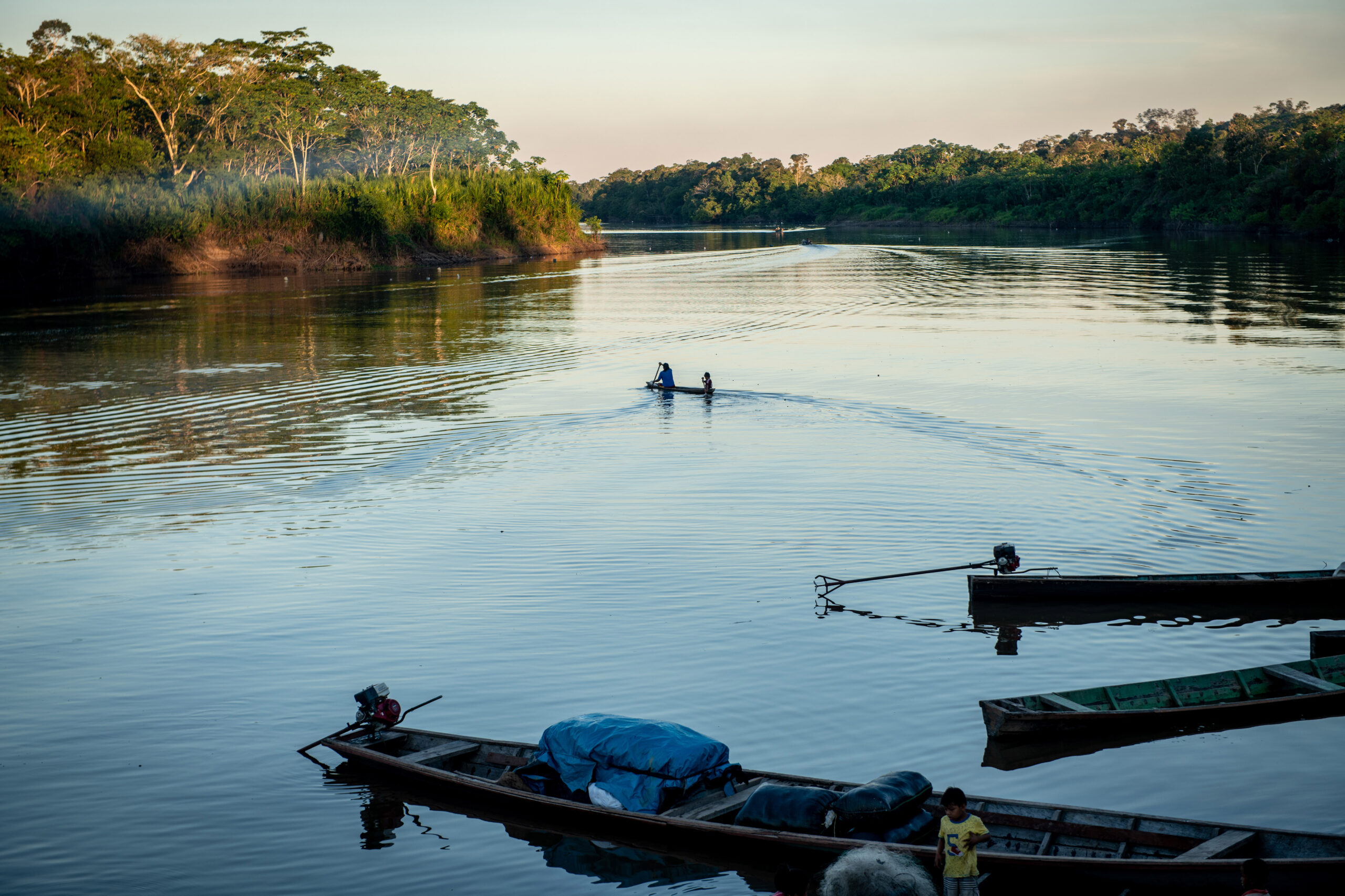
Diana smiles as she shares these memories, as she goes on to explain more about her and the community’s connection to the forest: “The universe and the ecosystem are one living entity. We interrelate, caring for and protecting each other. Our connection extends to the land, water, cosmos, and biotic and abiotic beings. The connection to our resources is so strong, that it allows us to communicate with nature and live in harmony with all living things.”
Diana believes that every individual is born with a mission, and hers is to safeguard the resources that sustain communities, for future generations.
Later, she will explain more about the important resources the forest provides and how they empower the community. But first, we’ll dive into sustainable forest management and FSC certification.
Community FSC Certification
More than 10 years ago, recognizing the urgent need to protect the forest in Callería, the Association for Integral Research and Development (AIDER) stepped in. Empowered with knowledge and determination, the communities of this region came together to protect and restore their forest. After five years of dedication and hard work, in 2011 they achieved a significant milestone: the distinction of becoming the first community concession to obtain FSC certification for sustainable forest management. This achievement further strengthened their relationship with the forest; and their commitment to learning and improving their practices continues to benefit both the community and the invaluable ecosystem they protect.
Pio Santiago, who works for AIDER, is extremely proud of these achievements: “They were the first community in Peru to obtain forest certification. This posed a major challenge with significant economic, social and environmental impacts. The management of their forests has played a crucial role in incentivizing these communities, empowering them to protect their resources and benefit from sustainable practices. We are here to ensure that Callería’s forests endure, so that children can inherit a rich heritage and continue to live harmoniously with nature.”
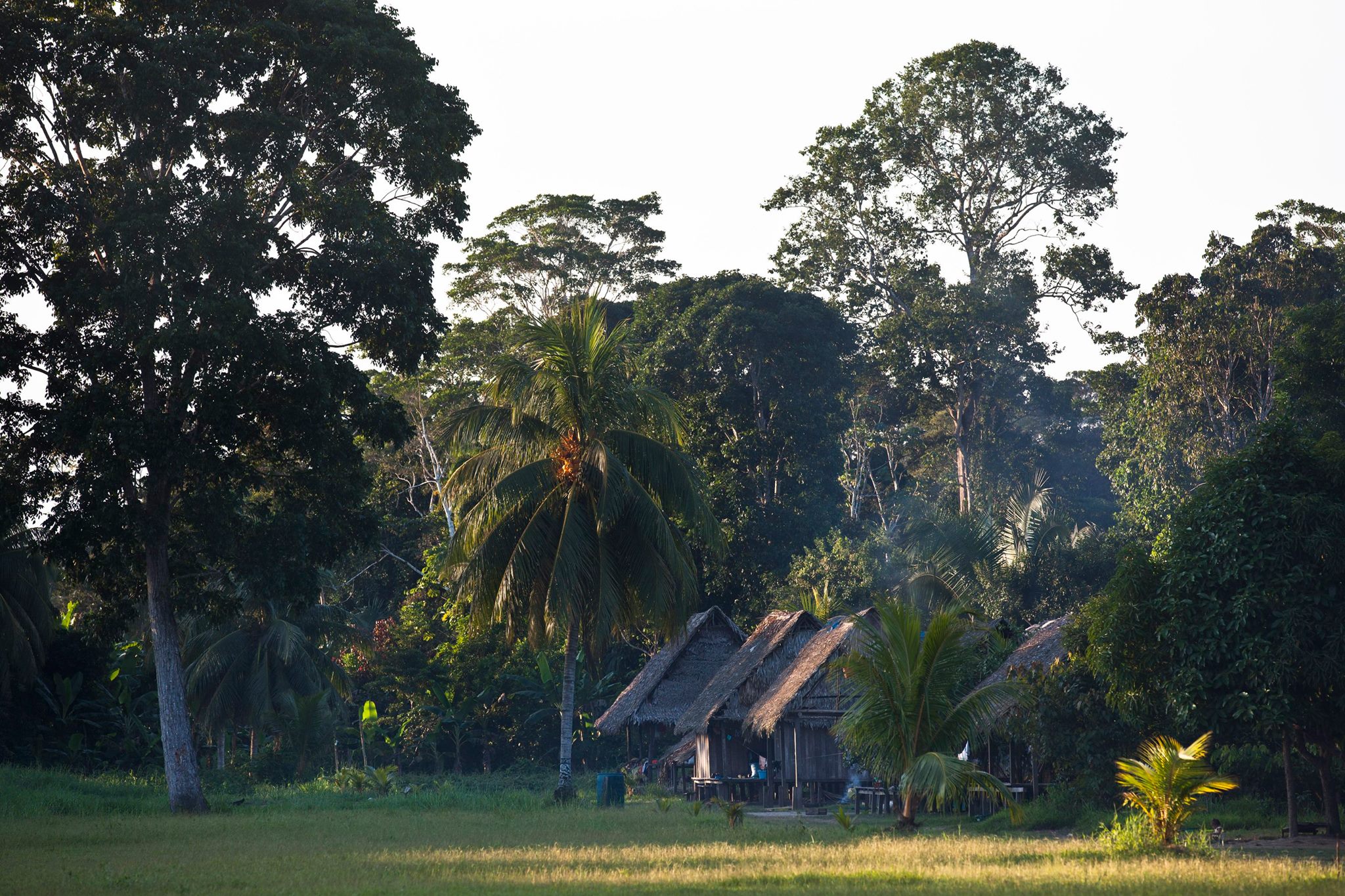
FSC certification has enabled communities in this region to evaluate their resources and generate economic opportunities while ensuring sustainability. Their wealth of timber resources allows them to build houses and take advantage of the forest’s economic potential. The forest also helps maintain their identity and presents opportunities within the community, as the resources ensure their sustainable way of life. Diana explains, “In our quest for a better future for our children, grandchildren and future generations, we focus on the potential of our natural resources. We possess a variety of valuable resources, including clays, seeds, bark, medicinal and therapeutic plants. These resources provide us with opportunities to improve and build new models, rooted in our forest-based development perspective. Our resilience as a community is encouraged by our commitment to preserve life and maintain our culture, as we recognize our social responsibility to safeguard and care for the environment. The forest is not only a provider of resources, but also a source that helps us maintain our identity and ensures sustainable livelihoods within our community”.
A glimpse of tomorrow
Looking to the future, Diana and her community envision museums and workshops where students can learn about the botanical, biological and chemical aspects of the forest. They want to establish restaurants and visitor sites that promote community visits, ensuring their sustainable way of life. Education, especially improving schools for children, plays a crucial role in preserving traditional roles and customs. Sharing knowledge and experiences will encourage youth participation and development within the community.
Diana also mentions the challenges faced by indigenous communities in the Peruvian Amazon. Issues such as climate change and pollution pose threats to communities, including access to clean water and possible contamination of their environment. Diana advocates for synergy and collaboration between indigenous communities, scientists and academics. She stresses the need for joint efforts to preserve natural resources and share knowledge. She also emphasizes the importance of community participation, especially the inclusion of women, in decision-making processes. Diana believes in the power of education, both in terms of environmental awareness and the need for comprehensive efforts that focus on the protection of forests and communities.
With dreams of education, preservation and cultural continuity, Shipibo communities invite the world to learn from their wisdom and unite in protecting nature’s sacred gifts. The forest guardians in Callería demonstrate that through thoughtful forest management, economic development can be achieved while preserving the priceless Amazon Rainforest for generations to come.
Nativa Bélgica Community
The sustainable journey of Nativa Bélgica
Another success story in the Peruvian Amazon comes from the Nativa Bélgica Community, located in the department of Madre de Dios, province of Tahuamanu, in the district of Iñapari; on the border between Peru and Brazil, on the right bank of the Acre River. This area stands out for the presence of imposing and diversified forests, its forest nature, the products that the forest provides and the expression of the characteristic fauna that turn the community into an environment of natural delight and interesting cultural scenery.
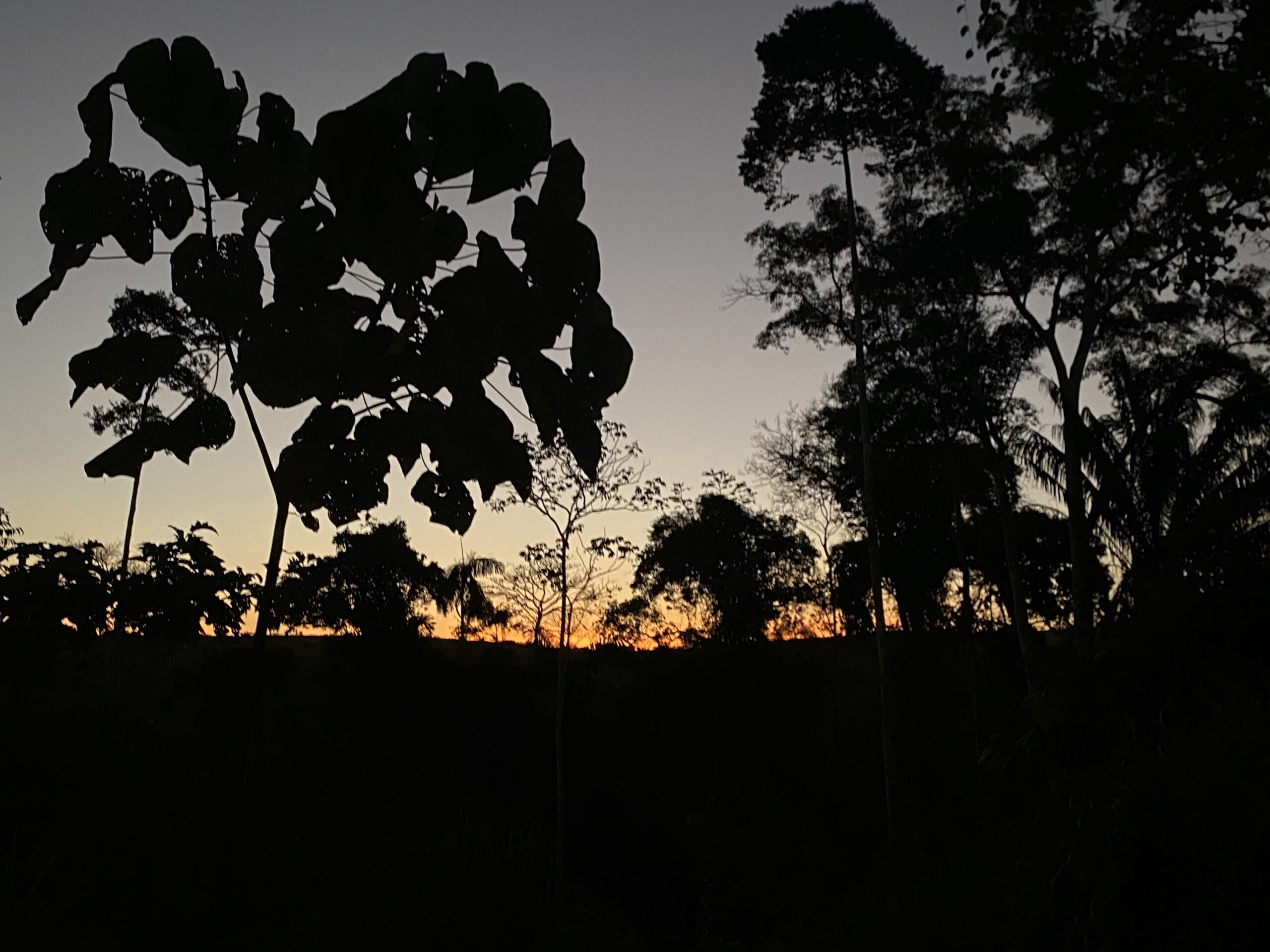
The Nativa Bélgica community is a community of the Yine group of the Peruvian Amazon culture, and the presence of its forest and landscapes make it a special place to learn about biological richness.
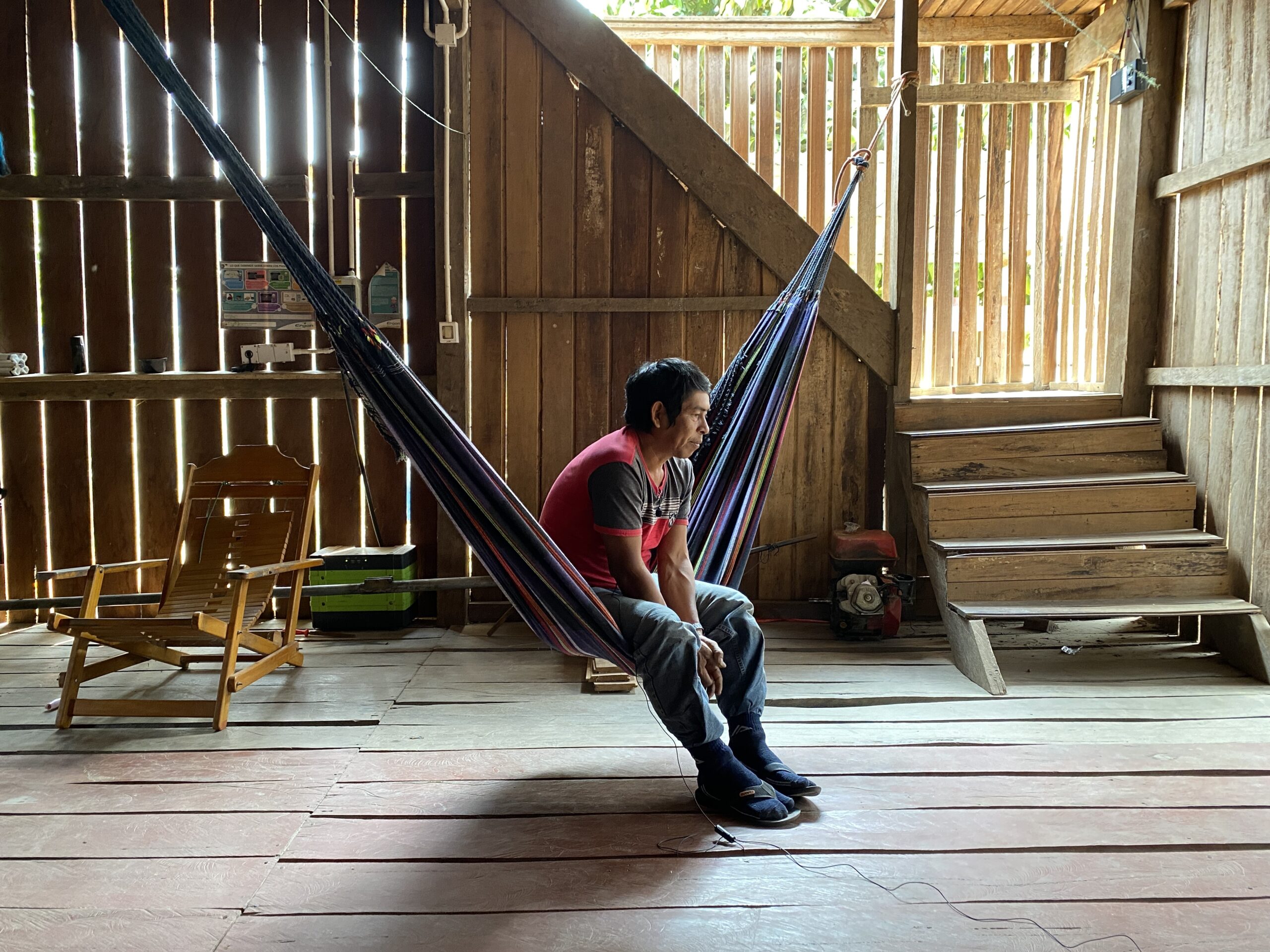
Antonio López Cuchitineli, a 52-year-old resident, reflects on the significant changes his community has experienced over the years and talks about how their approach to forest management has grown over time. In the not-so-distant past, his community faced several challenges. Without adequate infrastructure, the lack of roads made daily life a struggle. Access to basic necessities such as medicine was limited, requiring long motorcycle rides to neighboring villages. Medical care and education were scarce, and the absence of opportunities for economic growth further complicated their situation.
“The turning point for my community came when we realized the importance of securing our land rights for a sustainable future. Together, we overcame challenges, gained recognition and embraced responsible timber harvesting, thriving while safeguarding our precious forest.” In 2011, the community began sustainable forest management.
The benefit of sustainable management
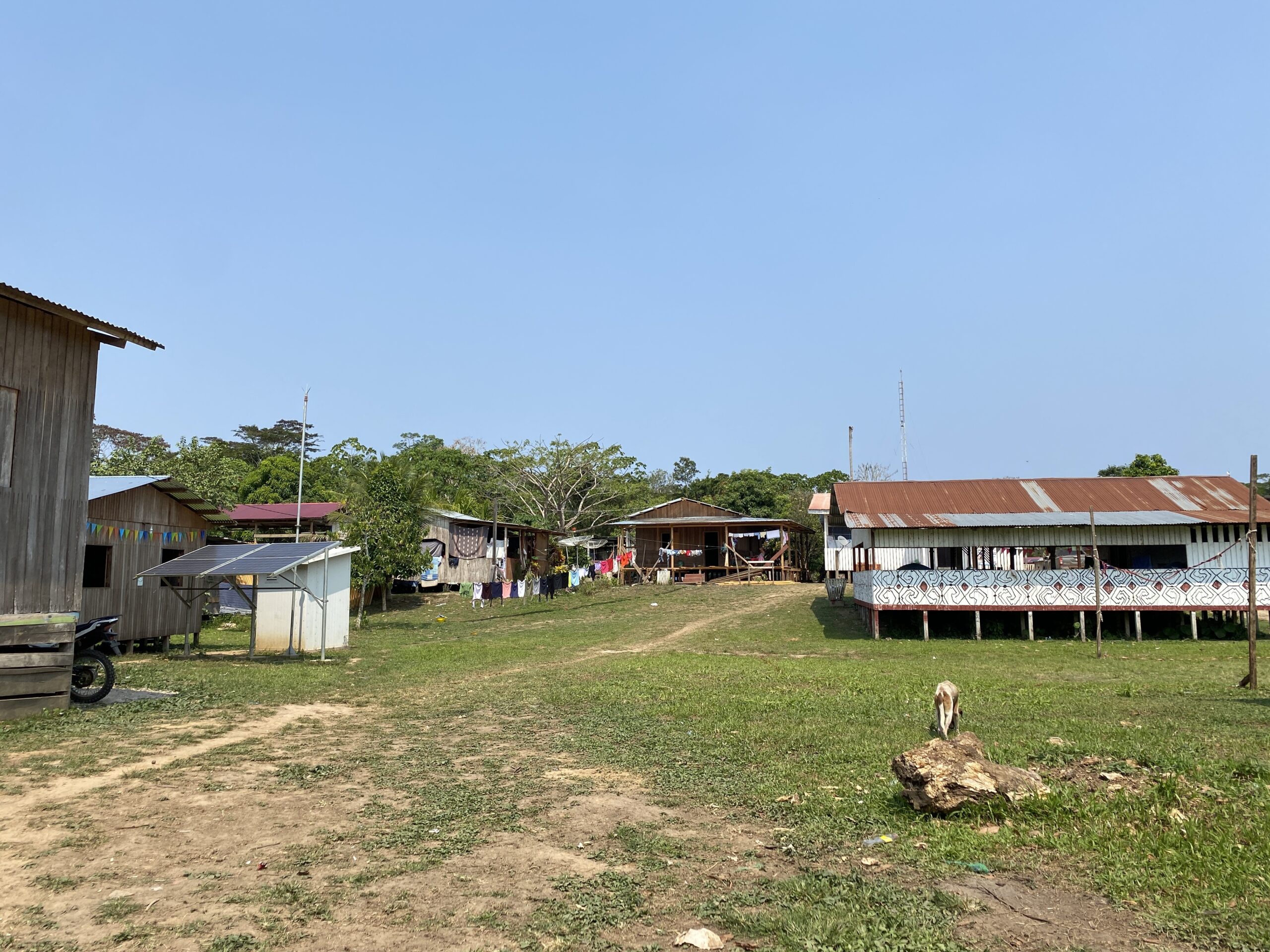
The forest provides vital resources for the community where 41 families currently live. Timber sales serve as a significant source of income. This is an important alternative compared to the past, when the community was engaged in rubber tapping for the production of latex used in tire manufacturing.
By obtaining FSC certification and employing professional engineers to guide their efforts, the community moved into the sale of hardwoods such as mahogany. Sustainable practices ensured that they could benefit from their resources while preserving the forest.
With the income from timber sales, community members invested in their future. Enrique Pacheco, a dedicated forester in Madre de Dios who works with the community, emphasizes the importance of their partnership with the Forest Stewardship Council (FSC). “With the FSC guidelines as our compass, we steer our journey towards ecological preservation and responsible resource utilization. Commitment to FSC-certified practices ensures that we protect these important forests and comply with national regulations.”
Coordinated monitoring
Fabio Aspajo González is a dedicated member of the community forestry committee. He explains his vital role in preserving the forest surrounding his remote community. The committee diligently monitors logging activities, ensuring minimal environmental impact. With targeted logging regulations, they have seen significant improvements in forest management. Fabio emphasizes the need to safeguard the forest for future generations, encouraging others to support their cause and witness the wonders of this wildlife sanctuary: “The forest is not just for us; it is also for future generations. We must protect it so that our children and grandchildren can benefit from its beauty and resources. By entering the forest with us, people can witness firsthand how we work toward conservation. I encourage others to support our cause and become stewards of this natural treasure.”
The promotion of FSC certification in timber concessions has significantly improved their competitiveness as they strive to achieve higher sustainability standards and protect wildlife and ecosystems. As a result, the Madre de Dios region has emerged as a leader, with more than 600,000 hectares of FSC-certified forest. Within this forest, the community has implemented two management plans. The first plan focuses on a 20-year logging cycle, allowing for sustainable timber harvesting. This achievement demonstrates the collaborative efforts of the private sector, civil society and authorities to safeguard biodiversity and improve the well-being of local communities.
One of the key aspects of forest management is to create awareness within the community. Enrique Pacheco mentions that sustainable forest management practices have not only protected the forest, but have also improved the quality of life of local communities, ensuring the preservation of their cultural heritage. The success of these activities highlights the importance of collaborative efforts and the integration of social, environmental and economic considerations to achieve long-term sustainability. Antonio emphasizes that, “Education became a priority for us, and our children now have access to schools and opportunities that were scarce in the past. Improvements in economic conditions allowed us to build better homes, cultivate farms and raise livestock, leading to an overall better quality of life.”
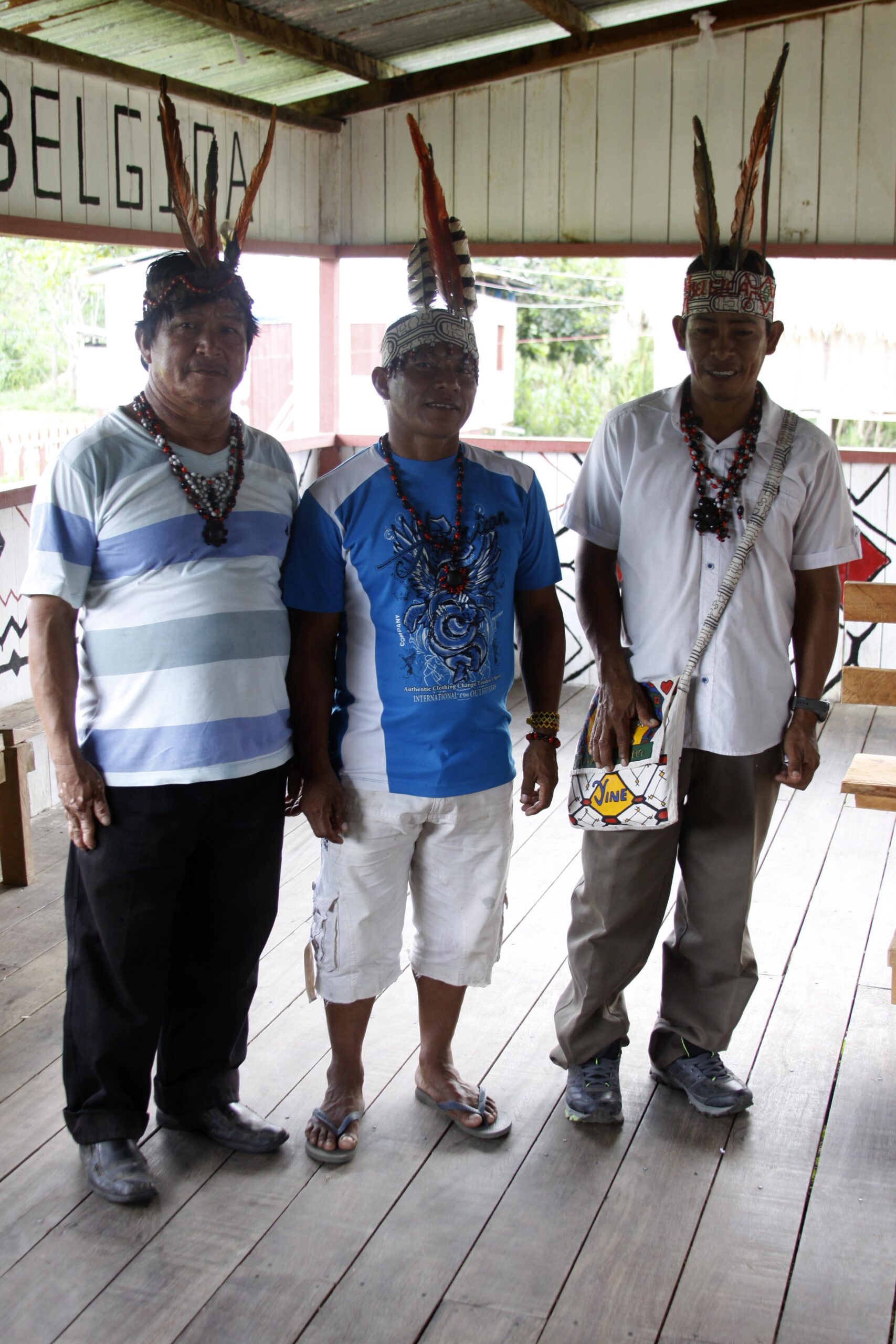
Enrique’s eyes light up when he talks about his connection to the forest and how it sustains his way of life. The community’s population may be small, but their hearts and spirits are huge, in harmony with nature. He also tells us about the community’s relationship with wildlife. They respect the creatures that roam their territory, and the elusive Otorongo (Jaguar) is one of the majestic animals Enrique observes during his frequent excursions through the forest. He acknowledges that his ancestors’ traditions included hunting, but today they prioritize sustainable practices. The community understands that preserving the balance between humans and wildlife is vital to the long-term prosperity of their home.

While embracing modernity and change, community members express concerns about the loss of traditional knowledge within the community. In the past, their ancestors relied on natural remedies for illnesses and had a deep knowledge of the forest ecosystem. Antonio fears that younger generations may not fully understand the value of these traditional practices and urges efforts to preserve this wisdom. Despite the challenges of the past, they remain optimistic about the future. They have plans for reforestation projects and sustainable agricultural practices. The community is also exploring ways to participate in other sectors such as fish farming and ecotourism, seeking to strike a balance between economic growth and ecological preservation.
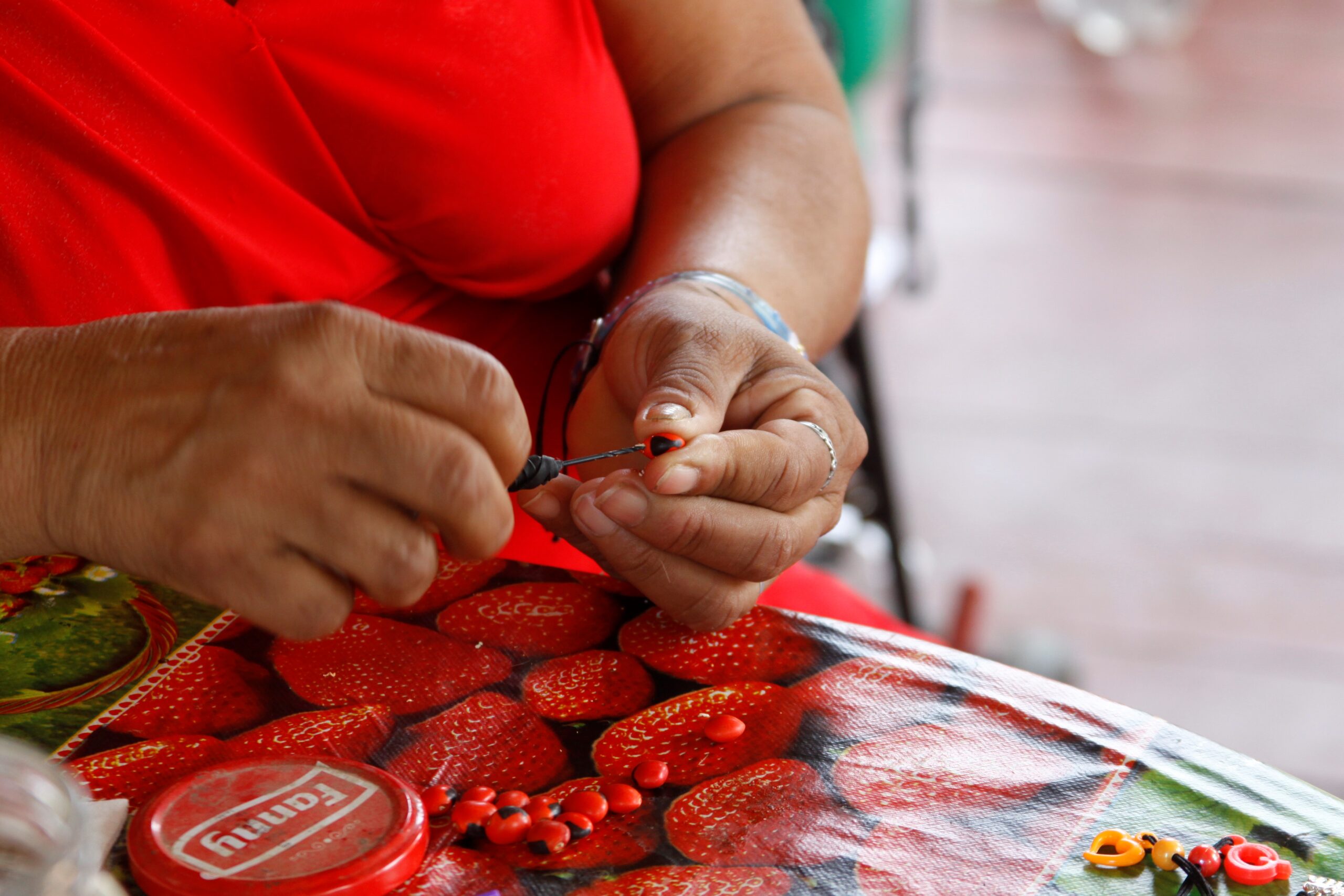
Lenicia is a young woman who, along with other women in the community, work on an incredible art using local seeds. This work of intricate designs requires patience and dedication. The artisans are not only creators of beautiful handicrafts, but also passionate about preserving the heritage of their community. Their dedication to their craft and desire to pass on their knowledge to future generations shows the depth of their love for their culture.
Through their dedication and collaboration with organizations like FSC, the Bélgica Native Community has transformed their once challenging landscape into a thriving forest. By moving forward on the path of progress while safeguarding their traditions, they remind us of the delicate balance between humanity and nature. By embracing ancestral wisdom and integrating modern practices, the community envisions a future where the forest continues to flourish, providing for their families and welcoming visitors.
These stories help us witness the power of indigenous communities to effectively manage their forests while creating sustainable economic opportunities. Their experiences highlight the invaluable role of traditional knowledge, the importance of ancestral connections, and the positive impact of FSC certification in maintaining environmental and social standards. By amplifying these success stories, we hope to inspire greater collaboration, recognition and support for indigenous community-led forest conservation initiatives around the world.
This story was originally published in Spanish on the FSC Latin America website.
One of the key objectives of FSC’s work is to help local communities obtain FSC certification for their forestry operations. By guiding communities through the certification process and providing ongoing support, FSC has helped them improve their market opportunities and increase the value of their forest resources. However, FSC’s involvement with local communities in Peru goes beyond certification. We recognize the importance of ensuring that communities benefit directly from their forest resources. FSC facilitates the development of value-added initiatives and collaborates with local organizations that provide assistance, for example, in community-based enterprises that enable communities to derive economic benefits from sustainably harvested timber and non-timber products. This approach not only supports local livelihoods, but also fosters long-term stewardship of the forests by the communities that depend on these resources.