
News

Request for Consulting Services: Execution of Communications Activities for the FSC Indigenous Foundation

Support the implementation of the FSC-IF global communications strategy

Introduction 

The FSC Indigenous Foundation invites interested and qualified indigenous persons to submit proposals for a consultancy on the execution of communications activities. This assignment will support the implementation of the organization’s global communication strategy through content production, visibility actions, and stakeholder engagement. 

📄 We recommend carefully reviewing the full Terms of Reference and downloading the annex with the General Conditions of the contract available at the end of this publication. 

🌿 About the FSC Indigenous Foundation 

The FSC Indigenous Foundation (FSC-IF) is a global non-profit organization created by and for Indigenous Peoples. It promotes sustainable forest management and the defense of collective rights globally. FSC-IF works with Indigenous Peoples in Asia, Africa, and Latin America to foster self-determination, strengthen governance systems, and protect territories by integrating traditional knowledge into development solutions. 

💡 Disclaimer 

This call is open to indigenous persons worldwide. Applicants must be bilingual and fluent in English; additional languages are considered an asset. Selected consultants should also be flexible with their schedules to attend online meetings, as the FSC Indigenous Foundation’s office is based in Panama City, Central America (time zone: UTC-05:00). 


TERMS OF REFERENCE 

Consultancy on Communications Activities Execution 

FSC INDIGENOUS FOUNDATION 

1. CONTRACT CONDITIONS 

Name: Consultancy on Communications Activities Execution – FSC Indigenous Foundation.

Type of consulting: Consulting agreement with payments tied to the deliverables specified in the payments and deliverables section. 

Contract period: October – November 

Location: Remote

Person in charge: Direct reporting to the Head of Communications at the FSC Indigenous Foundation 

2. INFORMATION ABOUT THE FSC INDIGENOUS FOUNDATION 

In 2019, the Forest Stewardship Council (FSC) established the FSC Indigenous Foundation (FSC-IF) as the operational office of the Permanent Indigenous Peoples Committee (PIPC). FSC-IF, a private interest foundation under Panamanian law, exists to secure Indigenous Peoples’ rights and promote sustainable forest-based solutions across 300 million hectares of Indigenous forests. 

We are Indigenous Peoples, guided by ancestral knowledge, practices, values, and respect for Mother Earth. We provide Indigenous-led solutions to global challenges by integrating Indigenous values, rights, livelihoods, ecosystem services, and territories into forest governance, climate change policies, and market systems. 

Our work is guided by Indigenous values: 

  1. Respect for Mother Earth – recognizing our duty as caretakers of lands, waters, and ecosystems for future generations. 
  1. Respect for Ancestral Knowledge – honoring our ancestors by sustainably managing resources and valuing traditional wisdom. 

3. CONTEXT 

Communications play a vital role in amplifying Indigenous voices, raising awareness of Indigenous-led solutions, and strengthening FSC-IF’s presence at global, regional, and local levels. The Communications Unit works to develop and implement culturally appropriate communication strategies, enhance visibility, and promote Indigenous Peoples’ narratives in global dialogues on forests, climate change, and rights. 

The Communications Consultant will provide support to the Head of Communications, ensuring timely content creation, and logistical support for communication products. This role will strengthen the visibility of FSC-IF programs, projects, and initiatives through consistent and culturally sensitive communications. 

4. OBJECTIVES OF THE CONSULTING 

General Objective 
The Communications Consultant will support the FSC-IF Communications Unit in the implementation of the global communication strategy by assisting with content production, visibility actions, and stakeholder engagement. 

Specific Objectives 

  1. Assist with the preparation of communication materials, including a policy brief, and a report. 
  1. Help monitor media mentions, digital trends, and analytics to inform communication efforts. 

5. ACTIVITIES 

The Consultant will assist the head of communications in the following deliverables:  

  1. Policy brief, for use by FSC-IF and FSC PIPC for UNFCCC CoP30  that details the official agenda items of importance to IPLCs, what to expect and how to effectively participate. 
  1. Assist in drafting a communication material: a summarized and concise report. 

6. DELIVERABLES AND PAYMENT METHOD 

Deliverables:

  1. COP30 Policy brief: 4–6 pages, synthesize outcomes & recommendations 
  2. COP30 activities report (summary version): 4-8 pages, a concise COP30 activities report (text-focused, light on design)

6.1. QUOTATION: 

We invite interested parties to submit letters of interest including a quotation of the cost of services based on the outlined deliverables.  Deadline for submission of such will be on September 25th this document “Terms of Reference: Consultancy on Communications Activities Execution for FSC-IF.” Please include the taxes for this work in case it’s necessary. 

6.2. PERIOD: 

The contract will run from October through November; however, it is deliverable-based rather than time-bound. Payment will be issued upon submission and acceptance of the agreed deliverables. 

6.3. PAYMENT METHOD: 

Bank transfer locally and internationally. 

Payments remain tied to the successful submission of deliverables and reports. 

7. MINIMUM REQUIREMENTS AND REQUIRED SKILLS 

  • Bachelor’s degree in communications, journalism, public relations, or a related field. 
  • Minimum 1–2 years of experience in communications, preferably in Indigenous, environmental, or development sectors. 
  • Ideally bilingual: Strong skills in writing, editing, and translating (English and/or Spanish required; proficiency in Indigenous or other languages is an asset). 
  • Strong organizational and coordination skills, with attention to detail. 
  • Ability to work collaboratively in multicultural environments. 
  • Sensitivity and respect for Indigenous Peoples’ rights, values, and perspectives. 
  • Active members of Indigenous Peoples are encouraged to apply. 

8. HOW TO APPLY 

Interested candidates are invited to send their CV, LinkedIn profile link (if any), Quotation, and Motivation Letter to procurement.fscif@fsc.org by September 25th  at 17:00 Panama Time. 

Subject line: Consultancy on Communications Activities Execution  – FSC Indigenous Foundation 

9. INTELLECTUAL PROPERTY RIGHTS 

All materials, content, and outputs produced during this consultancy will remain the property of the FSC Indigenous Foundation. 

10. CONFIDENTIALITY 

The consultant agrees to maintain confidentiality of all information and materials obtained during the consultancy and not to disclose them without prior authorization from FSC-IF. 

11. CONFLICT OF INTERESTS 

Any potential conflict of interest must be disclosed to FSC-IF management, which will determine appropriate measures to resolve it. 

News

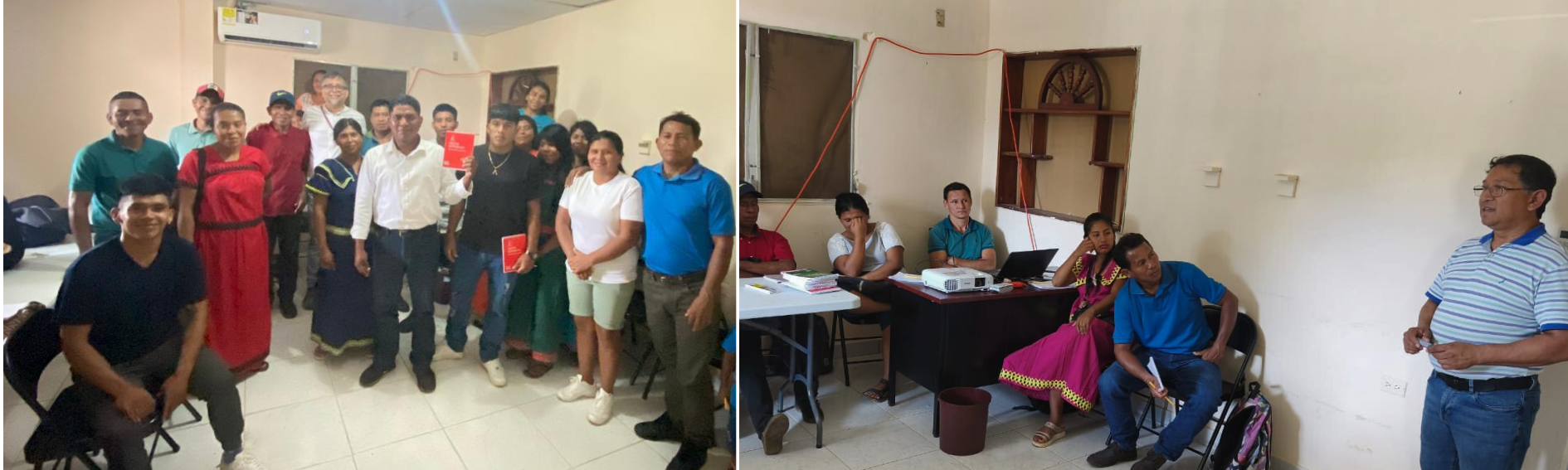
Brewing a Future: Daniel Maches and Jaymar Garcia’s Journey to economic sustainability rooted in Indigenous knowledge

How Two Indigenous Youth Are Cultivating Culture and Sustainability

Forests regulate our climate, clean the air we breathe, and sustain the biodiversity that makes life possible. Yet every year, more than 12 million hectares of forests are lost to destructive practices.  

The FSC Indigenous Foundation (FSC-IF), together with the Forest Stewardship Council (FSC), works alongside Indigenous Peoples to protect forests and strengthen Indigenous-led nature solutions. At the heart of this vision are Indigenous youth like Daniel and Jaymar, who are carrying ancestral wisdom into the future. 

How Two Indigenous Youth Are Cultivating Culture and Sustainability

On the forested slopes of Benguet in the Philippines, two young Indigenous entrepreneurs are proving that business can be both an act of cultural preservation and environmental stewardship. Daniel Jason Maches, of the ILias tribe, and Jaymar Garcia, from the Ibaloi, Kankanaey, and Kalanguya tribes, co-founded Banolmi Store PH to showcase forest-grown coffee and traditional cuisine rooted in ancestral knowledge. 

For Daniel and Jaymar, entrepreneurship is not just about profit; it is about worth. In their language, Banolmi means “our worth,” symbolizing the heritage of mountains, rivers, rice terraces, and forests passed down by their ancestors “Our forests are life,” Daniel explains. “They give us water, food, and identity. Protecting them is not only survival: it’s honoring our ancestors.” 

Their work challenges the dominance of extractive industries by offering sustainable livelihoods that restore biodiversity instead of depleting it. Through agro-ecological farming, they are reviving heirloom rice and native seeds, creating a seed bank for the future, and transforming coffee farming into a tool for conservation. Jaymar reflects, “Food is culture. When we save our Indigenous cuisine, we also save the native species that sustain our people.” 

Beyond farming, Banolmi Store PH has become a seed bank of cultural memory, preserving flavors and practices that risk being lost. The impact extends to their community: families now look to coffee and native foods as sustainable sources of income, while traditional cuisine is gaining new recognition as both cultural identity and a tool for biodiversity conservation. 

The journey has not been without risks. From navigating family obligations to facing red-tagging during their advocacy, Daniel and Jaymar have demonstrated leadership with courage, finding non-confrontational ways to defend their forests while building community trust.  

Looking ahead, Daniel and Jaymar’s dream 

These Indigenous entrepreneurs dream of expanding Banolmi into a model that can be replicated in other communities, showing that Indigenous-led enterprises are both viable and transformative. They envision not only coffee farms, but entire agroforestry systems that provide food, restore forests, and sustain cultural traditions.  

To achieve this, they hope to build partnerships with organizations, businesses, and individuals who share their vision and collaborators who can help open markets, provide resources, and amplify their message. “Our goal is to show that Indigenous foods and products are not just heritage, they are the future,” Jaymar says.  

On this World Entrepreneurs Day, Daniel and Jaymar’s story reminds us that Indigenous knowledge is innovation. Their venture is not only brewing coffee: it is cultivating a future where culture, community, and conservation thrive together. 

News

From the Ground to the Global Stage: Indigenous Women Prepare for COP30

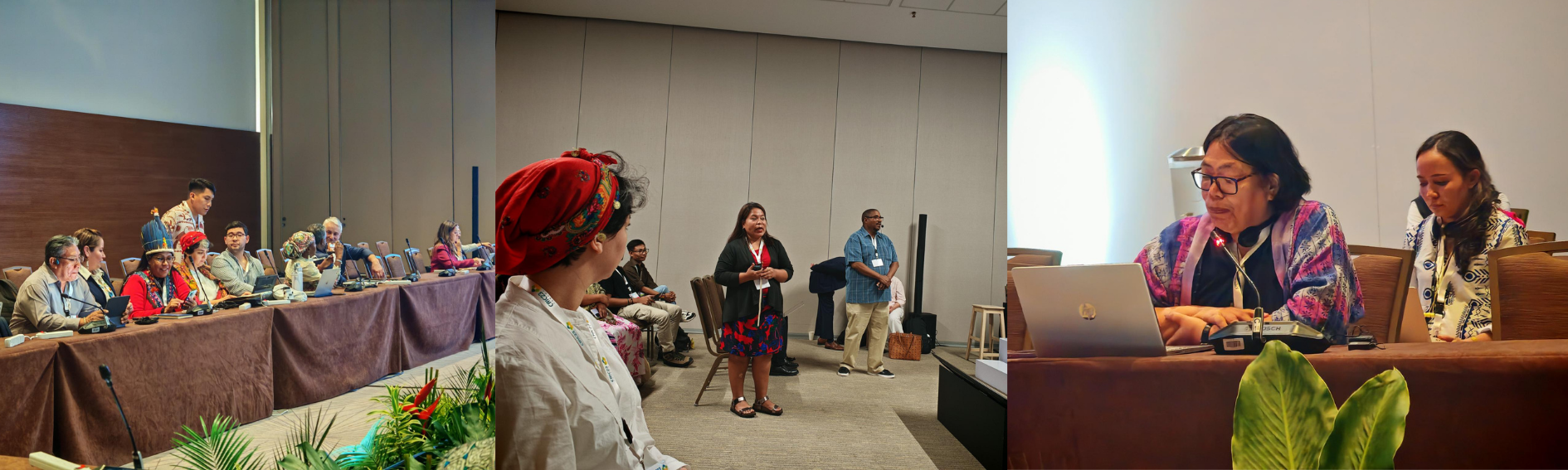
A regional training co-organized by DGM Global, Conservation International, and the FSC Indigenous Foundation during Panama Climate Week 2025

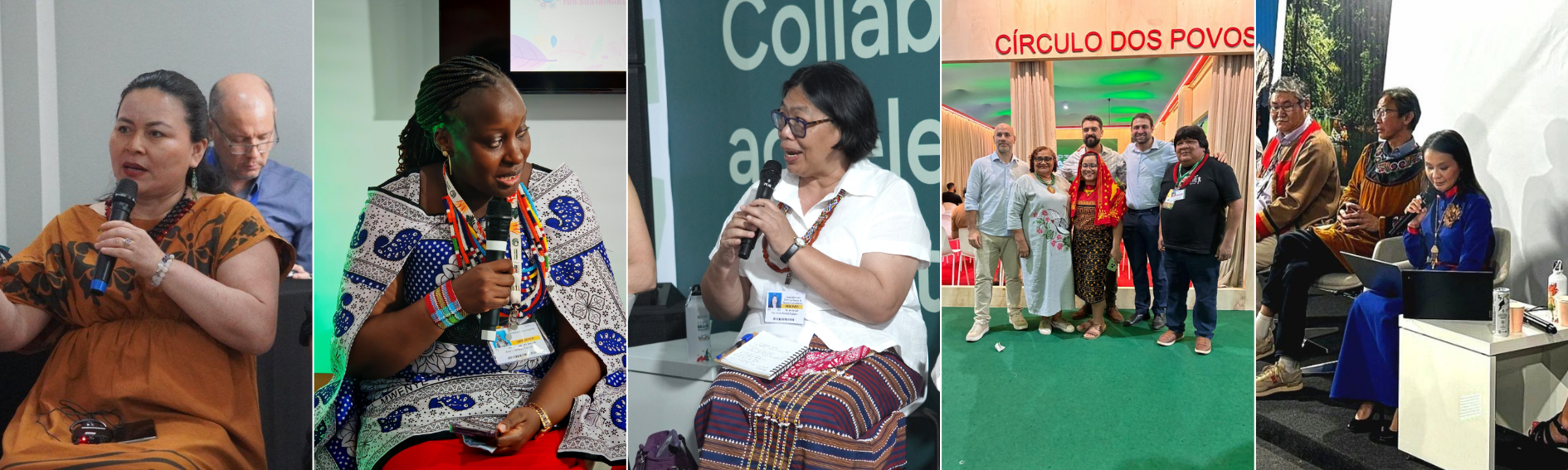
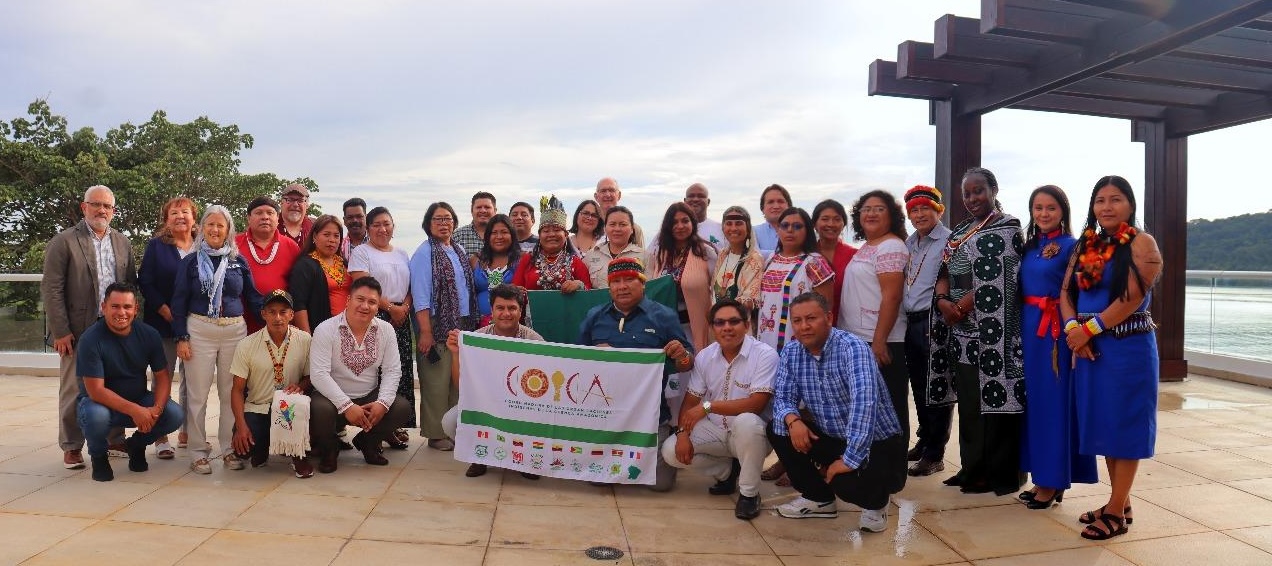
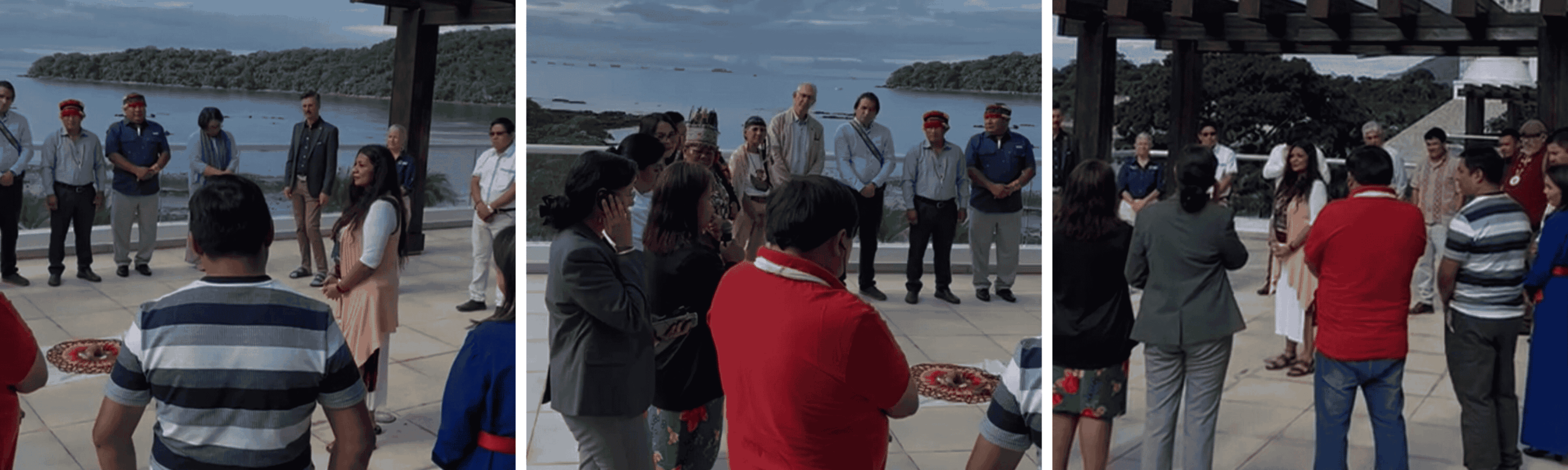
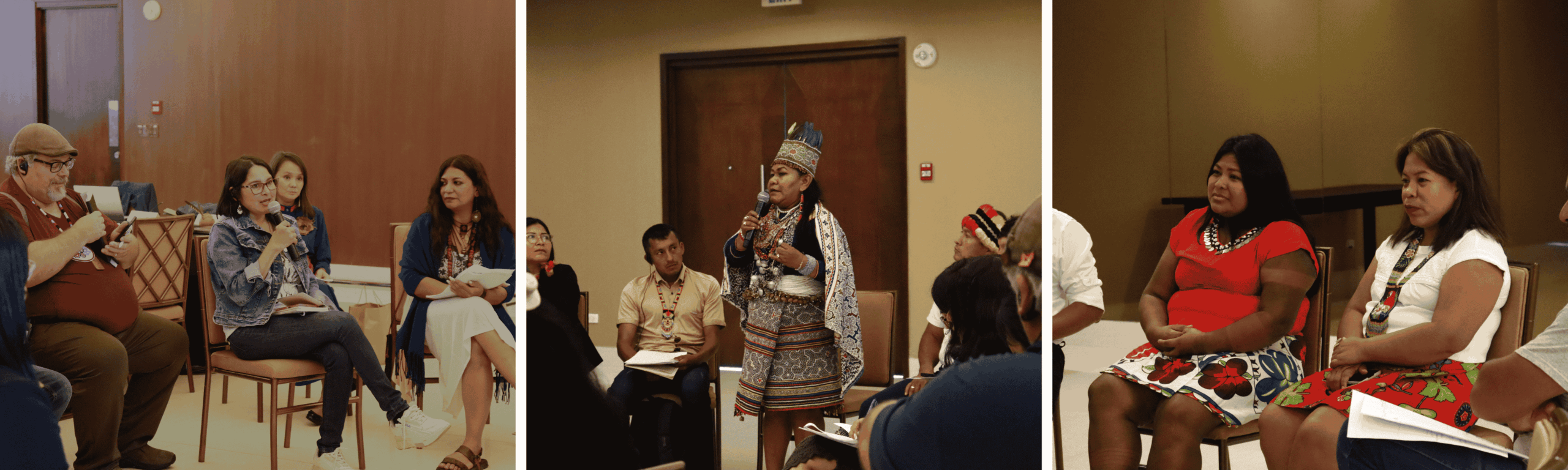
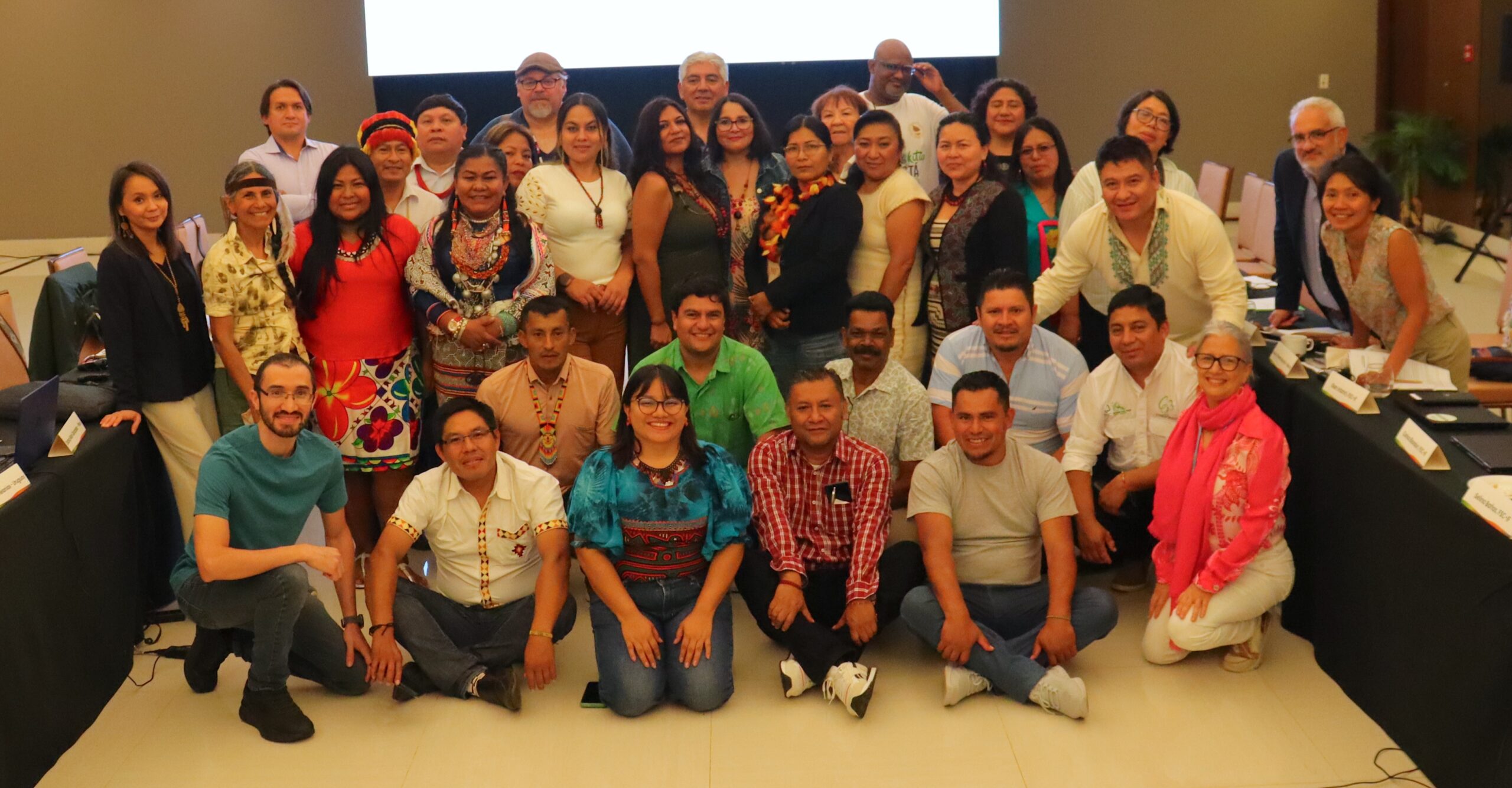
During Panama Climate Week 2025, a powerful gathering of Indigenous women leaders from across Latin America took place. The Capacity Building Workshop for Indigenous Women to Advocate in Climate and Biodiversity Negotiations—organized by the Dedicated Grant Mechanism (DGM), Conservation International, and the FSC Indigenous Foundation—created a space for dialogue, learning, and collective action. Participants from Mexico, Colombia, Ecuador, Honduras, Brazil, and Guatemala came together to strengthen their technical skills, exchange experiences, and deepen their impact on global environmental governance. Whether already engaged in national advocacy or beginning their journey, they shared a common commitment: advancing Indigenous leadership in climate and biodiversity negotiations.  

Reflections of Indigenous Women Leaders  

Learning emerges not only through technical knowledge but also through intergenerational dialogue and the revitalization of ancestral wisdom. During the workshop, participants shared several reflections:  

The COP began 33 years ago, but the commitments established have not progressed significantly over the past three decades. It was observed that many decisions remain concentrated in the hands of governments, and that it is necessary to integrate ancestral knowledge into climate policies to ensure progress that is both sustainable and collective.  

Participants also recognized the complexity of climate issues and noted that these are often not communicated in ways that are accessible to communities. They called for technical concepts to be translated into more understandable formats so that communities can engage with them within their own contexts. Although these issues may seem new in international forums, they have long existed within Indigenous peoples’ ancestral practices, worldviews, and values.  

“These issues are not new to us. What we need is for our way of naming them to be recognized,” mentioned one participant.  

Young People Leading the Way  

The new generations of Indigenous Peoples are prepared to confront the challenge of climate change from their own realities and perspectives. Among them are young professionals who are combining traditional knowledge with formal training to advocate for their communities on a global stage. One of the most inspiring moments was hearing from young Indigenous women, who voiced their concerns and aspirations to be agents of change within their communities. They spoke about bringing solutions and raising their peoples’ voices in international arenas.  

Rosibel Rodríguez Gallardo, from the Ngäbe people of southern Costa Rica, shared:  

“It is a privilege to participate for the first time in an international gathering of Indigenous women in Panama. I want to learn a lot so I can share it with my people.”  

This generational shift—rooted in respect for and continuity of ancestral knowledge—is a sign of enduring commitment to the Indigenous struggle for environmental and climate justice.  

A Partnership for the Future  

The meeting also provided an opportunity to build support networks among Indigenous women from different countries, promote mutual learning, and strengthen each participant’s leadership. The young women demonstrated their commitment to their communities and to continuing to influence the climate agenda.  

From left to right: Rosibel Rodríguez Gallardo and Yeshing Upún

Yeshing Upún, Maya Kaqchikel and a member of the Indigenous Women’s Network on Biodiversity of Latin America and the Caribbean, shared: 

“It is a pleasure to exchange experiences and knowledge, but above all, to join efforts and raise our voices in response to the different proposals that will be developed in the framework of COP30 and the ongoing biodiversity negotiations.” — Yeshing Upún 

At the close of Climate Week, Minnie Degawan, Managing Director of the FSC Indigenous Foundation, reflected:  

“Climate Week should be more sensitive to the cultural aspects of the local people.” 

Minnie Degawan, Managing Director of the FSC Indigenous Foundation

Her words remind us that it is not possible to move toward a just climate future without active listening, deep respect, and genuine inclusion of those who have protected life in harmony with Mother Earth since time immemorial.  

Sineia do Vale – Co-chair of the Indigenous Peoples Caucus 

Climate Justice with a Voice: A Step Toward COP30 

As the world looks ahead to COP30 in Belém, Indigenous women are not only strengthening their leadership but also building the technical knowledge required to engage in international climate negotiations. While the Panama workshop focused on capacity building, advocacy strategies, and peer learning, it was also part of a larger effort to ensure that Indigenous women are equipped to participate meaningfully in formal spaces like the 62nd session of the Subsidiary Bodies (SB62) under the UNFCCC process. 

Held in parallel with Panama Climate Week 2025, this gathering complemented other preparatory efforts—such as technical trainings hosted earlier in June by partners including the International Indigenous Forum on Climate Change (IIFCC), the International Indigenous Youth Forum on Climate Change (IIYFCC), DOCIP, Nia Tero, and the United Nations Voluntary Fund for Indigenous Peoples (UNVFIP). Those sessions focused on the structure and agenda of SB62 and its relevance to COP30, including key negotiation tracks like the Global Goal on Adaptation and Article 6 of the Paris Agreement. 

Together, these efforts underscore the importance of linking political advocacy with technical readiness, ensuring Indigenous women are not only visible in global climate spaces but fully prepared to shape the outcomes. 

Closing Reflections  

As the world moves toward COP30 in Belém, the voices, knowledge, and leadership of Indigenous women must remain at the center of climate and biodiversity negotiations. This workshop, made possible through the collaboration between DGM Global, Conservation International, and the FSC Indigenous Foundation, reaffirmed the power of partnerships in creating spaces where Indigenous women can build skills, share knowledge, and shape global agendas. Strengthening these alliances is essential to ensuring that Indigenous women are not only present in decision-making spaces—but are leading efforts to build a more just and sustainable future for all.  

By Maria De Leon (FSC Indigenous Foundation) and Lidiane Castro (Conservation International) 

Empowering Indigenous Youth to Lead at COP30 and Beyond

News

The Forest is Our Relative:

Menominee Stewardship Shows the Power of Indigenous Voices in Forestry

Voices of the Forest

Forests are more than ecosystems; they are memory, medicine, and home. As part of our Voices of the Land campaign, we spotlight the Menominee people’s centuries-old stewardship as a powerful testament to Indigenous leadership in shaping a just and living future. This story is not only about sustainable forestry, but it’s about sovereignty, intergenerational knowledge, and the unbreakable bond between Indigenous People and Mother Earth. 

Photo: MSOE University/ Bryan Pechacek 

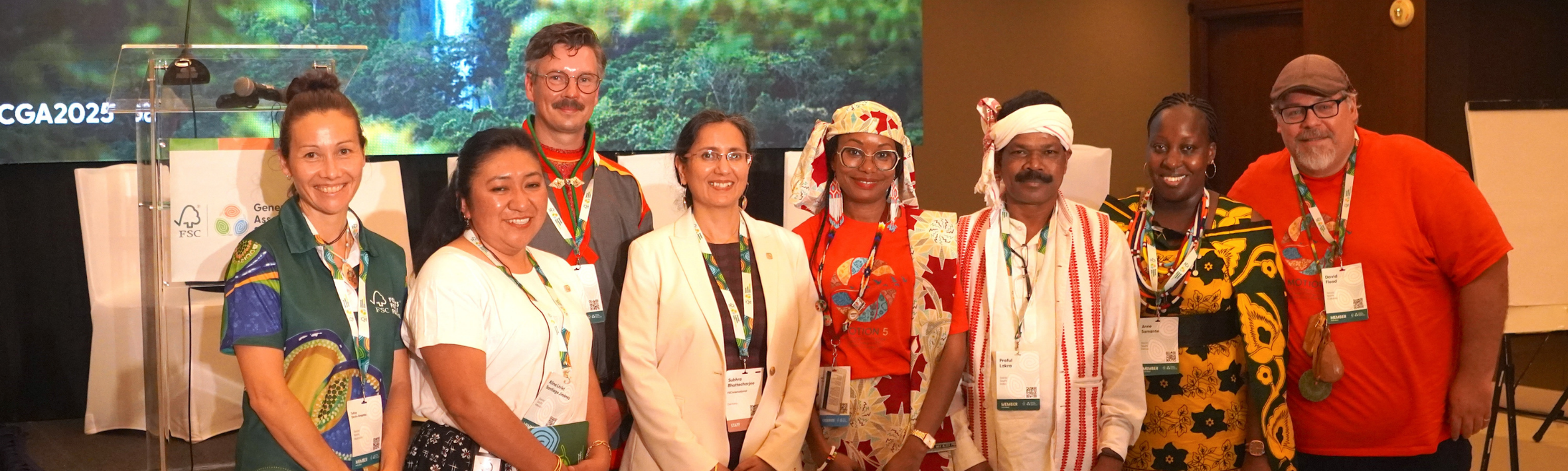
In April 2025, during Earth Week in Milwaukee, two Indigenous leaders from Canada, Tyler Bellis (Council of the Haida Nation) and David Flood (Ojibway, Treaty No. 9, and North America/Canada representative to the FSC Permanent Indigenous Peoples Committee), stood alongside Satnam Manhas of the FSC Indigenous Foundation and the Menominee people to celebrate a shared vision of forest stewardship. The event honored the FSC Leadership Award given to Menominee Tribal Enterprises (MTE) and the Milwaukee School of Engineering for The Giving Forest Game, a digital learning tool rooted in Menominee forest values. 

Photos: MSOE University/ Bryan Pechacek
FSC Leadership Award. Photo: MSOE University/ Bryan Pechacek 

But the deeper story is what happens daily in the Menominee forest: a practice of land management grounded in story, ceremony, and sovereignty. 

A Living Forest, A Living Culture 

In Wisconsin, the Menominee manage 230,000 acres of ancestral forest. Their philosophy, rooted in Chief Oshkosh’s 1850s guidance, “What’s best for the forest, then the people, and lastly, profit,” continues to guide MTE. Only a small fraction of the forest’s potential yield is harvested, with decisions made through both GIS mapping and cultural knowledge. 

Photos: The tour by Satnam Manha from FSC-IF

The visiting delegation toured MTE’s forest and operations, hosted by Marketing Specialist Nels B. Huse, and met with key leaders, including CEO Jennifer Peters, Sawmill Manager John Awonohopay, and Forest Manager Ronald Waukau, Sr. As they travelled from Chicago to Menominee territory, the contrast was stark; the Menominee forest stood out as the first stretch of intact, biodiverse, and actively managed forest the delegation encountered. 

Photos: The tour by Satnam Manha from FSC-IF 
From left to right: Tyler Bellis (Council of the Haida Nation), CEO Jennifer Peters (Menominee Tribal Enterprise’s President), Nels Huse (Marketing Specialist at Menominee Tribal Enterprise), and David Flood (FSC PIPC representative for Canada). Photo: MSOE University/ Bryan Pechacek

Nearly all MTE workers are Menominee. As Ronald Waukau Sr. noted, “We don’t use cookie-cutter prescriptions, we do what’s best for the resource.” MTE’s marketing Specialist Nels B. Huse added, “We can almost tell you the stump your product comes from. FSC helps us track that. Our customers care, and so does our community.” 

Restoring Forests and Culture with Fire 

One of the most powerful expressions of Menominee stewardship is the reintroduction of controlled burns, reviving a practice once banned through colonial policies. For generations, fire was used to sustain ecosystems, food sources, and ceremony. “When we had to stop burning, it was traumatic,” one tribal forester explained, recalling how colonial policies and fire suppression erased these practices. “Smokey Bear showed up and we lost the connection. But we’re bringing it back.” 

Photo: Smokey Bear by Satnam Manha from FSC-IF

Menominee staff are combining science with tradition, analyzing historical survey notes and fire-scarred stumps to guide prescribed burns. These burns range from small 10-acre patches to areas over 200 acres, regenerating traditional foods and medicines. “We burned one area and tribal members came out to pick berries,” Ronald shared. “That’s the kind of outcome we want.” 

Forest as Teacher, Forest as Healer 

For the Menominee, fire is not just ecological, it’s cultural healing. It brings back blueberries, birch bark, and healing teas. One community member said, “I used to harvest for profit. Now I just do it for myself.” Younger generations are becoming more culturally awake, reconnecting with land-based knowledge. “The forest is not something we own. It’s something we belong to,” a staff member reflected. 

Forestry as Sovereignty 

MTE employs over 140 full-time staff, 95% of them tribal members, and supports 8–9 contract logging crews. It’s a major economic driver, but also a symbol of sovereignty. “We’re managing for food, medicine, and the connection between people and place,” said one forester. 

Yet, challenges remain. Regulatory constraints make it difficult for families to engage in cultural burning. “Burning today is like a military operation,” someone noted. Still, the Menominee continue, finding ways to balance compliance and cultural rights. 

As mill manager John Awonohopay put it: “The forest isn’t just an economic asset, it’s a living classroom and medicine cabinet. Visitors come in and say, ‘I can see 20 medicines just looking out the window.’” 

Photo: Hilary J. Waukau Sr., Forestry and Environmental Resources Center by Satnam Manha from FSC-IF 

Reflections Across Territories 

For David Flood, the visit was personal. A Treaty Indian who lived disconnected from his homelands for 30 years, he said, “My hope is to live the next 30 years in service to my homelands until I too become an ancestor.” 

Tyler Bellis, visiting just weeks after the Haida Nation signed a landmark agreement affirming Haida Title, saw in Menominee forestry a living model of what it means to steward land through Indigenous law and values. “It offered a vision into action, and the need to always return to the people,” he reflected. 

Satnam Manhas summarized it best: “Unlike extractive economic systems that lead to scarcity, this is a regenerative model rooted in action, where abundance supports land, species, and people.” 

From left to right: Satnam Manhas, David Flood, and Tyler Bellis 

The Menominee story is a powerful reflection of Indigenous Knowledge Systems in action, knowledge that is rooted in land, passed down through generations, and lived through practice. From controlled burns to food sovereignty, from cultural mapping to community-centered forestry, these systems offer holistic approaches that integrate ecology, economy, and spirituality. In a world facing climate collapse and biodiversity loss, Indigenous Knowledge Systems are not alternatives, they are essential.  

1 2 3 4 5 7