
News

Round Table “Sustainable Trade in North America: Indigenous Perspectives”

Montreal, Canada – March 24th and 25th, 2025
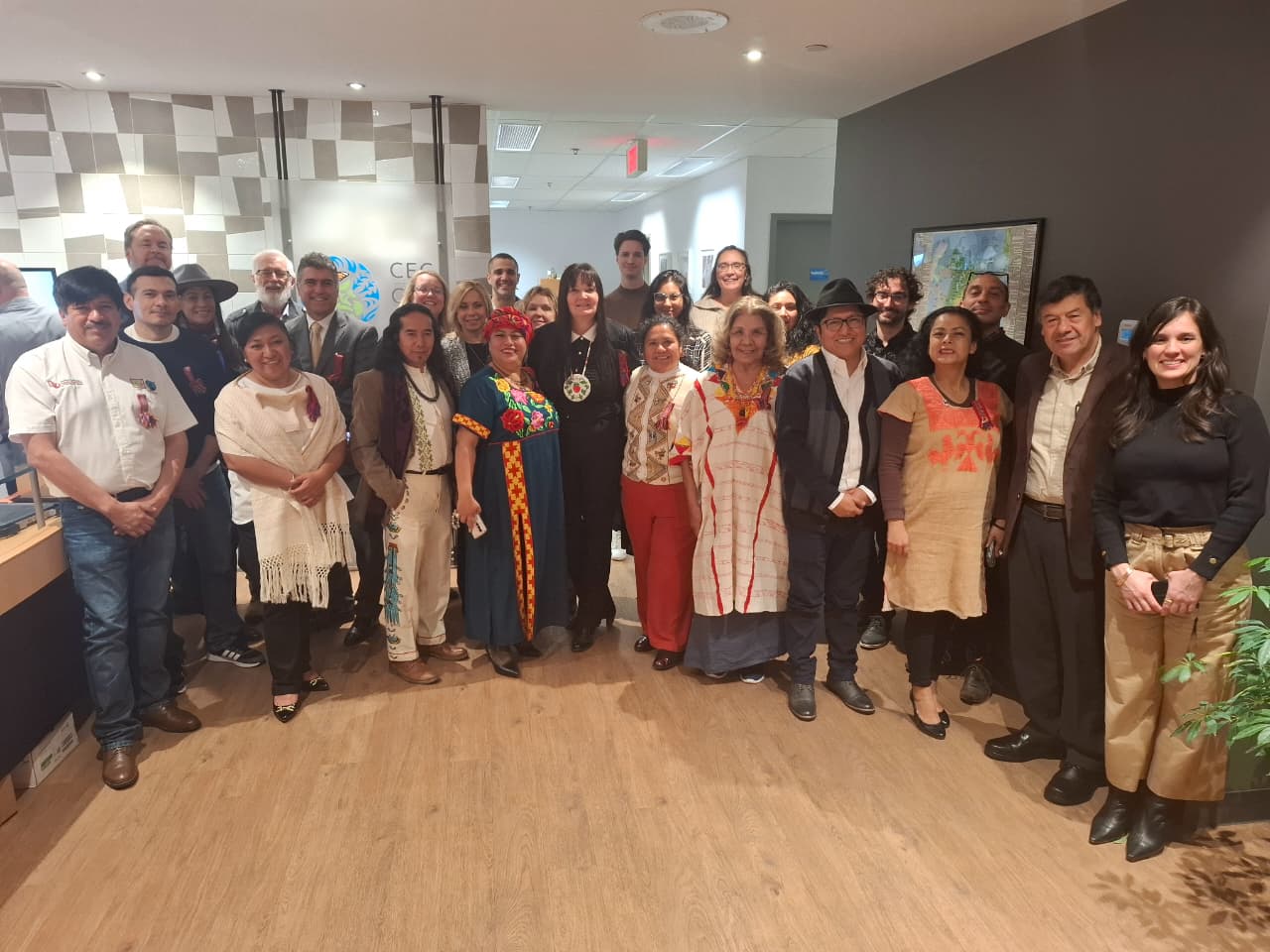
The Commission for Environmental Cooperation (CEC) and the Bieler School of Environment at McGill University organized the round table “Sustainable Trade in North America: Indigenous Perspectives” on March 24 and 25, 2025 in Montreal, Canada.

This event brought together specialists from Indigenous communities, researchers, conservation professionals and representatives from the public and private sectors to analyze how Indigenous values, relational approaches, traditional ecological knowledge (TEK), cultural heritage, nature-based solutions (NbS) and the revitalization of Indigenous trade can contribute to a more sustainable trade model in the US, Canada and Mexico.
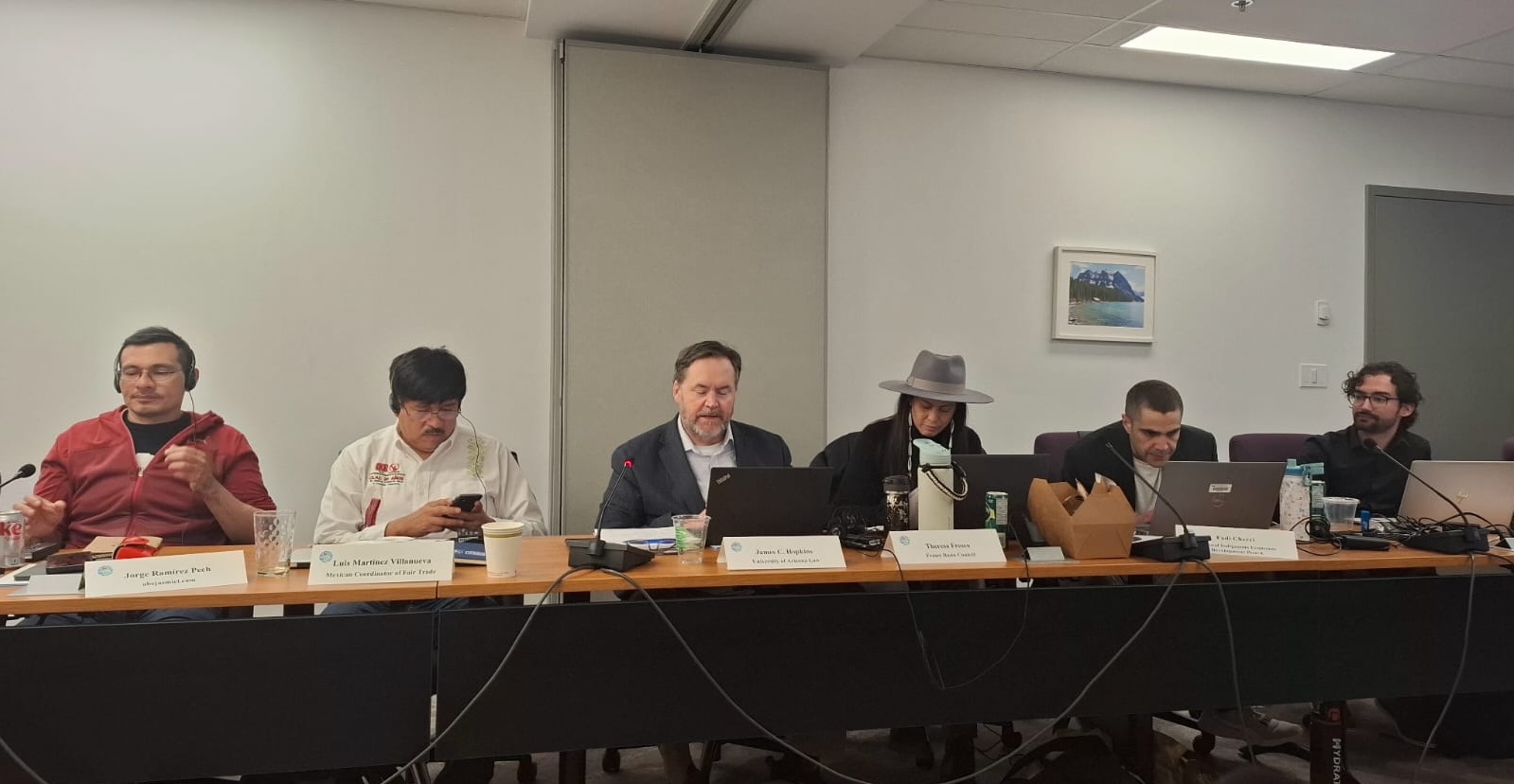
During the sessions, key policies and initiatives were identified that seek to strengthen Indigenous-owned businesses and promote sustainable business practices in North America. The restructuring of trade in the region opens up new opportunities to include Indigenous perspectives, recognizing their fundamental role in the responsible use of resources, the conservation of biodiversity and the preservation of the identity and worldview of their Indigenous Peoples.

One aspect to highlight was the participation of the Chair of the FSC Permanent Committee on Indigenous Peoples, Alina Santiago, whose presence emphasized the importance of indigenous peoples in the sustainable management of natural resources and in the construction of ethical and inclusive trade models. Her contribution allowed us to learn more about their experiences, the FSC tools and the challenges faced by indigenous communities in the context of sustainable trade, and to highlight the need to strengthen indigenous participation in these regional spaces.
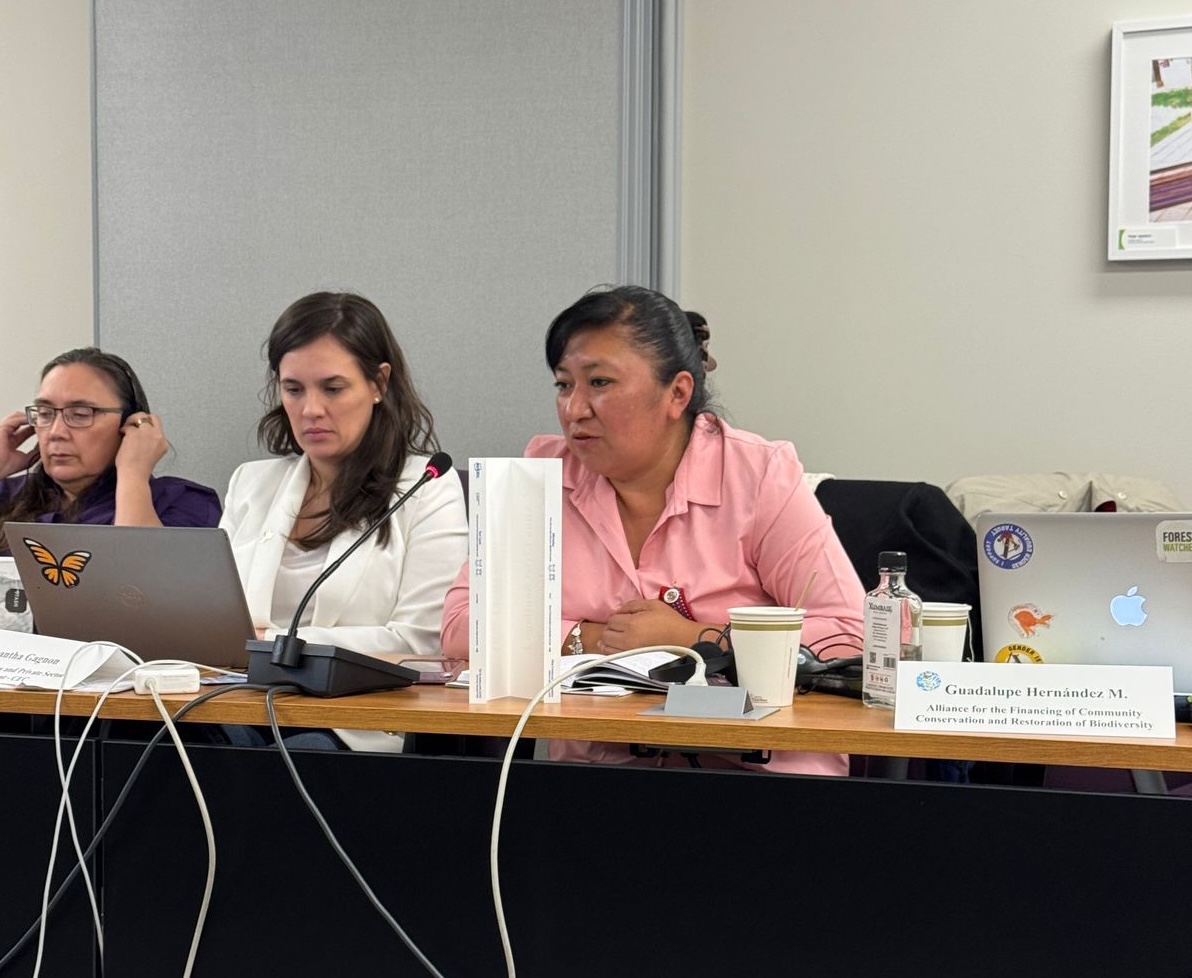
The event underlined the urgency of integrating Indigenous knowledge and practices into commercial strategies to guarantee long-term sustainability. Representatives from the United States, Canada and Mexico agreed on the need to expand the participation of Indigenous peoples in these spaces, strengthening their role in the regional economy and guaranteeing that their ancestral knowledge is valued in decision-making.
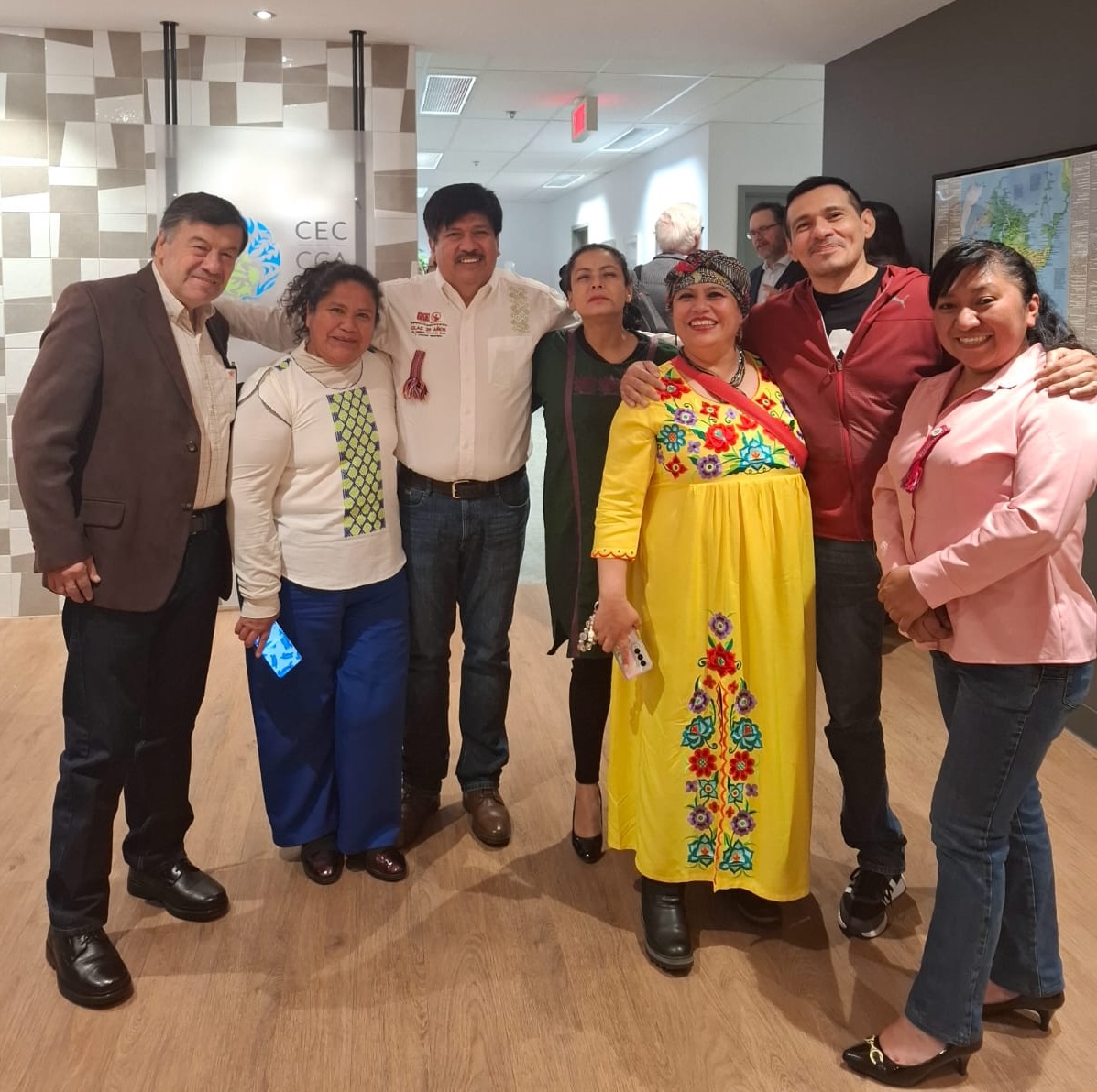
Sustainable trade in North America is strengthened and improved by taking into account the voices, knowledge and leadership of Indigenous Peoples. This roundtable made it clear that the future of our economies depends on recognizing and valuing Indigenous ways of seeing, caring for and relating to the land. Integrating their perspectives is not only an historical debt, but an essential path to achieving truly sustainable, inclusive development in harmony with nature.
News

National Meeting of the Indigenous Women’s Platform and Launching of the School of Governance and Leadership for Indigenous Women

Eighty women leaders gathered to exchange experiences and knowledge

Panajachel, Sololá, July 5 and 6, 2024

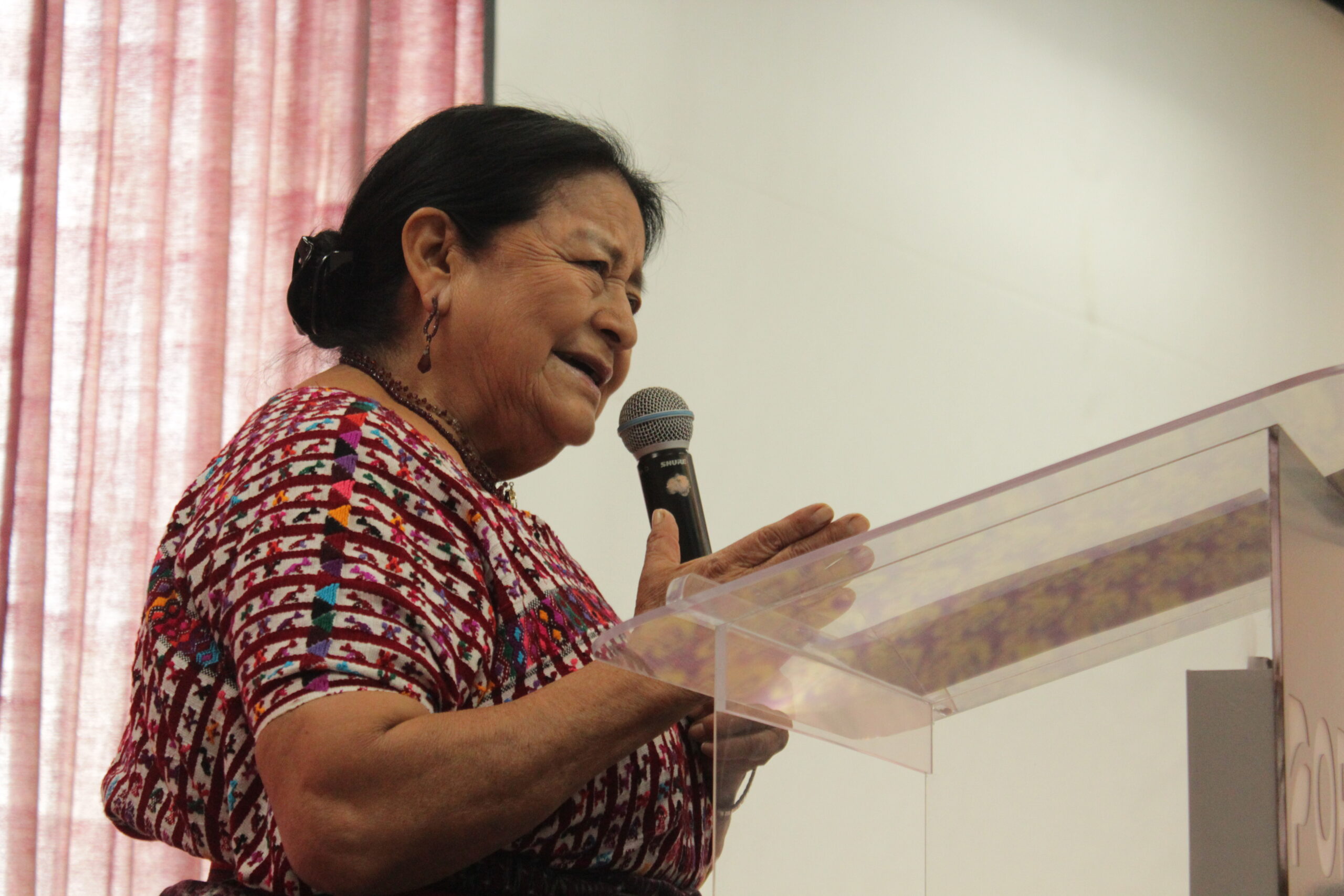
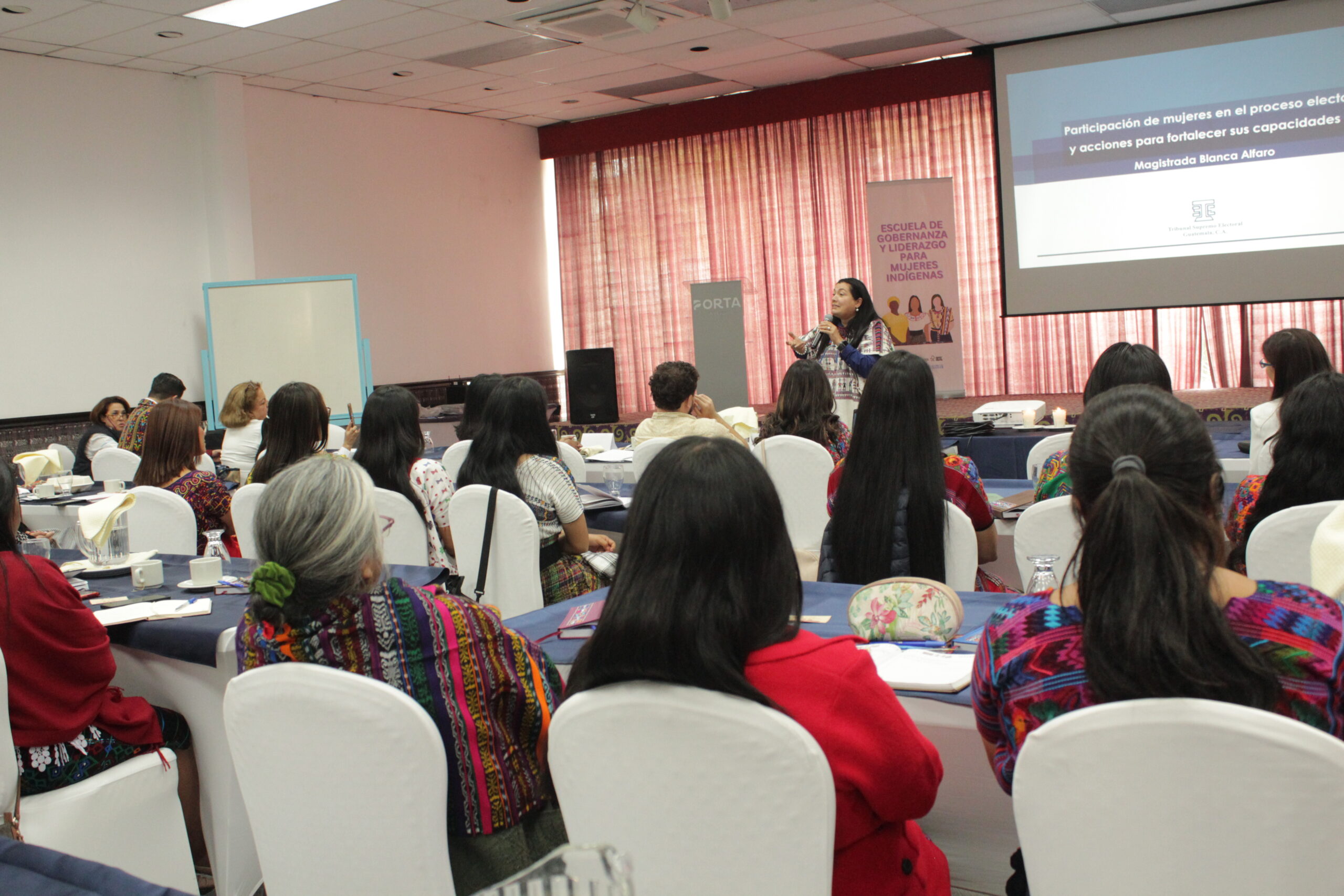
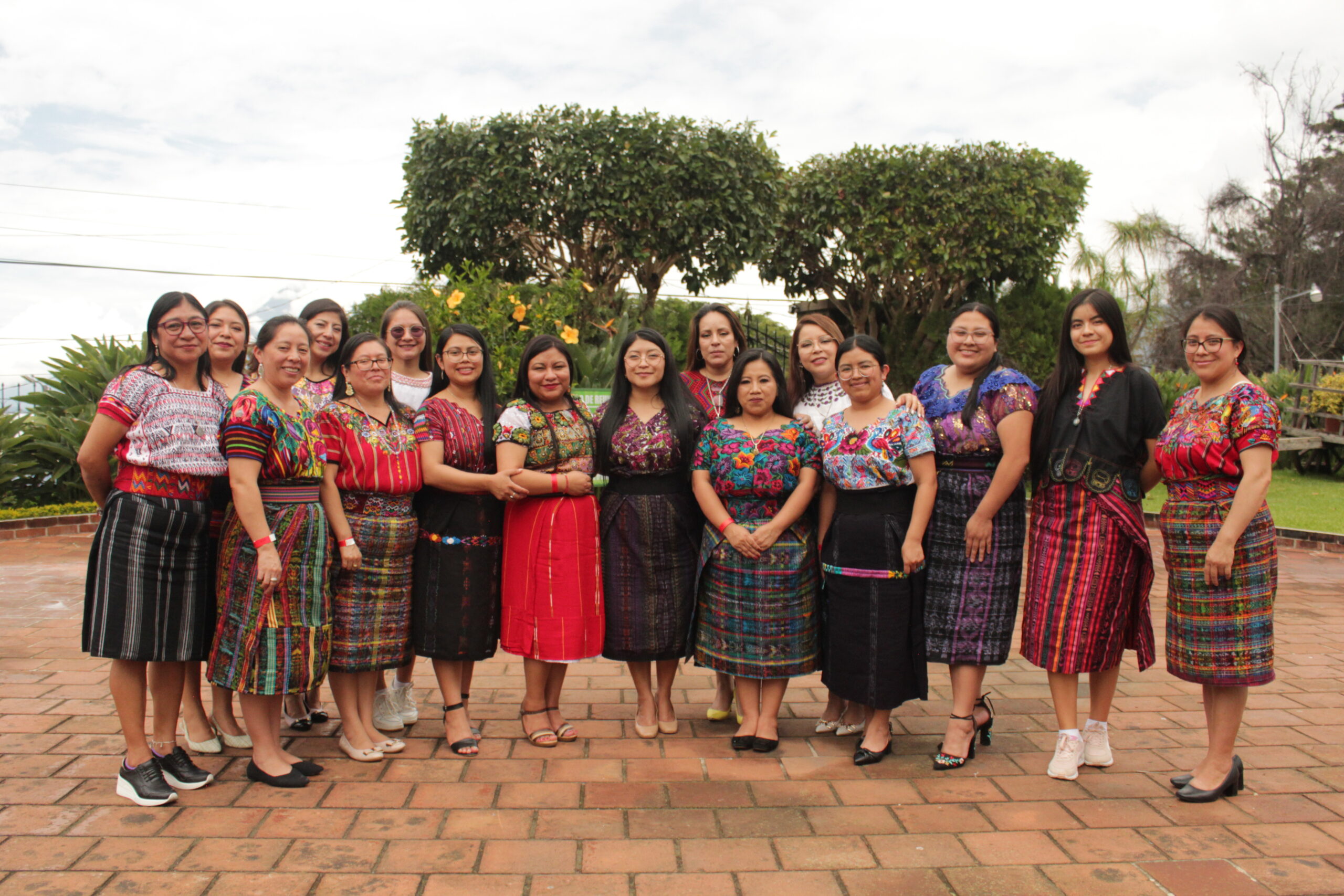
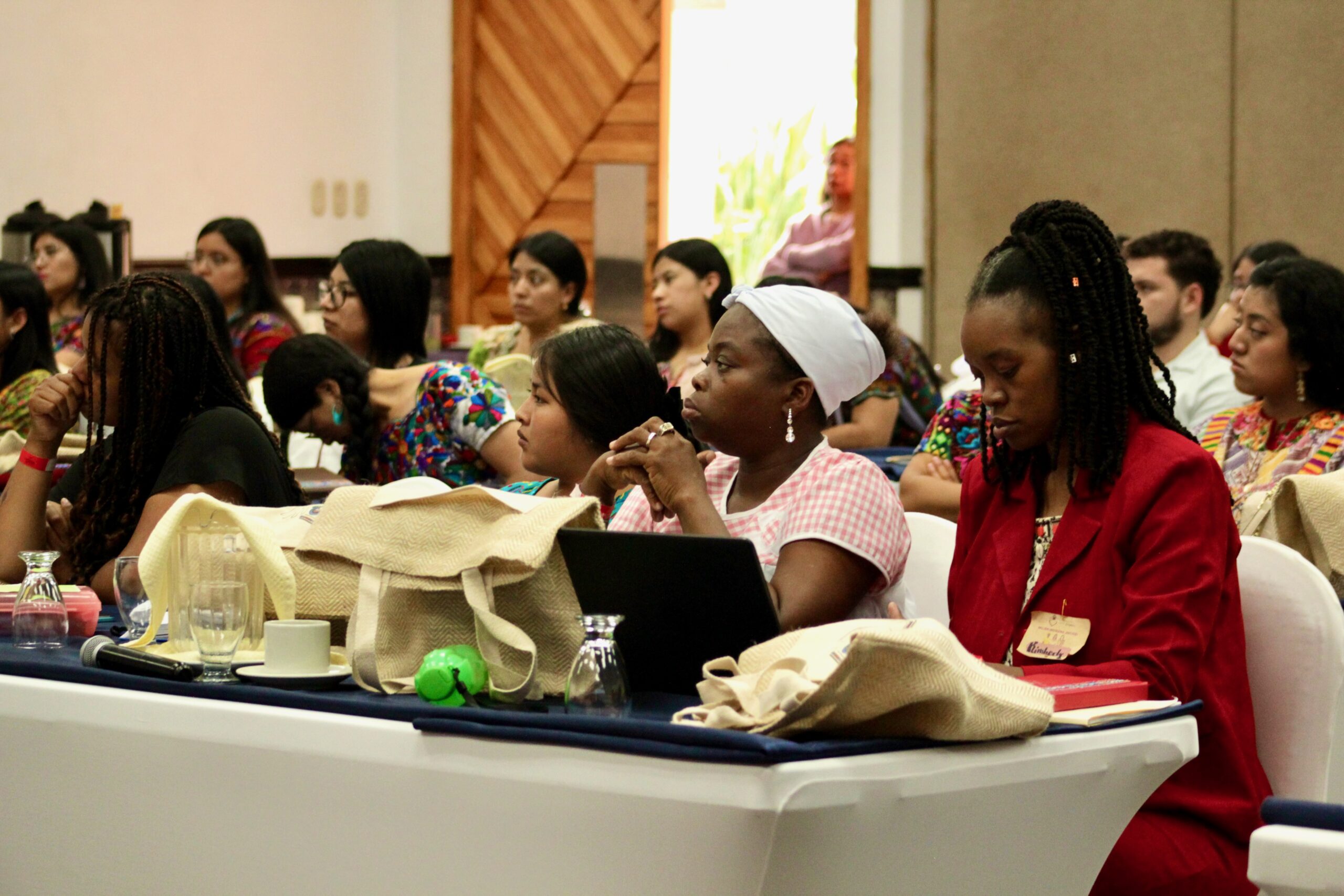
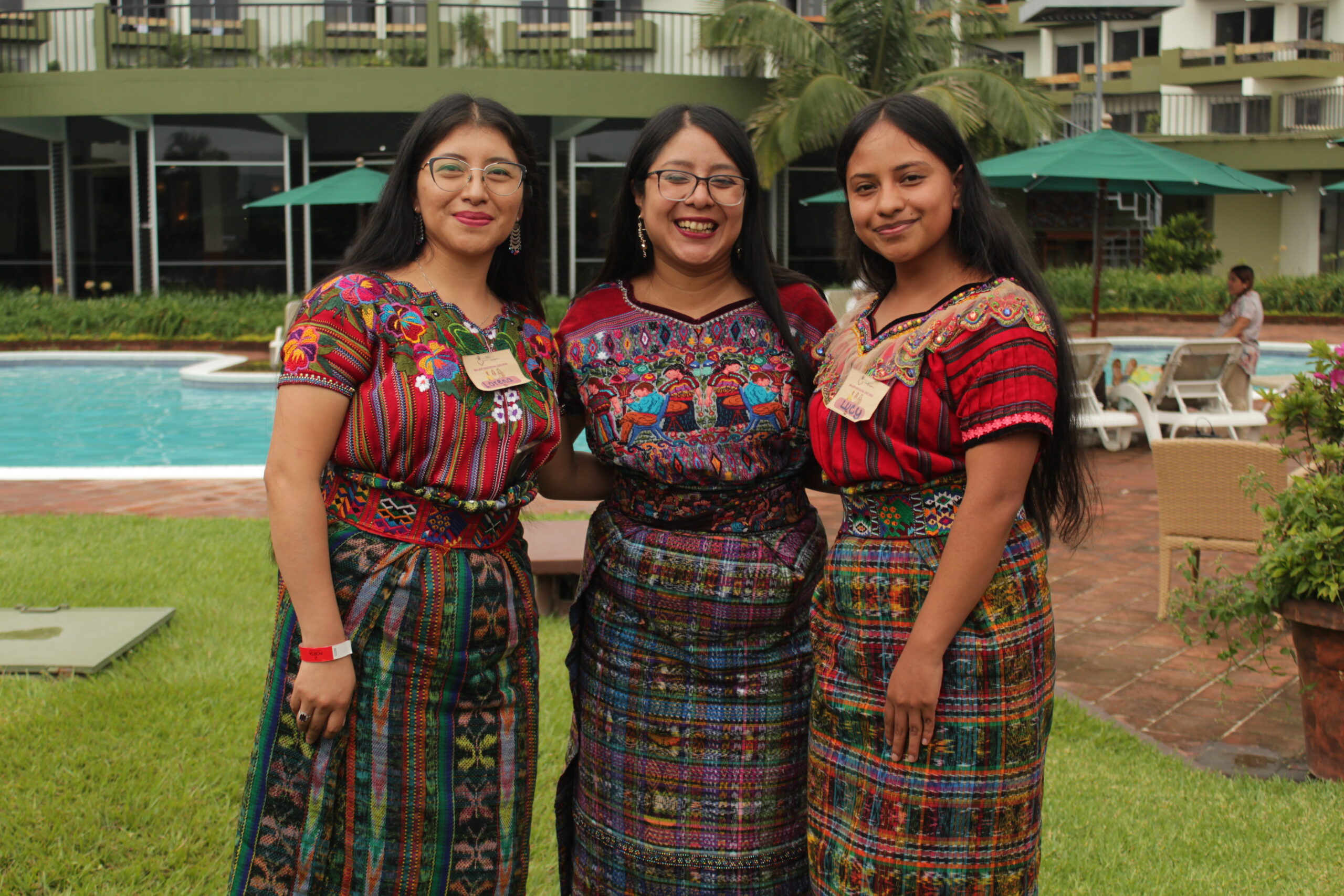
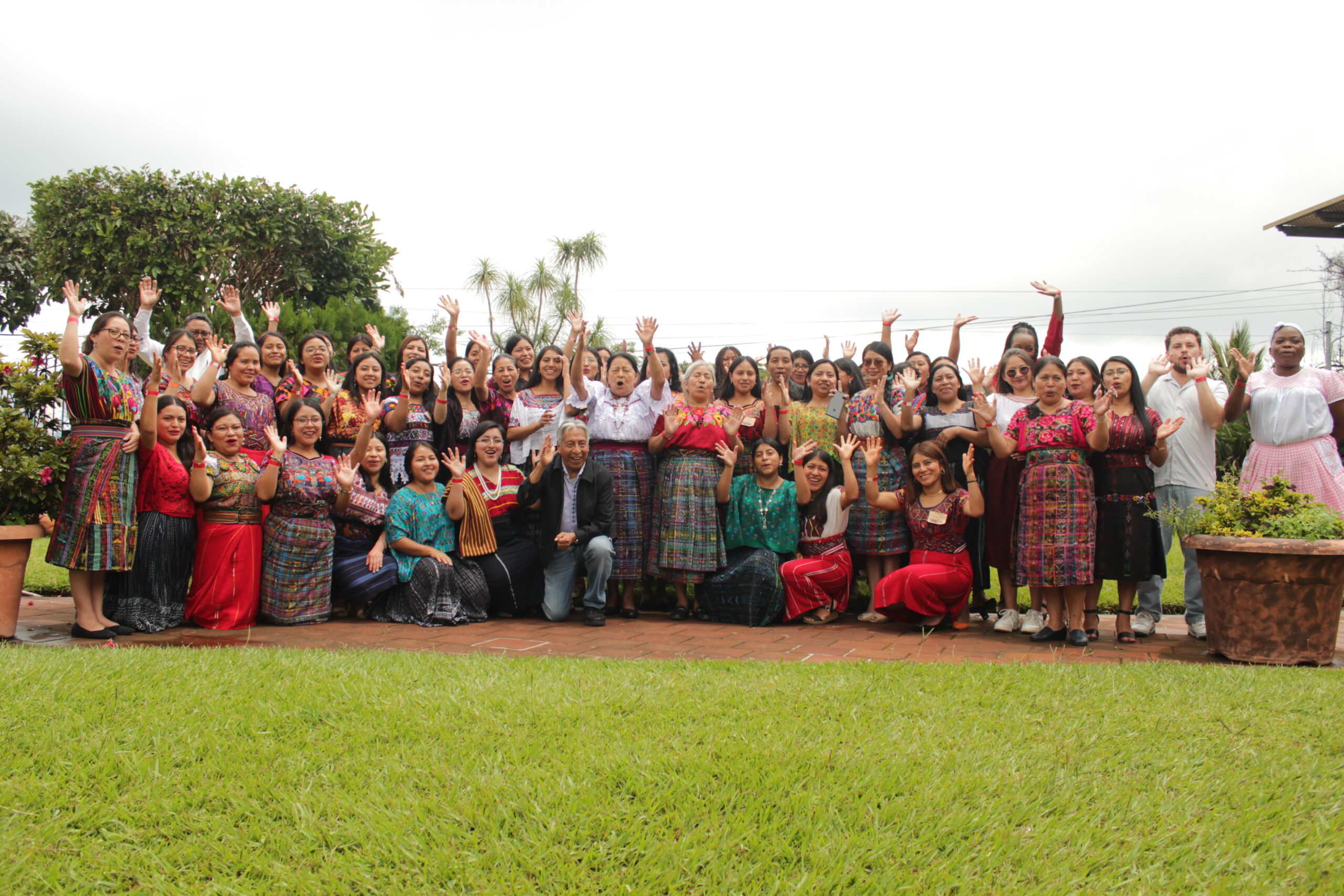
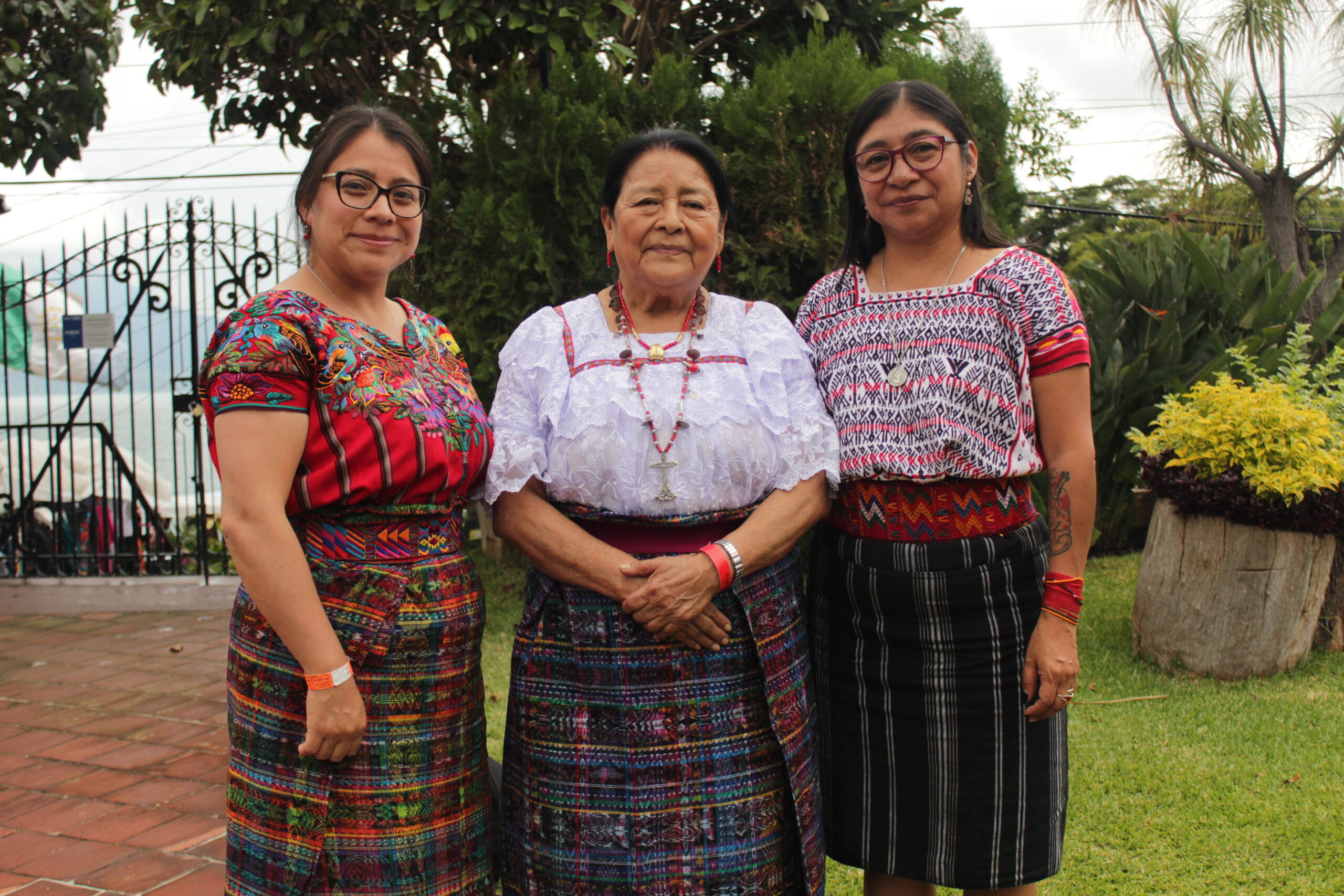
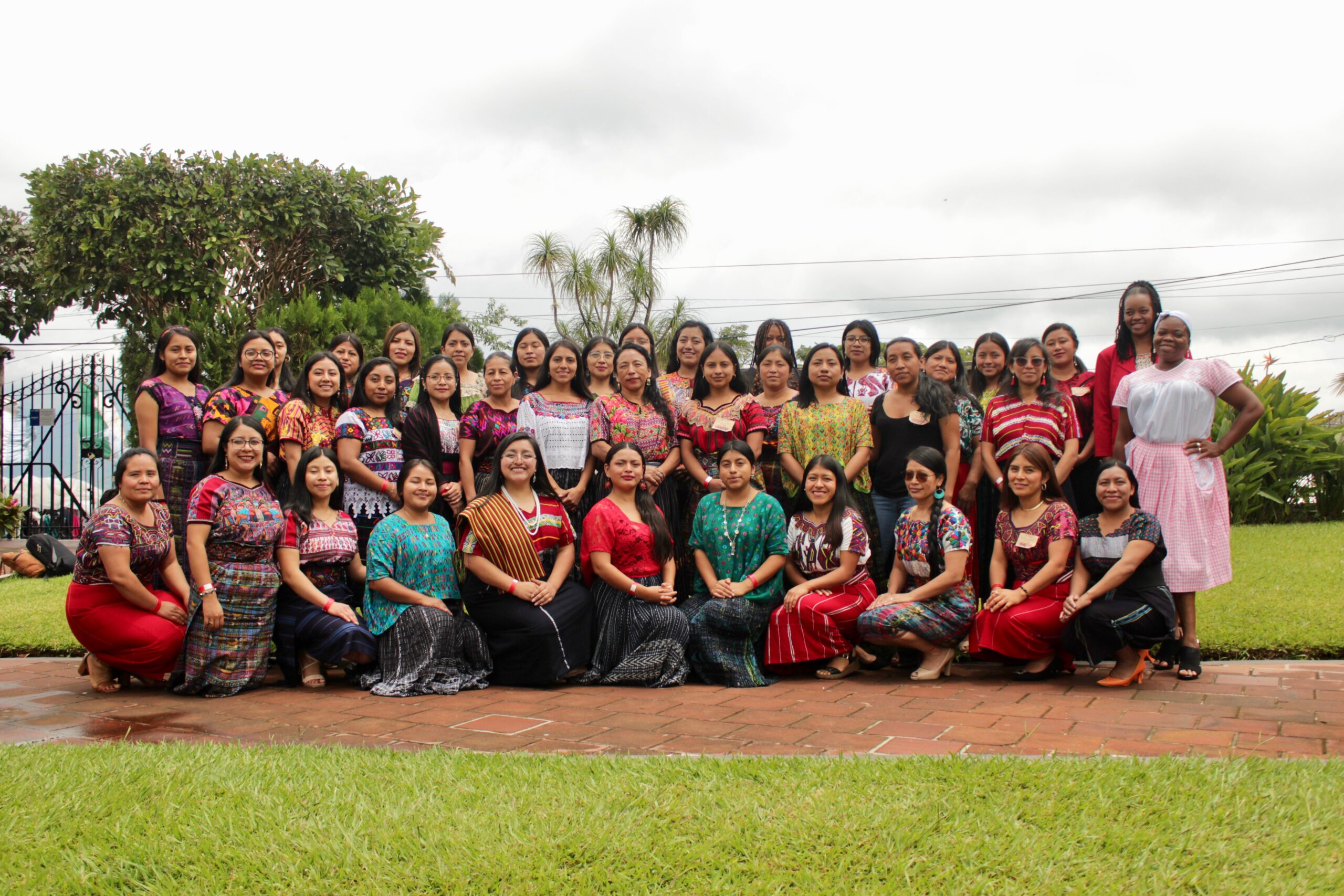
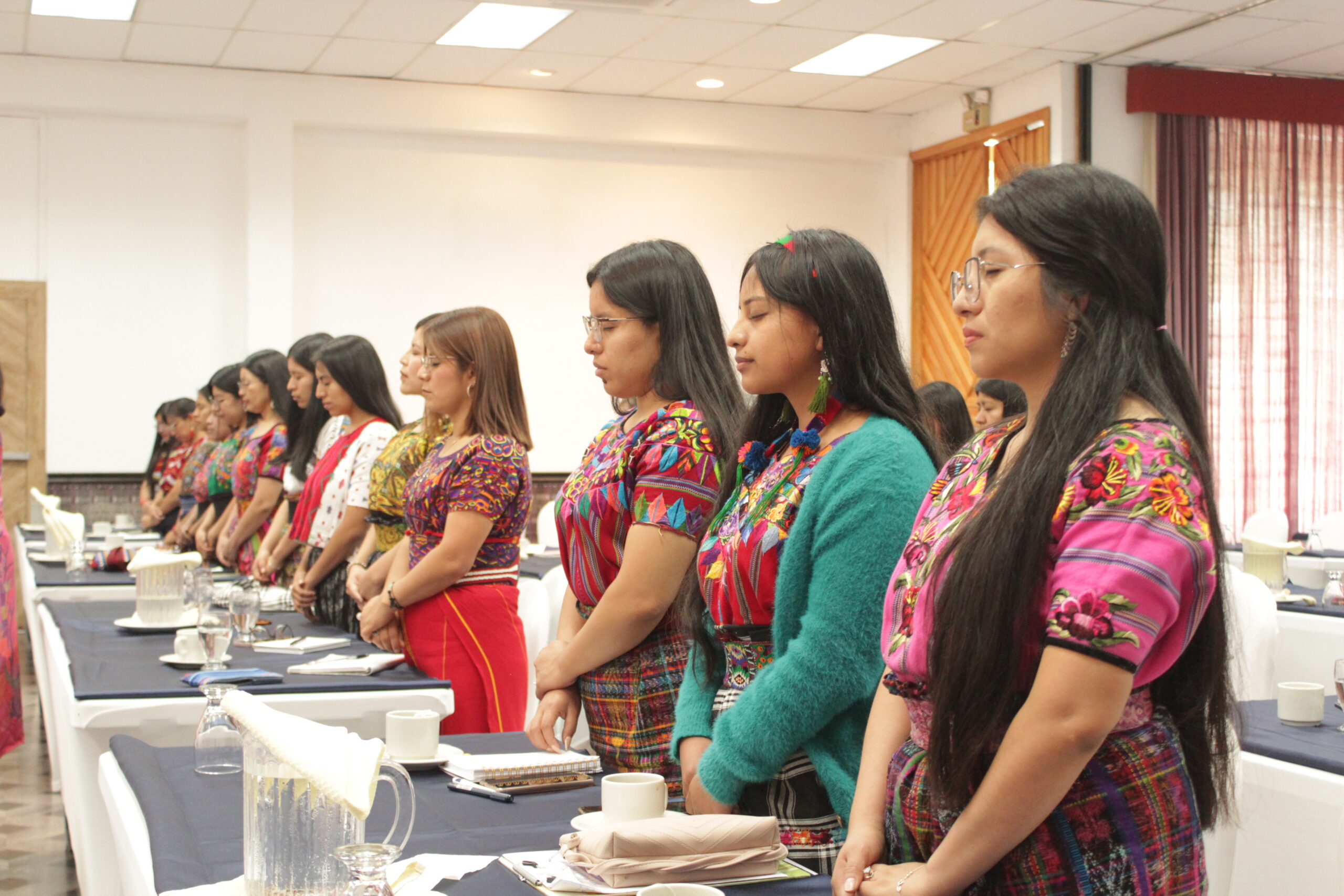
Panajachel, Sololá – As part of the project “Weaving the participation and development of political and economic capacities of Indigenous Women in Guatemala”, the Indigenous Women’s Platform held the National Meeting of the Indigenous Women’s Platform on July 5 and 6, 2024. This significant event, which took place in Panajachel, Sololá, brought together 80 women leaders from different territories and linguistic communities to foster collaboration and the exchange of experiences and knowledge.

The event also marked the launch of the School of Governance and Leadership for Indigenous Women, a crucial initiative to strengthen women’s leadership and empowerment capacities in political and public decision-making.  In addition, the inclusion of women in community, local, and national processes will be promoted. With the participation of 50 women leaders from various communities in the country, the first cohort of this School was formally presented to the diplomatic corps accredited in Guatemala, representatives of state institutions, and the media.

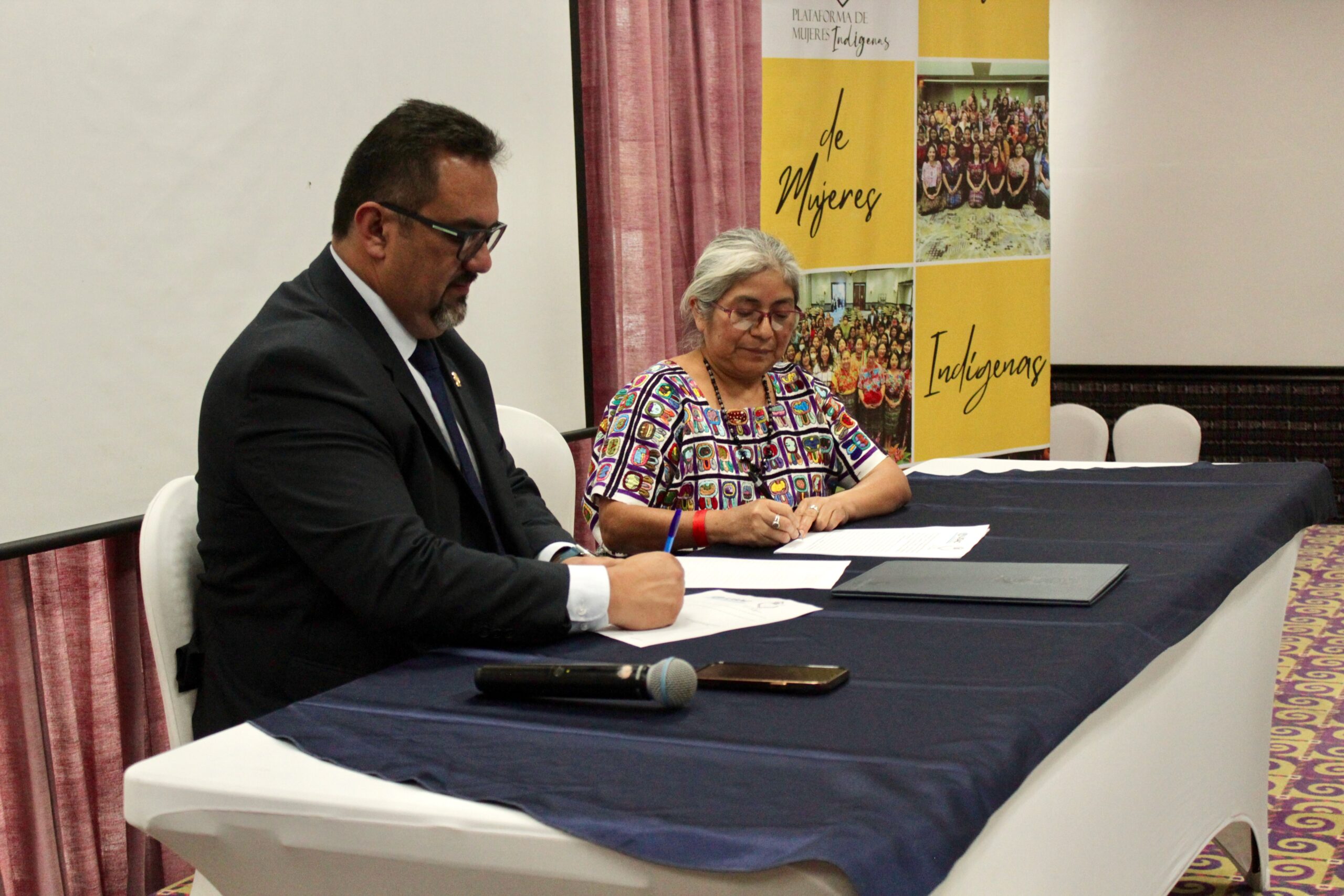
During the meeting, strategic alliances were formalized between the Indigenous Women’s Platform and various key actors, including signing agreements with the University Center of the West of the University of San Carlos de Guatemala (CUNOC) and the Supreme Electoral Tribunal (TSE). These alliances are a testament to the ongoing commitment to strengthening the leadership capacities of women and their empowerment in the political arena.

The event’s program includes an inaugural lecture for the first cohort of the School of Governance and Leadership, providing participants with an overview of the program’s content and relevance. In addition, a political and social conjunctural analysis provided a detailed understanding of the political, economic, and social situation in the country, highlighting strategic opportunities for the empowerment of Indigenous women.

Organizers and Participants

This initiative is part of the project “Weaving the participation and development of political and economic capacities of Indigenous Women in Guatemala”, implemented jointly with the FSC Indigenous Foundation (FSC-IF) and financed by USAID and the Forest Stewardship Council (FSC). It included the participation of prominent figures such as Dr. Rigoberta Menchú Tum, president of the Board of Directors of the Indigenous Women’s Platform, and representatives of the diplomatic corps accredited in Guatemala, the FSC Indigenous Foundation, UN Women and the Centro Universitario de Occidente of the Universidad de San Carlos de Guatemala.

News

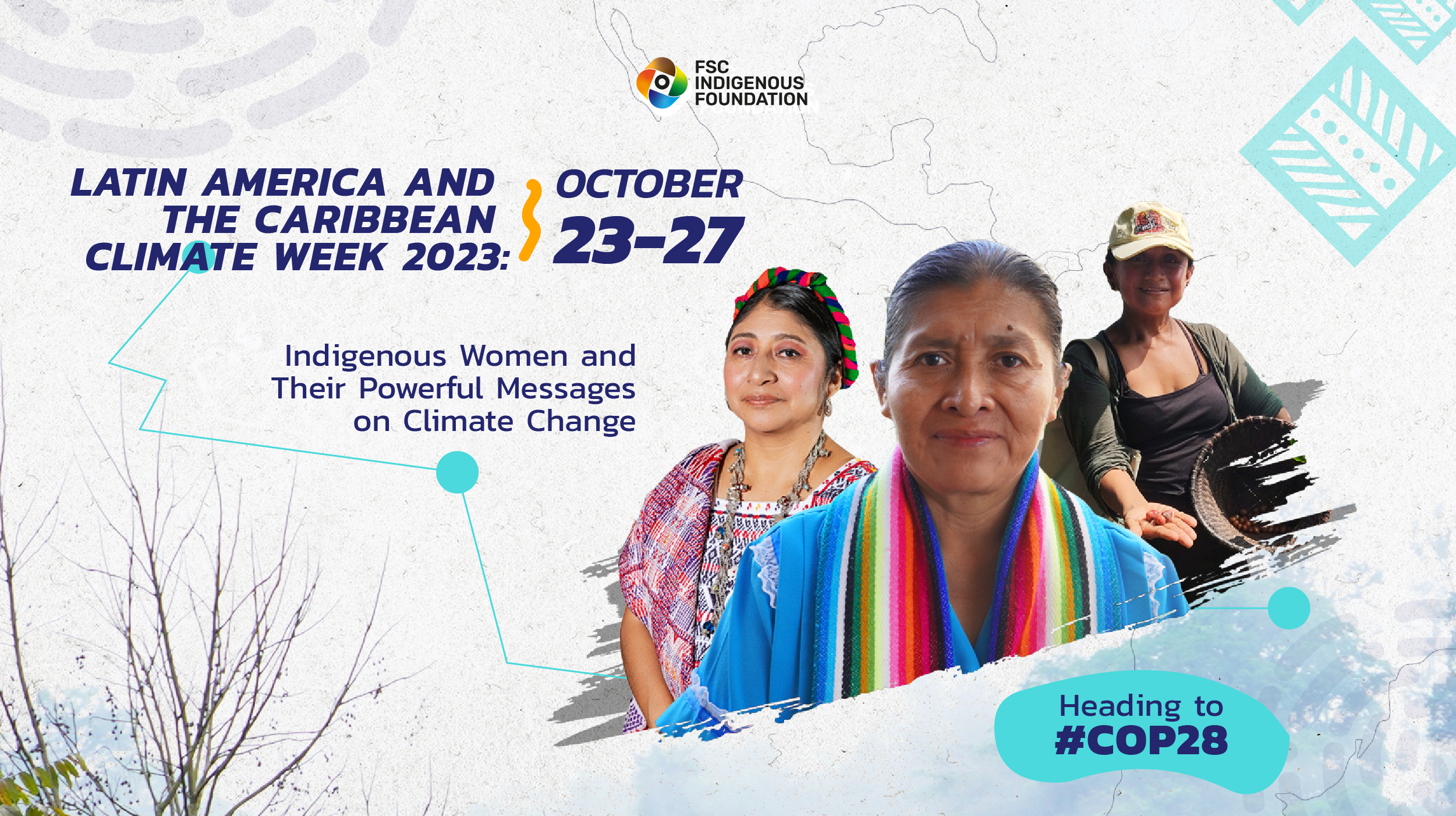
Latin American and the Caribbean Climate Week 2023: Indigenous Women and Their Powerful Messages on Climate Change

Indigenous women from around the world are on the frontline against climate change.

Indigenous Women on the Frontline Against Climate Change

The “Latin American and the Caribbean Climate Week” is approaching, and Indigenous women from all over the world have joined our campaign, ‘Indigenous Women on the Frontline Against Climate Change,’ to highlight their crucial role in the fight against this environmental issue that currently jeopardizes life on Earth. We united their voices from diverse regions of the world.

The series of climate weeks  leading up to the UN Climate Change Conference (COP28) in Dubai, makes its stop in Latin America, with Panama as the host, from October 23 to 27. 

Panama is one of our primary hubs where we are implementing our Indigenous Peoples Alliance for Rights and Development (IPARD) Program. Here, we will continue to demonstrate that Indigenous solutions are a key strategy to address climate change and prepare for COP28 in December.

In this context, we have been showcasing the strategic work carried out by Indigenous women globally. We have gathered  messages that demonstrate that, despite being one of the most affected populations by this issue, they lead the implementation of climate solutions. Their knowledge of Indigenous solutions that have existed for millennia is essential in the current effort to reverse the damage to our Mother Earth. Listen to some testimonials!

Empowered Indigenous women against climate change

Mataal Magdalena Pérez – Maya Poqomam (Guatemala)

She highlights the essential role of women in preserving mother tongues and their connection with nature, serving as a pillar of resilience against environmental devastation and climate change.

Olga Kostrova, a member of the Chulymtsy People (Russia)

She discusses the role of women in her community in monitoring changes in nature and raising awareness about environmental issues that affect both the forests and the food security of the community.

Anne Samante – Indigenous leader from the Maasai community (Kenya)

Anne highlights the critical role of Indigenous women, who are particularly vulnerable to climate impacts due to gender disparities and resource scarcity.

Gloria López, member of the Lenca Indigenous People (Honduras)

Gloria discusses the pivotal role of Indigenous women in guiding their families to adopt positive actions and the valuable work carried out by Indigenous women’s organizations in transmitting ancestral knowledge, which serves as a source of climate solutions.

Indigenous young women are also on the frontline against climate change

Jeptoo Kibichum – Endorois Indigenous People (Kenya)

She discusses the multifaceted role of Indigenous women who are active in areas such as preserving ancestral agricultural knowledge and collaborating on adaptation strategies.

Kandra Ehrman – Guna Indigenous People (Panama)

As a young Indigenous woman, she stands out as the first diver in her community and as an activist for climate change. She also works towards the empowerment of Indigenous women.

News

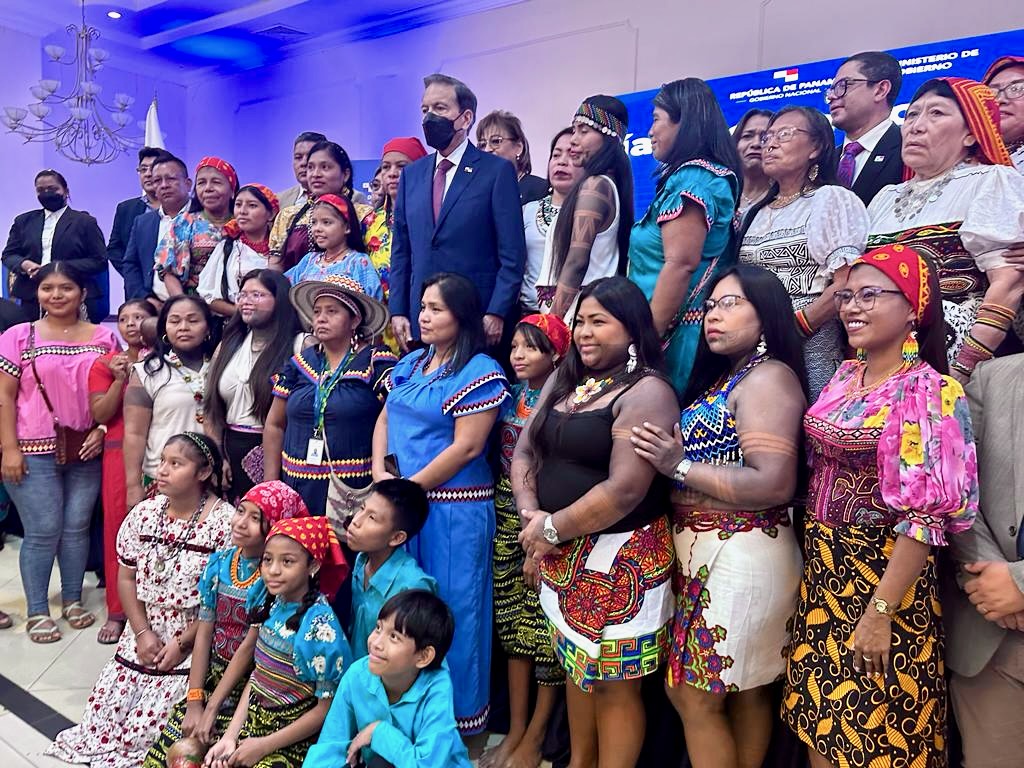
Panama’s President signs decree adopting the Indigenous Women’s Empowerment Plan

Indigenous women’s leadership and teamwork were important to achieve his historic act

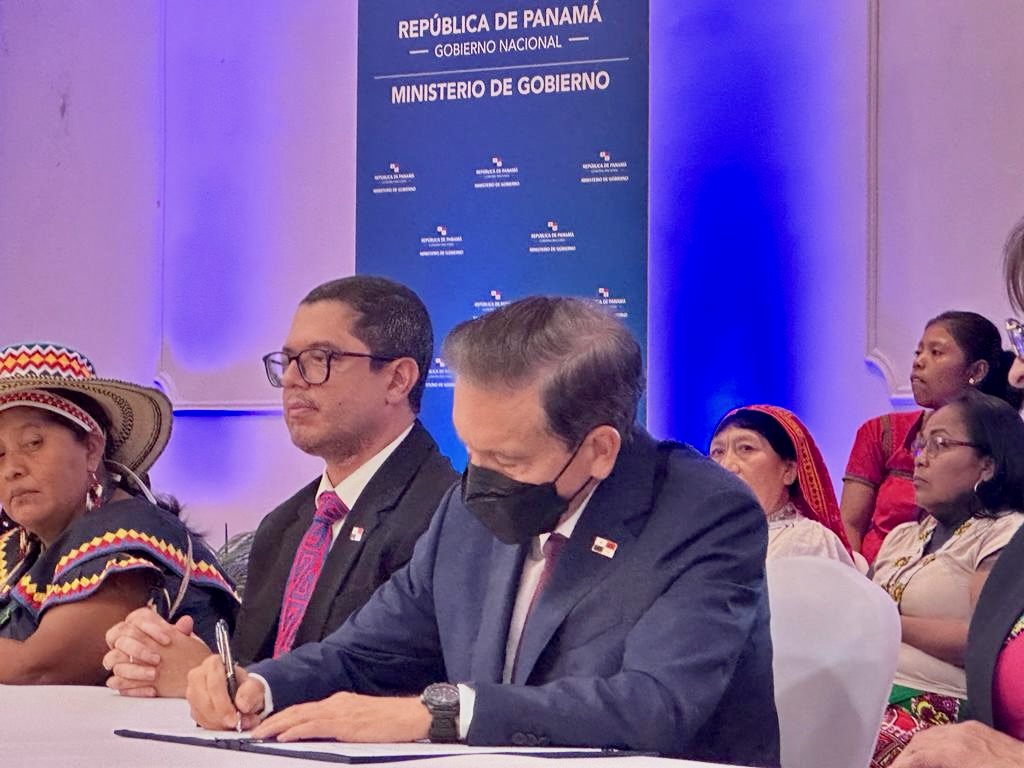
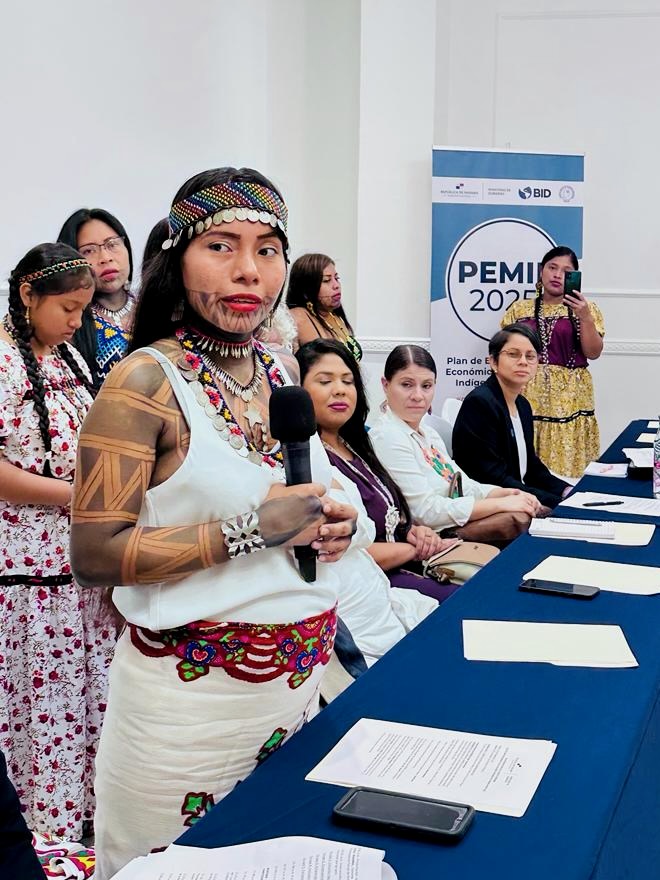
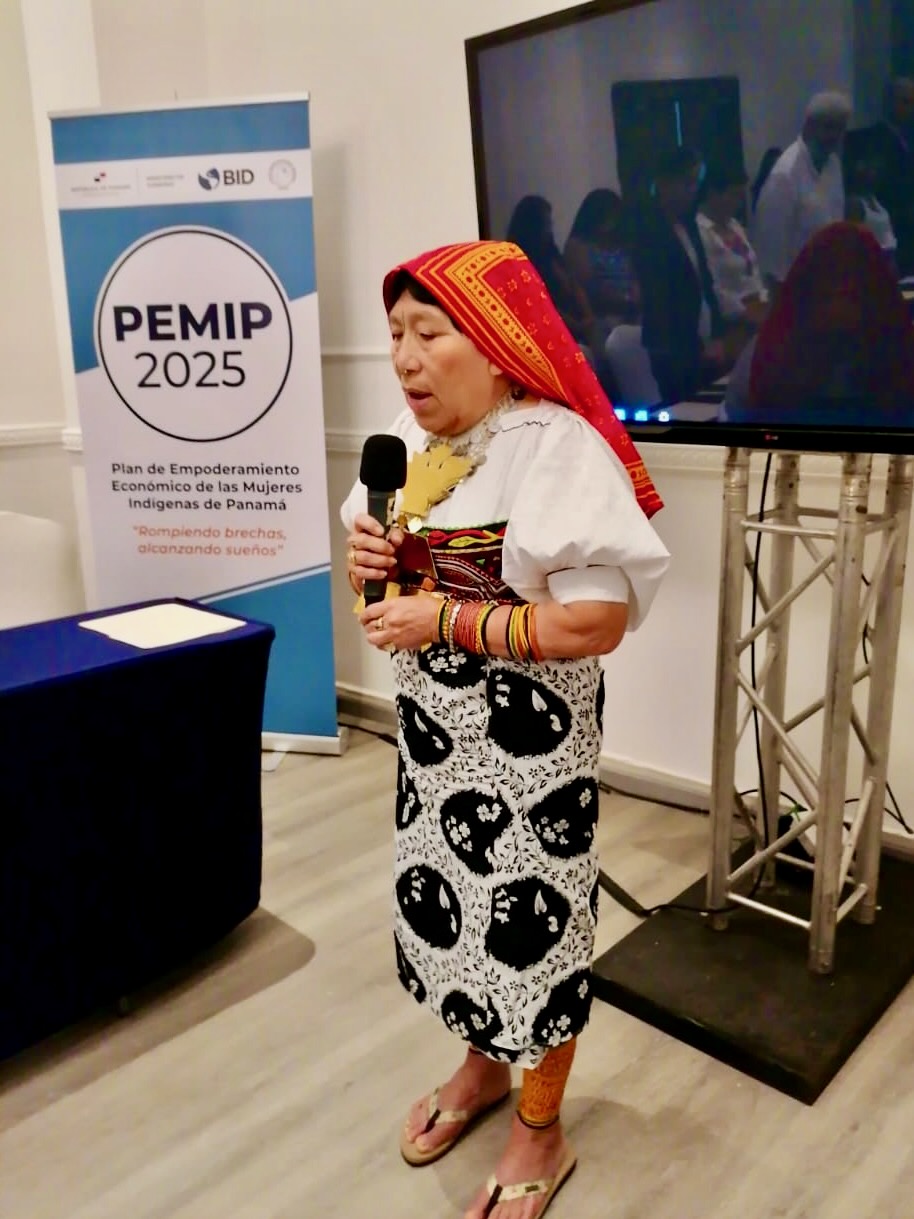
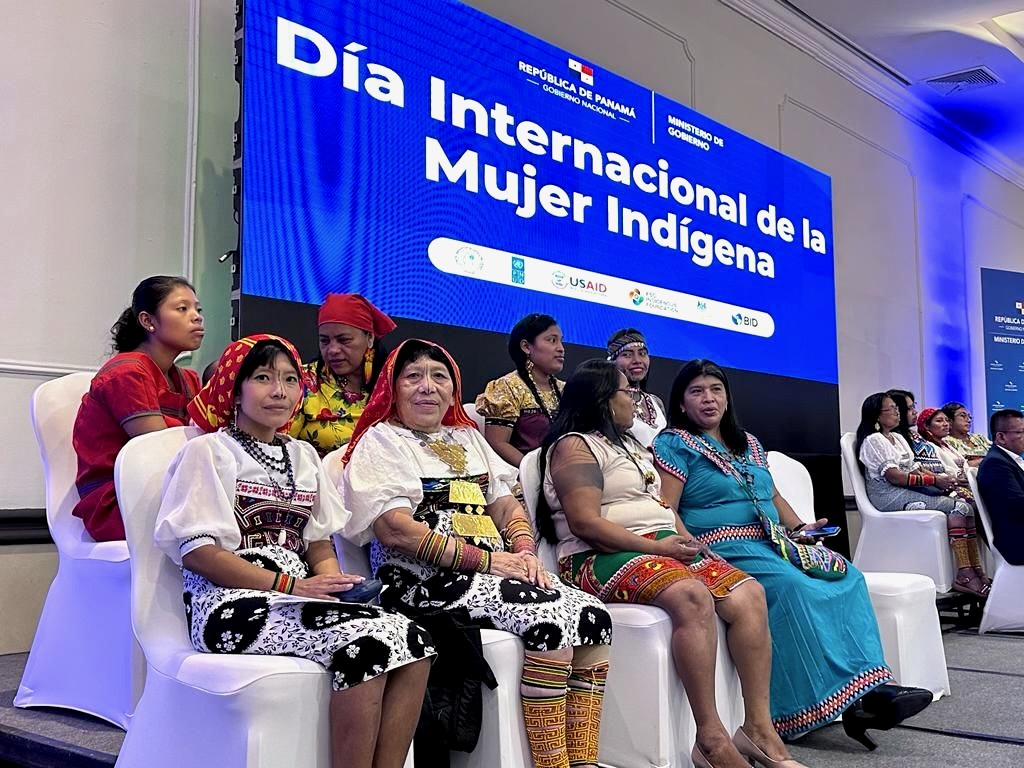
On the occasion of Indigenous Women’s Day, President of the Republic of Panama Laurentino Cortizo Cohen signed the Executive Decree adopting the Plan for the Empowerment of Indigenous Women of Panama (PEMIP 2025).

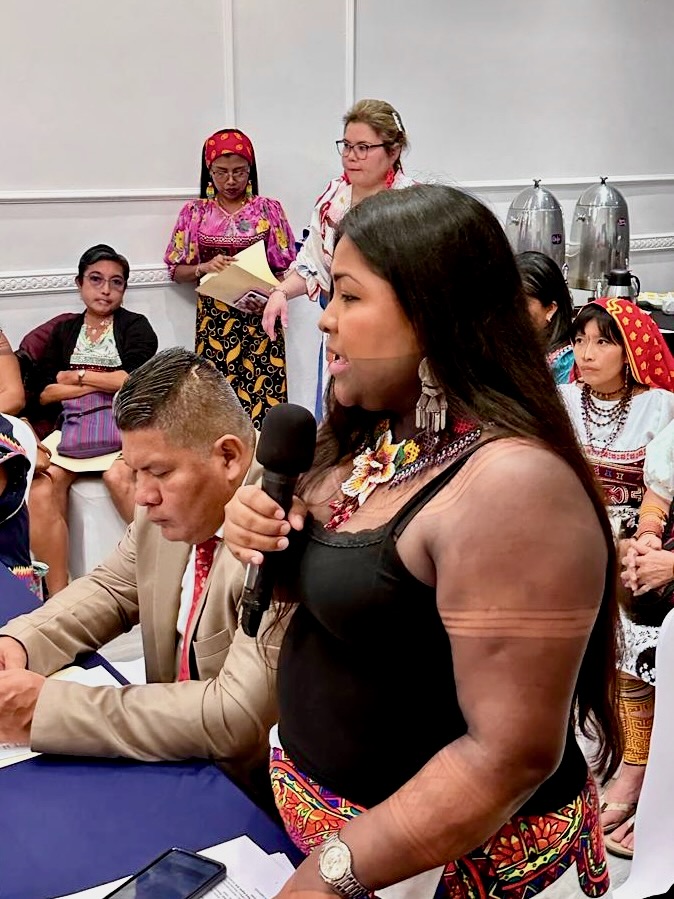
“We don’t want to be in the statistics of vulnerability. We want to be in the statistics of empowered women, breaking barriers, women who fight every day to develop their territories,” said Sara Omi, PEMIP 2025 Coordinator and Emberá leader.

It was a historic act in which for the first time in the Republic of Panama a public policy of gender inclusion was established, aimed at promoting the integral development of Indigenous women within and outside the Indigenous territories. 

With this sanction, for the first time a public policy is established for the integral development of Indigenous women, important pillars for the conservation of their culture, demonstrating great leadership and capacity to contribute to the development of the nation,” said President Cortizo. 

About PEMIP

The Economic Empowerment Plan for Indigenous Women of Panama (PEMIP 2025) is a pioneering initiative that seeks to unite commitments between Indigenous women and public, private, and civil society actors, to carry out concrete actions that provide more and better opportunities for Indigenous women to fully develop their potential and capacity to contribute to the development and well-being of their families, territories, and country. 

Its objective is to advance the autonomy, full inclusion, and effective exercise of the economic rights of Indigenous women, without any type of discrimination and based on their protagonism and self-determination, with a timeline from 2022-2025. 

Signing ceremony

The key message of this event was teamwork. The Plan is a multisectoral initiative with the participation of 69 entities, such as public sector institutions governing economic-labor policies (Ministry of Social Development, Ministry of Labor and Labor Development, Micro, Small and Medium Enterprise Authority), private sector (CECOM), development of Indigenous Peoples (Advisory Committee of Indigenous Women of Panama – CAMIP), NGOs (FSC Indigenous Foundation, City of Knowledge, AECID) and multilateral banks (Inter-American Development Bank, United Nations Development Program). 

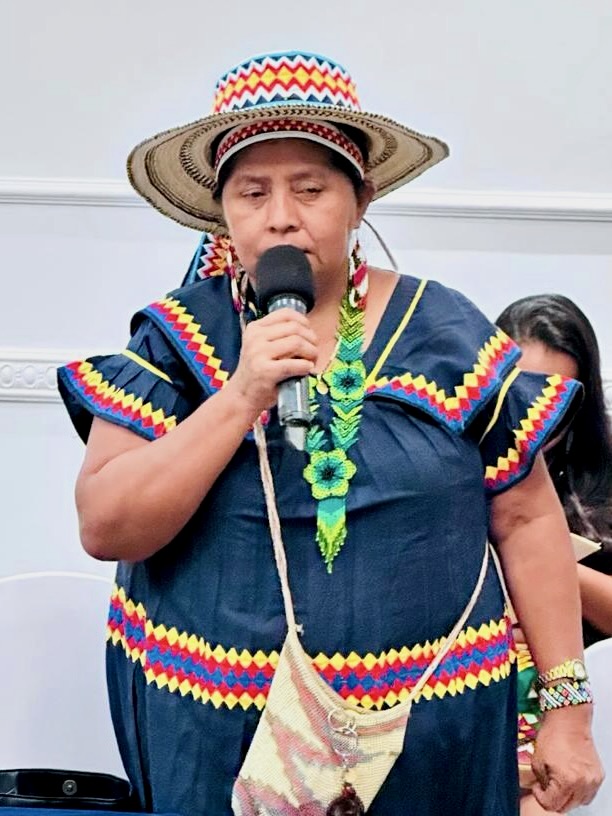
At the event, we heard from Laurentino Cortizo Cohen, President of the Republic, Roger Tejada Bryden, Minister of MINGOB, Briseida Iglesias, Guna Ancestral Sage, Sara Omi Casamá, National Coordinator of PEMIP 2025, Meybi Chamarra, Coordinator of CAMIP, Aulina Ismare Opua, Cacica of the National Congress of the Wounaan People and member of the National Council for the Integral Development of Indigenous Peoples of Panama (CONDIPI), Ana Grigera, Gender and Diversity Specialist of the Inter-American Development Bank (IDB), and María Ángeles Sallé, member of the PEMIP Technical Assistance Team and ENRED Panama.

A success factor to reach this day was that all stakeholders listened to Indigenous women and were open to working with different communities and empowering Indigenous leaders.

The Ministry of Government acknowledged that the FSC Indigenous Foundation plays an important role in facilitating this process. 

How we support PEMIP 2025

The FSC Indigenous Foundation (FSC-IF) is supporting the governance and implementation of this plan through the Indigenous Peoples’ Alliance for Rights and Development (IPARD) Program, working with Indigenous women and guided by their wisdom, knowledge, innovation, and leadership. IPARD is funded by the United States Agency for International Development (USAID), the Forest Stewardship Council (FSC), and other private sector partners.

FSC-IF has a leading role in the PEMIP Strategic Sustainability Committee, working together with the IDB, CAMIP, the Ministry of Government, and ENRED, achieving many advances for the institutional strengthening of PEMIP and the implementation of CAMIP, such as workshops to expand their knowledge, manage the governance of PEMIP, empower their role in the Plan and be multiplier agents of change within their territories.   

We also support i) the institutional strengthening of CAMIP, ii) the implementation of PEMIP in coordination with the government and CAMIP, to carry out the implementation of PEMIP at the local and community level, iii) the promotion of the implementation of PEMIP and other basic policies such as the implementation of Law 37 and Law 301, the organic charters of different comarcas and collective lands, iv) expansion of other issues to other areas to be inclusive in social, education and health issues and security of their rights, v) strengthening alliances and governance of the PEMIP, creating operational manuals and creating a network that strengthens and can ensure the sustainability of the Plan.

We consider this Plan to be not only a pioneering but an integral initiative that supports all actions promoted for and by Indigenous Peoples, supporting PEMIP 2025 and CAMIP as safeguards for the future and for Mother Earth.