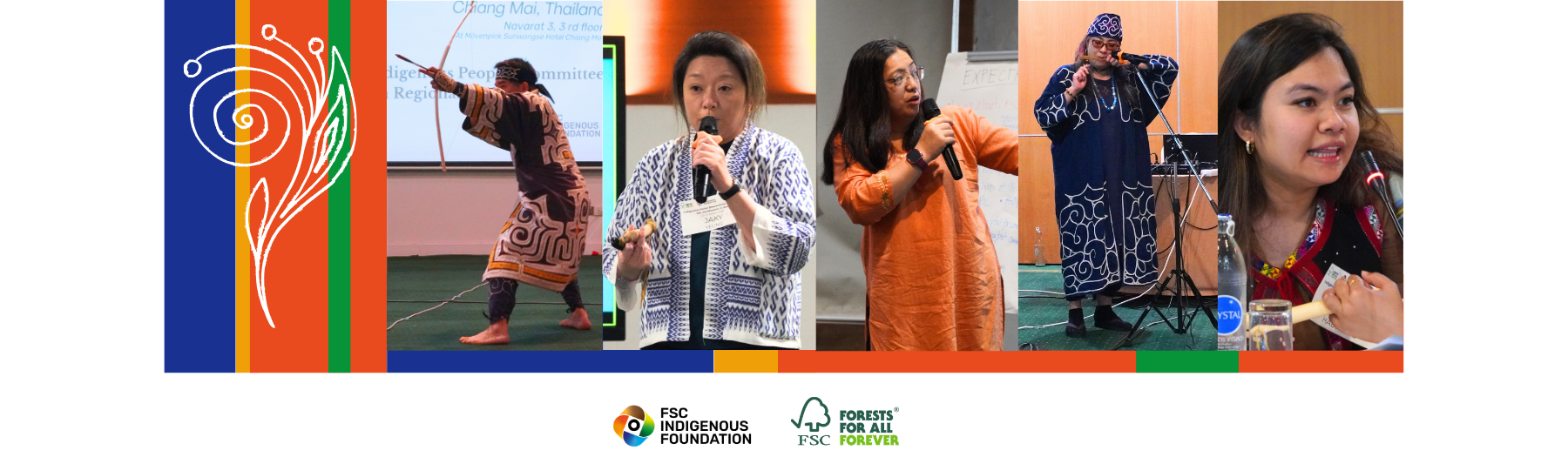
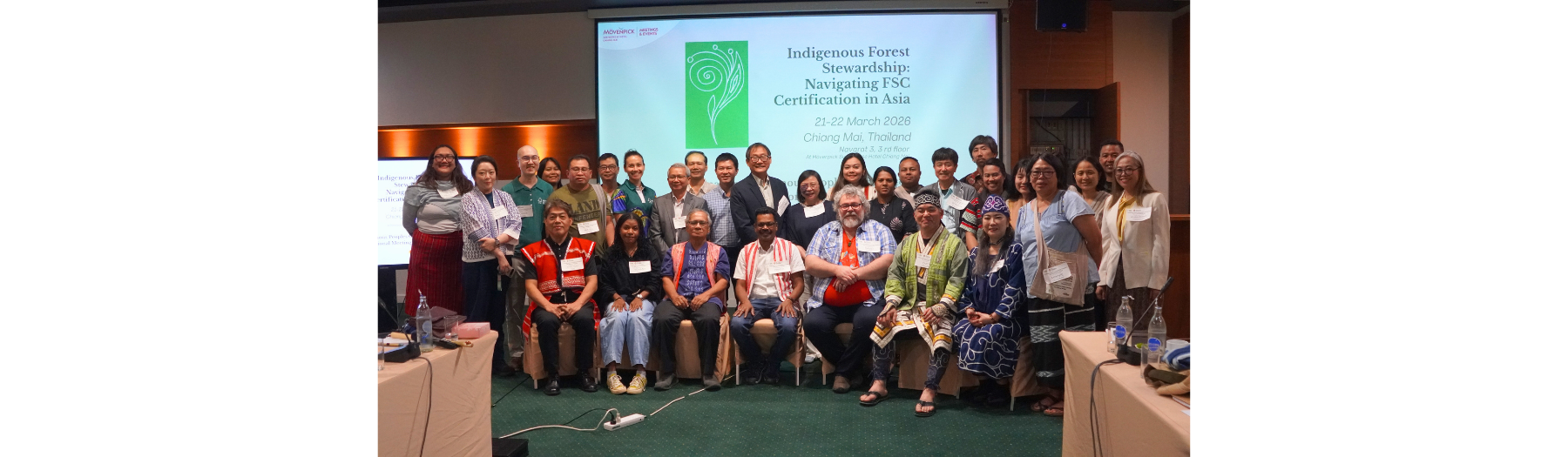
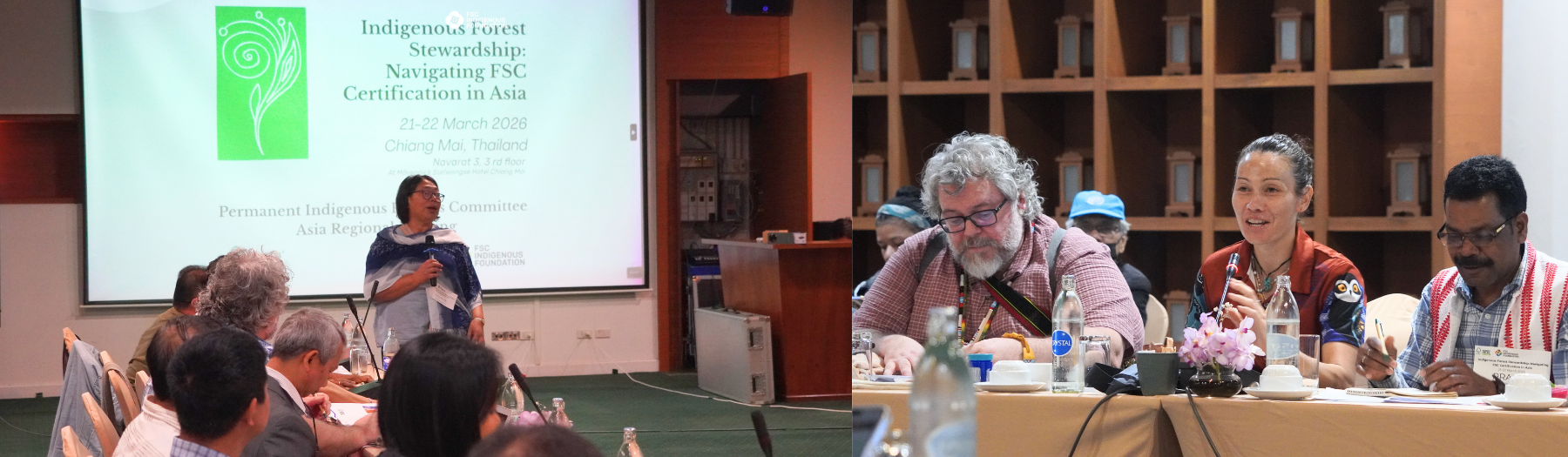
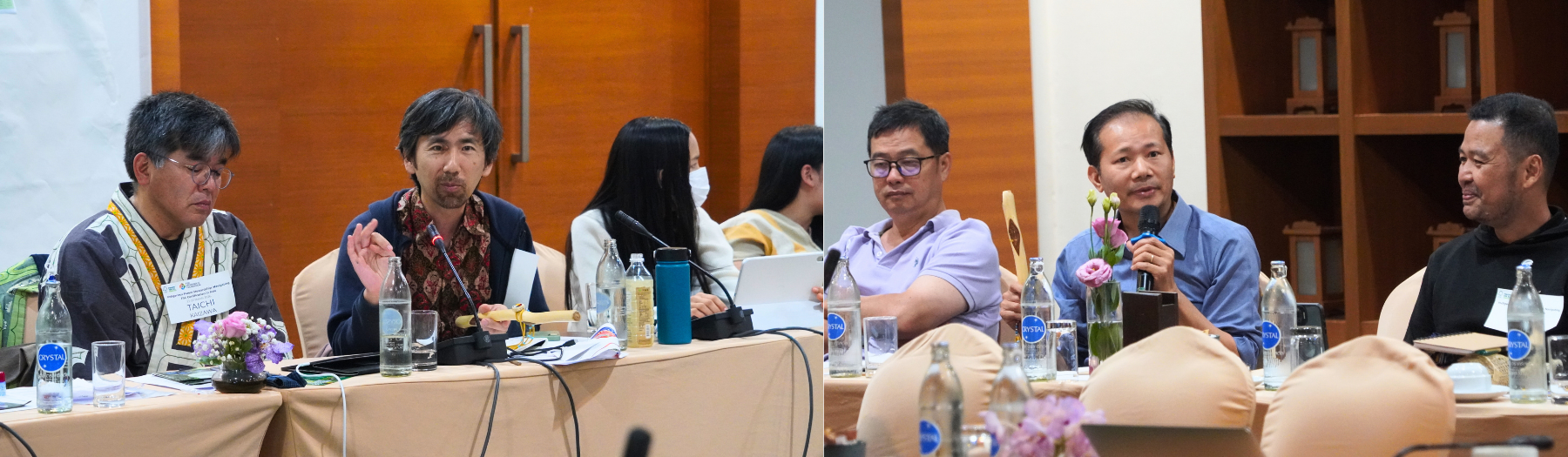
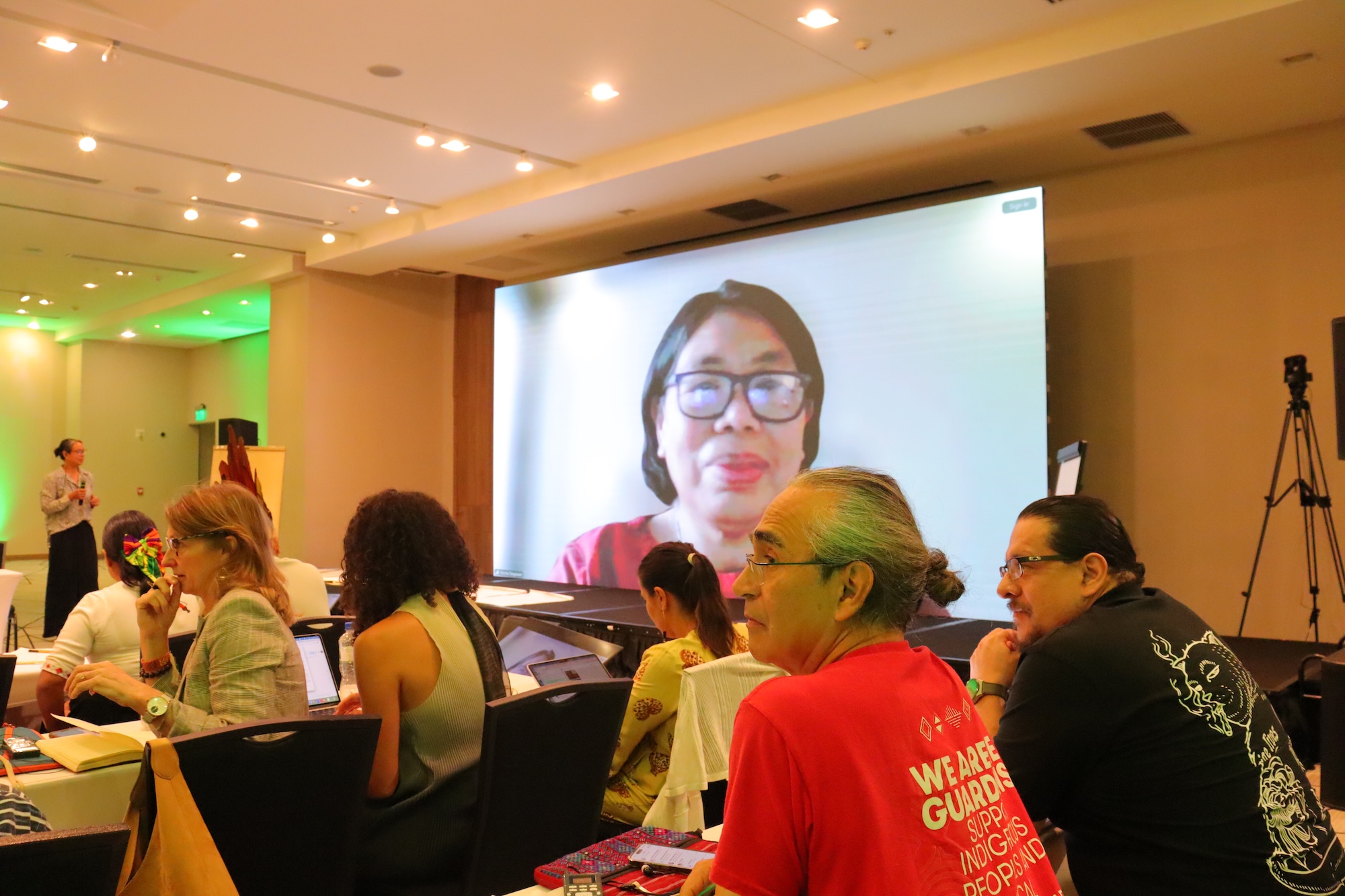
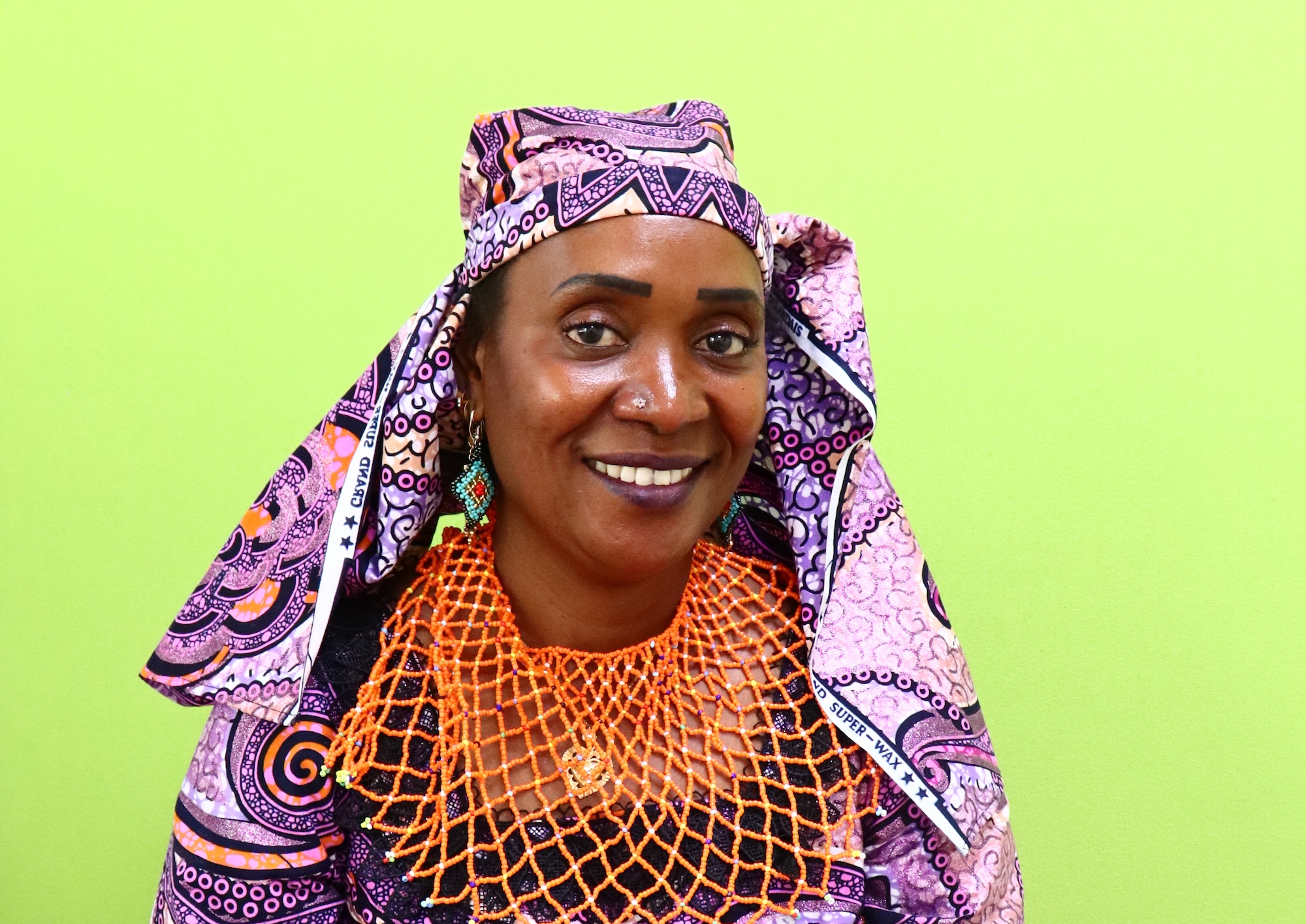
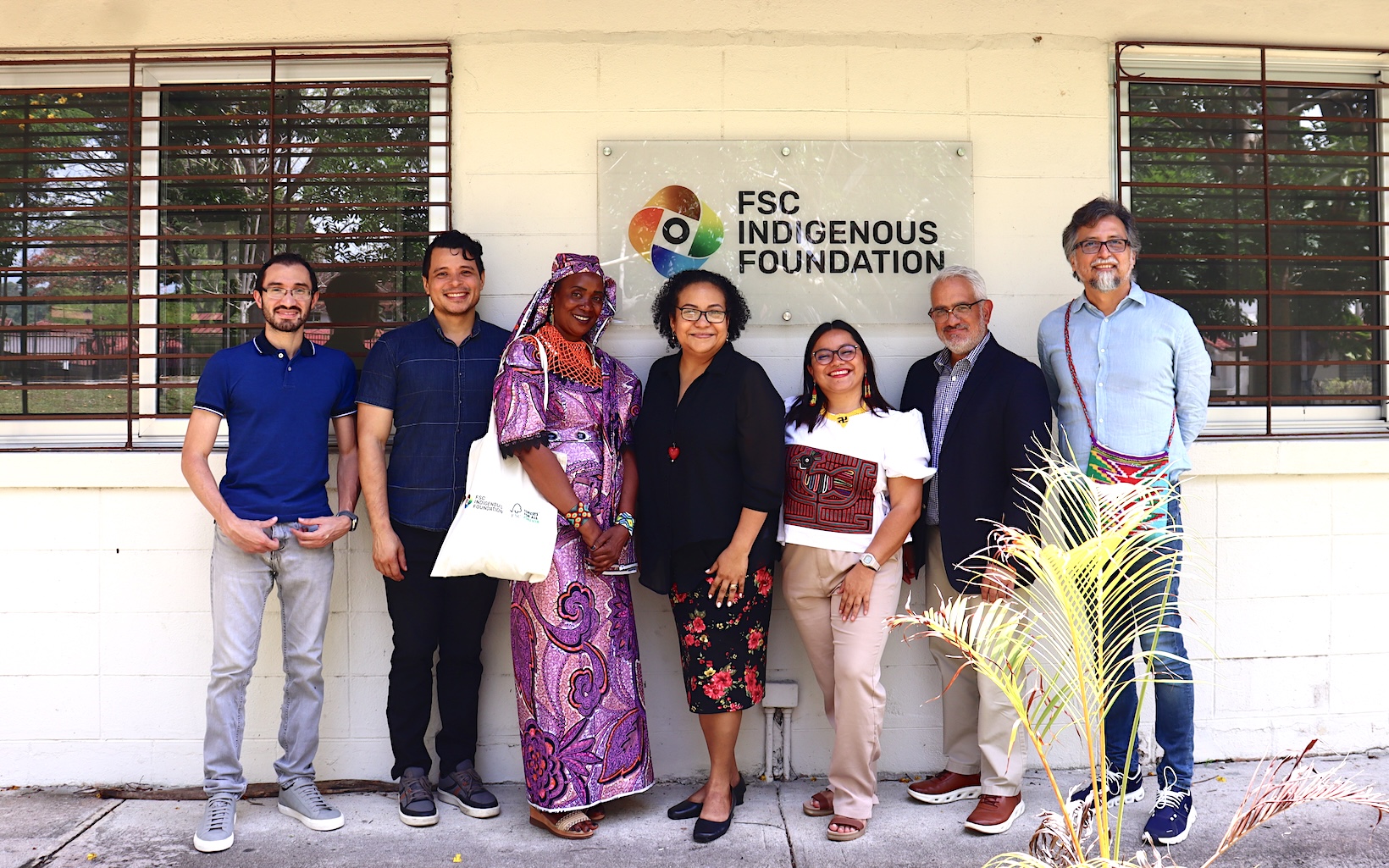
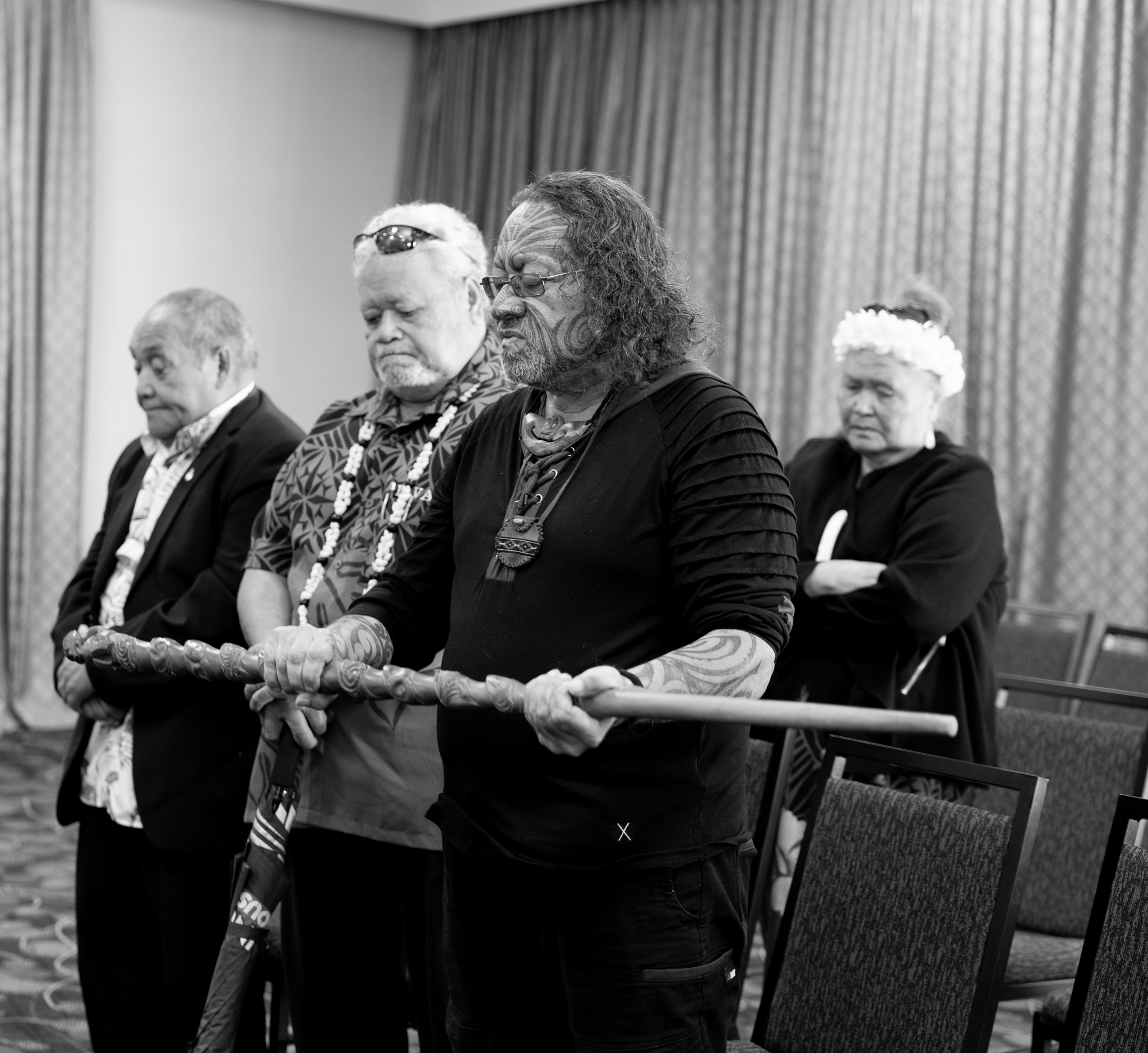
From March 21 to 22, the FSC Indigenous Foundation organized the “Indigenous Forest Stewardship: Navigating FSC Certification in Asia” meeting. A diverse group of Indigenous leaders, FSC-IF and FSC representatives, and regional stakeholders gathered in Chiang Mai, Thailand, for a critical dialogue on the future of forest governance in Asia. What emerged was not just a technical discussion about certification systems, but a powerful reflection on rights, resilience, and the lived realities of Indigenous Peoples navigating restrictive state policies and corporate pressures.
From the beginning, participants made one thing clear: Forest certification cannot be separated from the broader context of Indigenous rights. Across Asia, Indigenous Peoples continue to face shrinking access to their ancestral lands, restrictive state policies, and competing economic pressures.
The Tension Between Standards and Reality
The Forest Stewardship Council (FSC) positions itself as a global leader in responsible forest management, with over 117 million hectares certified worldwide. Furthermore, FSC has 10 principles and three are most relevant to Indigenous Peoples:
Principle 2: maintain or improve the social and economic well-being of workers;
Principle 3: uphold the rights of Indigenous Peoples
Principle 9: maintain or improve high conservation values; including cultural and spiritual sites.
These principles provide formal entry points for advancing Indigenous rights within the FSC system. Yet, the dialogue revealed a persistent gap between these commitments and their implementation on the ground.
A pressing concern was raised around FPIC. For many Indigenous participants, FPIC is not merely a procedural step but a fundamental expression of self-determination. Stories shared during the gathering illustrated how, in practice, communities are often consulted too late, or not at all, while decisions about their lands move forward. The fear is that ongoing revisions to FSC standards could weaken FPIC, turning a substantive right into a checkbox exercise.
Mr. Nicolas Mujah, FSC-IF Council member, also mentioned how communities can engage in grievance procedures to challenge violations:
“FPIC is important to integrate into FSC. In FSC, there’s a remedy framework: if you feel you have been criminalized, you can start with the complaint mechanism.”
Participants agreed that FSC and similar certification mechanisms must provide transparent and effective complaint and remedy processes. Complaint mechanisms can be anonymized to protect human rights defenders, but systemic support and follow-up are missing, undermining accountability.
Structural Barriers to Participation
A central theme of the dialogue was participation: who gets to shape the rules.
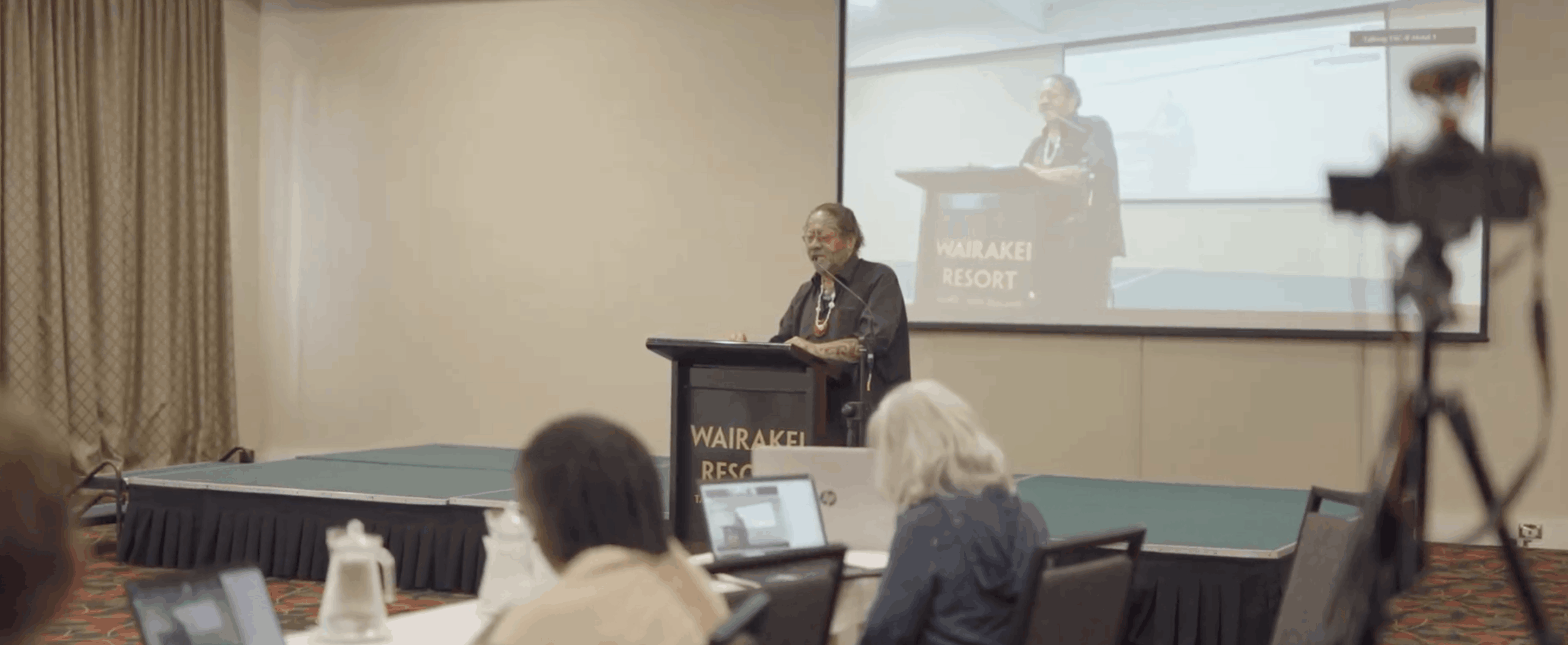
FSC’s governance structure, built around economic, social, and environmental chambers, is designed to balance interests. However, participants highlighted significant barriers for Indigenous Peoples. Membership fees, technical complexity, limited voting power, and uneven access to these mechanisms, all restrict meaningful engagement. For many forest-dependent communities, simply navigating the system can be overwhelming, especially for Indigenous communities with limited resources and adequate support.
However, despite these challenges, several engagement mechanisms were highlighted by Jacki Yeung, FSC Membership Manager for Asia Pacific:
Participation in General Assembly motions and voting processes
Involvement in chamber discussions and working groups
Engagement in consultations and policy development platforms
Participants emphasised that while individual membership may appear limited, collective organizing within chambers can strengthen Indigenous influence.
A Path Forward, Reform and Collaboration
Despite the challenges, the tone of the gathering was not one of resignation, but of cautious determination.
Participants called for concrete reforms within FSC recognizing that current structures are insufficient to protect Indigenous rights, including reducing barriers to membership, strengthening Indigenous representation, and ensuring that standards are consistently enforced. There was also a strong emphasis on collective action, organizing within chambers, building regional networks, and developing shared messages for global platforms.
On the last day of the dialogue, the UN Guiding Principles on Business and Human Rights were highlighted as a complementary tool, particularly in strengthening accountability and access to remedies. As mandatory due diligence laws begin to emerge in several countries, there is growing potential to align certification systems with broader legal frameworks.
Conclusion, From Participation to Power
The gathering underscored a critical moment for forest governance in Asia. FSC and similar systems hold significant potential, but their legitimacy depends on their ability to deliver on their promises.
For Indigenous Peoples, the question is not whether to engage, but how to transform these systems so they truly reflect their rights, knowledge, and leadership.
Overall, the gathering was eye opening and created a space for critical reflections, with participants expressing appreciation for the opportunity to share experiences and challenge existing systems.
“I learned a lot about FSC and PIPC. Thank you for the learning exchange; understanding each other’s challenges and experiences made it truly meaningful and successful. I also hope there will be more youth involvement.”
FSC-IF Highlights of the month and upcoming activities
FSC IF
Across territories and regions, Indigenous leadership continues to shape climate and forest action, and February was a month of connection and collaboration that strengthened this shared commitment in the FSC Indigenous Foundation.
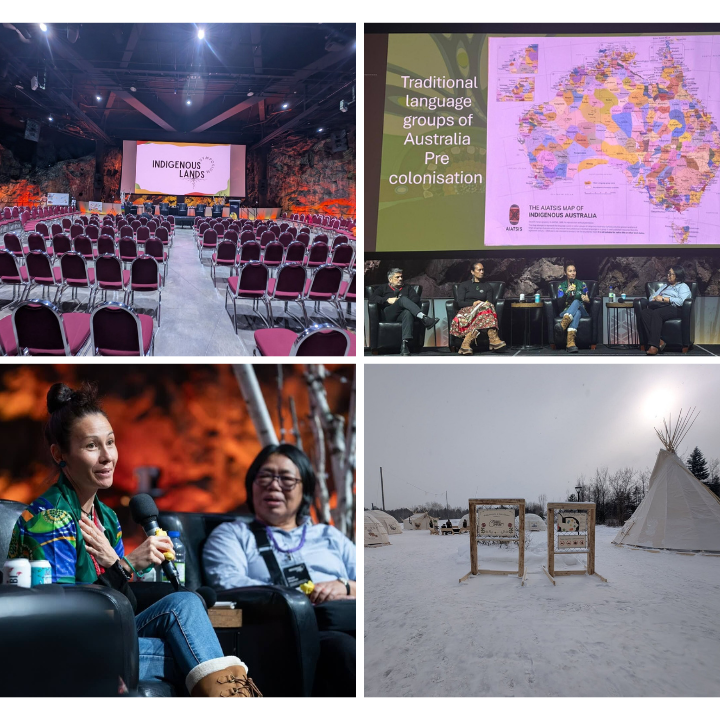
Indigenous Lands Symposium 2026 in Canada
The Indigenous Lands Symposium brought together leaders, Elders, youth, and partners from across Canada and beyond to center resurgence, restoration, and Indigenous rights in forest stewardship. The gathering created space for powerful dialogue on land governance, Free, Prior and Informed Consent, and the global relevance of Indigenous knowledge systems in addressing climate and biodiversity challenges.
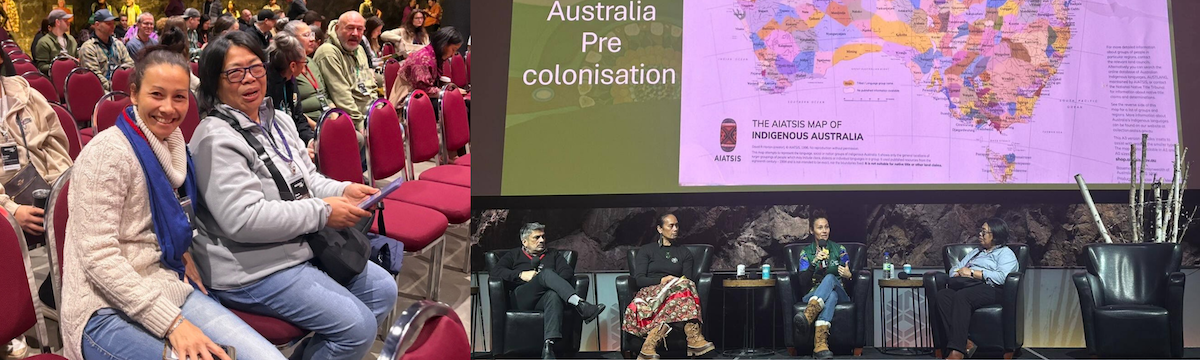
FSC Aus/Nz Melanie Robertson, Tolita Davis-Angeles, and Jacqueline Lorangi
A dedicated Indigenous exchange with FSC Australia and New Zealand further strengthened cross-regional relationships, as leaders shared experiences of asserting rights, advancing Care for Country, and leveraging tools such as FSC certification to support Indigenous-led stewardship. The week underscored the strength of international solidarity and the importance of learning from one another to advance Indigenous leadership worldwide.
At the symposium, the panel “Beyond the Boreal” featured FSC-IF managing director Minnie Degawan, FSC PIPC alternate for Oceania Tolita Davis-Angeles, and Indigenous leader Jacqueline Lorangi, who shared cross-regional perspectives and lessons from around the world, with Minnie providing an overview of the key global challenges facing Indigenous Peoples and forest stewardship, and Tolita speaking on “the impacts of colonisation and how this is limiting First Nations Care for Country and how mechanisms like Forest Stewardship Council certification present pathways to increase First Nations opportunities to implement Care for Country practices.”
Webinar on Community-Led Forest Economies
In the WRI webinar, Indigenous leaders from across regions reaffirmed that securing land rights, strengthening community forest governance, and ensuring direct access to climate finance are essential to advancing climate action, protecting biodiversity, and sustaining Indigenous-led economies.
Among the panelists in the webinar were Ms. Alina Santiago and Kalea Aquino, both Indigenous women from the FSC Indigenous Foundation, who shared outstanding community leadership stories in forest stewardship and beyond.
Watch the recording:
Boosting Indigenous Nature-Based Business Models
Indigenous women’s leadership continues to drive meaningful action in forest conservation. In the Emberá Purú community in Panama, leaders like Briceida Upua are strengthening local knowledge and stewardship of their territories. From January 22 to 25, FSC Indigenous Foundation, in coordination with Health in Harmony and If Not Us Then Who, facilitated community workshops to review bioacoustic monitoring results based on a biodiversity baseline established in their forests.
Listen to Briceida’s story:
Through this collaborative process, 211 species were validated, including 199 birds, five mammals, and seven amphibians. This marks a significant advancement in community-led biodiversity knowledge. The initiative reinforced the importance of forest conservation and upheld the community’s rights to manage and use this information under the principles of Indigenous data sovereignty, demonstrating the vital role Indigenous women play in safeguarding their lands and knowledge systems.
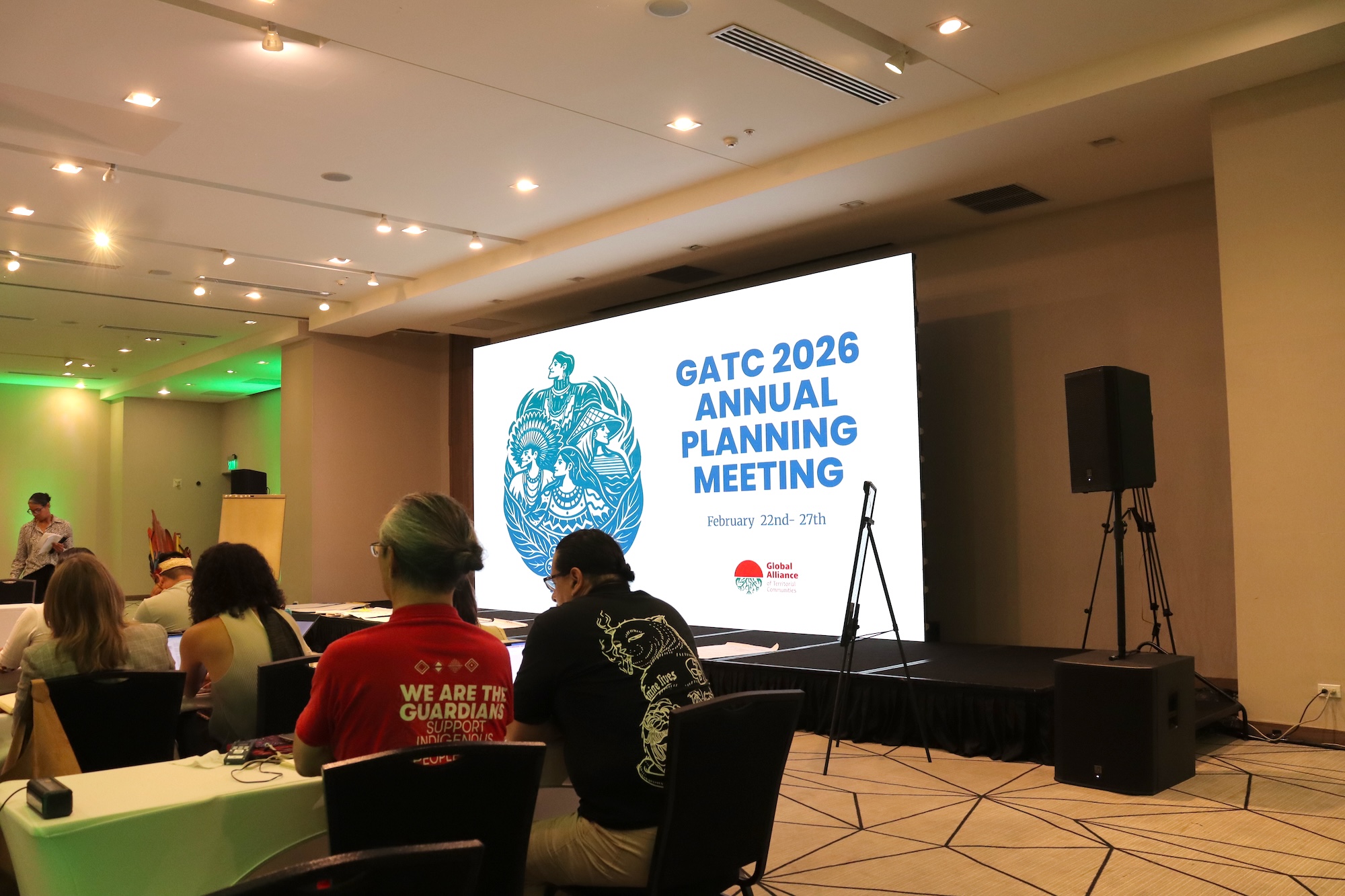
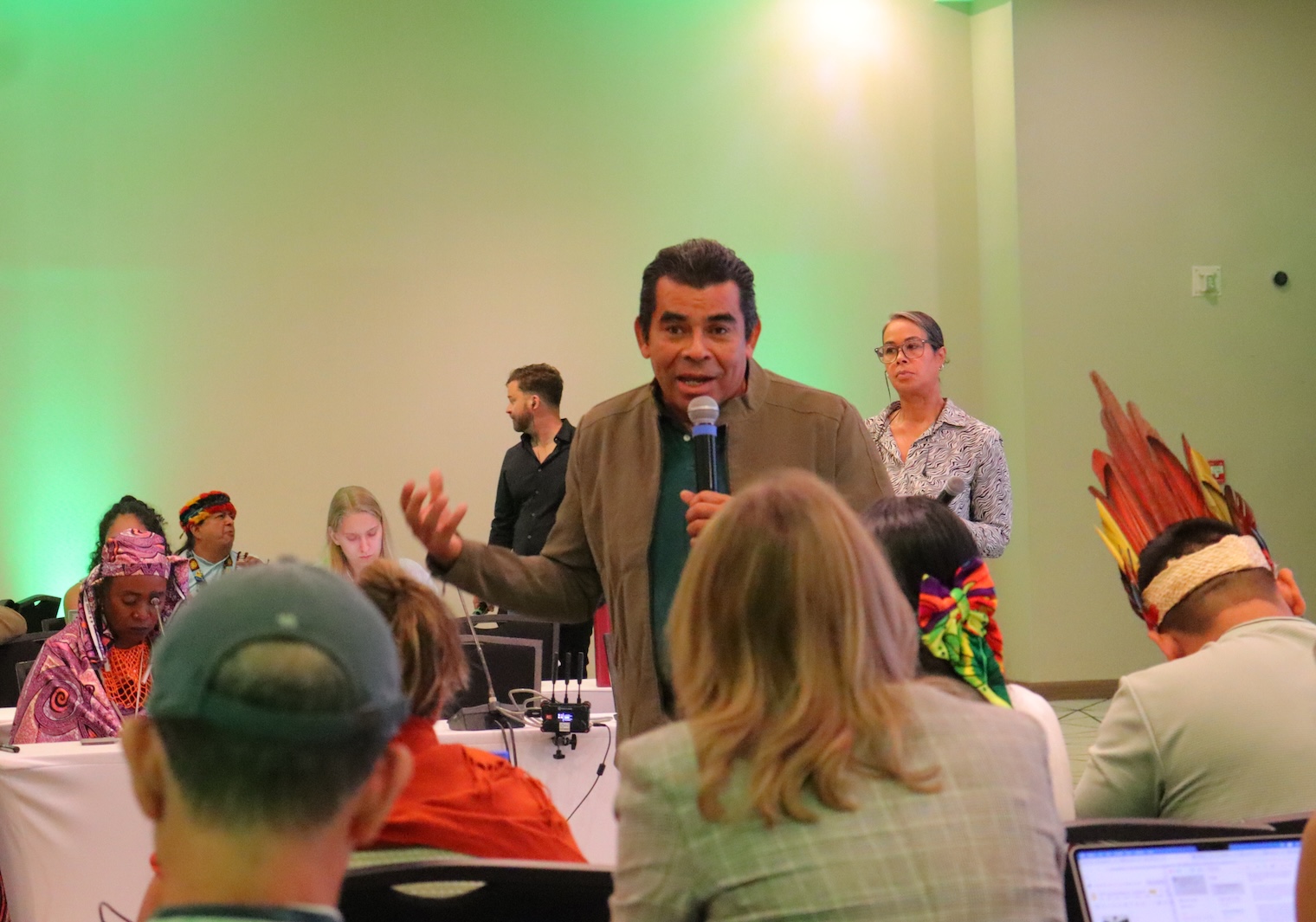
Participants aligned key priorities for the year ahead, including governance and budget discussions, updates from member organizations, the Women’s and Youth Movements, the Shandia Platform, and the development of the 2026 strategy.
Levi Sucre, AMPB
During the gathering, FSC-IF Managing Director Minnie Degawan underscored the urgent need for stronger Indigenous solidarity in the face of climate change, biodiversity loss, and shrinking civic space, emphasizing that no single organization can address these challenges alone. She reaffirmed FSC-IF’s commitment to collaboration with GATC, including joint fundraising, technical exchange, and practical support such as strengthening global alliances across regions.
Minnie Degawan, FSC-IF
Aissatou Ibrahim, FSC PIPC Representative for Francophone Afric, co-leader of the GATC Women’s Movement, and Deputy Coordinator of REPALEAC in Central Africa, highlighted the shared struggles faced by Indigenous communities across basins and raised concerns about the lack of dedicated funding for the Women’s Movement. She stressed that it’s a very serious problem because women are the core of the family, and the family is what makes up the community.
Aissatou Ibrahim, FSC PIPC/ REPALEAC
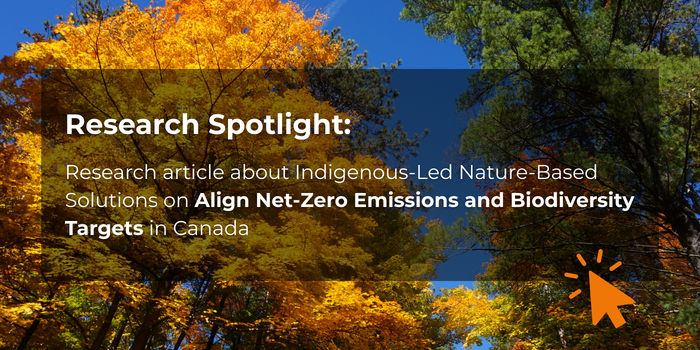
Research Spotlight
First Nations-led Circular Bioeconomies: Social and Economic Impacts and Social Perceptions
This report provides an in-depth analysis of First Nations-led circular bioeconomies in Australia, examining their social, economic, environmental, and cultural impacts. It captures the perspectives of various First Nations groups, emphasising their traditional responsibilities for caring for Country, preserving ancestral knowledge systems, and engaging in sustainable practices that support community wellbeing and environmental health.
Researchers: Tolita Davis-Angeles and Timothy McBride
20th Community-Based Adaptation Conference hosted by IIED
The 20th International Conference on Community-Based Adaptation to Climate Change (CBA20) will be held from 11 to 14 May 2026 in Manila, Philippines, convening global practitioners to share lessons, strengthen partnerships, and advance locally led climate adaptation in practice.
Re-Earth Initiative’s Climate Policy Fellowship for Indigenous Youth
Re-Earth Initiative is proud to launch its Climate Policy Fellowship for Indigenous Youth. A year-long capacity-building and policy engagement program designed to support Indigenous youth in meaningfully engaging in international climate negotiations under the UNFCCC. Applications for the 2026 cohort open on March 2nd and will be reviewed on a rolling basis until March 16th.
We thank our allies and partners for their continued support and collaboration. We also invite financial institutions and organizations interested in investing in Indigenous nature-based solutions to connect with us so we can work together to strengthen Indigenous-led climate and forest action worldwide.
Oceania Regional meeting highlights
Indigenous leadership in Forest Stewardship
FSC IF
In January 2025, leaders, experts, and Indigenous representatives from across Oceania and beyond gathered for an important regional meeting focused on the future of forest stewardship. The event created a powerful space for collaboration, learning, and dialogue. At its heart was a shared goal: to strengthen Indigenous leadership and ensure that traditional knowledge stands alongside Western science in shaping sustainable forest management.
The meeting highlighted the role of the Forest Stewardship Council in the region, the work of the FSC Indigenous Foundation, and the importance of the Permanent Indigenous Peoples Committee (PIPC) in advancing Indigenous rights within global forest governance. A key outcome of the gathering was the nomination and election of new PIPC representatives for Oceania, ensuring continued Indigenous representation in FSC’s decision-making processes.
Above all, the meeting reaffirmed a strong commitment to cultural respect, Free, Prior, and Informed Consent FPIC, and inclusive leadership.
Day 1: Foundations of Indigenous Leadership in Forest Stewardship
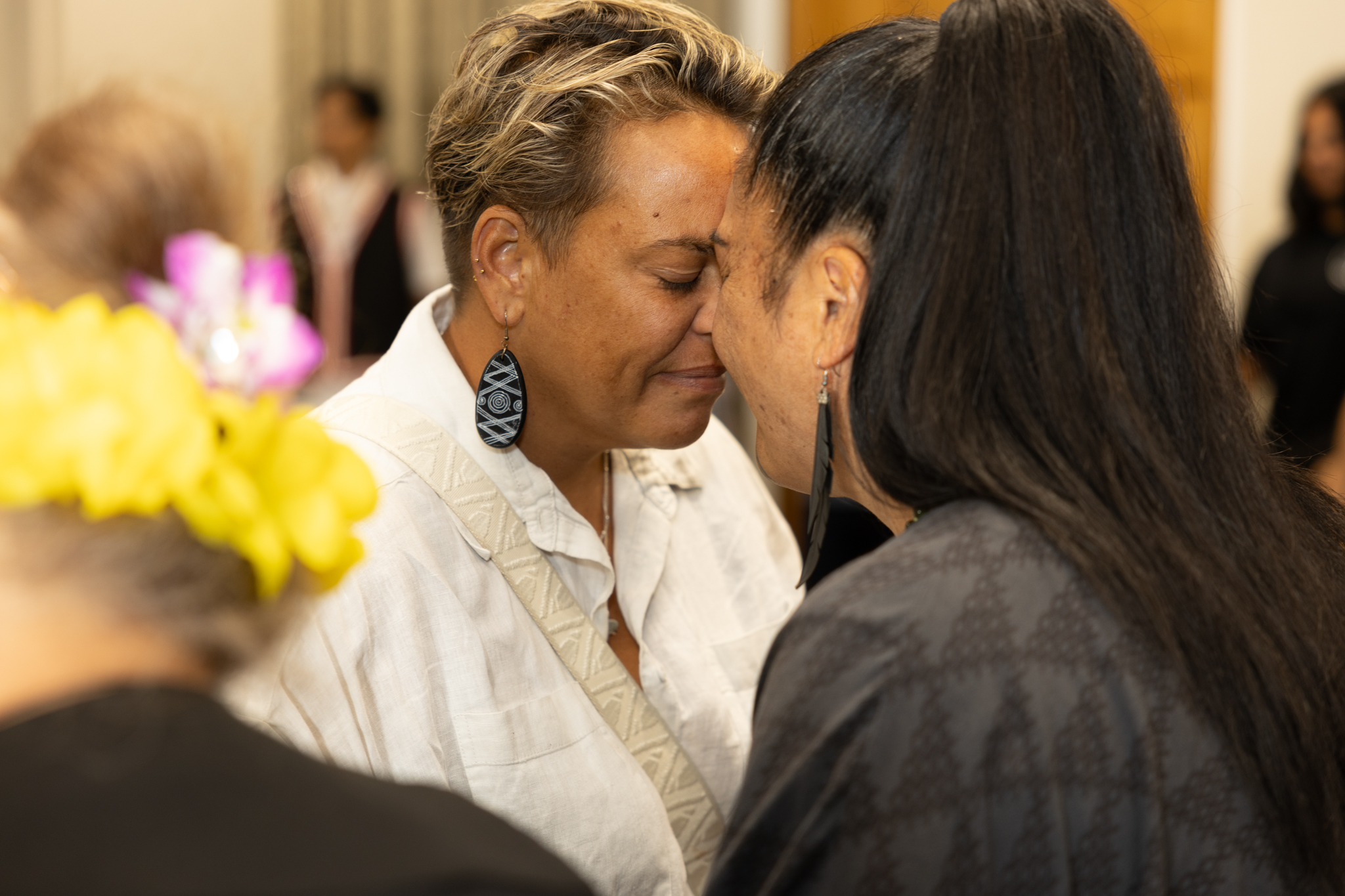
Day 1 began with a traditional Pōwhiri welcome ceremony and Karakia prayer, grounding the meeting in respect for Māori customs and Indigenous traditions. This opening set the tone for meaningful and culturally respectful dialogue.
Leaders from FSC International, the FSC Indigenous Foundation, and the PIPC shared opening remarks, emphasizing the importance of Indigenous leadership and FPIC in forest governance.
Participants were introduced to the FSC system and its work in Oceania, including certification processes and regional priorities. The role of the Permanent Indigenous Peoples Committee PIPC was highlighted, particularly its responsibility to advise the FSC Board of Directors on Indigenous rights and to advance an Indigenous Peoples Agenda within FSC.
The FSC Indigenous Foundation presented its mission to uphold Indigenous rights, strengthen forest stewardship, and promote Indigenous-led solutions.
A closing Karakia brought the first day to an end.
Day 1 video summary:
Day 2: Strengthening Collaboration and Engagement
Day 2 opened with a Karakia and focused on action, collaboration, and strengthening Indigenous participation.
Interactive sessions encouraged open dialogue and exchange of ideas. Speakers from New Zealand, Latin America, and other regions shared experiences on Indigenous leadership in forestry and inclusive forest strategies. Participants explored practical ways to strengthen regional cooperation and ensure Indigenous voices are fully integrated into FSC governance.
A key discussion centered on aligning regional strategies with FSC’s global priorities, reinforcing Indigenous rights, and integrating traditional ecological knowledge into ecosystem services and sustainable forest management.
One of the most important moments of the meeting was the nomination and election of new PIPC representatives for Oceania. Through a transparent and culturally respectful process, Te Ngaehe Wanikau was selected as the Principal Representative, and Tolita Davis as the Alternate Representative.
The meeting closed with a final Karakia, marking the end of two impactful days.
Day 2 video summary:
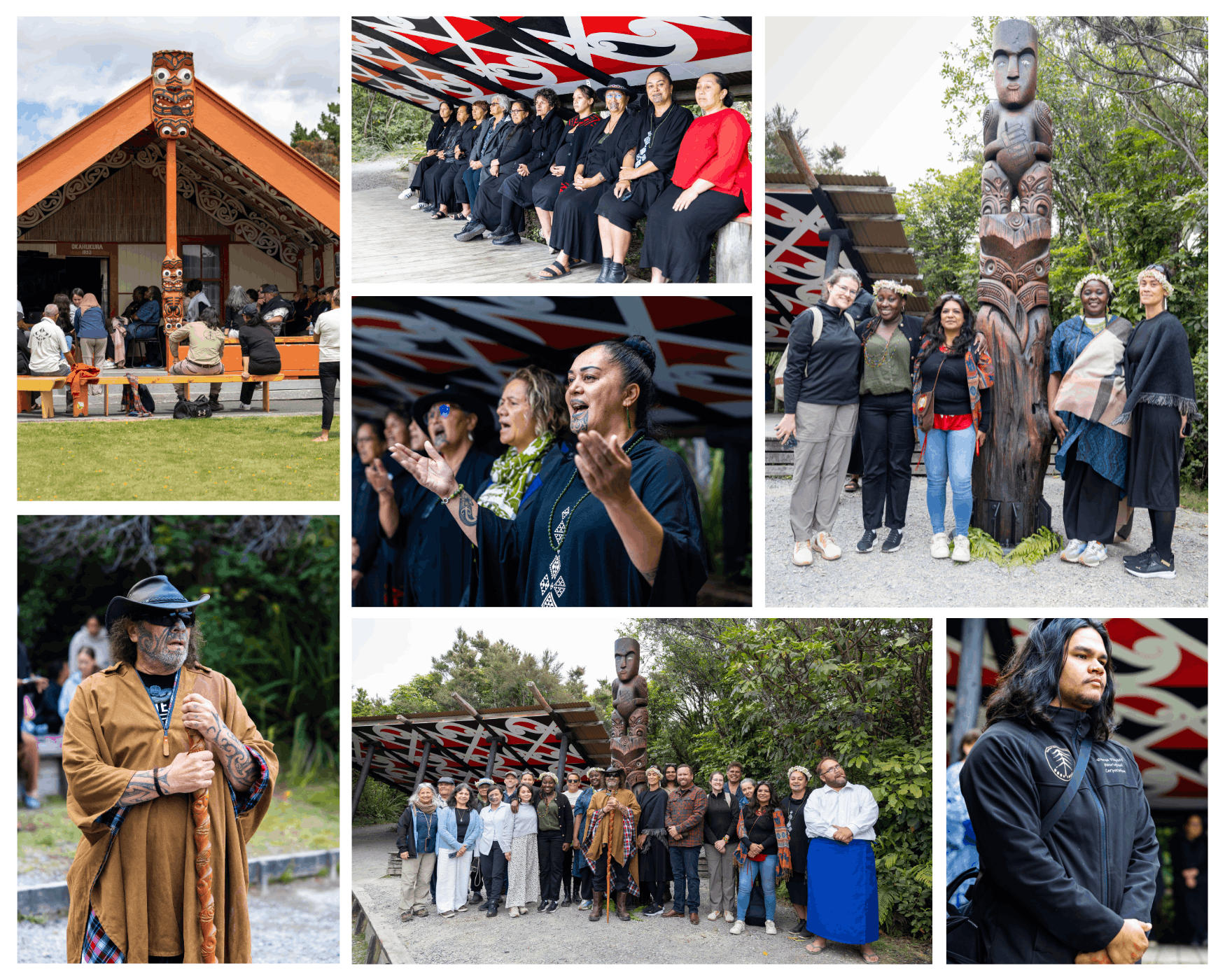
Day 3 Visit to TE POU O HINETAPEKA
On day 3, a visit to Te Pou o Hinetapeka was made.
Day 3 video summary:
Looking Ahead
This regional meeting was more than a gathering. It was a transformative step toward stronger Indigenous leadership in forest stewardship. By bringing together traditional knowledge and modern systems, the participants reinforced a shared vision: forests are not only resources, but living landscapes deeply connected to culture, identity, and future generations.
FSC-IF January Newsletter
New Year, new opportunites!
FSC IF
As we begin a new year, FSC Indigenous Foundation is looking ahead to 2026 with a clear and grounded vision: a future where the rights of Indigenous Peoples are fully honored, and Indigenous-led solutions are recognized as essential to protecting the world’s forests. In this spirit, we are also seeking financial partners who share our commitment to advancing Indigenous forest governance priorities that strengthen self-determined well-being, uphold knowledge systems, and support leadership rooted in community, culture, and territory.
Indigenous Peoples are not only key partners in forest protection, they are experts and leaders in safeguarding Mother Earth. In 2026, we will amplify Indigenous wisdom globally, elevate Indigenous governance in decision-making spaces, and support actions that nurture forests for generations to come.
Highlights of the month and upcoming activities:
Youth application school last call January 25th
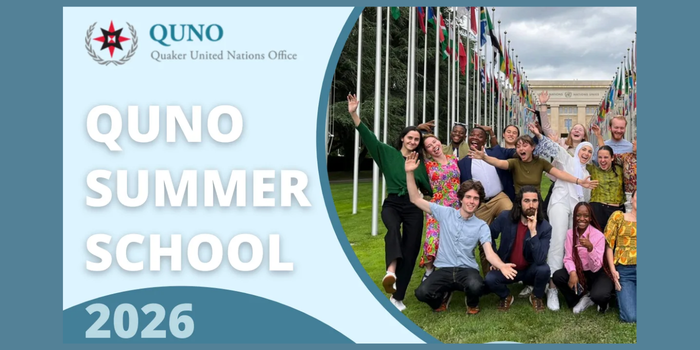
Applications are now open for the Quaker United Nations Office Summer School (QUNSS) 2026, a two-week programme in Geneva for young changemakers to deepen their understanding of the United Nations and multilateralism. Participants will strengthen their policy, negotiation, and advocacy skills while engaging directly with diplomats, UN officials, and advocates on topics including human rights, peacebuilding, migration, and climate justice. Open to applicants aged 20–26 from all regions and backgrounds, the deadline to apply is January 25, 2026 (23:59 CET).
The Indigenous Lands Symposium 2026 in Canada is a catalyst event bringing together Indigenous and non-Indigenous partners to embrace sovereignty, innovation, collaboration, and culture in sustainable forestry. With over 300 delegates from 35+ Indigenous Communities, the Symposium represents more than 7 million hectares of shared traditional territories and the leadership of Lands & Resources Development teams as stewards of our shared lands.
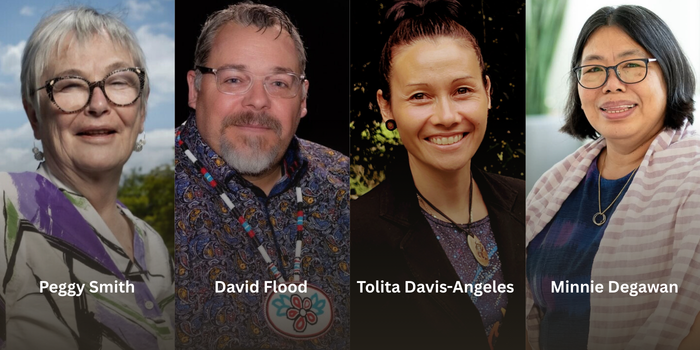
FSC Indigenous Foundation will be represented by Indigenous leaders Peggy Smith (FSC-IF Council member), David Flood (Vice-chair of FSC PIPC), Tolita Davis-Angeles (PIPC alternate representative for Oceania), and Minnie Degawan (FSC-IF Managing Director), who will be present throughout the event. The Symposium is organized by Wahkohtowin Development, where David Flood also serves as General Manager.
The CBD Workshop on Resource Mobilization (10–13 February 2026, Rome) will bring together Parties and stakeholders to advance discussions on closing the global biodiversity finance gap by 2030 and supporting upcoming negotiations at SBI-7 and COP-17. Held back-to-back with the sixth meeting of the Subsidiary Body on Implementation (SBI-6), it provides a space for informal dialogue on key resource mobilization priorities. FSC Indigenous Foundation (FSC-IF) will be participating in these discussions.
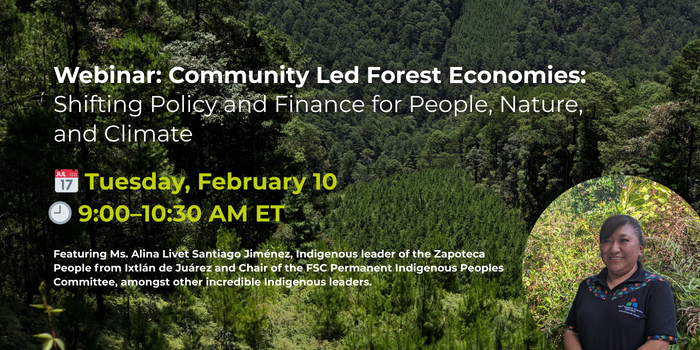
Webinar on Community-Led Forest Economies
📅 Tuesday, February 10 | 🕘 9:00–10:30 AM ET
Join Indigenous and women leaders, family farmers, scientists, and policy partners from the Amazon, Congo Basin, and Southeast Asia to explore how community-led forest economies can protect forests and strengthen fair livelihoods.
We’ll explore how to shift policy and finance from extractive models to community power, and chart next steps beyond COP30 toward equitable forest solutions for 2026 and beyond.
✨ Featuring Ms. Alina Livet Santiago Jiménez, Indigenous leader of the Zapoteca People from Ixtlán de Juárez and Chair of the FSC Permanent Indigenous Peoples Committee, amongst other incredible Indigenous leaders.
🌎 Interpretation available in English, Spanish, Portuguese & French
Join us this 2026 in supporting Indigenous-led solutions that uphold rights, strengthen forest governance, and protect Mother Earth’s forests for generations to come.