
Introducing our Deep Connections Fellows!
Indigenous youth from around the world will attend the One Young World Summit and join our youth network
Indigenous youth are the present and the future. They are the bridge between ancestral knowledge and the modern world, bearing Indigenous scientific knowledge and culture, and defending ancestral lands. For these reasons, we are happy to announce the 15 Indigenous youth leaders joining our Deep Connections Fellowship.
All fellows will join the FSC Indigenous Foundation’s Indigenous youth network and attend the One Young World Summit in Montréal, Canada from September 17-21, 2024.
Meet our fellows below!
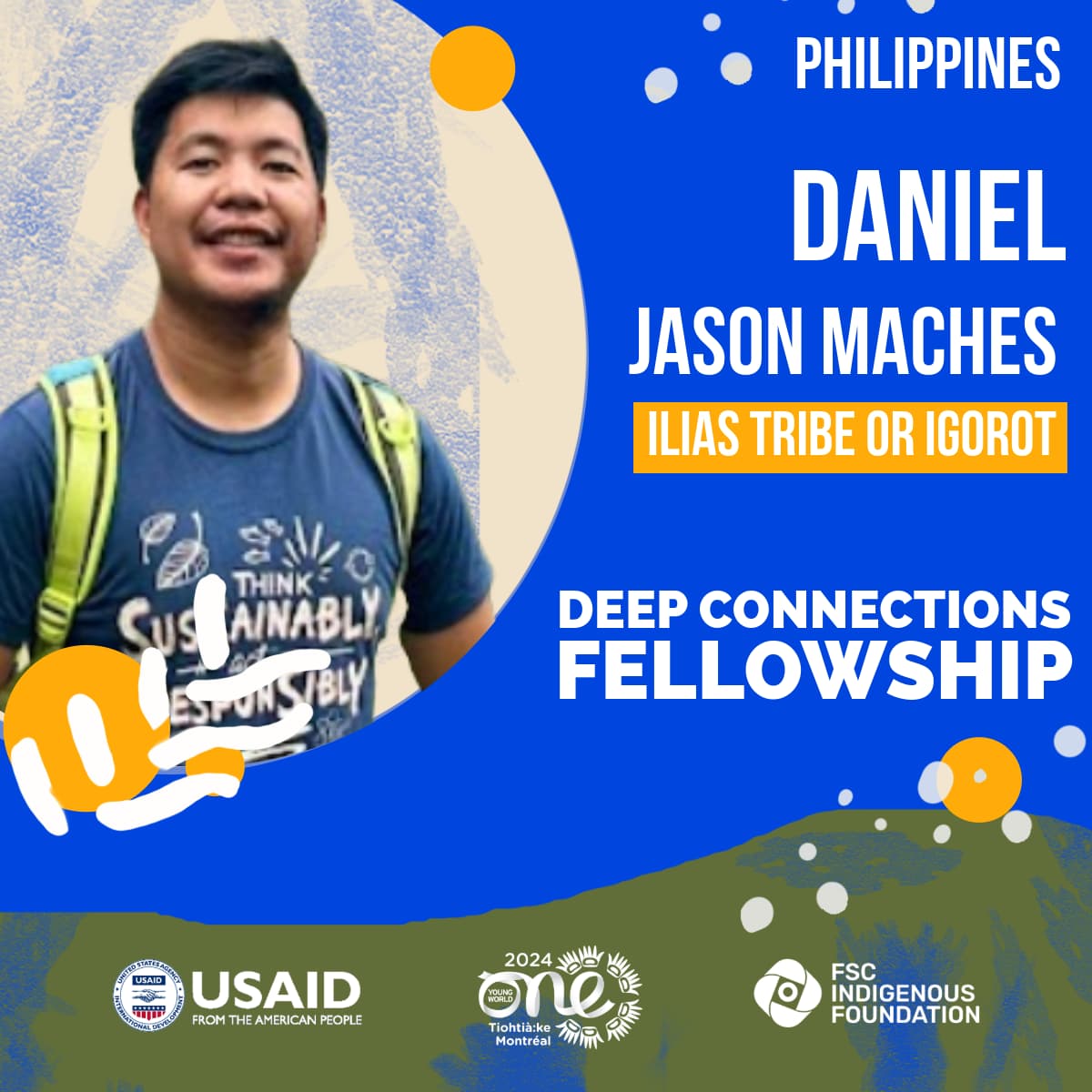
Daniel Maches
Country: Philippines
Daniel Maches or Kumafor is a young Indigenous leader from the Lias Tribe in the northern Philippines. Since high school, he has been advocating for the conservation of their forests and cultural heritage through publications and multi-media productions. He has also actively engaged with the youth to participate in the advocacy. In 2021, he started Barlig Rainforest Coffee Project to pilot sustainable agriculture in the community and develop sustainable livelihoods. It is his goal that through this project, more community members will be encouraged to plant crops sustainably considering Indigenous farming principles. Meanwhile, the project has also brought his community’s coffee to the mainstream limelight as the limited produce was showcased in national and international coffee exhibitions. In 2022, he started a Slow Food Community called Indigenous Youth Eco-Cultural Warriors of Mountain Province to promote Indigenous food preservation. At present, he is initiating projects to document and preserve the community’s heirloom produce and wild products with economic potential for preservation purposes. He has also called for stewardship of his community’s forests and actively contributed his insights to sustainability as a writer and columnist for leading national newspapers such as Manila Bulletin and Philippine Star. Likewise, he has championed his community’s cultural integrity in international events such as the Terra Madre 2022 in Turin, Italy, and the 2024 Slow Food Indigenous Youth Networks’ Training for Asia and the Pacific in Hualien, Taiwan. Today, he also leverages various social media platforms to amplify his advocacies and encourage local actions.
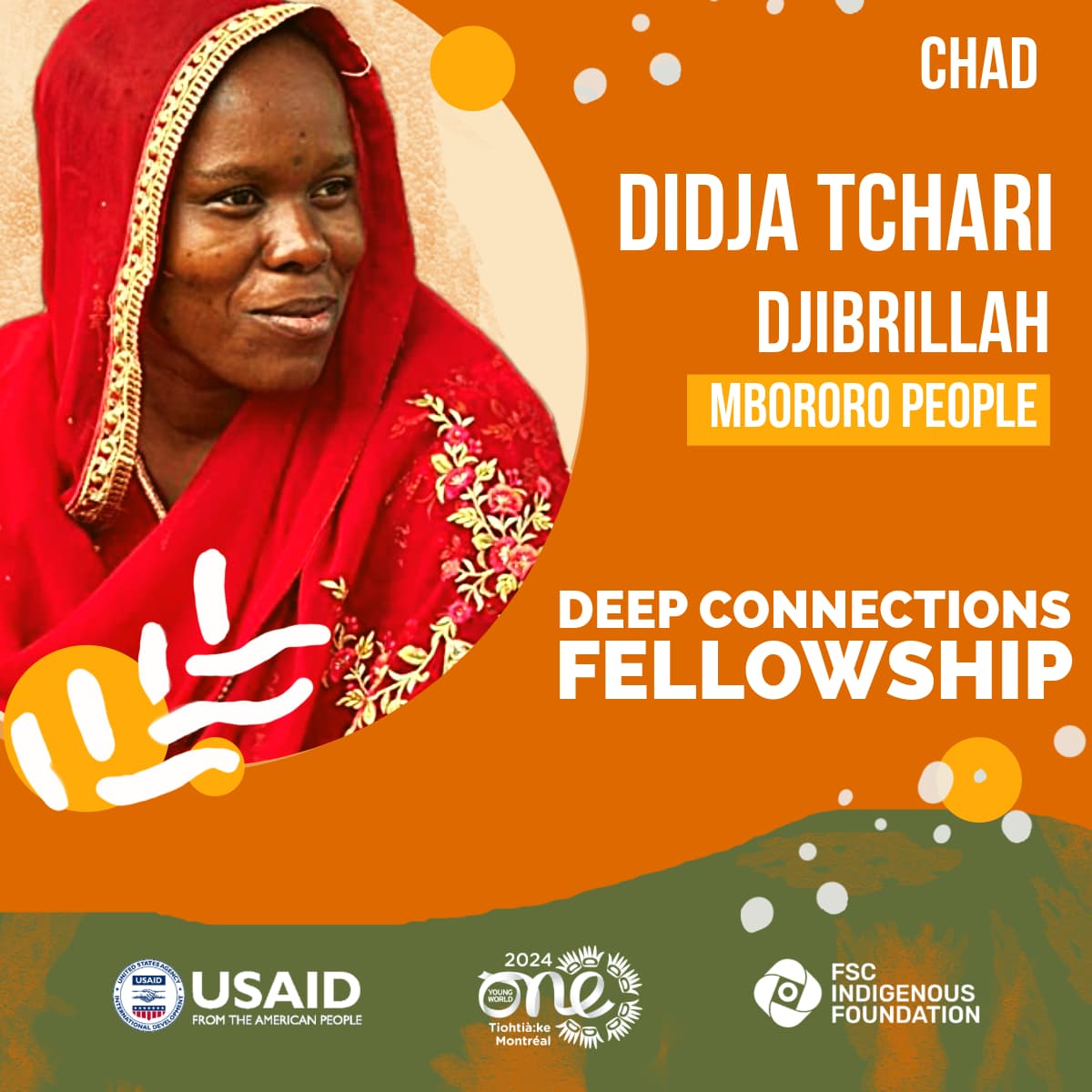
Didja Tchari Djibrillah
Country: Chad
From the Mbororos Fulani community of nomadic and semi-nomadic herders.
Primary studies in Bongor and secondary studies in Ndjamena, Holder of a diploma of a technical agent of health in the Institute of Sciences of Health and Sanitation Toumai. From 2012 to the present day, member of the association and Gender Officer and Assistant Treasurer of the Association Des Femmes Peules & Peuples Autochtones Du Tchad (Afpat).
2015 Intern at DOCIP in Geneva (Centre des Documentation et de Recherche et d’Information des Peuples Autochtones)
2017 Beneficiary of the scholarship program for Indigenous Peoples’ representatives.
2020 Intern at HCHD country office
Responsible for health issues at AFPAT. Trainer; translator, assists in drafting projects integrating the gender concept and community needs (also monitoring and evaluation).
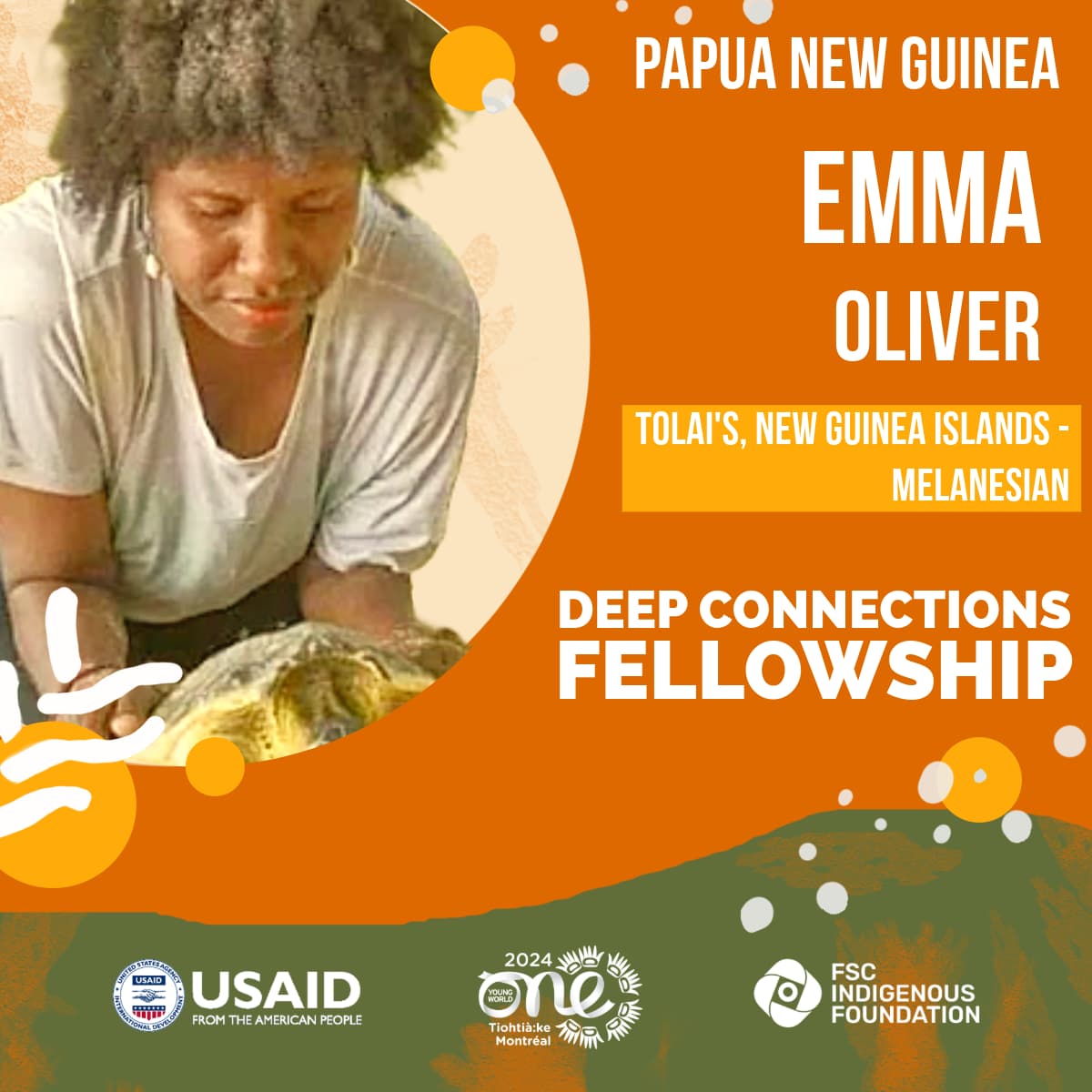
Emma Oliver
Country: Papua New Guinea
Emma Oliver a dedicated tutor at the Papua New Guinea University of Natural Resources and Environment (PNG UNRE), where I teach Eco & Wildlife Tourism, Sustainable Tourism, and Working with local communities. My passion for environmental conservation extends beyond the classroom, I actively engage with local communities to promote sustainable practices and protect biodiversity. As an Indigenous leader and the founder of ENB Sea Keepers, I am committed to preserving marine ecosystems and cultural heritage in East New Britain Province. My work involves combining traditional knowledge with modern conservation techniques to restore coral reefs, establish marine protected areas, and empower youth through education and hands-on training program called the Green Community Based Entrepreneur Program. Driven by a deep connection to nature and a desire to create sustainable livelihoods for my community, I am focused on inspiring the next generation of environmental stewards while safeguarding the natural resources that are vital to the survival and prosperity of our people
As an Indigenous leader in my community, I want to leave a legacy of empowered, self-sustaining communities that are deeply connected to their cultural roots and committed to preserving their natural environment. Through my participation in One Young World, I hope to inspire a global movement that values traditional knowledge alongside modern innovation, fostering a future where Indigenous voices lead in environmental conservation and sustainable development.
Growing up in a coastal village in Papua New Guinea, I witnessed the devastating impact of climate change and the unsustainable destructive practices of fishing using dynamite and poison rope on our coral reefs and marine life. Seeing our once-thriving ecosystems deteriorate and the livelihoods of my community threatened by these changes motivated me to take action. This personal experience ignited my passion for marine conservation and drives my commitment to empowering communities to protect our environment and preserve our cultural heritage for future generations.
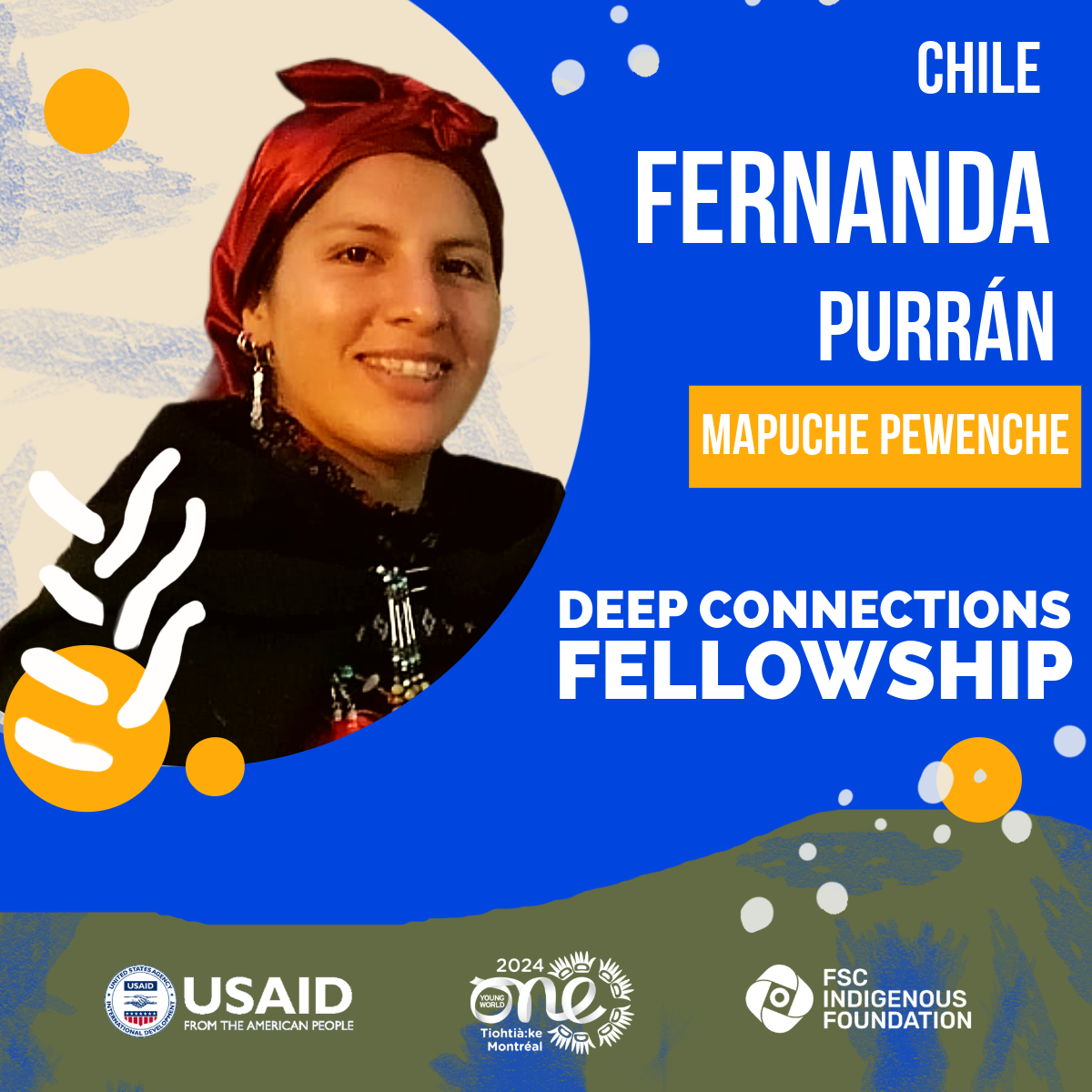
Fernanda Purran
Country: Chile
Indigenous People: Mapuche Penuche
My name is Fernanda Purran, Mapuche Pewenche, born and raised in the upper Biobío territory.
I am 32 years old, I grew up with my grandmother, a very strong woman who lost her husband, my grandfather, who disappeared during the coup d’état in Chile in 1973. Since I knew my grandfather’s story, I became a friend of the Biobío river and I was on its banks every day. My grandmother taught me to speak our language and told me since I was a little girl that our language was understood by the river.
My basic education was always in my territory, I learned to read and write. Since I was a child I saw my family fight for the defense of the river in the 90s when they threatened to build dams in the flow of the second longest river in Chile and sacred river for the territory. I studied tourism and worked for 3 years as a coordinator of a community tourism network, I trained as a mountain guide and guided some trails for a long time. At the same time, I joined environmental groups that fought against extractivism and took care of the mountains and rivers that I love so much.
When I was 23 years old I was called to teach in a school and there I spent 4 years working as a teacher of tourism, I took advantage of that beautiful opportunity to create spaces for dialogue with young people. We did a nice job, we were on a TV program showing everything we did. I liked teaching, and I started a postgraduate degree in professional technical education which I finished in 2018.
In 2016 my life took a course that has not stopped. With my friend Yoana we created a rafting team, to compete in the Biobío Vive festival, we had never sailed in our lives, however we won second place. This experience marked our lives and that is how we created Malen Leubu, a sports organization that seeks through sports such as rafting, to protest for free rivers. Malen Leubu has been my life in these 8 years. In 2017 I traveled for the first time to the Chilean Patagonia and navigated a river from the mountains to the sea, where I got to know a place that was about to be dammed. I was invited by the NGO Rios To Rivers to go as a monitor with 4 young people from Biobío.
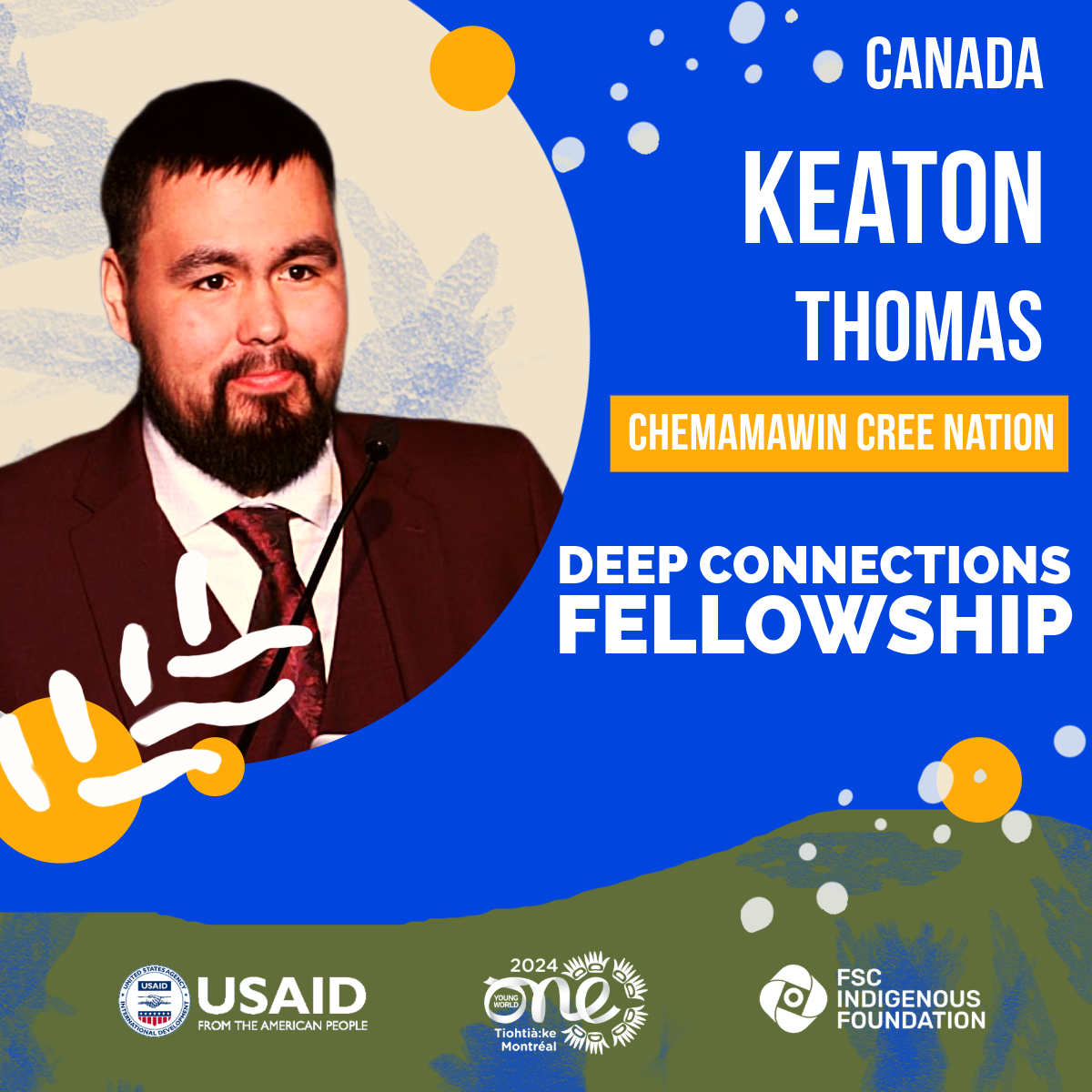
Keaton Thomas-Sinclair
Country: Canada
Indigenous People: Chemamawin Cree Nation
Keaton grew up in Mosakahiken and Chemawawin, deeply connected to his Cree heritage. After graduating from Frontier Mosakahiken School in 2017, he dedicated himself to serving his community as a Human Resources Coordinator at Chemawawin Cree Nation, where he strives to create a safe and supportive environment for all.
Keaton is also an active member of the Assembly of Manitoba Chiefs (AMC) Manitoba First Nations Youth Council, where he champions youth empowerment and the preservation of Indigenous traditions. His leadership is driven by his commitment to addressing critical issues such as violence, substance abuse, and the need for stronger support systems for youth.
Beyond his professional work, Keaton is an avid hunter, fisherman, and traveler, embracing the land and traditions of his people. He enjoys engaging with elders to learn about his nation’s heritage and sharing that knowledge with younger generations.
Keaton’s passion lies in community building and inspiring the next generation to create positive change. He believes in the power of unity and resilience, and he is dedicated to fostering an environment where everyone feels valued and supported.
Title: (AMC) Manitoba First Nations Youth Council
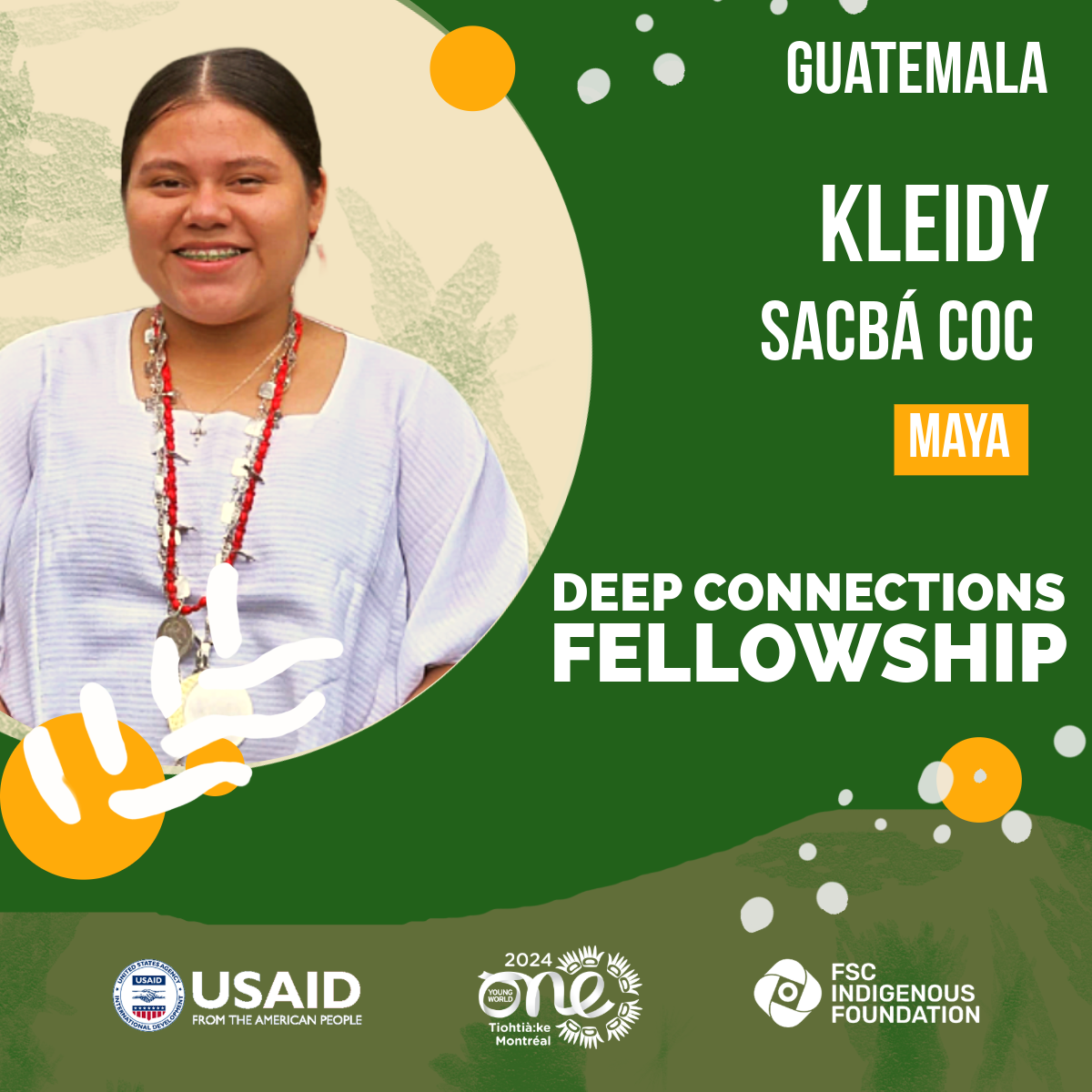
Kleidy Migdalia Sacbá Coc
Country: Guatemala
Kleidy Migdalia Sacbá Coc, a young Mayan Q’eqchi’, was born in Santa Catalina, La Tinta, Alta Verapaz, Guatemala.
La Tinta, department of Alta Verapaz, Guatemala, has been representative of the indigenous woman as Rab’in Aj Poop O’b’atz, Tezulutlan Princess and National Flower of the Mayan People, was named Favorite Daughter of Alta Verapaz, is an Expert in Natural Resources with a Sustainable Environmental Focus with an Agroforestry Technician and is currently studying Agronomy Engineering at the URG.
She works for CONEXIÓN ICCO LATINOAMERICA, promoting the development and economic empowerment of youth and Indigenous women in rural areas and communities to improve their living conditions in Costa Rica, Honduras, and Guatemala. It is part of the Regional Coalition for the Right to Live in a Healthy Environment in Central America of ASDEPAZ where it has promoted the Escazú Agreement.
She promotes the digital project Q’eqchi’ Xnimal Ruhil Chaq’rab’ where she shares informative content such as the Articles of the Political Constitution of the Republic of Guatemala, Environmental Awareness, and Social Problems in the Maya Q’eqchi’ language to inform Indigenous communities about their rights as Guatemalan citizens promoting the inclusion and promotion of cultural identity and environmental education.
As an activist, she has advocated for the rights of youth in Guatemala demanding the implementation and approval of a National Youth Law, where the conviction was born to start working for youth and create spaces to strengthen openness and participation in all social and environmental spheres.
“Let’s contribute with each of our strengths at all levels and spaces of social and environmental action for the construction of a better country for future generations.”
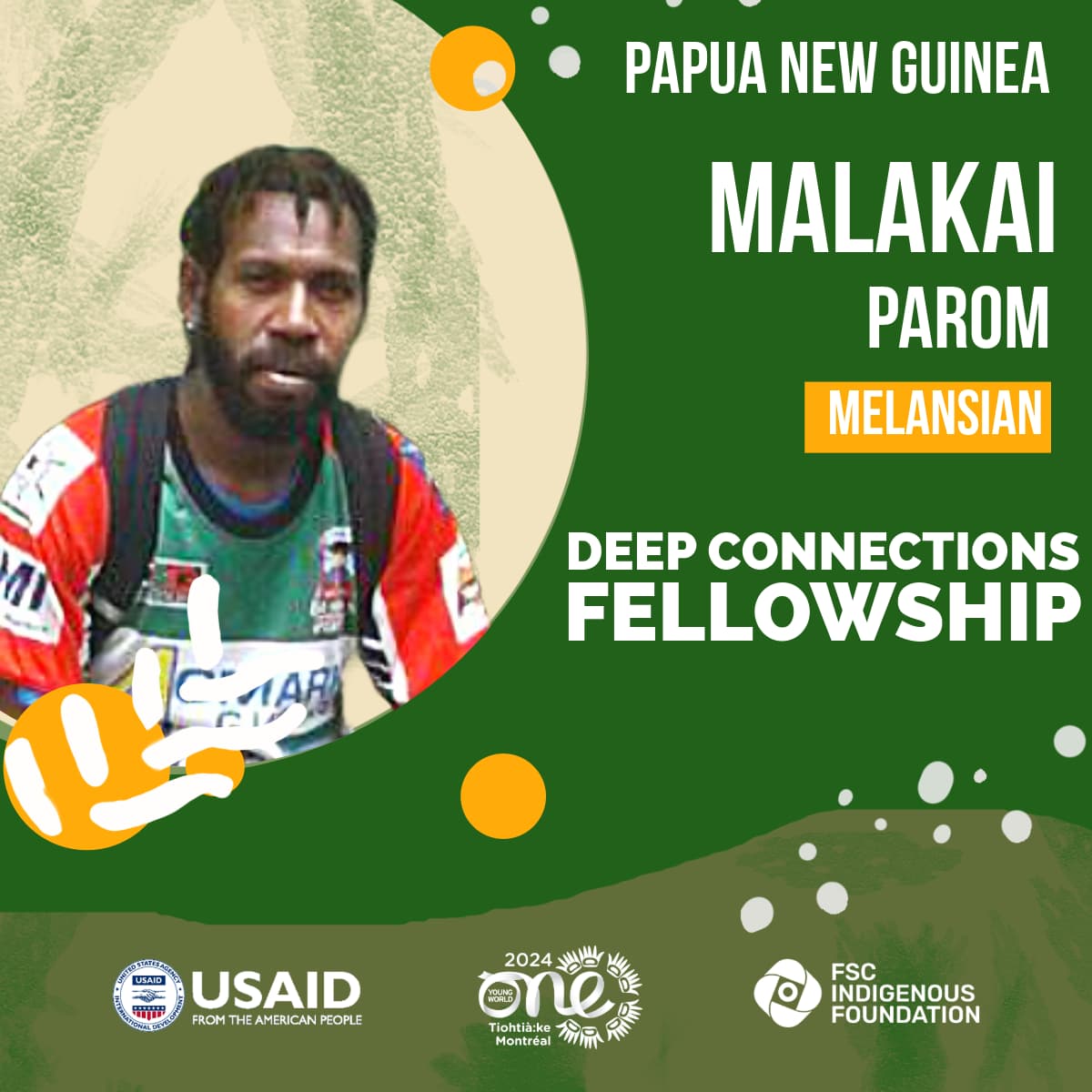
Malakai Parom
Country: Papua New Guinea
I hold a Bachelor’s Degree in Forestry and a certificate in Tropical Ecology from the Nugini Binatang Research Institute in 2015, and have been working with Rainforest Habitat and Conservation organization in the areas of Entomology, Zoology, and Landscape for environmental beautification before I left to my Bachelor of Science in Forestry at the Papua New Guinea University of Technology Forestry Department, majoring my final year projects in seeds biology of plantation forest and natural forest pests and diseases infestation. The key responsibilities I was involved in included a scope of work at environmental assessment, biodiversity survey, species collections in traps, schools, community, and village awareness about the importance of biodiversity as a non-timber forest products, and supervision of production with use of available labor and resources. With those experiences, skills, and knowledge, I believe I am suitable for the position applied for, and can contribute meaningfully to the Organization’s aims, goals, and objectives. I am young, energetic, and flexible to work in any given working environment and can achieve targets and meet deadlines.
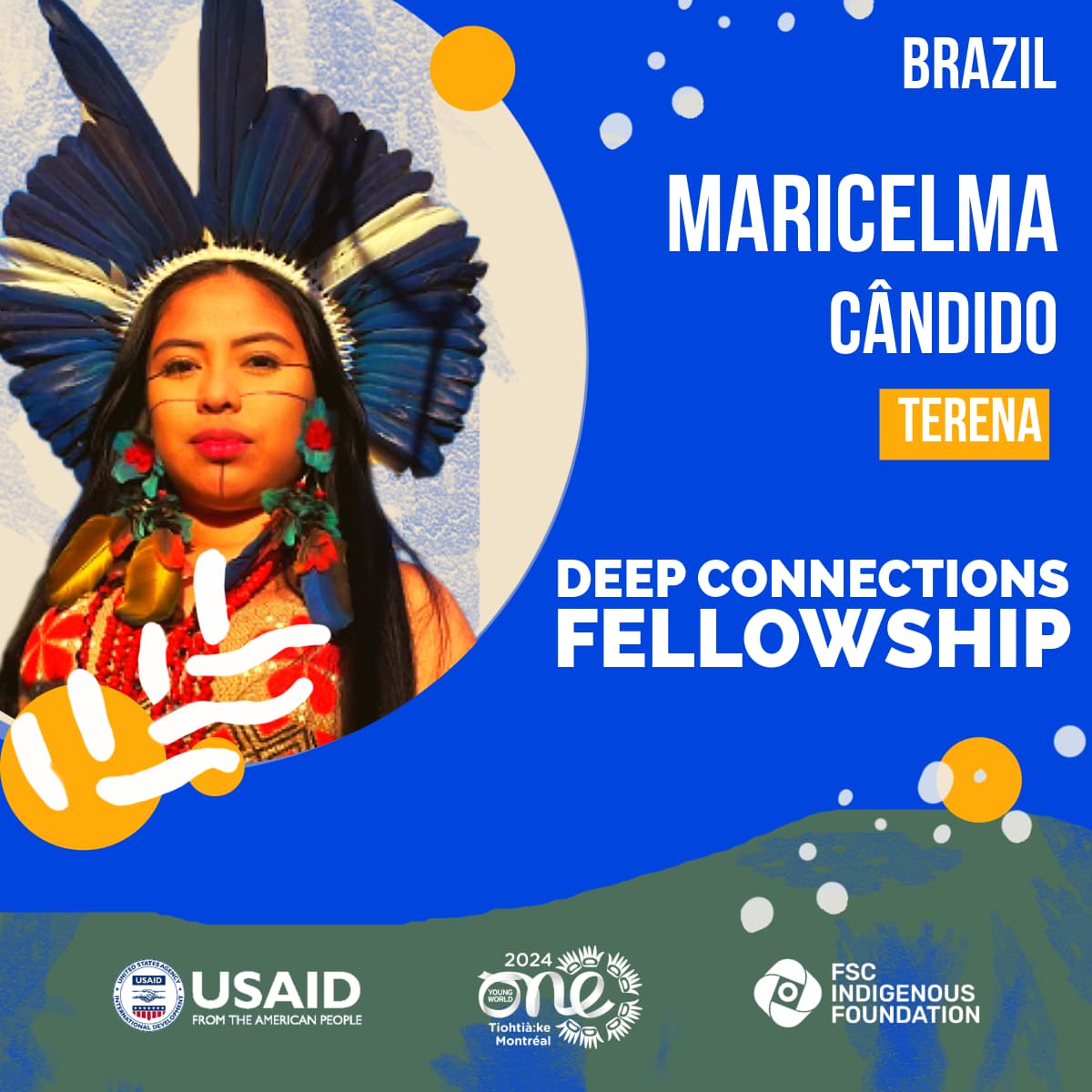
Maricelma Fiaho
Country: Brazil
Maricelma Fialho, an indigenous woman of the Terena ethnic group, was born and raised in Bananal Village, located in the interior of Mato Grosso do Sul, Brazil. The daughter of a single mother, Maricelma faced a childhood marked by humility but found an opportunity for growth in education. At the age of 17, she left her village to start her degree in Biomedicine, overcoming challenges to become the first Terena biomedical doctor.
A graduate of the Faculty of Medicine at the Federal University of Mato Grosso do Sul, Maricelma holds a Master’s degree in Infectious and Parasitic Diseases and is currently a PhD candidate in the same graduate program. Her research focuses on neglected rural Indigenous communities, seeking solutions to health problems that affect her community.
In addition to her academic achievements, Maricelma is a volunteer translator of the Terena Indigenous Language for the Brazilian Red Cross and treasurer of the Terena Intercultural Education Institute. Her leadership and commitment to education and health have benefited her community.
Internationally, Maricelma represents Brazil in the Youth Leadership Coalition (IYLC) Latin America, giving Indigenous youth a voice in global discussions about civic and political participation. Her participation in the White House Tribal Youth Forum and other important meetings highlights her role as an emerging leader in defending the rights and health of Indigenous communities.
“Terena Indigenous Woman, I honor my roots in Bananal Village by using ancestral strength, education, and science to uplift my community and build a just and sustainable future.”
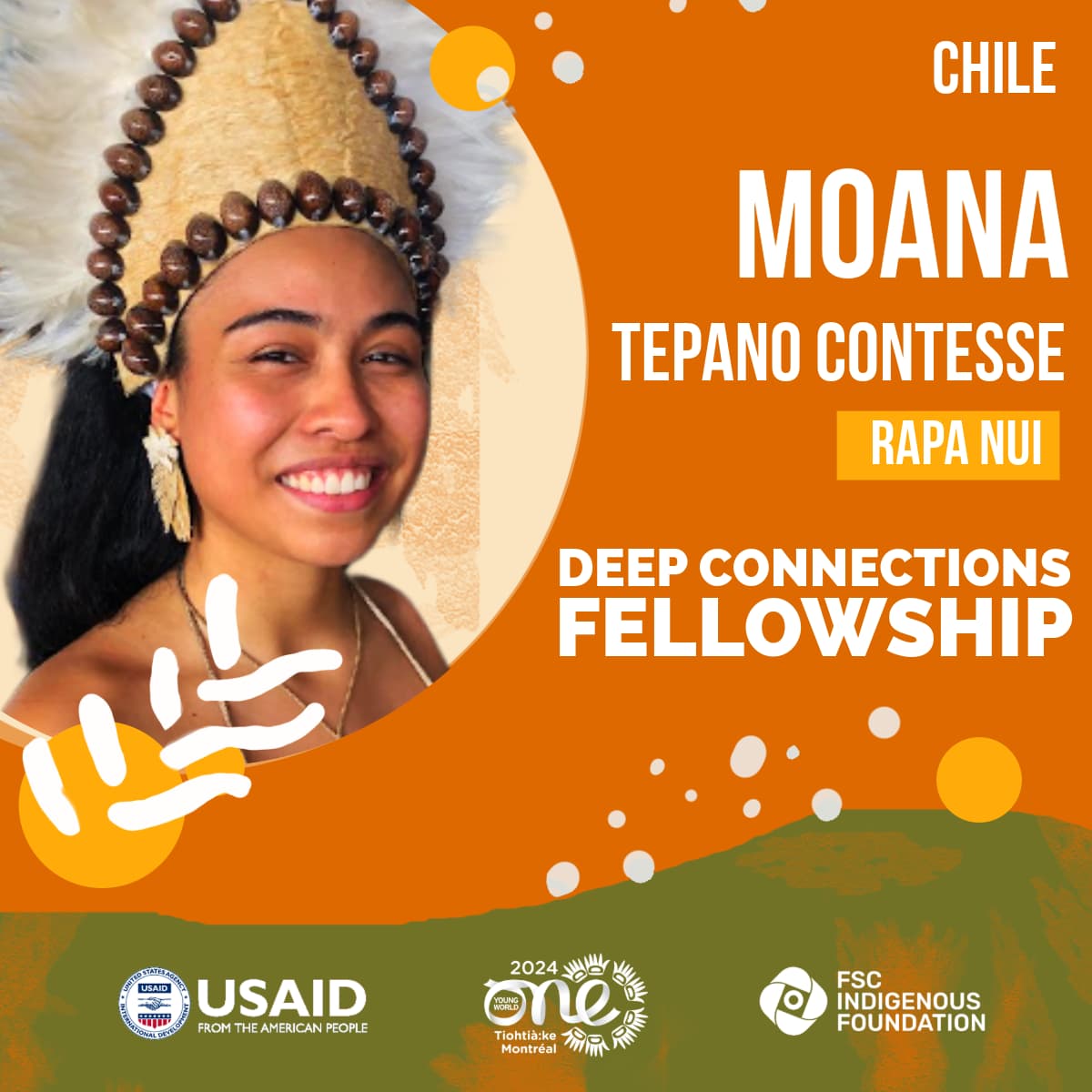
Moana Tepano
Country: Chile
Indigenous People: Rapa Nui
Moana Tepano Contesse is a young socio-environmental defensor from Rapa Nui Island and student of a Bachelor of Social Studies with major in Territory Planification and Sustainable Development
She is co-founder and current president of the youth organization Mo’a Mau o te Taure’a-re’a or Great Respect from young people to young people, which promotes various initiatives, such as workshops, coastal cleanups, discussions and summer schools for young people in order to revitalize the ancestral value of Mo’a or respect, towards different areas (personal, social, cultural and environmental) of our lives, with emphasis on mo’a towards nature, thus achieving Sustainability from a unique Rapa Nui cultural perspective.
Is also part of the recent Rapa Nui young student organization around the world called Haka Nonoga. He has participated in different meetings at the local, national and international level on climate change, environmental conservation, youth leadership and sustainability (LCOY, RCOY, COP24, COP27).
She has dedicated time to learn about her roots through wise masters of Rapa Nui, who have shared with her, for example the tākona practice (body painting) she has found a way to express and send a message to people about issues as important as the environmental protection and gender equality. All these expressed using Rapanui language.
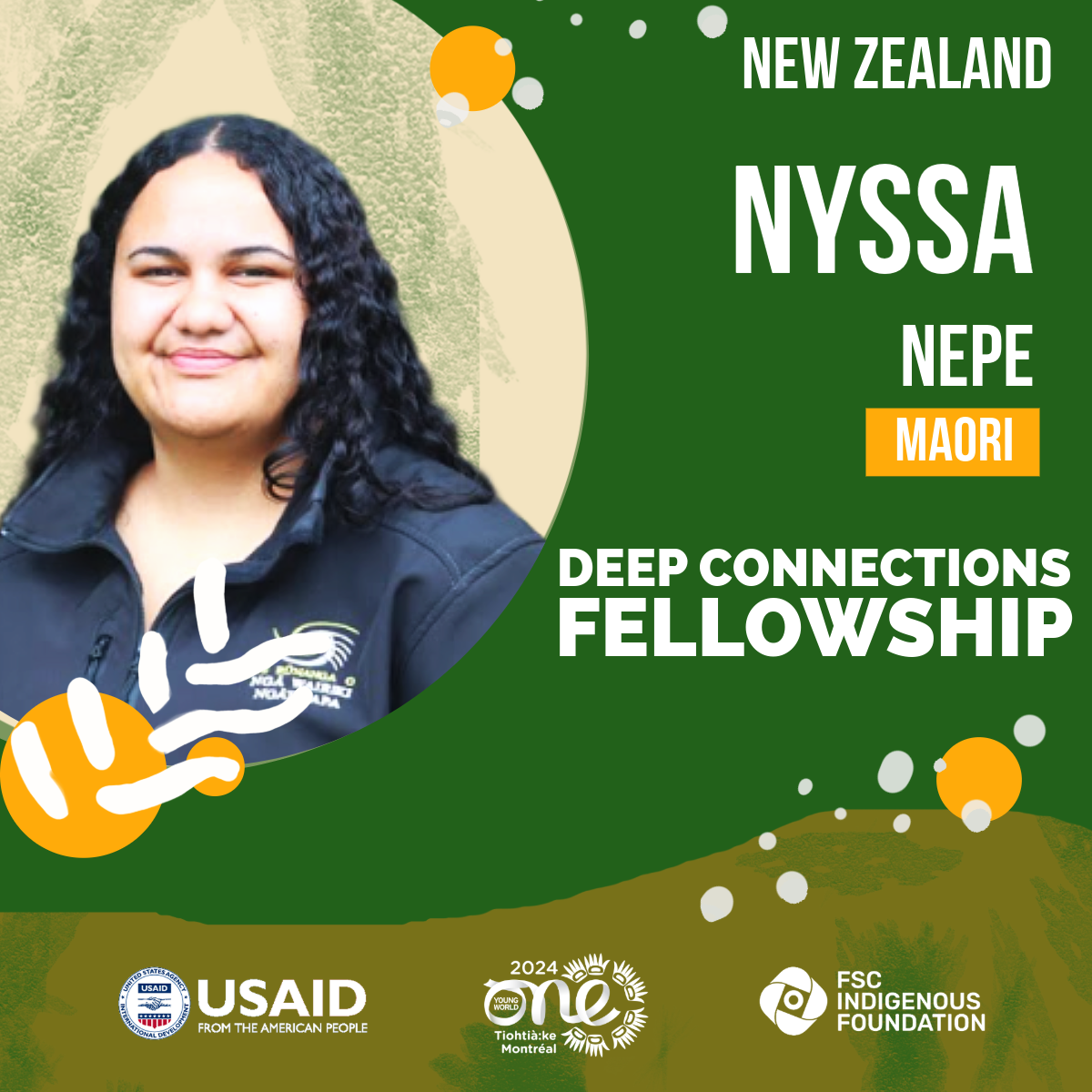
Nyssa Nepe
Country: New Zealand
Indigenous People: Maori
kia ora
He uri au Ngā Wairiki Ngāti Apa, Nga Rauru Kiitahi,
Te Arihaunui-ā-papaerangi, Tuwharetoa
Hello, my Name is Nyssa Nepe, I am 20 years old and from a country called Aotearoa. I work with my tribe doing research and administration and facilitating our youth leadership scholarship program Maripi Tuatini. I am honored to be a part of this experience and cannot wait to fill my cup with more knowledge in how to x better leader not only for my people but for the world.
“Don’t ever be ashamed of who you are.”
Rayen Alarcón Lipin
Country: Chile
Indigenous People: Mapuche
I am the oldest of three siblings, my mother is Mapuche so raised us together with my father as Mapuche, with the traditions and worldview that she obtained in the community. My mother and father are beautiful people who have always tried to give us the best principles and supported us in our struggles and dreams.
From a very young age I have felt a commitment to the Mapuche people, my mother says that my grandfather Pedro Lipin Motro was a fighter for the territorial and human rights of our people; in turn my grandmother Graciela Millalén Huenchuñir always saw that education in both worlds would be mechanisms to achieve recognition and respect for our identity. So I seek to influence, in all spaces, from a positive leadership, with firm principles and collective commitment, that is to say, with territorial reality. As a young person who has been able to access university education without losing my Mapuche relevance and identity, it is essential to give back and contribute continuously with the knowledge and tools acquired with my people, and other Indigenous Peoples.
I advise various Indigenous organizations in the different communes of the Metropolitan Region, mainly urban and also rural Mapuche communities, on issues of ILO Convention 169, restitution of Indigenous lands and waters, change of Mapuche surname, human rights of Indigenous Peoples at the international level.
I contributed as an Indigenous advisor in the process of the Constitutional Convention of Chile. In 2024 I received the “Leader of the Future” award from Universitas 21 in recognition of my contribution to global collaboration through active leadership in generating social change and promoting the education of others.
“We are the reflection of the struggles of our ancestors, the principles of our roots, the Mapuche people, are our guide, therefore everything that we learn we must share with our people.
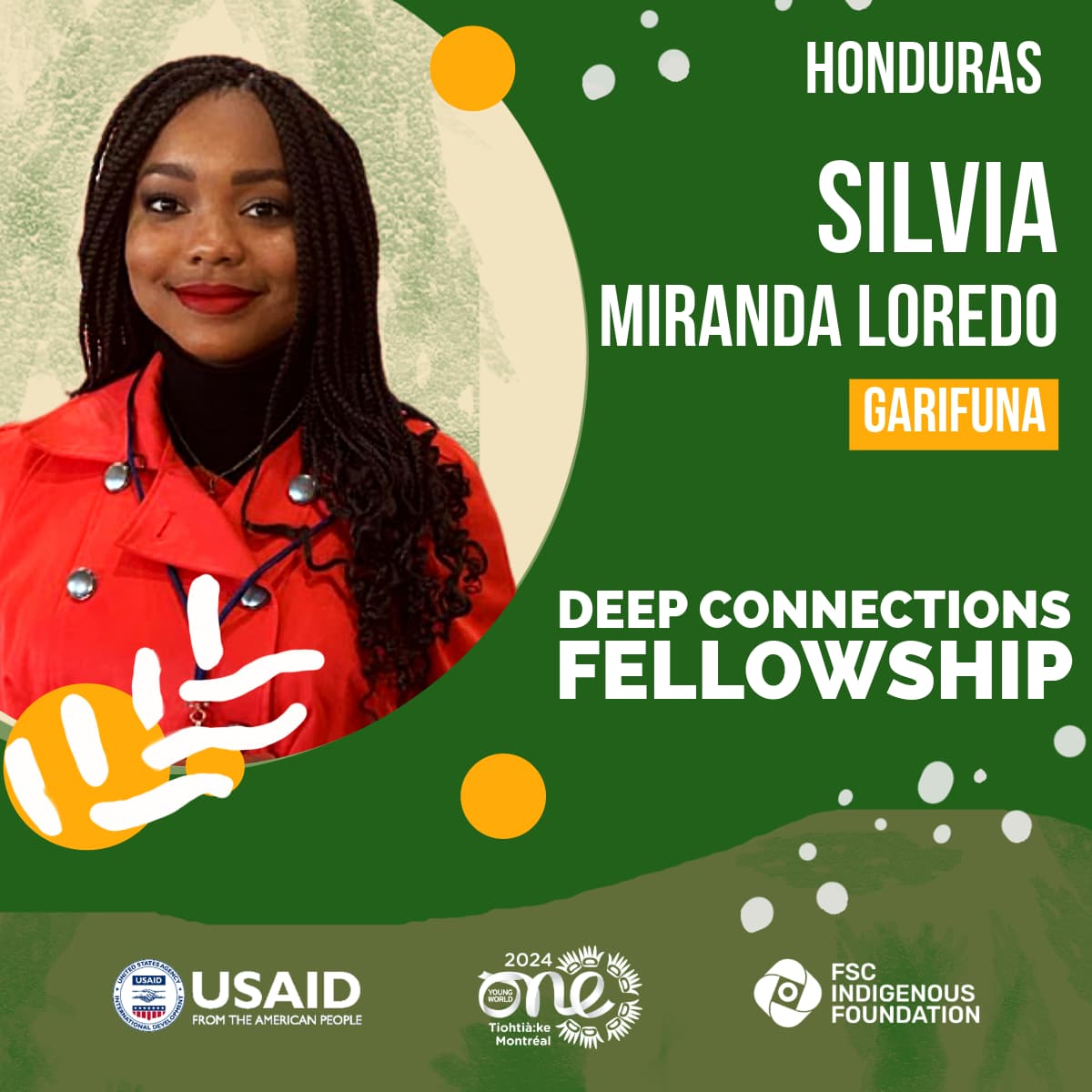
Silvia Miranda
Country: Honduras
Silvia Miranda Loredo is a Honduran Garifuna lawyer with a strong focus on advocating for equal human rights, peacebuilding, and promoting women’s empowerment. She is the founder and president of Fundación Mujeres con Poder which aims to provide financial and academic resources to indigenous and Afro-descendant women and girls in their lifelong learning.
Fundación Mujeres con Poder empowers women and girls through peace-building activities, leadership workshops, and English classes that encourage them to stand up for their rights. By pursuing peace, equal rights, and women’s empowerment, Silvia hopes to bring education to marginalized communities. Silvia is currently pursuing her Masters in Business Administration at the European Business School. Silvia desires a more peaceful and equitable environment where all girls have access to quality education.
Tiana Jakicevich
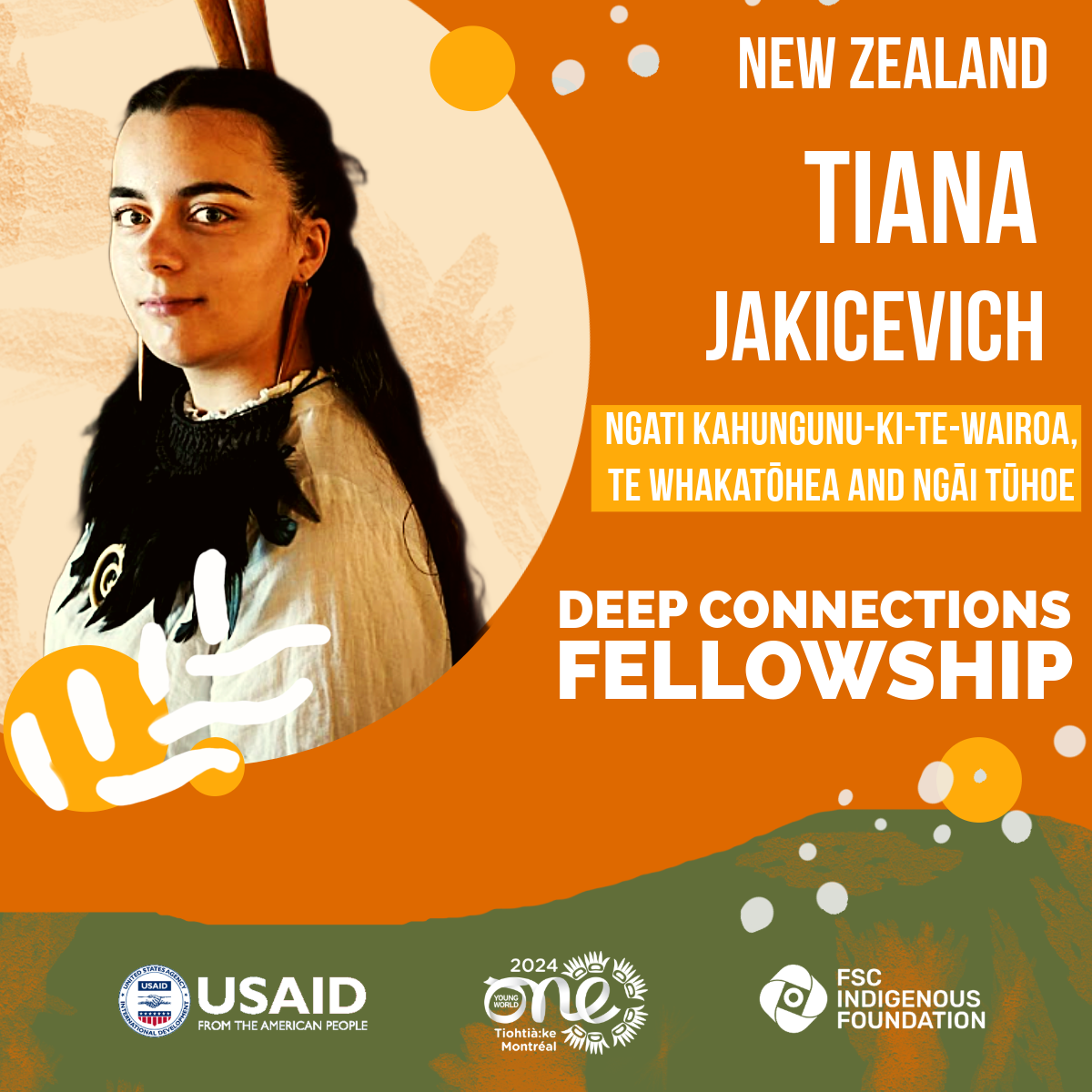
Country: Aotearoa (New Zealand)
Tiana Jakicevich is an interdisciplinary Indigenous, human rights land and oceans defender, from Aotearoa New Zealand. She is a descendant of Ngāti Kahungungu ki Te Wairoa, Whakatōhea, and Ngāi Tūhoe, three tribes on the east coast of the North Island.
Tiana grew up surrounded by the forests and oceans of her ancestors. She holds an intrinsic understanding that the solutions to the climate crisis are tied to the decolonization and restoration of Indigenous knowledge systems and relationships with people and place.
Tiana champions the protection of human rights and Indigenous Climate Justice within her communities in Aotearoa, New Zealand, and internationally with Indigenous communities across the globe and within various United Nations mechanisms. She is a co-founder of Pakiaka, an Indigenous Climate Justice think tank, that builds the capability and capacity of Indigenous Peoples to engage proactively rather than reactively in this realm.
Tiana is currently co-leading a project across the Pacific to explore the revitalization of Indigenous knowledge systems to mitigate and adapt to climate change. She also sits as member of the Pou Herenga (Māori advisory board) to the New Zealand Climate Change Commission.
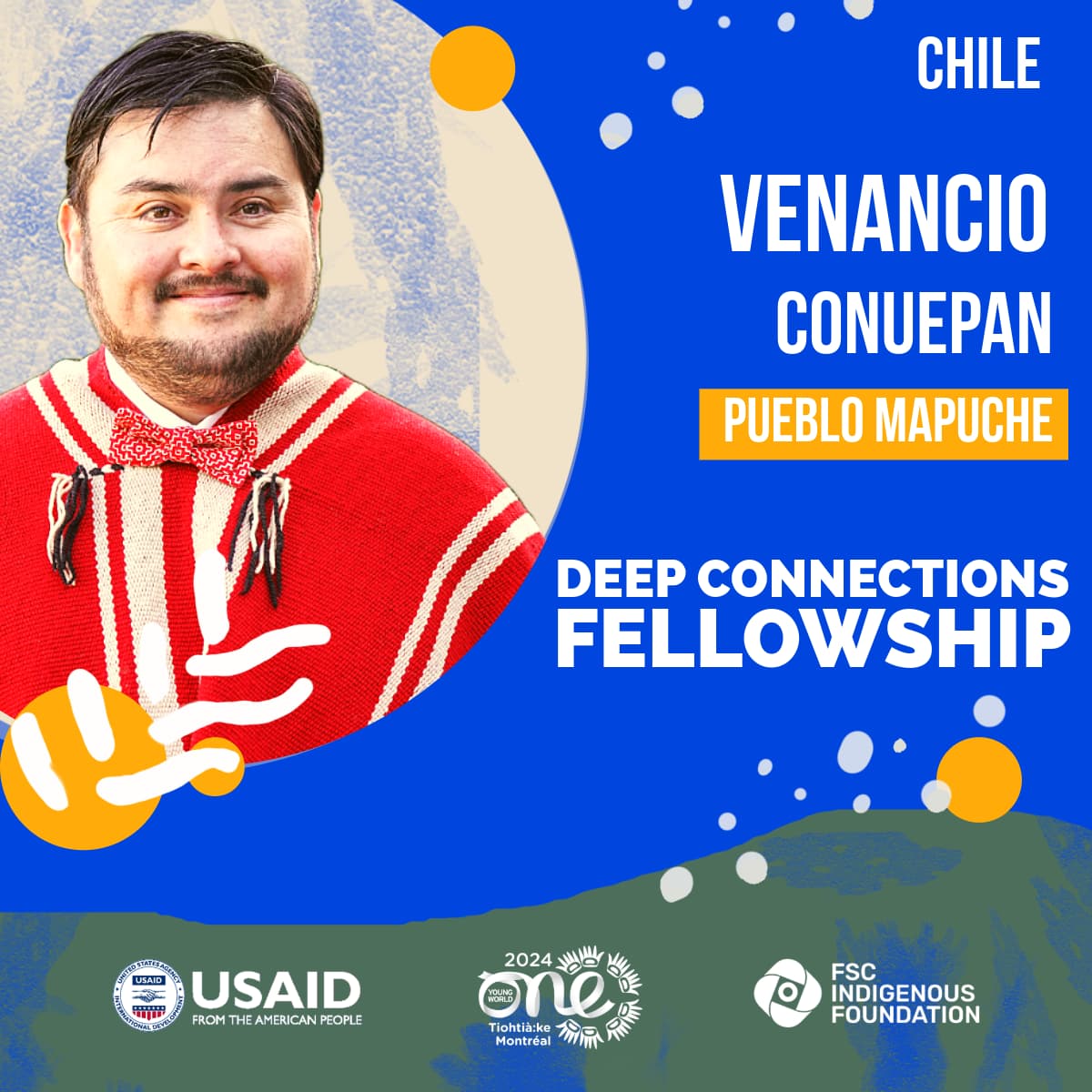
Venancio Coñuepan
Country: Chile
Venancio Coñuepan is a global leader, Indigenous Mapuche activist, lawyer, social entrepreneur, and international consultant. His mission is to transform the paradigm of Indigenous Peoples, promoting their recognition, empowerment, and development, and ensuring their impact on climate action, sustainable development, and peacebuilding. As Director of Impacto Indígena, an Indigenous consulting firm, he drives the quadruple impact of Indigenous entrepreneurs and organizations in Chile and Latin America, encompassing social, environmental, economic, and cultural dimensions.
Venancio is also co-founder and director of Fundación Empresas Indígenas, director of Fundación Pacto Social, Global Solvers of Fundación Melton, and president of Fundación Koñwepang-Millakir por el resto del Mapu y la Reconciliación de los Pueblos, where he works to position Indigenous Peoples as key players in the global sustainability and human rights agenda. His innovative approach challenges traditional conceptions, highlighting the role of Indigenous Peoples as full partners in creating a more equitable and resilient future.
With a strong background in Indigenous Peoples’ human rights, socio-environmental mediation, business and human rights, and corporate sustainability, Venancio has been a leading advisor and director in several organizations. His leadership focuses on designing impactful projects and forging strategic alliances that promote the value of Indigenous Peoples in building a more just and sustainable world for all.
Yodhikson Bang
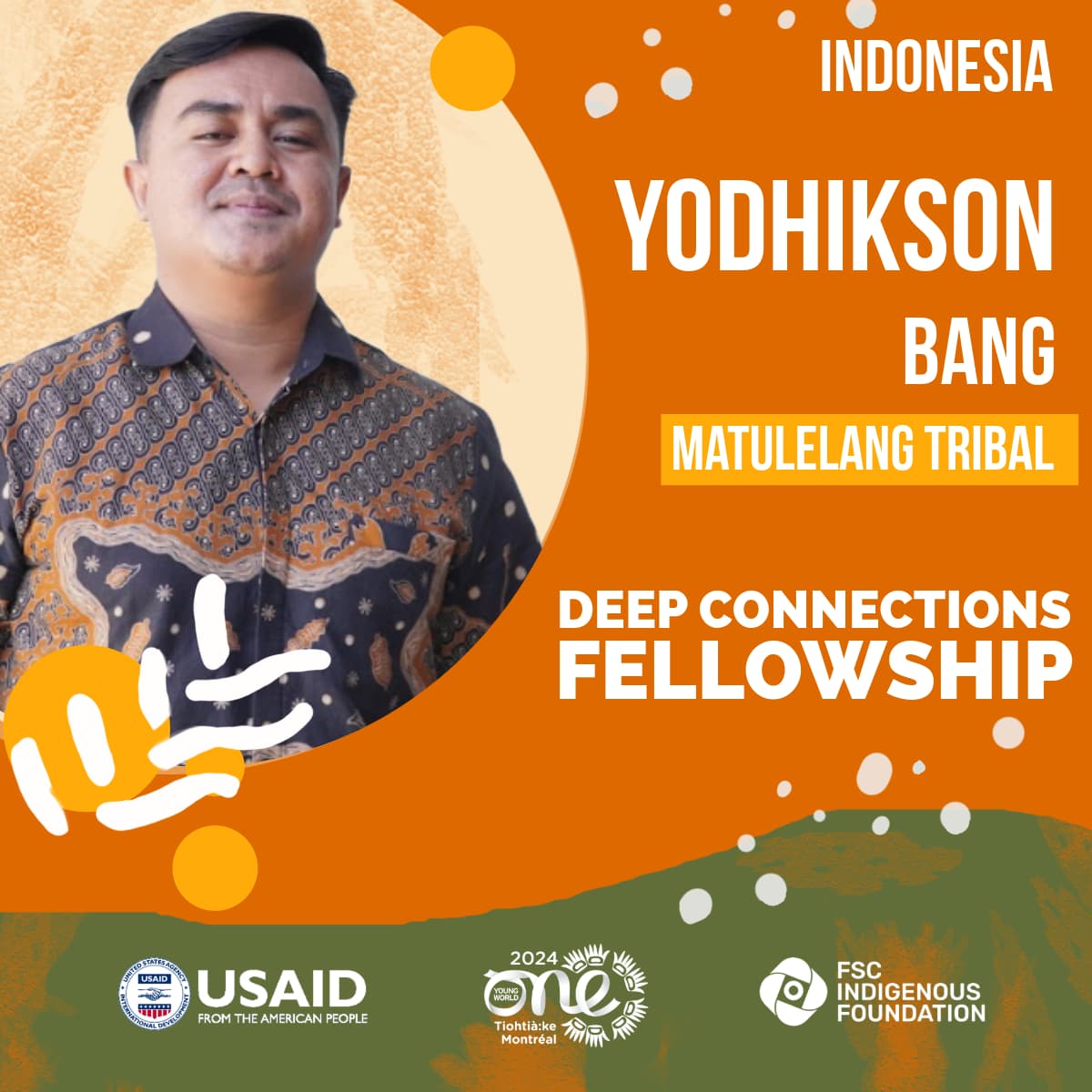
Country: Indonesia
Member of Matulelang Tribe, Alor Island, Indonesia
My name is Yodhikson M. Bang (Dicky), and I am a member of the Matulelang Tribal group from Alor Island, East Nusa Tenggara, Indonesia. I am the Operations Manager at Thresher Shark Indonesia (Yayasan Teman Laut Indonesia), a youth-led NGO focused on conserving endangered thresher sharks and supporting coastal communities. In my role, I lead field projects and build relationships with partners, including the government, indigenous communities, tourism actors, and the public. Currently, I lead and support several projects: improving marine resource conservation and empowering small-scale fisheries in Alor, integrating marine conservation curriculum into elementary schools, assisting former shark fishers and their wives in new livelihoods, and conducting extensive conservation outreach across Alor, Flores, and Banda regions.
Before joining Thresher Shark Indonesia, I was a Facilitator at Humanity Inclusion. I helped vulnerable community groups, such as women, girls, and people with disabilities, gain equal access to economic development. Additionally, I lead my church community, motivating youths to maximize their potential by minimizing plastic use and restoring mangrove areas for climate resilience.
Through this fellowship, the FSC Indigenous Foundation (FSC-IF) and the United States Agency for International Development (USAID) support Indigenous youth leadership. If you would like to partner with us and support young Indigenous leaders to innovate with ancestral knowledge and address climate change, please contact us at fsc.if@fsc.org.