
News

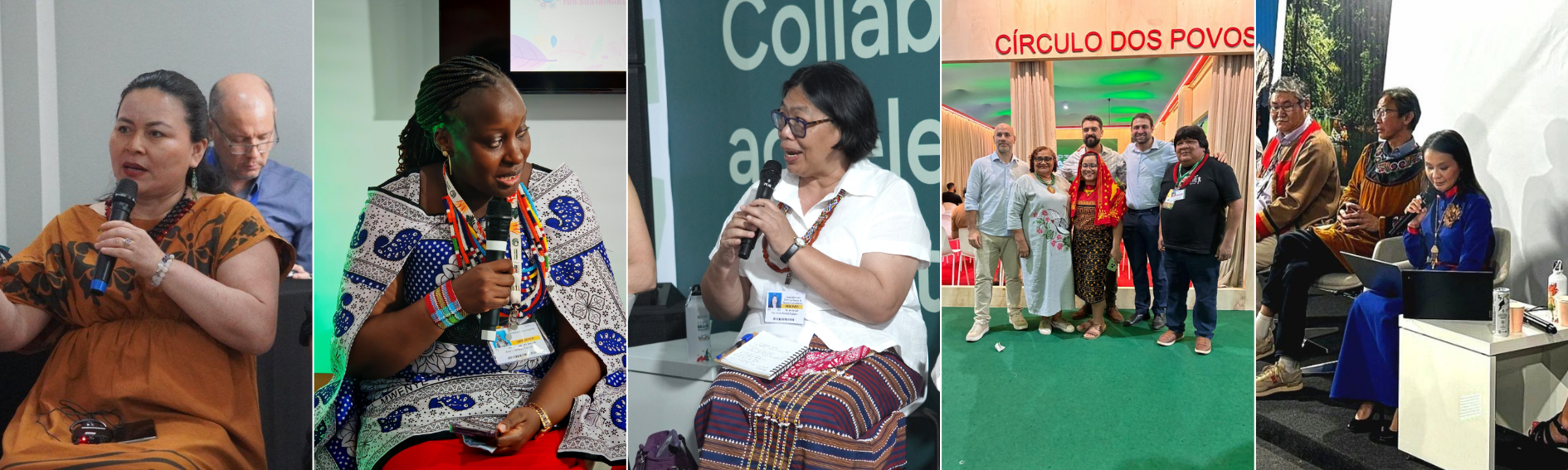
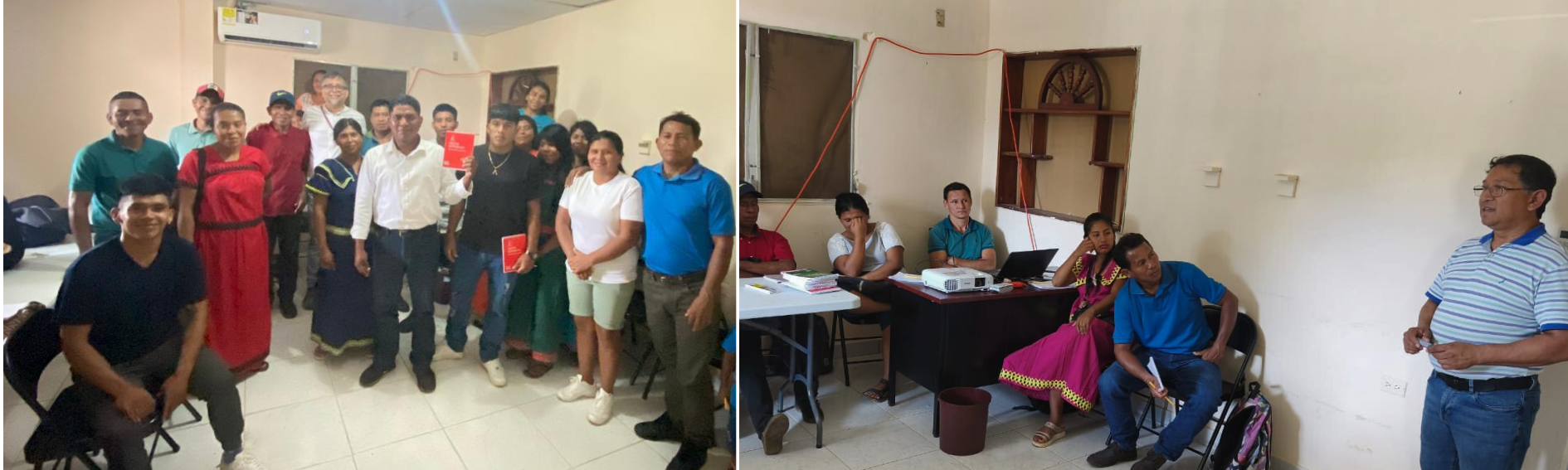
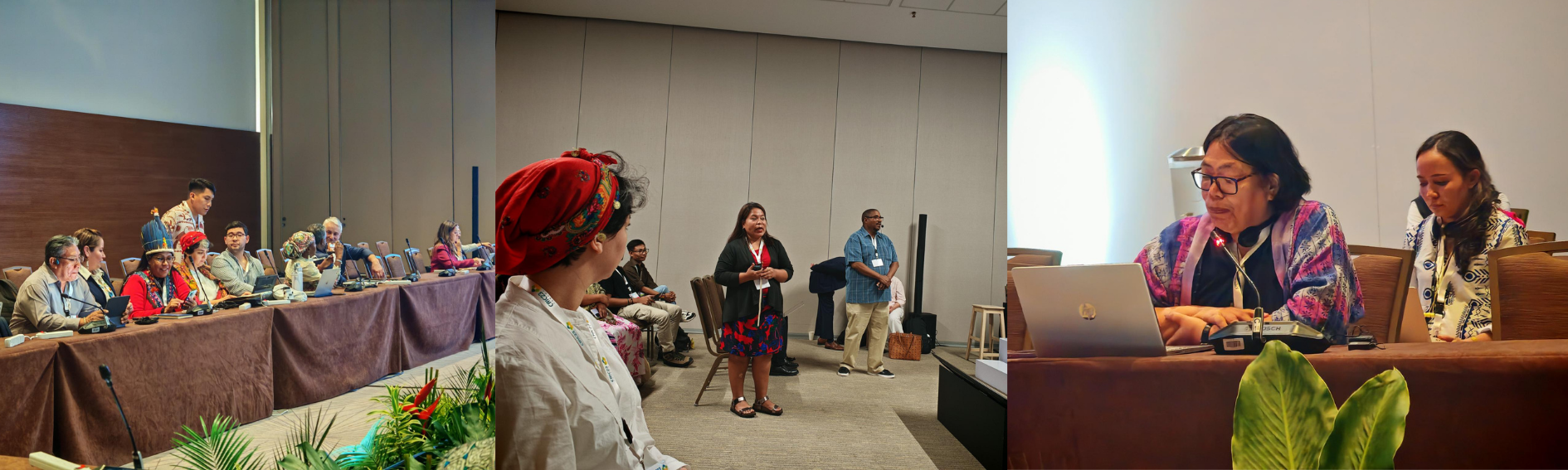
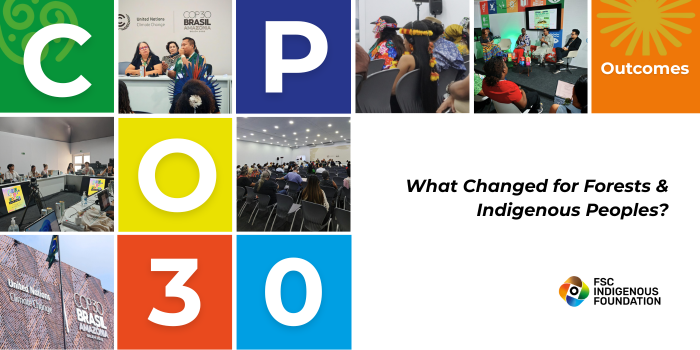
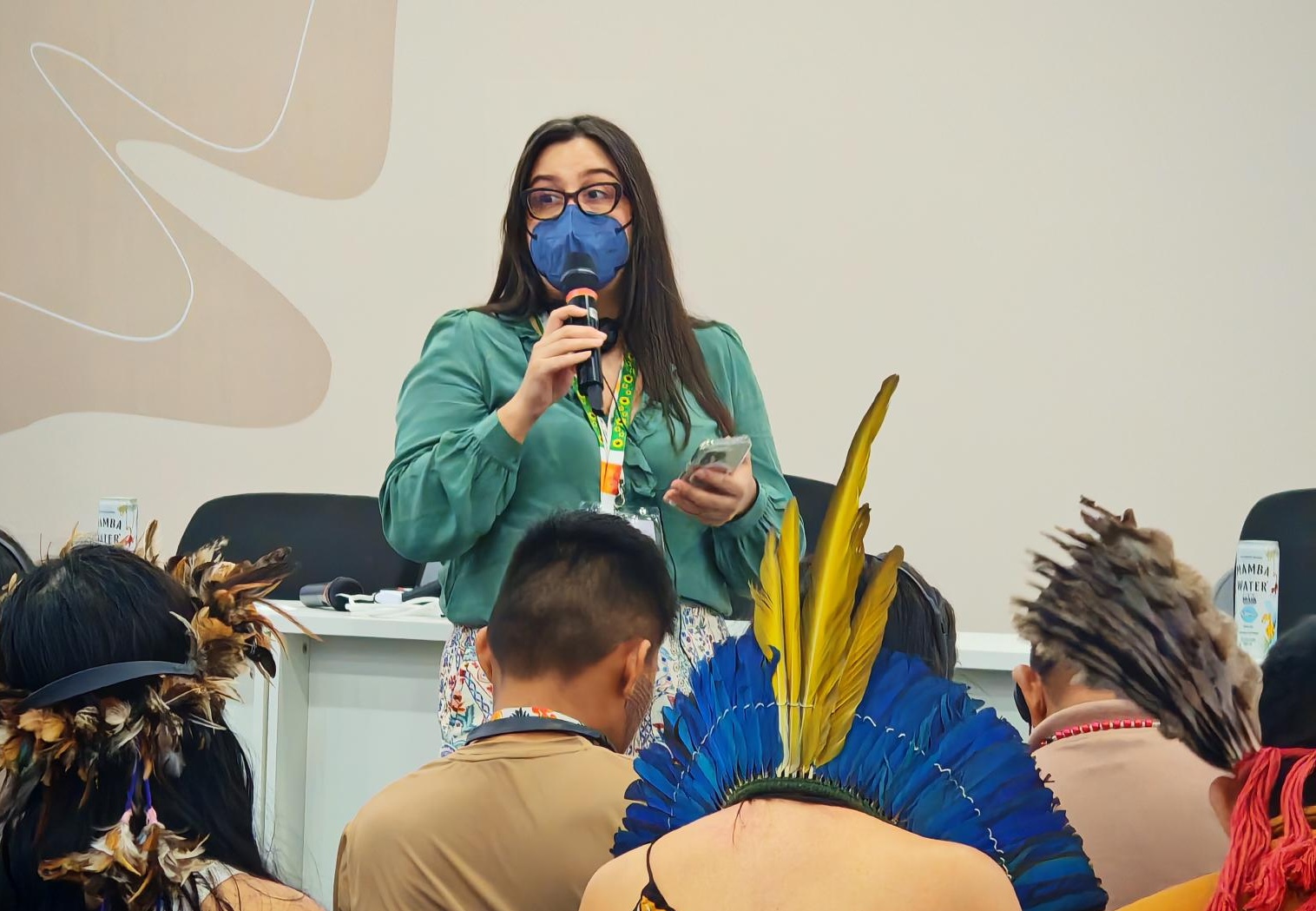
COP30 Outcomes Report

Forests, Indigenous Peoples, and Key Advances for Climate Action

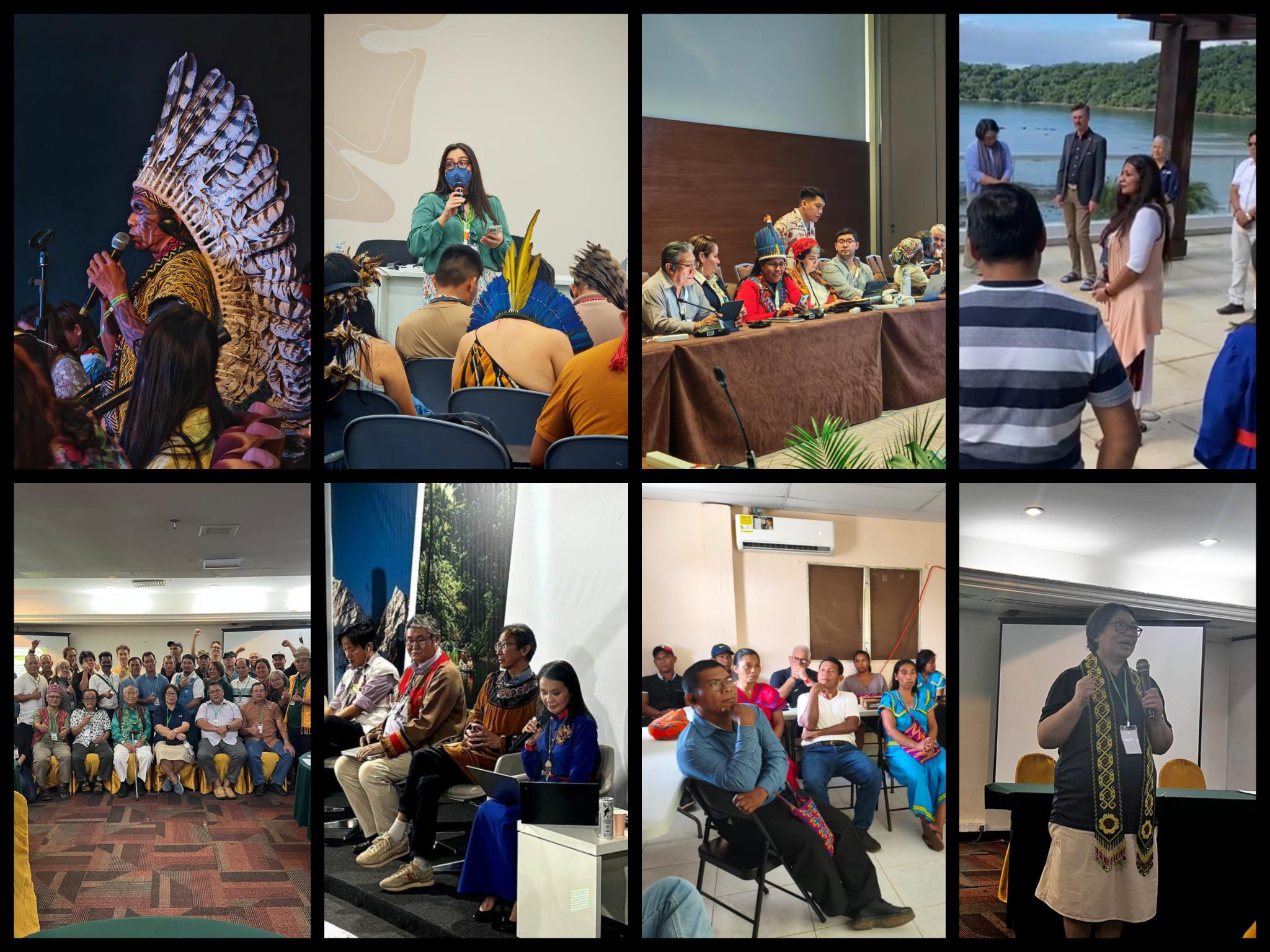
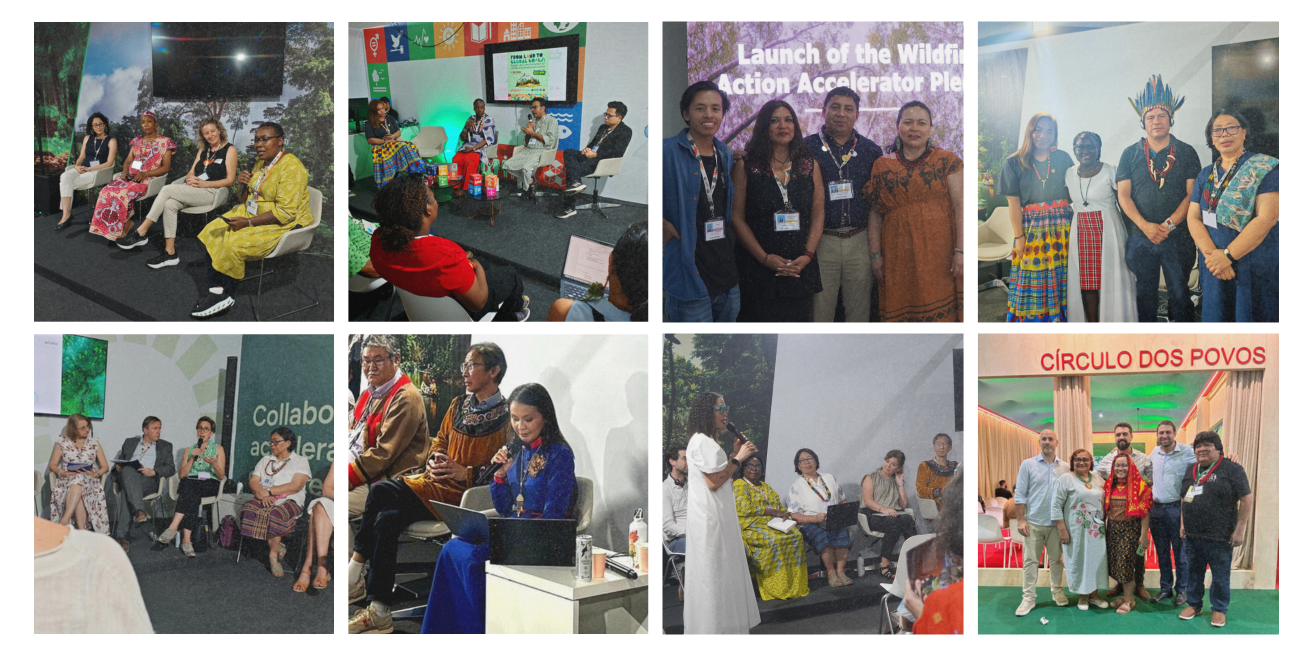
This Results Report presents the main advances, challenges, and key messages from COP30 in 2025, in Brazil, related to forests and Indigenous Peoples, and what they mean for territorial rights, governance, and climate action.

We invite you to read the full report to learn about the results, their implications, and the opportunities that are opening up for the upcoming UNFCCC processes.


News

WWF & AJET’s Report on Indigenous Peoples and Just Energy Transition

Report and webinar on Indigenous Peoples and Just Energy Transition.

On December 10th, the World Wildlife Fund (WWF), together with Alliance for a Just Energy Transformation (AJET), launched the report “Indigenous Peoples & Just Energy Transition,” supported by the FSC Indigenous Foundation.  

Webinar’s highlights:

Sergio Bonati, Climate and Energy Officer in WWF Spain, positioned the report as a foundation for continued AJET work, provided policy recommendations like upholding Indigenous rights including FPIC, and shared two case studies from the report: 

  • “Solar Grandmothers” in Madagascar—local women trained as solar engineers. 
  • The Sámi in the Arctic facing disrupted reindeer migration routes due to mining, climate change, and renewable energy infrastructure. 

Minnie Degawan (Kankanaey-Igorot) Managing Director of the FSC Indigenous Foundation

  • Reflected on Human Rights Day, pointing out ongoing violations such as criminalization of Indigenous defenders. 
  • Warned against a “green transition” that harms Indigenous peoples through mineral demand or poorly planned renewable projects. 
  • Urged a narrative shift and invited partners to see Indigenous inclusion not as a cost, but a path to sustainable outcomes

Whitner Chase, Senior Manager at Seneca Environmental

  • Explained how Seneca Environmental helps bring tribally owned renewable energy certificates (RECs) to market, connecting tribal projects with corporate buyers. 
  • Encouraged collaboration and highlighted the economic and sovereignty benefits of tribally owned clean energy projects. 
  • Shared present-day success stories from large-scale solar projects providing revenue and jobs to wind energy serving thousands of homes and reducing reliance on fossil gas. 

Bryan Bixcul (Maya-Tz’utujil), Global Coordinator at SIRGE Coalition: 

  • Described ongoing fights from governments pushing to remove references to mining impacts to the Indigenous movement continuing to advocate for no-go zones, FPIC, and protection mechanisms. 
  • Shared key COP30 achievements for Indigenous peoples: 
    • Explicit recognition of rights to self-determination
    • First-ever UNFCCC recognition of Indigenous peoples in voluntary isolation
    • Reference to the UN Guiding Principles on Business & Human Rights, creating obligations for companies—not just states. 

Dean Cooper, Global Energy Lead, WWF, provided the opening and closing remarks: 

  • Framed the report as a tool to raise awareness and promote Indigenous engagement as partners, not stakeholders, in the energy transition. 
  • Reiterated that the report is the beginning, not the end, of this work. 
  • Highlighted key themes raised: 
    • Energy, climate, and nature are interconnected. 
    • Indigenous rights and land stewardship are central, not optional. 

Learn how you can be part of the Alliance for a Just Energy Transformation here.

Questions and Answers from the webinar:

Q: Thank you for the report. When will it be available in Spanish?

A: Many thanks for your question. We have not planned for a translation at the moment. But please check AJET’s and WWF’s web page and social media for any news on translation. Thanks!

Q: What an excellent point that relationships are expected from Indigenous Peoples perspective; and a keen insight that shifting the narrative is necessary. Is there an agreed-upon approach to ensure consistency around this message as it pertains to FPIC?

A: As the report highlights there is a plurality of contexts and therefore there can be no one template for FPIC, each community has its own protocol and this must be respected. What is essential is the recognition that Indigenous Peoples are diverse and therefore building respectful relationships is essential.

Q: Clean energy certificates can sometimes replicate the problems of carbon offsets, allowing companies to buy credits instead of reducing their own emissions. What safeguards are in place to prevent certificates from becoming another loophole that lets firms keep polluting?

A: We see clean energy certificates as an effective tool to enable the development of new renewable energy projects and we believe that indigenous communities should be able to access this revenue stream as easily as other renewable energy asset owners. However, all of our customers have comprehensive climate strategies, of which the purchase of clean energy certificates is pursued alongside internal emission reduction efforts.

Q: The success story from Native America is very interesting, and I believe the ability to become a land or company owner is essential. Do you think other countries—where legal rights to land are contested by the government—could move in a similar direction? And are there any other lessons to be learned from those community?

A: Absolutely – to both of your questions! There are far too many lessons to be learned in a 10-minute presentation! Feel free to reach out at wchase@senecaenvironmental.com for any further discussion in your specific context.

Q: How can youth get involved 🙂

A: You play a key role by engaging your communities and carrying Indigenous knowledge and priorities into global spaces. You can reach out to the International Indigenous Youth Forum on Climate Change (IIYFCC) and help shape climate and energy solutions grounded in rights, culture, and self-determination.

Q: Whitner, could we get in touch with SENECA through you?

A: Yes, feel free to reach out at wchase@senecaenvironmental.com

Access the shared presentations here.

🔗 Watch the webinar on YouTube: 

How to Enable Automatic Translation for YouTube Subtitles 

  • Click the Settings ⚙️ icon (bottom-right of the video). 
  • Select Subtitles/CC
  • Choose the available subtitle language first (often English (auto-generated)). 
  • Open Settings ⚙️ again → click Subtitles/CC → choose Auto-translate
  • Select your preferred language from the list (+80 languages, including Indigenous languages like Maori and Quechua) 
  • Not all mobile devices show the option the same way; sometimes you must update the app. 
News

Report Launch: Indigenous Peoples & Just Energy Transition

WWF and AJET launch the report “Indigenous Peoples and a Just Energy Transition” with the support of the FSC Indigenous Foundation.

banner report indigenous peoples and just transition

WWF and AJET, with the support of the FSC Indigenous Foundation, invite you to the launch of the report: Indigenous Peoples and a Just Energy Transition.

The report highlights the importance of rights-based energy shift grounded in FPIC and Indigenous leadership in decision-making.

Indigenous Peoples steward territories of major ecological value and play a vital role in protecting key carbon sinks and much of the world’s remaining biodiversity. At the same time, they face disproportionate impacts, with a significant share of global fossil fuel infrastructure located on Indigenous territories.

The report explores challenges and opportunities to ensure energy transitions are inclusive, context-appropriate, and do not undermine rights.

Launch Webinar of the Report: Indigenous Peoples and a Just Energy Transition

News

We are Lenca Women

Lenca Indigenous Women lead cultural revitalization and economic empowerment

From September 4-6, 2024, the Gathering of Lenca Indigenous Women took place in the community of Yamaranguila in Intibucá, Honduras. This significant event under the Indigenous Women’s Economic Empowerment Initiative (I-WEE) was born from a collective desire expressed by the Lenca women’s organizations the FSC Indigenous Foundation is working with. The Gathering was a space for exchange of knowledge and experiences among Lenca women for the revitalization of the Lenca culture.

The event was developed around four core themes, each addressing critical aspects of Lenca identity: spirituality, traditional food, mother language, and traditional plant medicine. It was organized with the support of an Organizing Committee of delegates nominated by all the organizations.

The meeting began with a spiritual ceremony led by the Auxiliary of the Vara Alta, a traditional Lenca Indigenous institution of Intibucá and Yamaranguila. Next, Regina Jun, Acting Director of the Program Office of USAID Honduras, gave opening remarks, highlighting the crucial role of Indigenous women in preserving the rich culture of their peoples. Carlos Blandón, Director of the Indigenous Peoples Alliance for Rights and Development (IPARD) Program implemented by the FSC Indigenous Foundation, recognized Indigenous women as fundamental pillars of the development of their Peoples, who have an intrinsic connection with Mother Earth, their families, communities, and territories. Leila Reyes, Indigenous Affairs Officer of the Foundation and an Indigenous Lenca woman, explained the Gathering’s objective to strengthen Lenca culture based on the four priority areas.

Lenca Indigenous Spirituality

The Lenca worldview is deeply intertwined with nature, and their spiritual practices, such as “La Compostura” and “El Guancasco,” reflect this connection. Members of the Auxiliary of the Vara Alta de Intibucá demonstrated these symbolism-rich ceremonies. Then participants engaged in discussions about their significance and the challenges of preserving these traditions.

The “Guancasco” is a ceremony that promotes forgiveness and reconciliation between Peoples, traditionally celebrating peace and friendship between brothers and sisters. In the Lenca language, “Guanco” signifies brother and “Guanca” sister. The ceremony’s symbolic elements themselves have been passed down from generation to generation, such as the wooden mask, drum, baton, flags, and whistle. The ceremony involves the construction of two altars and represents a syncretism between Lenca spirituality and the Catholic Church.

The “Compostura” is a ceremony of thanksgiving and prayer to Mother Earth and the Creator, traditionally performed before planting or cultivating maize or beans. The ceremony is also an act of healing and includes an offering of chilcate, cacao, and copal – an incense that is food for the soul. The ceremony leads to unity, and harmony, and inspires people to return to their roots.

In the discussion, participants highlighted that Lenca cultural and spiritual practices are related to Mother Earth, for example, the phases of the moon. One participant noted that her ancestors cultivated crops according to the phases of the moon and always had abundant results. The Compostura also involves a deep respect for Mother Earth, since she represents life itself because she has the infinite capacity to bear fruit. The most important and significant Composturas of the Lenca People are for the planting and harvesting of corn, performed periodically throughout the year.

Lenca Traditional Gastronomy

Food in Lenca culture is not just sustenance but a sacred gift from the Creator. In the dialogue on Lenca traditional foods, the Indigenous women explored the cultural importance of these foods, particularly those made from corn and beans.
Lenca gastronomy is an expression of connection with Mother Earth and her elements and includes traditional dishes such as atol shuco (a maize drink), and different corn and bean stews. Lenca food is traditionally cultivated and prepared from ingredients grown under the sun, to nourish both the body and the spirit.

During this space, participants reflected on the profound relationship between food and culture as well as challenges faced in the revitalization of Lenca gastronomy. Fast food, food processed with chemicals, and gradual loss of culture and language are leading to the disappearance of Lenca traditional food, which used to be passed down from generation to generation. Another key challenge mentioned was the impact of climate change on the seasons and agriculture. In addition, existing limitations on women’s legal access to land also make it more difficult for them to preserve and maintain traditions.

Women proposed solutions, for example to use social media to promote Lenca food and culture to future generations.
The session concluded with sharing recipes and tasting different traditional dishes.

Reviving the Lenca Language

Given the loss of fluent speakers and the scarcity of written records, revitalizing the Lenca language is a priority for cultural preservation. Participants engaged in discussions and practical exercises to compile and share traditional words and phrases, highlighting the role of youth in preserving their linguistic heritage. During the event participants received a guide and basic dictionary of some words in the Lenca language.

“Language is important to our identity, it’s part of what makes us who we really are,” said Sandra Veronica Zerón, facilitator of this theme of the Gathering.

Plants as Sources of Traditional Lenca Medicine

The Lenca People have a deep ancestral knowledge of plants and their healing properties. Historically they have used this knowledge in their traditional medicine, a practice that has been orally transmitted from generation to generation, in which women play a key role.

However, these practices are now under threat. For example, deforestation and logging have caused many species to become extinct, and with them the knowledge and practices of Indigenous Peoples. Lidia Reyes, an ethnobotanical researcher, moderated this space for reflection and began the dialogue with the following question: “When cutting down a single tree, how many lives are lost with it?”

Participants formed groups to share knowledge and experience in the use of plants and their properties – such as oregano, chamomile, basil, ginger, pine, and lime.

“With each pine acorn, thousands of forests can be regenerated, and for each fungus that is left to throw spores, thousands of forests are regenerated. But iron and oil, which have replaced the resin of the trees, are not renewable. The day they disappear we will no longer have the fundamental elements for life,” said Lidia Reyes.

Event highlights

The event coincided with the International Day of Indigenous Women on September 5th, providing an opportunity to honor the crucial role Lenca women play in their families and communities. Each of the fourteen participating organizations received a symbolic piece of art painted by children attending the art school Lenca Chalchiguas in recognition of their historic work for the rights of women and Indigenous Peoples.

One of our partner organizations in Honduras, ARCILI, an organization for Lenca Peoples with visual disabilities participated in the event with Braille material promoting their inclusion in the activities. “The group of people with disabilities, in this case represented by ARCILI in this Gathering, has participated just like the other organizations and this is positive,” said Ruben Vasquz, ARCILI.

Understanding that childcare responsibilities can be a barrier for Indigenous women to participate in activities of interest, FSC-IF implemented a strategy to enable Lenca mothers to participate fully in the event. Children participated in culturally appropriate activities that followed the same four key areas of the Gathering, enabling mothers to engage in the exchange of knowledge, and for the children to play and learn about Lenca culture together.

The path ahead

This Gathering marked a significant step towards the cultural and economic empowerment of Lenca Indigenous women, ensuring that their identity and culture thrive for future generations. It recognized that Indigenous women are the guardians, protectors and defenders of Mother Earth, natural resources, tradition, and culture, promoting their role as a bridge for inter-scientific and intercultural dialogue. It is essential to continue recognizing, valuing and strengthening their fundamental role within their Peoples.

“Women should not crawl; they should have the momentum to fly. I know everyone has this impulse today.”

Rosario Garcia, Coordinator of the Table of Unity of the Lenca Indigenous People (MUPILH).

Participants stated the need to document the wisdom and practices of the Lenca People.
As a next step, we are working to document the knowledge shared during the Gathering and will share it with the participating women’s organizations to ensure that these invaluable insights will continue to benefit the Lenca community.


We invite organizations and entities to become our financial and technical partners to continue and multiply the important impact of I-WEE and other crucial initiatives. If your organization or business is interested in collaborating with us and with Indigenous women for sustainable change, we invite you to connect at  fsc.if@fsc.org. 


About I-WEE

The I-WEE initiative works with Indigenous women and girls in Guatemala and Honduras to promote their economic empowerment by strengthening capacities, generating enabling environments for their active participation and advocacy, and strengthening productive initiatives led by Indigenous women. It is funded by the United States Agency for International Development (USAID) and the Forest Stewardship Council (FSC) with private sector partners.

About FSC Indigenous Foundation

The FSC Indigenous Foundation is a global Indigenous organization promoting Indigenous-led actions for their development and self-reliance. We work to elevate Indigenous Peoples in their contribution to the protection of Mother Earth and recognize them as providers of solutions and partners to fight against global challenges.

1 2 3 4 5 6