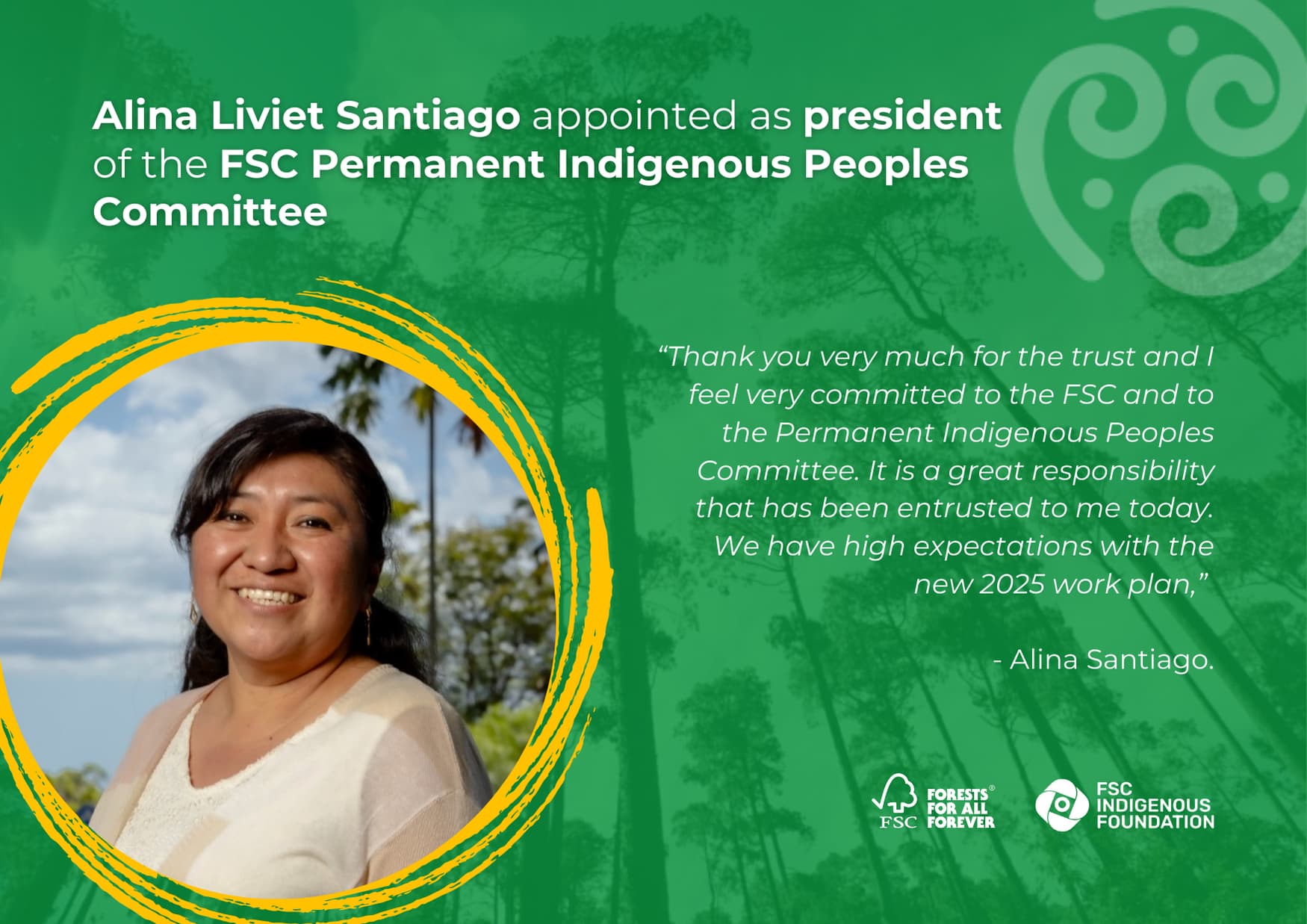
Alina Liviet Santiago appointed as president of the FSC Permanent Indigenous Peoples Committee
Strengthening sustainable forest management through Indigenous leadership
FSC-IF
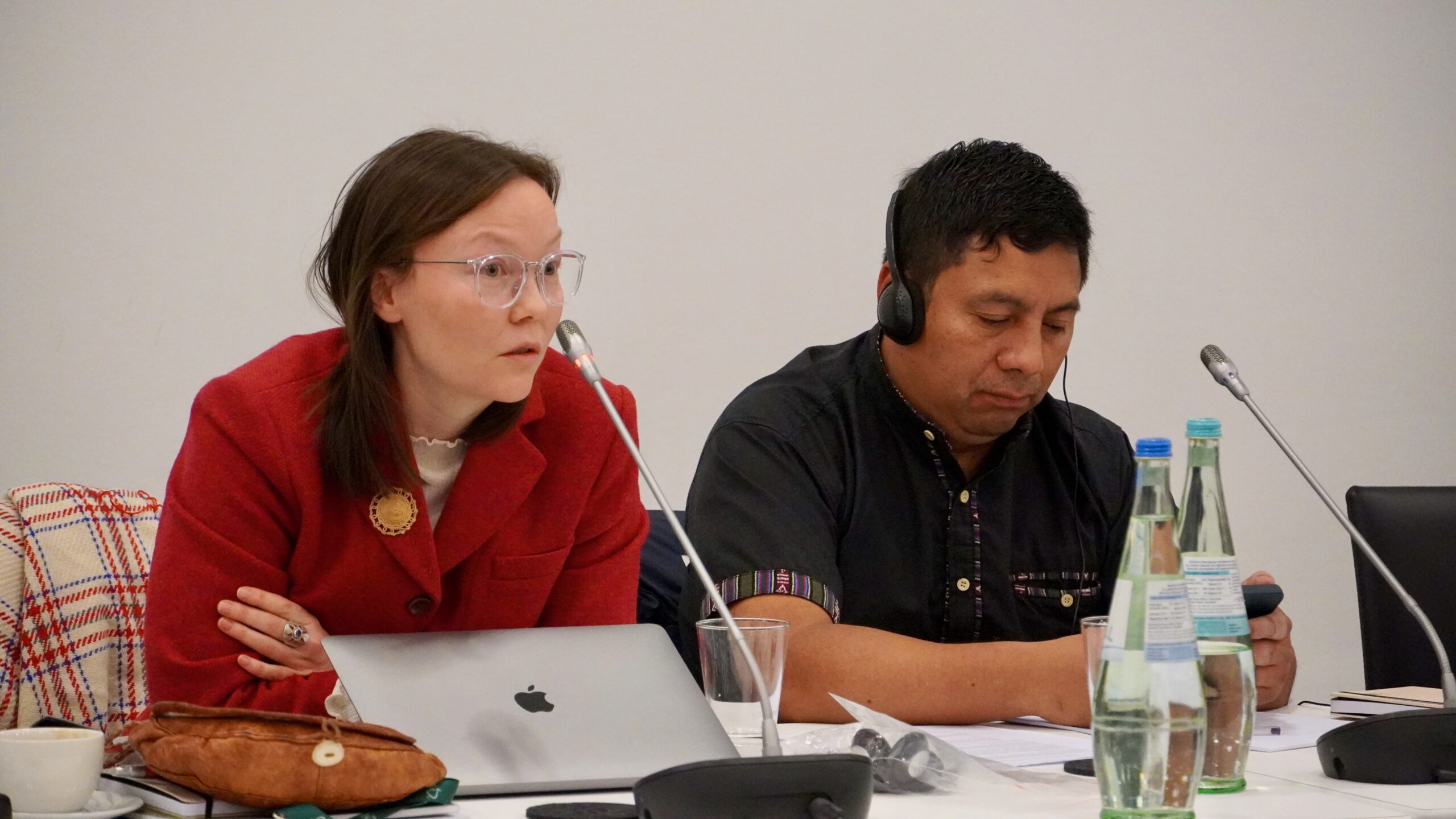
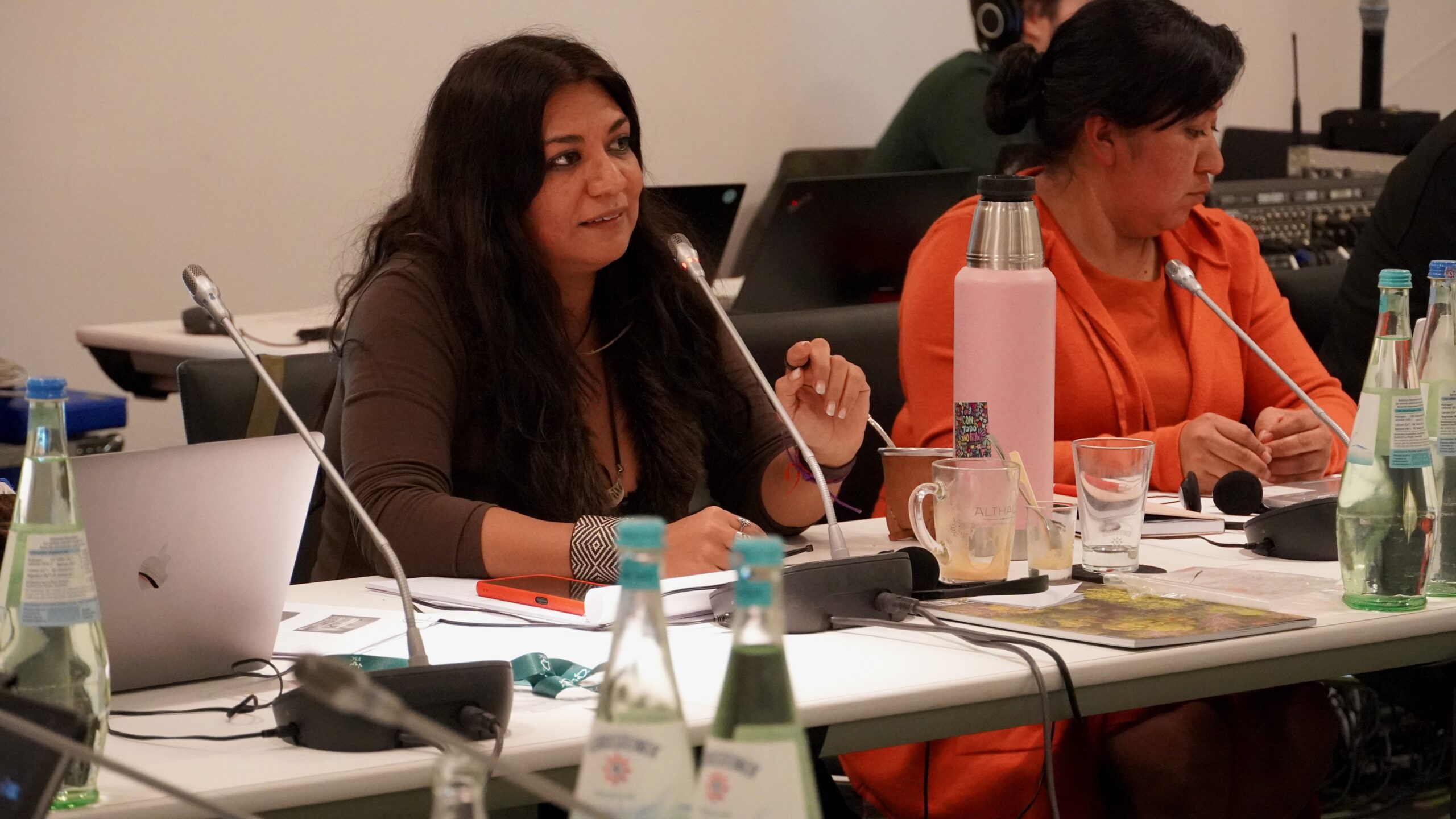
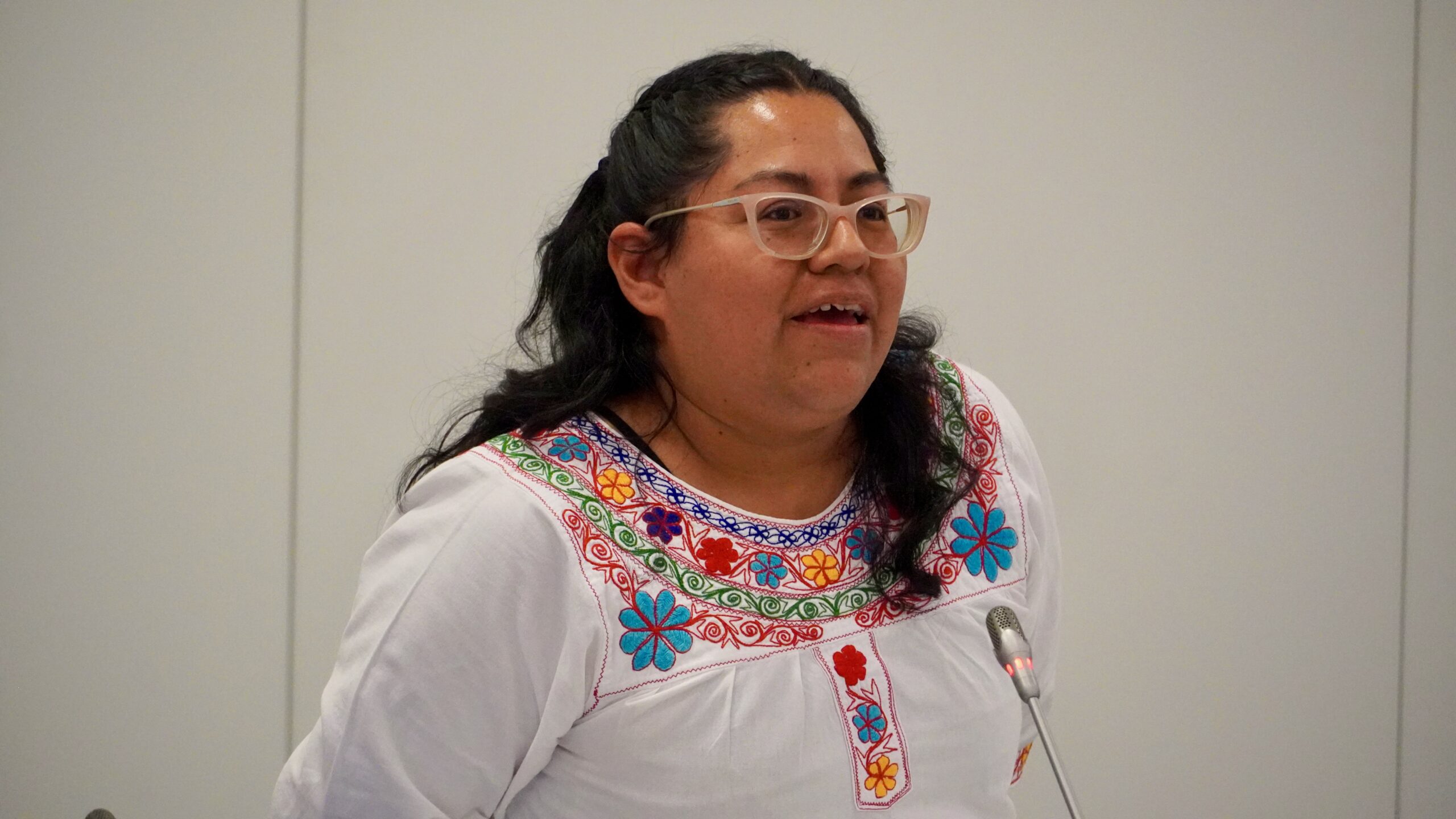
During the 43rd meeting of the Forest Stewardship Council (FSC) Permanent Indigenous Peoples Committee (PIPC), held in Bonn, Germany, PIPC Vice Chair Alina Liviet Santiago Jimenez was elected president by the committee members, after 6 months of serving as acting chairperson, together with the Vice-Chairperson, Praful Lakra, the committee members unanimously decided to proclaim Ms. Alina Santiago as acting chairperson of the FSC Permanent Committee on Indigenous Peoples.
The FSC Indigenous Foundation congratulates Ms. Alina Santiago on her appointment and reaffirms its commitment to supporting her in this new role.
“Thank you very much for the trust and I feel very committed to the FSC and to the Permanent Indigenous Peoples Committee. It is a great responsibility that has been entrusted to me today. We have high expectations with the new 2025 work plan,” said Alina Santiago.
Ms. Alina Santiago belongs the the Zapoteco Indigenous People from the community Ixtlán de Juárez, Oaxaca, Mexico. With over 20 years of experience, she has worked alongside Indigenous communities on a wide range of issues, including FSC certification, community governance, and sustainable livelihoods.
A dedicated advocate for the rights and sustainable practices of Indigenous Peoples, Alina Santiago is an individual member of FSC’s Southern Social Chamber. Her work focuses on advancing Indigenous-led solutions to environmental and social challenges through effective leadership and advocacy.
In Mexico, Alina Santiago has overseen the chain of custody and multi-site chain of custody certification process and has contributed to the preparation of audits for Forest Management certification. She is a consultant for Indigenous communities in the Sierra Norte de Oaxaca, where she provides expertise in management, project development, and the formation and monitoring of communal enterprises. She supports FSC certification and resource management in collaboration with national and international organizations.
She currently holds the position of health councilor in the municipality of her community, which is governed by the Indigenous normative system.
Praful Lakra, PIPC representative from Asia, will continue in his role as Vice President of the PIPC, and David Flood, PIPC representative from Canada, will also serve as Vice President.
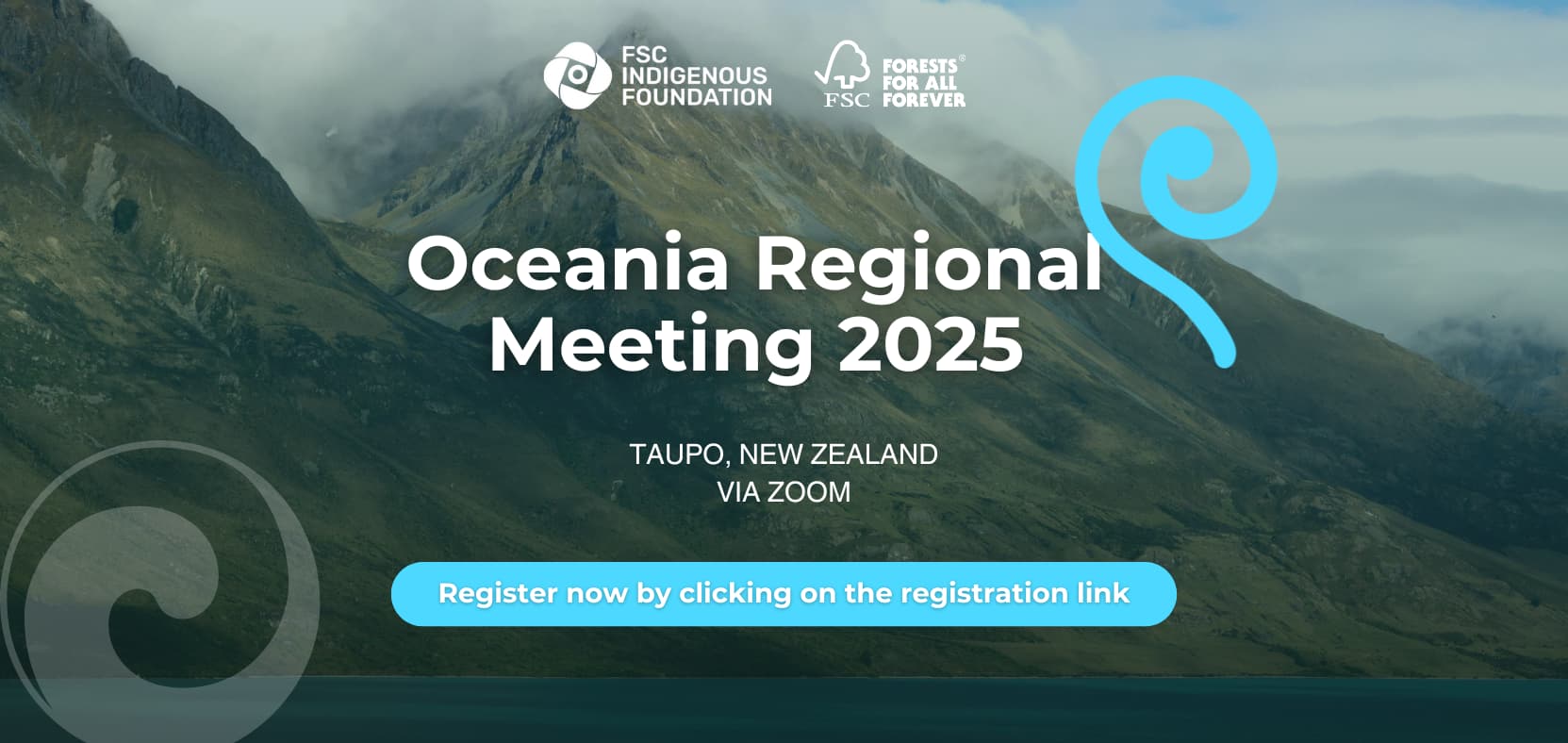
Oceania Regional Meeting 2025
Advancing Indigenous Knowledge, Engagement and Collaborative Strategies for Sustainable Forest Stewardship
FSC-IF
Join Us for the Oceania Regional Meeting: Hosted by the Forest Stewardship Council, FSC Indigenous Foundation, and FSC Permanent Indigenous Peoples Committee
Date: January 20–22, 2025 Venue: Taupo, New Zealand, and virtual via Zoom (Virtual session only on the 20th-21st)
This meeting brings together Indigenous leaders, regional stakeholders from Oceania, and FSC representatives to discuss sustainable forest stewardship, foster collaboration, and promote Indigenous-led strategies for addressing environmental challenges.
Key Highlights:
Integration of Indigenous and global practices for sustainable forest management
Strategic discussions on FSC tools and ecosystem services
PIPC election process for Oceania representatives
Opportunities for regional partnerships and knowledge exchange
Please Note: Participation will be confirmed following an approval process. Once your registration is reviewed and approved, you will receive a confirmation email with the Zoom meeting details.
For more information, please get in touch with us at fsc.if@fsc.org. We look forward to your participation in shaping the future of sustainable forest stewardship and Indigenous Peoples engagement within the Forest Stewardship Council, and the FSC Indigenous Foundation in Oceania!
I am the forest, and the forest is me
Global Indigenous leaders gather to exchange knowledge and foster greater awareness of Indigenous perspectives on forest stewardship.
FSC-IF
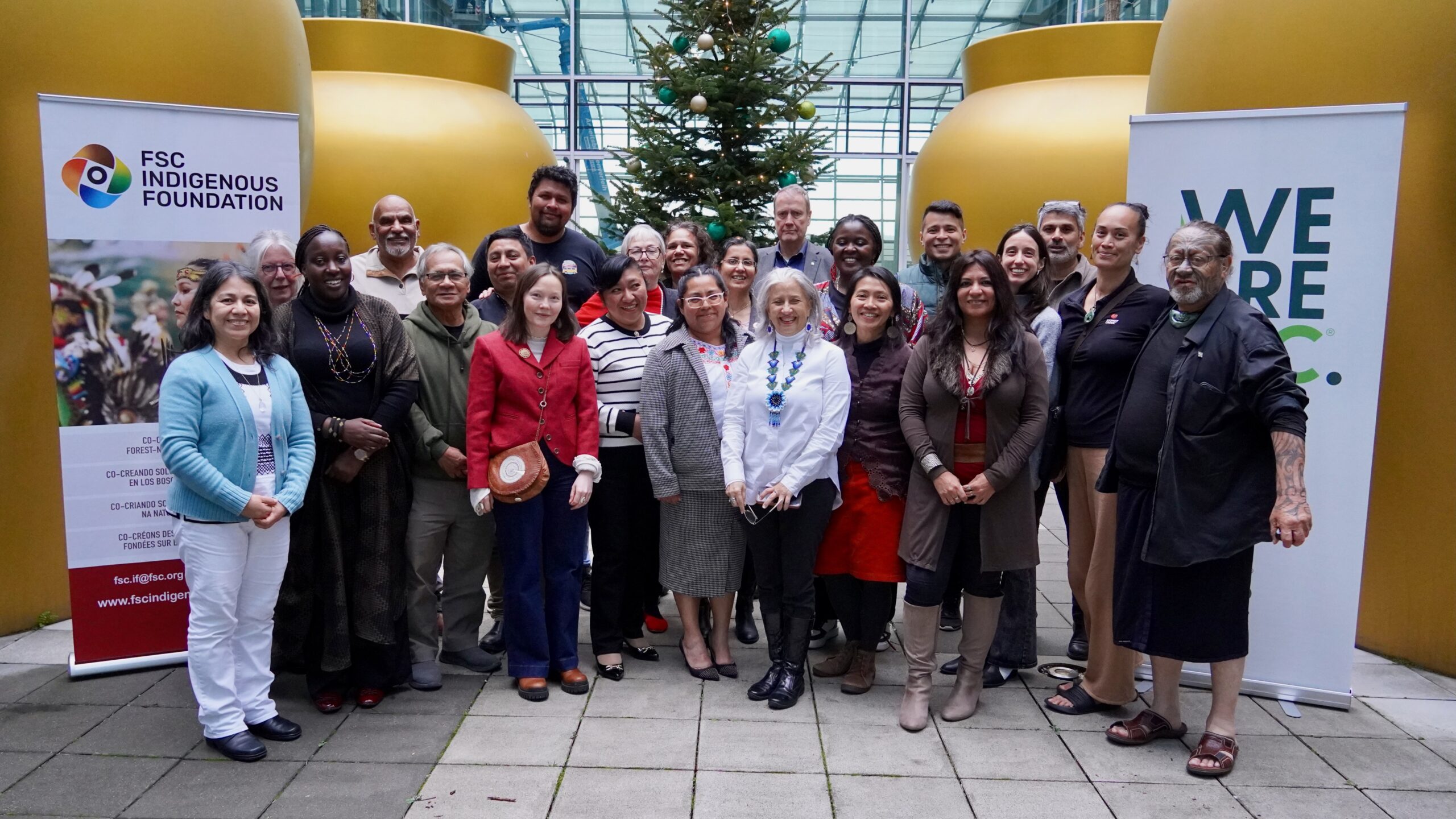
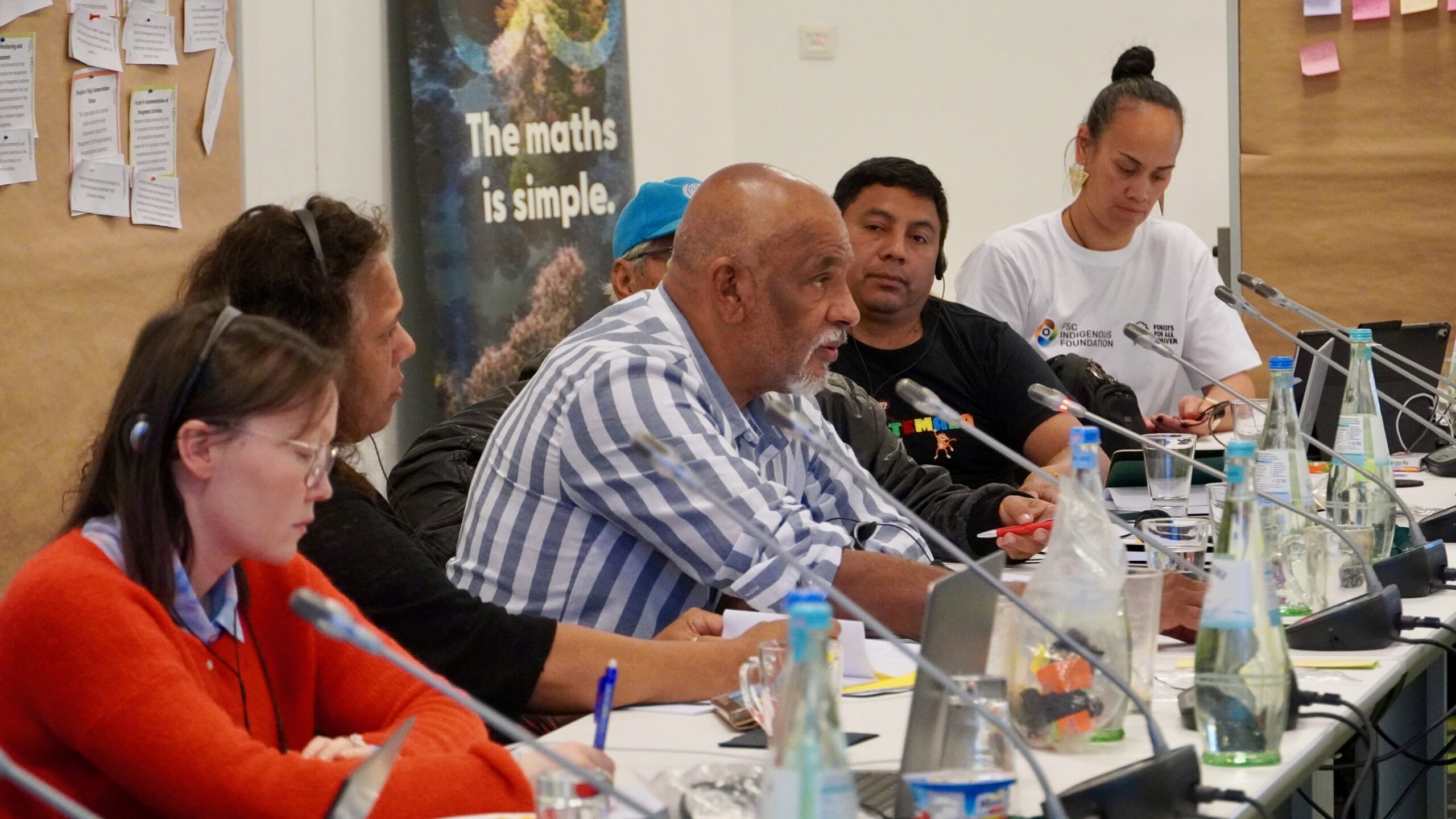
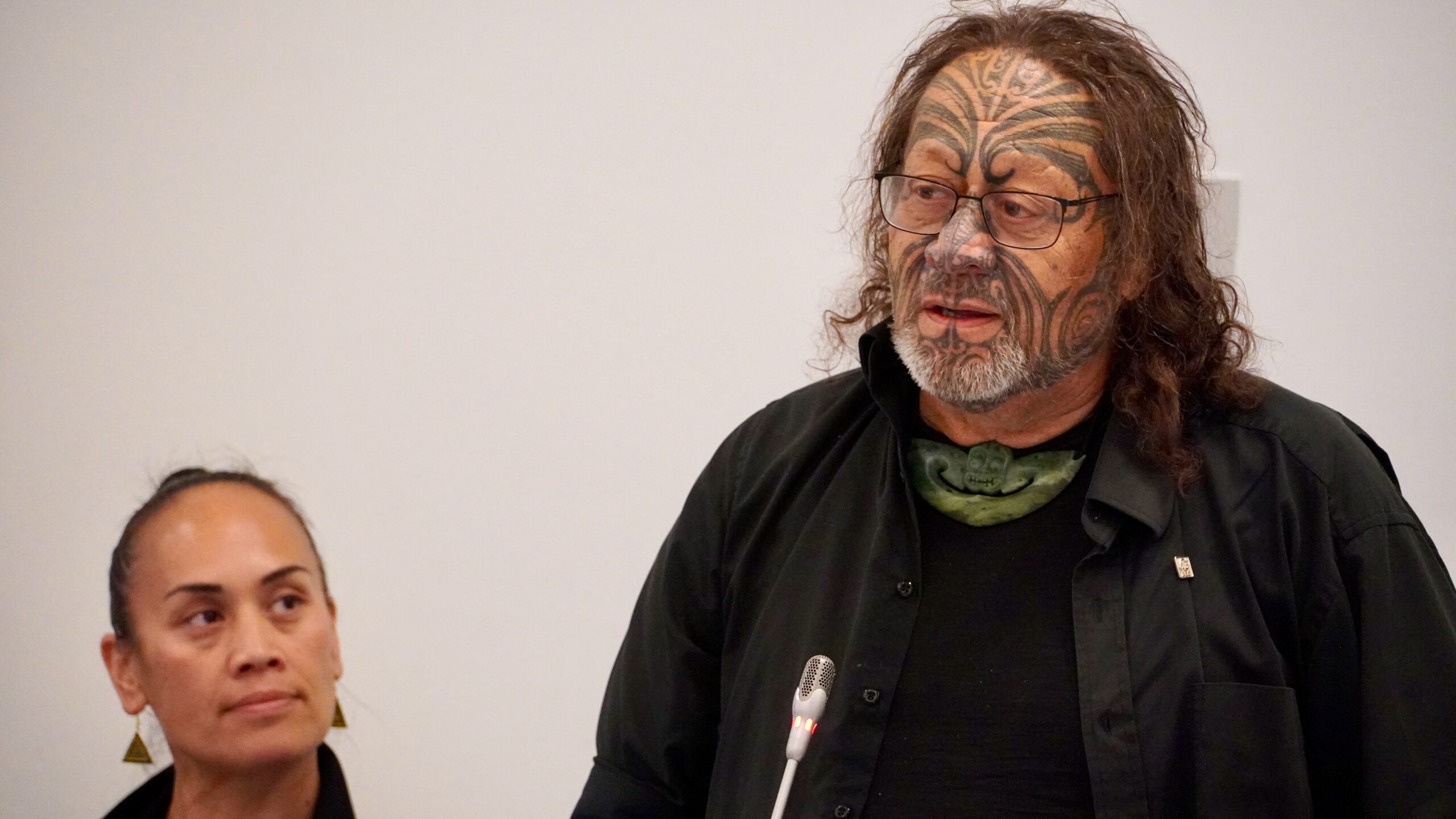
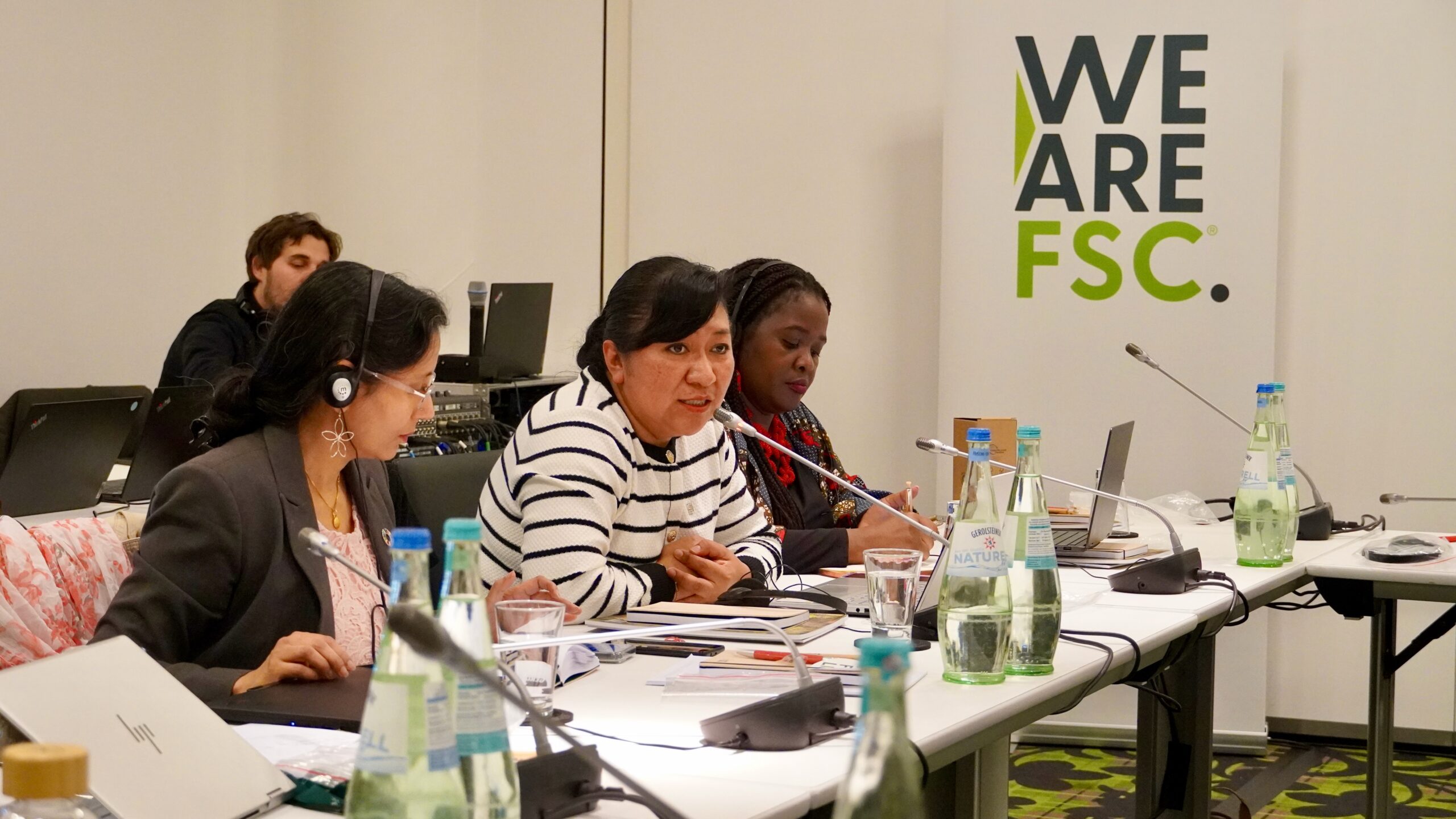
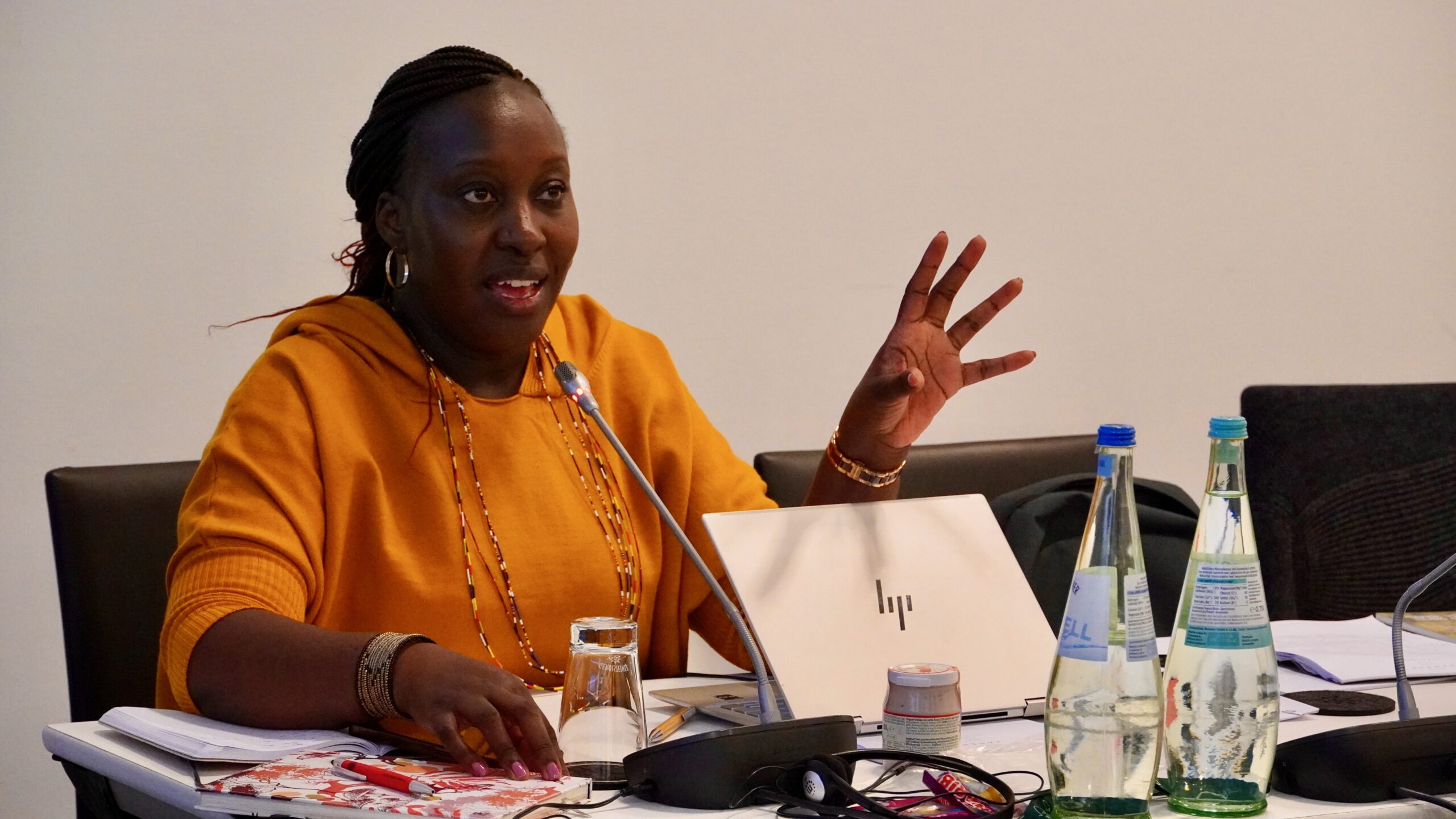
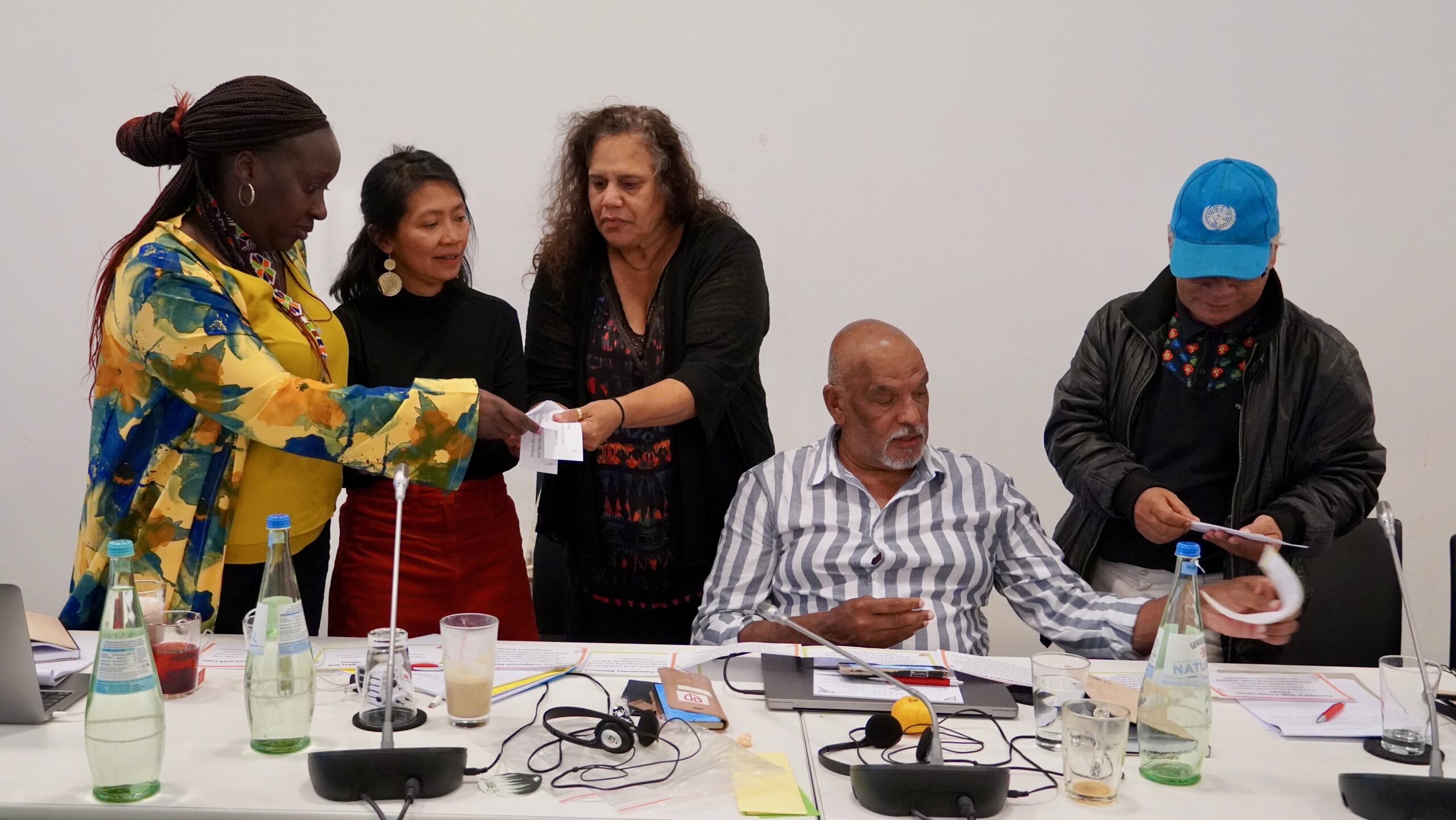
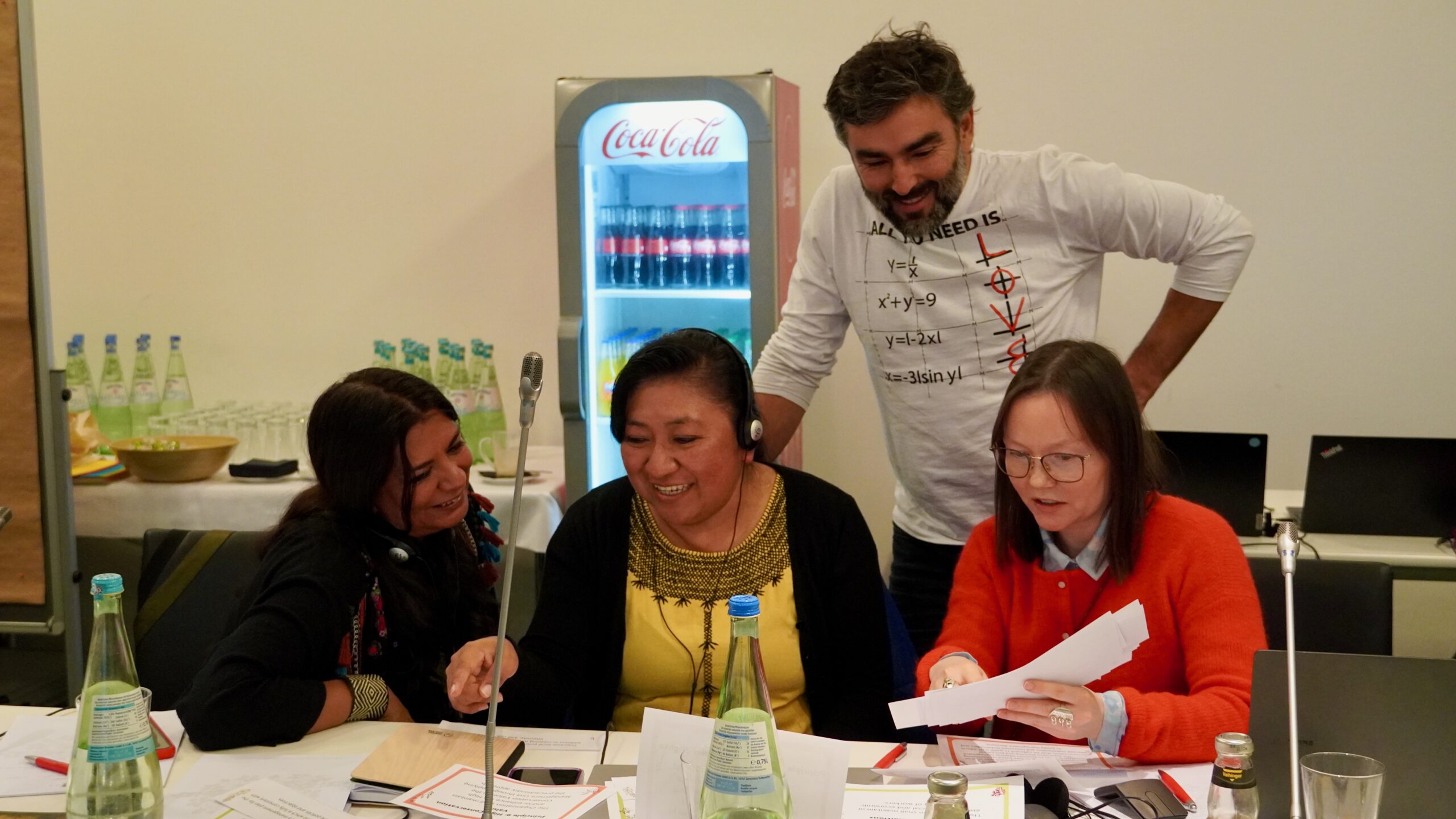
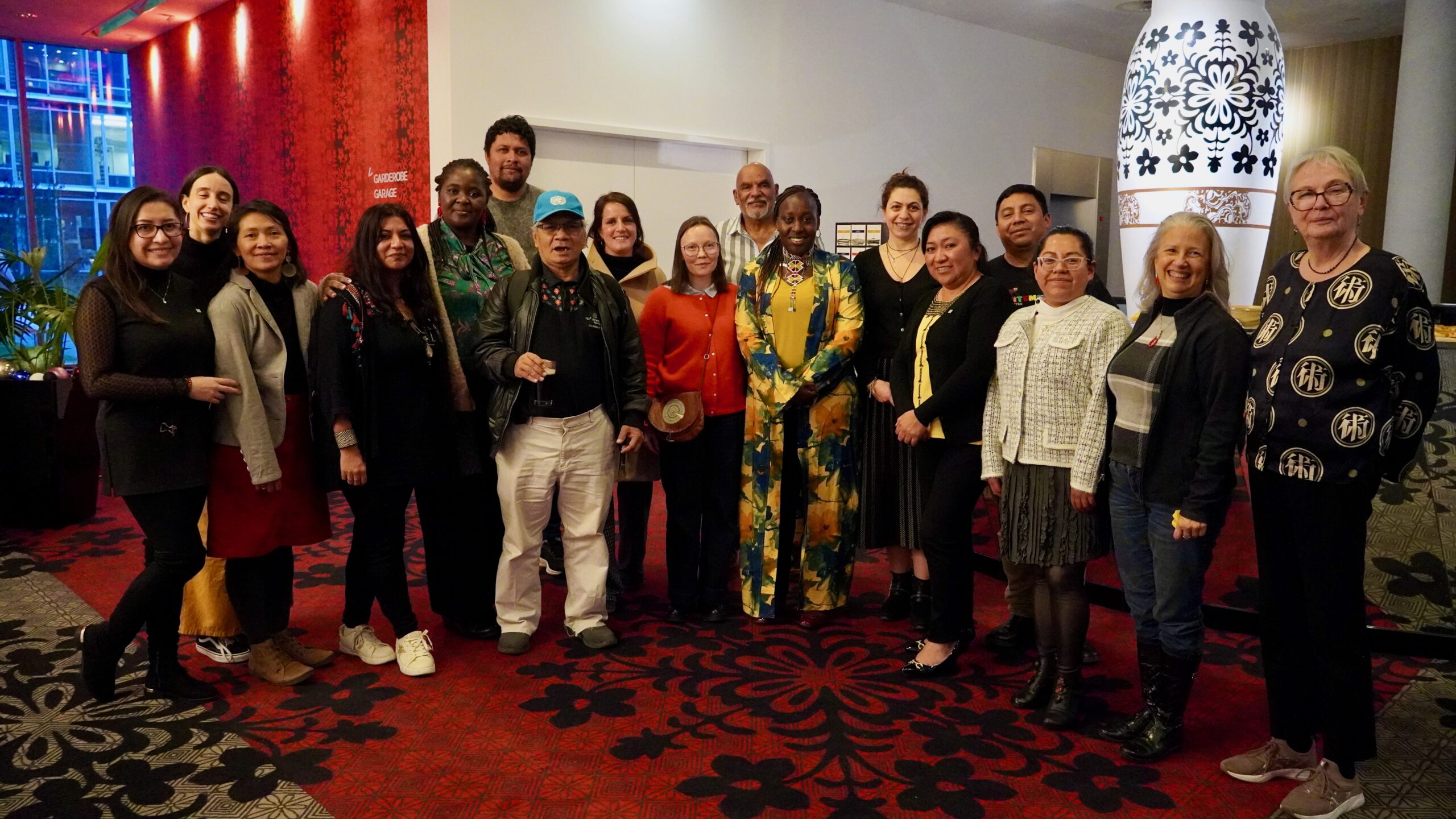
From December 9 – 13 in Bonn, Germany, the Forest Stewardship Council (FSC) Permanent Indigenous Peoples Committee (PIPC), FSC Indigenous Foundation Council members, and Indigenous leaders from around the world gathered for an important training and knowledge exchange workshop.
Supported by the FSC and the FSC Indigenous Foundation, the workshop explored how to amplify Indigenous voices within the FSC framework, deepen understanding of FSC’s vision, principles, and tools, and foster greater awareness of Indigenous perspectives on forest stewardship.
A global committee for Indigenous rights and forests
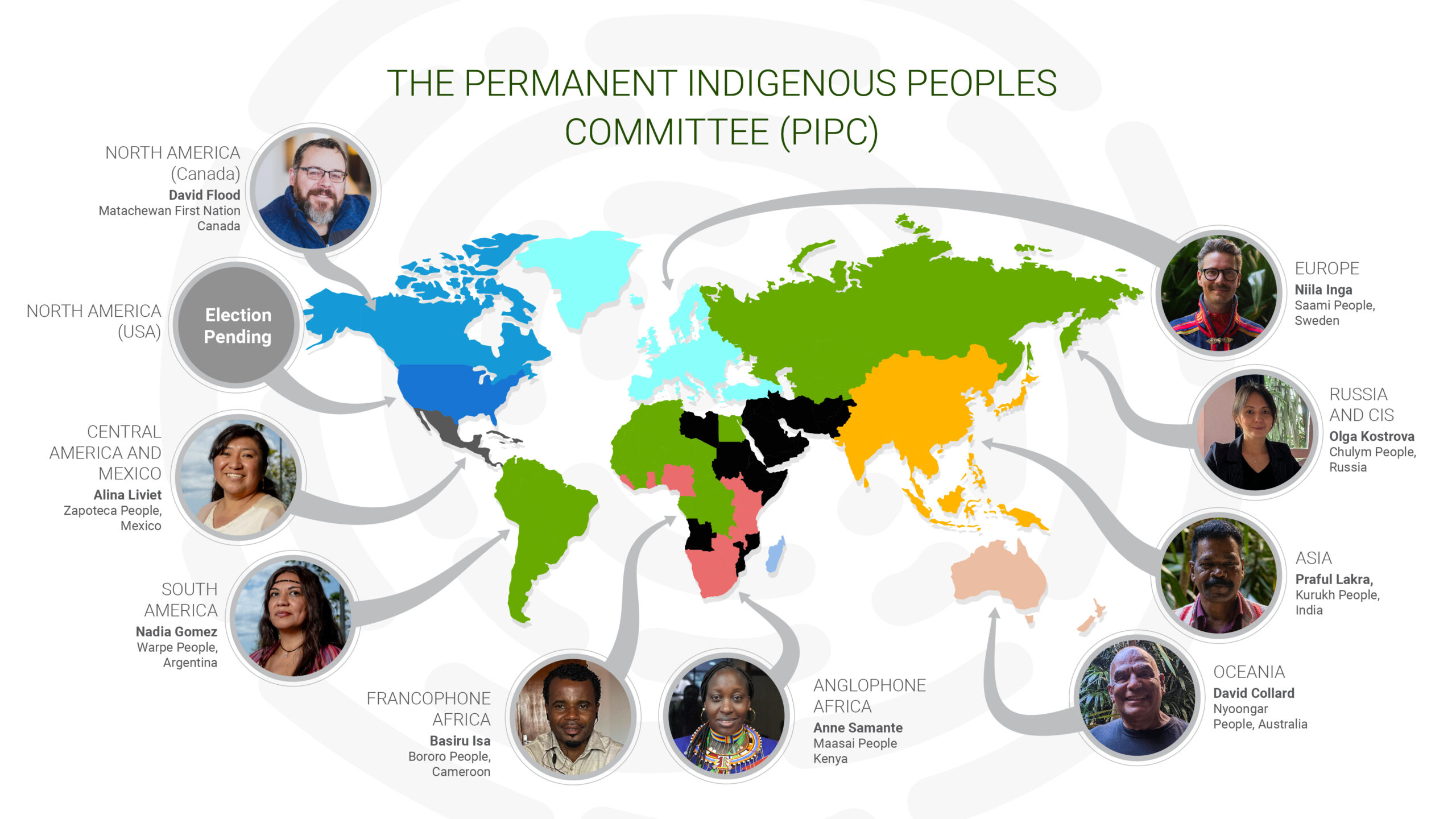
The Permanent Indigenous Peoples Committee (PIPC) is a global advisory committee of Indigenous representatives from all regions of the planet to advise the FSC International Board on the FSC certification system, safeguard Indigenous Peoples’ rights, enhance forest management, and support Indigenous Peoples in building FSC certified forest stewardship, increasing their market share and value. The FSC Indigenous Foundation serves as the Secretariat of the PIPC.
PIPC members Alina Liviet Santiago of the Zapoteca Peoples in Mexico, Nadia Gomez of the Warpe Peoples in Argentina, Samante Anne of the Maasai People in Kenya, and David Collard of the Nyoongar Peoples in Australia joined the workshop in person, along with alternate members Te Ngaehe Wanikau of the Maori in Aotearoa and Selvyn Perez of the Maya in Guatemala. Members David Flood of the Matachewan First Nation in Canada, Basiru Isa of the Bororo Peoples of Cameroon, Praful Lakra of the Kurukh People of India, Olga Kostrova of the Chulym People of Russia, and Niila Inga of the Sami People in Sweden joined virtually. Two representatives from the FSC-IF Council were also present – Vice Chair Peggy Smith and Nicholas Mujah.
In addition, PIPC members invited Indigenous leaders from their regions engaged in sustainable forest management, from the lands of the Sámpi in Sweden, Ixtlan de Juarez in Mexico, Maori of Aotearoa, and from the impenetrable Choco in Argentina.
Finally, members of the FSC-IF staff and FSC staff were present.
This workshop was a key activity in the 2024 PIPC Work Plan to reinforce capacity building and knowledge exchange, providing a platform for in-depth discussions with several key FSC units.
The PIPC’s 2024 Work Plan was focused on four key areas: strengthening governance and leadership to ensure better representation of Indigenous Peoples within FSC, increasing active participation in FSC initiatives and policy development, enhancing knowledge sharing and capacity-building for both PIPC members and non-Indigenous stakeholders, and raising the visibility of Indigenous issues within the FSC community.
Knowledge exchange workshop
FSC Director General Subhra Bhattacharjee opened the workshop, emphasizing the importance of robust inputs from PIPC members regarding the challenges of climate change. PIPC Co-Chair Alina Liviet Santiago, FSC-IF Interim Managing Director Sarah Banda-Genchev, FSC-IF Council Vice-Chair Peggy Smith, and FSC Board Member and Liaison with PIPC Zandra Martinez, also gave opening remarks.
Next, PIPC members, alternates, and other invited Indigenous leaders presented themselves, their Peoples, and their forests.
“Forests are a right.” David Collard
“I am the forest and the forest is me. If our forests are in pain, we are in pain.” Te Ngaehe Wanikau
“Reindeer depend on natural, untouched forests.” Niila Inga
“We do not own the land, but we share the land with the whole community.” Alina Liviet Santiago
“Indigenous knowledge is what has kept our forests around.” Samante Anne
Kim Carstensen, Former Director General of the FSC, Zandra Martinez, PIPC Board Liaison, Peggy Smith, Vice-Chair of the FSC-IF Council, and Alina Santiago, PIPC Co-chair began by dicussing the history and establishment of the PIPC, and how the FSC and FSC Indigenous Foundation work together.
Gemma Boetekees, Director of Stakeholder Solutions at FSC, and Kim Carstensen discussed the past 30 years of FSC’s journey and the importance of Indigenous input for the upcoming 2025 General Assembly, to be held in Panama City, Panama.
Specific collaboration with FSC
This workshop provided a platform for in-depth discussions with several key FSC units. Lieske van Santen, Director of the Global Network Unit, shared about the FSC network and diverse stakeholders within the organization and explored potential opportunities for deeper engagement with Indigenous communities.
From the Performance and Standards Unit, Stefan Salvador, Sandra Fahd, Andres Venegas Soto, Maria Pilar Melero Bravo, and Jannicka Murphy shared the FSC Normative Framework and an overview of FSC Principles and Criteria, focusing on Principle 3 related to Indigenous Peoples’ rights and Principle 9 related to high conservation values. The Principles and Criteria revision process will begin in 2025, and all participants discussed how Indigenous Peoples can be involved in this process. PIPC members expressed their interest in being involved in the revision.
Frank Trolliet, also from the Performance and Standards Unit, led an exploration of existing FSC maps and potential for the development of a map showing the overlap between Indigenous Peoples’ forests and certification. Despite the data security limitations, there was a lot of interest in creating this map.
From the System Integrity Unit, Salem Jones, Jessica Surma, Julian Nierentz, Mario G. Aguilera, Marc Jessell and Lorena Martinez presented the FSC Remedy Framework, Revision of FSC Complaints and Appeals Procedures, and a specific case. All participants discussed how to build relationships of trust with Indigenous communities, and how PIPC can be involved in the consultation on the Free, Prior, and Informed Consent (FPIC) indicators. An in-depth discussion on the challenges faced by Indigenous communities living in isolation adjacent to forest management areas and the resolutions addressing these issues was carried out.
Maria Wowro and Natalia De Morais Gagini, working on Ecosystem Services within the Marketing and Commercial Unit, explained what Ecosystem Services are – the essential benefits that forests provide to people and the environment, such as carbon sequestration, water filtration, and biodiversity conservation. A discussion followed on incorporating cultural services and practices into FSC’s Ecosystem Services Procedure, with a focus on the benefits of certification for Indigenous communities. In addition, Sean Nyquist presented on non-timber forest products and explained the global rubber value chain, prompting participants to reflect on exploring NTFPs within their territories
Finally, PIPC members shared valuable insights to support the FSC Indigenous Foundation’s strategy on climate, biodiversity, land, finance, and ecosystem services.
“The Pacific contributes less than a quarter of 1% to climate change and yet the impact there is disproportionate,” said Te Ngaehe Wanikau, Maori from Aotearoa. “The Pacific generates 50% of the oxygen we breathe, and these are all Indigenous nations, maybe up to a third of them will not last another 50 years.”
“When it is supposed to snow it is raining, when it should be minus degrees it is plus degrees, so when you are doing the migration routes from summer pastures down to winter pasture it is dangerous because lakes and rivers are not freezing,” said Karin Nutti Pilflykt, Sami from Sweden.
“About 10 years, the water crisis began, and it has been complicated. It has been affecting Indigenous communities, because they have regional economies, and increasingly less water is available, also affecting forest areas,” said Nadia Gomez, Warpe from Argentina
“In our community, climate change is manifested in pests. Bark strippers is one of the pests that we cannot eradicate,” said Loida Ramirez, Zapoteca from Mexico.
Next steps: Oceania meeting in Aotearoa
The PIPC will hold the Oceania Regional Meeting from January 20 – 25, 2025 in Taupo, Aotearoa/New Zealand. The meeting aims to foster collaboration, knowledge exchange, and a constructive dialogue on forest stewardship within the Oceania region, focusing on integrating Indigenous and Western knowledge for sustainable forest management. It will feature key discussions on FSC certification, Indigenous Peoples’ rights, governance, and sustainable forest management, as well as an emphasis on cultural respect and Free, Prior, and Informed Consent (FPIC). Interested Indigenous Peoples from the region are invited to attend.
Join us
This workshop marks an important milestone in the collaborative journey between Indigenous leaders, FSC, and the FSC-IF, ensuring that Indigenous knowledge and voices remain at the forefront of global efforts for sustainable forest management, and climate, biodiversity and restoration. Together, we continue to build more inclusive and effective forestry practices around the world and promote Indigenous Peoples rights, forests, and territories.
Reach out to us at fsc.if@fsc.org if you would like to be a part of this journey.
Sacred Lands Indigenous Peoples Declaration at UNCCD COP16: A Global call for rights and land restoration
Indigenous Peoples unite at UNCCD COP16 to call for the recognition of their rights in land restoration and environmental policies. Read the Declaration.
FSC-IF
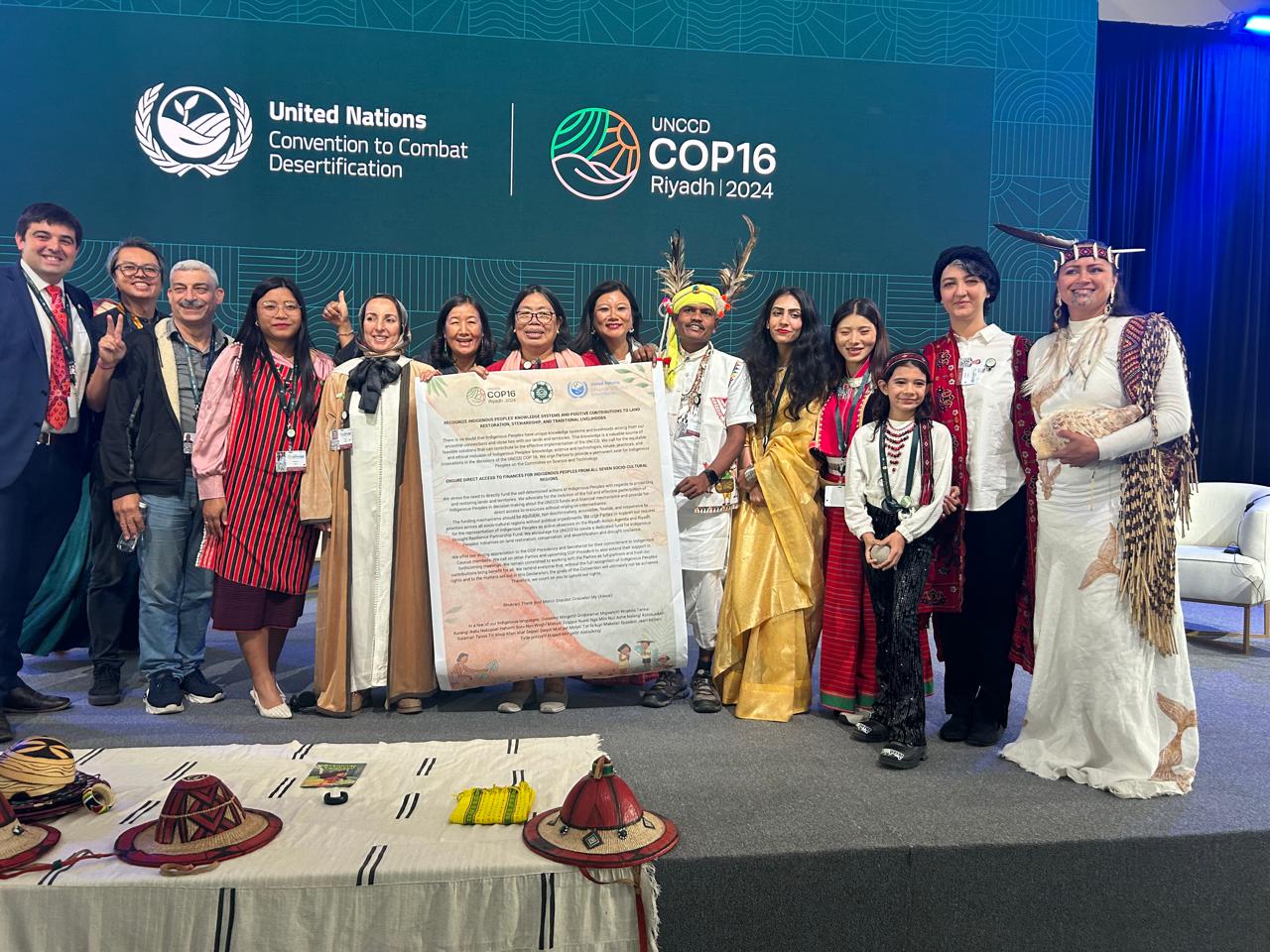
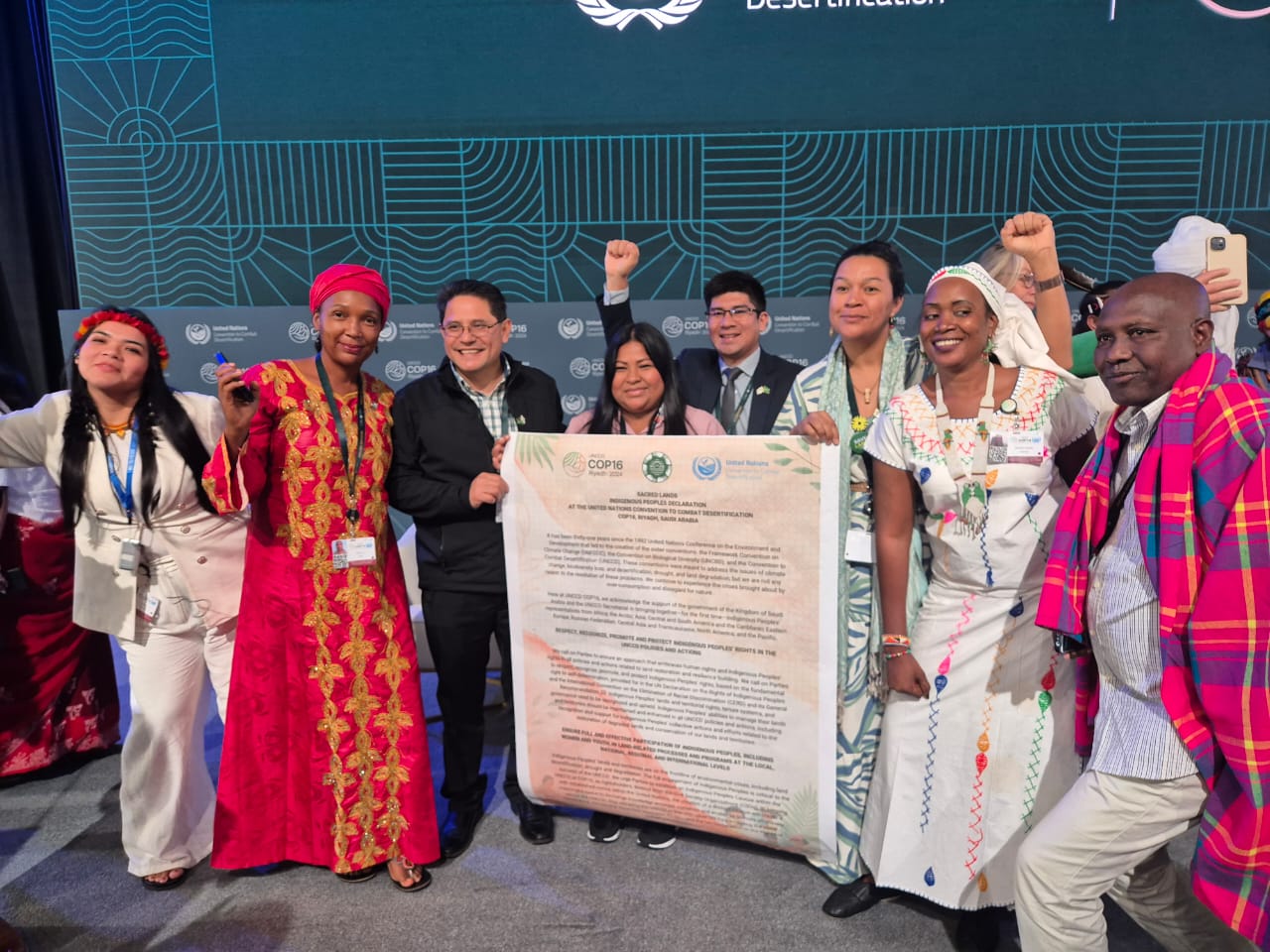
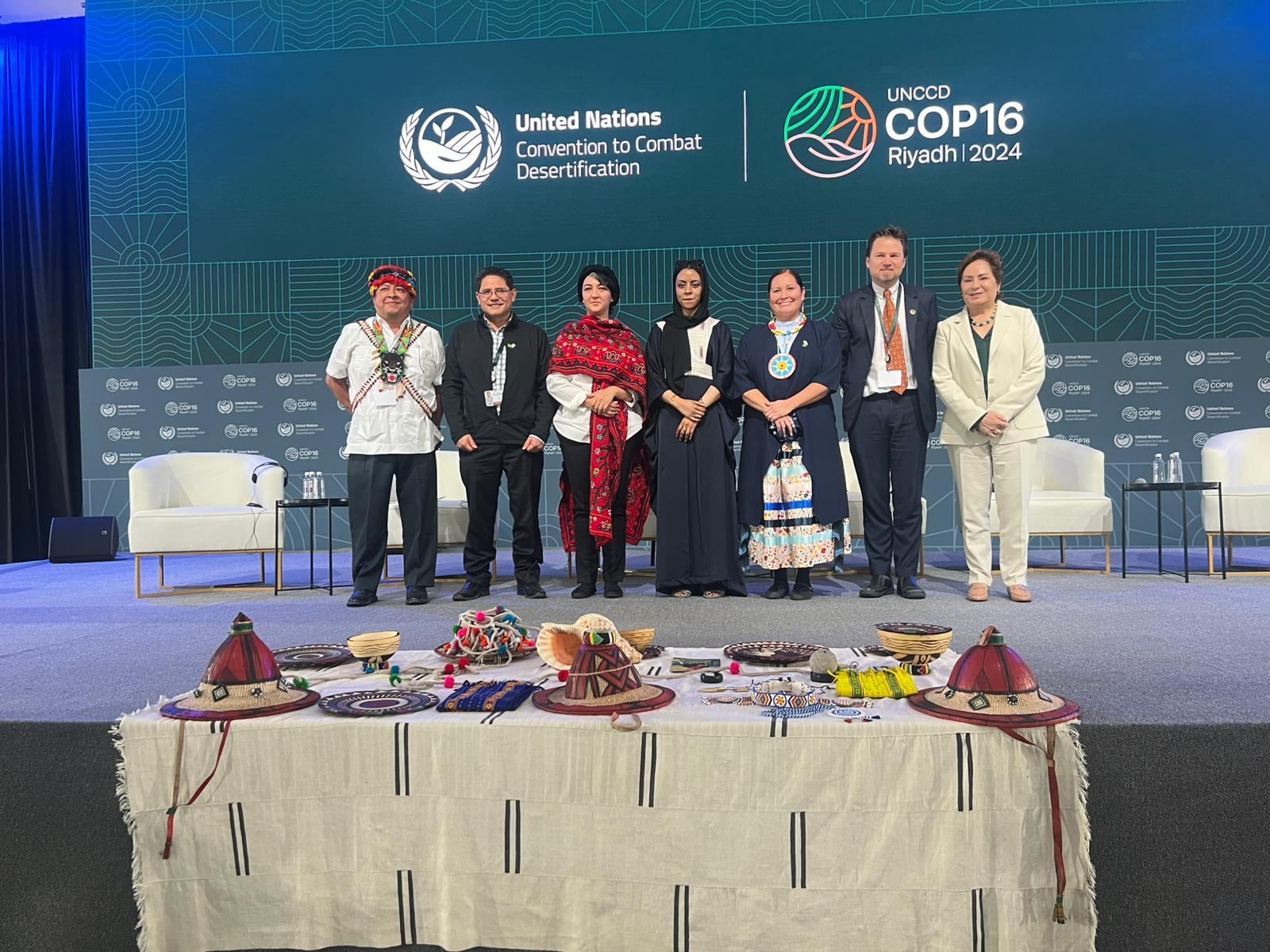
On December 7, 2024, during the United Nations Convention to Combat Desertification (UNCCD) COP16 in Riyadh, Saudi Arabia, Indigenous Peoples from across the globe came together to present the “Sacred Lands Indigenous Peoples Declaration.” This historic moment highlights the urgent need to recognize and uphold the rights of Indigenous communities in land restoration and environmental stewardship.
With decades of expertise in managing lands and territories, Indigenous Peoples continue to play a pivotal role in the fight against desertification, land degradation, and environmental crises. This declaration serves as a powerful call for global leaders and policymakers to respect, recognize, and support Indigenous rights in all land-related decisions and actions.
The FSC Indigenous Foundation is proud to have supported this historic achievement.
Below is the full text of the declaration, outlining key calls to action for governments, policymakers, and the international community.
SACRED LANDS INDIGENOUS PEOPLES DECLARATION
AT THE UNITED NATIONS CONVENTION TO COMBAT DESERTIFICATION
COP16, RIYADH, SAUDI ARABIA
It has been thirty-one years since the 1992 United Nations Conference on the Environment and Development that led to the creation of the sister conventions: the Framework Convention on Climate Change (UNFCCC), the Convention on Biological Diversity (UNCBD), and the Convention to Combat Desertification (UNCCD). These conventions were meant to address the issues of climate change, biodiversity loss, and desertification, drought, and land degradation, but we are not any nearer to the resolution of these problems. We continue to experience the crises brought about by over-consumption and disregard for nature.
Here at UNCCD COP16, we acknowledge the support of the government of the Kingdom of Saudi Arabia and the UNCCD Secretariat in bringing together—for the first time—Indigenous Peoples’ representatives from Africa; the Arctic; Asia; Central and South America and the Caribbean; Eastern Europe, Russian Federation, Central Asia and Transcaucasia; North America; and the Pacific.
RESPECT, RECOGNIZE, PROMOTE AND PROTECT INDIGENOUS PEOPLES’ RIGHTS IN THE UNCCD POLICIES AND ACTIONS
We call on Parties to ensure an approach that embraces human rights and Indigenous Peoples’ rights in all policies and actions related to land restoration and resilience building. We call on Parties to respect, recognize, promote, and protect Indigenous Peoples’ rights, based on the fundamental right to self-determination, provided for in the UN Declaration on the Rights of Indigenous Peoples and the International Convention on the Elimination of Racial Discrimination (CERD) and its General Recommendation 23. Indigenous Peoples’ lands and territorial rights, tenure systems, and governance need to be recognized and upheld. Indigenous Peoples’ abilities to manage their lands and territories should be maintained and enhanced in all UNCCD policies and actions, including recognition and support for Indigenous Peoples’ collective actions and efforts related to the restoration of degraded lands and conservation of our lands and territories.
ENSURE FULL AND EFFECTIVE PARTICIPATION OF INDIGENOUS PEOPLES, INCLUDING WOMEN AND YOUTH, IN LAND-RELATED PROCESSES AND PROGRAMS AT THE LOCAL, NATIONAL, REGIONAL AND INTERNATIONAL LEVELS
Indigenous Peoples’ lands and territories are on the frontline of environmental crises, including land desertification, drought and degradation. The full engagement of Indigenous Peoples is critical to the success of the UNCCD. We urge Parties to establish an Indigenous Peoples Caucus within the UNCCD at COP16, as rightsholders, distinct from the Civil Society Organizations (CSOs). In keeping with established norms within the United Nations, the creation of a distinct caucus will create a meaningful space to exchange knowledge amongst ourselves and enable us to more effectively advise the UNCCD. This will bring the UNCCD in line with other UN fora, including the sister conventions, the General Assembly resolution 71/321, and the UN Declaration on the Rights of Indigenous Peoples.
RECOGNIZE INDIGENOUS PEOPLES’ KNOWLEDGE SYSTEMS AND POSITIVE CONTRIBUTIONS TO LAND RESTORATION, STEWARDSHIP, AND TRADITIONAL LIVELIHOODS
There is no doubt that Indigenous Peoples have unique knowledge systems and livelihoods arising from our ancestral connections and close ties with our lands and territories. This knowledge is a valuable source of feasible solutions that can contribute to the effective implementation of the UNCCD. We call for the equitable and ethical inclusion of Indigenous Peoples’ knowledge, science and technologies, values, practices, and innovations in the decisions of the UNCCD COP16. We urge Parties to provide a permanent seat for Indigenous Peoples on the Committee on Science and Technology.
ENSURE DIRECT ACCESS TO FINANCES FOR INDIGENOUS PEOPLES FROM ALL SEVEN SOCIO-CULTURAL REGIONS
We stress the need to directly fund the self-determined actions of Indigenous Peoples with regards to protecting and restoring lands and territories. We advocate for the inclusion of the full and effective participation of Indigenous Peoples in decision making about the UNCCD funds and financial mechanisms and provide for direct access to resources without relying on intermediaries. The funding mechanisms should be equitable, non-discriminatory, accessible, flexible, and responsive to priorities across all socio-cultural regions without political impediments. We urge Parties to support our request for the representation of Indigenous Peoples as active observers on the Riyadh Action Agenda and Riyadh Drought Resilience Partnership Fund. We encourage the UNCCD to create a dedicated fund for Indigenous Peoples’ initiatives on land restoration, conservation, and desertification and drought resilience.
We offer our strong appreciation to the COP Presidency and Secretariat for their commitment to Indigenous Caucus members. We call on other Parties and upcoming COP President to also extend their support in forthcoming meetings. We remain committed to working with the Parties as full partners and trust our contributions bring benefit for all. We remind everyone that, without the full recognition of Indigenous Peoples’ rights and to the matters set out in this Declaration, the goals of the Convention will ultimately not be achieved. Therefore, we count on you to uphold our rights.
In a few of our Indigenous languages: Ousseko! Mingetti! Ondjarama! Miigwetch! Wophila Tanka! Kurang! Ikatu Nekopoe! Hahom! Soro Nyo Wogh! Matiox! Doggus Nued! Nga Mihi Nui! Ashe Naleng! Kotoluadan! Salamat! Tyoox Tii! Khop Khun kha! Sepas! Saqol! Morȋ pe! Molyii! Tat fa kup! Maketai! Spasibo! Jaaн byiyan! Eyde polzyyn! Nugen! Min yetti! Alatsüking!
Conclusion:
The “Sacred Lands Indigenous Peoples Declaration” is a crucial reminder that the future of our planet depends on Indigenous leadership and knowledge. With 31 years having passed since the creation of the UNCCD and its sister conventions, the need for meaningful change has never been more urgent.
The declaration calls for the recognition of Indigenous rights, full participation in decision-making processes, and direct access to financial resources for land restoration and resilience efforts. As we move forward, we must center Indigenous solutions in the global fight against desertification and climate change—together, we can ensure a sustainable future for all.