
Forests & Indigenous Voices | August 2026
Global News and Indigenous Engagement
The Forests & Indigenous Voices Newsletter brings you monthly stories and news on Indigenous leadership and knowledge, global advocacy, nature-based solutions, and opportunities to connect and engage.
Global news:
In this edition, we follow Indigenous voices across territories and global spaces, from communities exchanging knowledge on Indigenous nature-based economies, to a powerful call for Indigenous worldviews to guide global action on climate change, biodiversity loss and land degradation.
Currently in Mongolia
“Beyond Fragmentation: Advancing Coherence, Equity, and Indigenous Leadership Across the Rio Conventions”
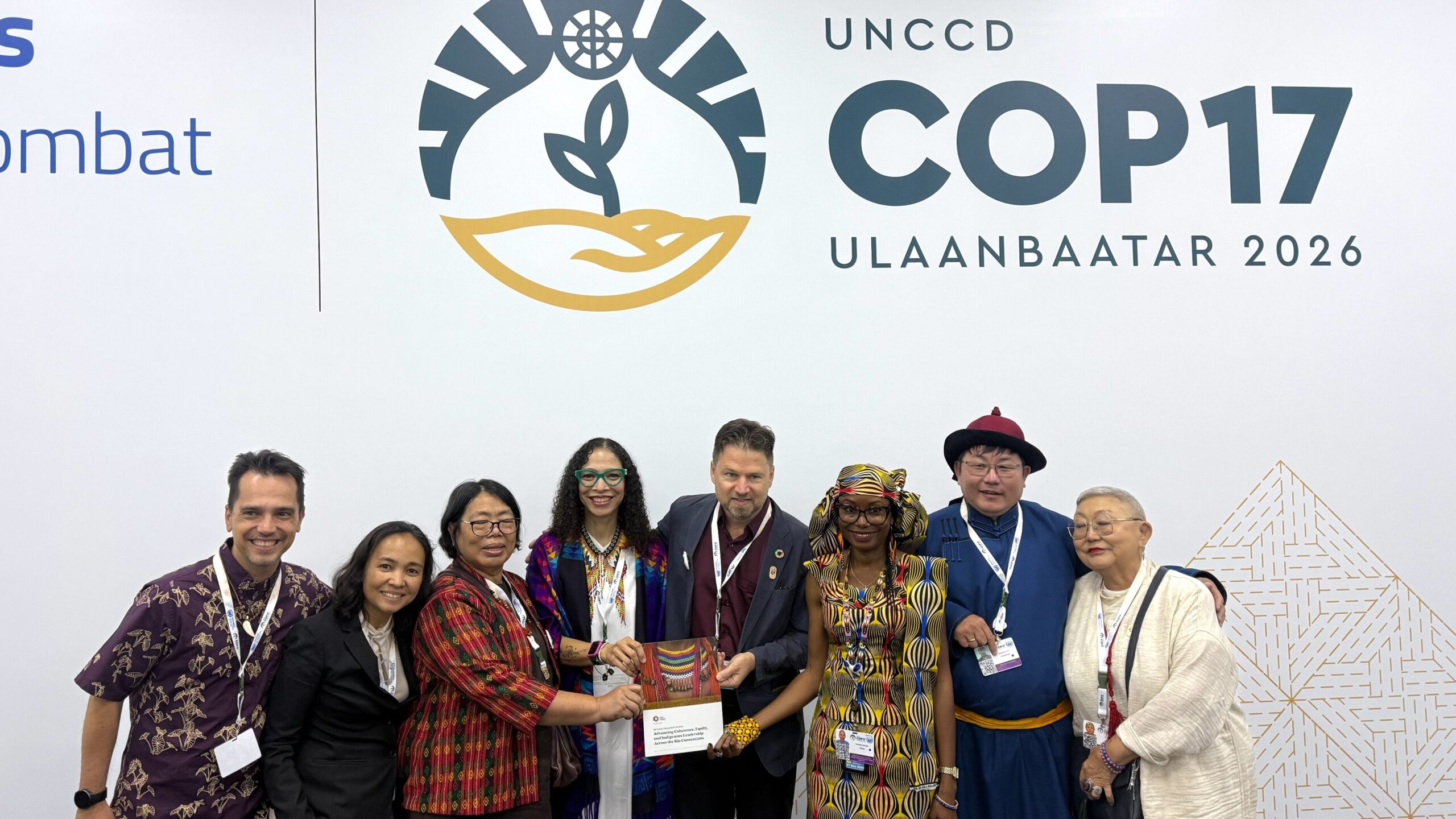
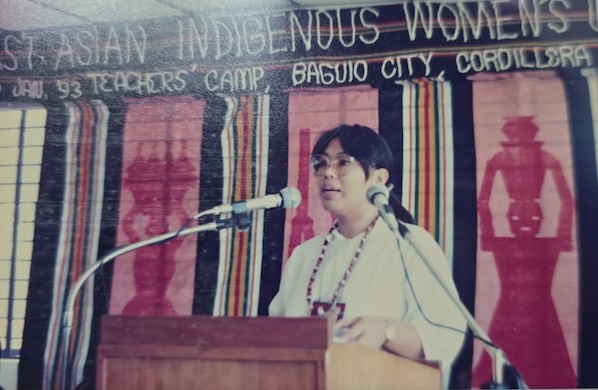
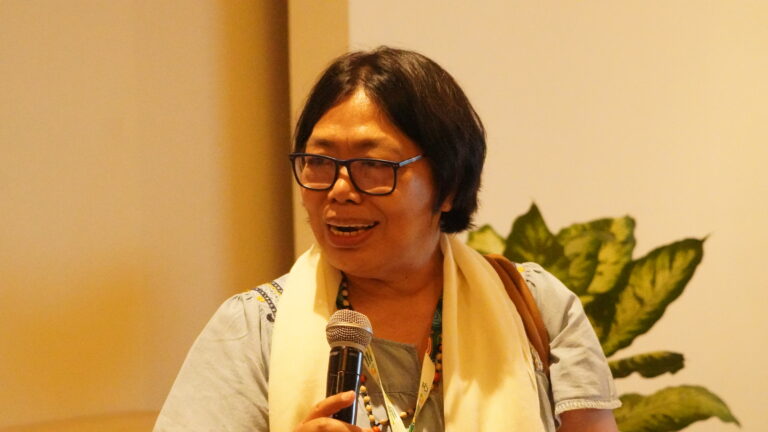
At COP17 UNCCD, Nia Tero officially launched the report “Beyond Fragmentation: Advancing Coherence, Equity, and Indigenous Leadership Across the Rio Conventions;” authored by Minnie Degawan, Indigenous rights expert and Kankanaey-Igorot from the Philippines.
“The report examines Indigenous Peoples’ recognition and participation in the Rio Conventions. Climate change, biodiversity loss and land degradation are all interconnected, Minnie, source Inter Press Service.
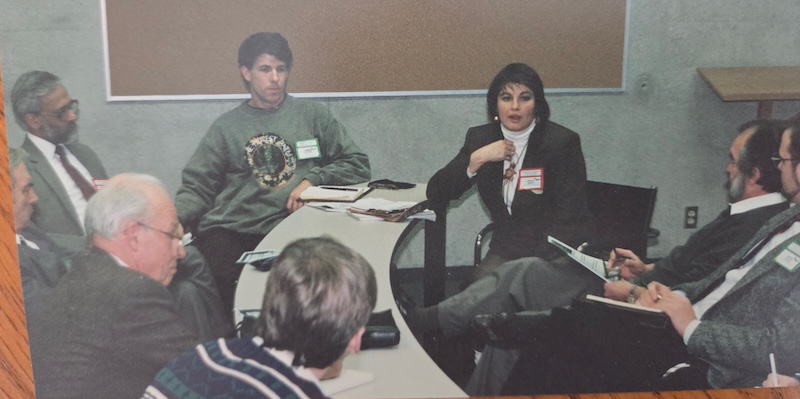
During the launch, Minnie recalled with vivid memories, one of the biggest gatherings of Indigenous Peoples in the world in the UNCED and how in that time (33 years ago), Indigenous Peoples travelled, not as representatives of organizations, but as representatives of their Peoples. “We went to Kari-Oca with a message: Nature is one,” she shared.
Now, in this current climate, we need to make sure this worldview stands.
Solutions to climate change cannot be separated from solutions to biodiversity loss, just as land degradation cannot be disconnected from deforestation. All of these are interconnected and that is an important thing that Indigenous Peoples need to reclaim, reassert and push for, she said.
For the youth who are starting to participate in the conventions, Minnie offered words of encouragement: “be grounded in your community – always return to your origin.”
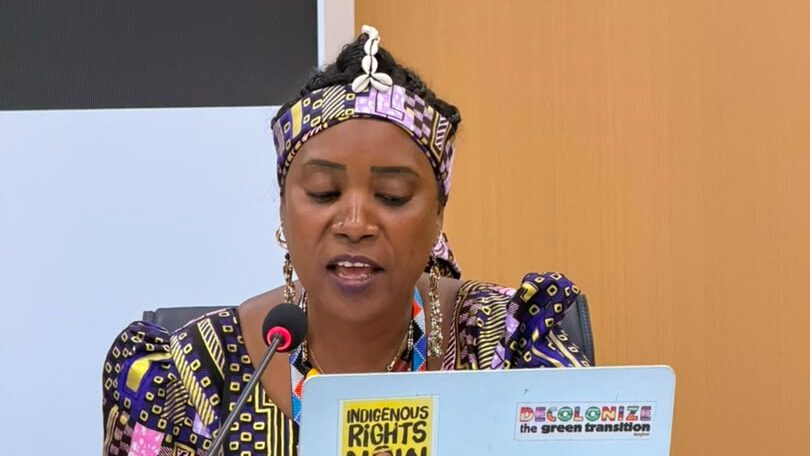
The Indigenous Peoples’s Caucus at the COP17 UNCCD
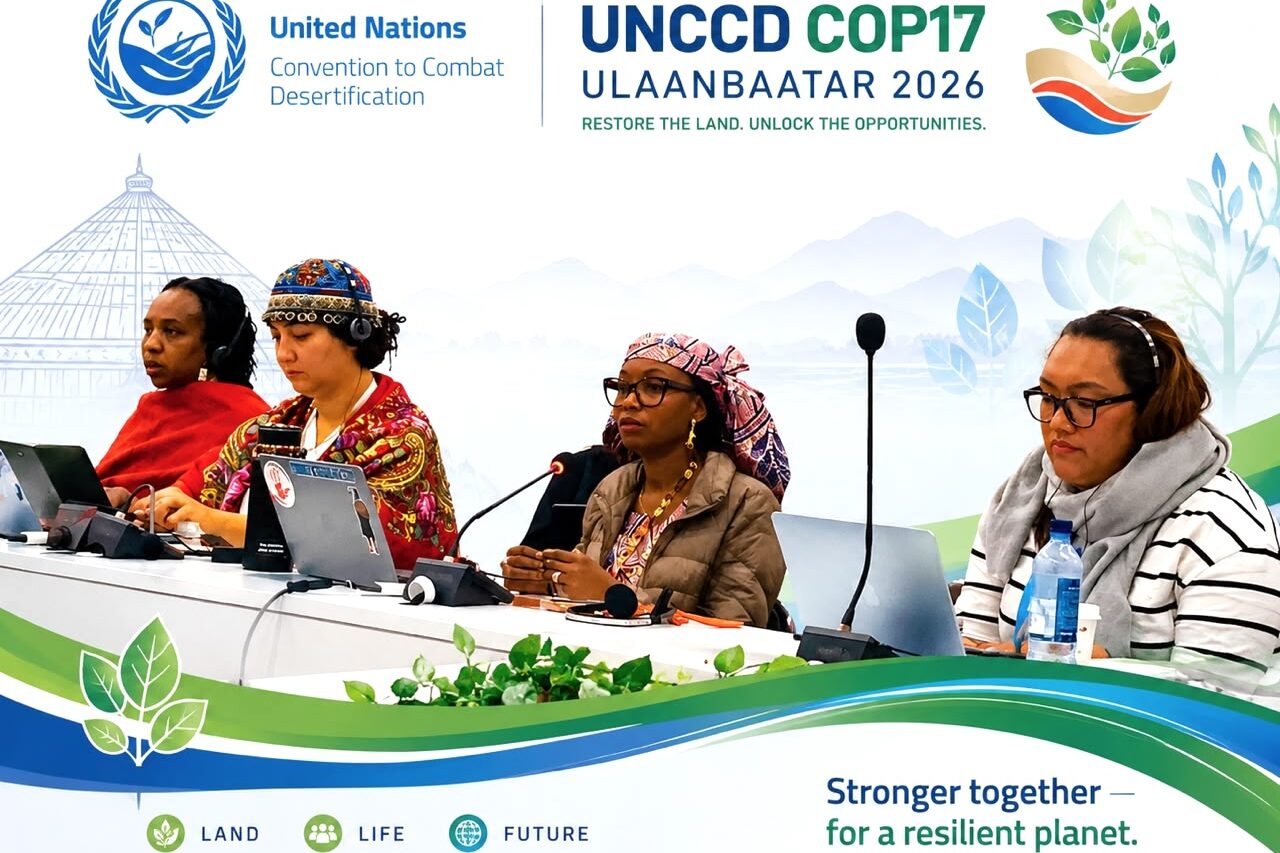
Stronger together – for a resilient planet.
The Indigenous Peoples’ Caucus aims to facilitate the meaningful, effective, and coordinated participation of Indigenous Peoples in the processes of the United Nations Convention to Combat Desertification (UNCCD). In doing so, it strengthens dialogue, coordination, and engagement between Indigenous Peoples and Parties to the Convention in matters related to policy development, negotiations, implementation, monitoring, and review.
Global Pastoralist and Indigenous Pastoralists’ Call For Action: Ulaanbaatar Declaration 2026
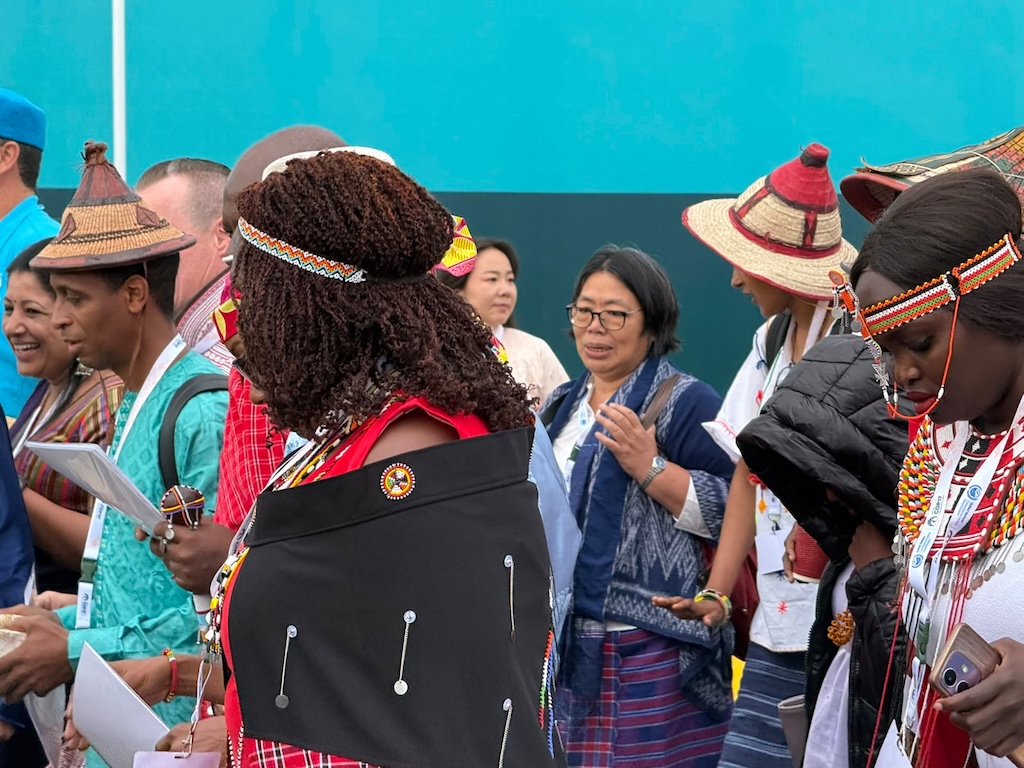
During the first day at COP17, Pastoralists, Indigenous Peoples, and other groups from various regions of the world marched to deliver the “Global Pastoralist and Indigenous Pastoralists’ Call For Action: Ulaanbaatar Declaration 2026” to the COP 17 Presidency.
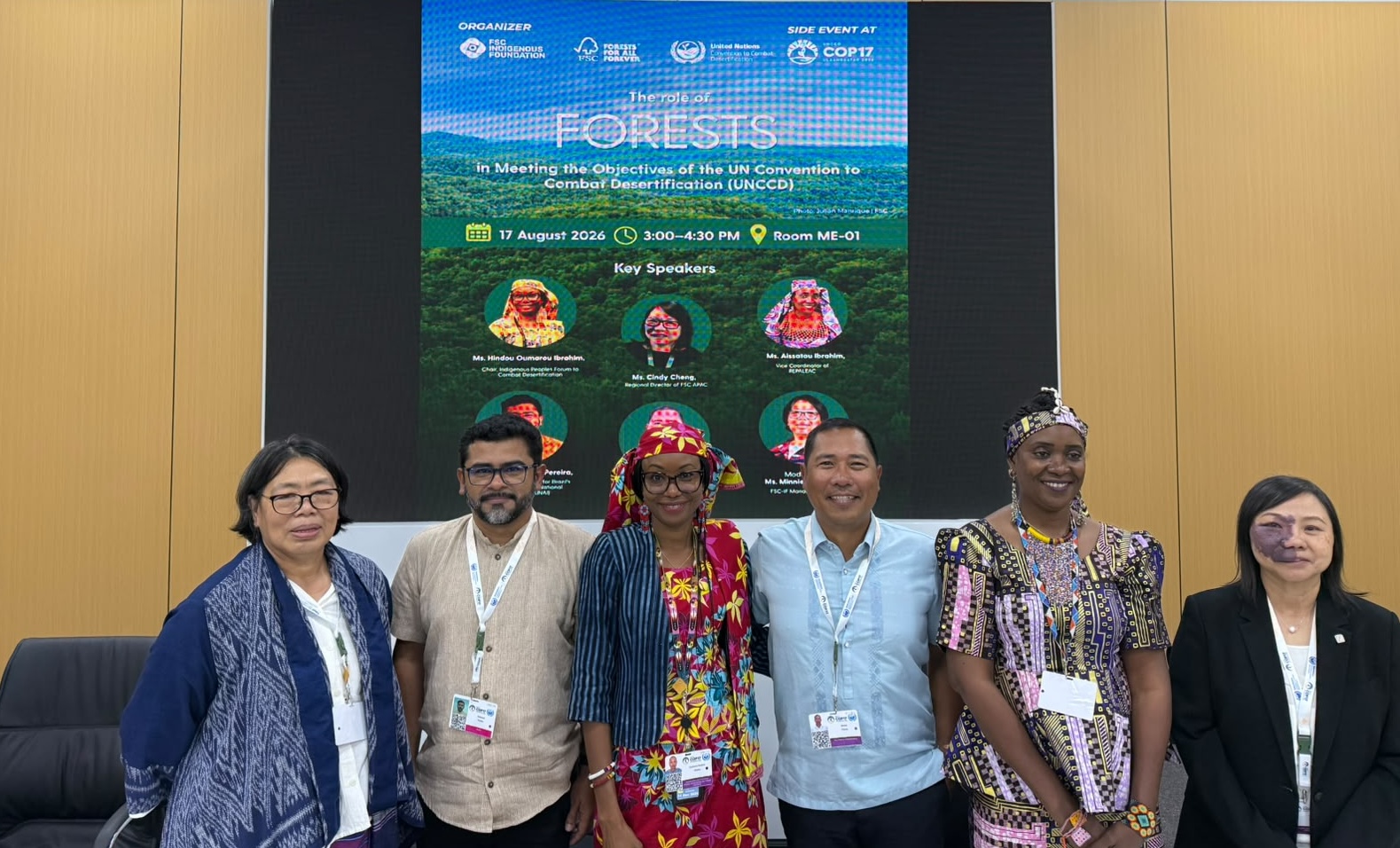
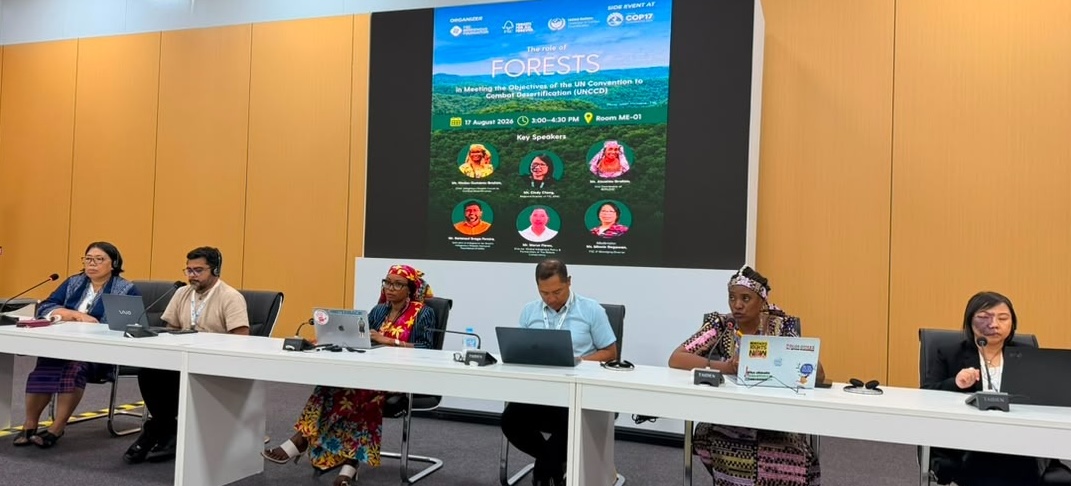
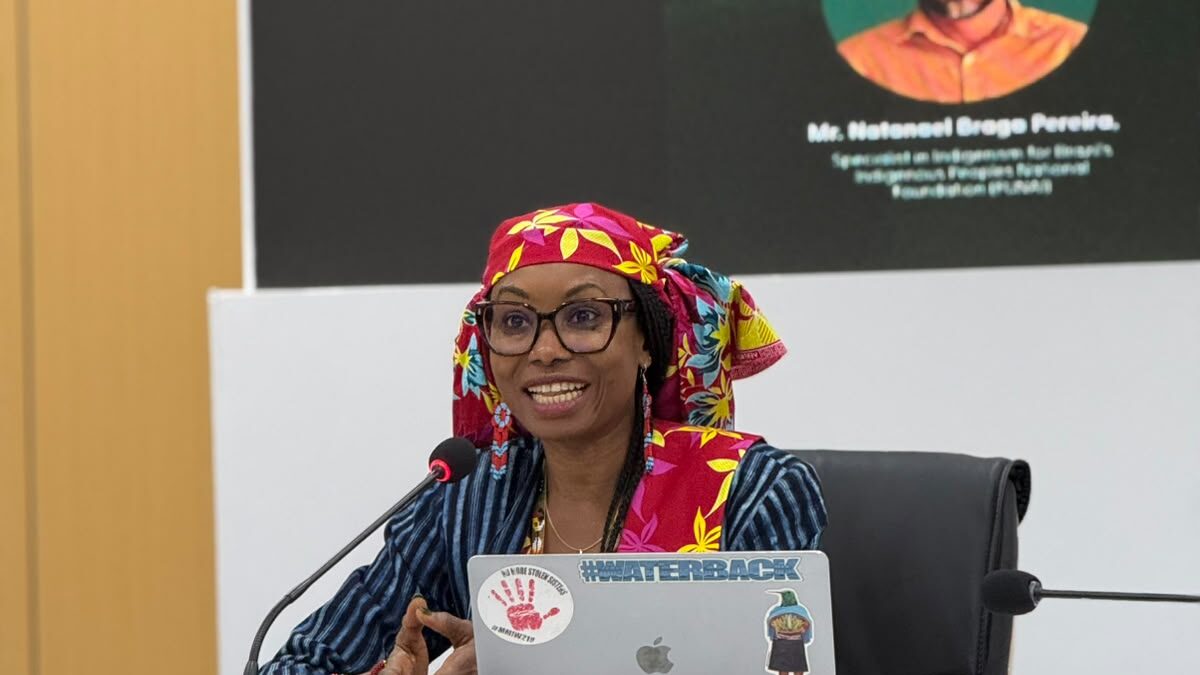
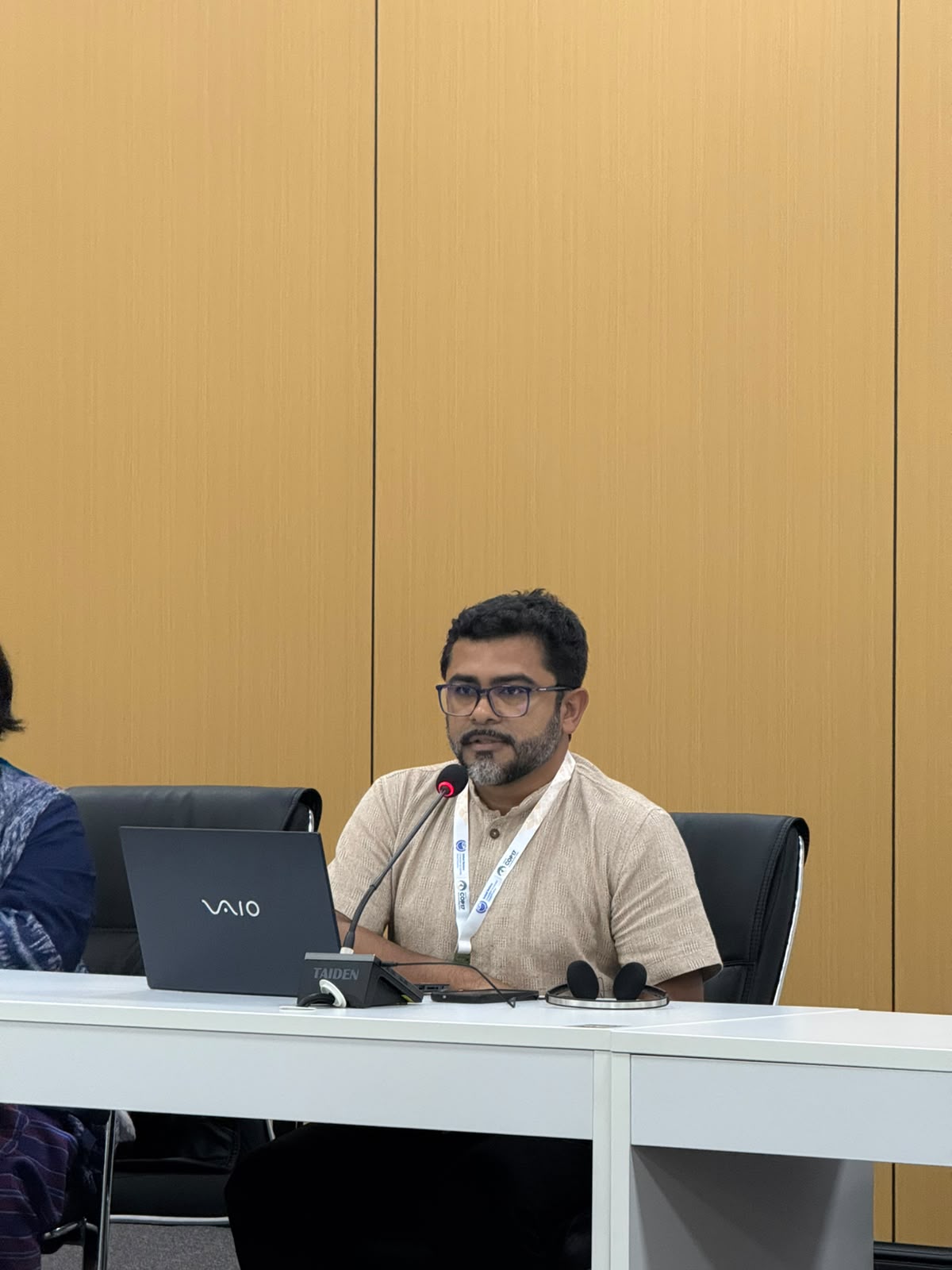
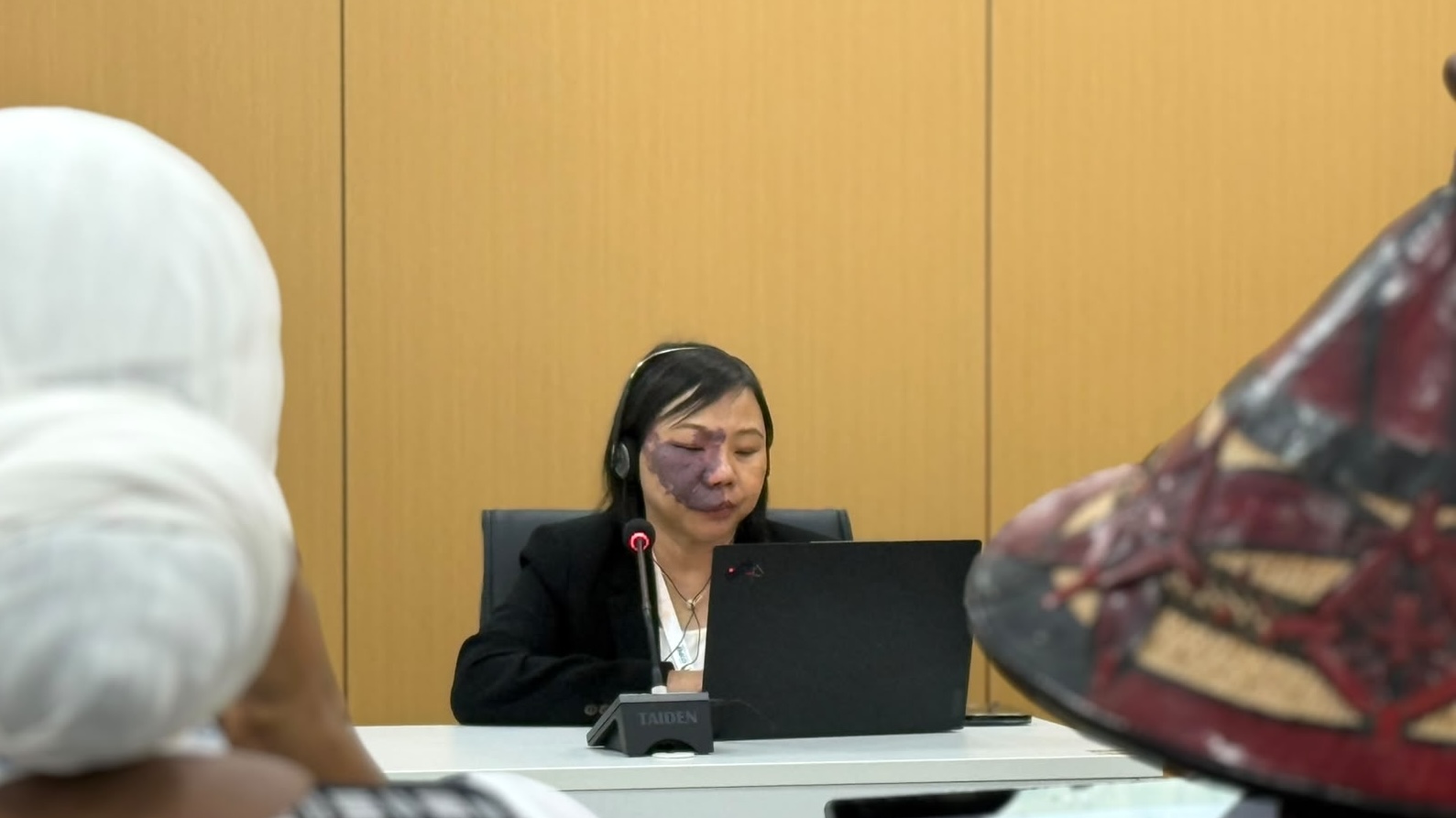
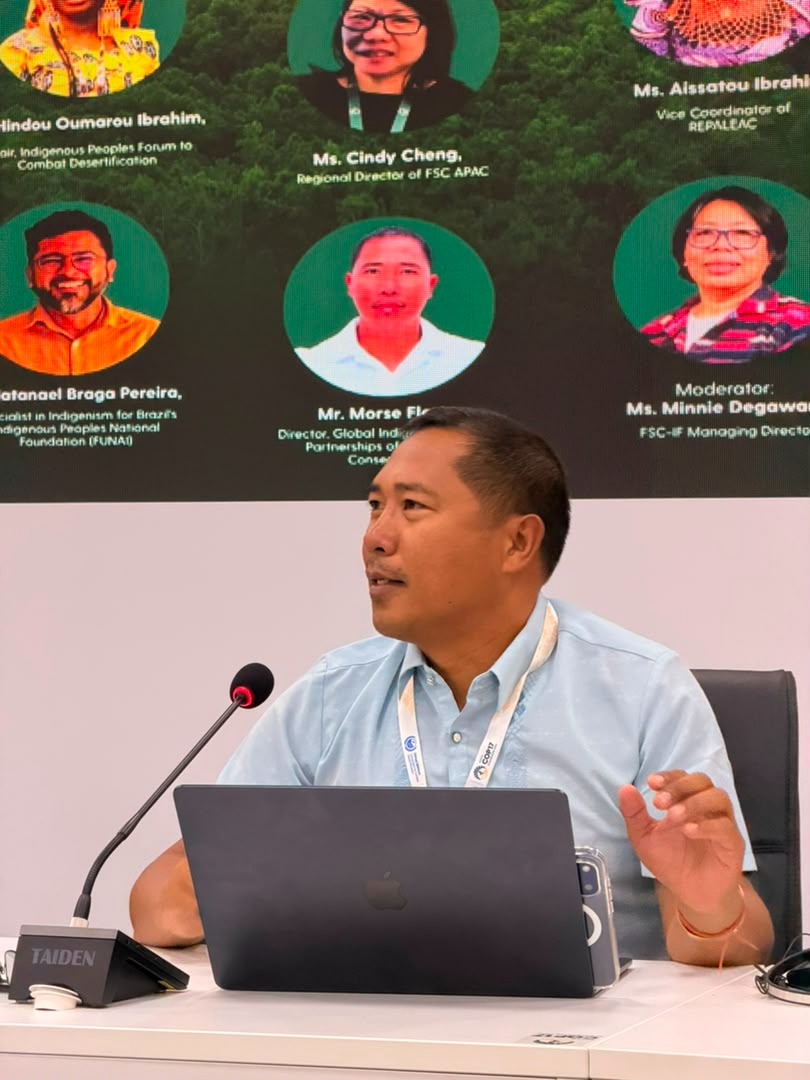
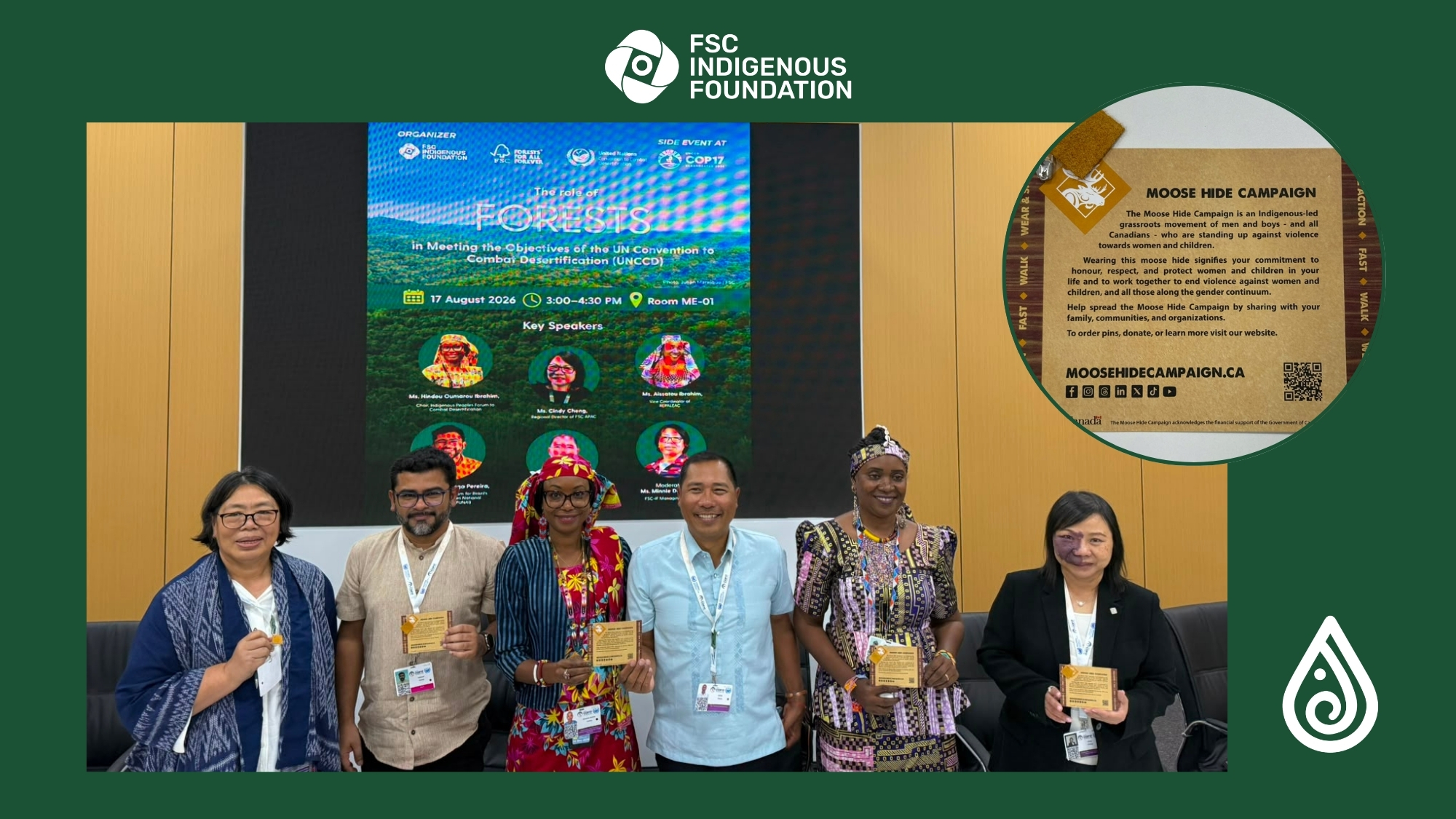
The Role of Forests in Meeting the Objectives of the UNCCD
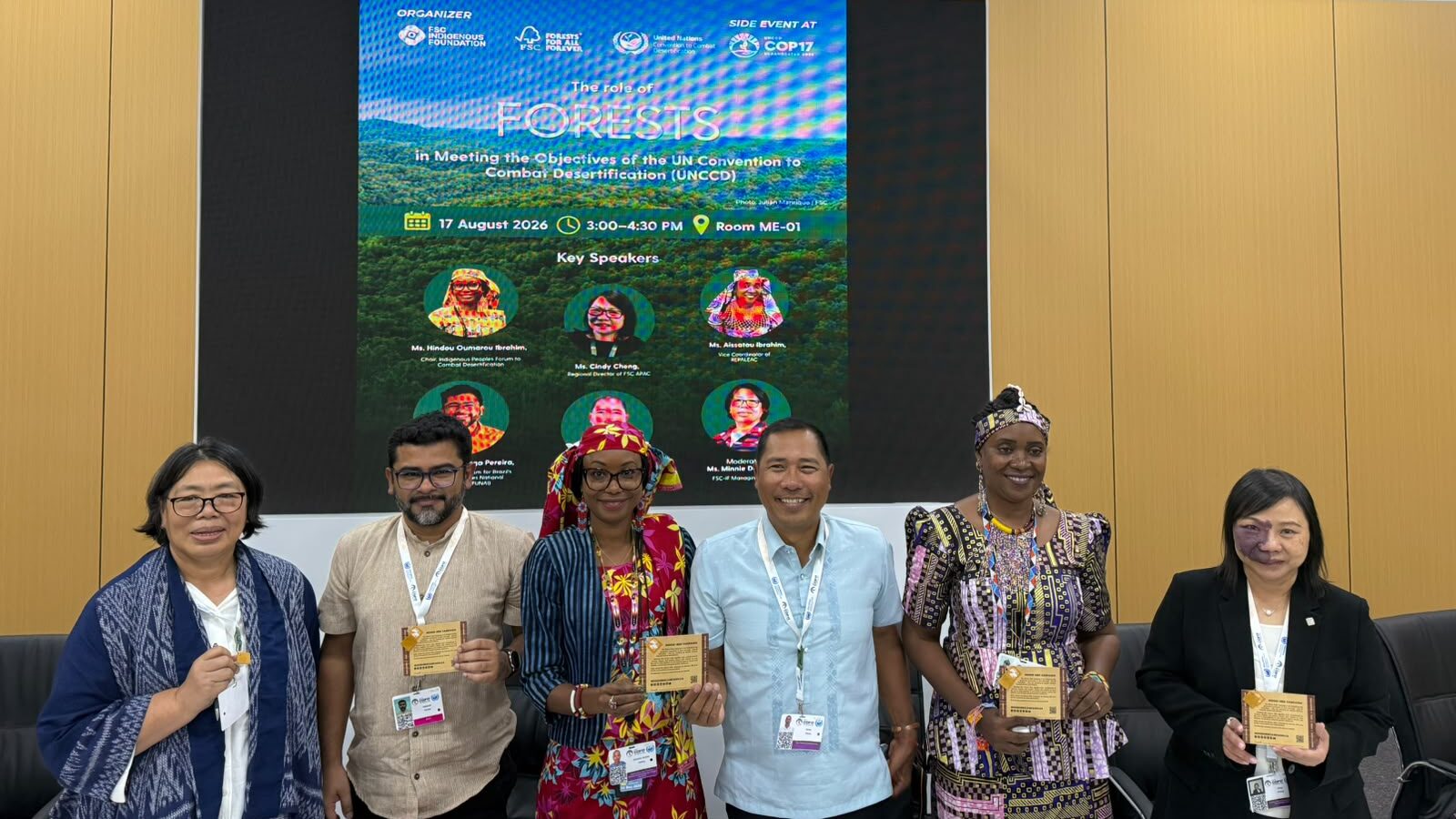
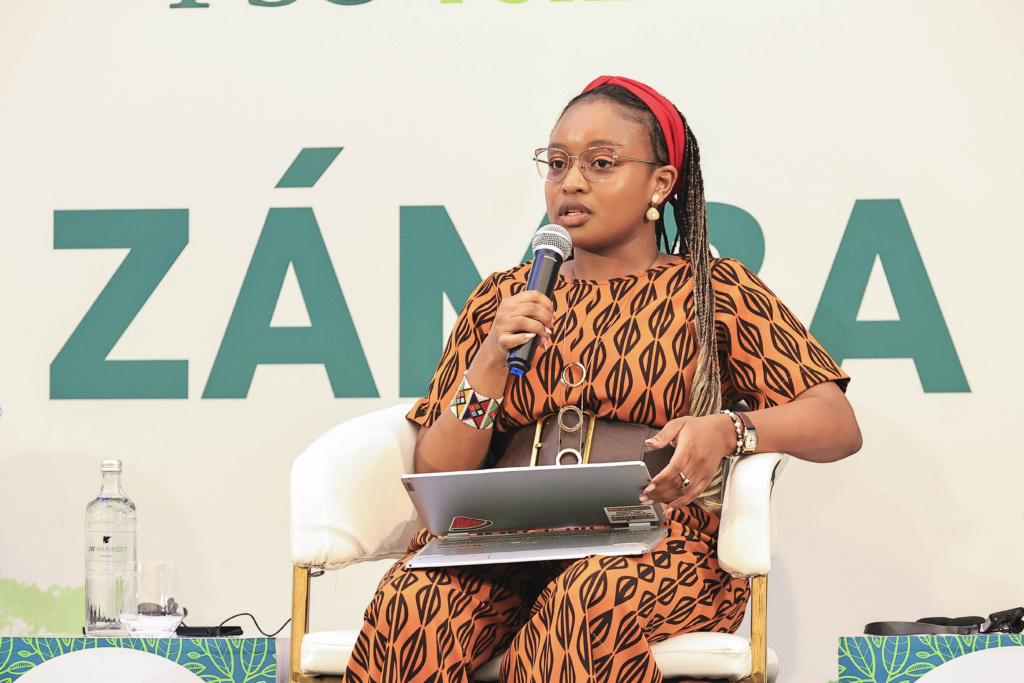
Discover key outcomes from the FSC Indigenous Foundation side event, where Indigenous leadership and cross-sector cooperation highlighted the vital role of forests in advancing UNCCD objectives.
Panama
Knowledge exchange between Embera-Wounaan & Kichwa Peoples
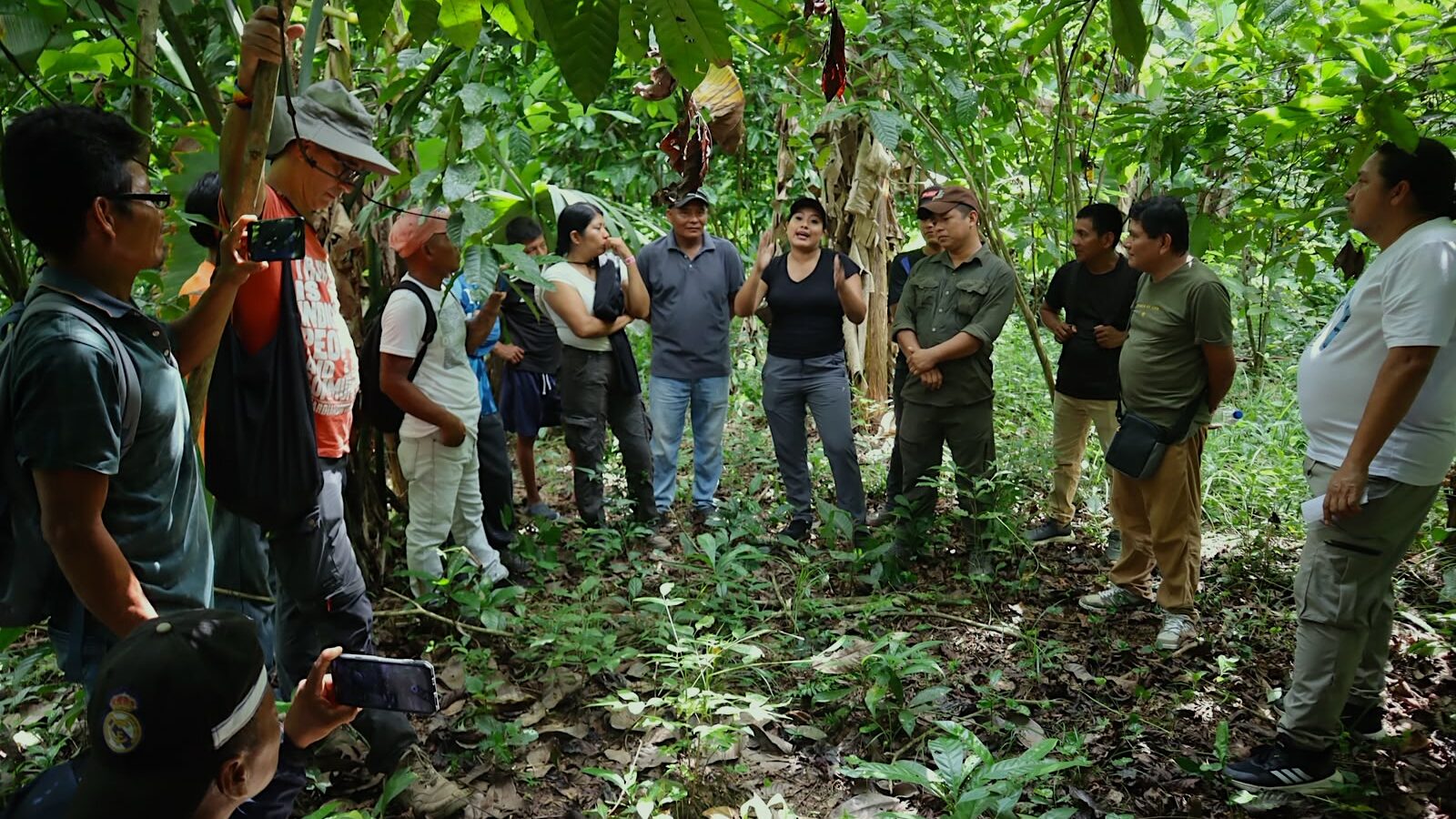
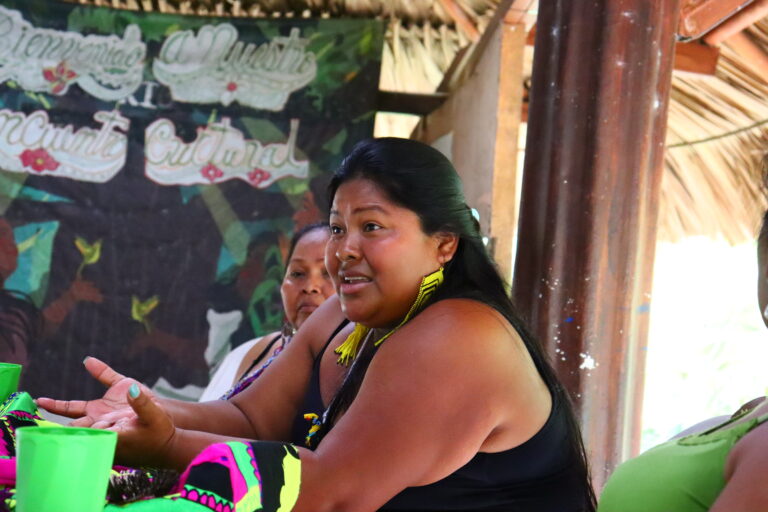
Indigenous communities and organizations from Panama and Ecuador came together in Darién from August 8 to 11 for a technical exchange centered on strengthening Indigenous nature-based economies. As part of the FSC’F’s project “Boosting Indigenous Nature-Based Business Models,” with support from BID Lab, the exchange created a space for peer-to-peer learning, knowledge and cultural sharing and regional collaboration.
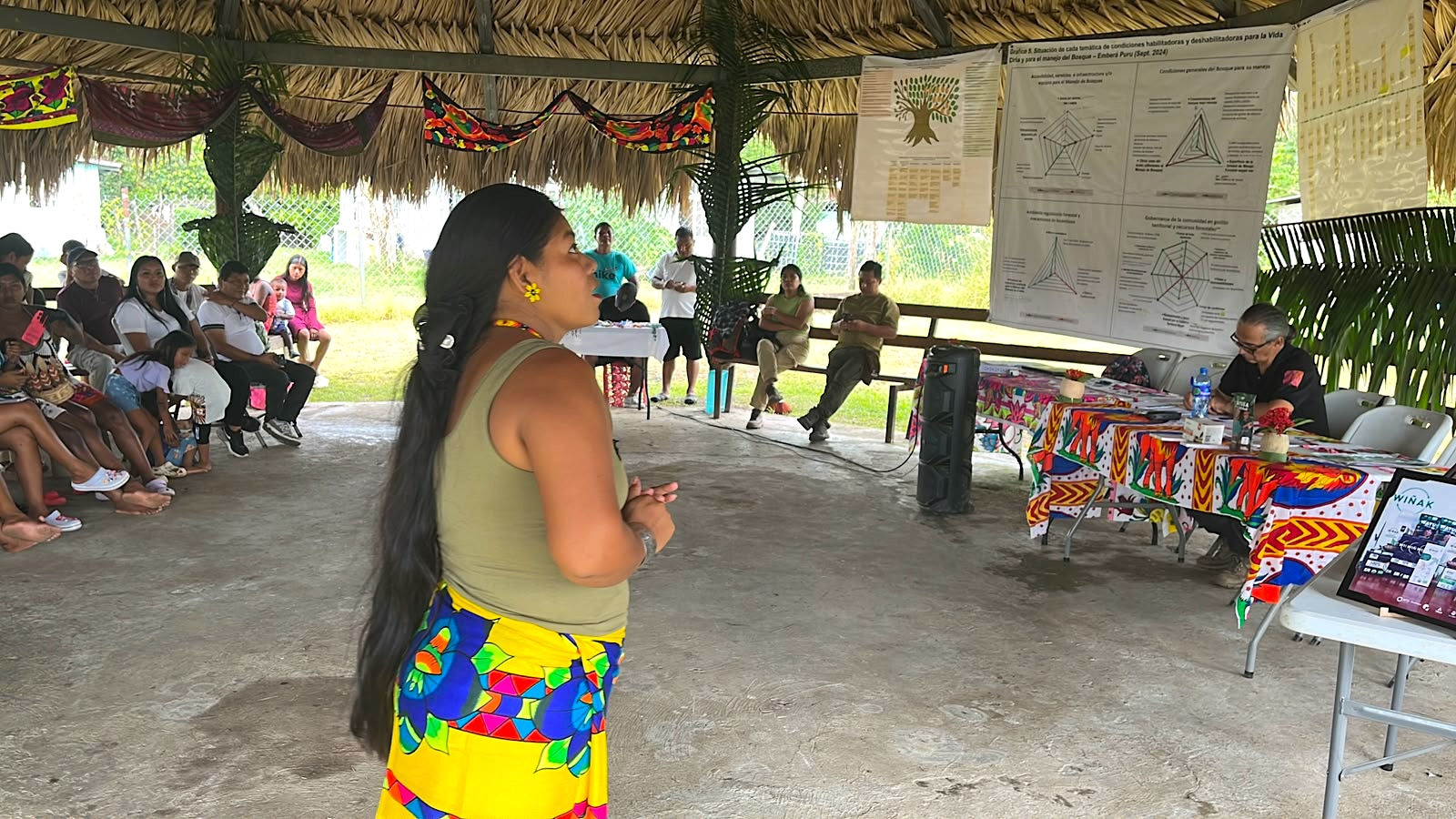
For me, the arrival of the Kichwa brothers and sisters was important for the exchange of knowledge. They shared with us how they succeeded with their products and organizations, how they marketed wayusa leaves, chocolate, and plantains, and how that provides a livelihood for their communities. I thank them for sharing their ideas with us. This is important to us because we’ve already been planting this seed in our community for two years, hoping it will grow into a tree that bears fruit, improving the economy for our future generations.
Luviana Chamapuro, Wounaan People, Oropéndolas Indigenous Organization
Indigenous and Community Economy Exchange
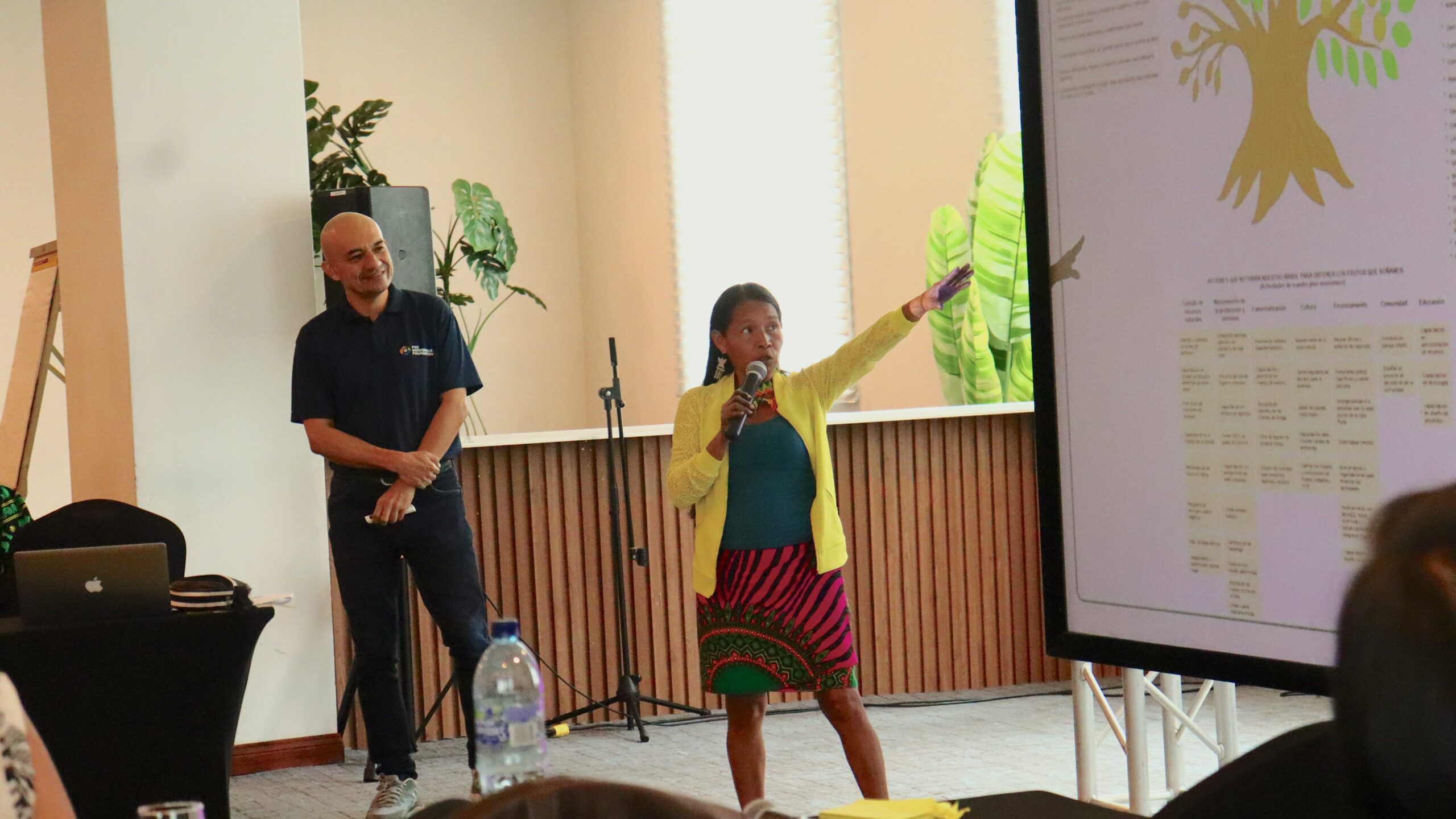
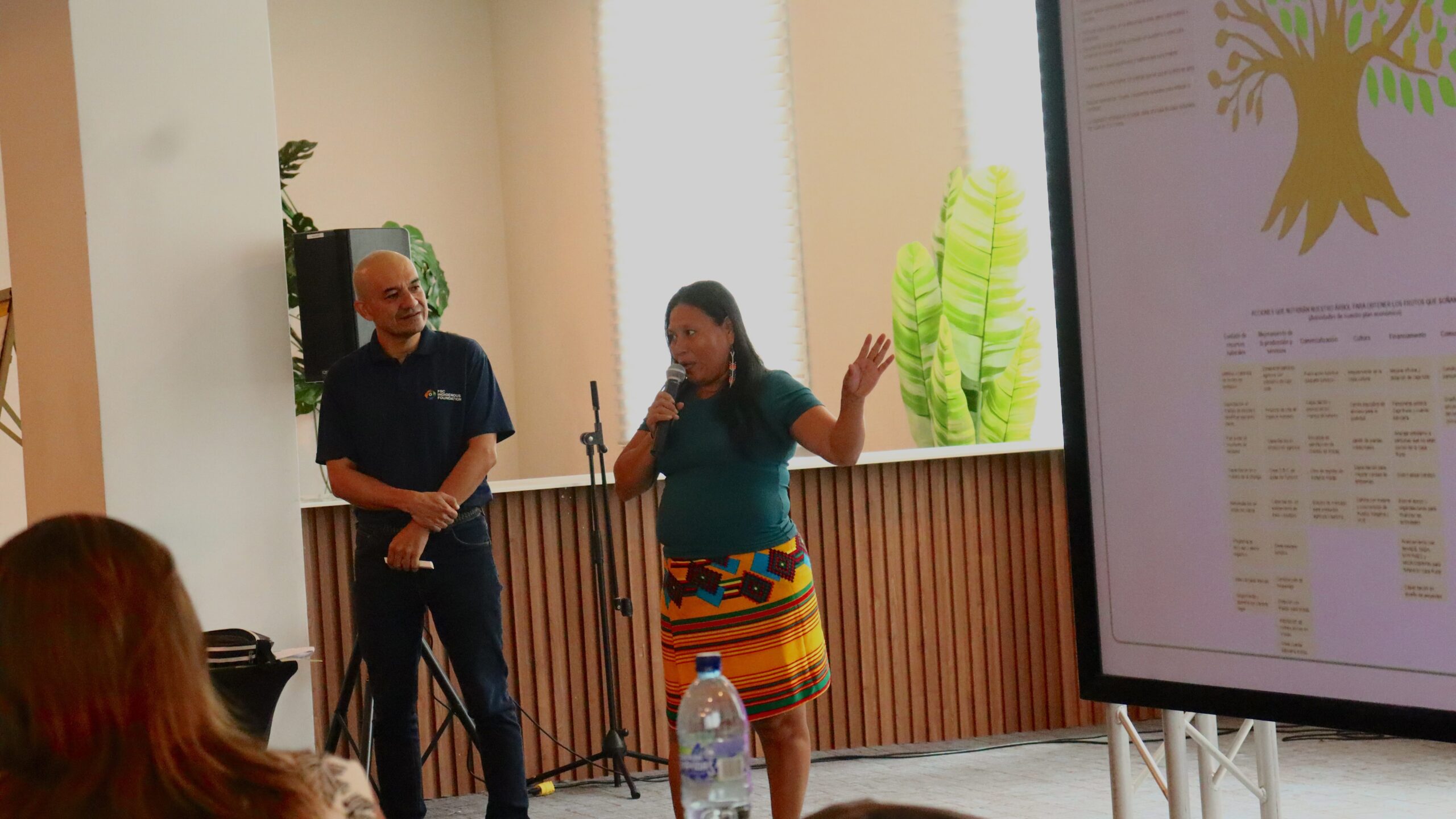
After engaging in the knowledge exchange in Darien, on August 12, the Embera-Wounaan communities travelled with the Kichwa brothers and sisters to Panama City to join the event “Indigenous and Community Economy Exchange: Regional economic models that strengthen forest governance, biodiversity, and livelihoods” hosted by AMPB.
They had an open dialogue about strengthening a shared vision of the indigenous and community-based economy as a model of territorial development that contributes to territorial governance, the conservation of forests and biodiversity, and the well-being of Indigenous Peoples and local communities.
Türkiye
Respect – Connection – Collective reflection
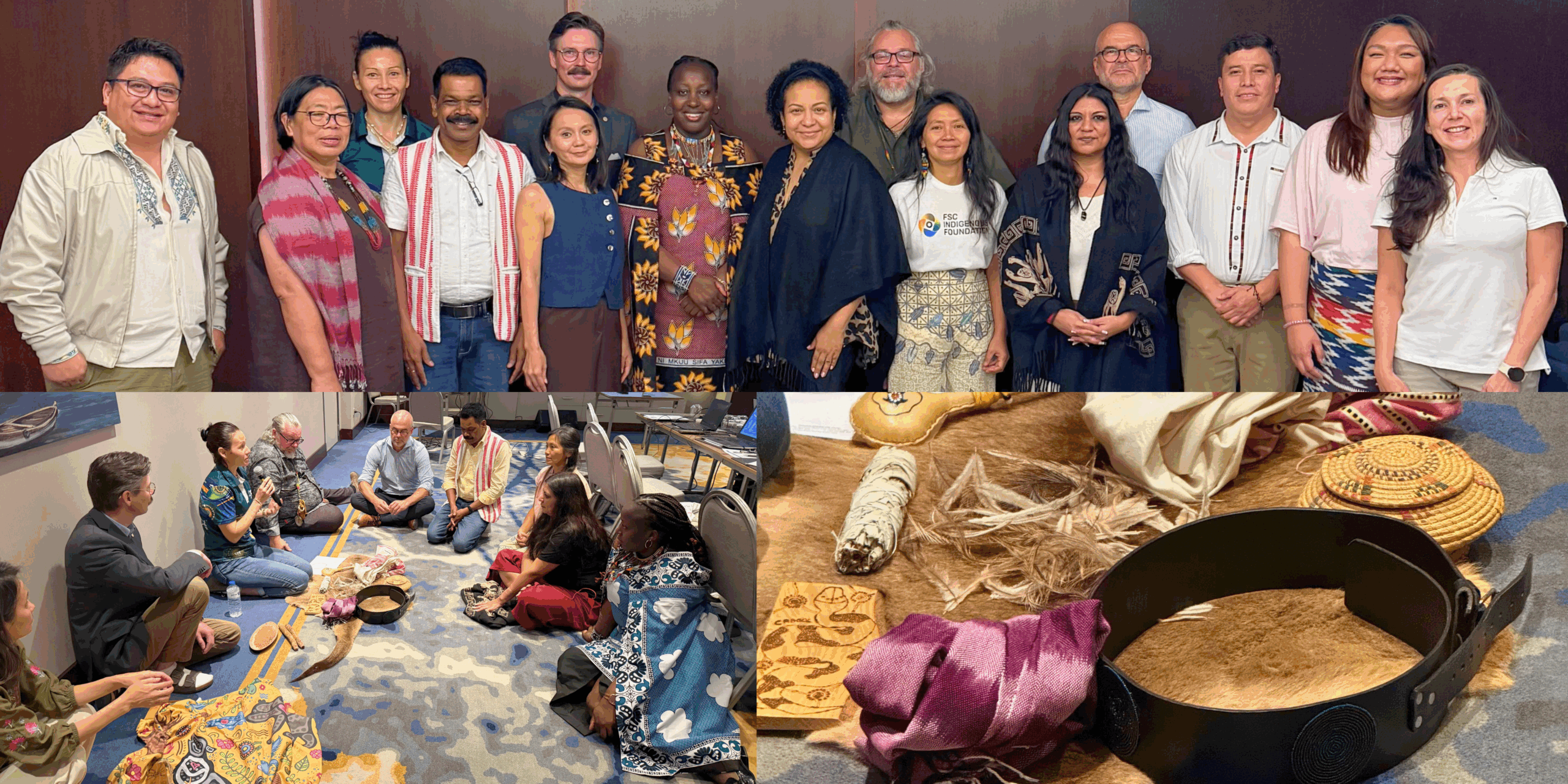
Indigenous leaders from across the world gathered in Istanbul for three days to exchange perspectives and shape a shared vision for the future of forests. Through meaningful dialogue and collective reflection, they strengthened connections and brought Indigenous voices, knowledge and experiences to the heart of conversations on forest governance.
Together, they explored how the FSC certification system can more fully respect FPIC, Indigenous Peoples’ rights and governance, while recognizing their knowledge, values and ways of caring for their lands.
Forests are sacred homes for Indigenous Peoples. Rooted in this profound connection, their leadership will continue to shape and safeguard the future of the world’s forests.
Worldwide
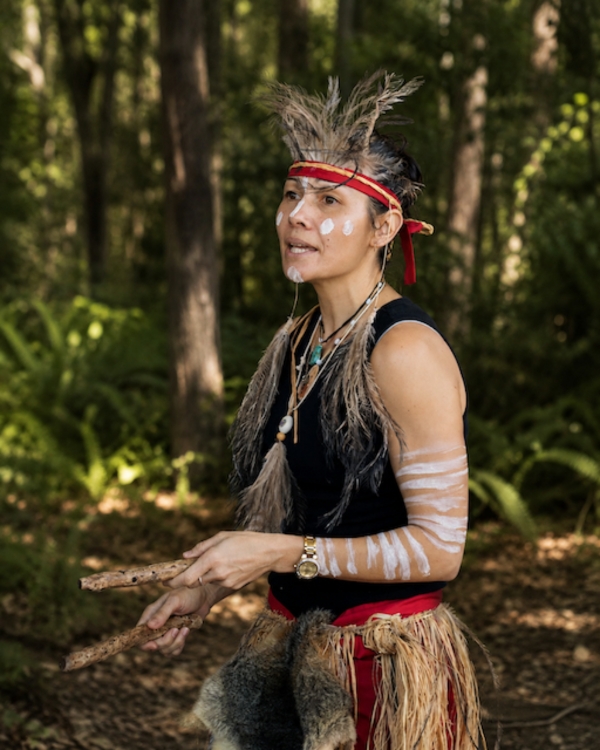
The knowledge keepers: Indigenous women leading forest governance on five continents
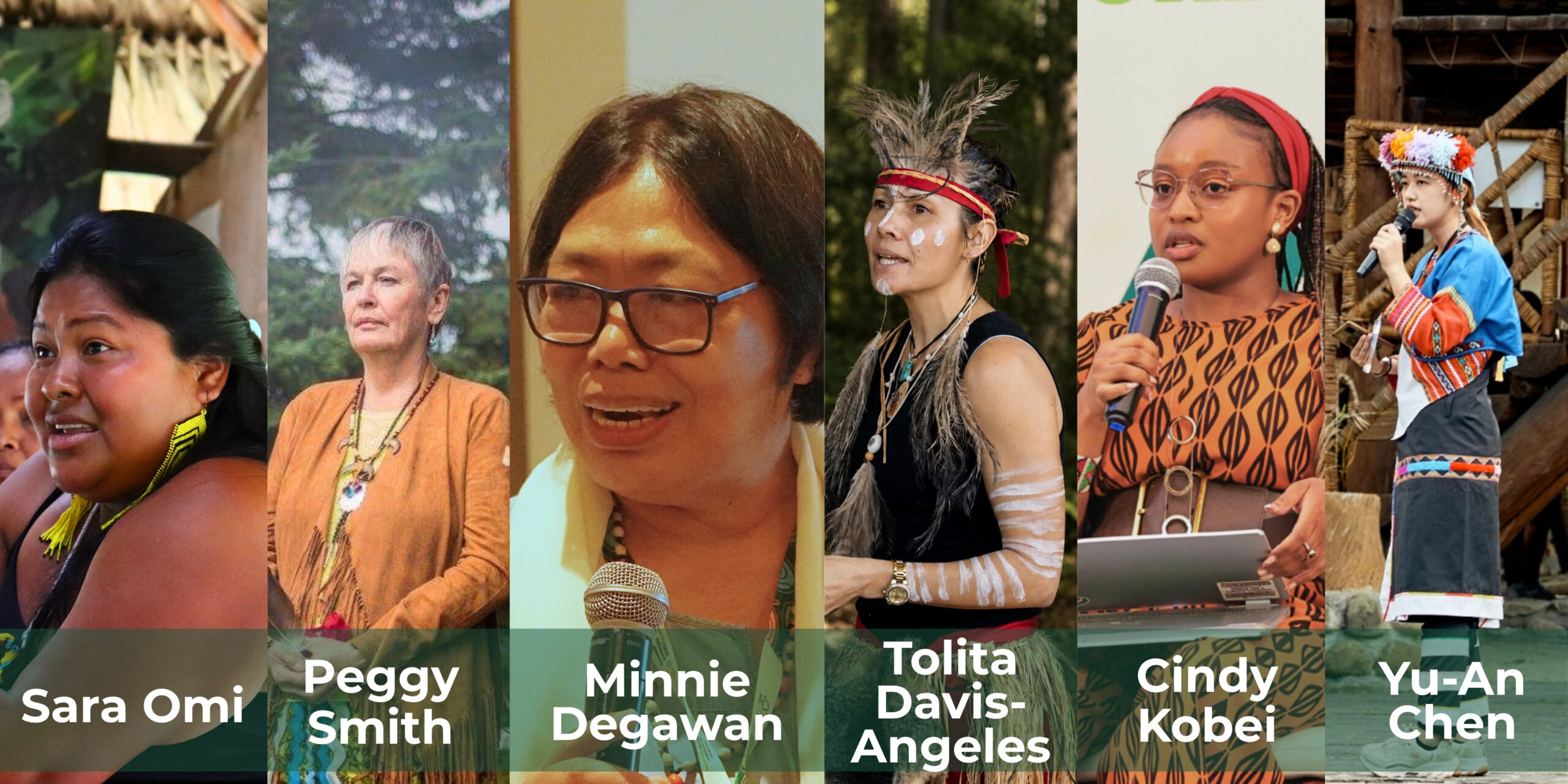
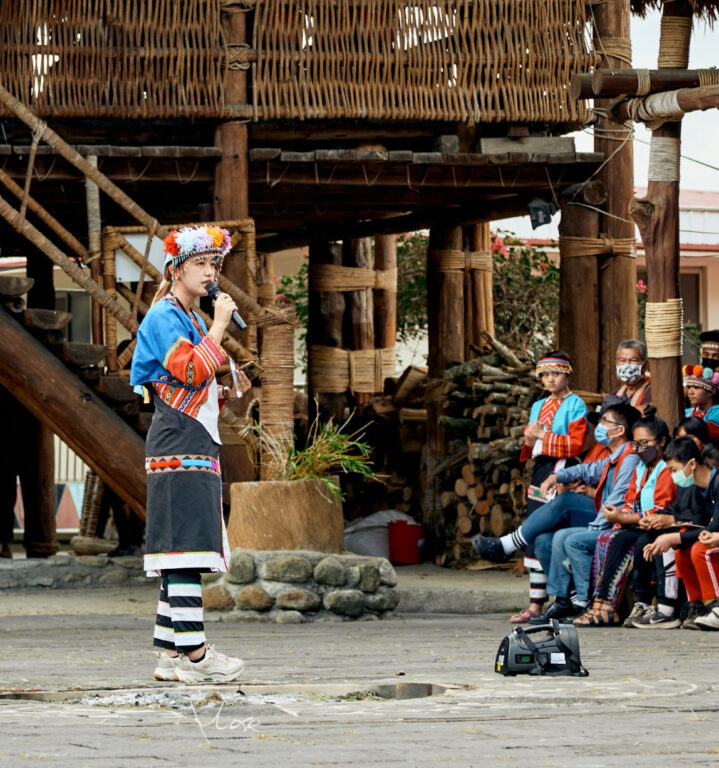
A river that purifies. A community whose very name means ‘‘caretakers of the forest.’’ A word – inayan – that teaches that whatever we do has consequences. Around the world, Indigenous women are leading forest governance in courtrooms, committees, and communities, carrying knowledge passed down through generations.
In collaboration with the Forest Stewardship Council (FSC), we shared 6 inspiring stories of women whose leadership and knowledge are creating lasting impact.