
News

A new generation of Indigenous leaders to promote rights and an alternate vision of development

Expert Degree empowers 44 Indigenous community leaders from Latin America to create and support agendas for change
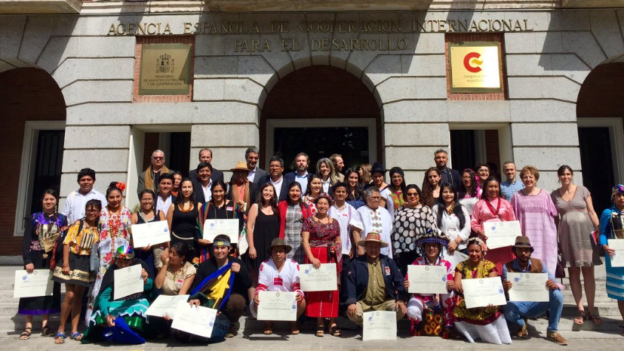
The FSC Indigenous Foundation (FSC-IF) supported the 16th edition of the Course: Expert Degree in Indigenous Peoples, Human Rights, and International Cooperation for Indigenous leaders in Latin America offered by the Fund for the Development of the Indigenous Peoples of Latin America and the Caribbean (FILAC) through the Universidad Carlos III de Madrid. 

Strong Indigenous leadership is essential for community development. The students who attended the course will become part of a new generation of global leaders who will provide solutions to protect Mother Earth, rooted in their cosmovision, ancestral knowledge, and innovation.

The future of the whole planet depends on the future of Indigenous Peoples. 

The course provided participants with training to assume responsibilities and leadership roles in the design and creation of national public policies to defend and protect Indigenous Peoples’ rights. In addition to leadership and capacity development, the Expert Degree promoted community and knowledge exchange around to the common values among the Indigenous students and awareness of shared challenges. 

Myrna Cunningham, Vice President of the board of FILAC, explained, “we have tried to promote a new intercultural higher education model which combines, in a very respectful way, the knowledge of our Indigenous Peoples with the knowledge of modern science together, and innovate, through a constructive dialogue, solutions to respond to the barriers which keep our peoples oppressed and discriminated against.”  

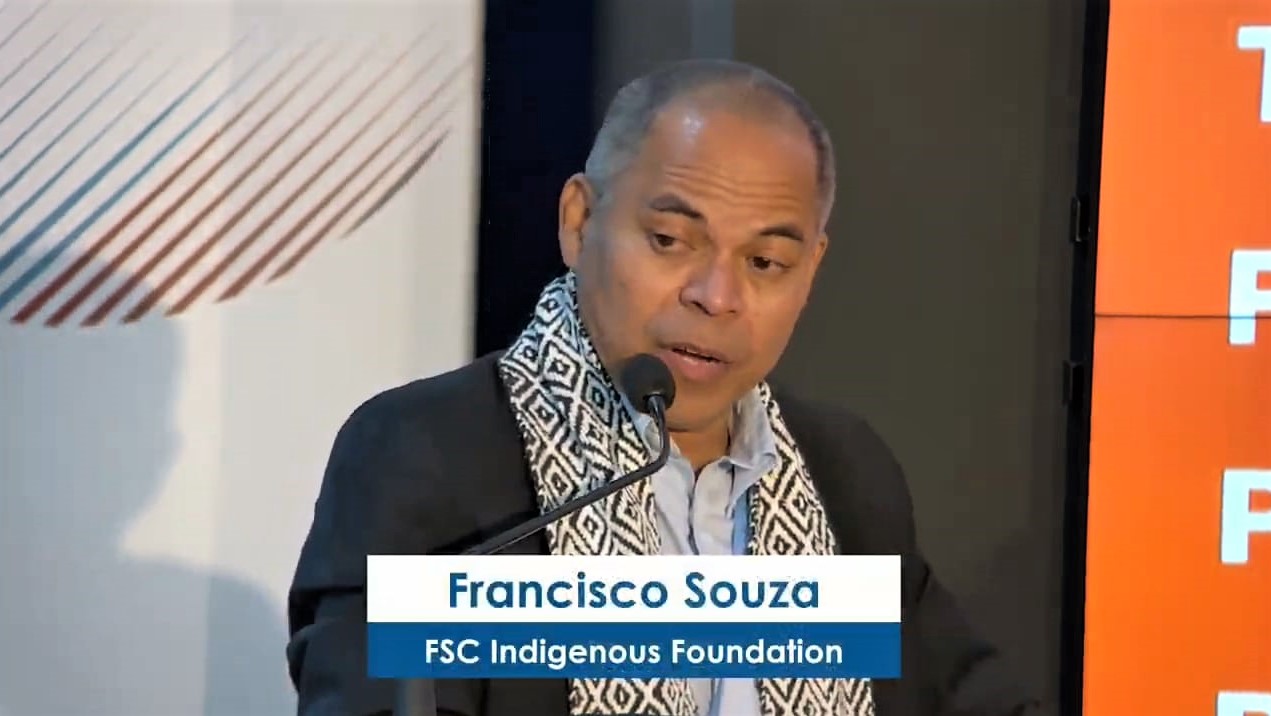
Francisco Souza, Managing Director of the FSC-IF, emphasized why Indigenous leadership is so important. “Less than 5% of the population of the planet manages almost 50% of the territory. And this 50% of the territory has been extremely effective in protecting Mother Earth. Here we are talking about 70% of the planet’s native forests…Indigenous Peoples are important in proposing solutions to challenges we face in different parts of the planet.” 

Scholarships funded by the Spanish Agency for International Development Cooperation (AECID), the Anne Deruyttere Foundation, the International Labor Organization (ILO), and the FSC Indigenous Foundation allowed 44 students to attend this course, including 25 Indigenous women leaders. The FSC-IF supported nine students from different Indigenous Peoples organizations in Bolivia, Guatemala, and Panama. 

“These topics deepen knowledge related to the human rights of Indigenous Peoples to achieve an alternative vision of more human development,” said Enrique Obaldia Pérez of the Guna People of Panama, one of the students supported by the FSC-IF. 

Listen to him discuss the importance of learning about the colonization of power, of being and knowing, intercultural education, multilingualism, development of identity, racism, and of living well.  

“I will continue to strengthen this knowledge which I consider a way to keep the essence of our true identity as Indigenous Peoples alive,” said Liria Elizabeth Tay Ajquill of the Maya Kaqchikel People of Guatemala, another student supported by the FSC-IF. 

Watch Liria’s video on how knowledge can lead to increased visibility of Indigenous Peoples and societies where collective rights and identity are respected and protected. 

Read more testimonies of previous graduates here.  

At FSC-IF we believe that Indigenous Peoples and their organizations have the capacity and should have access to the right tools and skills to be able to defend their rights, territories and livelihoods and achieve their vision of development. The FSC-IF and its Program the Indigenous Peoples Alliance for Rights and Development (IPARD) work to strengthen the capacities of Indigenous Peoples’ organizations through the development of leadership, planning, management, organizational, technical, and negotiation skills, as well as the capacities of other stakeholders in Indigenous issues.  

Watch the closing ceremony of the 16th edition of the Expert Degree here

News

Introducing the second season of the podcast “Indigenous Voices”

Indigenous leaders discuss traditional knowledge, successful Indigenous businesses, and Indigenous women's rights.

On the International Day of Indigenous Peoples on August 9, the FSC Indigenous Foundation launched the podcast “Indigenous Voices” to recognize the global value of Indigenous Peoples, their rights, livelihoods, territories, and natural capital. In the episodes, we have conversations with Indigenous leaders to listen and learn from their experiences, knowledge, opinions, and analyses related to the global issues we face as human beings.

Listen to the first season here.

In the second season, we learn more about Indigenous women’s challenges, rights, and victories. We also learn about the role of traditional knowledge in the fight against climate change and the values, principles, and lessons that have made Indigenous businesses successful. This season features leaders and experts from Taiwan, Panama, the United States, and Kenya.

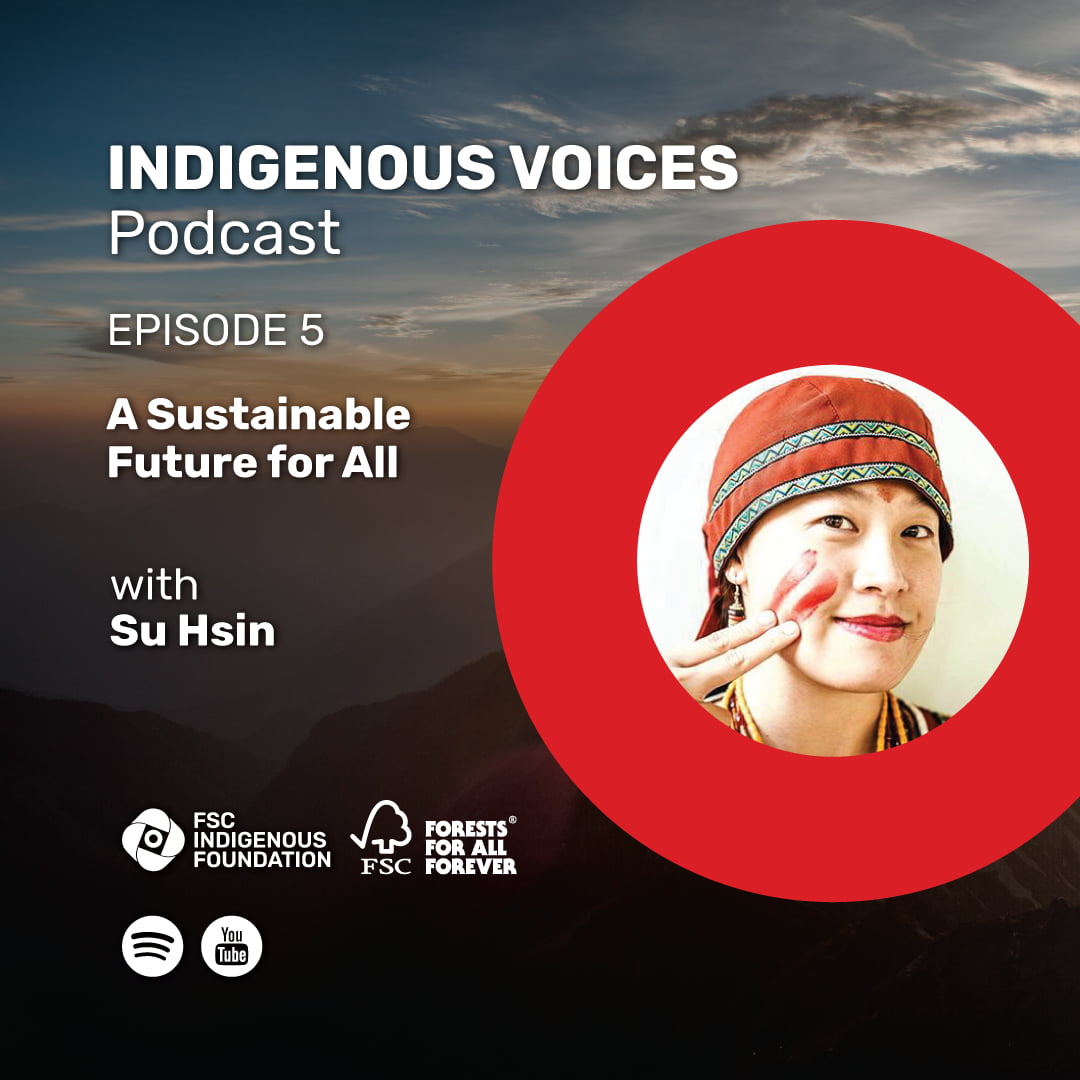
Episode 5 – A sustainable future for all

FSC IF indigenous voices podcast banner episode 5 with Su Hsin

In the fifth episode of “Indigenous Voices,” Su Hsin, Indigenous civil engineer and human rights advocate of the Taiwan Papora Indigenous Development Association, discusses the challenges faced by Indigenous Peoples in Asia in securing their rights. She highlights the importance of involving Indigenous women and youth in the effort to ensure a sustainable future for all.

From her experience in risk management, Su explains how traditional knowledge can help combat the crises humanity is facing, especially the effects of climate change and the COVID-19 pandemic.

“As an Indigenous civil engineer, I know how to build a safe environment for the people. I use my traditional knowledge which I learned from my ancestors, and legends and stories, to know which places around the mountains and rivers are dangerous to build.” Su Hsin

Listen to the fifth episode here. 

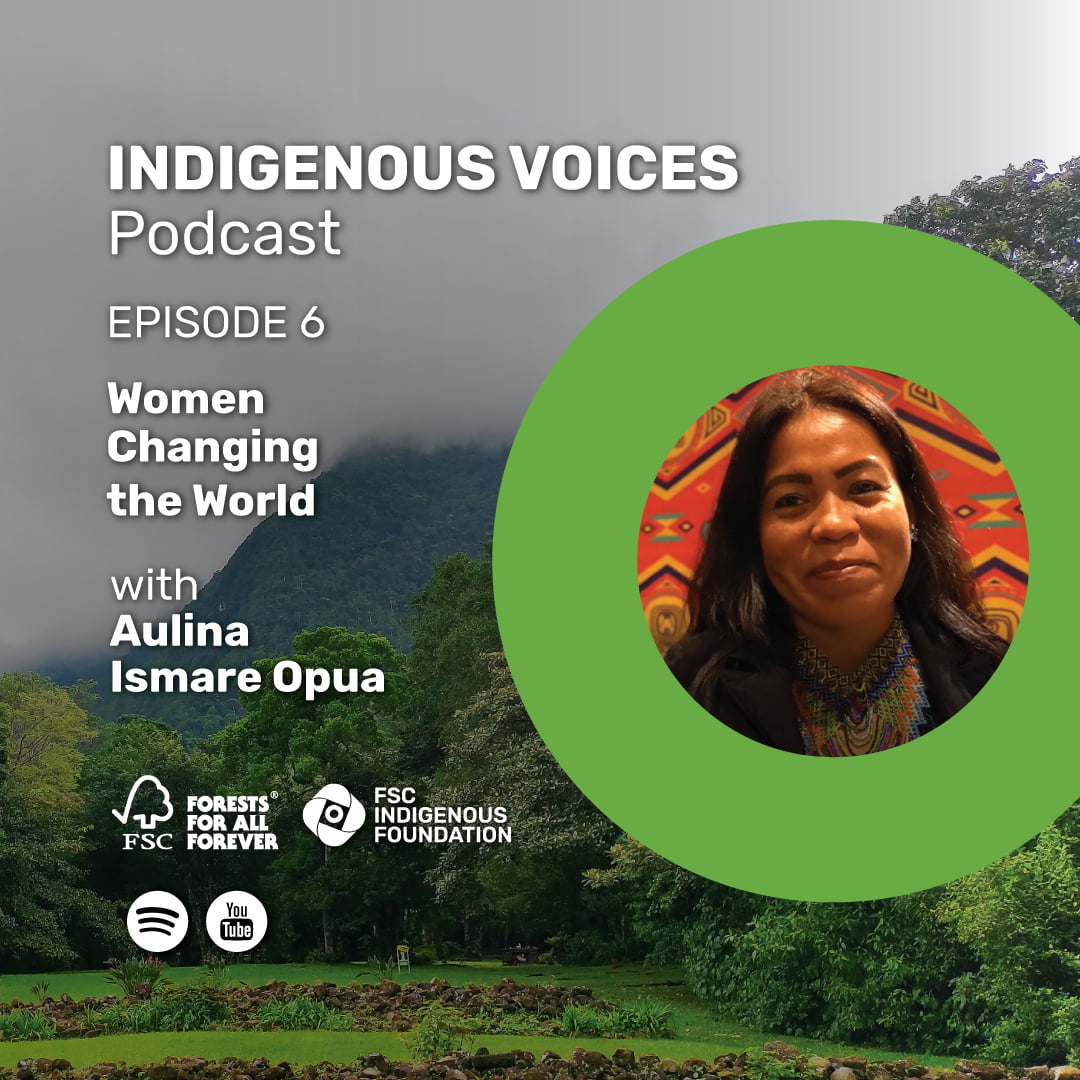
Episode 6 – Women changing the world

FSC IF indigenous voices podcast banner episode 6 with Aulina Ismare Opua

In this episode, Aulina Ismare Opua, first elected cacica of the Wounaan People of Panama, discusses the situation of Indigenous women in Panama and Latin America, their participation in national and international leadership roles, and the importance of generating female empowerment initiatives that strengthen the capacities of Indigenous organizations.

Aulina will share the story of how she became the first woman cacica of the Wounaan People, the responsibilities and challenges this represents in her life, and her projects to strengthen the participation of Indigenous youth and women in Panama.

“We are going to represent, we are going to make Indigenous women visible in the future: today, tomorrow, and forever.” Aulina Ismare Opua

Listen to the sixth episode here (in Spanish).

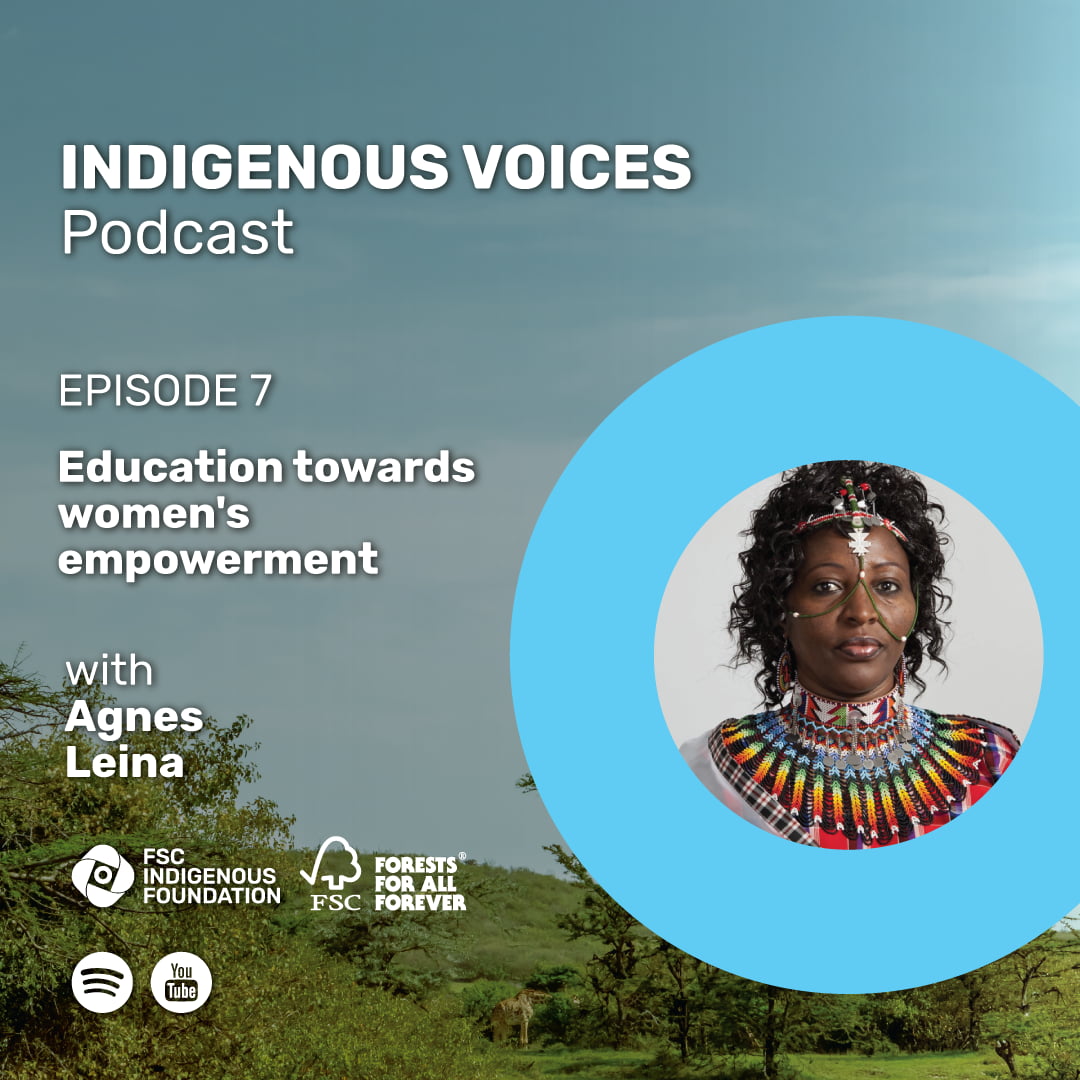
Episode 7 – Education towards women’s empowerment

FSC IF indigenous voices podcast banner episode 7 with Agnes Leina

In the seventh episode of “Indigenous Voices,” Agnes Leina of the Samburu People, Director of Il’laramatak Community Concerns and Gender Coordinator of IPACC, shares the reality of Indigenous women and girls in Kenya.

Agnes highlights the need for changes in communities that allow for better education, more opportunities for women, and the need to fight against female genital mutilation. In order to eradicate violence against Indigenous girls and women, Agnes states that it is necessary for women to be leaders in their communities so decisions will be made in favor of Indigenous women and girls.

Examining the root causes of gender-based violence, Agnes discusses the climate crisis that causes droughts and the shortage of food and water generated by the COVID crisis.

“Women need to sit in political leadership positions, and once they are there, they are able to make decisions. If you are not at the decision-making table, what do you expect? Unless you are at that table, everything will be decided and you will be left behind.” Agnes Leina

Listen to the seventh episode here.

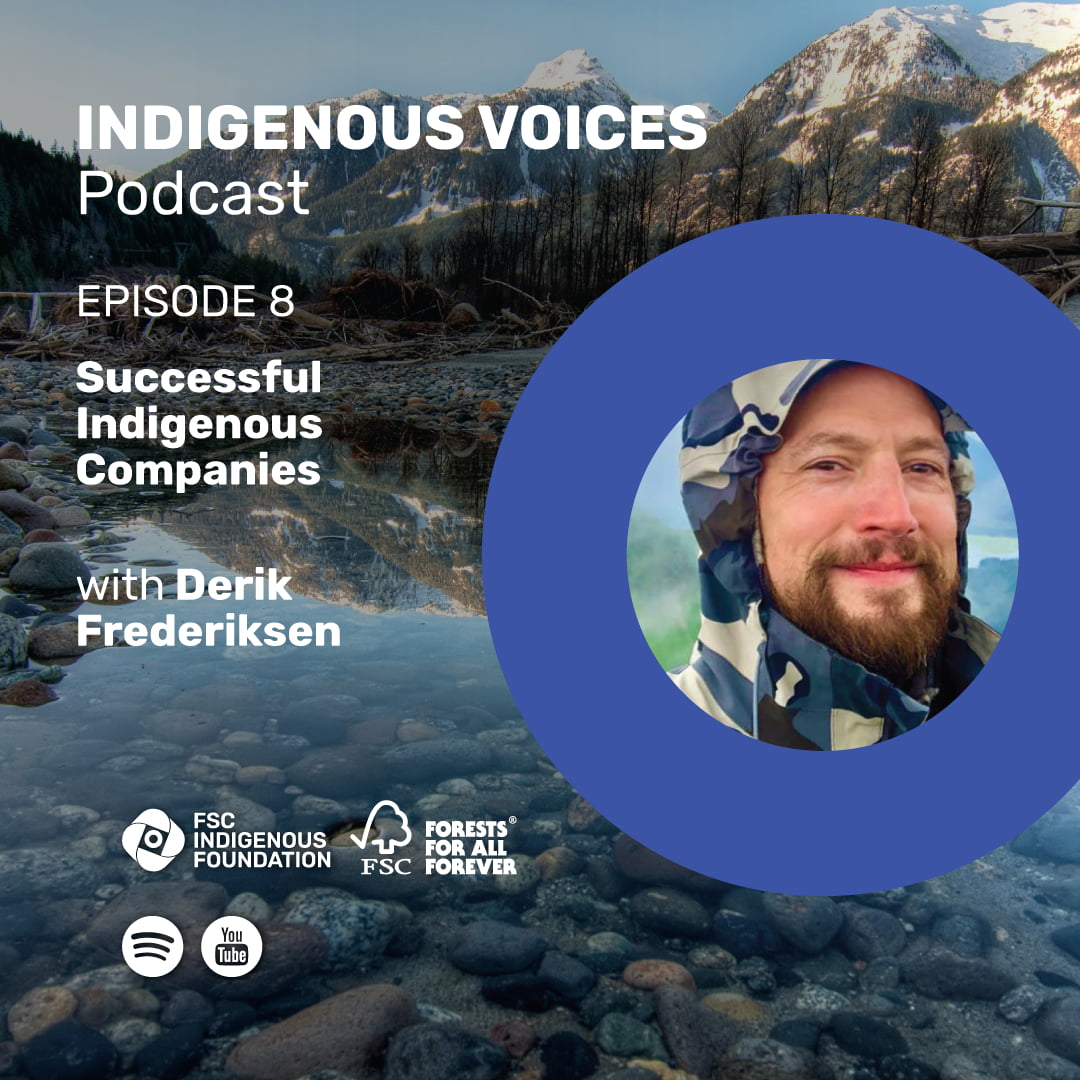
Episode 8 – Succesful Indigenous companies

FSC IF indigenous voices podcast banner episode 5 with Derik Frederiksen

In the eighth episode of “Indigenous Voices,” we speak with Derik Frederiksen, director of FSC USA and member of the Tsm’syen People of Southeast Alaska and British Columbia.

Derik will tell us about his experience in forest conservation, his first experience of climate change, and his commitment to advancing Indigenous rights and culture to protect ancestral homelands.

He also speaks about Sealaska, an Indigenous company located in Southeast Alaska that works for and on behalf of the communities in the area.

“The decisions that we make as a People and as a company have largely been with the mindset: Whatever activity we do, whatever endeavor we embark in, we look at it through the lens that we want to be here for at least the next 13 thousand years. Derik Frederiksen

Listen to the eighth episode here.

Music and sound identity

The music for “Indigenous Voices” was developed to show the global diversity and current identity of Indigenous Peoples, combining traditional and technological elements.

A full musical piece was composed for this podcast, entitled “Pueblos.” The composition is in the key of E minor as this tonality is one of the most used by Indigenous Peoples around the world. The main melodies have a modal character with a strong influence from pentaphony. They are played by a duo of “ngoni,” a West African stringed instrument whose timbre is similar to the harp, lute, banjo, and birimbao.

The composition also features a vocal section that combines male and female singers, strengthening the sense of multiplicity and wholeness. The voices sing the word “Peoples” in different languages, including Indigenous languages: 

nonampi (Asháninka), iwi (Maorí), ol-orere (Maasai), vezahka (Sapmi), peoples (English), pueblos (Spanish), povos (Portuguese)

This mix is intended to reinforce the idea of the wholeness of Indigenous Peoples without losing sight of the particularity of each Peoples’ identity.

News

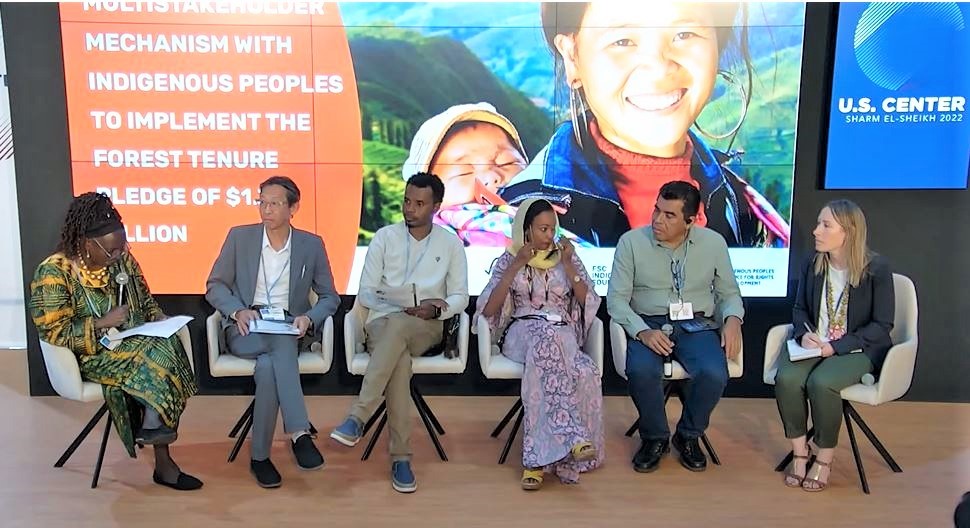
Building a multistakeholder mechanism with Indigenous Peoples to implement the Forest Tenure Pledge of $1.7 billion

At COP27, Indigenous leaders, USAID, and the FSC-IF discuss why co-creation with Indigenous Peoples is key for effective climate action.

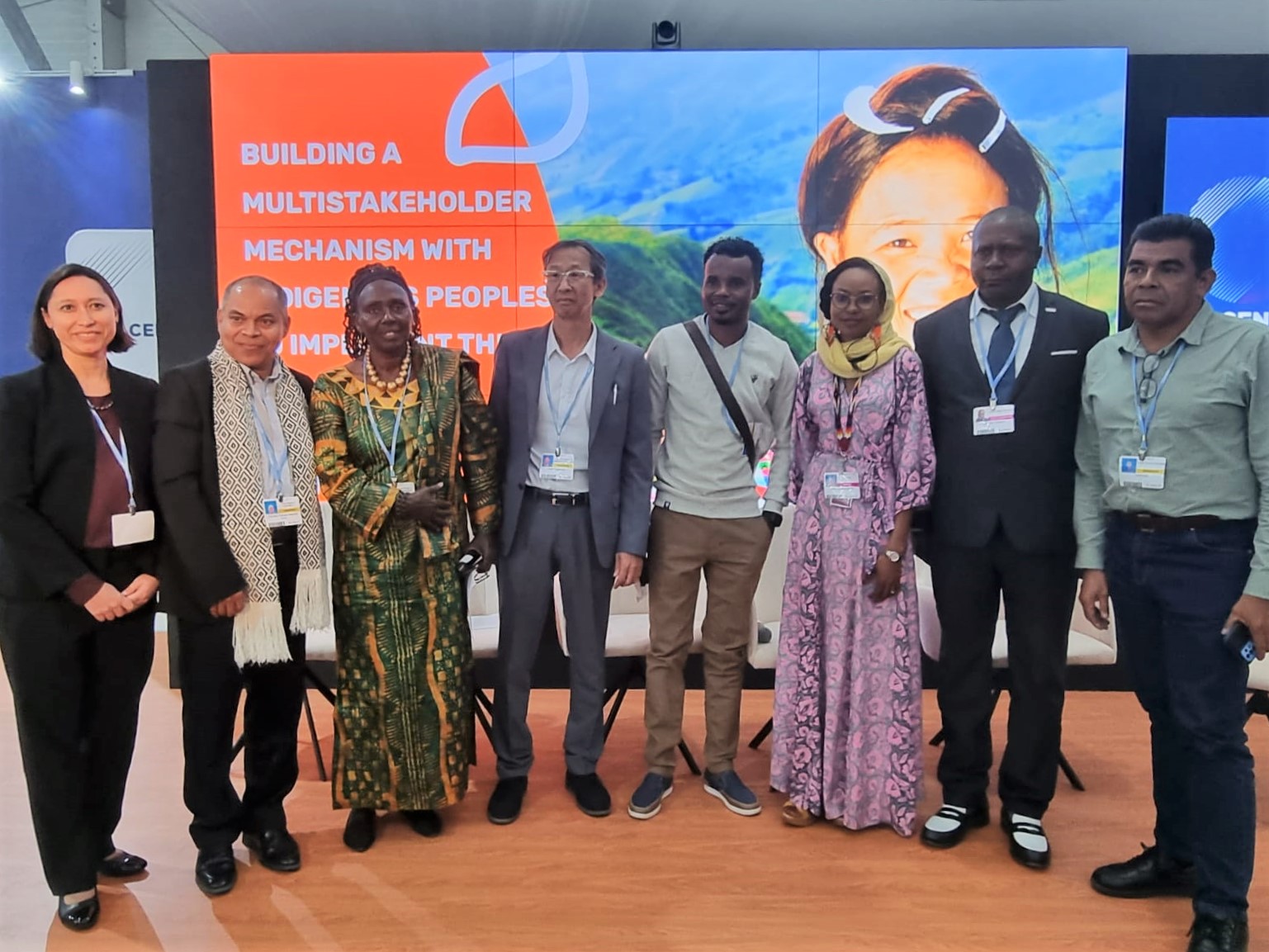
The FSC Indigenous Foundation and USAID hosted the panel discussion: Building a Multistakeholder Mechanism with Indigenous Peoples to Implement the Forest Tenure Pledge of $1.7 Billion to present their current efforts to build partnerships with Indigenous Peoples and local communities (IPLC) for climate action and USAID’s contribution toward the Forest Tenure IPLCs Pledge. The hosts invited Indigenous leaders to discuss how climate change disproportionately impacts Indigenous Peoples, and why multistakeholder collaborations and partnerships are necessary for effective climate action.

This rich interregional discussion took place on Thursday, November 16 in the US Center at COP27. The event was a space for Indigenous leaders from Central America, Africa, and Northeast Asia and representatives from USAID and the FSC Indigenous Foundation to identify ways of integration and collaboration to achieve common goals to move forward with the implementation of the Forest Tenure Pledge. 

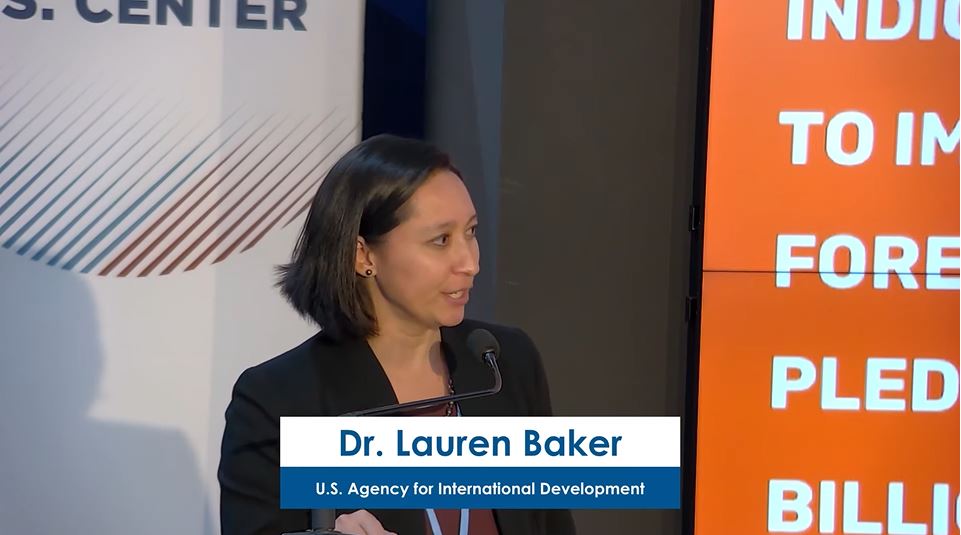
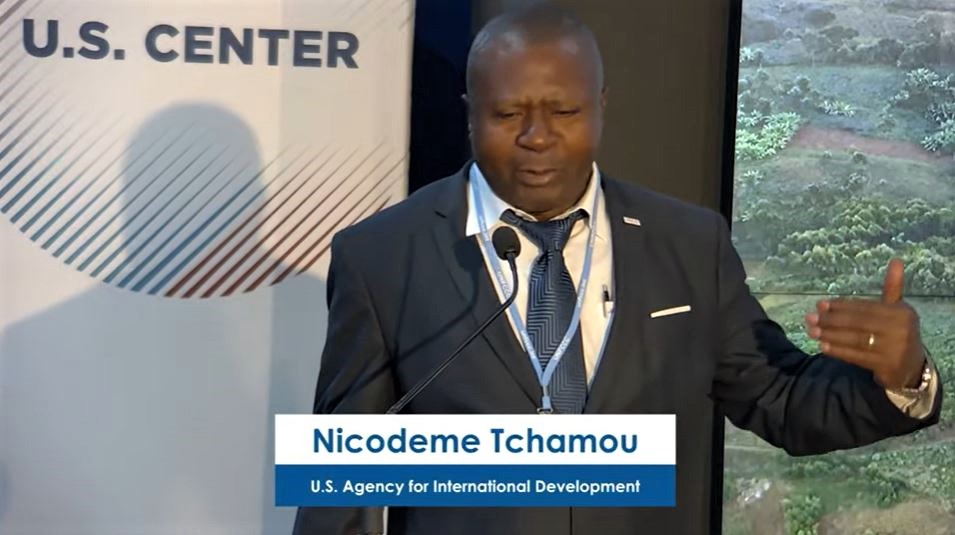
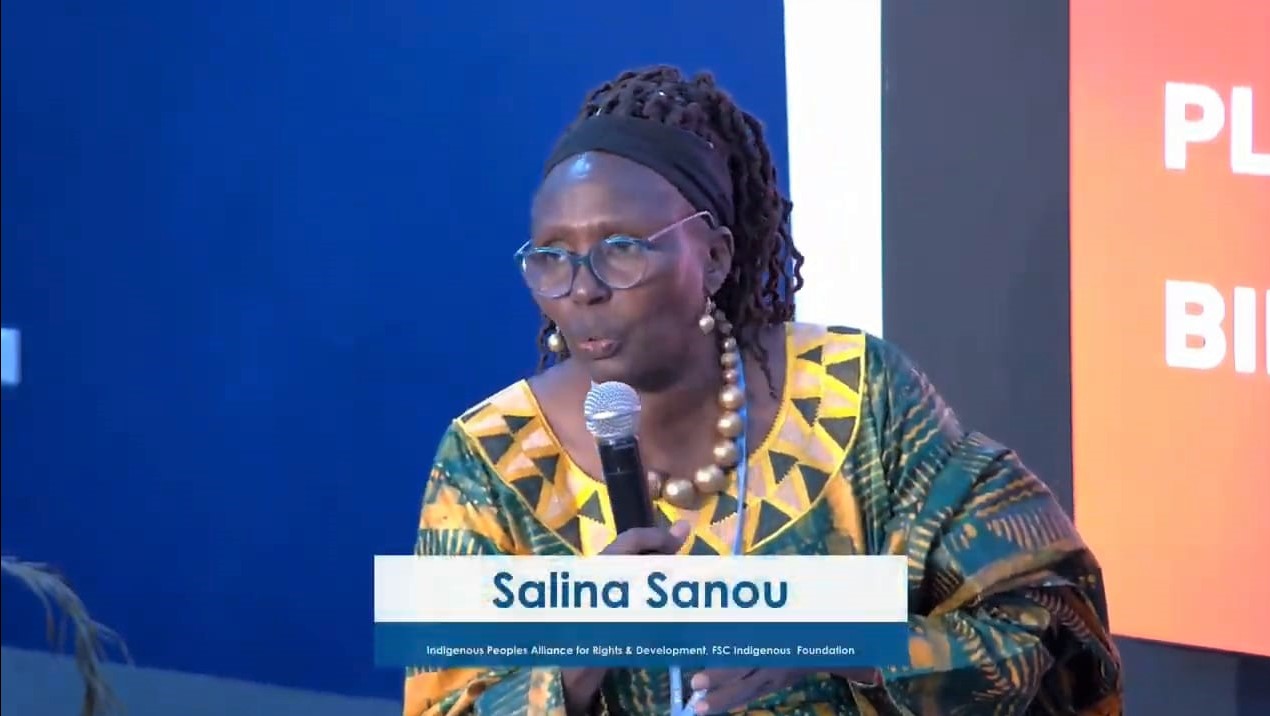
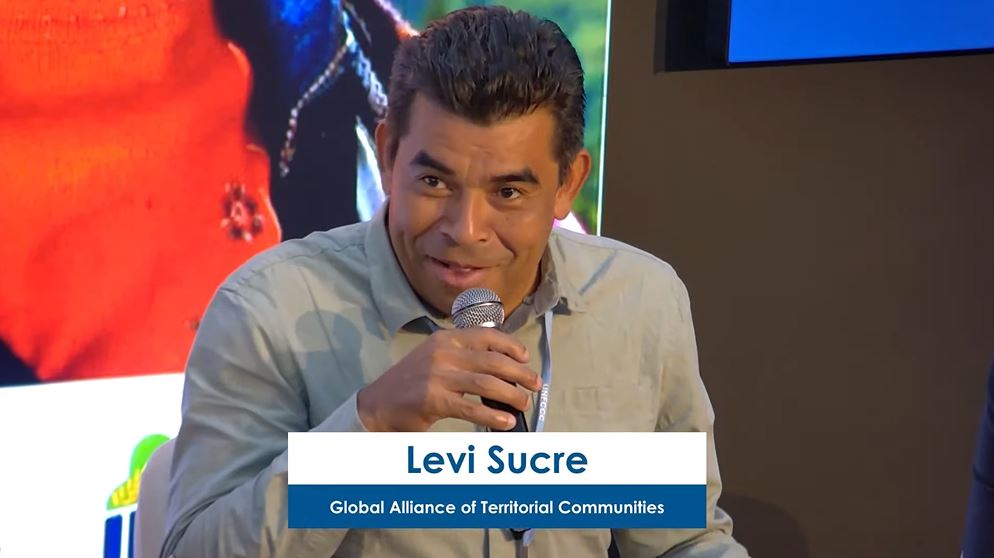
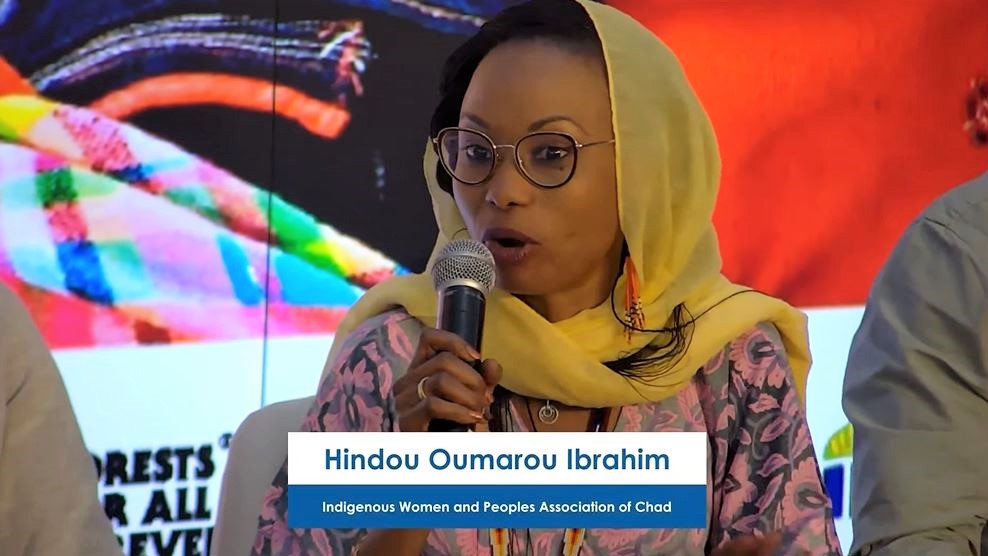
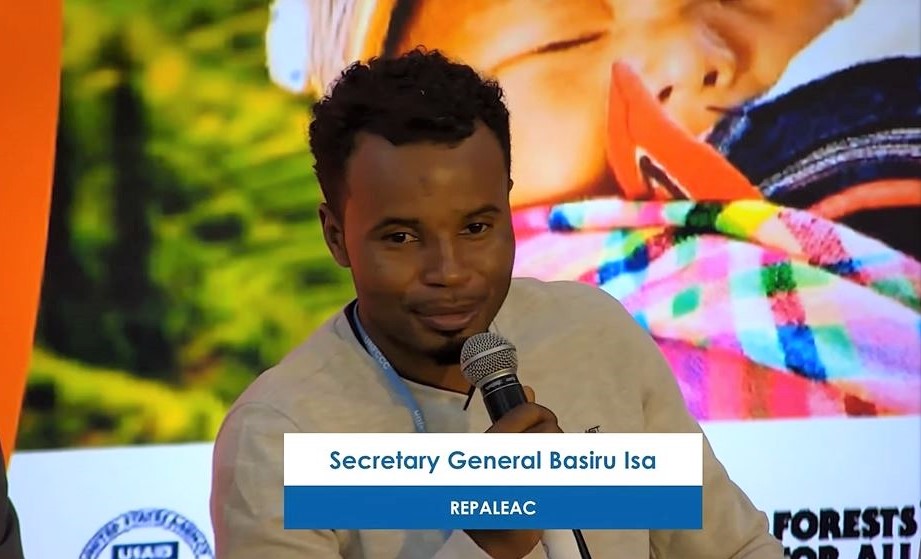
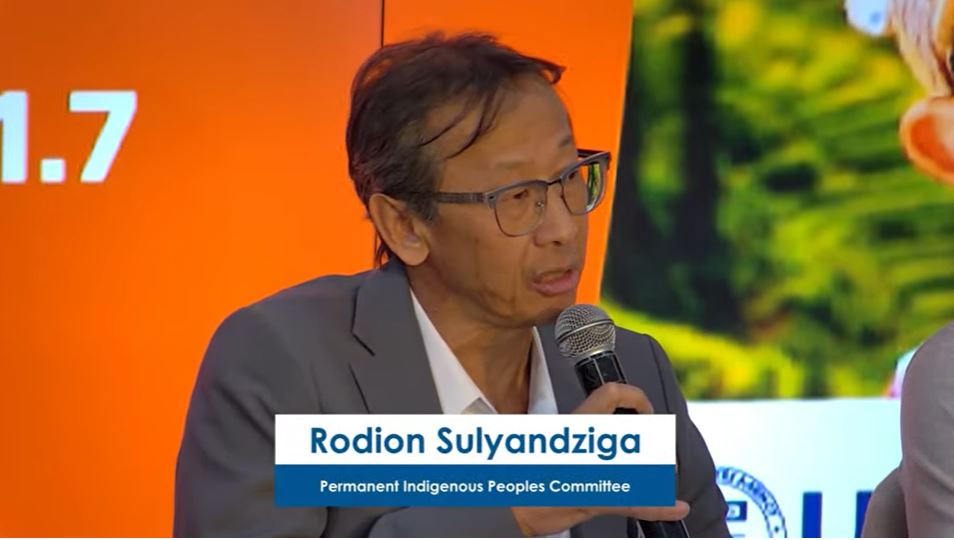
The panel discussion included: Dr. Lauren Baker – USAID Senior Policy Analyst and Inclusive Development and Environment Advisor; Mr. Nicodeme Tchamou – USAID Environmental Program Management Specialist; Ms. Salina Sanou – IPARD Program Deputy Director and Regional Director for Africa and Asia, FSC Indigenous Foundation; Mr. Levi Sucre – Coordinator of the Global Alliance of Territorial Communities GATC (member of the Bribri Indigenous Peoples from Costa Rica); Ms. Hindou Oumarou Ibrahim – Coordinator of the Association of Peul Women and Autochthonous Peoples of Chad (AFPAT) and member of the FSC-IF Council; Mr. Basiru Isa, Secretary General of the Network of Indigenous and Local Populations for the Sustainable Management of Forest Ecosystems in Central Africa (REPALEAC); Mr. Rodion Sulyandziga – Chairperson of the FSC Permanent Indigenous Peoples Committee (PIPC) (member of the Udege Indigenous Peoples) and Dr. Francisco Souza, Managing Director of the FSC Indigenous Foundation (member of the Apurinã Indigenous Peoples of the Brazilian Amazon).

Participants discussed the most effective ways to channel support to Indigenous Peoples and local communities and the implementation of the collective pledge.

Dr. Lauren Baker presented USAID contributions to the IPLC Forest Tenure Pledge and shared the 2022–2030 Climate Strategy and Policy on Promoting the Rights of Indigenous Peoples (PRO-IP). She stated, “Indigenous Peoples are key partners, stakeholders, and agents of change.”

Mr. Nicodeme Tchamou discussed USAID initiatives in the Democratic Republic of the Congo with Indigenous Peoples. He said, “we are not talking about consultation or consent, we are talking about co-creation, or designing together.”

Mr. Levi Sucre from AMPB and GATC also highlighted the idea of co-creation to discuss and build solutions, “the way forward is together.”

Ms. Hindou Oumarou from AFPAT pointed out that her home in Chad is already flooded by the impacts of climate change. “There is not someone else telling us about climate impacts, we are experiencing it directly. It is better to focus our energy on how we can resolve it and bring hope back home,” she said. 

Mr. Basiru Isa from REPALEAC pointed out some challenges for channeling support to Indigenous Peoples. He said, “Intermediary organizations sometimes work more to satisfy their auditors than to satisfy Indigenous Peoples.”

Mr. Rodion Sulyandziga of the FSC PIPC reflected on how we can create reliable multistakeholder mechanisms. “The main thing to keep in mind is that trust and capacity building is needed, as well as accountability and good management at all levels.”

Dr. Francisco Souza, Managing Director of the FSC Indigenous Foundation, closed the session with a message promoting the connection between Indigenous-based solutions and climate finance. He stated, “for centuries Indigenous Peoples have protected and managed Mother Earth. Partnering directly with Indigenous Peoples is an opportunity to reduce risks.” 

All panelists concluded that for climate finance to reach Indigenous Peoples and local communities directly, it will be necessary to develop and agree on transparent and efficient mechanisms, not only determined by donors and partners but in close consultation with Indigenous Peoples and local communities. 

View a recording of the event here (begins at 5:54).

News

Integrating Indigenous Peoples into the NDC process through capacity development

At COP27, Indigenous leaders and partners shared successful cases of Indigenous participation in REDD+ strategies as part of the NDCs in Costa Rica and Peru

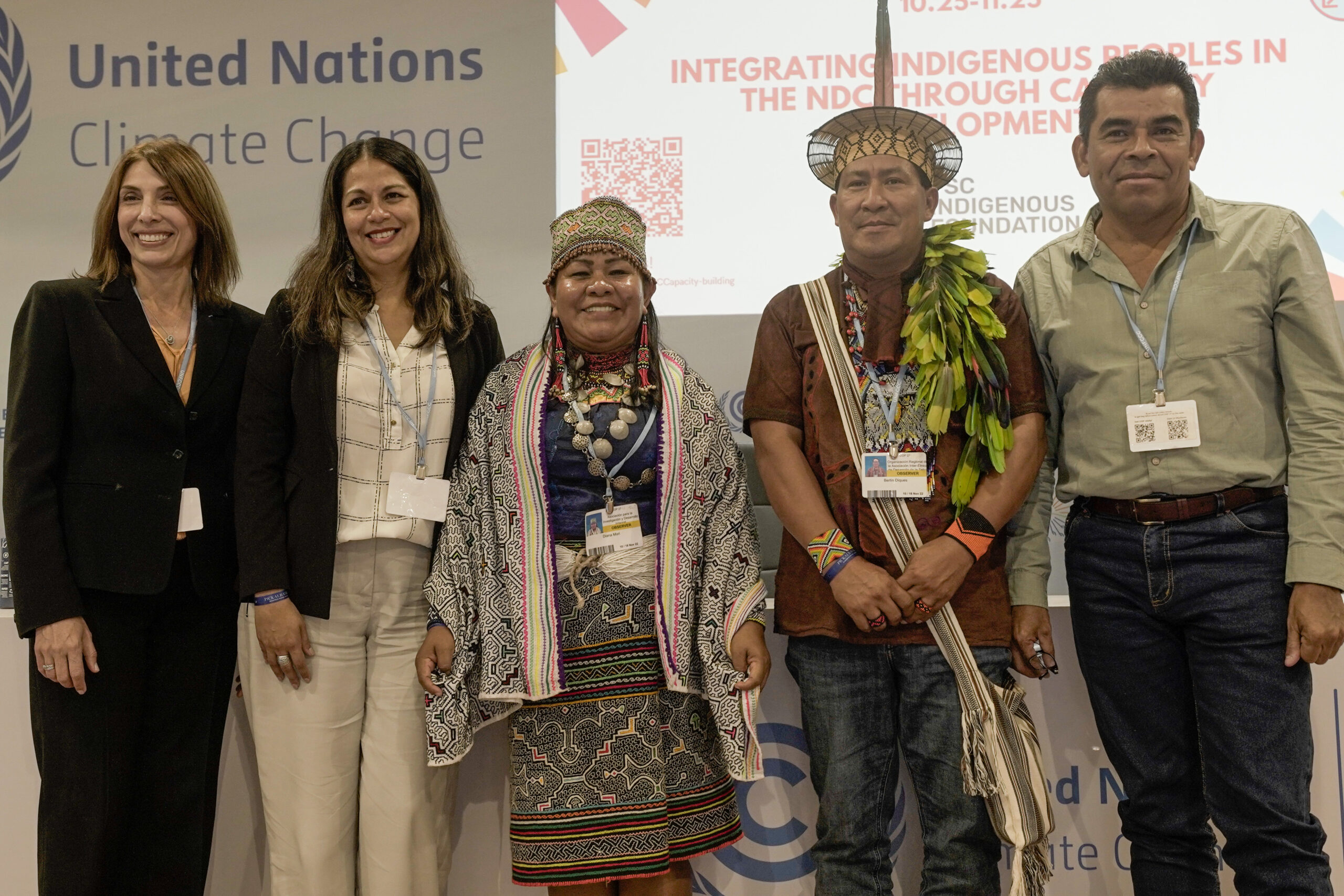
At COP27, the FSC Indigenous Foundation, the Mesoamerican Alliance of Peoples and Forests (AMPB), the Association for Research and Integral Development (AIDER), and Ecosphere+ convened experts at an event on November 16 in the UNFCCC Capacity Building Hub, Integrating Indigenous Peoples into the NDC process through capacity development. This event highlighted Indigenous communities effectively engaging in the carbon market and shared lessons, strategies, and recommendations to drive Indigenous capacity development. 

Nationally Determined Contributions (NDCs) are part of the strategy to achieve the Paris Agreement under the United Nations Framework Convention on Climate Change to commit to actions to mitigate greenhouse gas emissions.

Indigenous Peoples are critical for climate mitigation, as their territories are sources of global solutions to climate change and are vital to conserving and restoring ecosystems. Indigenous Peoples and local communities are custodians of 20% of forest carbon in tropical and subtropical countries, which is equivalent to 218 billion tons of carbon, or more than 30 times the total global energy emissions in 2017.

It is critical to scale up and better integrate Indigenous Peoples in NDC processes with governments through capacity development. 

Case studies: Indigenous participation in the NDCs and lessons for capacity development 

A panel with Indigenous leaders and partner organizations shared initiatives in Costa Rica and Peru related to the Reducing Emissions from Deforestation and Forest Degradation (REDD+) mechanism that are part of the NDCs.

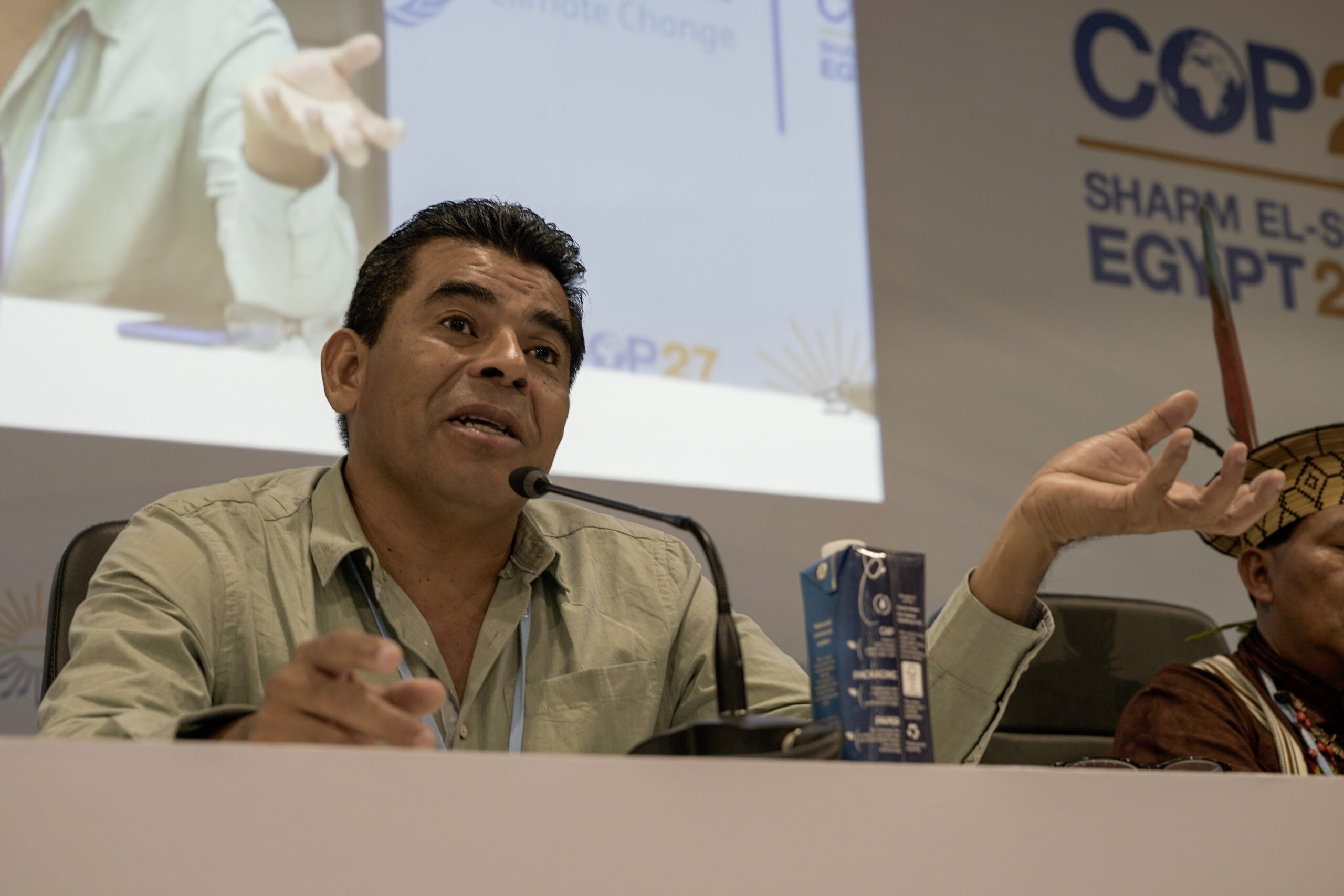
Levi Sucre, Coordinator of the Mesoamerican Alliance of Peoples and Forests (AMPB) described his experience leading the consultation for the REDD+ strategy in Costa Rica. He explained how the government facilitated Indigenous leaders’
understanding of key issues such as climate change for the consultation process and the importance of having a young cultural mediator who speaks the Indigenous language to interpret and understand the REDD+ strategy.

He stated, “We need to integrate the Indigenous worldview into the REDD+ national strategy. These concepts must be understood in order to create a more integrated proposal.”

The next two panelists spoke about the Alianza Forestal, a Community Forest Management initiative that incorporates REDD+, developed by AIDER in Peru. 

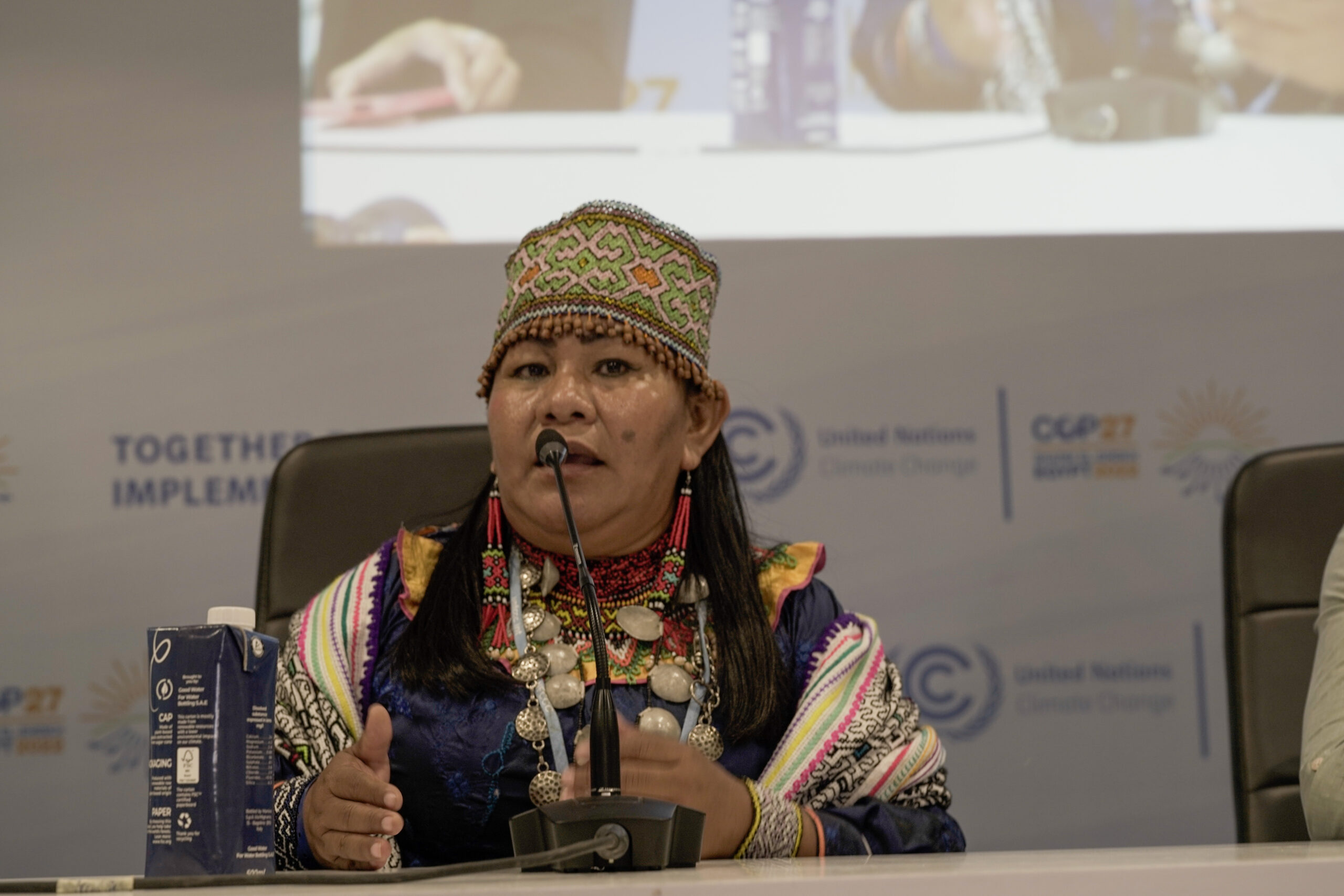
Diana Mori, representative of the Shipibo-Conibo Indigenous group, spoke about Indigenous women’s participation in the struggle for collective rights and communal forests and how communities have adapted their traditional knowledge of forest management with proposals and voluntary standards for FSC certification. Indigenous Peoples need to understand climate finance and how certification mechanisms work.

She emphasized the resiliency of Indigenous Peoples and Indigenous women.

“Communities have the capacity to adapt to change.”

Marioldy Sánchez, Head of Project Management at AIDER, discussed capacity development efforts with communities and their leaders on climate finance with REDD+ and the management of Indigenous forests with an integral perspective. She emphasized the importance of starting from the holistic perspective of Indigenous Peoples and training Indigenous leaders.

She stated, “Strategic alliances, such as the Forest Alliance, allow for capacity building for Indigenous Peoples. It is important that other sectors learn from the intersectoral dialogue of this experience and exchange ancestral knowledge.”

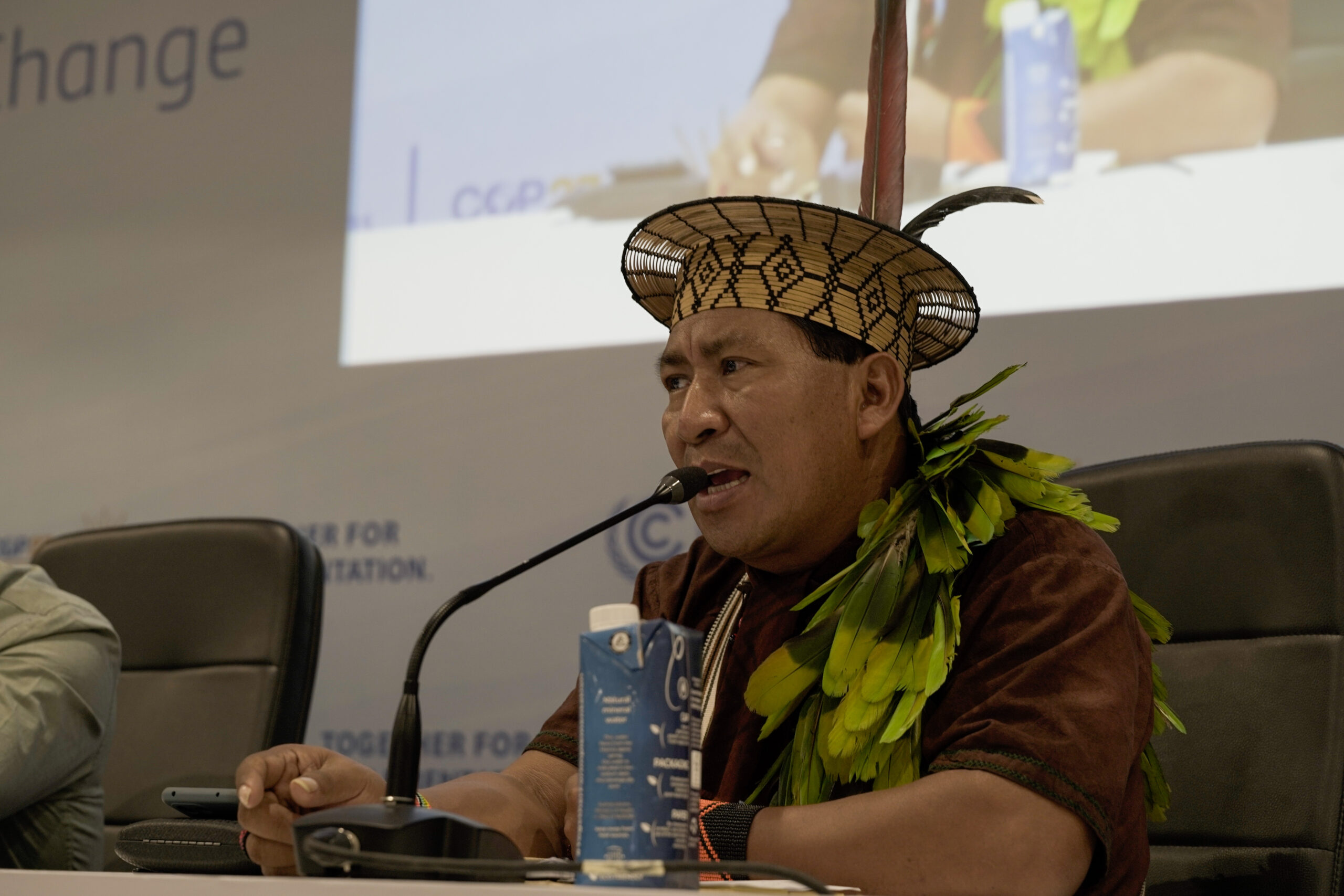
Berlin Diques, President of the Regional Organisation AIDESEP Ucayali (ORAU), spoke about how Indigenous Peoples are asking for clear public policies to protect the forests and mitigate climate change, and that strategic alliances are key to advancing and speeding up our processes. He emphasized that civil society and Indigenous organizations must take the lead in the process to develop technical capacities. 

He said, “Mechanisms should be participatory and socialized with Indigenous Peoples and leaders. It is important to have information before making decisions that involve our territories and resources.”

Panelists concluded that Indigenous Peoples must be supported with improved capacity development to keep safeguarding forests and practicing nature-based solutions through existing mechanisms such as REDD+, certification, and the NDCs. 

Rita Spadafora, IPARD Program Lead for Capacity Development and Inclusion at the FSC Indigenous Foundation, moderated the event and closed with a message that we must focus on improving the capacities of Indigenous Peoples and governments to create the conditions for Indigenous Peoples to influence the climate agenda with the capacity to negotiate the recognition of their contributions to mitigate climate change within the NDCs.

View a recording of the event here (in Spanish).

1 14 15 16 17 18 19