
News

Introducing the Judges of our Indigenous Innovative Solutions Photo Contest

Renowned photographers from around the world will select the winning photos.

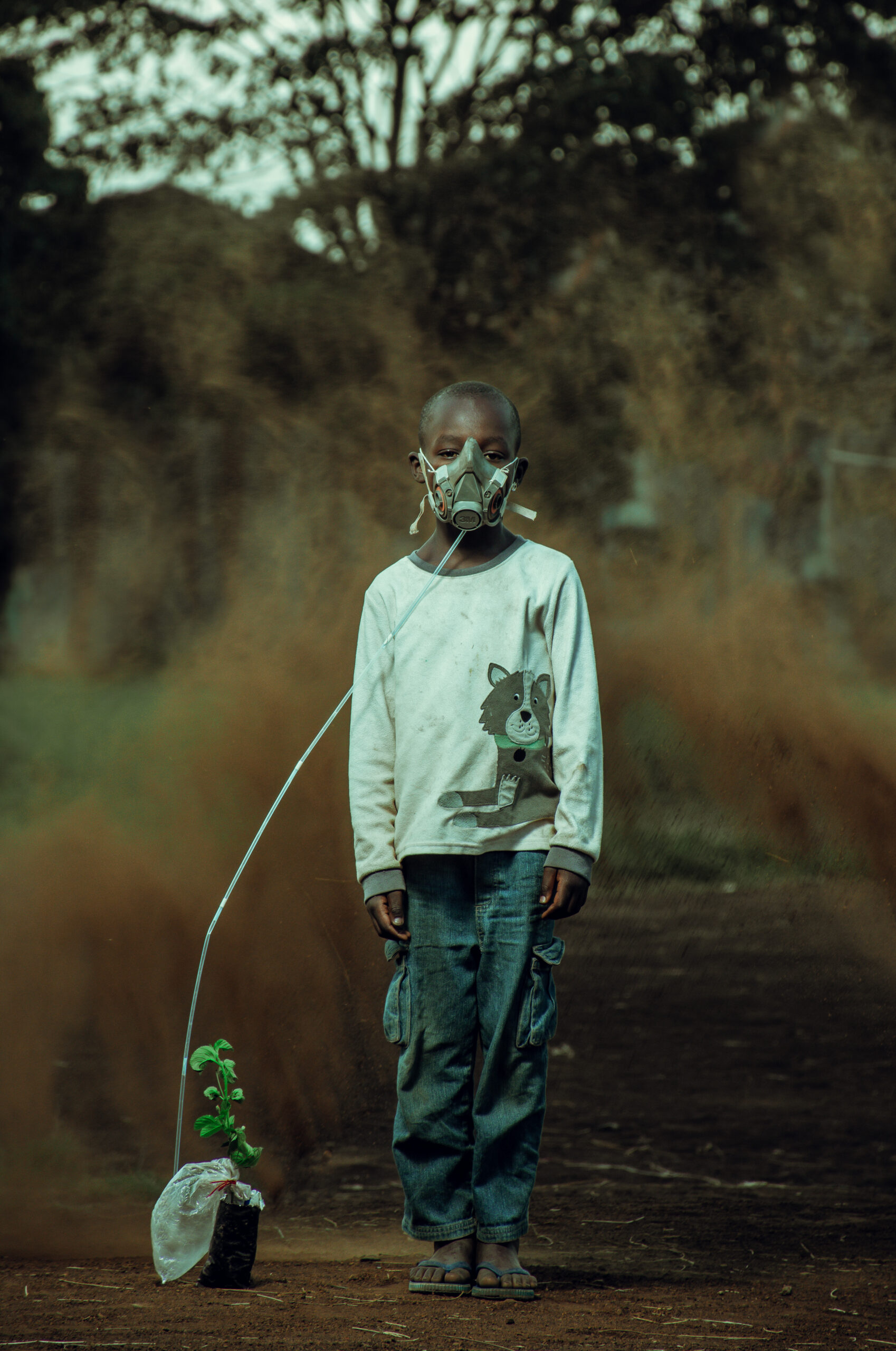
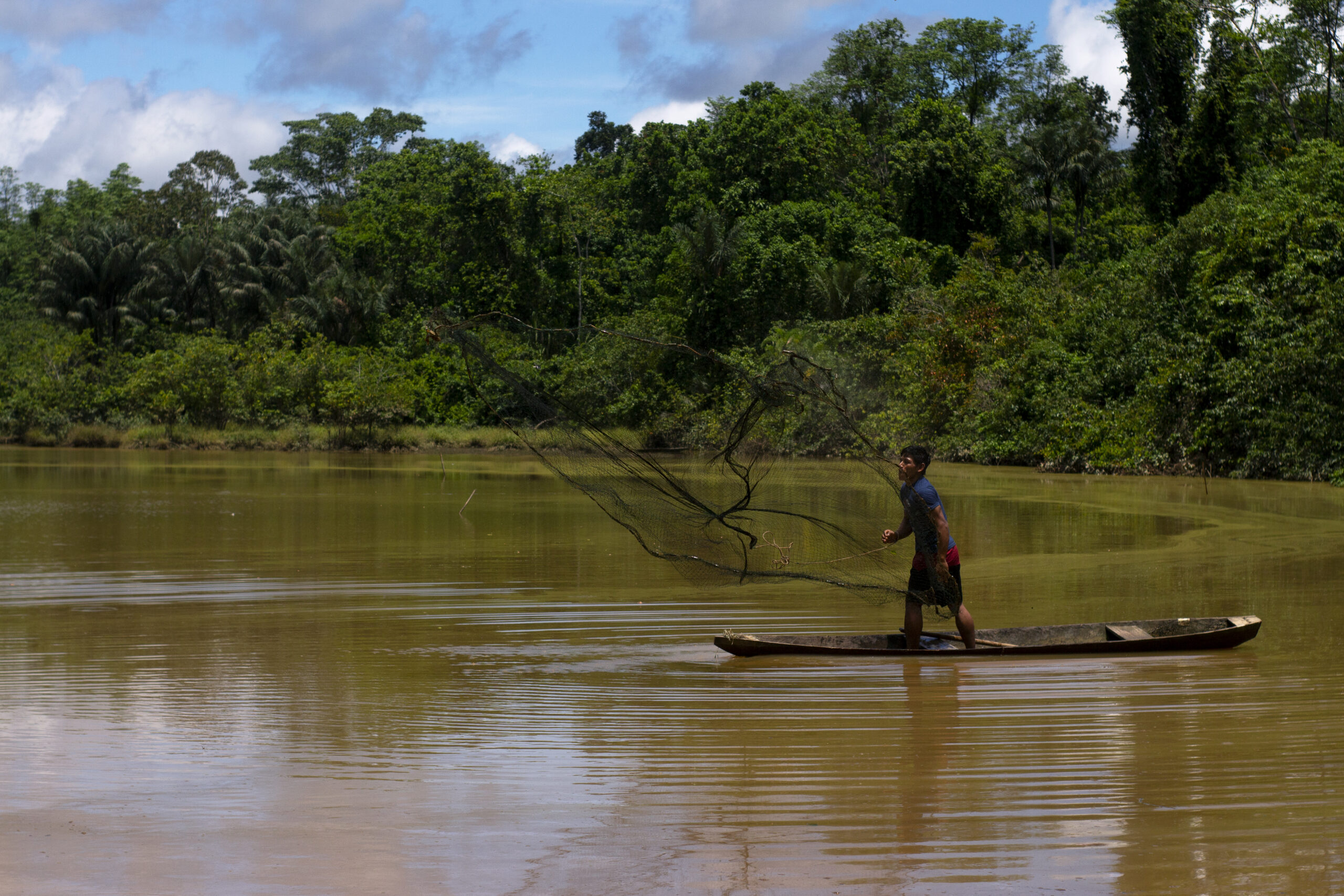
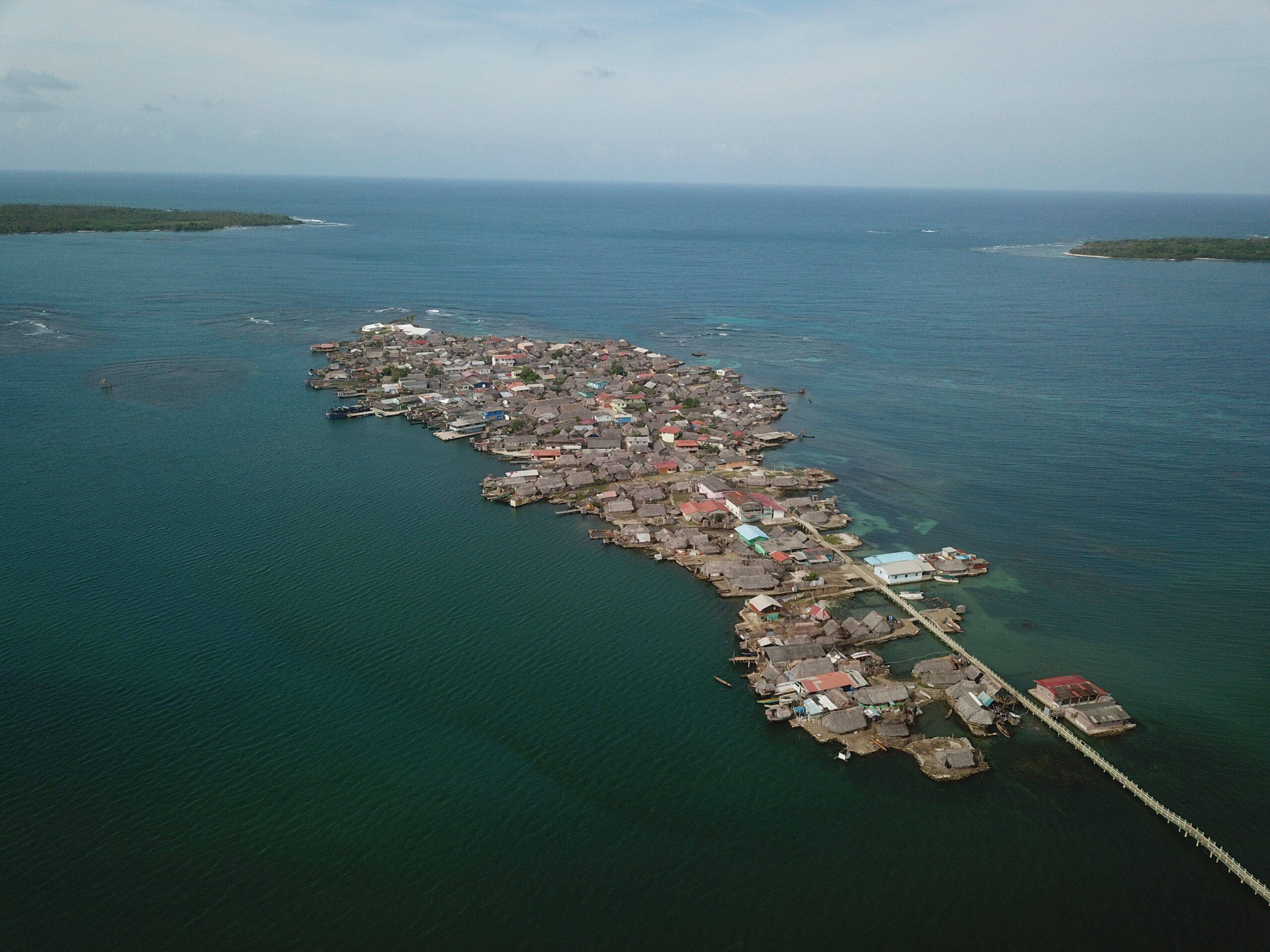
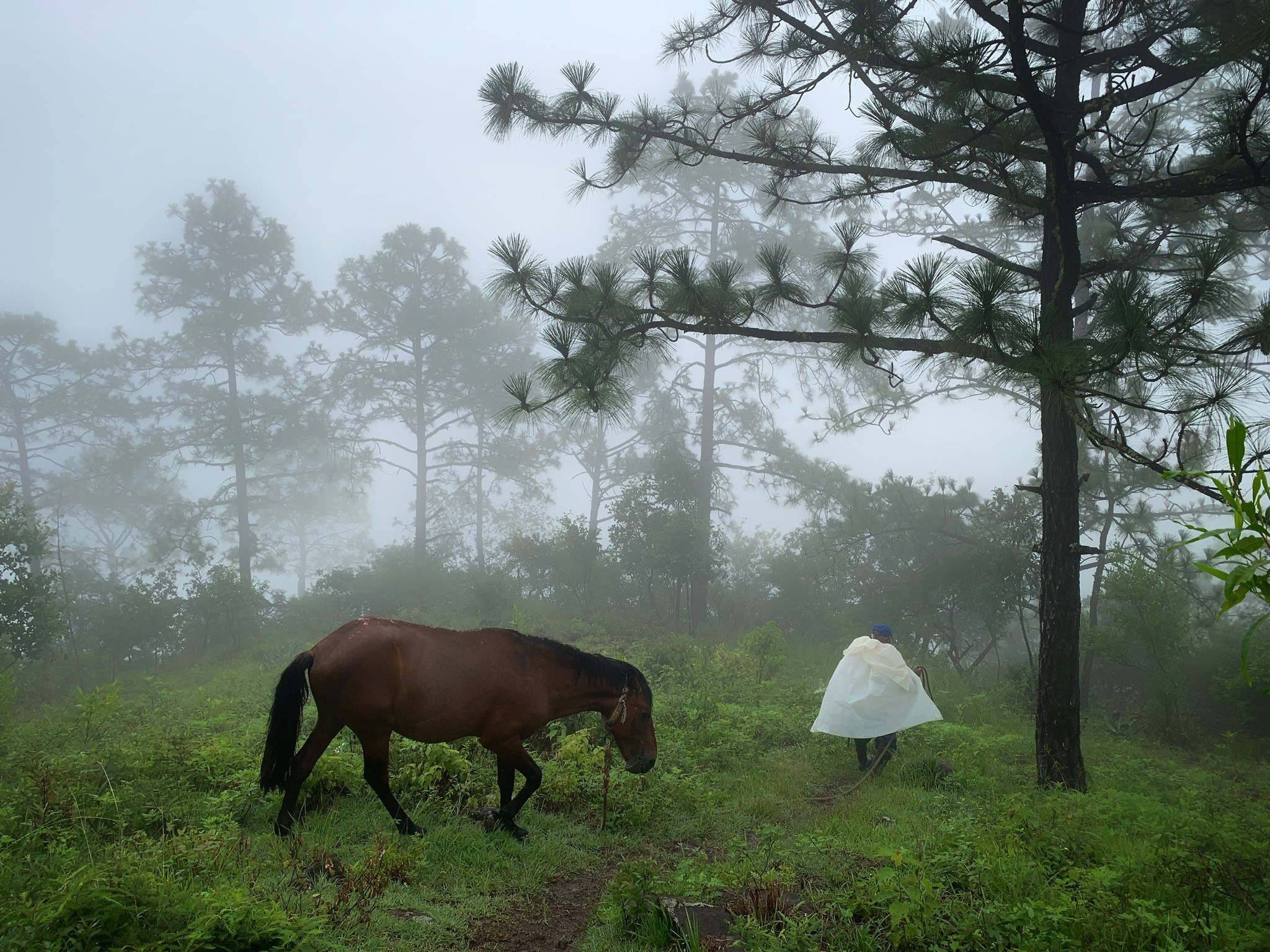
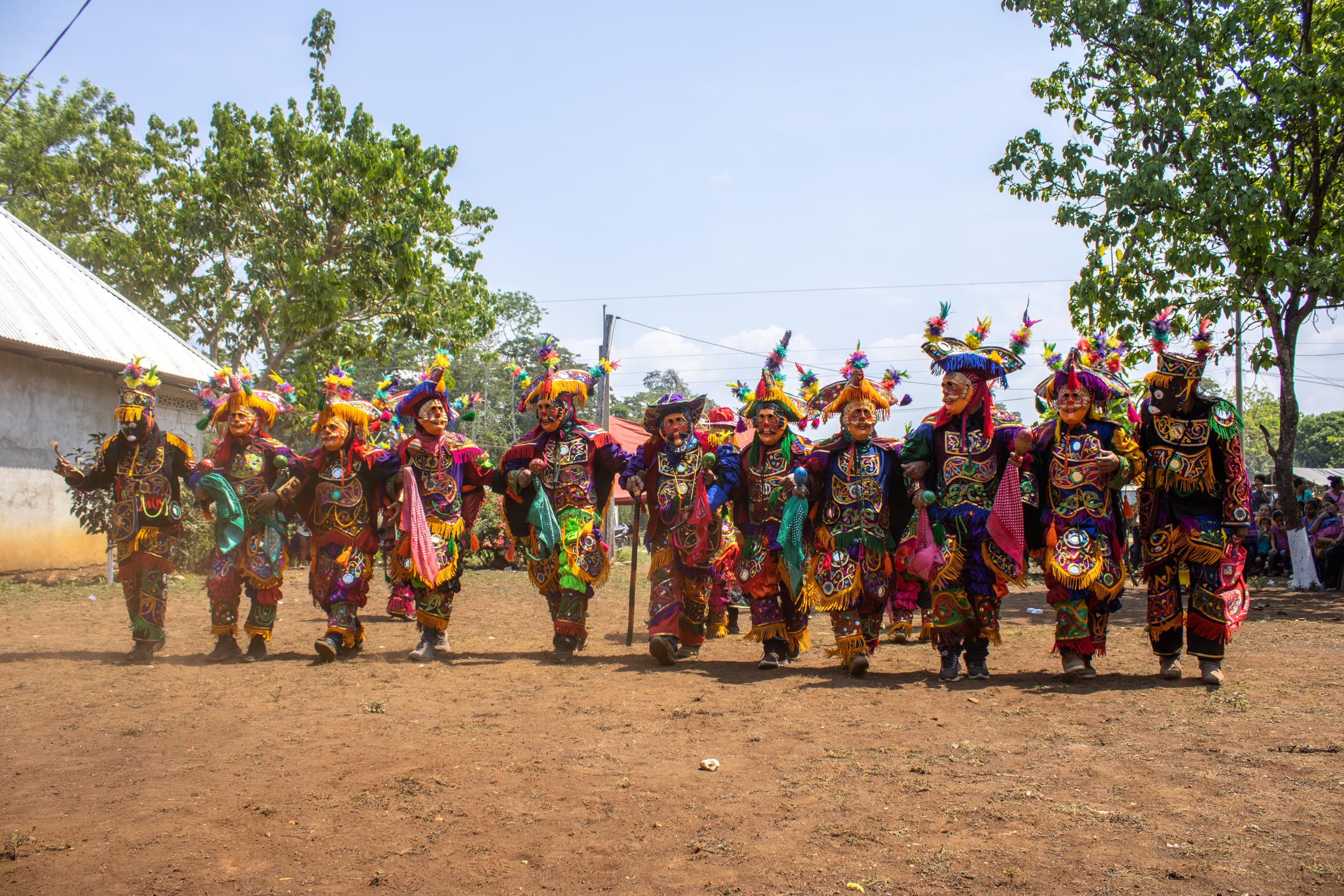
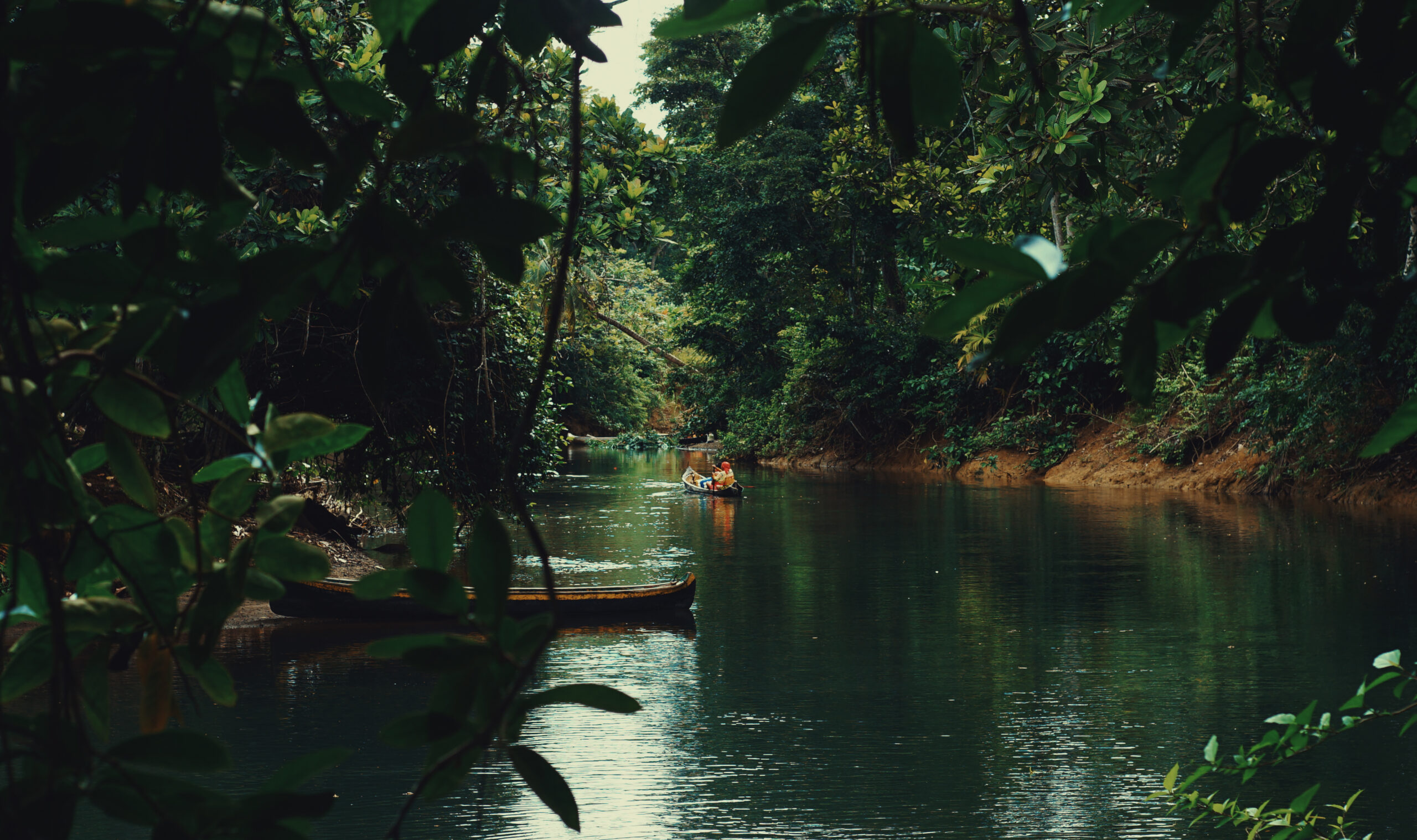
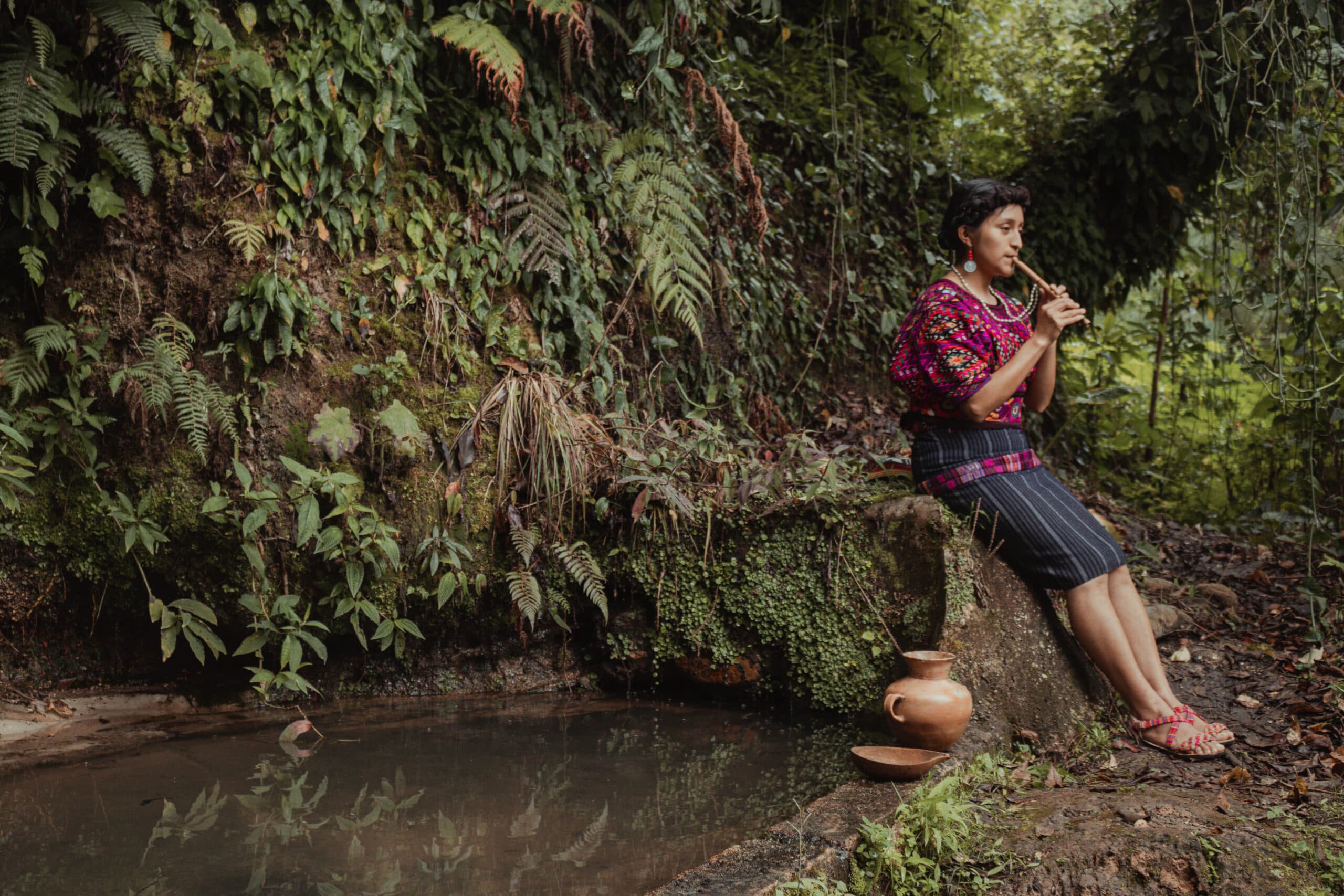
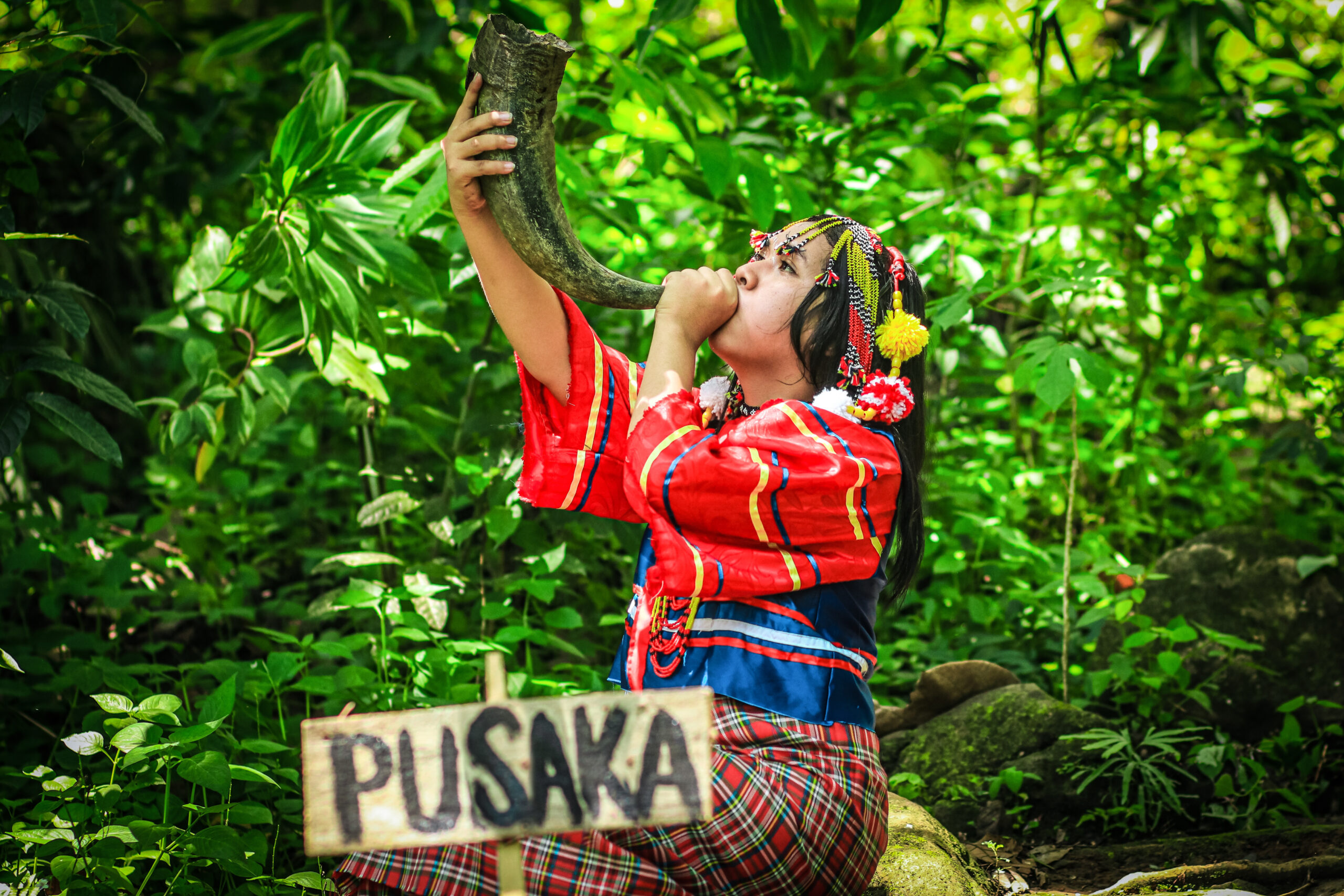
The FSC Indigenous Foundation has convened expert photographers from around the world to serve on a judging panel for our Indigenous Innovative Solutions Photo Contest. The contest encourages Indigenous communicators and photographers to tell their stories and those of their communities through photographs so we can learn more about their realities, problems, proposals, and innovative solutions to defend their rights, manage their territories, and protect Mother Earth.

Read on to learn the judges’ stories and motivations and to see their inspirational work on themes of Indigenous Peoples, the climate crisis, human rights, gender, exploring identities, and more.

If you are interested in entering the photo contest, you may find more information here and submit your photo before April 15th.

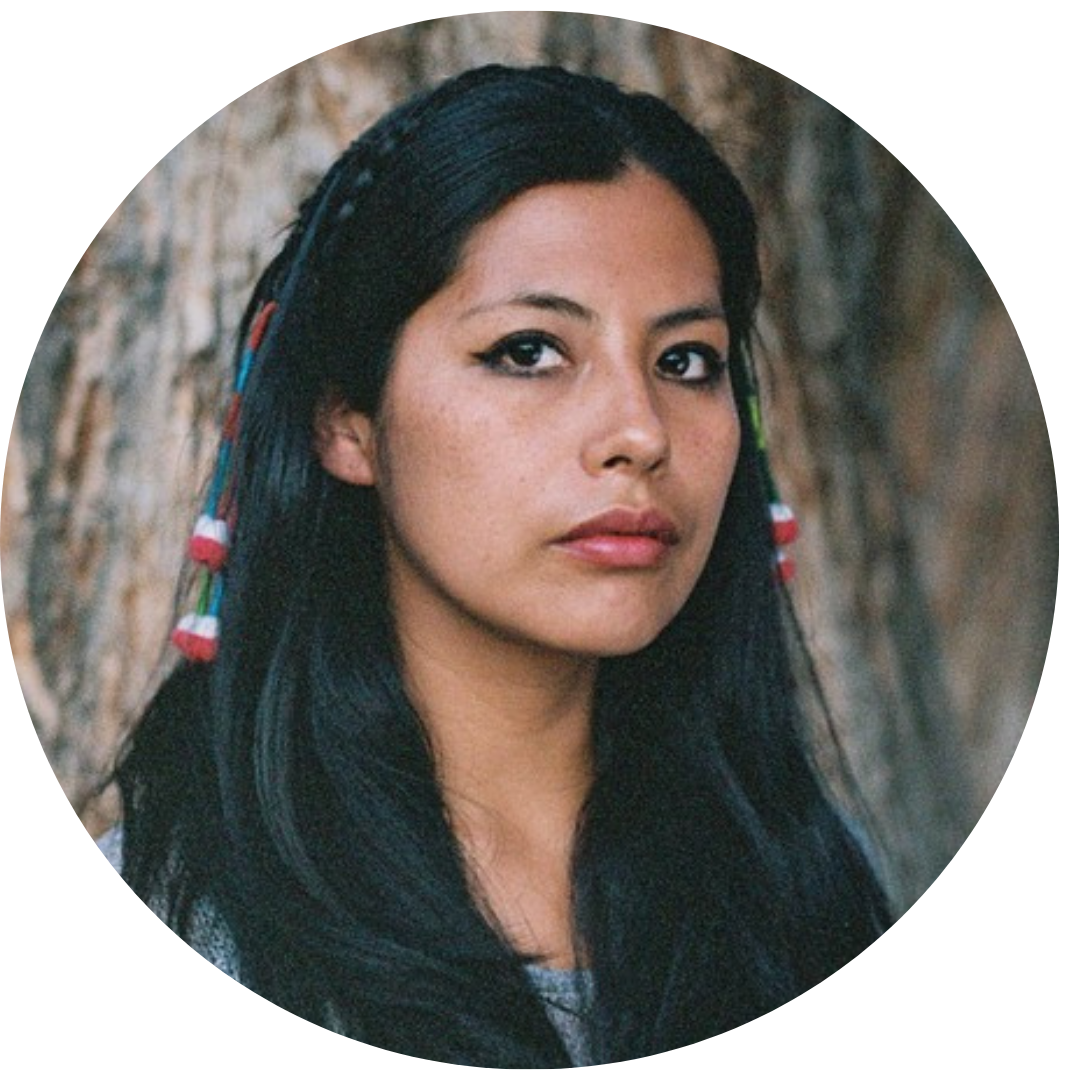
Sara Aliaga portait -  Judges of our Indigenous Innovative Solutions Photo Contest

Sara Aliaga Ticona is an Aymara woman, social communicator, documentary photographer and National Geographic explorer based in the city of La Paz, and founder of the first collective of women photographers in Bolivia, War-MiPhoto.

Her thematic axes of artistic and documentary research are based on gender and identity, human rights and Indigenous Peoples.

She is third-place winner of POYLATAM (2021), grantee of the fund for research and new narratives on drugs of the Open Society and Gabo Foundation (2020), winner of the Photo Book Award of Fotoevidence and World Press Photo with the collective COVILATAM, (2021) Amazon Rainforest Journalism Fund and Pulitzer Center Journalism Fund Fellow (2021), National Geographic Journalist Emergency Fund Fellow (2020), Women Photograph Workshop winner (2019), Reporters Instructed in Saving Colleagues TRAINING 2019 Fellow.

She has publications in the research magazine of the University of Bern, Switzerland, Neue Zürcher Zeitung newspaper, The New York Times, The Guardian, BBC, El País, NBC, POY Latam Magazine, La Nación, Cosmopolitan, Reuters Agency, AP, ABC Nyheter, bistandsaktuelt, Vice among others and photographic exhibitions in New York, India, Paris, Normandy, Uruguay, Antarctica, Switzerland, Canada, Antarctica, Colombia, Peru and Bolivia.


Yannis Davy portait -  Judges of our Indigenous Innovative Solutions Photo Contest

Yannis Davy Guibinga is a 26 year old photographer from Libreville, Gabon currently based in Montréal, Canada.

In order to contribute to a change in the narrative about the continent, Yannis Davy Guibinga has found in photography a strength and a tool allowing him to not only celebrate but also to document and represent the many cultures and identities on the African continent and its diaspora.

Yannis has worked with clients such as Apple, Nikon and Adobe and has exhibited works internationally in England, South Africa, Nigeria, France, Russia, Qatar, Switzerland and more, as well as featured on platforms such as CNN Africa, Document Journal, I-D, Harper’s Bazaar Russia,  Condé Nast Traveler and more. His works have also been acquired to be part of permanent art collections such as the Wedge Collection in Toronto. 


Michael Eko portait -  Judges of our Indigenous Innovative Solutions Photo Contest

Michael Eko is a photographer based between Indonesia and the Philippines.

Since 2010, he follows Indigenous and frontline communities in the Southeast Asian region in adapting to current socioeconomic, cultural and climate change.

His ongoing works show how the history of colonialism with its relation to contemporary globalization and the climate crisis has created a huge impact on communities and their natural world. Working with media, academics, civil society groups and communities, he incorporates visual language into a multidisciplinary and participative approach to create change in society.


Luvia Lazo portait -  Judges of our Indigenous Innovative Solutions Photo Contest

Luvia Lazo is a Zapotec photographer, textile and art lover from Teotitlan del Valle, Oaxaca. Photography is her way of portraying the worlds to which she belongs.

Her work aims to capture reality from the perspective of the contemporary Zapotec woman, creating a constellation of images through time and spaces in Oaxaca, documenting the generational gaps and the transformation of identities across ages.

She is a recipient of the Jóvenes Creadores grant of the FONCA 2020 (National Fund for the Culture of the Arts, Mexico) and inaugural recipient of the Indigenous photo grant 2021.


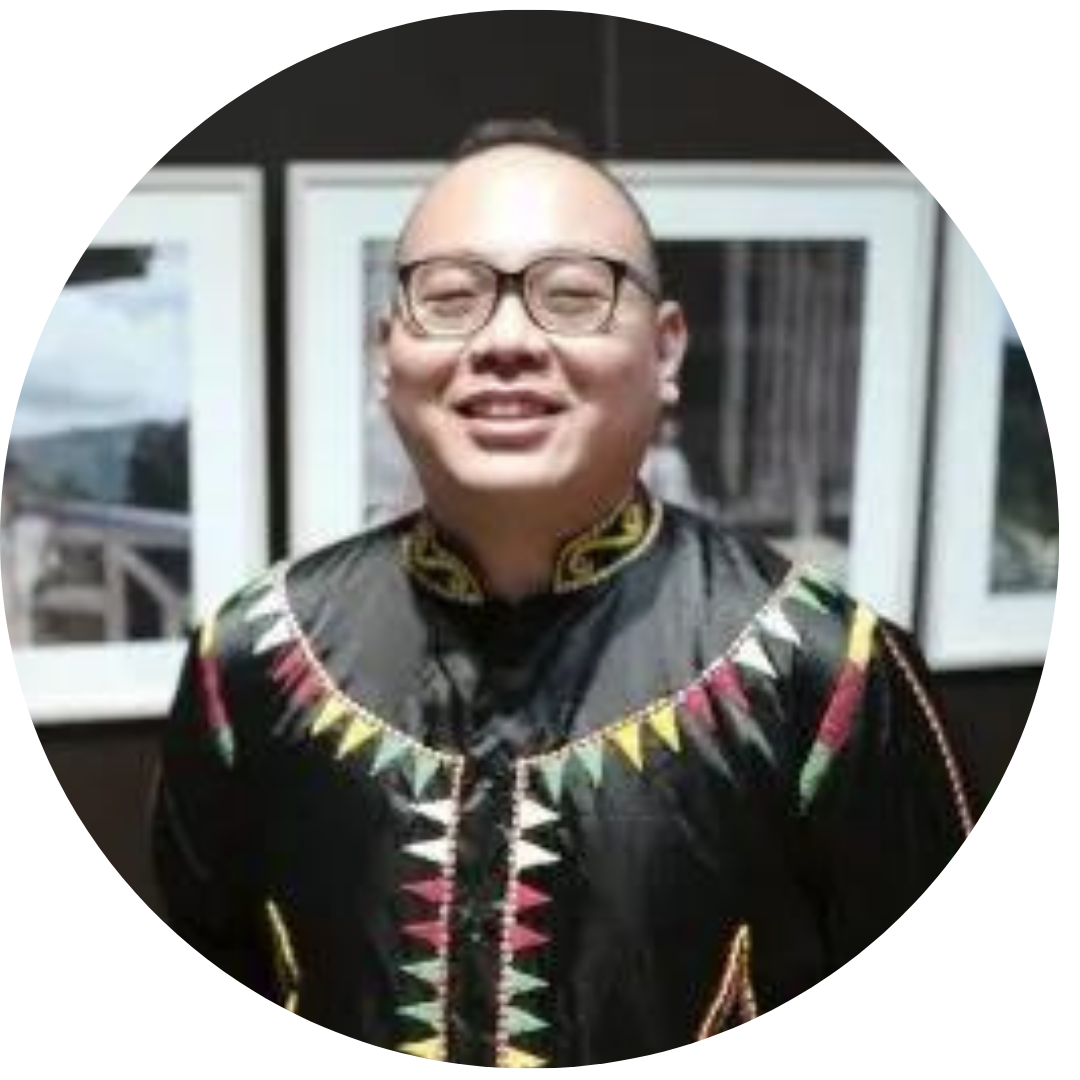
Flanegan Bainon portait -  Judges of our Indigenous Innovative Solutions Photo Contest

Flanegan Bainon discovered his interest in photography at the age of 18 during his backpack travel around Europe.

He is a Murut native from Borneo island specialized in portrait, lifestyle, and documentary photography.

He has worked with agencies and clients in Malaysia, Japan, Australia and traveled all over the Asia Pacific for assignments.


Priscila Tapajowara portait -  Judges of our Indigenous Innovative Solutions Photo Contest

Priscila Tapajowara is the first Indigenous woman to graduate from the Paulus Faculty of Communication (FAPCOM) in the Audiovisual Production course.

Since then she has acted as cinematographic director of the webserie documentary “Ãgawaraita” and the short documentary “Tapajós Ãgawaraitá”, besides the music videos “Carimbó com Merengue”, “Misogyny” and “Tetchi aru’ngu.”

She was the Director of Photography of the documentary feature film “Arapyau: Guarani Spring” and the documentary series “Sou Moderno, Sou Índio,” producer of the Latin American Film Festival CineAlter and assistant director and researcher of the feature film “Amazônia, a nova Minamata?” Besides acting as communicator at Mídia Índia, she is vice-coordinator of the Indigenous production company Nató Audiovisual and vice-president of the Instituto Território das Artes (ITA).


News

Gathering global Indigenous Peoples’ perspectives to inform USAID’s draft Climate Strategy

FSC-IF and USAID co-organized two listening sessions for Indigenous leaders worldwide to share inputs on USAID’s new Climate Strategy.

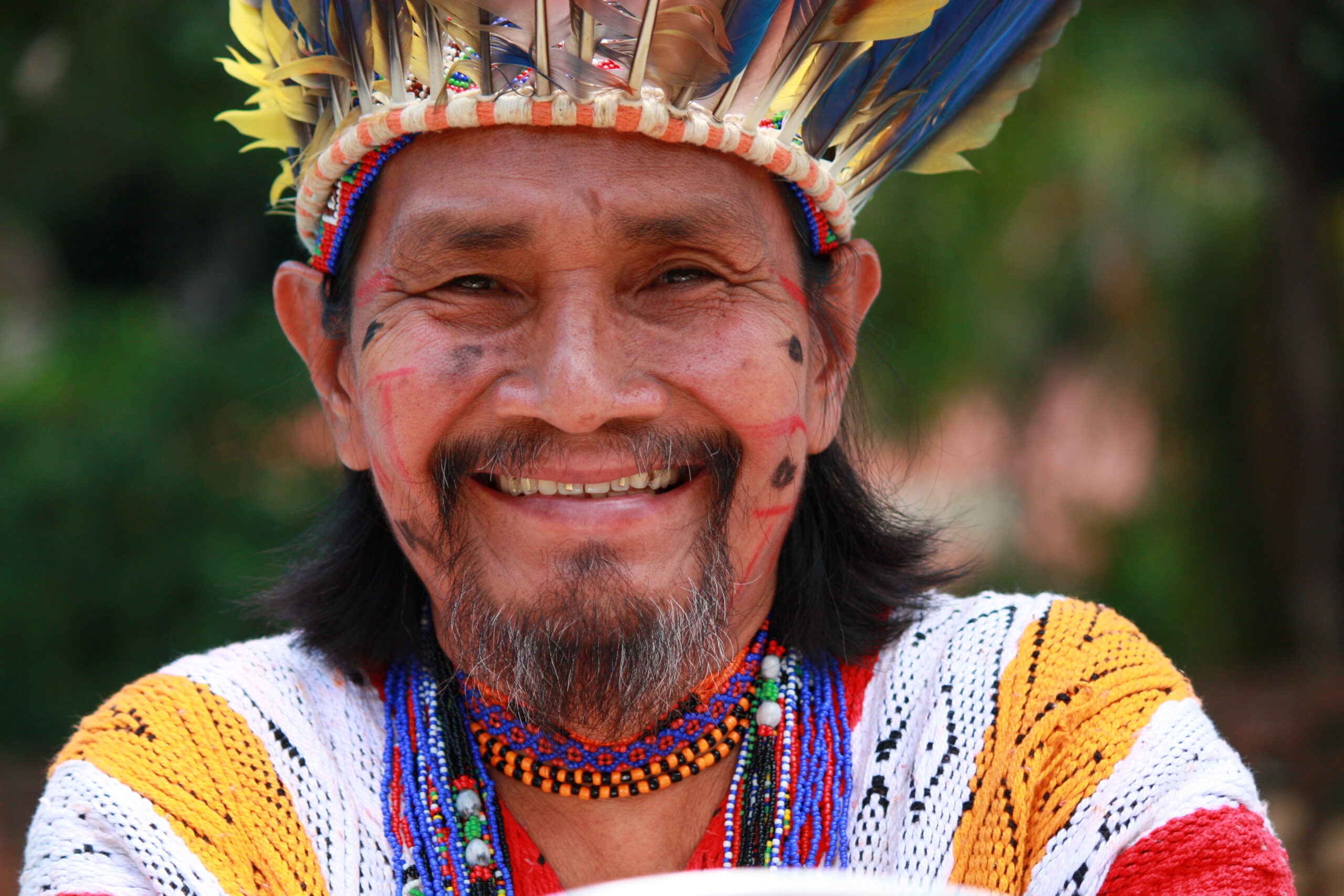
Portait Indigenous Katukina is standing in the middle of bushes, his face  painted with urucum and he wears ethinic clothing.

On Earth Day 2021, the United States Agency for International Development (USAID) announced it would develop a new climate strategy to guide its efforts to strategically target climate change resources, enhance climate change mitigation and adaptation efforts, and further integrate climate considerations into international development and humanitarian assistance programs across all sectors of the Agency. The process to develop the strategy included listening sessions for different stakeholders to share inputs and recommendations.

As part of its commitment to raise the voices of Indigenous Peoples, the FSC Indigenous Foundation (FSC-IF) provided support to the USAID Inclusive Development Hub in the organization and facilitation of two global listening sessions with global Indigenous Peoples representatives on June 17th and November 23rd. The first session gathered inputs on Indigenous Peoples’ priorities and practical recommendations based on the potential impacts of climate change in their communities, landscapes, and countries. The second session collected feedback on the draft strategy and recommendations for its implementation.

USAID and FSC-IF gathered a Technical Advisory Group with members from IUCN, Ford Foundation, World Resources Institute, Nia Tero, and the Climate and Land Use Alliance to best support the engagement and participation of Indigenous Peoples from eight regions around the globe.  

Driven by an inclusive effort, one hundred representatives from Indigenous Peoples organizations were grouped in eight regions — Mesoamerica, South America Spanish speakers, South America Portuguese speakers, Africa French speakers, Africa English speakers, East Asia, South Asia, and Pacific — to best incorporate their perspectives and vision on climate change challenges and target activities to be implemented. 

Incorporating Indigenous Peoples’ issues into programmatic actions and results 

The FSC-IF reinforces and supports the outcomes from the global listening sessions on the importance of recognizing and valuing the role of Indigenous Peoples and their traditional knowledge in all solutions and strategies to promote climate resilience, mitigation, and adaptation. Moreover, we also support the vision that these communities should benefit from their efforts in the conservation of lands, the protection of nature, reduction of carbon emissions, and the contribution from their territories and livelihoods on the Nationally Determined Contributions (NDCs). Listening session participants emphasized, and the FSC-IF supports, that transformational, innovative, and long-term sustainable funding programs require direct investment in Indigenous Peoples using a bottom-up strategy, including their engagement in the design, implementation, and governing phases.

Participants highlighted the importance of land tenure, direct financing to Indigenous Peoples and local communities, a robust Free, Prior and Informed Consent (FPIC) process, and the importance of incorporating an Indigenous vision of development into USAID strategy and projects. It was recommended that nature-based solutions expand to a broader concept and include community-based solutions, and that implementation of the climate strategy should be community-led.

Commitment to partner with Indigenous Peoples on climate action and Indigenous-led initiatives

During COP26, where an unprecedented pledge of $1.7bn was announced to provide direct financial support to Indigenous Peoples and local communities in recognition of their key role in protecting the Earth’s lands and forests, USAID released a draft Climate Strategy.

The FSC-IF sees the strategy as an innovative opportunity, given that the strategy includes an intermediate result dedicated to Indigenous Peoples and local communities: “Partner with Indigenous Peoples and local communities to lead climate actions.”

With the results achieved in the two listening sessions co-hosted with USAID, the FSC-IF will continue working in partnership with Indigenous Peoples’ organizations to further support their capacities and efforts to develop new Indigenous-led initiatives in close collaboration and alignment with the new USAID Climate Strategy’s target objectives, intermediate results, and activities. The Indigenous Foundation also sees these experiences as an opportunity to amplify the engagement with other public and private donors and create innovative funding mechanisms in line with the commitment from COP26.

News

Identifying the Key Challenges of Indigenous Economies

The FSC Indigenous Foundation convened a workshop with academics and experts in the field of Indigenous economies.

Indigenous economies comprise a large spectrum of activities – from producing açaí or quinoa to energy or tourism enterprises. In some regions economies are based on productive systems for self-consumption, hunting and fishing, the collection of leaves, fruits, and everything that the forest provides to meet basic needs. In other regions, Indigenous Peoples have developed sophisticated production models and are connected to markets with value chains based on forest products or tourism services highly valued by international markets.  

Traditional economic and social development indicators may not capture the value of Indigenous economies, however, Indigenous economies provide invaluable contributions to the environment, making them of vital importance to humanity, and providing not only basic goods, but also invaluable public goods to international markets. The FSC Indigenous Foundation (FSC-IF) is committed to gather the important lessons to be learned from Indigenous economies.

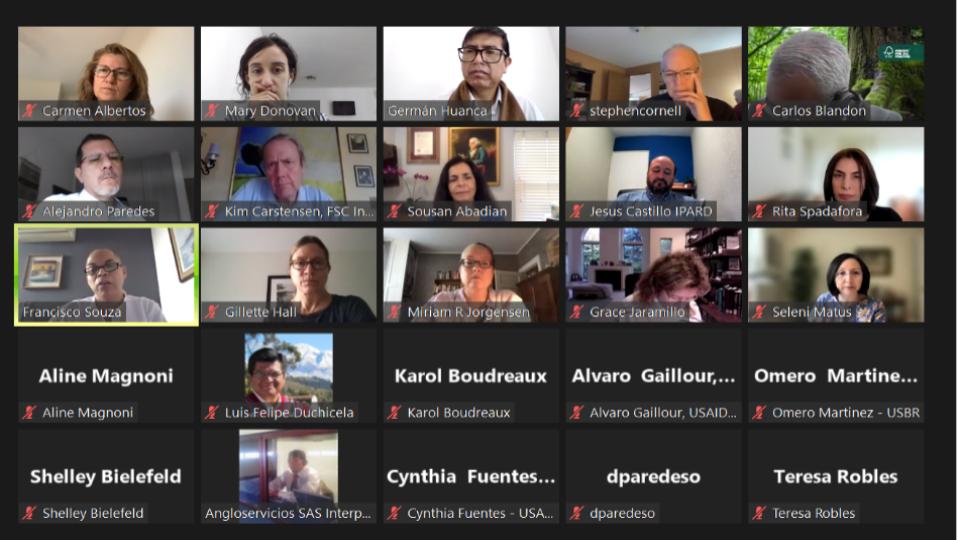
On September 20th, 2021, the FSC-IF convened a virtual workshop with academics, researchers and development practitioners to identify key challenges of Indigenous economies. The workshop also presented the opportunity to identify those interested in forming a working group on Indigenous economies – a group that will identify innovative Indigenous economic models and help fulfil one of the objectives of the Indigenous Peoples Alliance for Rights and Development (IPARD) Program. 

Kim Carstensen, Director General of FSC, Luis Felipe Duchicela, Senior Advisor on Indigenous Peoples at USAID, and Francisco Souza, Managing Director of the FSC Indigenous Foundation opened the workshop, confirming the commitment of FSC, USAID and the FSC Indigenous Foundation to work to strengthen Indigenous economies. 

Stephen Cornell, Professor and Chair of the Native Nations Institute at the University of Arizona, gave a presentation concluding that maximizing Indigenous decision-making responsibility and power, investing in Indigenous governing capacity, and respecting self-governing Indigenous nations and their approaches, increases the chances of achieving sustainable development not only for Indigenous Peoples but also for the global community. 

“Indigenous development is in fact in the interests of encompassing states, but it is unlikely to happen unless it is guided by Indigenous preferences and Indigenous decisions,” Cornell concluded. 

Carmen Albertos, Indigenous Peoples and Diversity Principal Specialist at Inter-American Development Bank gave a presentation on the definition of Indigenous economies and enumerated some challenges facing them, including gaps of public investment in Indigenous territories, absence of affirmative action policies and limited resources and capacities to conduct profitable business. 

“What we need is a new comprehensive policy framework with affirmative action activities, to create the enabling conditions for Indigenous Peoples to succeed in a higher scale and overcome a disadvantaged position,” she remarked. 

Next, participants discussed the key challenges of Indigenous economies in break-out rooms, sharing rich experiences from Latin America, Australia, Canada and beyond. 

The diverse expertise of the participants nevertheless converged on some central themes, including the importance of ensuring Indigenous Peoples’ land security and access to natural resources, the need for policies and programs aimed to promote businesses in areas where Indigenous Peoples have a clear competitive advantage, and the need to build capacity without breaking the link to traditional culture. 

Screenshot with the participants of the workshop Identifying the Key Challenges of Indigenous Economies.

Participants identified discrimination, systemic racism and lack of recognition of identity as signification challenges facing Indigenous economies, as well as logistic factors such as access to finance and cost of transport.  

At the end of the workshop, German Huanca, Program Lead on Business Partnerships and Indigenous Economy for the IPARD Program, underlined the importance of forming an Indigenous Economic Working Group to assess different economic models. These models will form the base for the partnerships and enterprises that IPARD will strengthen and promote. 

If you are interested in getting involved, please email a.paredes@fsc.org 

News

Interview with Head of FSC Indigenous Foundation

“We will support indigenous communities in providing innovative solutions to global challenges through FSC's multi-stakeholder platform”.

Portrait of Francisco Souza Managing Director.

Francisco Souza, Director of the FSC Indigenous Foundation, shares his vision and expectations regarding this new body that will actively contribute to increase the level of engagement and communication between Indigenous Peoples, the FSC system and partner organizations.

How did the idea of creating the FSC Indigenous Foundation arise?

During the 2011 General Assembly, the Permanent Indigenous Peoples Committee (PIPC) was established as an advisory unit to the FSC Board of Directors, and in 2018 an operational unit was created for them, which would later be established as the Indigenous Foundation (FSC IF). 

How would you describe the Indigenous Foundation?

It is a multi-sectoral strategic and operative unit established to develop creative and innovative solutions to support Indigenous Peoples and enable them to build, guide and lead alternatives of sustainable management of the territories by means of the FSC certification scheme. All while respecting their cultures, rights, and traditional practices. The FSC IF is composed of indigenous leaders who will ensure that responsible forest management reflects their expertise and concerns. 

What is the scope and extent of the work you will be doing?

The FSC IF will have a global scope and work closely with indigenous organizations. Our scope and performance responds to the significance of Indigenous Peoples, who manage or own about a quarter of the earth’s surface. We will create opportunities for multi-sectoral partnerships and provide them with tools and instruments so that they can manage, maintain and use their territories in an effort to consolidate indigenous cultural landscapes. 

How are you going to coordinate with the different instances and areas of FSC?

At the internal governance level, we will support the PIPC in its advisory role to the Board of Directors and seek to improve the level of engagement and communication with members on indigenous issues. The PIPC regional meetings will also help us increase the visibility of equitable governance and establish shared risk management with positive effects on expanding the number of certified communities with access to the markets. Technical coordination will be aligned with the Strategic Plan 2021-2026. Moreover, it is important for us to consider the Indigenous Cultural Landscapes (ICP) forest development framework and approach as an opportunity for the integration of multiple benefits provided by forests that are linked to region-specific indigenous livelihoods and practices.

What are the objectives of the Indigenous Foundation in the short and medium term?

Our priority in this first quarter is the preparation of the annual Strategic Plan of the Foundation and the PIPC. Also, we will develop a plan to improve communication internally with and between FSC, the PIPC and the FSC IF, as well as a platform to give visibility and make known the positions of Indigenous peoples on market certification and FPIC, preventing risks to the communities’ customary rights. We will then develop our fund raising strategy for the implementation of programs and projects and during the General Assembly, we will present the first version of our five-year Strategic Plan, which should be aligned with the final version of FSC Global Strategic Plan for the same period. 

What are your expectations regarding the relationship between FSC and the communities now that the Indigenous Foundation exists?

We expect to increase the degree of engagement of Indigenous Peoples in the FSC certification system in a more strategic way. We hope to create indigenous community models with safeguards for their rights and also to develop tools to improve forest management and income in certified indigenous territories. The launch of the Foundation should expand and create opportunities to implement initiatives led by local and regional indigenous organizations, with greater impact on peoples’ priority issues. The results of the initiatives and projects will strengthen the mission and long-term objectives of FSC.

How do you feel about having been chosen to lead this initiative?

For me, as part of the Apurinã Indigenous People of the Brazilian Amazon, it is an honor to join the efforts of indigenous brothers and sisters of the planet in establishing the FSC Indigenous Foundation with the aim of increasing the relevance of our peoples. From this position, I will be able to contribute to the transformation of indigenous territories into providers of innovative solutions to global challenges such as climate change and the unsustainable use of forests and natural resources. To achieve this, we will need to work closely with businesses, financial institutions, governments and civil society. FSC multi-sectoral platform is perfect for building this global alliance. 

What do you want to contribute with your expertise?

I wish to support the strengthening of the Indigenous Foundation and the FSC in three strategic areas: consolidation of the FSC IF vision based on a holistic and comprehensive perspective of Indigenous Peoples, their territorial governance and natural resource management strategies (currently, communities manage multiple products and services that could be linked to the certification system). The second strategic area covers long-term cooperation with different sectors to build a network of alliances in support of Indigenous Peoples, so that the market can be positively influenced towards large-scale sustainable chains. The latter focuses on fund raising and development with companies, foundations, multilateral agencies and development banks to support programs and projects with indigenous organizations in different countries.

Who is going to make up your team?

At this stage of the FSC IF, I am accompanied by Daniel Rosas – FSC Indigenous Affairs Officer. He is a key person supporting us with the coordination and communication with the indigenous organizations of the world through the PIPC and FSC. He has an important role in facilitating and planning PIPC regional meetings and regularly updating FSC members and staff on progress and outcomes. An Executive Assistant should also join the team in the coming weeks.

What message would you like to send to the indigenous communities of Latin America?

Indigenous peoples in Latin America own or manage a natural forest area of nearly 220 million hectares, storing large amounts of carbon that could increase the effects of climate change if deforested. They also provide invaluable environmental services to the well-being of society and different economic sectors. They have the natural resources to become the world’s largest producers of sustainable goods and services. The FSC Indigenous Foundation was created and is managed directly by and for you. We are at your disposal to make you “Guardians of the Forest”, benefiting your communities while recognizing your rights and traditional ways of life.

1 2 3 4