
News

Indigenous Leadership and the Need for Synergy Across the Rio Conventions

A Call for Integrated Action on Climate, Biodiversity, and Land Crises

More than three decades after the Rio Earth Summit, Indigenous Peoples continue to raise a critical question to the international community: why are environmental crises still being addressed in isolation when they are experienced together in the real world?

In her keynote address at the First Global Technical Workshop on Synergies Between the Three Rio Conventions, Minnie Degawan, FSC-IF’s managing director, reflected on the origins of Indigenous Peoples’ engagement in global environmental negotiations and offered a powerful call for a more integrated and rights-based approach to solving today’s ecological crises.

Looking back to the 1992 United Nations Conference on Environment and Development in Rio de Janeiro, Minnie recalled how Indigenous Peoples from across the world came together not as passive observers, but as partners seeking solutions to the environmental destruction already affecting their communities.
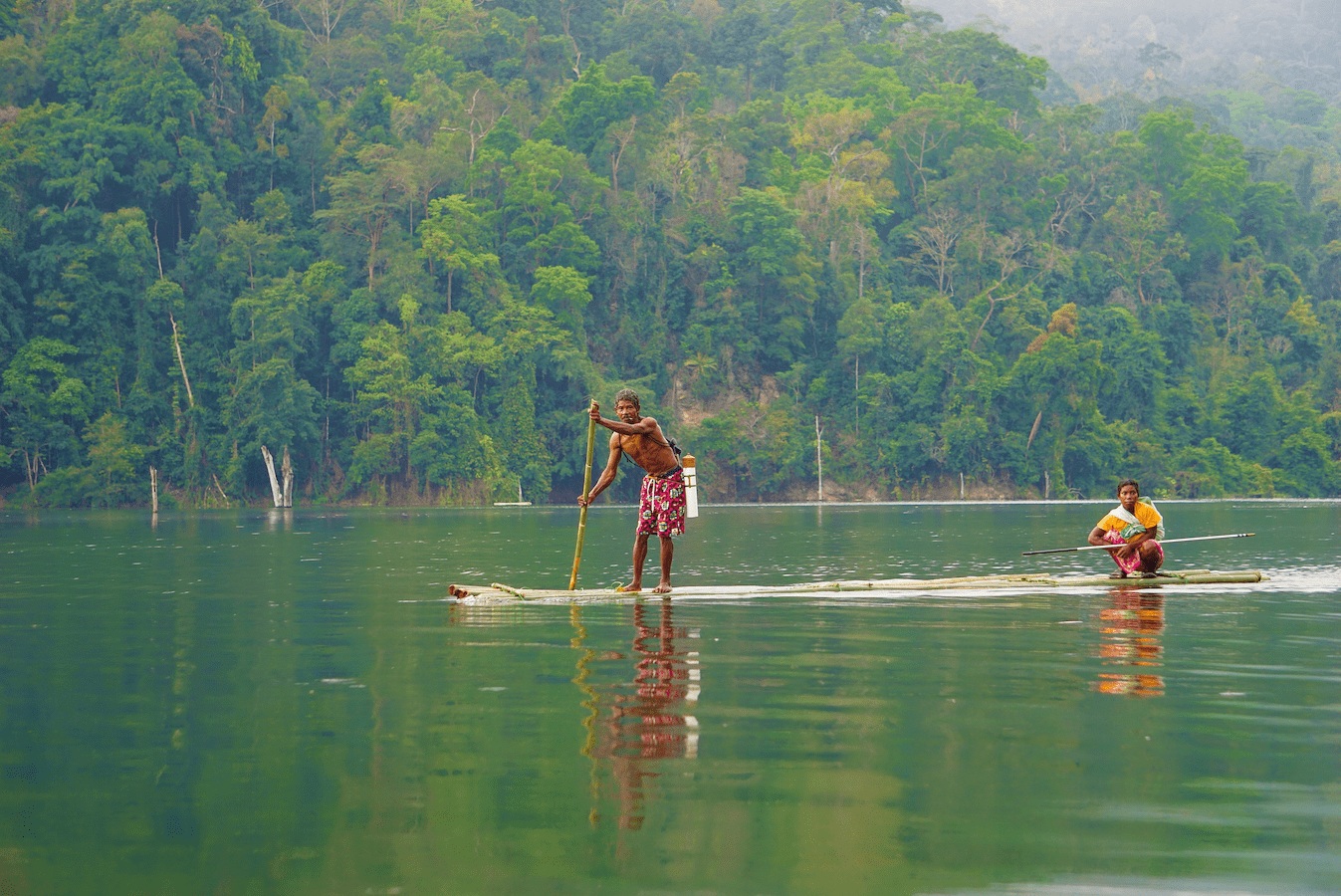
Photo: Shutterstock, Malaysia Royal Belum Rainforest Park

“We lived the very real loss of water, or too much water, the longer, harsher storms, the ever-increasing number of months when we would not have enough food,” she said.

She described how Indigenous communities witnessed the disappearance of fish stocks, medicinal plants, forest species, and traditional materials used by women for weaving and cultural practices. These changes were not understood as separate environmental problems, but as interconnected impacts affecting territories, livelihoods, culture, and identity all at once.
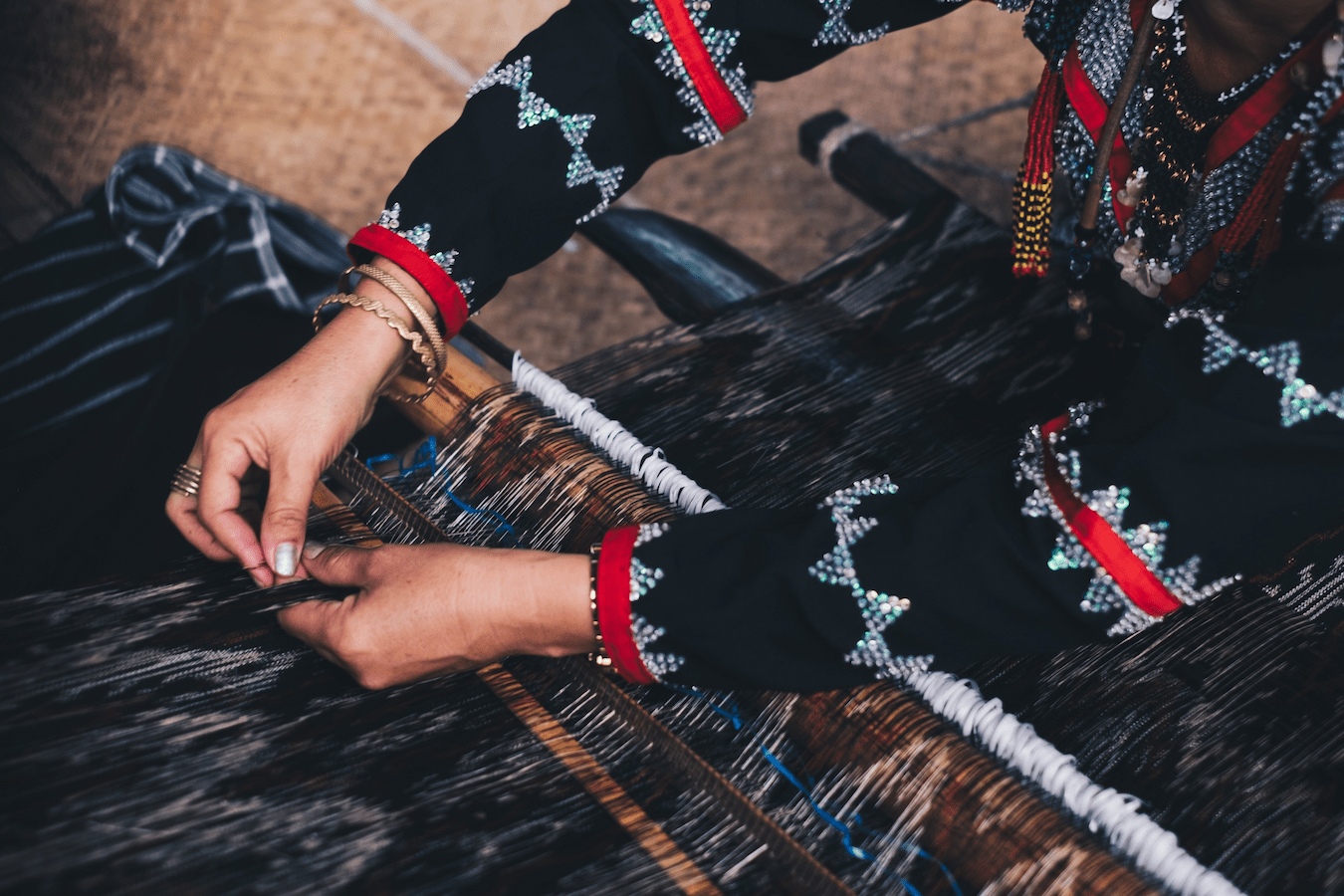
Photo: Shutterstock, T'nalak master weaver
Photo: Shutterstock, T’nalak master weaver

“At that time, we looked at the issue through our Indigenous worldview, which views nature as one interconnected whole,” Minnie emphasized. “We did not divide these issues into climate change, biodiversity loss, and land degradation.”

Photo: FSC Africa, Smith Oltega

Yet despite the urgency expressed during the Rio Earth Summit, the global response that followed created separate conventions for climate change, biodiversity, and desertification. While these frameworks have advanced important international cooperation, Minnie argued that they also reinforced fragmentation in environmental governance.

“One reason why we are not advancing is because of the false division that exists,” she noted. “The impacts of climate change, biodiversity loss, and land degradation are occurring simultaneously in the same spaces.”

Her remarks highlighted a growing concern shared by many Indigenous leaders and environmental advocates: fragmented approaches often lead to fragmented solutions. When policies, funding, and implementation are disconnected, efforts to solve one environmental challenge can unintentionally worsen another. Minnie warned that competition for resources between conventions has also created “false rivalries,” particularly at a time when global economic pressures are reducing funding available for environmental action.

For Indigenous Peoples, however, the issue is not only about institutional coordination. It is also fundamentally about rights.

Minnie stressed that Indigenous Peoples’ rights to lands, territories, and resources are inseparable from their ability to protect ecosystems and contribute solutions to global environmental challenges. She pointed to the importance of Free, Prior and Informed Consent (FPIC), emphasizing that when Indigenous rights are fully respected, communities are better positioned to safeguard territories from destructive extraction and unsustainable development.

“Recognizing and promoting our rights is the foundation for solutions to the issues we face,” she stated.

She also addressed the growing recognition of Indigenous knowledge systems within the three Rio Conventions. While acknowledging important progress, including the establishment of spaces such as the Local Communities and Indigenous Peoples Platform under the UNFCCC and the Indigenous Caucus within the UNCCD, Minnie cautioned that participation alone is not enough.
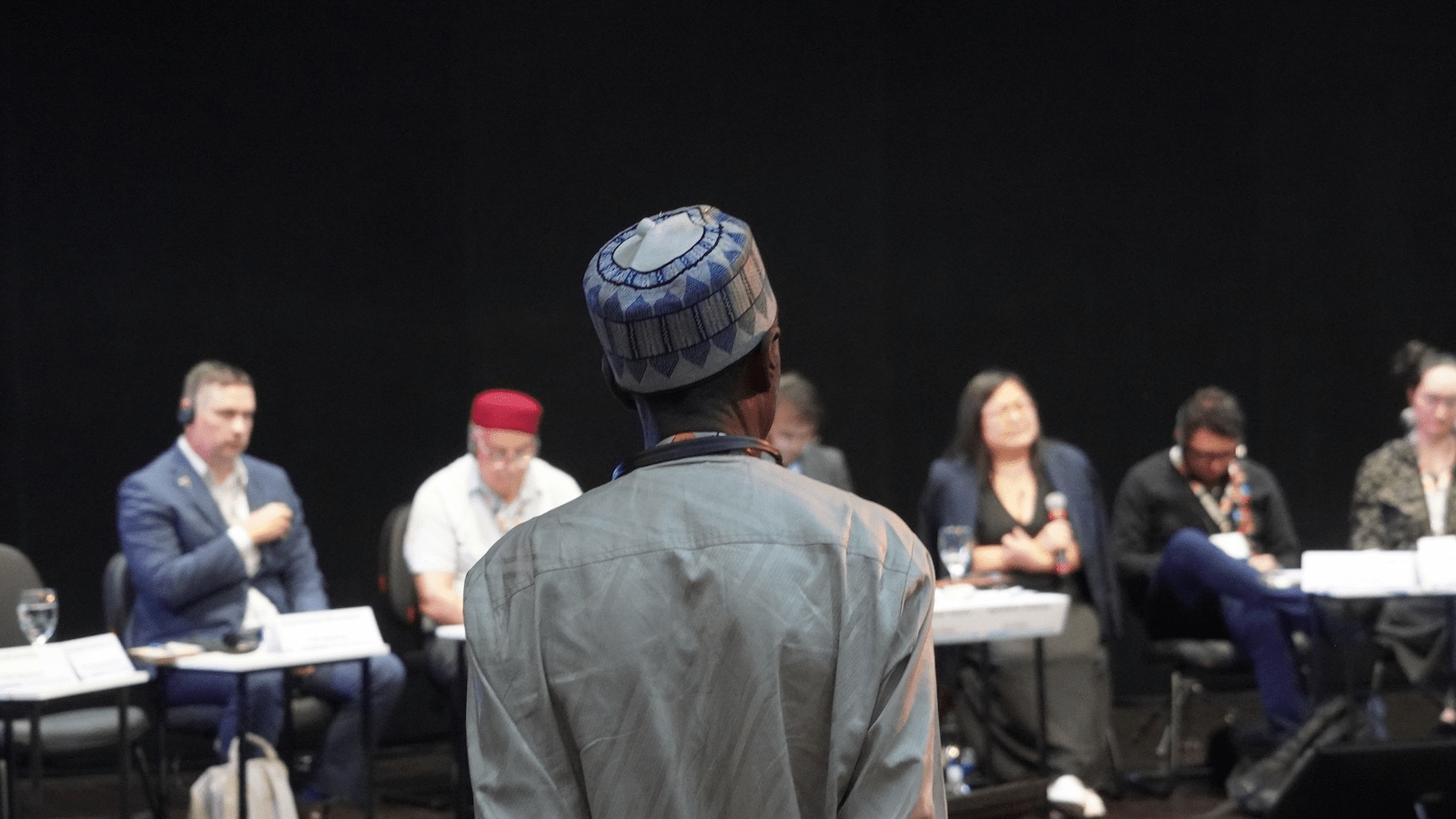
Photo: FSC-IF, LCIPP meeting, UNFCCC COP30 in 2025, Brazil

“At times, increasingly procedural and technical spaces risk distancing us from the values, worldviews, and ways of relating that we originally brought into these forums,” she observed.

Despite greater visibility in international negotiations, Indigenous Peoples still face significant barriers to influencing decision-making and accessing direct resources for self-determined action. Minnie pointed to the lack of adequate resource allocation as a major limitation that continues to undermine Indigenous stewardship efforts on the ground.

Her keynote ultimately called for a deeper transformation in how environmental governance is structured. Rather than limiting collaboration to occasional exchanges between conventions, she advocated for genuine synergies through joint programming, joint reporting systems, and coordinated resource mobilization.
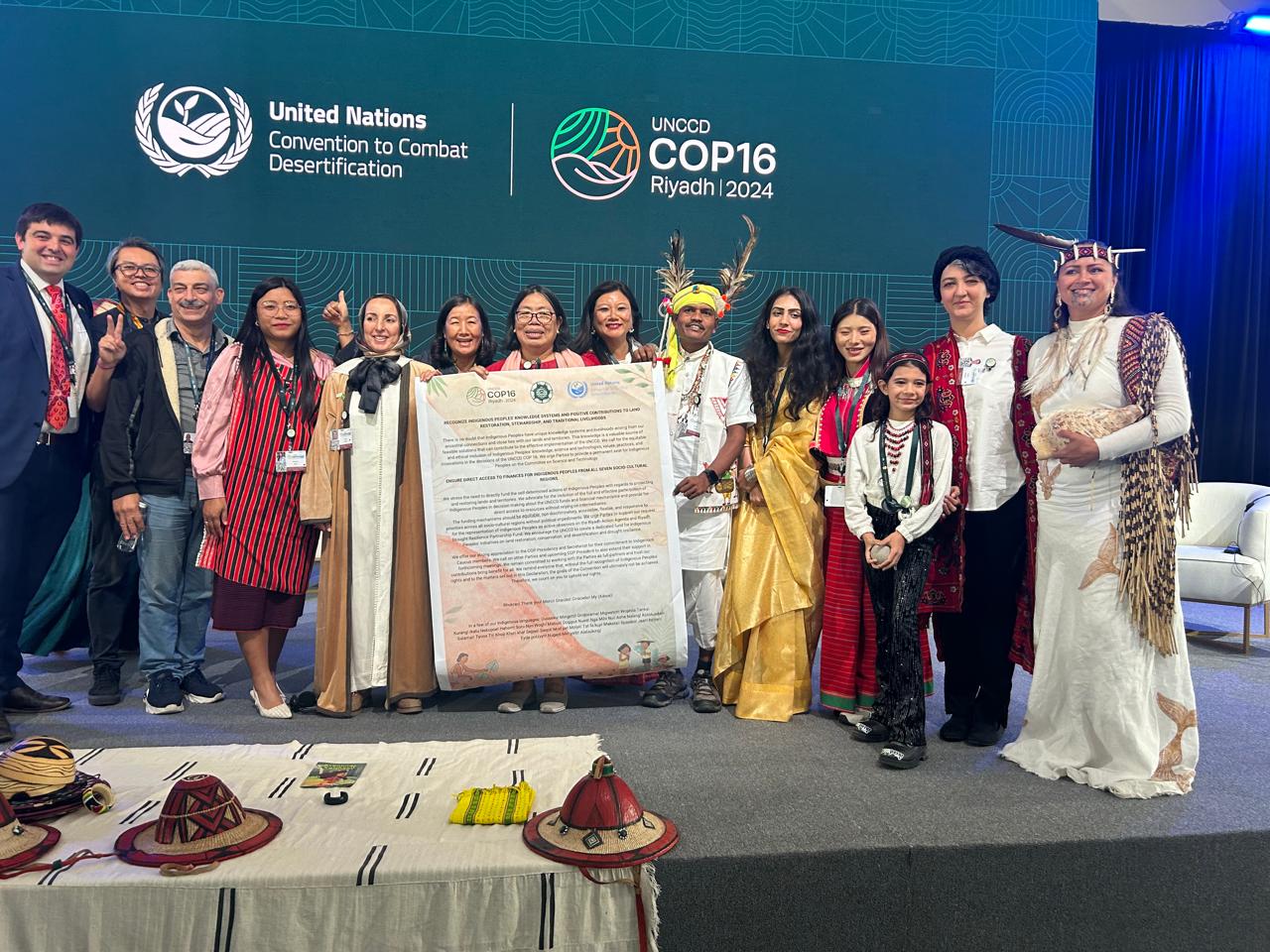
Photo: FSC-IF, UNCCD COP16 in 2024, Riyadh

“The call is not just for greater synergies between the Rio Conventions,” she said. “Real synergy must happen not through token exchanges between conventions, but through joint programming, joint reporting platforms, and even joint resource mobilization.”

At the heart of Minnie’s reflections was a powerful reminder that Indigenous Peoples have long carried knowledge systems rooted in interconnectedness and reciprocity with nature. Her analysis challenges prevailing approaches to environmental governance by arguing that Indigenous leadership is not supplementary to global solutions, but fundamental to them.

As governments and institutions search for pathways to address escalating environmental crises, her perspective offers a compelling call to move beyond fragmented systems toward more holistic, rights-based, and integrated approaches grounded in Indigenous worldviews.

“Nature is one,” she concluded, “and the solution is not to fragment the problems and solutions, but to have the courage and vision that our ancestors had, that of viewing nature not just as one, but more importantly, as part of us.”
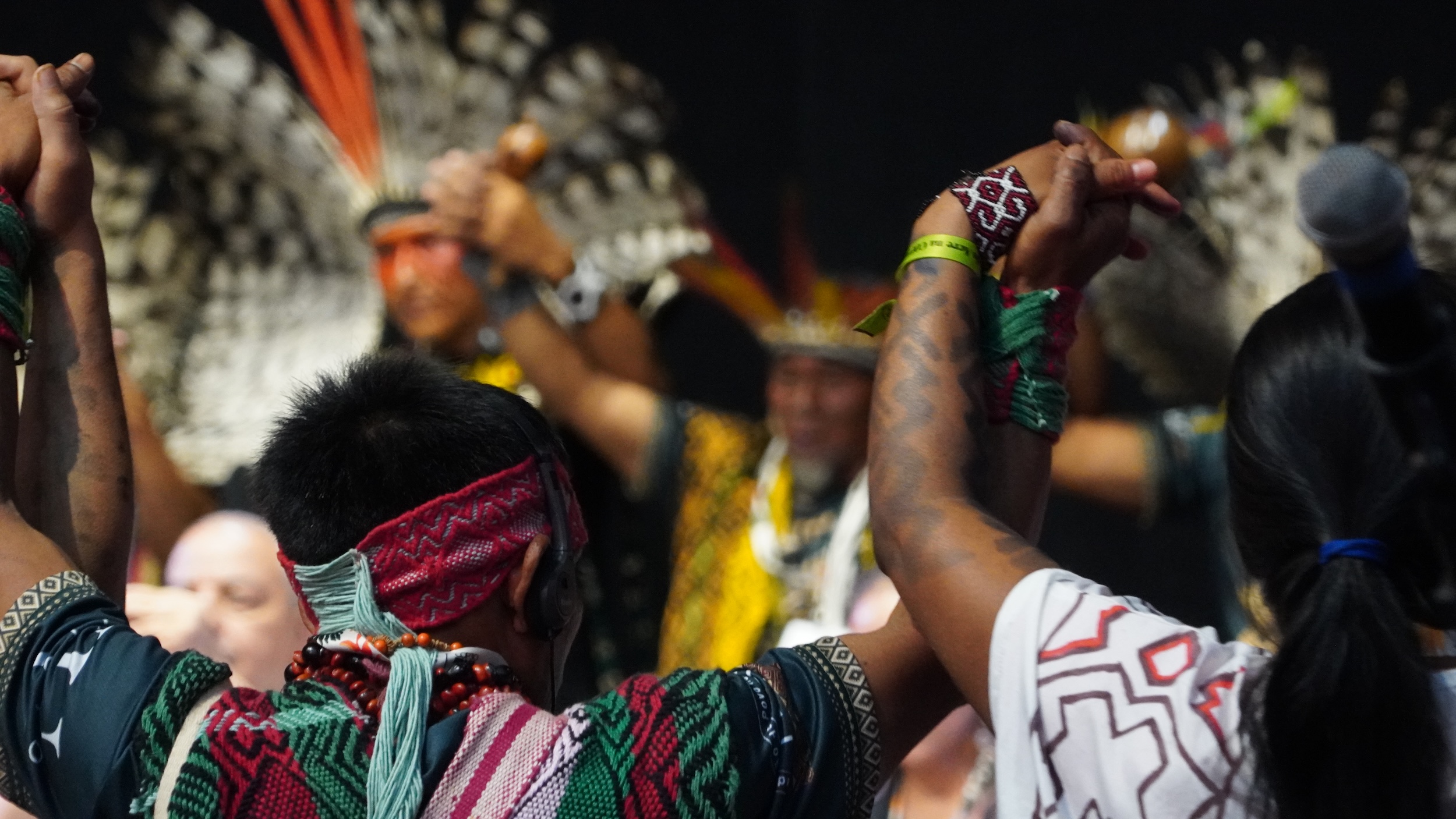
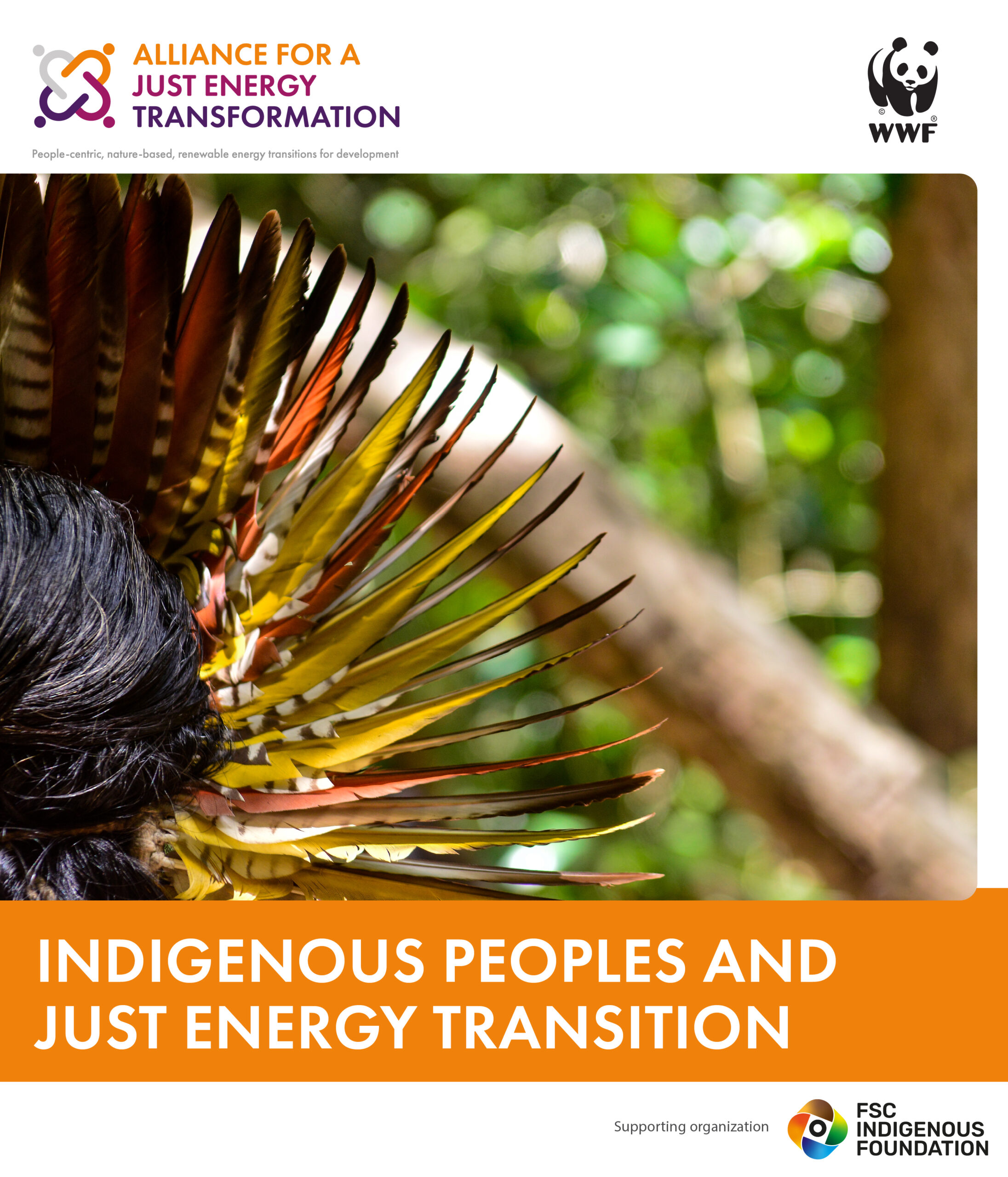
Photo: “Connection,” FSC-IF, LCIPP meeting, UNFCCC COP30, Brazil
News

Report Launch: Indigenous Peoples & Just Energy Transition

WWF and AJET launch the report “Indigenous Peoples and a Just Energy Transition” with the support of the FSC Indigenous Foundation.

banner report indigenous peoples and just transition

WWF and AJET, with the support of the FSC Indigenous Foundation, invite you to the launch of the report: Indigenous Peoples and a Just Energy Transition.

The report highlights the importance of rights-based energy shift grounded in FPIC and Indigenous leadership in decision-making.

Indigenous Peoples steward territories of major ecological value and play a vital role in protecting key carbon sinks and much of the world’s remaining biodiversity. At the same time, they face disproportionate impacts, with a significant share of global fossil fuel infrastructure located on Indigenous territories.

The report explores challenges and opportunities to ensure energy transitions are inclusive, context-appropriate, and do not undermine rights.

Launch Webinar of the Report: Indigenous Peoples and a Just Energy Transition

News

The FSC Indigenous Foundation promotes Indigenous-based solutions at COP27

We strengthened partnerships with and for Indigenous Peoples to confront and mitigate the global climate crisis.

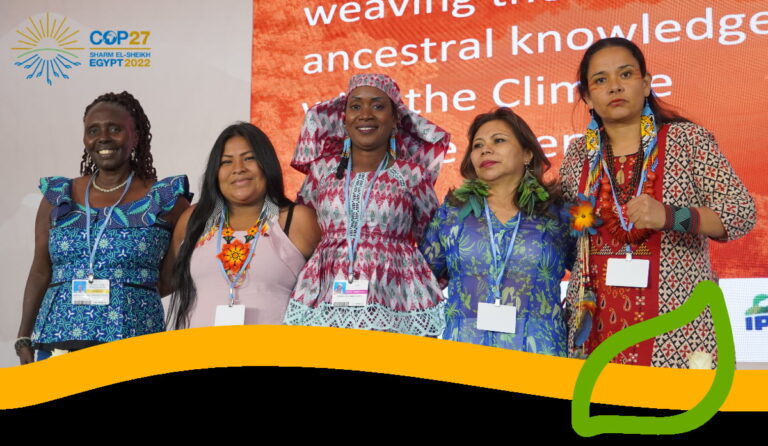
portait indigenous woman of the world - COP27

Sharm, El Sheik, Egypt. The FSC Indigenous Foundation (FSC-IF) participated in the 27th edition of the United Nations Summit of the Parties on Climate Change (COP27) held on November 6 to 18, 2022, at Sharm El Sheikh, Egypt.

Based on the importance of Indigenous Peoples, their territories, and their traditional knowledge and practices for the conservation of forests, biodiversity and resources, the FSC Indigenous Foundation promoted events seeking the recognition of Indigenous Peoples as agents of change and main actors regarding global solutions to the climate crisis.

The FSC Indigenous Foundation also encouraged multi-sector collaboration, seeking partnerships and bringing together different stakeholders to identify and promote Indigneous-based solutions to global challenges.

Additionally, we worked to empower a new generation of Indigenous leaders who will boost the Indigenous climate action to combat the challenges of climate change and determine a different course of action for the future of the planet.

From proposal to direct action

The following is a summary of the main events of the agenda. 

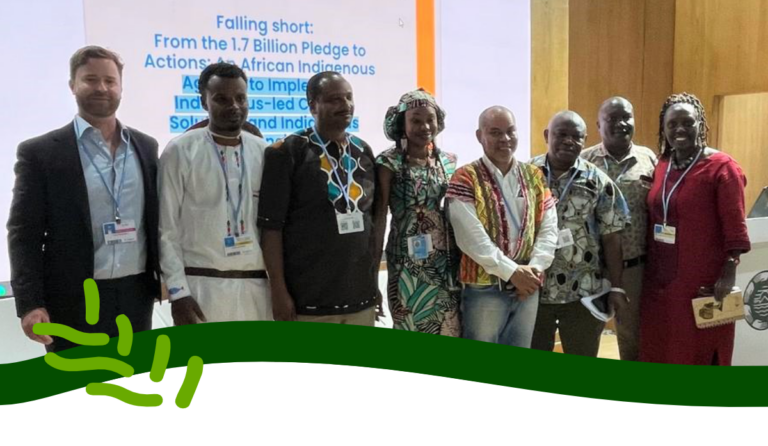
Side Event: From 1.7 Billion Commitment To Action: An African Indigenous Agenda for the Implementation of Indigenous-Led Climate Solutions and Indigenous Financing

portait participants of side event Side Event: From 1.7 Billion Commitment To Action: An African Indigenous Agenda for the Implementation of Indigenous-Led Climate Solutions and Indigenous Financing - COP27

The FSC Indigenous Foundation and its allies in Africa, the Indigenous Peoples of Africa Co-ordinating Committee (IPACC) and the Network of Indigenous and Local Populations for the Sustainable Management of Forest Ecosystems in Central Africa (REPALEAC), co-organized a side event on November 8 in the Indigenous Pavilion at COP27 to discuss the Indigenous Financing Plan proposed by Forest Tenure Funders Group (FTFG) to be implemented in Africa as part of the continuation of the 1.7 billion commitment for Indigenous Peoples, which had been announced at COP26.

This plan will constitute a pilot that will determine the implementation of this mechanism on a global scale.

“Any solution to the climate crisis must include Indigenous Peoples as active partners. We are here to seek solutions and work together.”
Francisco Souza, Managing Director of the FSC Indigenous Foundation.

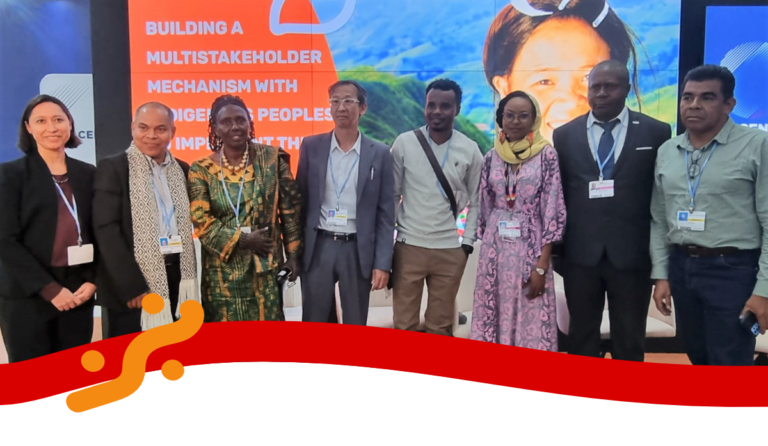
Side Event:  Building a Multisectoral Mechanism together with Indigenous Peoples towards the Implementation of the 1.7 Billion Pledge for Forest Conservation

participants of side event Building a Multisectoral Mechanism together with Indigenous Peoples towards the Implementation of the 1.7 Billion Pledge for Forest Conservation - COP27

The U.S. Agency for International Development (USAID) and the FSC Indigenous Foundation co-organized this side event, held on November 16 at the US Center, to to discuss how climate change disproportionately impacts Indigenous Peoples and identify ways of integration and collaboration with Indigeous Peoples to achieve common goals to move forward with the implementation of the Forest Tenure Pledge.

Panelists concluded that for climate finance to reach Indigenous Peoples and local communities directly, it will be necessary to develop and agree on transparent and efficient mechanisms, not only determined by donors and partners but in close consultation with Indigenous Peoples and local communities.

“There is not someone else telling us about climate impacts, we are experiencing it directly. It is better to focus our energy on how we can resolve it and bring hope back home.”
Hindou Oumarou Ibrahim, AFPAT and FSC-IF Council member.

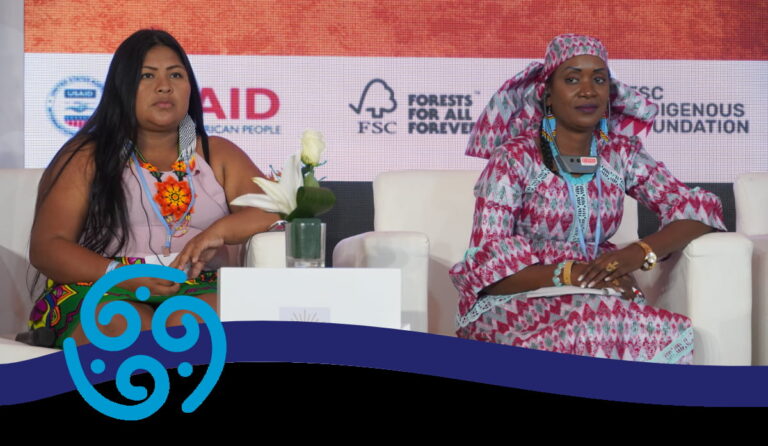
Side Event:  Indigenous Women Leading the Climate Change Agenda from their Ancestral Knowledge and Traditional Practices

participants of side event Indigenous Women Leading the Climate Change Agenda from their Ancestral Knowledge and Traditional Practices - COP27

On November 11 in the Green Zone at COP27, Indigenous women from Africa, Mesoamerica, and South America presented local examples of why Indigenous women are key agents leading climate change agendas with their ancestral knowledge and traditional practices. The event was organized by the FSC Indigenous Foundation, the Coordinator of Territorial Women Leaders of the Mesoamerican Alliance of Peoples and Forests (AMPB), the Global Alliance of Territorial Communities (GATC), and TINTA.

Indigenous women, youth, and girls have been disproportionately impacted by climate change, even if they use, manage and conserve community territories consisting of more than 50% of the world’s land.

“Indigenous women’s traditional knowledge is part of the solution.”
Fany Kuiru of OPIAC.

Capacity Development Center Event: Integrating Indigenous Peoples into the NDC Process through Capacity Development

participants of side event Integrating Indigenous Peoples into the NDC Process through Capacity Development - COP27

Held on November 16 in the Capacity Development Center at COP27, this event provided the opportunity to discuss  the key strategies to foster capacity development of Indigenous Peoples and communities to promote their participation and contribution on initiatives and projects aiming for the Nationally Determined Contributions (NDCs) goals.

For this event, the FSC Indigenous Foundation, the Mesoamerican Alliance of Peoples and Forests (AMPB), Association for Research and Integral Development (AIDER), and Ecosphere+ convened a group of experts to highlight cases in Costa Rica and Peru where Indigenous communities are effectively participating in carbon markets, and discuss key strategies for capacity building for Indigenous Peoples and communities. 

The FSC-IF seeks to elevate Indigenous Peoples’ contributions towards the protection of Mother Earth, as a means to be recognized as providers of inclusive, holistic and cultural solutions focused on diversity in global changes.

“Mechanisms should be participatory and socialized with Indigenous Peoples and leaders. It is important to have information before making decisions that involve our territories and resources.”
Berlin Diques, Regional Organisation AIDESEP Ucayali (ORAU)

The FSC Indigenous Foundation builds partnerships with and for Indigenous Peoples worldwide

Solutions to the climate crisis require collaboration from different sectors, especially Indigenous Peoples, who have been the world’s nature-based solution providers for thousands of years. 

For this reason, the FSC Indigenous Foundation is engaging with different sectors to identify and promote Indigenous-based solutions to global challenges. At COP27, we signed Memorandums of Understanding with the Network of Indigenous and Local Communities for the Sustainable Management of Forest Ecosystems in Central Africa (REPALEAC), the Indigenous Peoples Coordinating Committee of Africa (IPACC), the Ogiek Peoples Development Program, and Health in Harmony to advance Indigenous-led solutions, Indigenous Peoples’ rights, and Indigenous self-development. 

News

Indigenous Leaders from Mesoamerica, Africa and Peru Participated in a Climate Change Negotiation Workshop

A few months before COP27 and as part of its strategy to strengthen the capacities of Indigenous Organizations around the world and catalyze holistic self-development, the FSC-IF developed a training workshop on climate change negotiation.

Panama City, Panama. Nearly 50 Indigenous leaders from 20 countries in Mesoamerica, Africa, and South America participated in a virtual workshop on climate change negotiation.

The goal of this workshop was to provide a formative space to strengthen organizations’ capacity to ensure the protection and promotion of Indigenous Peoples’ rights.

A few months before the Climate Change Summit COP 27, to be held in Sharm El Sheik in Egypt from 6 to 18 November, Indigenous Peoples’ organizations must prepare themselves to be able to directly advocate for their economic, social, cultural, collective, and territorial rights.

In response to this need, the IPARD Program seeks to contribute to ensuring consistent and long-term technical, organizational and management capacity building, with the aim of empowering Indigenous Peoples as actors to engage and collaborate with the public and private sectors to co-create solutions that produce mutual benefits.   

“The knowledge I acquired will be useful for other Indigenous Peoples when I train them before the COP. Moreover, during the negotiations and the subsequent implementation of the convention, the Kyoto Protocol, and the Paris Agreement, this knowledge will contribute to the improvement of the living conditions of Indigenous Peoples,” said one of the participants, Severin Sindizera, National Project Coordinator for the Partnership for Integration and Sustainable Development in Burundi.

The climate change negotiation workshop was structured in three participatory sessions conducted under the guidance of Eduardo Reyes, climate change expert, and the IPARD Program team of the FSC Indigenous Foundation. The Mesoamerican Alliance of Peoples and Forests (AMPB), the Indigenous and Local Peoples’ Network for the Sustainable Management of Forest Ecosystems in Central Africa (REPALEAC), the Indigenous Peoples of Africa Coordinating Committee (IPACC) and the RUZBUMET Foundation supported and participated in the workshop.

The workshop addressed topics related to the context of the negotiation spaces, the main regulations concerning Indigenous Peoples and forests, the contributions of Indigenous territories and countries, and recommendations on initiatives to make visible the contributions of forests in Indigenous territories to mitigate climate change in countries’ NDCs (Nationally Determined Contributions).

The negotiators’ workshop has been a very important training space. As a young gunadule woman, it has helped me to learn about and affirm several issues that are important in climate change negotiations. For example: processes, the actors in the processes, the advocacy that we must do, the negotiating groups and coalitions that exist in the different countries, and the importance of the NDCs,” said Jocabed Solano from the Guna People of Panama and Director of Memoria Indígena.

Climate Change Negotiation Training

The first session featured a presentation on the United Nations Climate Change Conference including its itinerary, hierarchical structure, and the main mechanisms for structuring the thematic agendas and decision-making in the official sessions of the parties. Indigenous Peoples’ organizations learned in detail about the functioning of this advocacy space to be able to prepare their interventions to reach key audiences with national and international influence.

The second session focused on the main actors and coalitions involved in the climate negotiation process to clarify the dynamics of the official debates. Issues such as representation, organization of blocks and coalitions by country, region and priorities were covered. One of the most relevant topics of this session was the clarification of the process that Indigenous Peoples organizations must follow in order for their needs and proposals to be considered in this space. Eduardo Reyes explained that although Indigenous Peoples do not have an official representation space among the parties, they can influence this space through the agendas of national governments, which is why it is important to carry out sustained advocacy work in each of the territories.

The third session focused on analyzing the international commitments ratified by the countries and their relationship with Indigenous Peoples, with special emphasis on the Paris Agreement and its subsequent instruments. The analysis considered the environmental, social, and economic implications and impacts for Indigenous Peoples in scenarios of compliance and non-compliance with the main agreements. During the presentation, Eduardo Reyes stressed the importance of carefully analyzing each of the instruments in order to prevent negative impacts on Indigenous Peoples and organizations, especially those belonging to the Global South.

The second part of the third session included the participation of Marcial Arias Medina from the Guna People, and Edgar Correa from the Mayan community of Belize, experts on the implementation of the decisions that must be made and the steps that must be taken to carry out the analyses requested by the Warsaw REDD+ Framework, in line with the Paris Agreement. The experts presented topics related to the instruments and tools available to elaborate measurements and reports that highlight the contributions of Indigenous Peoples to the processes of climate change adaptation and mitigation.

During their presentations, Marcial and Edgar emphasized the importance of data and evidence. This information allows negotiators to understand the elements and techniques they need to support their discussions, as many decisions are made based on data and scientific information.

For more information see the full workshop below, available in English, Spanish, and French.

Climate Change and Indigenous Peoples

Indigenous Peoples manage a quarter of the world’s land surface and their territories are home to resources vital to the survival of humanity and the planet, and are sources of global solutions to climate change and carbon cycle management.

Despite their global importance, Indigenous Peoples are some of the most affected by climate change. Their territories are suffering the consequences of extreme climate phenomena such as droughts, floods, forest fires, changing agrarian cycles that cause food scarcity, and shortages of medicines derived from forests and plants.

In addition, Indigenous territories are threatened by extractive, agro-industrial, and infrastructure activities that are some of the largest global sources of emissions that cause deforestation and pollution. According to figures presented by the Intergovernmental Panel on Climate Change (IPCC), “gas emissions from human activities are responsible for approximately a 1.1°C increase in temperature in the period from 1850 to 1900.” Increased human activities, such as those mentioned above, will contribute to the climate crisis and temperature increase.

Throughout history, Indigenous Peoples have successfully coped with various crises, including climate phenomena, based on their traditional knowledge and practices. As a result, a number of studies have been undertaken to identify the key to dealing with the crises affecting the world. According to research published in the journal Frontiers in Ecology and the Environment, the recognition of Indigenous Peoples’ rights is vital for conserving forests and tackling global warming. The same research revealed that 36% of intact forest landscapes are found in Indigenous territories and remain standing beacause of their traditional knowledge and practices.

“The survival of humanity is linked to the respect we show towards nature; by destroying nature, humans are destroying themselves, because we are part of nature,” said one of the workshop participants, Adolphe Bope Bope Kwete, focal point for Pygmy Dignity (DIPY) in the Democratic Republic of Congo.

The environmental, social, and economic impacts of climate change put communities, territories and forests at risk, which is why IPARD held this negotiation workshop with the aim of enabling leaders to promote their rights. According to Dina Juc, from the Maya Quiché people of Guatemala, responsible for the Human Rights area of the Mesoamerican Alliance of Peoples and Forests (AMPB), “These tools help people to have concrete data and to present themselves with greater confidence when negotiating. This allows the Indigenous leaders who come to the negotiation space to have a strong support and base.”

Watch a video where she speaks more about the training.

1 2 3 4