
News

The “Indigenous Innovative Solutions” Photography Contest Winners

Indigenous communicators and photographers from around the world participated in the "Indigenous Innovative Solutions" contest to raise awareness of the messages and stories from their communities.

Panama City, Panama. After a successful global call for entries and the hard work of the jury – made up of six professional Indigenous photographers from Brazil, Mexico, Malaysia, Bolivia, Gabon and Indonesia – we present the contest’s winning photographs.  

The “Indigenous Innovative Solutions” photography contest was open to people from Indigenous communities around the world who submitted original photographs showing the vision, history and knowledge of their Peoples.

The jury, composed of Sara Aliaga Ticona (Bolivia), Yannis Davy Guibinga (Gabon), Michael Eko (Indonesia), Luvia Lazo (Mexico), Flanegan Bainon (Malaysia) and Priscila Tapajowara (Brazil), selected three winning images for each of the categories listed in the contest’s Terms & Conditions.

The final selection of photographs met a series of technical parameters combined with the creativity, relevance and coherence criteria for the selected category.  

See and learn about the winning photographs by category below.

Innovation and Climate Change

The first winning photograph was entitled “The last breath” by Kevin Ochieng Onyango of the Luo People in Kenya.
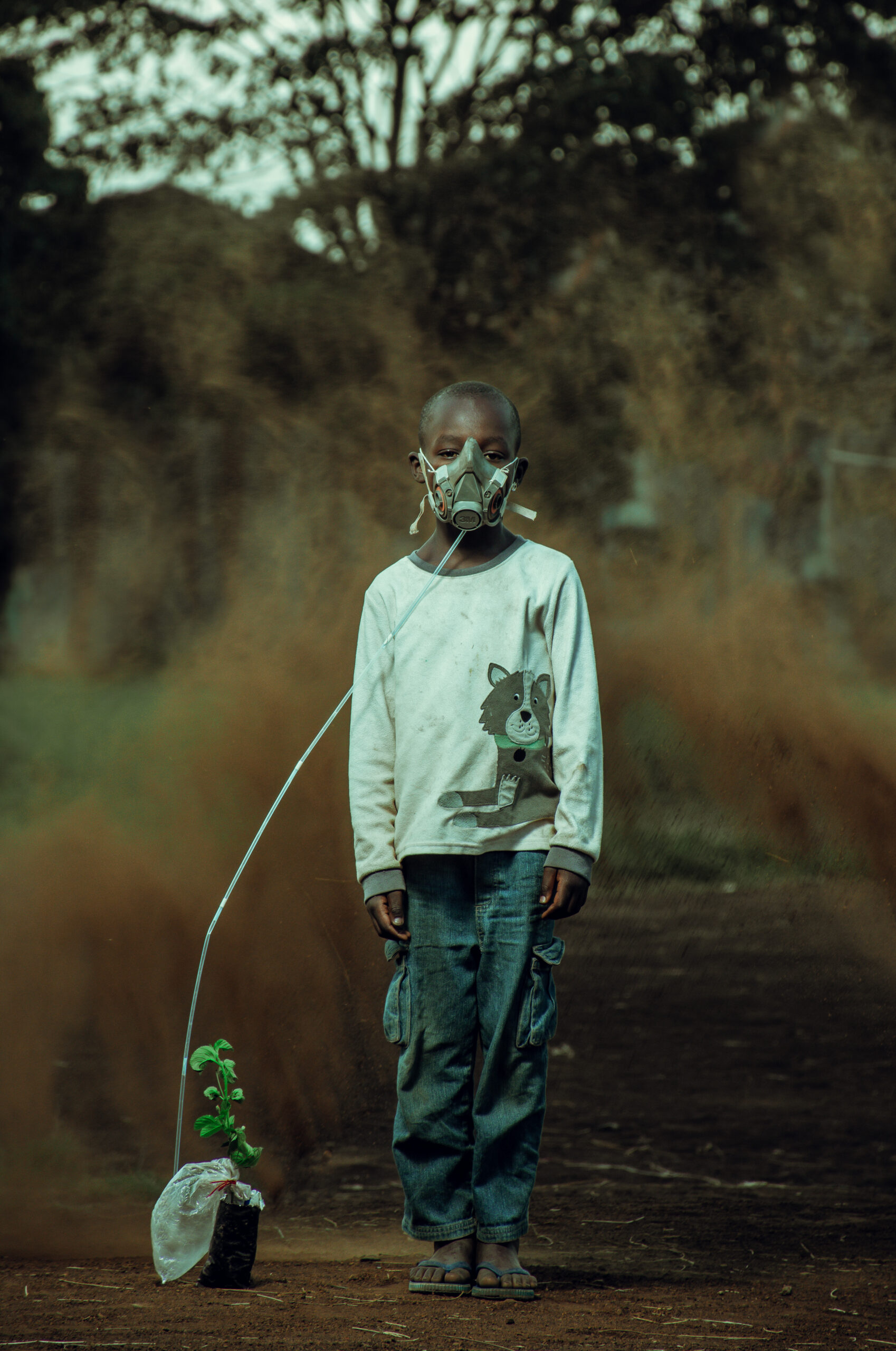
A boy from the Luo people of Kenya wearing an oxygen mask connected to a plant to represent the importance of forests facing the climate crisis. 
The “Indigenous Innovative Solutions” Photography Contest Winners
Name of the photo: The last breath. Author: Kevin Ocheng

He wrote, “This project is symbolic to show the importance of trees in our ecosystem and the role they play in tackling climate change. As trees grow, they help stop climate change by removing carbon dioxide from the air, storing carbon in the trees and soil, and releasing oxygen into the atmosphere. This project pushes the message of conservation and encourages reforestation.”

The Luo People are located in an area that encompasses South Sudan, Ethiopia, northern Uganda, eastern Congo, western Kenya, and the far north of Tanzania. The Luo Peoples, like other Indigenous Peoples in Kenya, face a number of challenges due to the climate crisis including droughts and pests that threaten crops and the food security of their communities and the country.


The second place winning photograph was “Pescador Kapanawa” (Kapanawa fisherman) by Patrick Murayari of the Kukama People in Peru.  
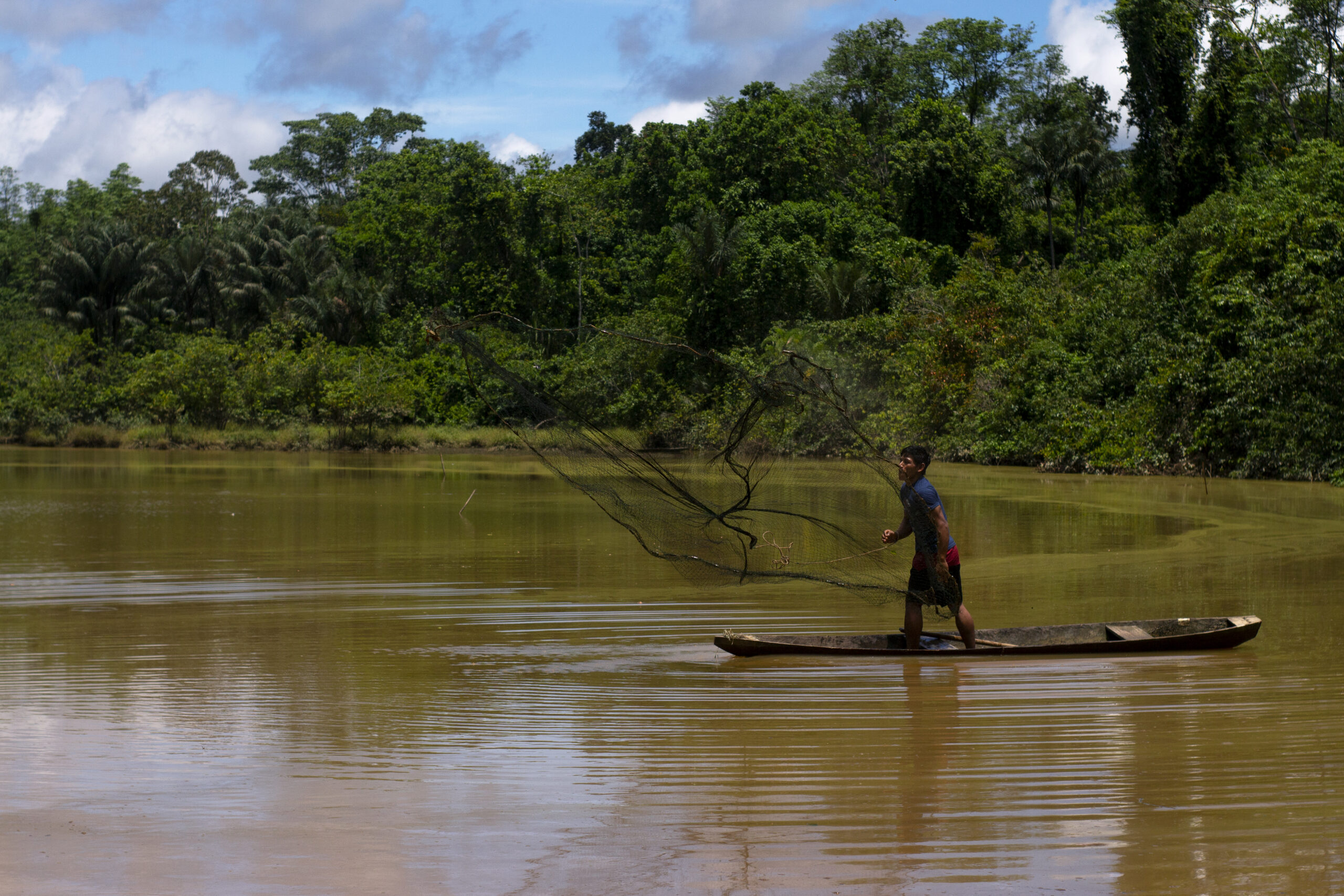
Young Indigenous people from the Kapanawa people of Peru fishing in the river with canoe and traditional nets.
The “Indigenous Innovative Solutions” Photography Contest Winners
Photo Name: Fisherman Kapanawa. Author: Patrick Murayar

“At dusk, equipped with tarrafas (nets) or hooks, the men of the native community of Fatima, belonging to the Kapanawa people, head to the lagoon located five minutes from the community, with the aim of getting some fish for dinner. They only fish for their own consumption. In this way, they guarantee the sustainability of this resource,” writes Patrick.


The Kukama People are located mainly in the Amazonian department of Loreto in Peru.

According to the Database of Indigenous Peoples of Peru, created by the Ministry of Culture, the Kukama have an ancestral tradition of fishing and have developed a series of specific tools and techniques related to their interaction with the ecosystem, which is why both Indigenous and non-Indigenous communities in the sector have called them “the great fishermen of Loreto.”

The third place winning photograph was entitled “La esperanza de seguir viviendo” (The hope to keep on living) by Alcibiades Rodríguez, from the Guna People in Panama.
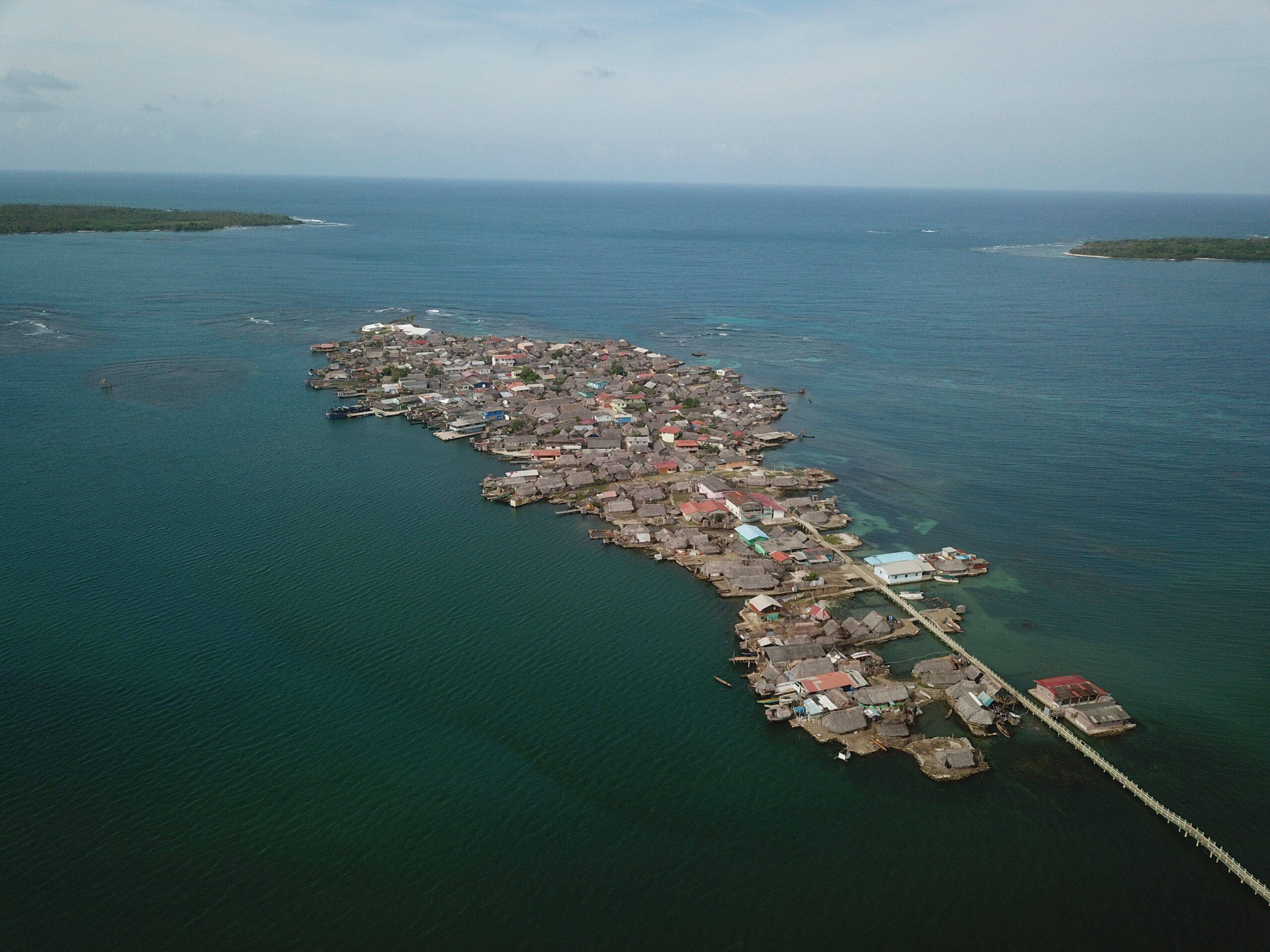
Aerial photo of one of the islands that make up the territory of the Guna people of Panama "Guna Yala". 
The “Indigenous Innovative Solutions” Photography Contest Winners
Name of the photo: The hope to keep on living. 
Author: Alcibiades Rodriguez

Alcibiades describes, “The hope of continuing to live within a traditional and conservative territory, full of legacies and the struggle, which remains against climate change.”


The Guna People are found in Colombia and Panama. They are native inhabitants of the continental jungle, but 120 years ago they migrated to the coast — to escape malaria and yellow fever — and founded the Guna Yala Comarca in Panama.

The comarca encompasses a narrow continental strip and an archipelago of 365 islands. The Guna are considered the most vulnerable people to the impacts of climate change and maritime pollution due to their location. According to UN data, the Guna are expected to be the first Indigenous People to be displaced by rising sea levels due to global warming.


Forests and Indigenous Peoples

The first place winning photograph was entitled “Abuelo” (Grandfather) by Venancio Velasco González from San Pablo Yaganiza in Mexico.

The photo portrays a man in the forest with his horse going to sow milpa – a traditional system of planting maize beans, and squash.
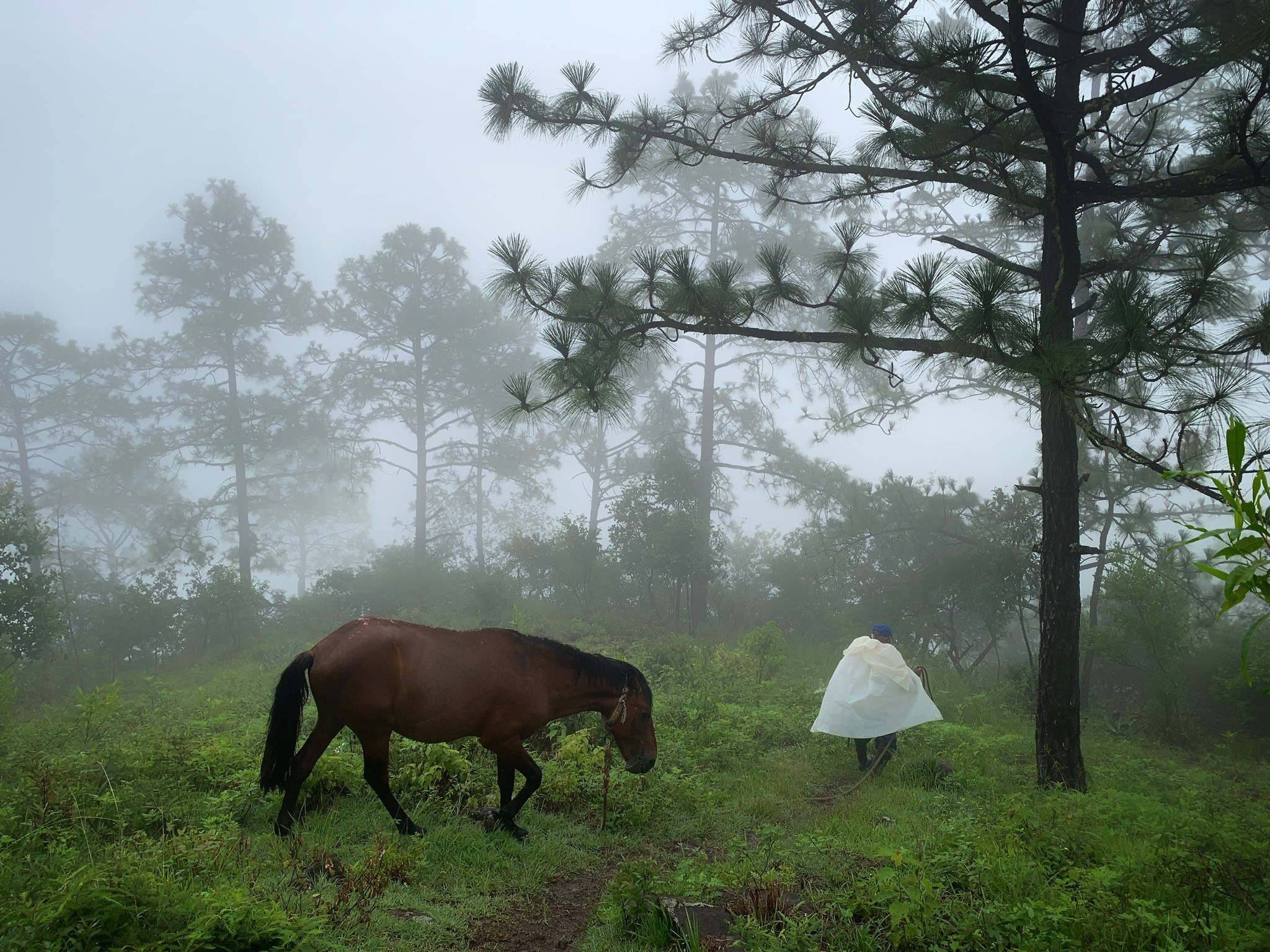
Indigenous old man from Mexico in the forest with his horse on his way to plant Milpa. 
The “Indigenous Innovative Solutions” Photography Contest Winners
Name of the photo: Grandfather. Author: Venancio Velasco González

Venancio shares the story of this photograph, “I want to tell you a little about my grandfather, he is 82 years old and all his life has been dedicated to the field. Whenever I remember him a scene comes to my mind of him. Walking through the fog with his horse, going to sow or to collect firewood. This time I had to accompany him to sow Milpa and it was impossible not to remember a part of my childhood and the first time I accompanied him to the field with the same landscape.”


San Pablo Yaganiza is a small town located in the state of Oaxaca. According to the last census data 99.64% of the population is Indigenous and 93.31% of the inhabitants speak an Indigenous language. 

The photograph entitled “Danza del venado” (Dance of the deer) by Nazario Tiul Choc of the Q́eqchi Maya People of Guatemala was the second place winning photograph.
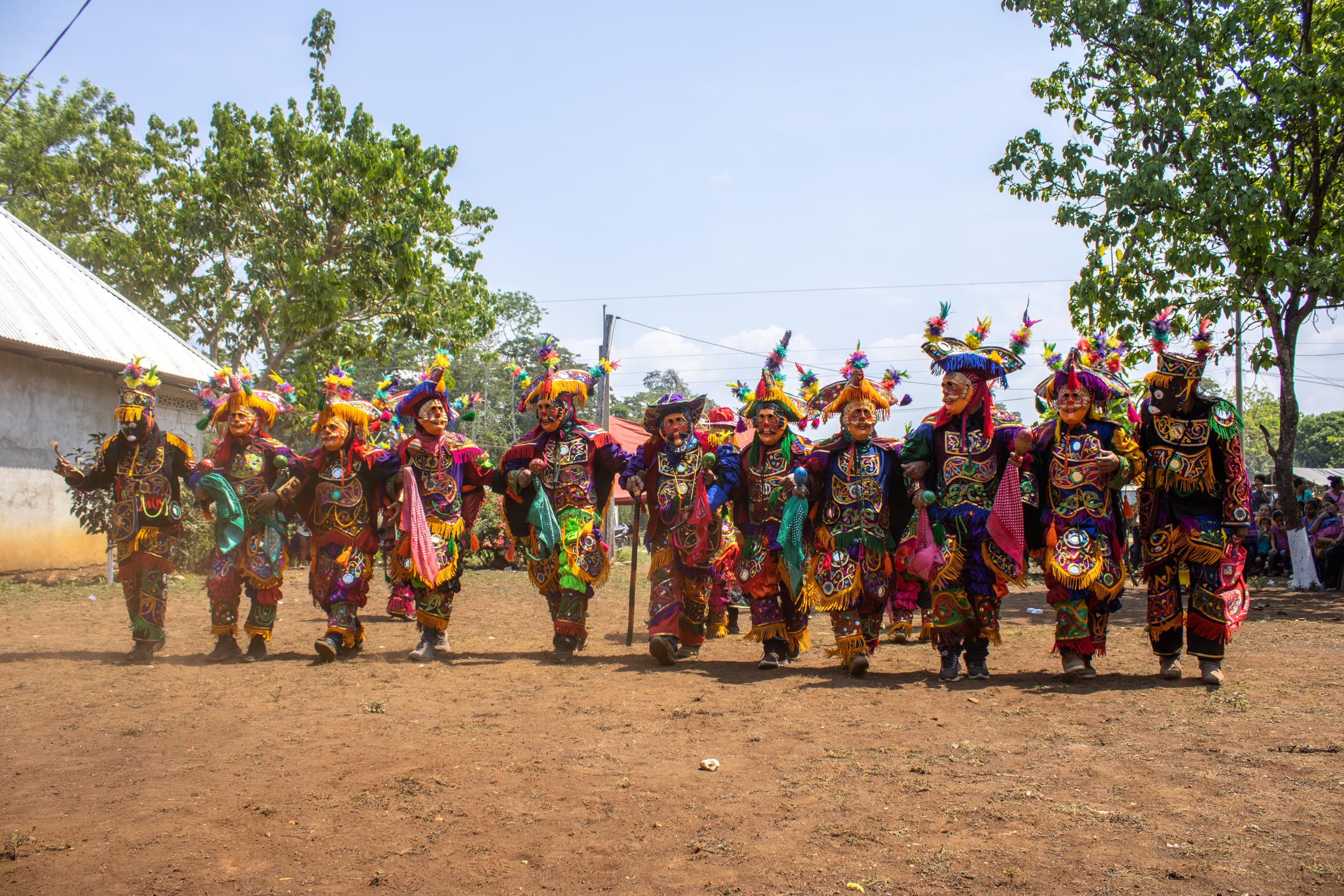
Group of indigenous people from the Unión Maya Itza Cooperative in Guatamela performing the Deer Dance ritual with traditional clothing. 
The “Indigenous Innovative Solutions” Photography Contest Winners
Name of the photo: The Dance of the Deer. 
Author: Nazario Tiul Choc

In Nazario’s words, “Dance of the deer, a hunting ritual, has its origin in the classic Maya period. It is a representation of the war between hunters and wild animals disputing venison as food. Performed annually in Cooperativa Unión Maya Itzá where children and adults participate, this as part of the celebration of their return home from Mexico to Guatemala 27 years ago due to the problems of the armed conflict in Guatemala.”


The photograph entitled “Dayak Kebahan Children” by Victor Fidelis Sentosa from Indonesia was the third place winner. 

The photograph features a child of the Dayak Kebahan tribe playing in the river.  
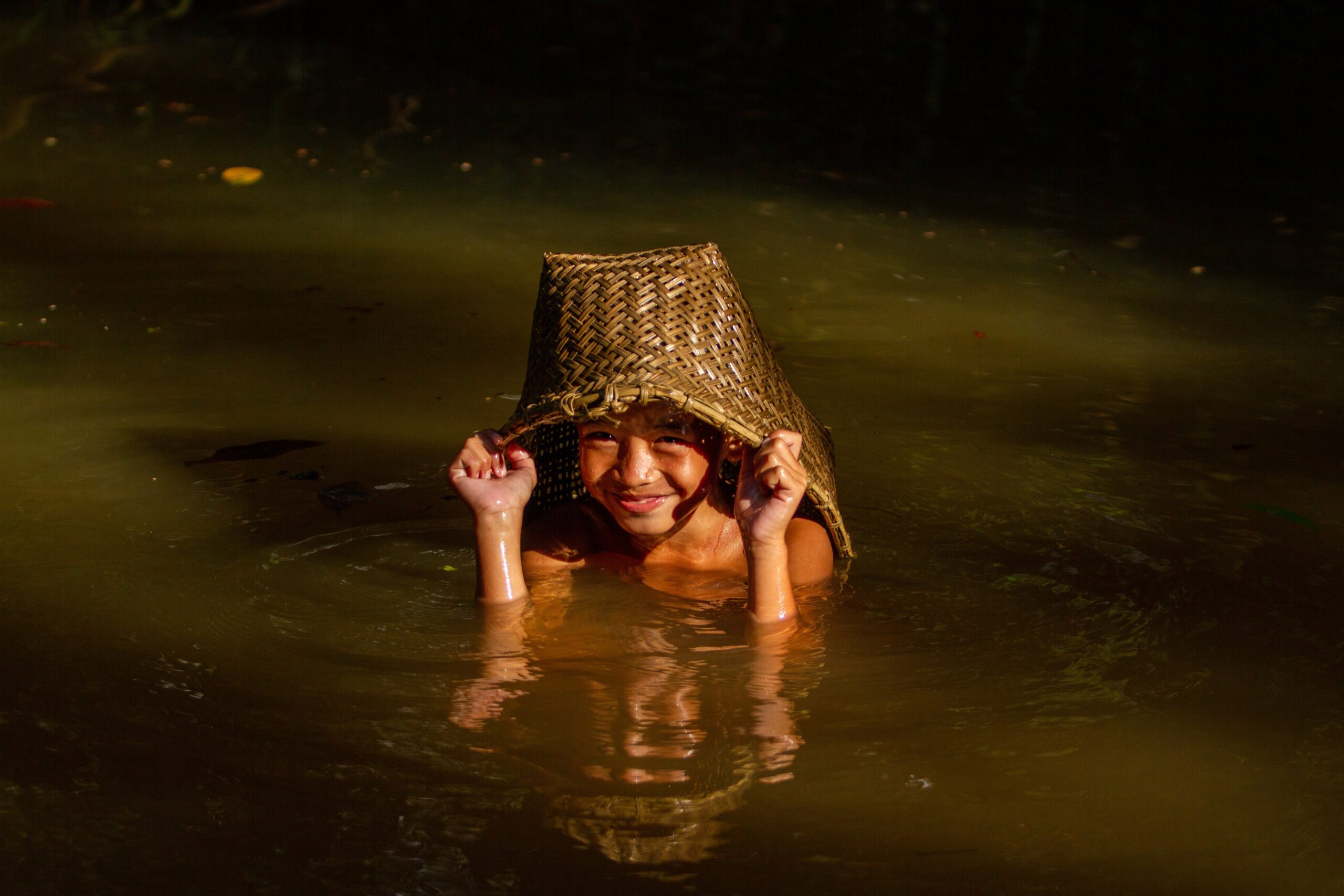
Child from the Dayak Kebhan people of Indonesia playing in the river. 
The “Indigenous Innovative Solutions” Photography Contest Winners
Photo Name: Dayak Kebhan Children. Author: Victor Fidelis Sentosa

The word Dayak or Dyak is a term used to distinguish between more than 200 Indigenous groups mainly inhabiting the coastal regions of Malaysia, Indonesia, and Brunei. Although the term Dayak was coined during colonization, Indigenous Peoples reclaimed it  to honor their resistance processes and identity. Even though they keep the same name, each community has its own language, territory and culture. There are approximately 450 Dayak ethnolinguistic groups living in Borneo, according to some estimates.

Currently, most Dayaks live in small villages in coastal communities, with fishing as a main economic activity. 


Indigenous Youth

The first place winning photograph was entitled Oloburgandiwar” by Aylin Alba of the Guna People of Panama. 
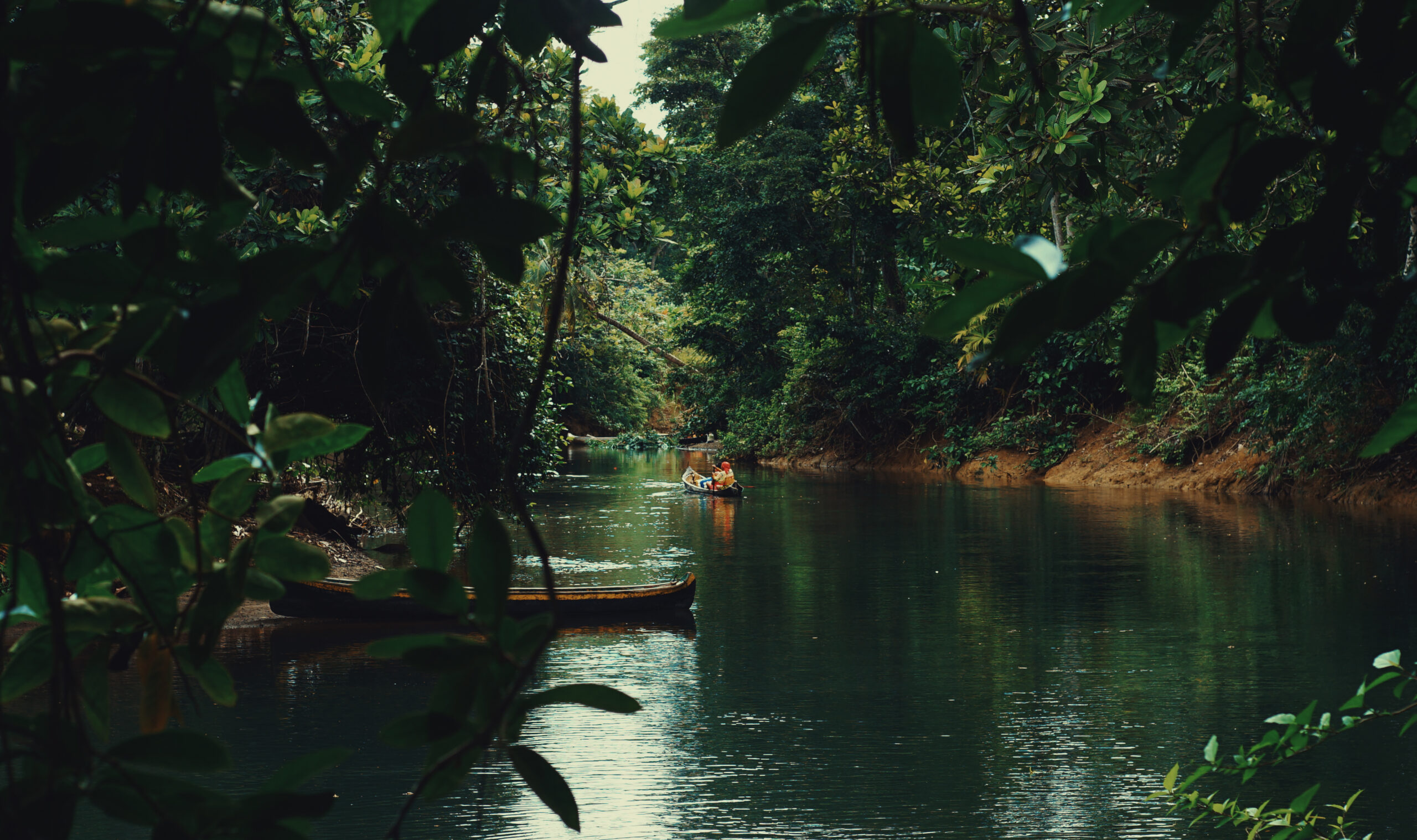
Indigenous woman from the Guna people of Panama in the river performing a ritual to connect with the spirits of her ancestors. 
The “Indigenous Innovative Solutions” Photography Contest Winners.
Photo Name: Oloubingun Tigwar. Author: Aylin Alba

Aylin shares the story behind this photograph, “Our grandparents tell us that when we die we go through the great river, that is why as Indigenous Peoples we know the importance of water, of nature, since our burba (spirit) will bathe and navigate in the river to be reunited with our ancestors.”


The photograph entitled “Hijos de la tierra” (Children of the Earth) by Alexander Pérez Ventura of the Maya Mam people of Guatemala is the second place winner.  
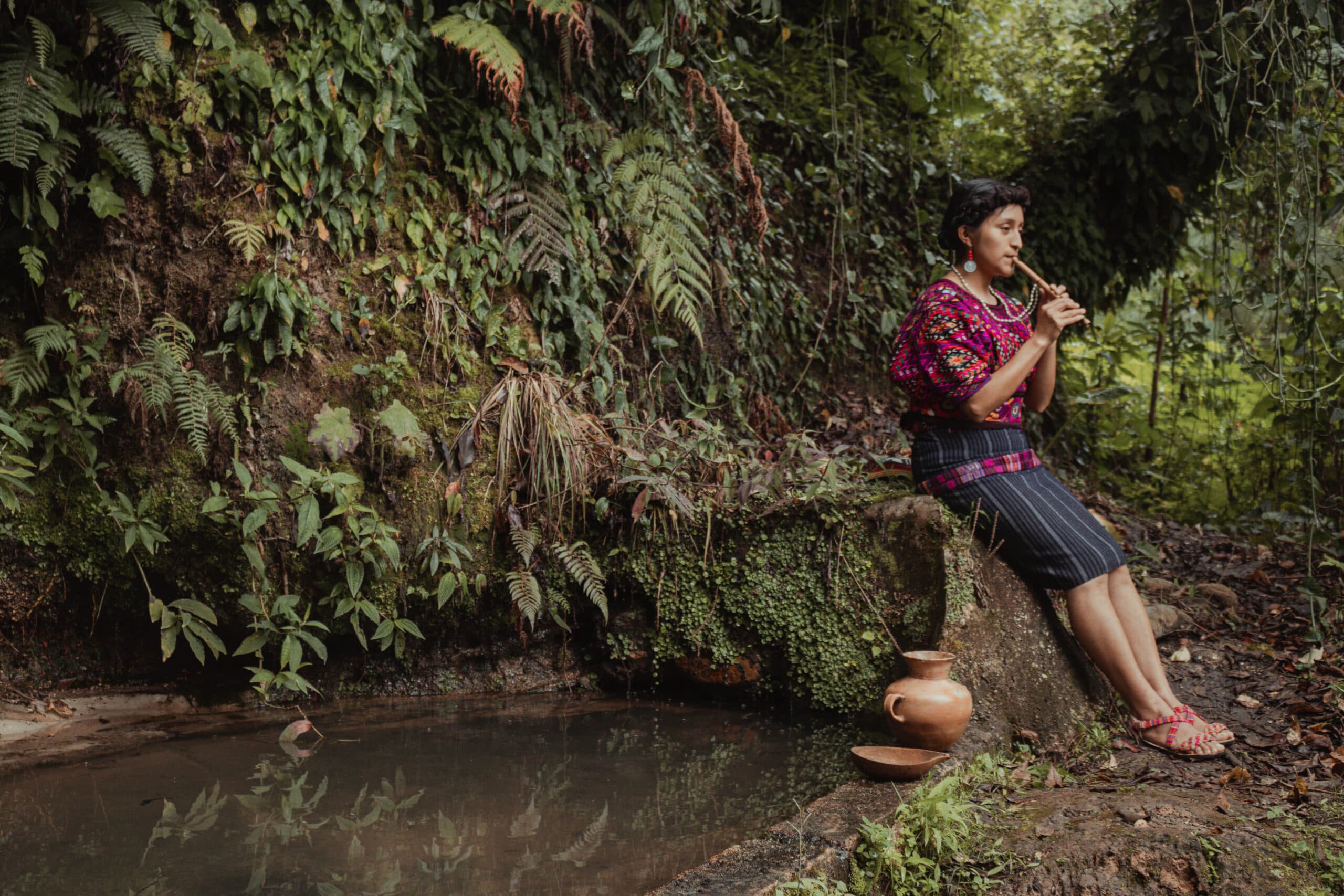
Young indigenous woman from the Quiché Maya People of Guatemala next to a water source with offerings in gratitude to nature. 
The “Indigenous Innovative Solutions” Photography Contest Winners
Name of the photo: Children of the earth. Author: Alexander Pérez Ventura

Alexander describes his photography: “Ana Francisca Dominguez belongs to the Quiché Mayan People in Guatemala. In her family, all are dedicated to ancestral music with purposes of gratitude and blessing everything that Mother Earth grants them. In the Mayan culture there are four elements that are essential for the human being and at the same time part of them. Each element has a heart; water, air, sun and earth.


Without these elements we are nothing, that is why we consider ourselves children of the earth. The Quiché People are thankful for the water, and often bring gifts to water wells. These main gifts are music, flowers and candles. On June 24th each town blesses the heart of the earth for the water.”

The third place winning photograph is entitled “Pusaka” by Prince Loyd C. Besorio of the Obu Manuvu People of the Philippines. 
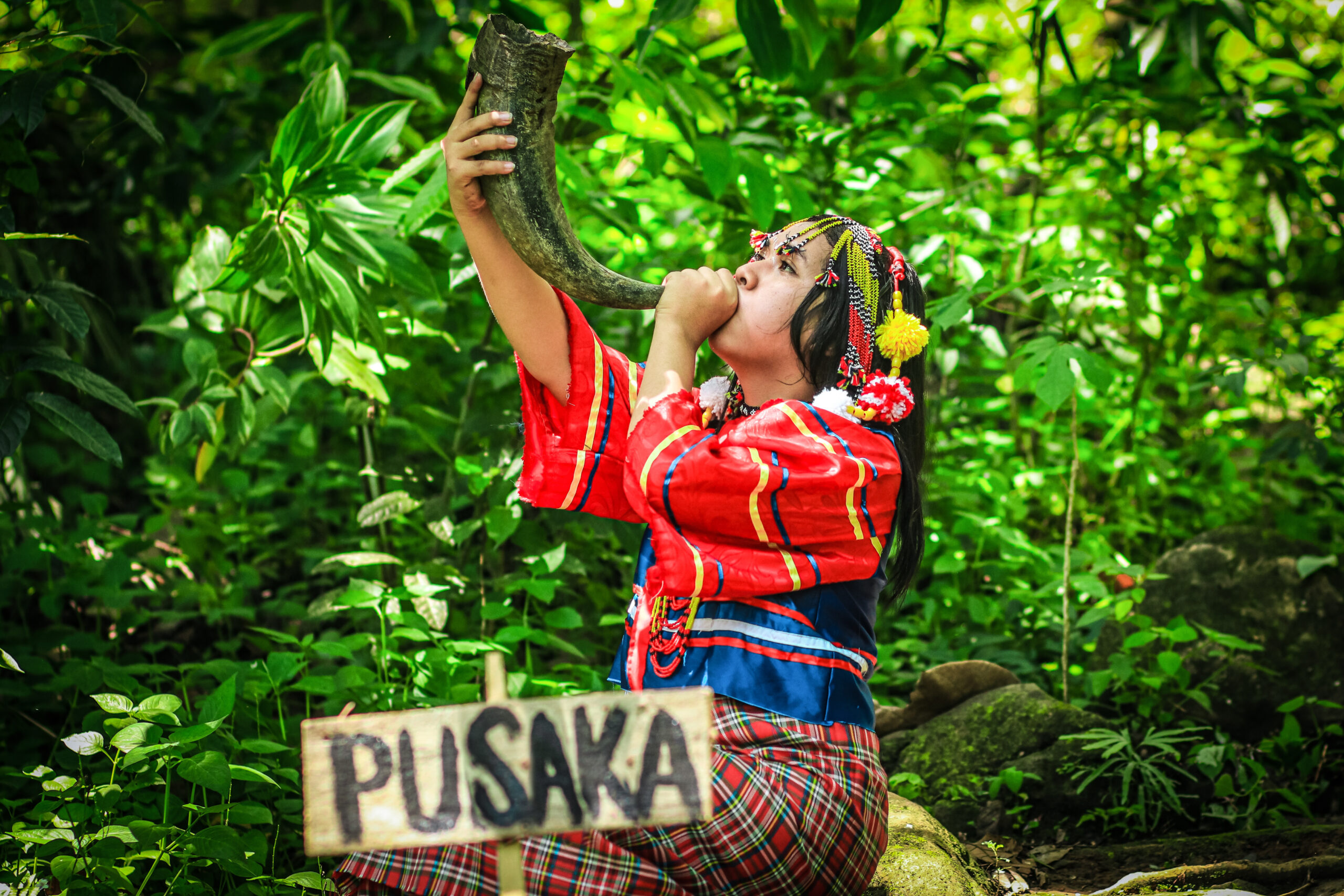
Young indigenous woman from the Obu Manuvu tribe of Indonesia holding a horn to call Pusaka, she is the spirit of the forest. 
The “Indigenous Innovative Solutions” Photography Contest Winners
Name of the photograph: Pusaka. Author: Prince Loyd C. Besorio

Prince writes, “The Obu Manuvu tribe strongly believes in Pusaka cosmology, a traditional biodiversity conservation practice where they consecrate and declare entities, alive or non-living as sacred or inviolable because of their emotional attachment. The areas where the Philippine Eagle and other Pusaka animals and trees are found have specific forest guards bringing horns with them as means of communication with other forest guards.”


News

Introducing the Judges of our Indigenous Innovative Solutions Photo Contest

Renowned photographers from around the world will select the winning photos.

The FSC Indigenous Foundation has convened expert photographers from around the world to serve on a judging panel for our Indigenous Innovative Solutions Photo Contest. The contest encourages Indigenous communicators and photographers to tell their stories and those of their communities through photographs so we can learn more about their realities, problems, proposals, and innovative solutions to defend their rights, manage their territories, and protect Mother Earth.

Read on to learn the judges’ stories and motivations and to see their inspirational work on themes of Indigenous Peoples, the climate crisis, human rights, gender, exploring identities, and more.

If you are interested in entering the photo contest, you may find more information here and submit your photo before April 15th.

Sara Aliaga portait -  Judges of our Indigenous Innovative Solutions Photo Contest

Sara Aliaga Ticona is an Aymara woman, social communicator, documentary photographer and National Geographic explorer based in the city of La Paz, and founder of the first collective of women photographers in Bolivia, War-MiPhoto.

Her thematic axes of artistic and documentary research are based on gender and identity, human rights and Indigenous Peoples.

She is third-place winner of POYLATAM (2021), grantee of the fund for research and new narratives on drugs of the Open Society and Gabo Foundation (2020), winner of the Photo Book Award of Fotoevidence and World Press Photo with the collective COVILATAM, (2021) Amazon Rainforest Journalism Fund and Pulitzer Center Journalism Fund Fellow (2021), National Geographic Journalist Emergency Fund Fellow (2020), Women Photograph Workshop winner (2019), Reporters Instructed in Saving Colleagues TRAINING 2019 Fellow.

She has publications in the research magazine of the University of Bern, Switzerland, Neue Zürcher Zeitung newspaper, The New York Times, The Guardian, BBC, El País, NBC, POY Latam Magazine, La Nación, Cosmopolitan, Reuters Agency, AP, ABC Nyheter, bistandsaktuelt, Vice among others and photographic exhibitions in New York, India, Paris, Normandy, Uruguay, Antarctica, Switzerland, Canada, Antarctica, Colombia, Peru and Bolivia.


Yannis Davy portait -  Judges of our Indigenous Innovative Solutions Photo Contest

Yannis Davy Guibinga is a 26 year old photographer from Libreville, Gabon currently based in Montréal, Canada.

In order to contribute to a change in the narrative about the continent, Yannis Davy Guibinga has found in photography a strength and a tool allowing him to not only celebrate but also to document and represent the many cultures and identities on the African continent and its diaspora.

Yannis has worked with clients such as Apple, Nikon and Adobe and has exhibited works internationally in England, South Africa, Nigeria, France, Russia, Qatar, Switzerland and more, as well as featured on platforms such as CNN Africa, Document Journal, I-D, Harper’s Bazaar Russia,  Condé Nast Traveler and more. His works have also been acquired to be part of permanent art collections such as the Wedge Collection in Toronto. 


Michael Eko portait -  Judges of our Indigenous Innovative Solutions Photo Contest

Michael Eko is a photographer based between Indonesia and the Philippines.

Since 2010, he follows Indigenous and frontline communities in the Southeast Asian region in adapting to current socioeconomic, cultural and climate change.

His ongoing works show how the history of colonialism with its relation to contemporary globalization and the climate crisis has created a huge impact on communities and their natural world. Working with media, academics, civil society groups and communities, he incorporates visual language into a multidisciplinary and participative approach to create change in society.


Luvia Lazo portait -  Judges of our Indigenous Innovative Solutions Photo Contest

Luvia Lazo is a Zapotec photographer, textile and art lover from Teotitlan del Valle, Oaxaca. Photography is her way of portraying the worlds to which she belongs.

Her work aims to capture reality from the perspective of the contemporary Zapotec woman, creating a constellation of images through time and spaces in Oaxaca, documenting the generational gaps and the transformation of identities across ages.

She is a recipient of the Jóvenes Creadores grant of the FONCA 2020 (National Fund for the Culture of the Arts, Mexico) and inaugural recipient of the Indigenous photo grant 2021.


Flanegan Bainon portait -  Judges of our Indigenous Innovative Solutions Photo Contest

Flanegan Bainon discovered his interest in photography at the age of 18 during his backpack travel around Europe.

He is a Murut native from Borneo island specialized in portrait, lifestyle, and documentary photography.

He has worked with agencies and clients in Malaysia, Japan, Australia and traveled all over the Asia Pacific for assignments.


Priscila Tapajowara portait -  Judges of our Indigenous Innovative Solutions Photo Contest

Priscila Tapajowara is the first Indigenous woman to graduate from the Paulus Faculty of Communication (FAPCOM) in the Audiovisual Production course.

Since then she has acted as cinematographic director of the webserie documentary “Ãgawaraita” and the short documentary “Tapajós Ãgawaraitá”, besides the music videos “Carimbó com Merengue”, “Misogyny” and “Tetchi aru’ngu.”

She was the Director of Photography of the documentary feature film “Arapyau: Guarani Spring” and the documentary series “Sou Moderno, Sou Índio,” producer of the Latin American Film Festival CineAlter and assistant director and researcher of the feature film “Amazônia, a nova Minamata?” Besides acting as communicator at Mídia Índia, she is vice-coordinator of the Indigenous production company Nató Audiovisual and vice-president of the Instituto Território das Artes (ITA).


News

Gathering global Indigenous Peoples’ perspectives to inform USAID’s draft Climate Strategy

FSC-IF and USAID co-organized two listening sessions for Indigenous leaders worldwide to share inputs on USAID’s new Climate Strategy.

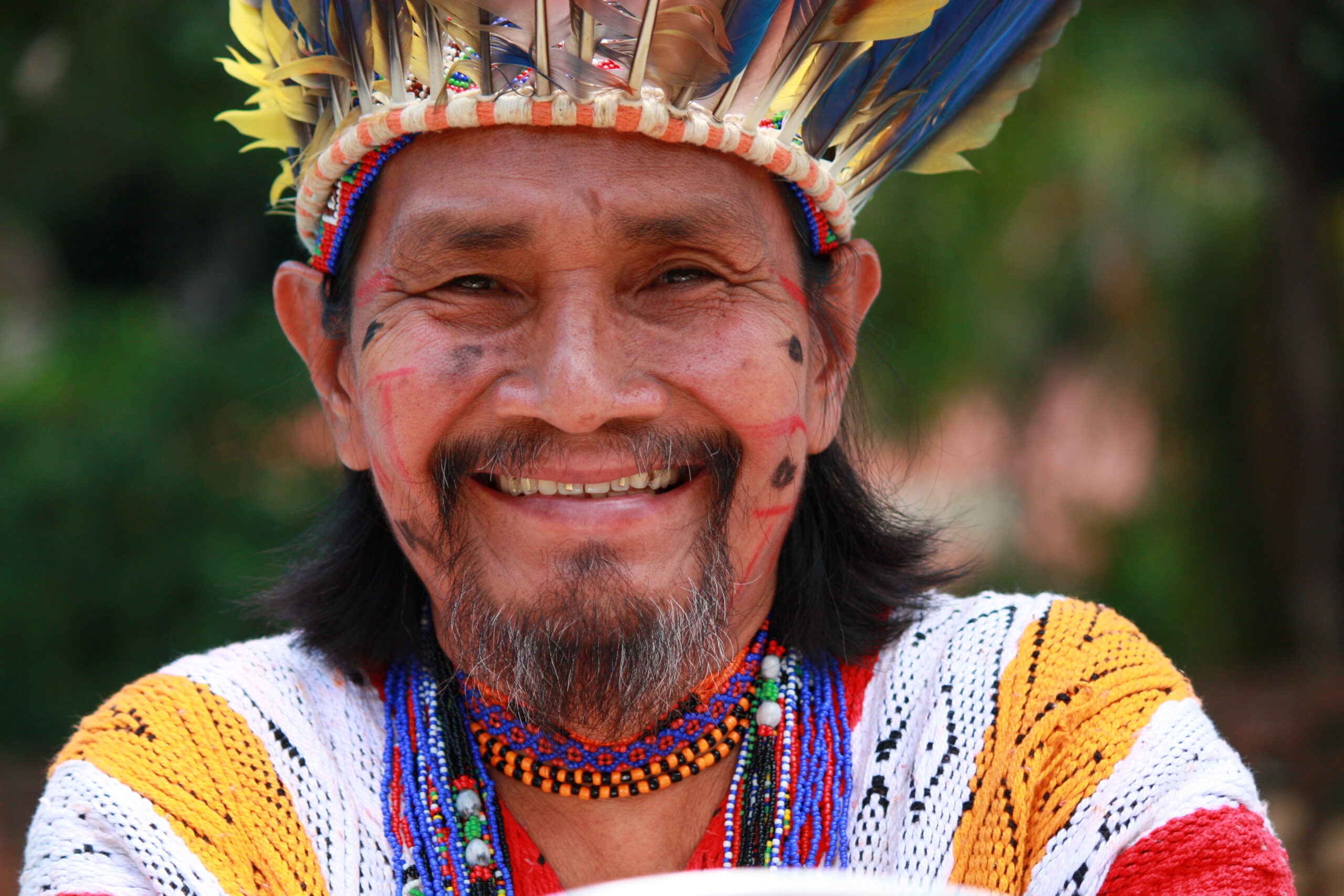
Portait Indigenous Katukina is standing in the middle of bushes, his face  painted with urucum and he wears ethinic clothing.

On Earth Day 2021, the United States Agency for International Development (USAID) announced it would develop a new climate strategy to guide its efforts to strategically target climate change resources, enhance climate change mitigation and adaptation efforts, and further integrate climate considerations into international development and humanitarian assistance programs across all sectors of the Agency. The process to develop the strategy included listening sessions for different stakeholders to share inputs and recommendations.

As part of its commitment to raise the voices of Indigenous Peoples, the FSC Indigenous Foundation (FSC-IF) provided support to the USAID Inclusive Development Hub in the organization and facilitation of two global listening sessions with global Indigenous Peoples representatives on June 17th and November 23rd. The first session gathered inputs on Indigenous Peoples’ priorities and practical recommendations based on the potential impacts of climate change in their communities, landscapes, and countries. The second session collected feedback on the draft strategy and recommendations for its implementation.

USAID and FSC-IF gathered a Technical Advisory Group with members from IUCN, Ford Foundation, World Resources Institute, Nia Tero, and the Climate and Land Use Alliance to best support the engagement and participation of Indigenous Peoples from eight regions around the globe.  

Driven by an inclusive effort, one hundred representatives from Indigenous Peoples organizations were grouped in eight regions — Mesoamerica, South America Spanish speakers, South America Portuguese speakers, Africa French speakers, Africa English speakers, East Asia, South Asia, and Pacific — to best incorporate their perspectives and vision on climate change challenges and target activities to be implemented. 

Incorporating Indigenous Peoples’ issues into programmatic actions and results 

The FSC-IF reinforces and supports the outcomes from the global listening sessions on the importance of recognizing and valuing the role of Indigenous Peoples and their traditional knowledge in all solutions and strategies to promote climate resilience, mitigation, and adaptation. Moreover, we also support the vision that these communities should benefit from their efforts in the conservation of lands, the protection of nature, reduction of carbon emissions, and the contribution from their territories and livelihoods on the Nationally Determined Contributions (NDCs). Listening session participants emphasized, and the FSC-IF supports, that transformational, innovative, and long-term sustainable funding programs require direct investment in Indigenous Peoples using a bottom-up strategy, including their engagement in the design, implementation, and governing phases.

Participants highlighted the importance of land tenure, direct financing to Indigenous Peoples and local communities, a robust Free, Prior and Informed Consent (FPIC) process, and the importance of incorporating an Indigenous vision of development into USAID strategy and projects. It was recommended that nature-based solutions expand to a broader concept and include community-based solutions, and that implementation of the climate strategy should be community-led.

Commitment to partner with Indigenous Peoples on climate action and Indigenous-led initiatives

During COP26, where an unprecedented pledge of $1.7bn was announced to provide direct financial support to Indigenous Peoples and local communities in recognition of their key role in protecting the Earth’s lands and forests, USAID released a draft Climate Strategy.

The FSC-IF sees the strategy as an innovative opportunity, given that the strategy includes an intermediate result dedicated to Indigenous Peoples and local communities: “Partner with Indigenous Peoples and local communities to lead climate actions.”

With the results achieved in the two listening sessions co-hosted with USAID, the FSC-IF will continue working in partnership with Indigenous Peoples’ organizations to further support their capacities and efforts to develop new Indigenous-led initiatives in close collaboration and alignment with the new USAID Climate Strategy’s target objectives, intermediate results, and activities. The Indigenous Foundation also sees these experiences as an opportunity to amplify the engagement with other public and private donors and create innovative funding mechanisms in line with the commitment from COP26.

News

Identifying the Key Challenges of Indigenous Economies

The FSC Indigenous Foundation convened a workshop with academics and experts in the field of Indigenous economies.

Indigenous economies comprise a large spectrum of activities – from producing açaí or quinoa to energy or tourism enterprises. In some regions economies are based on productive systems for self-consumption, hunting and fishing, the collection of leaves, fruits, and everything that the forest provides to meet basic needs. In other regions, Indigenous Peoples have developed sophisticated production models and are connected to markets with value chains based on forest products or tourism services highly valued by international markets.  

Traditional economic and social development indicators may not capture the value of Indigenous economies, however, Indigenous economies provide invaluable contributions to the environment, making them of vital importance to humanity, and providing not only basic goods, but also invaluable public goods to international markets. The FSC Indigenous Foundation (FSC-IF) is committed to gather the important lessons to be learned from Indigenous economies.

On September 20th, 2021, the FSC-IF convened a virtual workshop with academics, researchers and development practitioners to identify key challenges of Indigenous economies. The workshop also presented the opportunity to identify those interested in forming a working group on Indigenous economies – a group that will identify innovative Indigenous economic models and help fulfil one of the objectives of the Indigenous Peoples Alliance for Rights and Development (IPARD) Program. 

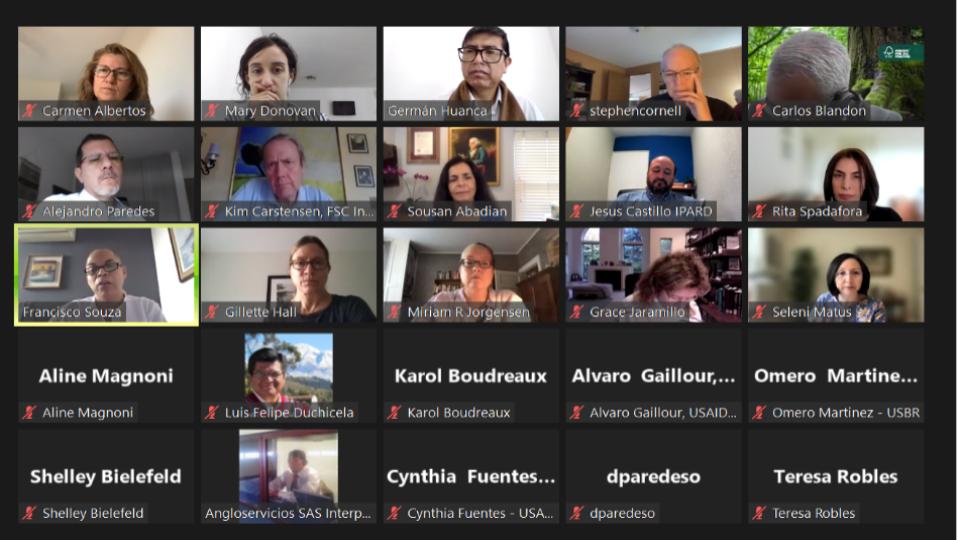
Kim Carstensen, Director General of FSC, Luis Felipe Duchicela, Senior Advisor on Indigenous Peoples at USAID, and Francisco Souza, Managing Director of the FSC Indigenous Foundation opened the workshop, confirming the commitment of FSC, USAID and the FSC Indigenous Foundation to work to strengthen Indigenous economies. 

Stephen Cornell, Professor and Chair of the Native Nations Institute at the University of Arizona, gave a presentation concluding that maximizing Indigenous decision-making responsibility and power, investing in Indigenous governing capacity, and respecting self-governing Indigenous nations and their approaches, increases the chances of achieving sustainable development not only for Indigenous Peoples but also for the global community. 

“Indigenous development is in fact in the interests of encompassing states, but it is unlikely to happen unless it is guided by Indigenous preferences and Indigenous decisions,” Cornell concluded. 

Carmen Albertos, Indigenous Peoples and Diversity Principal Specialist at Inter-American Development Bank gave a presentation on the definition of Indigenous economies and enumerated some challenges facing them, including gaps of public investment in Indigenous territories, absence of affirmative action policies and limited resources and capacities to conduct profitable business. 

“What we need is a new comprehensive policy framework with affirmative action activities, to create the enabling conditions for Indigenous Peoples to succeed in a higher scale and overcome a disadvantaged position,” she remarked. 

Next, participants discussed the key challenges of Indigenous economies in break-out rooms, sharing rich experiences from Latin America, Australia, Canada and beyond. 

The diverse expertise of the participants nevertheless converged on some central themes, including the importance of ensuring Indigenous Peoples’ land security and access to natural resources, the need for policies and programs aimed to promote businesses in areas where Indigenous Peoples have a clear competitive advantage, and the need to build capacity without breaking the link to traditional culture. 

Screenshot with the participants of the workshop Identifying the Key Challenges of Indigenous Economies.

Participants identified discrimination, systemic racism and lack of recognition of identity as signification challenges facing Indigenous economies, as well as logistic factors such as access to finance and cost of transport.  

At the end of the workshop, German Huanca, Program Lead on Business Partnerships and Indigenous Economy for the IPARD Program, underlined the importance of forming an Indigenous Economic Working Group to assess different economic models. These models will form the base for the partnerships and enterprises that IPARD will strengthen and promote. 

If you are interested in getting involved, please email a.paredes@fsc.org 

1 2 3 4