
News

Indigenous Forest Stewardship in Asia

Navigating FSC Certification in Asia

March, 2026 

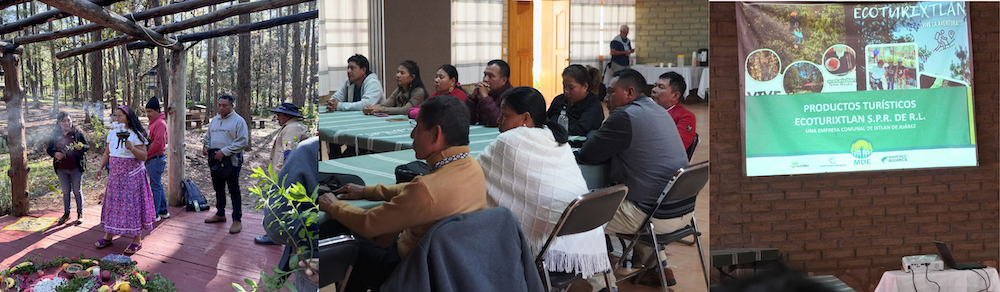
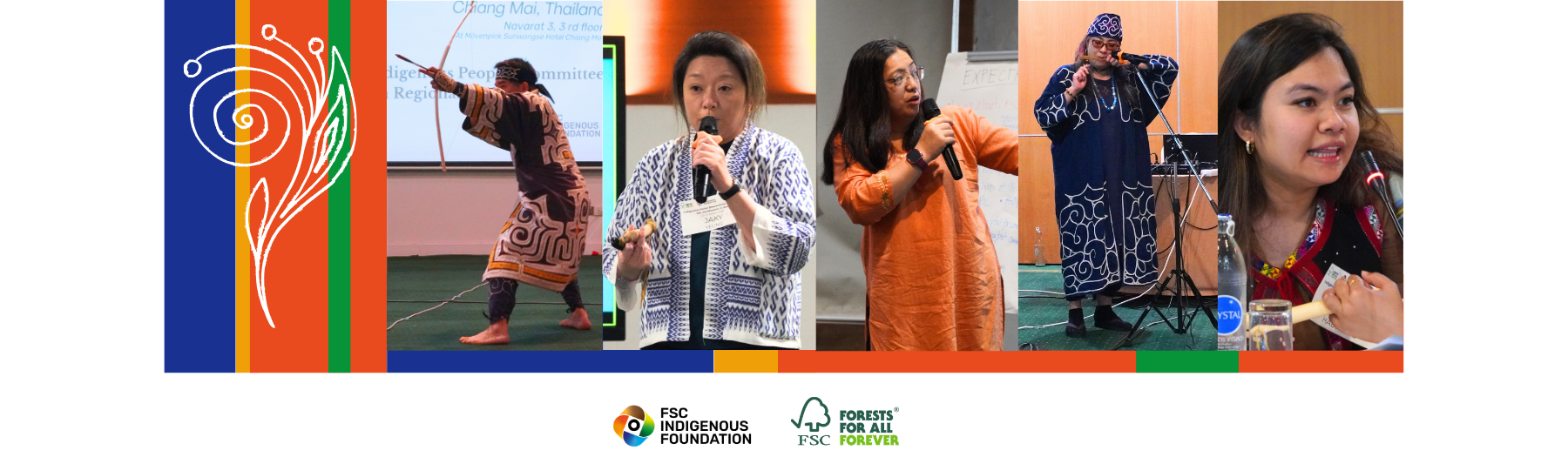
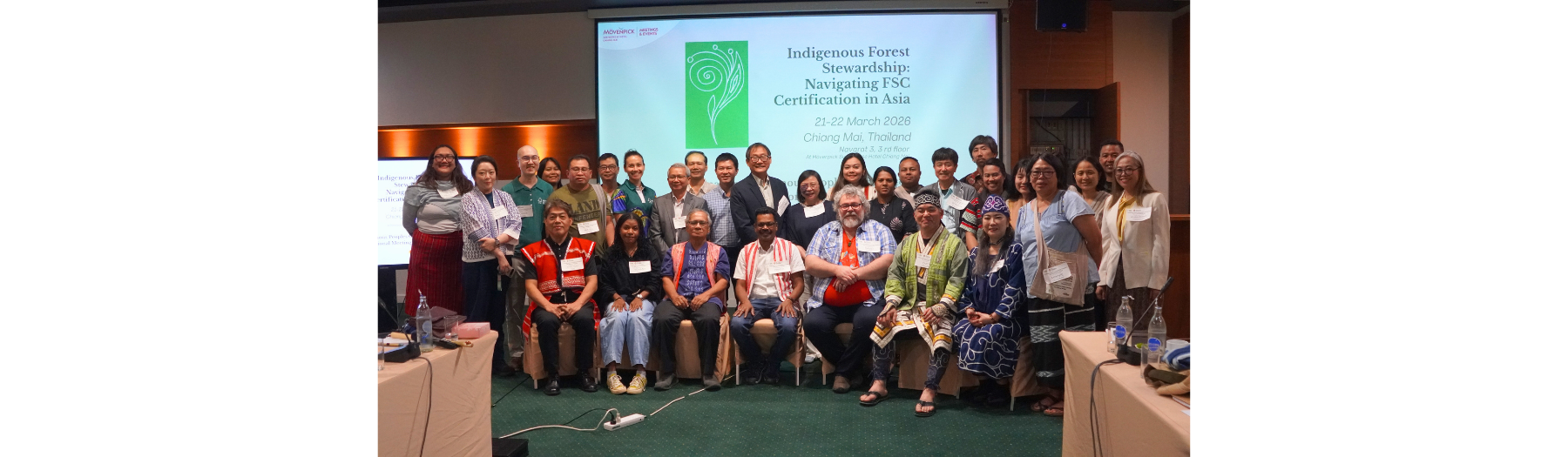
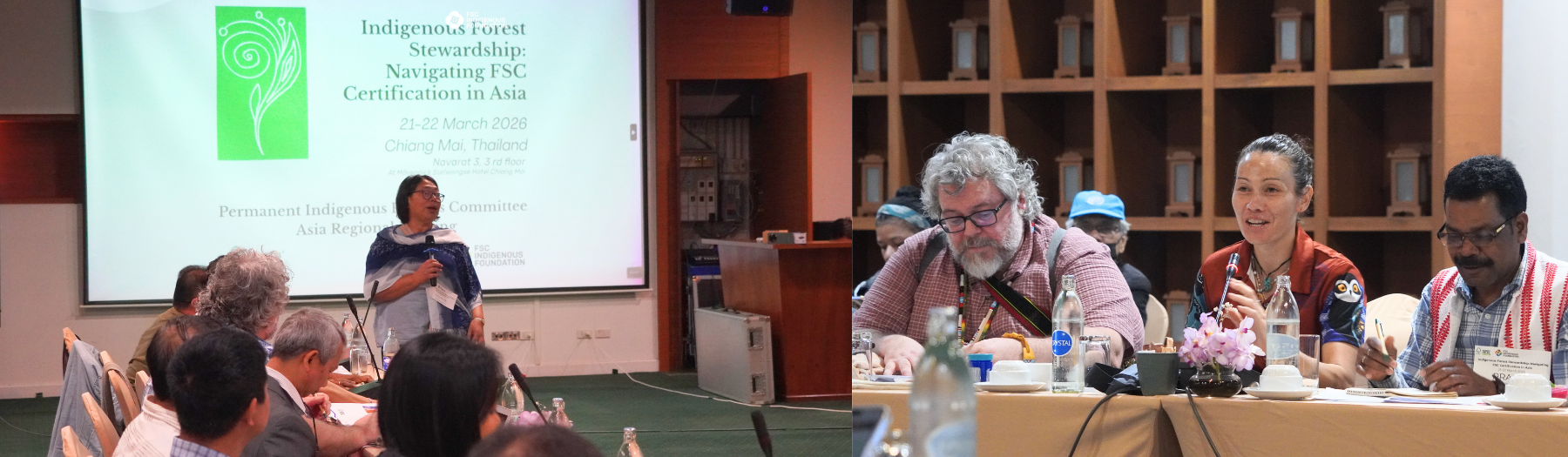
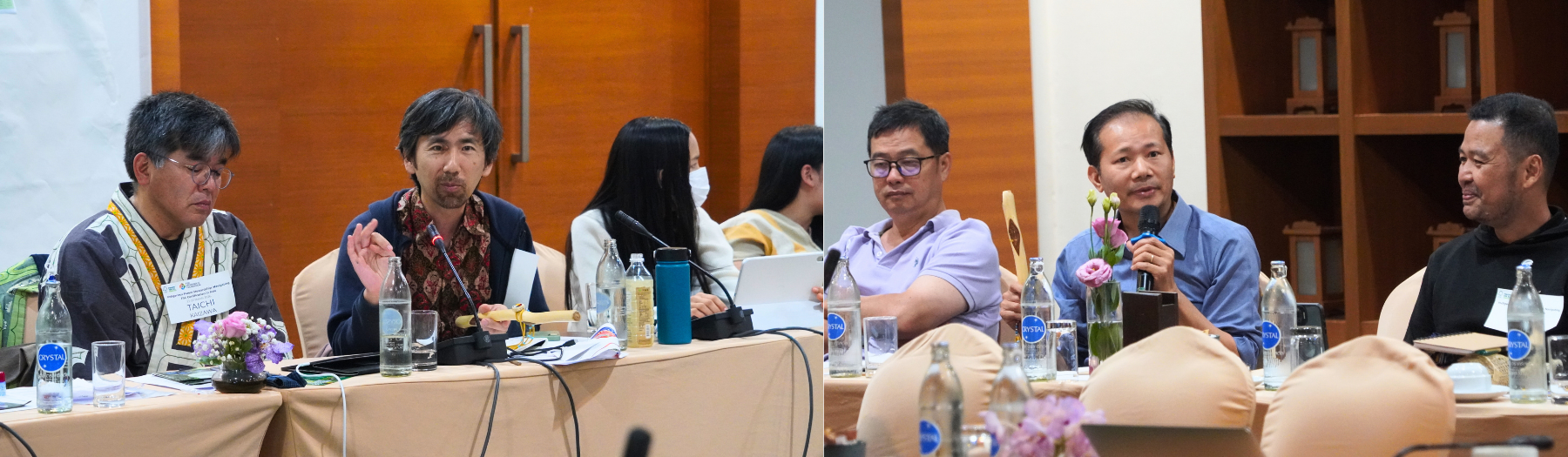
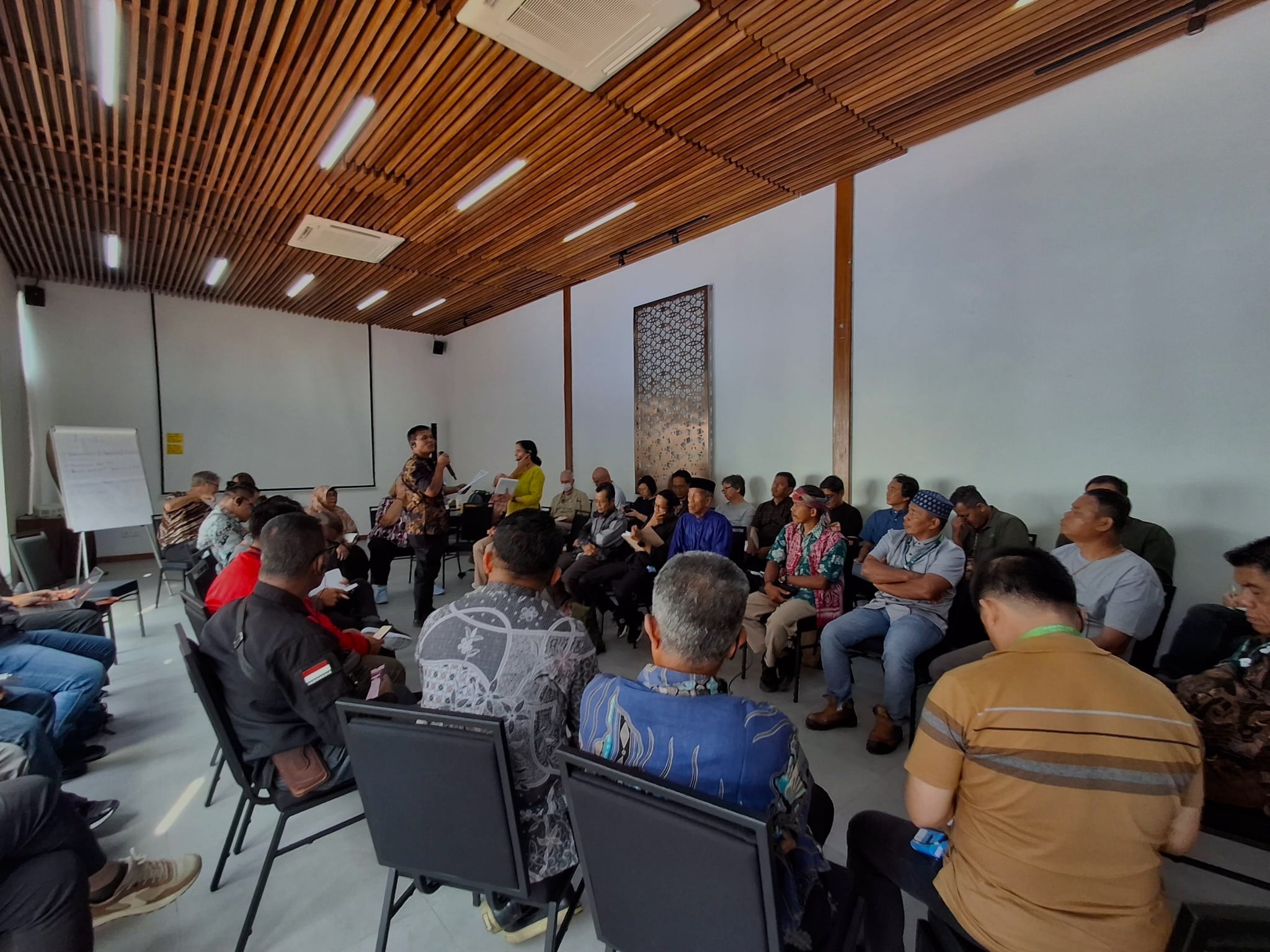
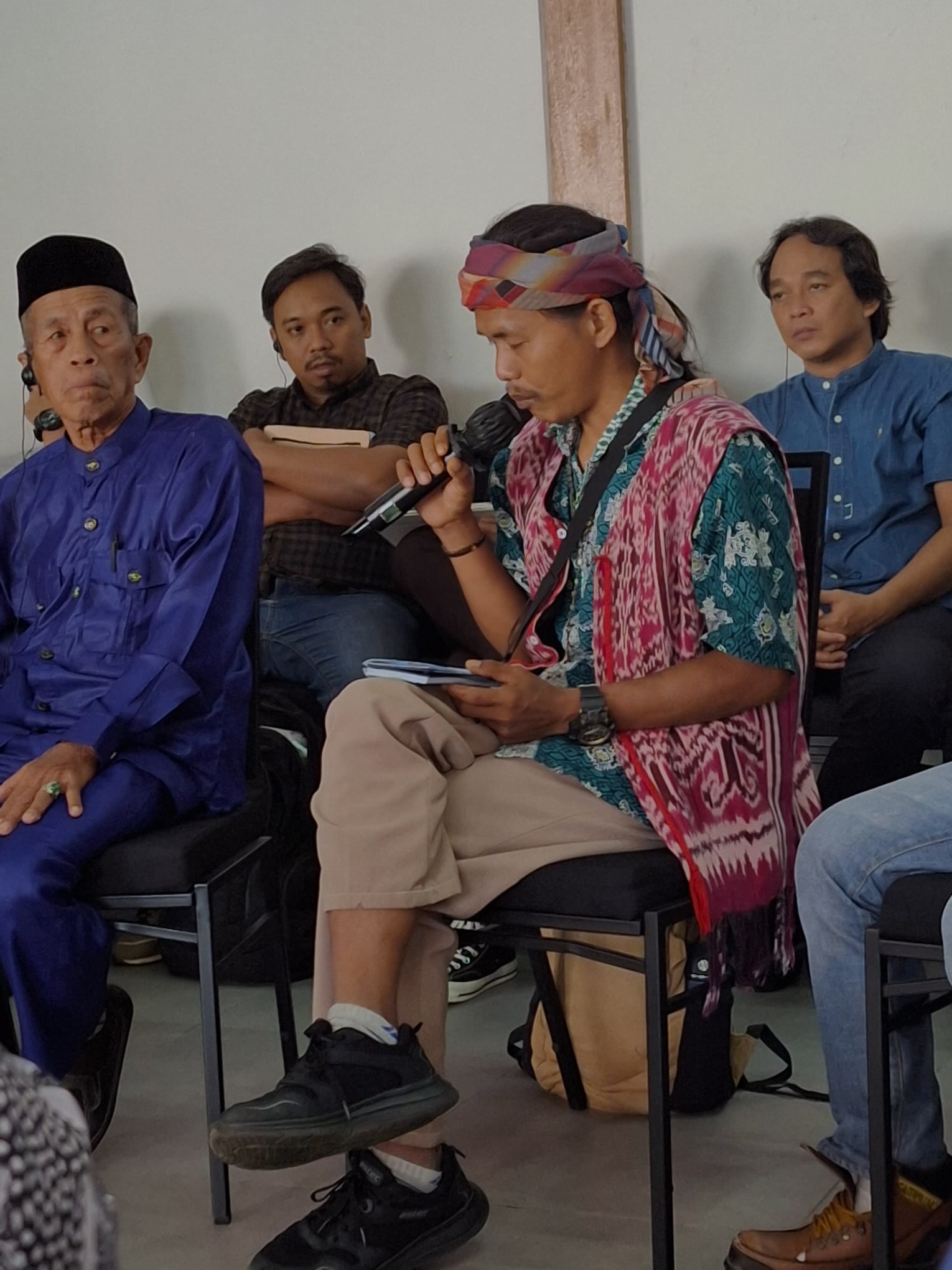
From March 21 to 22, the FSC Indigenous Foundation organized the “Indigenous Forest Stewardship: Navigating FSC Certification in Asia” meeting. A diverse group of Indigenous leaders, FSC-IF and FSC representatives, and regional stakeholders gathered in Chiang Mai, Thailand, for a critical dialogue on the future of forest governance in Asia. What emerged was not just a technical discussion about certification systems, but a powerful reflection on rights, resilience, and the lived realities of Indigenous Peoples navigating restrictive state policies and corporate pressures.  

From the beginning, participants made one thing clear: Forest certification cannot be separated from the broader context of Indigenous rights. Across Asia, Indigenous Peoples continue to face shrinking access to their ancestral lands, restrictive state policies, and competing economic pressures. 

The Tension Between Standards and Reality 

The Forest Stewardship Council (FSC) positions itself as a global leader in responsible forest management, with over 117 million hectares certified worldwide. Furthermore, FSC has 10 principles and three are most relevant to Indigenous Peoples: 

Principle 2: maintain or improve the social and economic well-being of workers;  

Principle 3: uphold the rights of Indigenous Peoples 

Principle 9: maintain or improve high conservation values; including cultural and spiritual sites. 

These principles provide formal entry points for advancing Indigenous rights within the FSC system. Yet, the dialogue revealed a persistent gap between these commitments and their implementation on the ground. 

A pressing concern was raised around FPIC. For many Indigenous participants, FPIC is not merely a procedural step but a fundamental expression of self-determination. Stories shared during the gathering illustrated how, in practice, communities are often consulted too late, or not at all, while decisions about their lands move forward. The fear is that ongoing revisions to FSC standards could weaken FPIC, turning a substantive right into a checkbox exercise.  

Mr. Nicolas Mujah, FSC-IF Council member, also mentioned how  communities can engage in grievance procedures to challenge violations:  

“FPIC is important to integrate into FSC. In FSC, there’s a remedy framework: if you feel you have been criminalized, you can start with the complaint mechanism.” 

Participants agreed that FSC and similar certification mechanisms must provide transparent and effective complaint and remedy processes. Complaint mechanisms can be anonymized to protect human rights defenders, but systemic support and follow-up are missing, undermining accountability. 

Structural Barriers to Participation 

A central theme of the dialogue was participation: who gets to shape the rules. 

FSC’s governance structure, built around economic, social, and environmental chambers, is designed to balance interests. However, participants highlighted significant barriers for Indigenous Peoples. Membership fees, technical complexity, limited voting power, and uneven access to these mechanisms, all restrict meaningful engagement. For many forest-dependent communities, simply navigating the system can be overwhelming, especially for Indigenous communities with limited resources and adequate support. 

However, despite these challenges, several engagement mechanisms were highlighted by Jacki Yeung, FSC Membership Manager for Asia Pacific:  

  • Participation in General Assembly motions and voting processes  
  • Involvement in chamber discussions and working groups  
  • Engagement in consultations and policy development platforms  

Participants emphasised that while individual membership may appear limited, collective organizing within chambers can strengthen Indigenous influence. 

A Path Forward, Reform and Collaboration 

Despite the challenges, the tone of the gathering was not one of resignation, but of cautious determination. 

Participants called for concrete reforms within FSC recognizing that current structures are insufficient to protect Indigenous rights, including reducing barriers to membership, strengthening Indigenous representation, and ensuring that standards are consistently enforced. There was also a strong emphasis on collective action, organizing within chambers, building regional networks, and developing shared messages for global platforms. 

On the last day of the dialogue, the UN Guiding Principles on Business and Human Rights were highlighted as a complementary tool, particularly in strengthening accountability and access to remedies. As mandatory due diligence laws begin to emerge in several countries, there is growing potential to align certification systems with broader legal frameworks.  

Conclusion, From Participation to Power 

The gathering underscored a critical moment for forest governance in Asia. FSC and similar systems hold significant potential, but their legitimacy depends on their ability to deliver on their promises. 

For Indigenous Peoples, the question is not whether to engage, but how to transform these systems so they truly reflect their rights, knowledge, and leadership.  

Overall, the gathering was eye opening and created a space for critical reflections, with participants expressing appreciation for the opportunity to share experiences and challenge existing systems. 

“I learned a lot about FSC and PIPC. Thank you for the learning exchange; understanding each other’s challenges and experiences made it truly meaningful and successful. I also hope there will be more youth involvement.”

– Naomi Be-ilan, Indigenous Youth, Ikalahan, Philippines 

News

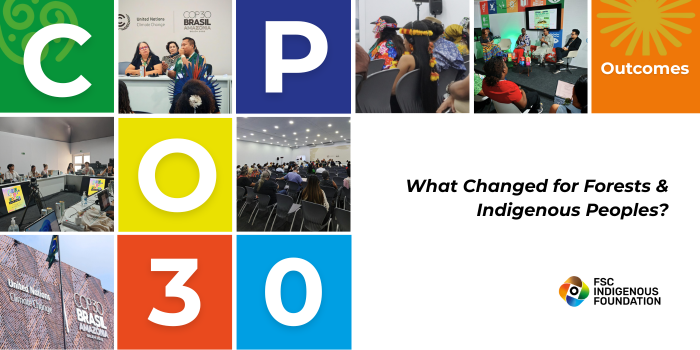
Newsletter: COP30 Outcomes Report

Key outcomes that matter for Indigenous forest stewardship

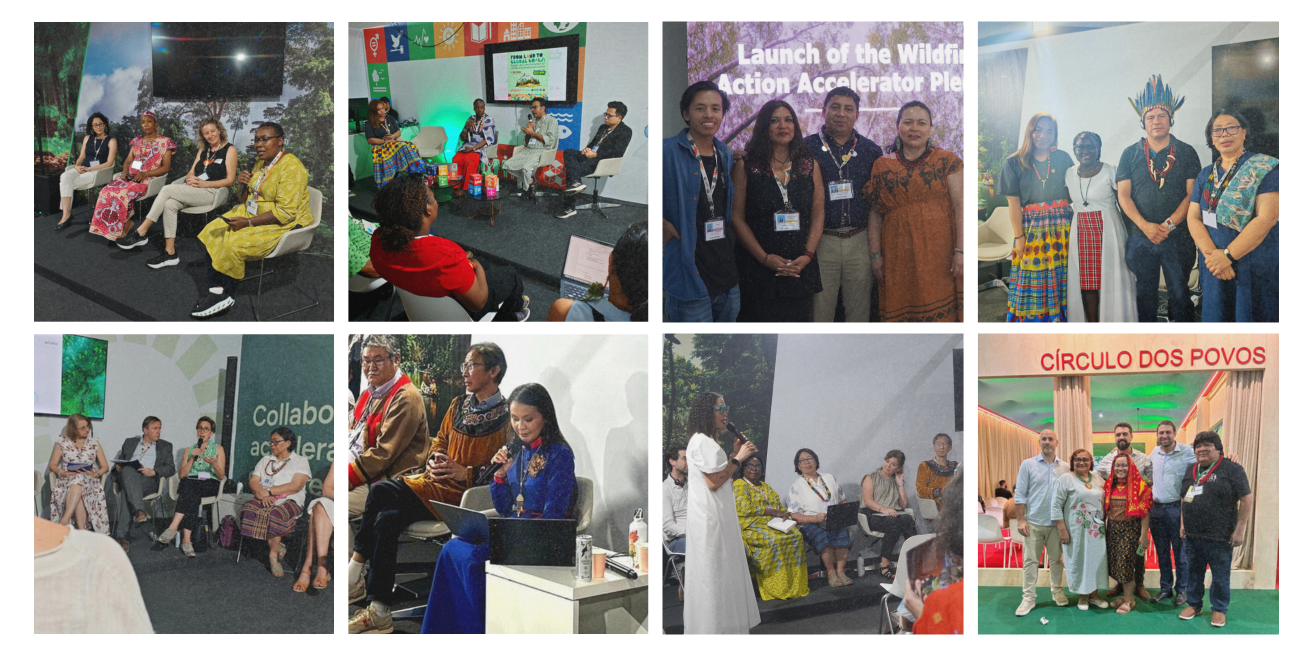
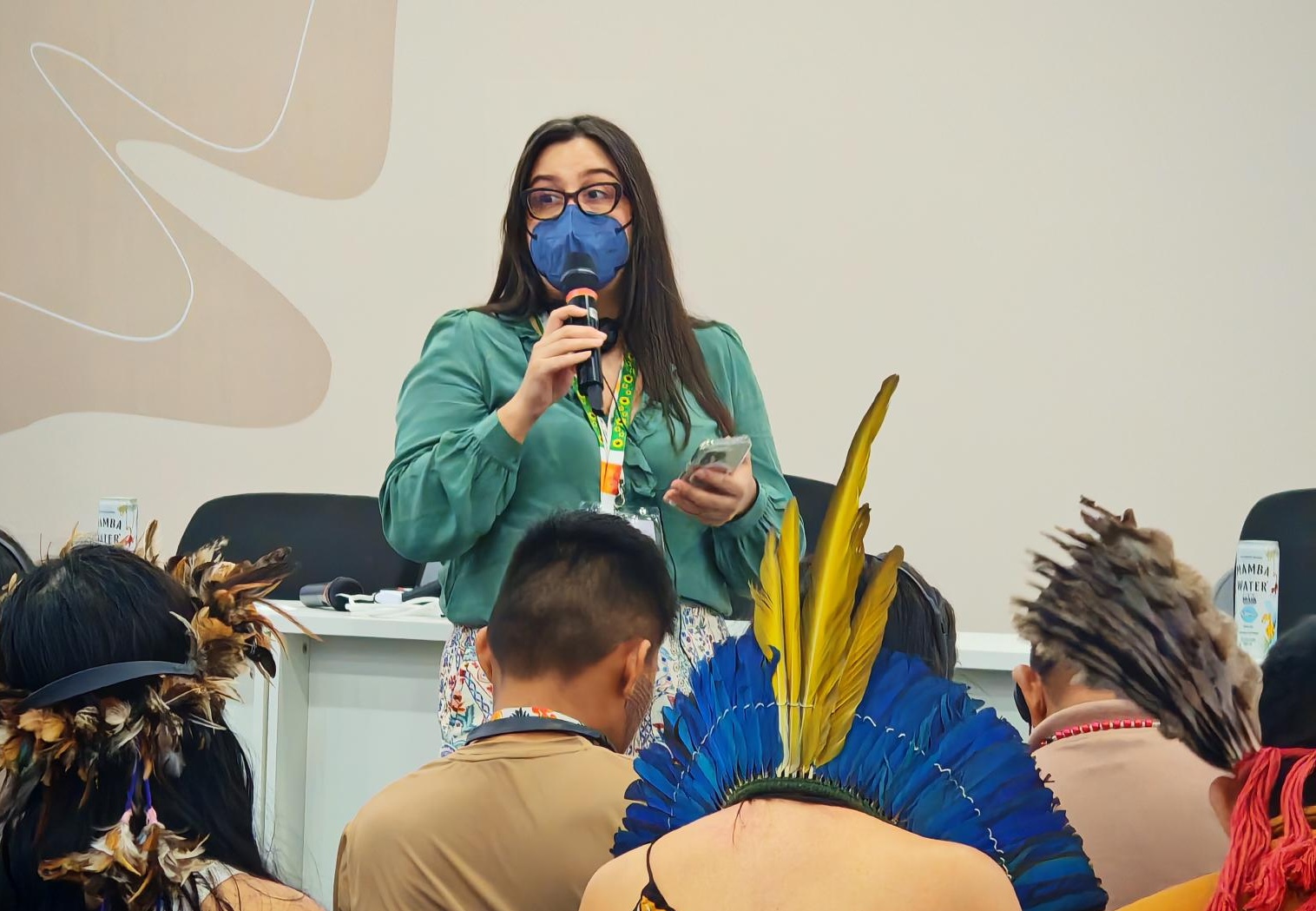
The Forest Stewardship Council and the FSC Indigenous Foundation worked together during COP30, collaborating on side events, engagement activities with strategic allies, spaces for dialogue, and other coordination actions to highlight Indigenous priorities and strengthen their participation and advocacy.

COP30 is over, but its impact will be decided in implementation. Today, we break down the outcomes for forests and Indigenous Peoples: what shifted, what to watch, and what it could unlock if finance and policy are delivered with rights, transparency, and Indigenous governance at the center.

Highlights of the report:

Forest Finance Breakthroughs: TFFF + Tenure Pledges  

COP30 announced new resources for standing forests and land tenure—implementation and safeguards will determine whether communities benefit.

Key points:

  • Tropical Forest Forever Facility (TFFF) in plain language: long-term, results-based payments; early capitalization; commitment share for Indigenous Peoples and local communities.
  • Forest and Land Tenure Pledge: donor/philanthropy funding to advance legal recognition, demarcation, governance reforms, and community-led conservation.

  • Intergovernmental Land Tenure Commitment: country commitments to secure hectares by 2030; why collective tenure matters.

Global Mutirão: From Negotiation to Mass Mobilization  

COP30 elevated Mutirão as a model for collective action. Its impact will depend on whether communities have real control, rights, and resources.

Key points:

  • What is Global Mutirão? Meaning and origins; a framework for collective mobilization beyond formal negotiations.
  • Why it matters for Indigenous Peoples: validates communal stewardship and traditional ecological knowledge; invites Indigenous and Afro-descendant peoples into climate action pathways.

  • What success looks like: financing, technical support, recognition of land and tenure rights, respect for Indigenous governance, and protection against extractive pressures.

The Implementation Era: Adaptation, Loss & Damage, Gender—and Who Gets to Decide

COP30 advanced frameworks, but participation, direct access, and rights-based safeguards will determine real impact for communities.

Key points:

  • Adaptation: Global Goal on Adaptation indicators and political signals to scale finance; risks of voluntary/weak indicators and uncertain funding.
  • Loss & Damage: progress on coordination and technical assistance; persistent gaps in rights-based safeguards, direct access for Indigenous Peoples, and governance inclusion.

  • Belém Gender Action Plan (BeGAP): recognition of Indigenous women; success depends on meaningful decision-making power and financing access.

Article 6 & Carbon Markets

International carbon markets are moving into implementation, strong safeguards, FPIC, and tenure security are essential.

Key points:

  • Opportunities: potential resources for forest protection and restoration if designed with strong rights and environmental integrity.
  • Risks: non-permanence, double counting, weak additionality; displacement/injustice without FPIC, tenure security, and fair benefit sharing.

  • Guardrails: FPIC, land rights, Indigenous governance, community-defined benefit sharing, transparency, grievance and remedy.

Matters relating to Finance

Finance remains a decisive factor in turning climate commitments into real action.  

Key points:

  • Loss & Damage Fund: Rapid operational progress; USD 817.01M pledged; 2026 workplan focuses on faster, accessible grants with strong safeguards.
  • GCF improvements: Faster approvals/disbursement, stronger direct access support, inclusion of Indigenous Peoples, better risk management, align with Belém Gender Action Plan.

  • Adaptation Fund & GEF: AF expanding locally led adaptation but short of USD 300M target; GEF exceeded GEF-8 target and delivered 1.85B tCO₂ reductions (by June 2025), urging strong GEF-9 funding and Indigenous/gender safeguards.

FSC-IF Engagement in COP30 Side Events

Side events made rights, tools, standards, and direct finance concrete, and built partnerships for what happens next.

Key points:

  • FSC-IF joined 8 COP30 side events centering Indigenous rights, FPIC, and leadership in forest stewardship and climate action.
  • Called for equitable, direct, predictable climate finance, removing barriers linked to land rights and self-determination.
  • Stressed credible sustainability standards through continuous improvement, grievance/remedy, and capacity building.

  • Highlighted community forest management (with data ownership under FPIC) and Indigenous leadership in wildfire prevention/response/restoration with rapid financing.

If you wish to engage in the UNFCCC, learn more about the Indigenous Peoples Caucus!

Within the UNFCCC process, Indigenous Peoples participate collectively through the International Indigenous Peoples Forum on Climate Change (IIPFCC), commonly referred to as the Indigenous Peoples Caucus.

  • It is the official coordination body for Indigenous Peoples participating in UNFCCC sessions, including COP, SB sessions, and related climate negotiations.
  • It brings together representatives from Indigenous organizations, nations, communities, and global/regional networks.
  • Why it exists:
    • To provide a unified voice for Indigenous Peoples in global climate decision-making.
    • To protect Indigenous rights and promote Indigenous-led climate solutions.
    • To track, interpret, and influence negotiation text across agenda items (mitigation, adaptation, finance, Article 6, loss & damage, etc.).

Learn more about the IIPFCC:  https://www.iipfcc.org/

If you are young and want to participate, learn about the International Indigenous Youth Forum on Climate Change here.

News

FSC Remedy Forum in Jakarta: Reflections on sacred balance between Forests and People

The FSC System Integrity Unit convened the Asia Pacific Remedy Forum in Jakarta, uniting diverse stakeholders to advance understanding of the FSC Remedy Framework.

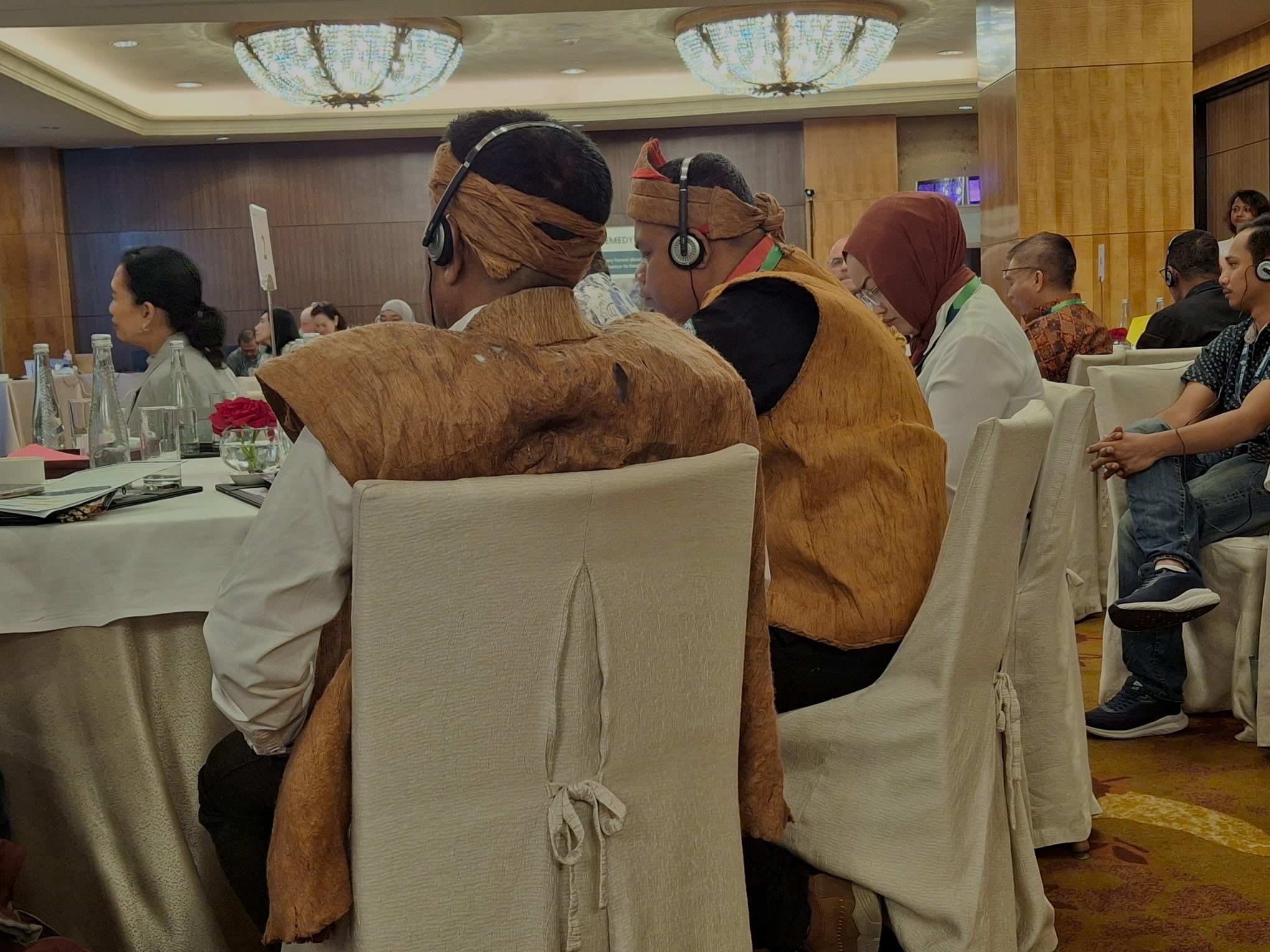
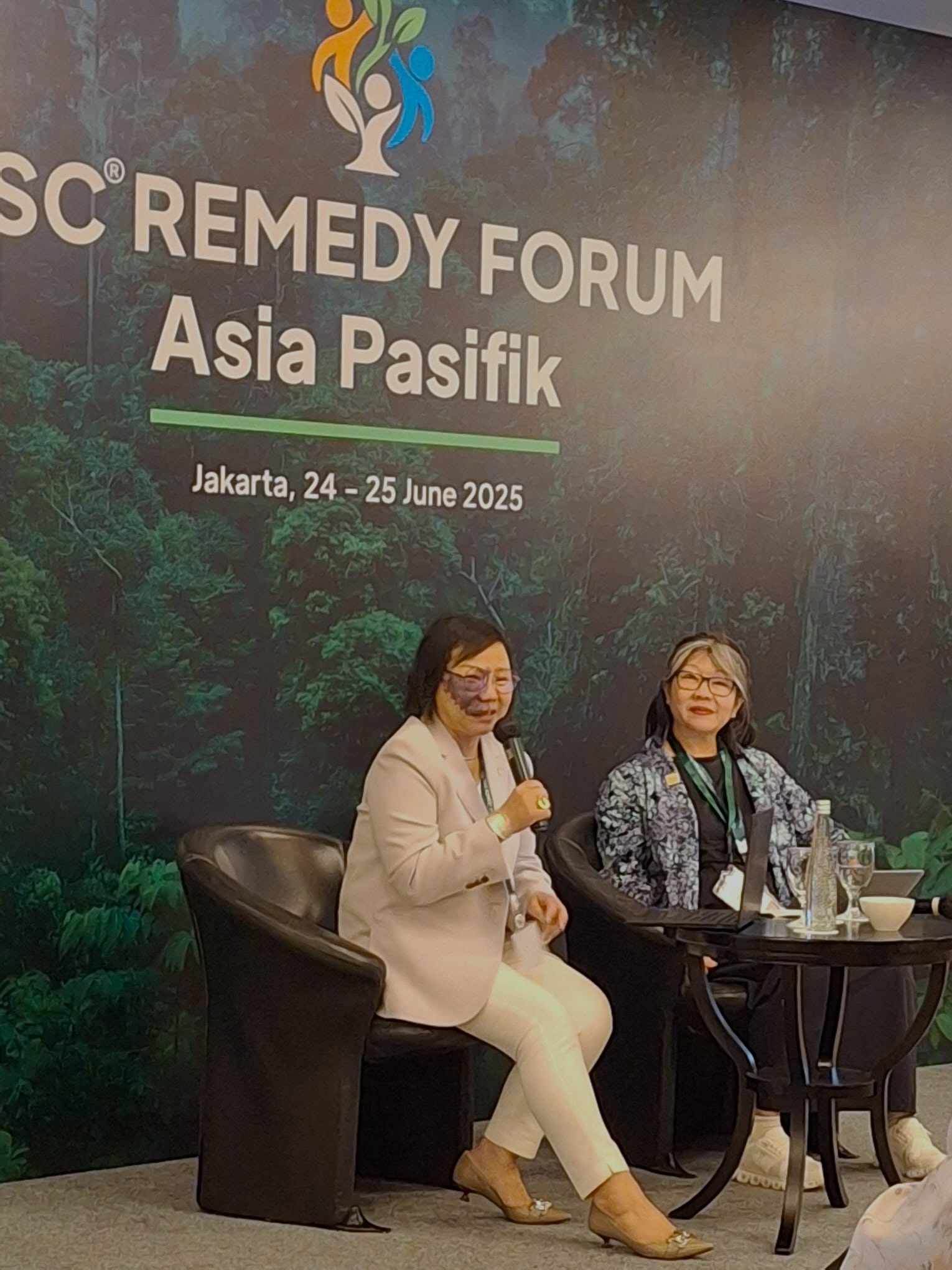
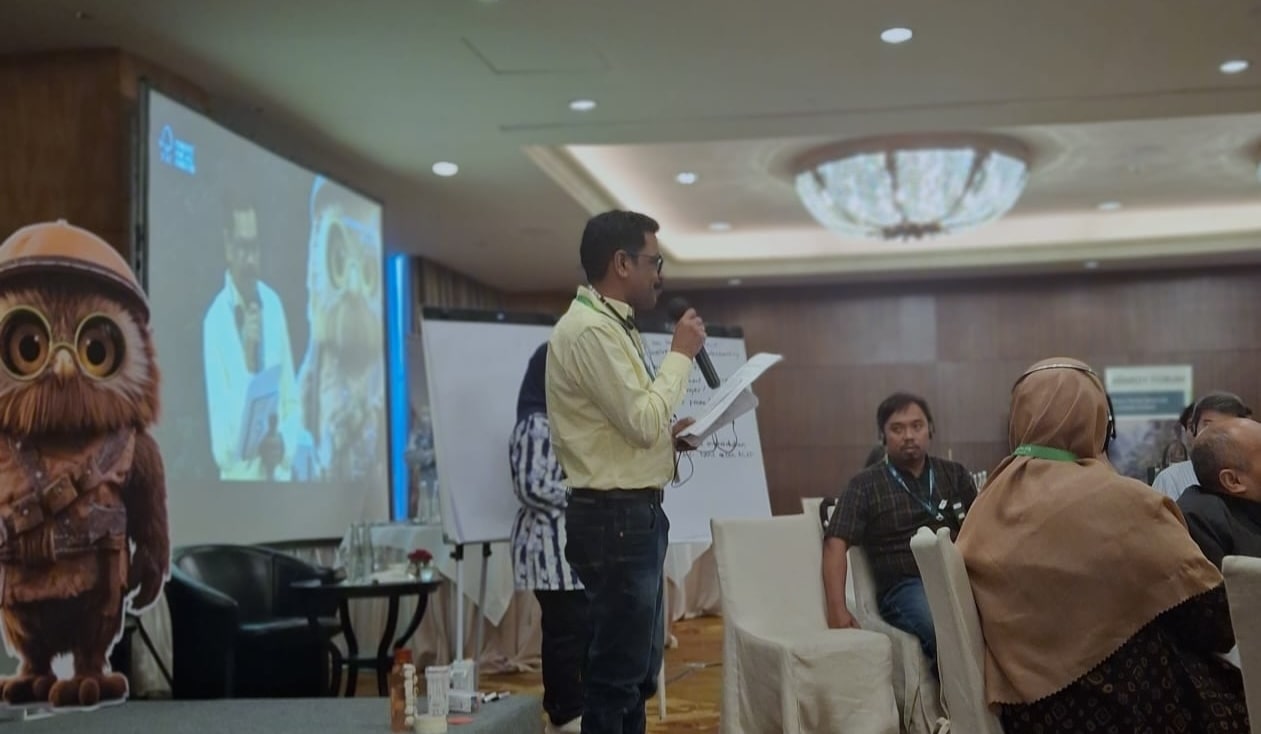
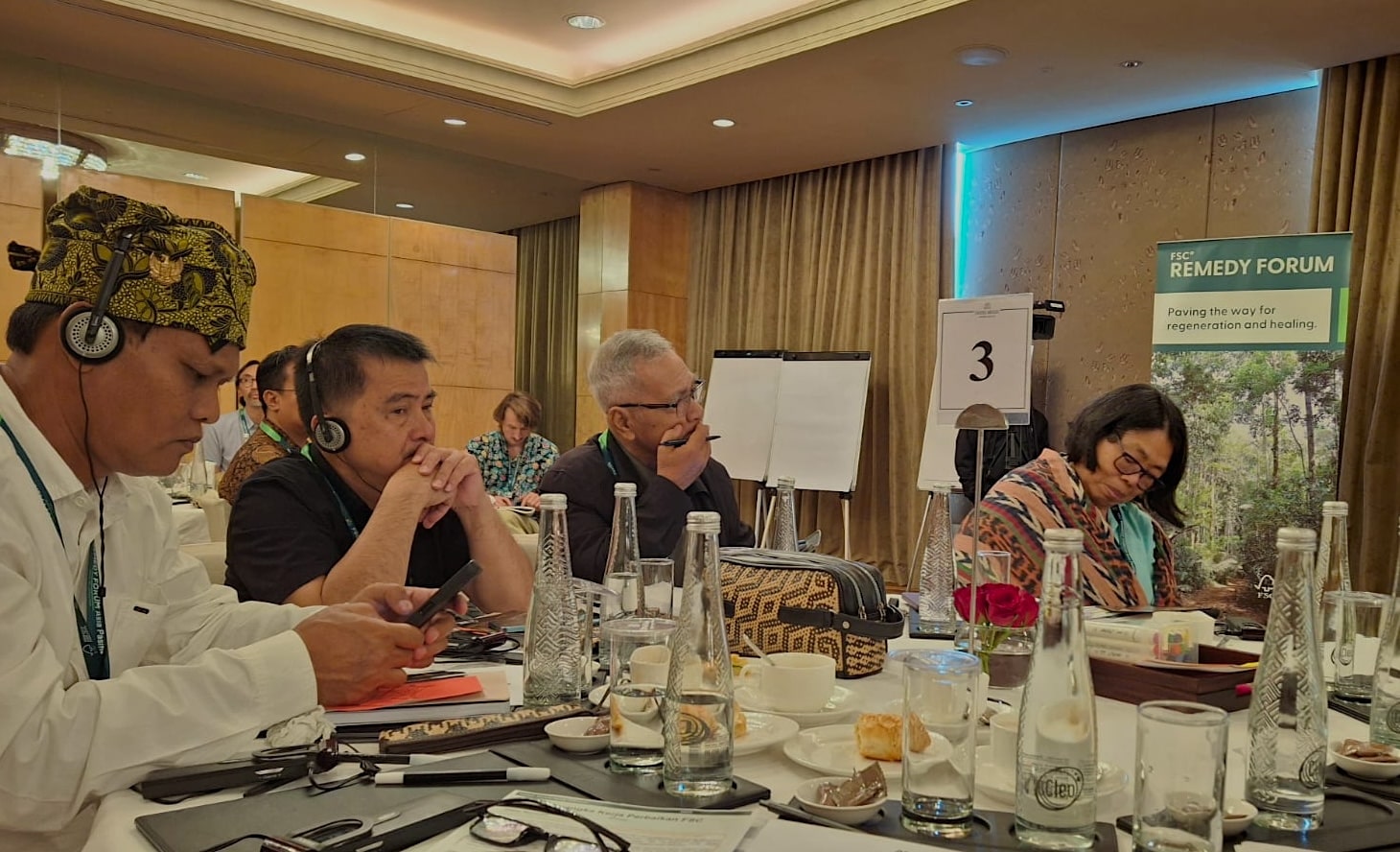
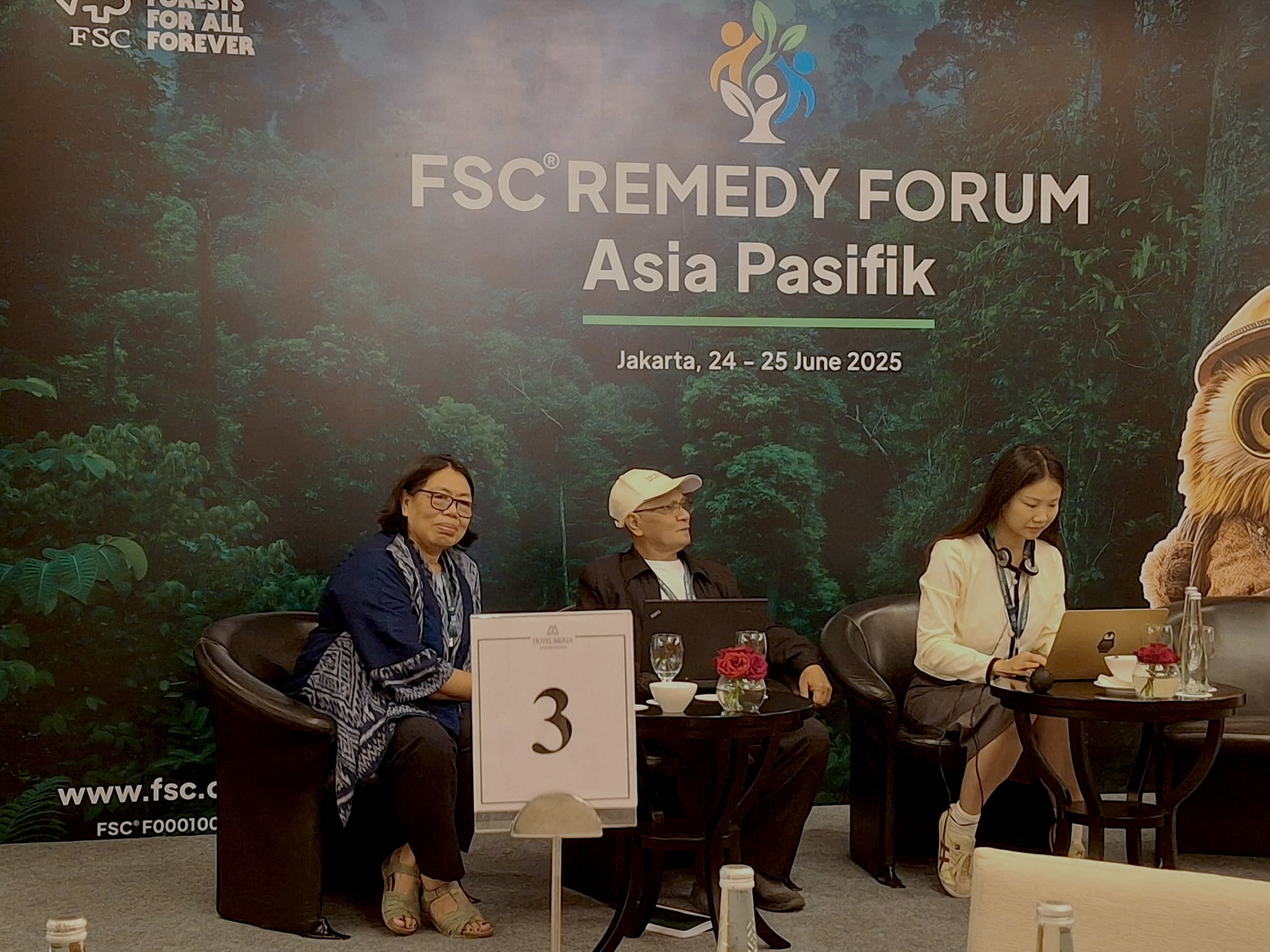
The Forest Stewardship Council (FSC) – System Integrity Unit hosted the Asia Pacific Remedy Forum in Jakarta, Indonesia, bringing together rights holders, Indigenous leaders, NGOs, companies, researchers, and government representatives to deepen understanding and engagement around the FSC Remedy Framework. 

What is the FSC Remedy Framework? 

The FSC Remedy Framework is a standardized system that guides how companies must address past environmental and social harms linked to forest conversion. 

It promotes restoration through social and environmental remedy, ensures transparency in how FSC deals with non-conforming companies, and provides fair roadmaps for remedy. Its ultimate goal is to restore forests and communities, improve the integrity of the FSC certification scheme, and establish measurable conditions for potentially ending disassociation and rebuilding trust. 

A New Chapter for Remedy 

Since its entry into force on July 1, 2023, the FSC Remedy Framework has aimed to address social and environmental harms resulting from forestry operations. Indonesia, as the pilot setting for implementation, provided a vital case study on opportunities and challenges. The Jakarta forum served not only as a platform for consultation but also as a space for healing, dialogue, and reconciliation; highlighting the positive potential of remedy to restore forest ecosystems, protect biodiversity, and provide redress for affected communities. 

Voices from the Forum 

Representing the FSC Indigenous Foundation, Nicholas Mujah (FSC-IF Council Member), Praful Lakra (FSC Permanent Indigenous Peoples Committee PIPC Co-chair, Asia region), Minnie Degawan (FSC-IF Managing Director), and Dian Intarini (Indigenous Peoples Global Manager for Forestry and Certification) actively participated in the Jakarta Remedy Forum, bringing diverse perspectives from leadership, governance, and community engagement.  

During the forum, attendees expressed that if rights are misunderstood, overlooked, or only superficially acknowledged, remedies risk becoming merely symbolic and may reproduce harm rather than repair it. Nicholas underscored this point, reminding participants how critical it is to understand right holders’ rights within the Forest Stewardship system.  

 Furthermore, Praful shared insights from his region, India, stressing the need to integrate Indigenous knowledge into the process and drawing lessons from the remedy of mining there. As Co-Chair of the Permanent Indigenous Peoples Committee (PIPC), Praful’s participation carried particular significance. Together with Marchus Colchester (FSC Board of directors and PIPC Liaison), who also engaged in the forum, their presence highlighted the importance of ensuring Indigenous perspectives are consistently heard in FSC processes. Having PIPC represented at the event created a valuable space for dialogue, knowledge sharing, and reflection that can help strengthen decision-making at the global level. 

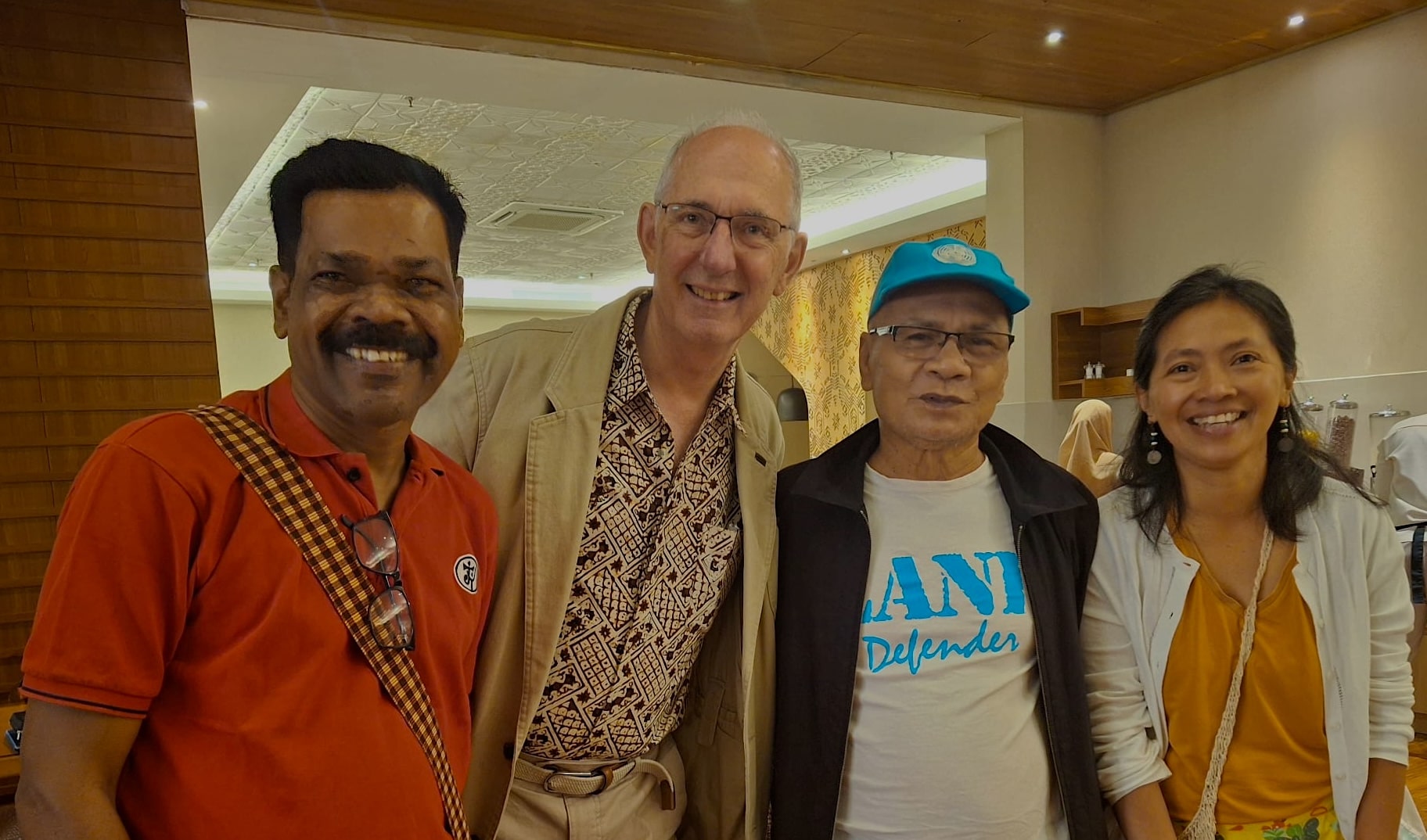
From left to right: Praful Lakra (PIPC Co-chair, Asia region), Marchus Colchester (FSC BoD), Nicholas Mujah (FSC-IF Council member), Dian Intarini (Indigenous Peoples Global Manager for Forestry and Certification)
 
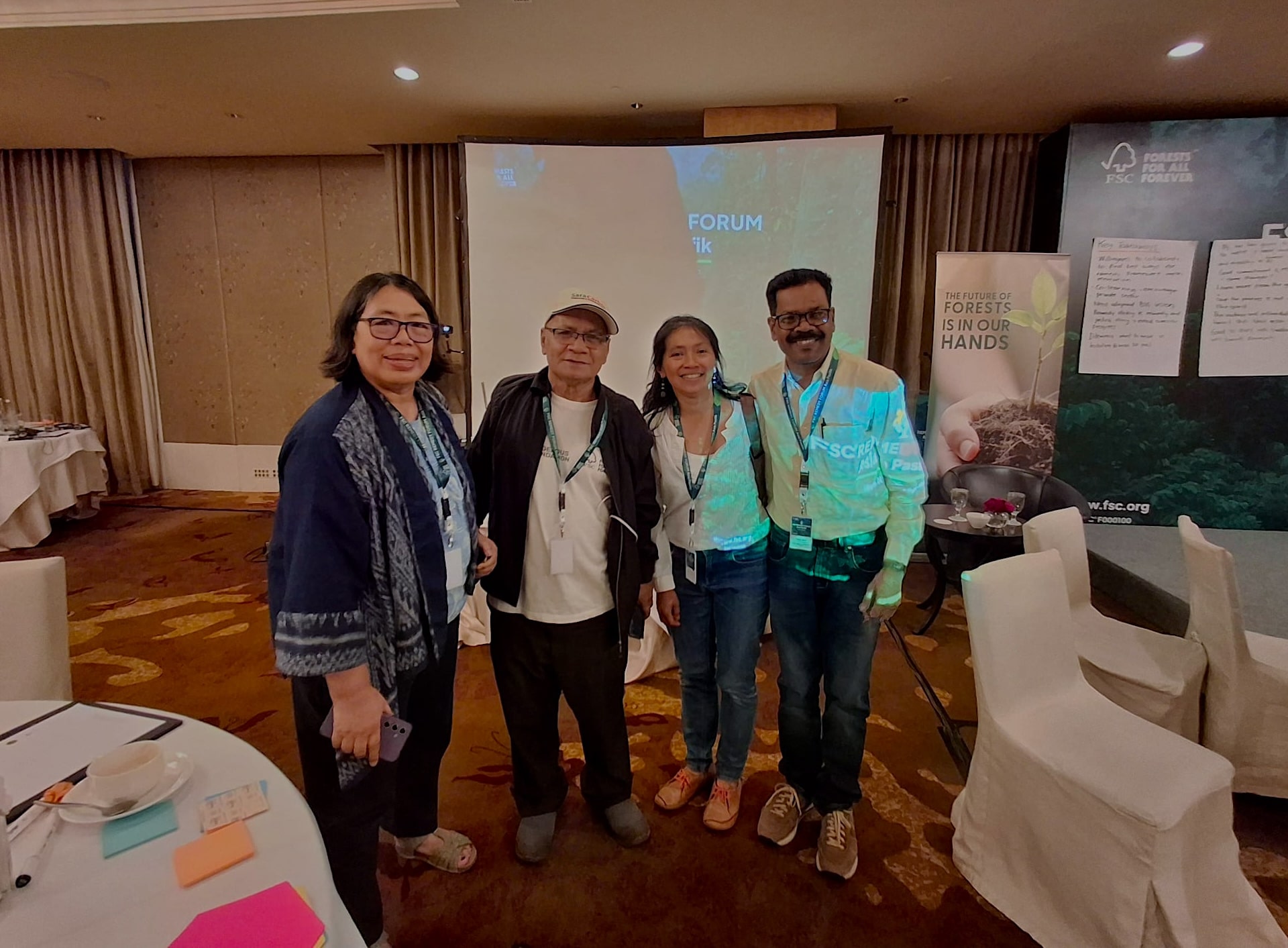
From left to right: Isnadi from Riau, Kuspawansyah from East Kalimantan, Nicholas Mujah (FSC-IF Council member) and Minnie Degawan (FSC-IF Managing Director) 

Moreover, Minnie reminded participants that for Indigenous Peoples, remedy is not a checklist of consultations or activities, but about restoring balance and safeguarding relationships: with the land, communities, and the unseen. 

“Forests are our relatives,” she said. “They are the resting places of our ancestors, where we bury our children’s umbilical cords to connect them to Mother Earth. To sustain the forest is to sustain the Earth and the community. Remedy, for us, means restoring that sacred balance.” 

Minnie stressed the need for clearer communication on what the Remedy Framework is, and what it is not. She emphasized that without this clarity, communities risk false expectations and further harm.  

At the heart of her message was the call to reframe Free, Prior, and Informed Consent (FPIC) as a process of relationship-building rather than a procedural step, reminding participants that consent is rooted in trust, equity, and mutual understanding.  

Finally, Dian Intarini suggested that remedy actions should be aligned with national policies on community empowerment and land rights, for example Indonesia’s Village Law, to support the long-term sustainability of these actions. 

Key Observations 

Over three days, the agenda moved from exploring solutions for accelerating remedies, to presentations on social and cultural healing in unresolved conflicts, to a closed meeting with rights holders reflecting on their concerns and expectations.  

The forum succeeded in fostering open, constructive dialogue, though it also revealed a disconnect in how stakeholders understood the framework and highlighted tensions between Indigenous Peoples and migrant/transmigrant communities that require sensitive approaches. Amid these dynamics, the FSC Indigenous Foundation emerged as a trusted, neutral facilitator and willing to continually support the process. 

Looking Forward 

As the FSC Remedy Framework continues to take shape, the lessons from the Jakarta forum remind us that remedy must be intentional, inclusive, and rooted in respect for Indigenous Peoples’ rights and worldviews.  

The work ahead will not be easy, but as Minnie emphasized: “We have survived genocide and colonization by moving thoughtfully and carefully. Let us not rush, but ensure that remedy truly heals.” 

News

Oceania Regional Meeting 2025

Advancing Indigenous Knowledge, Engagement and Collaborative Strategies for Sustainable Forest Stewardship

Join Us for the Oceania Regional Meeting: Hosted by the Forest Stewardship Council, FSC Indigenous Foundation, and FSC Permanent Indigenous Peoples Committee

Date: January 20–22, 2025 
Venue: Taupo, New Zealand, and virtual via Zoom (Virtual session only on the 20th-21st)

This meeting brings together Indigenous leaders, regional stakeholders from Oceania, and FSC representatives to discuss sustainable forest stewardship, foster collaboration, and promote Indigenous-led strategies for addressing environmental challenges.

Key Highlights: 

  • Integration of Indigenous and global practices for sustainable forest management 
  • Strategic discussions on FSC tools and ecosystem services 
  • PIPC election process for Oceania representatives 
  • Opportunities for regional partnerships and knowledge exchange 

Please Note: Participation will be confirmed following an approval process. Once your registration is reviewed and approved, you will receive a confirmation email with the Zoom meeting details. 

Register Now to Secure Your Spot.

For more information, please get in touch with us at fsc.if@fsc.org. We look forward to your participation in shaping the future of sustainable forest stewardship and Indigenous Peoples engagement within the Forest Stewardship Council, and the FSC Indigenous Foundation in Oceania! 

1 2