
News

We are Lenca Women

Lenca Indigenous Women lead cultural revitalization and economic empowerment
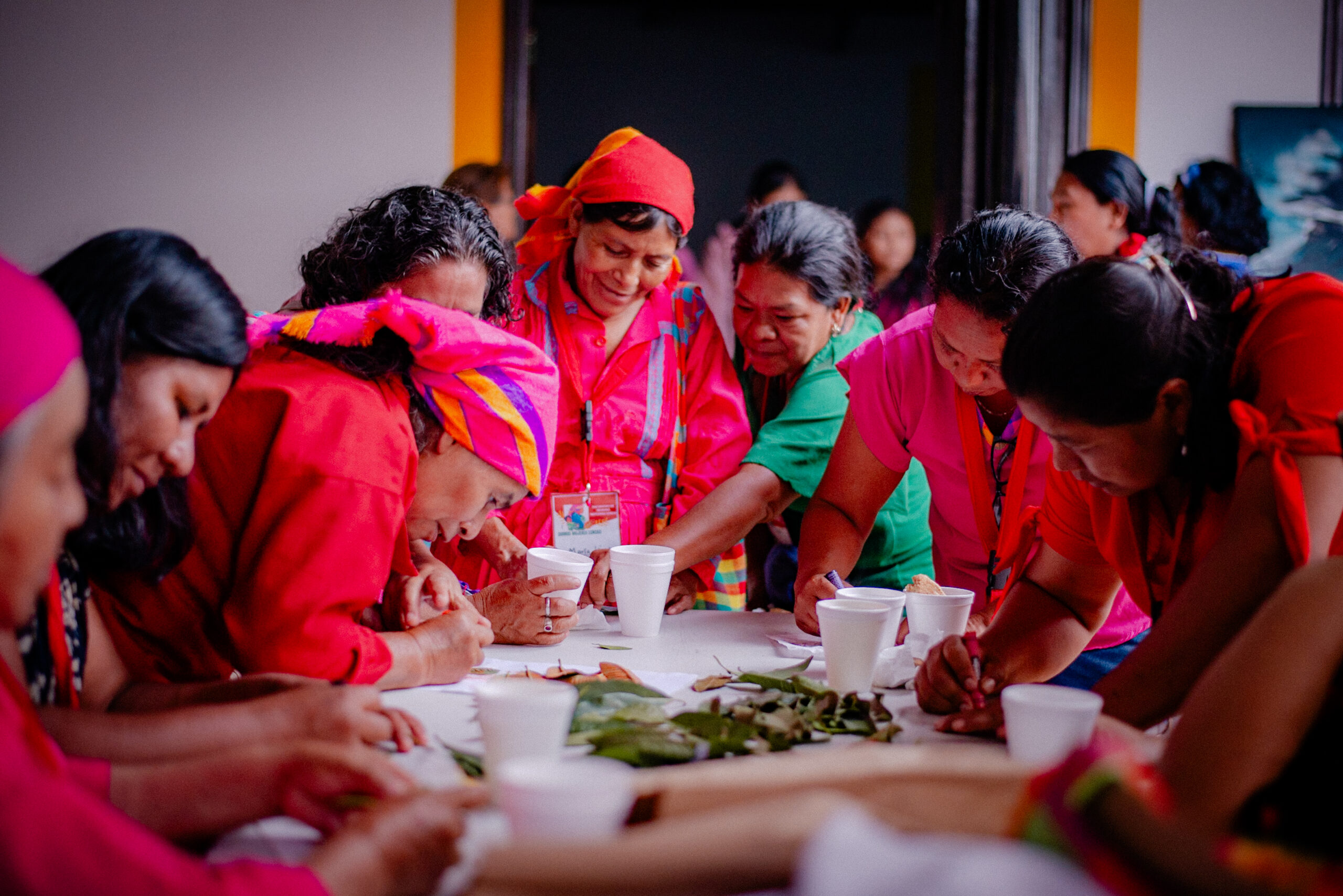
From September 4-6, 2024, the Gathering of Lenca Indigenous Women took place in the community of Yamaranguila in Intibucá, Honduras. This significant event under the Indigenous Women’s Economic Empowerment Initiative (I-WEE) was born from a collective desire expressed by the Lenca women’s organizations the FSC Indigenous Foundation is working with. The Gathering was a space for exchange of knowledge and experiences among Lenca women for the revitalization of the Lenca culture.

The event was developed around four core themes, each addressing critical aspects of Lenca identity: spirituality, traditional food, mother language, and traditional plant medicine. It was organized with the support of an Organizing Committee of delegates nominated by all the organizations.

The meeting began with a spiritual ceremony led by the Auxiliary of the Vara Alta, a traditional Lenca Indigenous institution of Intibucá and Yamaranguila. Next, Regina Jun, Acting Director of the Program Office of USAID Honduras, gave opening remarks, highlighting the crucial role of Indigenous women in preserving the rich culture of their peoples. Carlos Blandón, Director of the Indigenous Peoples Alliance for Rights and Development (IPARD) Program implemented by the FSC Indigenous Foundation, recognized Indigenous women as fundamental pillars of the development of their Peoples, who have an intrinsic connection with Mother Earth, their families, communities, and territories. Leila Reyes, Indigenous Affairs Officer of the Foundation and an Indigenous Lenca woman, explained the Gathering’s objective to strengthen Lenca culture based on the four priority areas.

Lenca Indigenous Spirituality

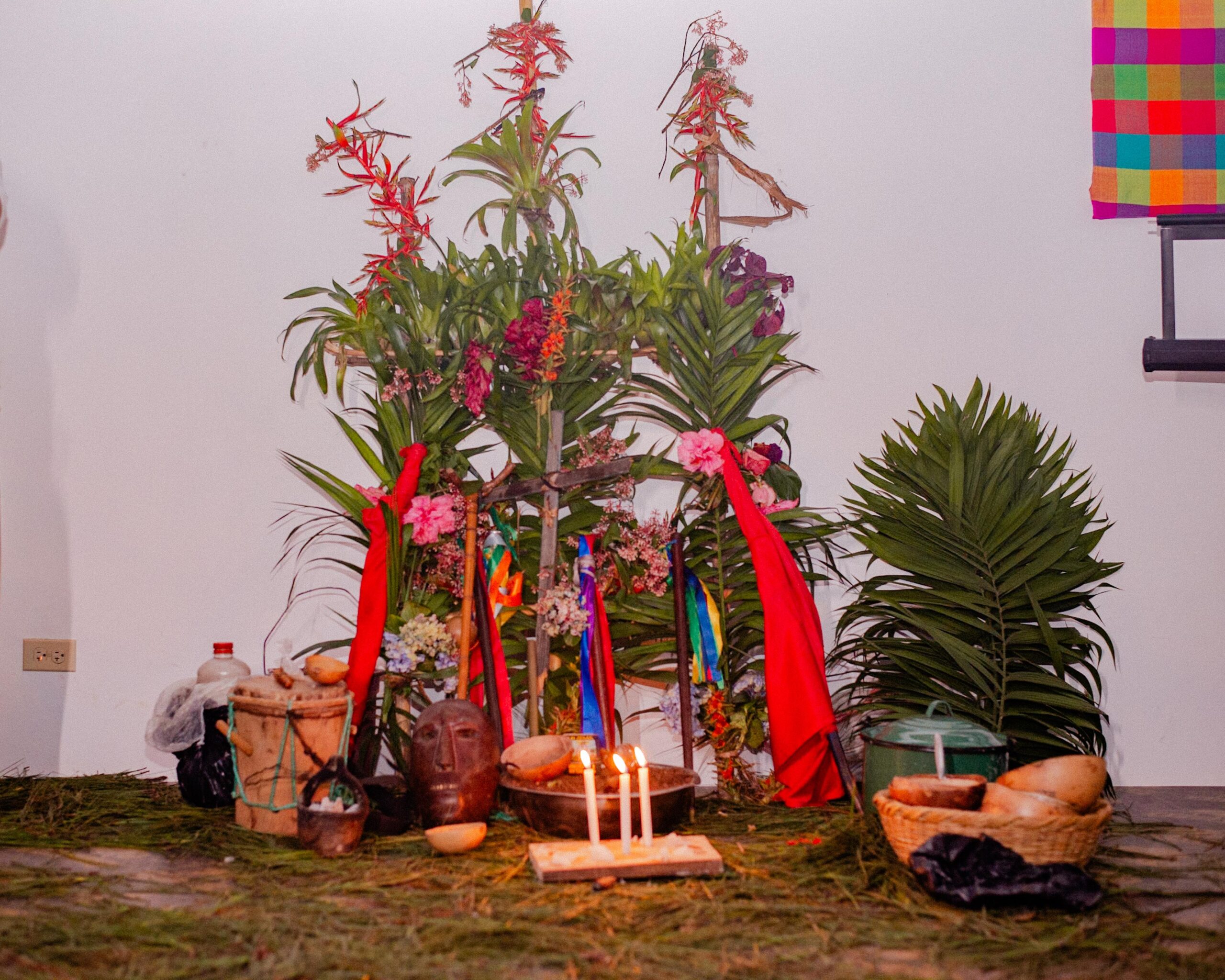
The Lenca worldview is deeply intertwined with nature, and their spiritual practices, such as “La Compostura” and “El Guancasco,” reflect this connection. Members of the Auxiliary of the Vara Alta de Intibucá demonstrated these symbolism-rich ceremonies. Then participants engaged in discussions about their significance and the challenges of preserving these traditions.

The “Guancasco” is a ceremony that promotes forgiveness and reconciliation between Peoples, traditionally celebrating peace and friendship between brothers and sisters. In the Lenca language, “Guanco” signifies brother and “Guanca” sister. The ceremony’s symbolic elements themselves have been passed down from generation to generation, such as the wooden mask, drum, baton, flags, and whistle. The ceremony involves the construction of two altars and represents a syncretism between Lenca spirituality and the Catholic Church.

The “Compostura” is a ceremony of thanksgiving and prayer to Mother Earth and the Creator, traditionally performed before planting or cultivating maize or beans. The ceremony is also an act of healing and includes an offering of chilcate, cacao, and copal – an incense that is food for the soul. The ceremony leads to unity, and harmony, and inspires people to return to their roots.

In the discussion, participants highlighted that Lenca cultural and spiritual practices are related to Mother Earth, for example, the phases of the moon. One participant noted that her ancestors cultivated crops according to the phases of the moon and always had abundant results. The Compostura also involves a deep respect for Mother Earth, since she represents life itself because she has the infinite capacity to bear fruit. The most important and significant Composturas of the Lenca People are for the planting and harvesting of corn, performed periodically throughout the year.
Lenca Traditional Gastronomy

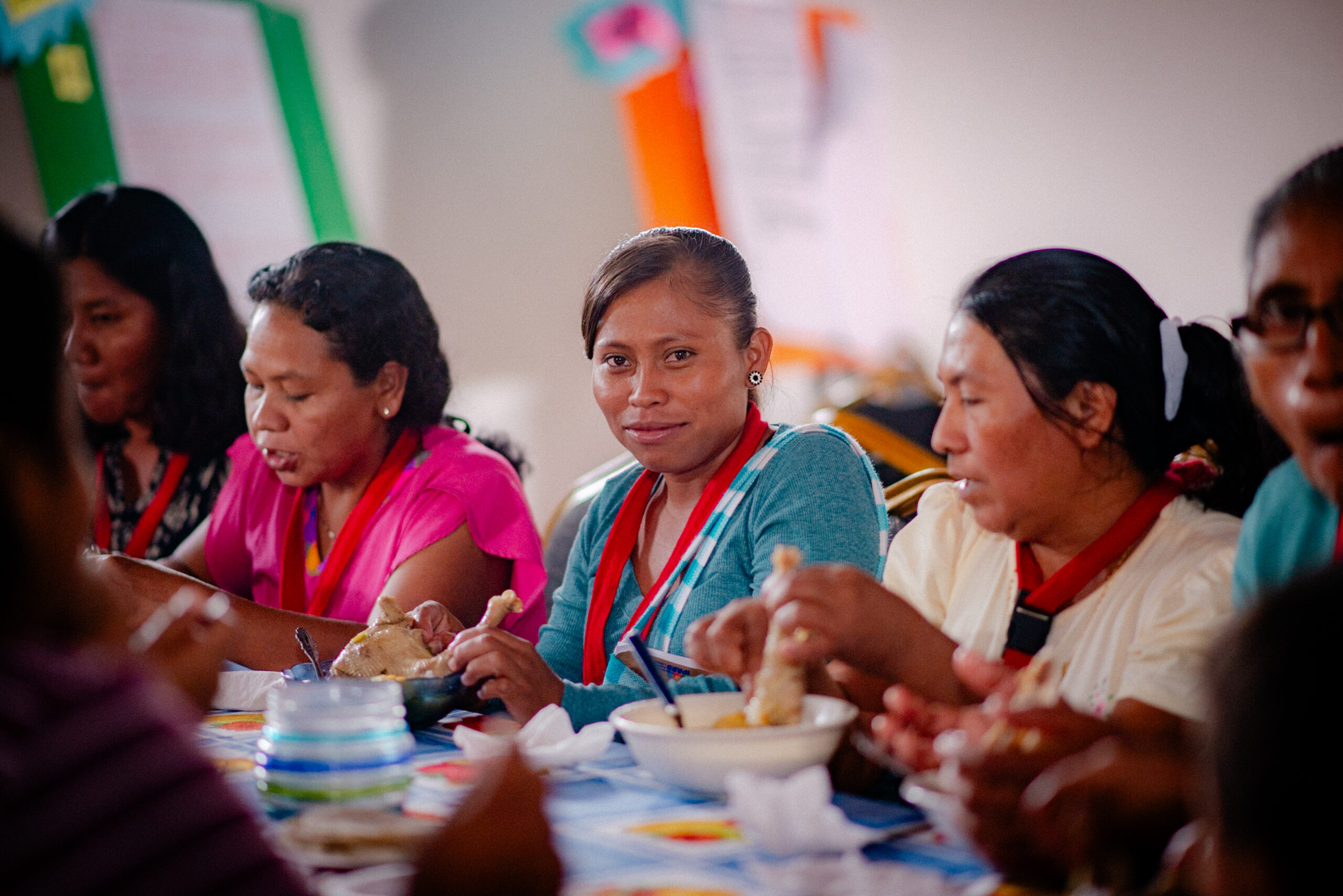
Food in Lenca culture is not just sustenance but a sacred gift from the Creator. In the dialogue on Lenca traditional foods, the Indigenous women explored the cultural importance of these foods, particularly those made from corn and beans.
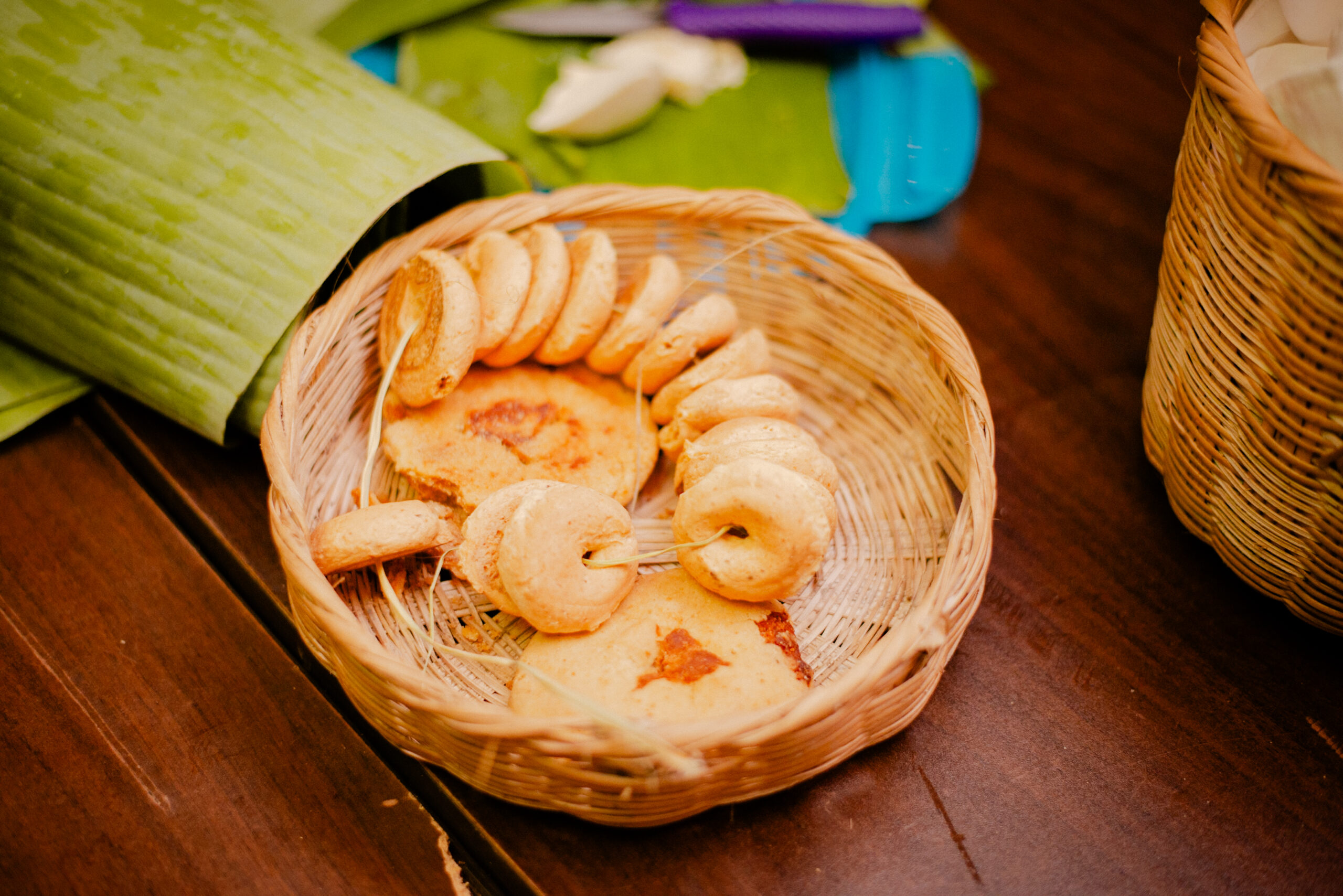
Lenca gastronomy is an expression of connection with Mother Earth and her elements and includes traditional dishes such as atol shuco (a maize drink), and different corn and bean stews. Lenca food is traditionally cultivated and prepared from ingredients grown under the sun, to nourish both the body and the spirit.

During this space, participants reflected on the profound relationship between food and culture as well as challenges faced in the revitalization of Lenca gastronomy. Fast food, food processed with chemicals, and gradual loss of culture and language are leading to the disappearance of Lenca traditional food, which used to be passed down from generation to generation. Another key challenge mentioned was the impact of climate change on the seasons and agriculture. In addition, existing limitations on women’s legal access to land also make it more difficult for them to preserve and maintain traditions.

Women proposed solutions, for example to use social media to promote Lenca food and culture to future generations.
The session concluded with sharing recipes and tasting different traditional dishes.
Reviving the Lenca Language

Given the loss of fluent speakers and the scarcity of written records, revitalizing the Lenca language is a priority for cultural preservation. Participants engaged in discussions and practical exercises to compile and share traditional words and phrases, highlighting the role of youth in preserving their linguistic heritage. During the event participants received a guide and basic dictionary of some words in the Lenca language.

“Language is important to our identity, it’s part of what makes us who we really are,” said Sandra Veronica Zerón, facilitator of this theme of the Gathering.

Plants as Sources of Traditional Lenca Medicine

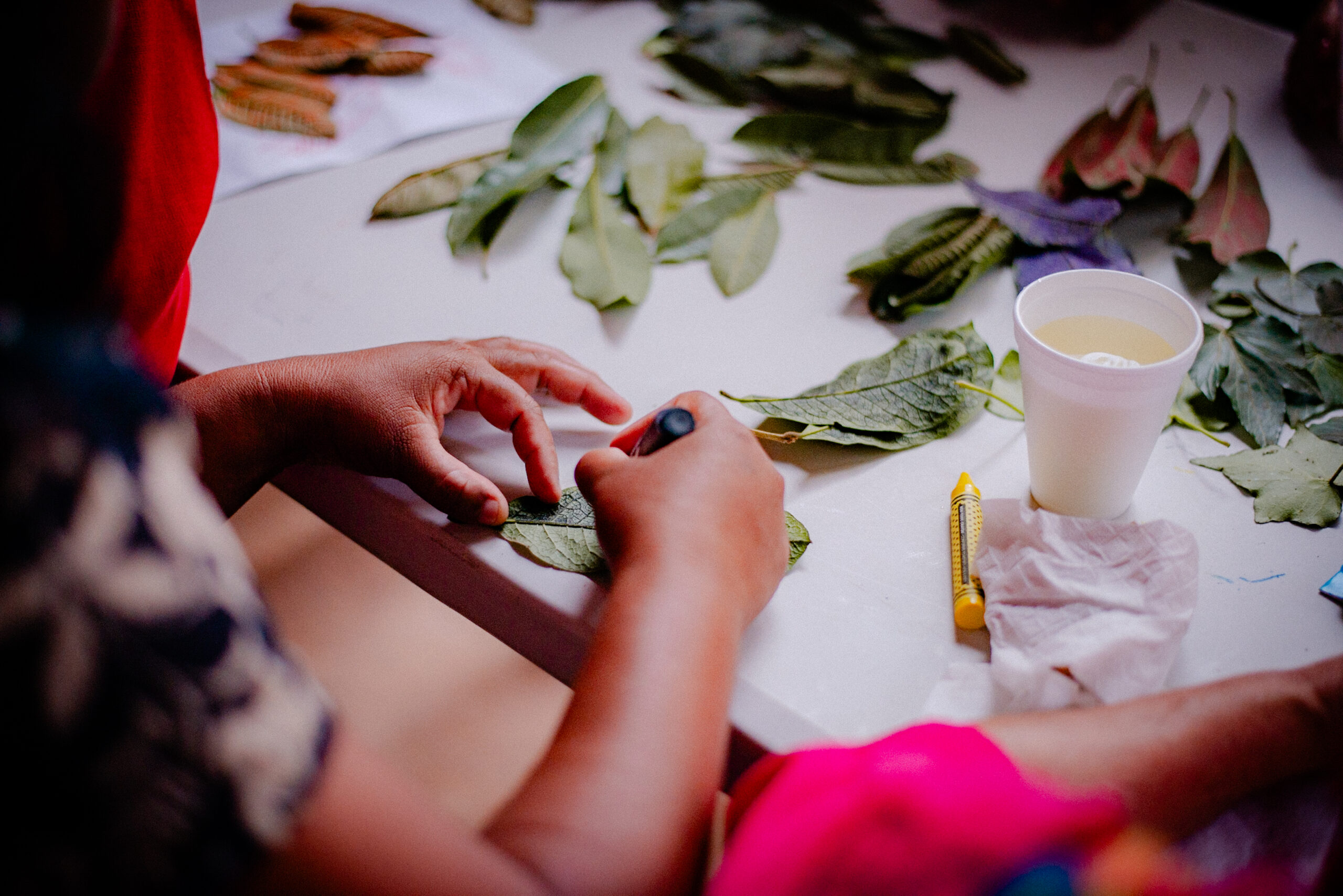
The Lenca People have a deep ancestral knowledge of plants and their healing properties. Historically they have used this knowledge in their traditional medicine, a practice that has been orally transmitted from generation to generation, in which women play a key role.

However, these practices are now under threat. For example, deforestation and logging have caused many species to become extinct, and with them the knowledge and practices of Indigenous Peoples. Lidia Reyes, an ethnobotanical researcher, moderated this space for reflection and began the dialogue with the following question: “When cutting down a single tree, how many lives are lost with it?”

Participants formed groups to share knowledge and experience in the use of plants and their properties – such as oregano, chamomile, basil, ginger, pine, and lime.

“With each pine acorn, thousands of forests can be regenerated, and for each fungus that is left to throw spores, thousands of forests are regenerated. But iron and oil, which have replaced the resin of the trees, are not renewable. The day they disappear we will no longer have the fundamental elements for life,” said Lidia Reyes.
Event highlights

The event coincided with the International Day of Indigenous Women on September 5th, providing an opportunity to honor the crucial role Lenca women play in their families and communities. Each of the fourteen participating organizations received a symbolic piece of art painted by children attending the art school Lenca Chalchiguas in recognition of their historic work for the rights of women and Indigenous Peoples.

One of our partner organizations in Honduras, ARCILI, an organization for Lenca Peoples with visual disabilities participated in the event with Braille material promoting their inclusion in the activities. “The group of people with disabilities, in this case represented by ARCILI in this Gathering, has participated just like the other organizations and this is positive,” said Ruben Vasquz, ARCILI.

Understanding that childcare responsibilities can be a barrier for Indigenous women to participate in activities of interest, FSC-IF implemented a strategy to enable Lenca mothers to participate fully in the event. Children participated in culturally appropriate activities that followed the same four key areas of the Gathering, enabling mothers to engage in the exchange of knowledge, and for the children to play and learn about Lenca culture together.
The path ahead

This Gathering marked a significant step towards the cultural and economic empowerment of Lenca Indigenous women, ensuring that their identity and culture thrive for future generations. It recognized that Indigenous women are the guardians, protectors and defenders of Mother Earth, natural resources, tradition, and culture, promoting their role as a bridge for inter-scientific and intercultural dialogue. It is essential to continue recognizing, valuing and strengthening their fundamental role within their Peoples.

“Women should not crawl; they should have the momentum to fly. I know everyone has this impulse today.”

Rosario Garcia, Coordinator of the Table of Unity of the Lenca Indigenous People (MUPILH).

Participants stated the need to document the wisdom and practices of the Lenca People.
As a next step, we are working to document the knowledge shared during the Gathering and will share it with the participating women’s organizations to ensure that these invaluable insights will continue to benefit the Lenca community.


We invite organizations and entities to become our financial and technical partners to continue and multiply the important impact of I-WEE and other crucial initiatives. If your organization or business is interested in collaborating with us and with Indigenous women for sustainable change, we invite you to connect at  fsc.if@fsc.org. 


About I-WEE

The I-WEE initiative works with Indigenous women and girls in Guatemala and Honduras to promote their economic empowerment by strengthening capacities, generating enabling environments for their active participation and advocacy, and strengthening productive initiatives led by Indigenous women. It is funded by the United States Agency for International Development (USAID) and the Forest Stewardship Council (FSC) with private sector partners.

About FSC Indigenous Foundation

The FSC Indigenous Foundation is a global Indigenous organization promoting Indigenous-led actions for their development and self-reliance. We work to elevate Indigenous Peoples in their contribution to the protection of Mother Earth and recognize them as providers of solutions and partners to fight against global challenges.
News

Introducing our Deep Connections Fellows!

Indigenous youth from around the world will attend the One Young World Summit and join our youth network

Indigenous youth are the present and the future. They are the bridge between ancestral knowledge and the modern world, bearing Indigenous scientific knowledge and culture, and defending ancestral lands. For these reasons, we are happy to announce the 15 Indigenous youth leaders joining our Deep Connections Fellowship.

All fellows will join the FSC Indigenous Foundation’s Indigenous youth network and attend the One Young World Summit in Montréal, Canada from September 17-21, 2024.

Meet our fellows below!

FSC deep connections fellowship banner promo

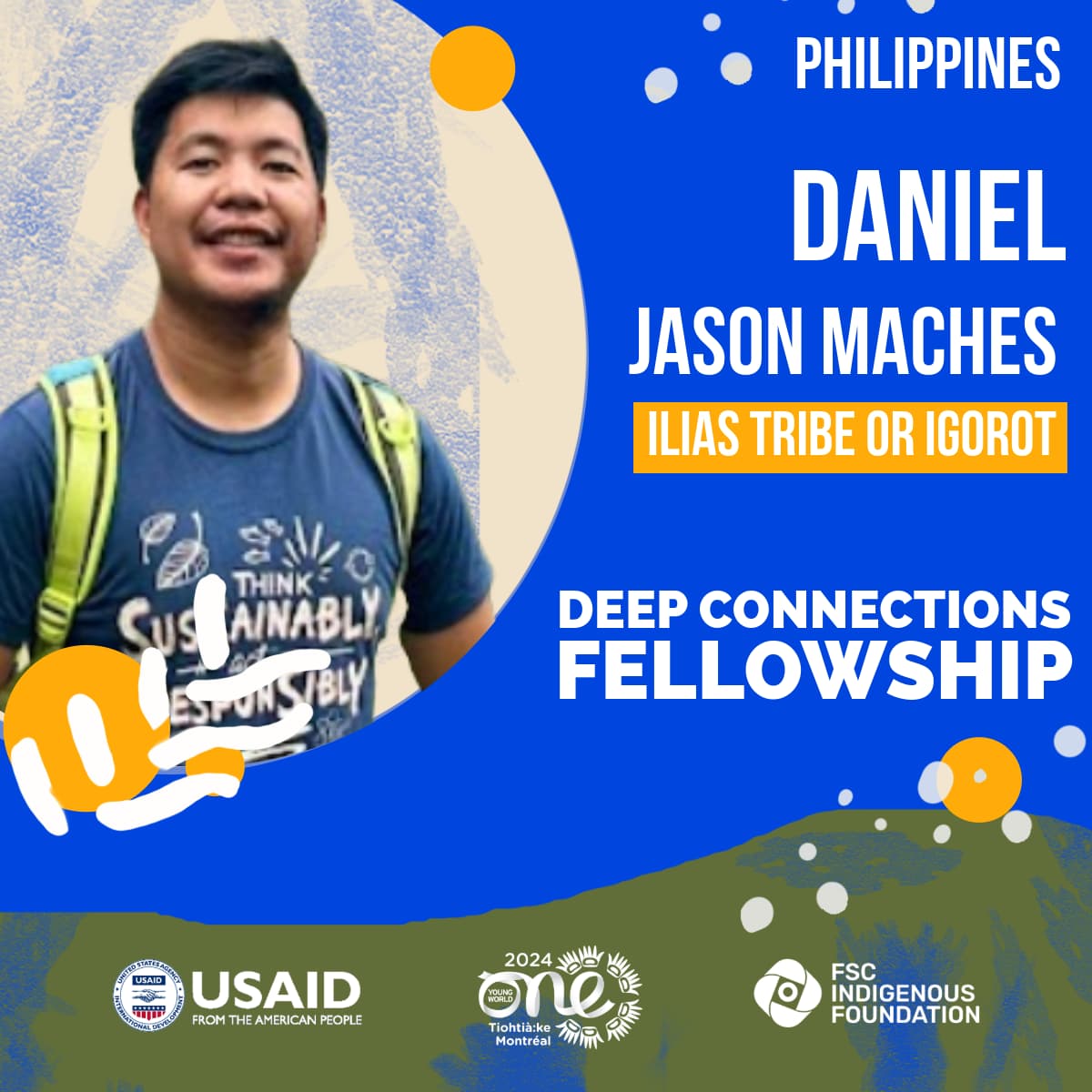
Daniel Maches

Country: Philippines

Daniel Maches or Kumafor is a young Indigenous leader from the Lias Tribe in the northern Philippines. Since high school, he has been advocating for the conservation of their forests and cultural heritage through publications and multi-media productions. He has also actively engaged with the youth to participate in the advocacy. In 2021, he started Barlig Rainforest Coffee Project to pilot sustainable agriculture in the community and develop sustainable livelihoods. It is his goal that through this project, more community members will be encouraged to plant crops sustainably considering Indigenous farming principles. Meanwhile, the project has also brought his community’s coffee to the mainstream limelight as the limited produce was showcased in national and international coffee exhibitions. In 2022, he started a Slow Food Community called Indigenous Youth Eco-Cultural Warriors of Mountain Province to promote Indigenous food preservation. At present, he is initiating projects to document and preserve the community’s heirloom produce and wild products with economic potential for preservation purposes. He has also called for stewardship of his community’s forests and actively contributed his insights to sustainability as a writer and columnist for leading national newspapers such as Manila Bulletin and Philippine Star. Likewise, he has championed his community’s cultural integrity in international events such as the Terra Madre 2022 in Turin, Italy, and the 2024 Slow Food Indigenous Youth Networks’ Training for Asia and the Pacific in Hualien, Taiwan. Today, he also leverages various social media platforms to amplify his advocacies and encourage local actions.

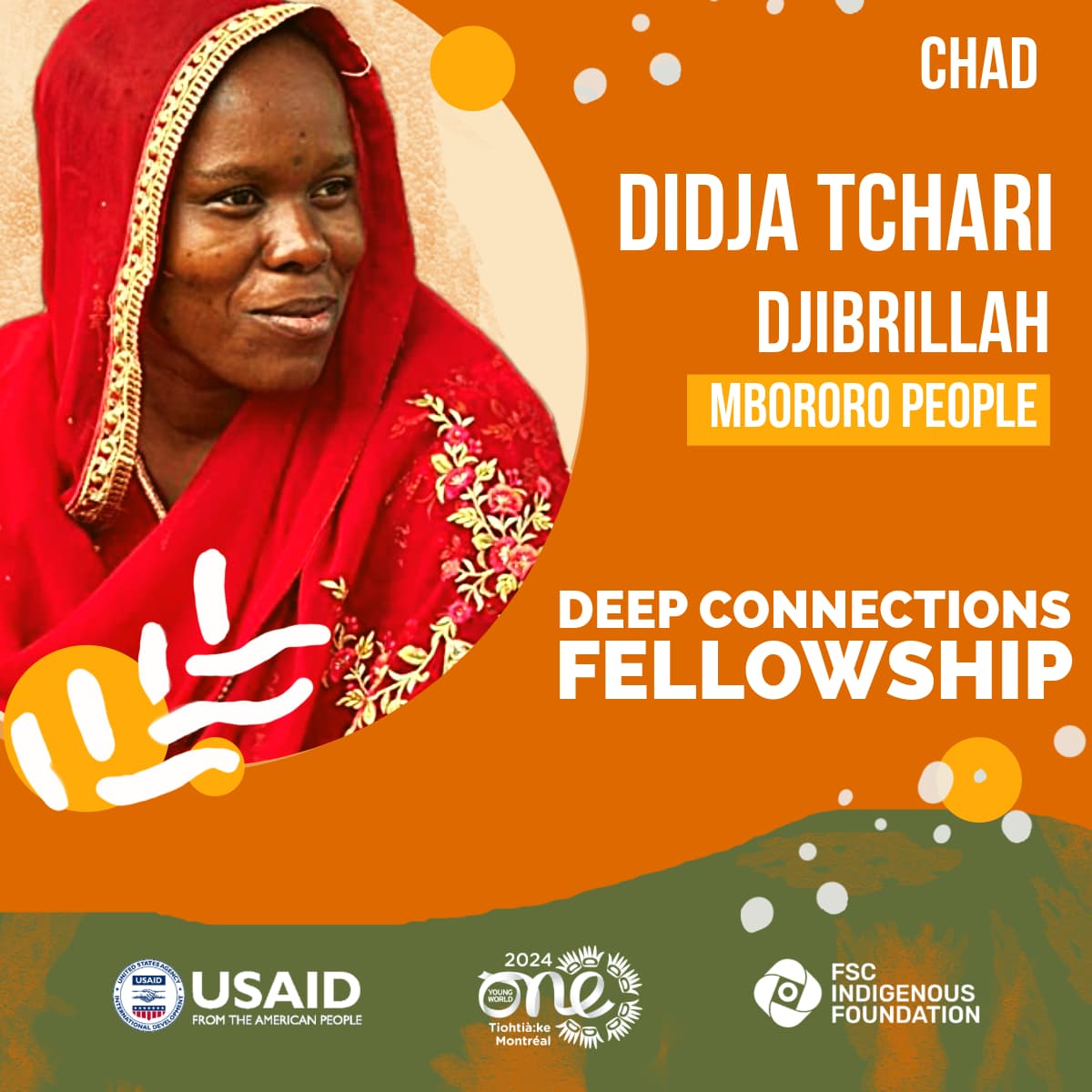
Didja Tchari Djibrillah

Country: Chad

From the Mbororos Fulani community of nomadic and semi-nomadic herders.

Primary studies in Bongor and secondary studies in Ndjamena, Holder of a diploma of a technical agent of health in the Institute of Sciences of Health and Sanitation Toumai. From 2012 to the present day, member of the association and Gender Officer and Assistant Treasurer of the Association Des Femmes Peules & Peuples Autochtones Du Tchad (Afpat). 

2015 Intern at DOCIP in Geneva (Centre des Documentation et de Recherche et d’Information des Peuples Autochtones)

2017 Beneficiary of the scholarship program for Indigenous Peoples’ representatives.

2020 Intern at HCHD country office

Responsible for health issues at AFPAT. Trainer; translator, assists in drafting projects integrating the gender concept and community needs (also monitoring and evaluation).

FSC deep connections fellowship banner promo

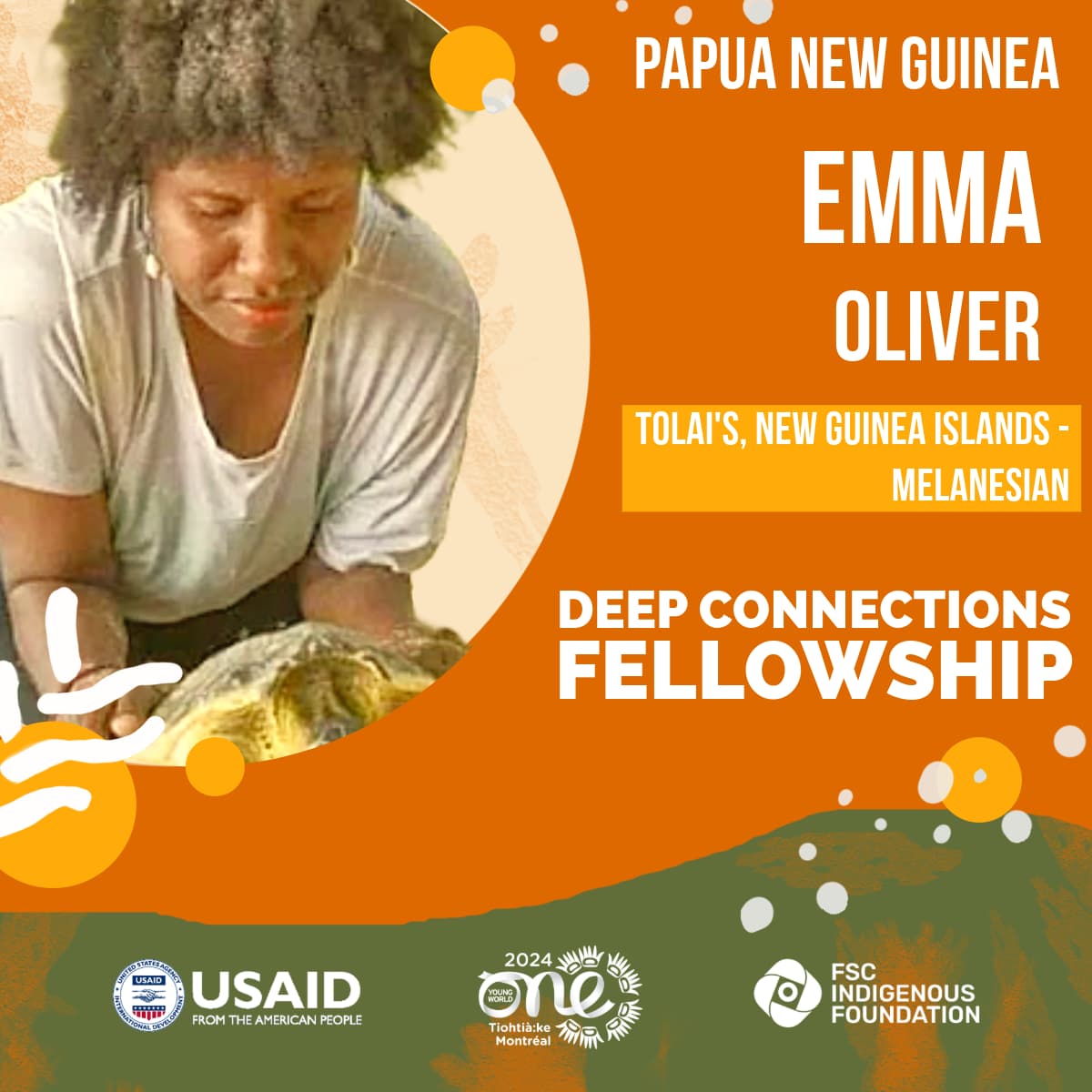
Emma Oliver

Country: Papua New Guinea

Emma Oliver a dedicated tutor at the Papua New Guinea University of Natural Resources and Environment (PNG UNRE), where I teach Eco & Wildlife Tourism, Sustainable Tourism, and Working with local communities. My passion for environmental conservation extends beyond the classroom, I actively engage with local communities to promote sustainable practices and protect biodiversity. As an Indigenous leader and the founder of ENB Sea Keepers, I am committed to preserving marine ecosystems and cultural heritage in East New Britain Province. My work involves combining traditional knowledge with modern conservation techniques to restore coral reefs, establish marine protected areas, and empower youth through education and hands-on training program called the Green Community Based Entrepreneur Program. Driven by a deep connection to nature and a desire to create sustainable livelihoods for my community, I am focused on inspiring the next generation of environmental stewards while safeguarding the natural resources that are vital to the survival and prosperity of our people

As an Indigenous leader in my community, I want to leave a legacy of empowered, self-sustaining communities that are deeply connected to their cultural roots and committed to preserving their natural environment. Through my participation in One Young World, I hope to inspire a global movement that values traditional knowledge alongside modern innovation, fostering a future where Indigenous voices lead in environmental conservation and sustainable development.

Growing up in a coastal village in Papua New Guinea, I witnessed the devastating impact of climate change and the unsustainable destructive practices of fishing using dynamite and poison rope on our coral reefs and marine life. Seeing our once-thriving ecosystems deteriorate and the livelihoods of my community threatened by these changes motivated me to take action. This personal experience ignited my passion for marine conservation and drives my commitment to empowering communities to protect our environment and preserve our cultural heritage for future generations.

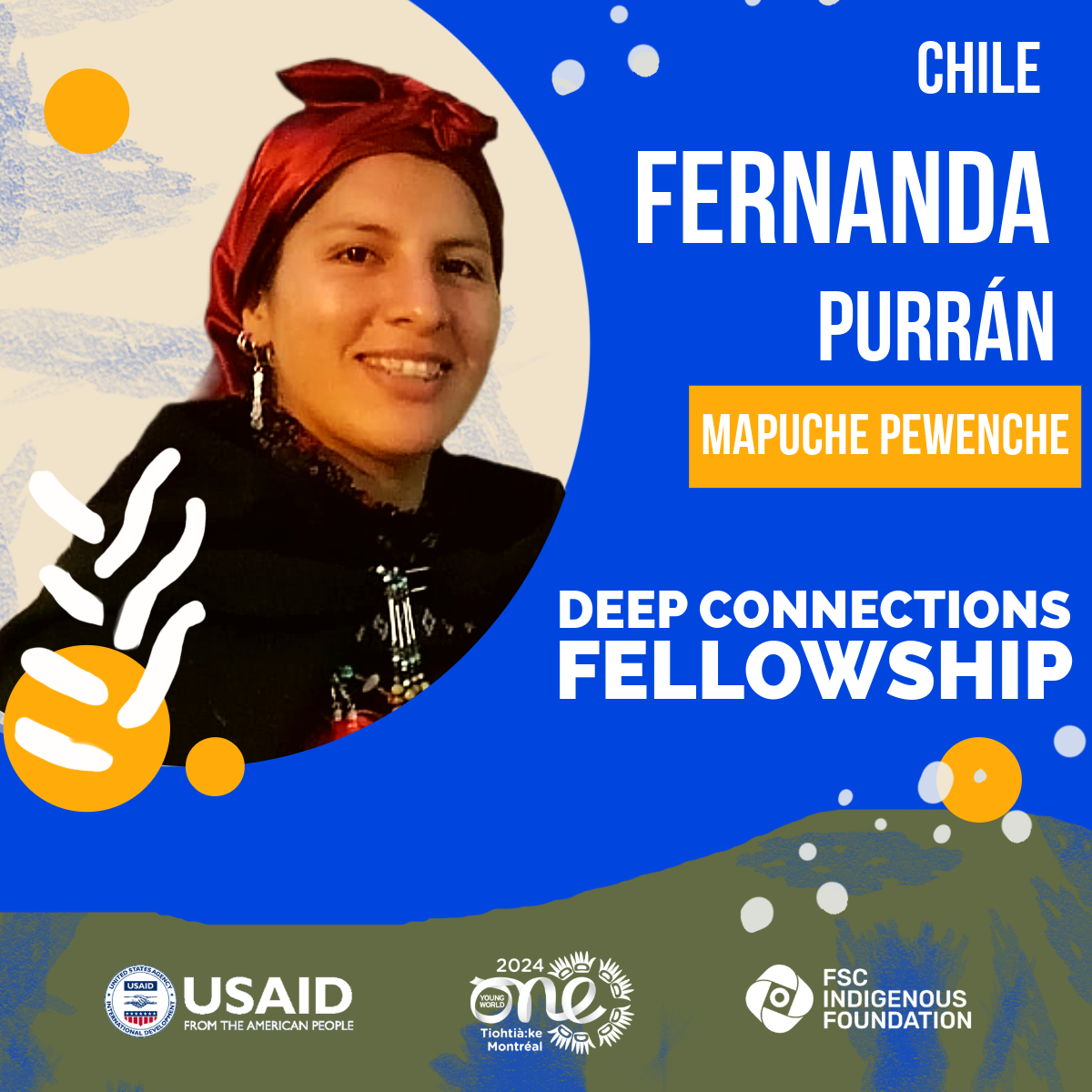
Fernanda Purran

Country: Chile

Indigenous People: Mapuche Penuche

My name is Fernanda Purran, Mapuche Pewenche, born and raised in the upper Biobío territory.

I am 32 years old, I grew up with my grandmother, a very strong woman who lost her husband, my grandfather, who disappeared during the coup d’état in Chile in 1973. Since I knew my grandfather’s story, I became a friend of the Biobío river and I was on its banks every day. My grandmother taught me to speak our language and told me since I was a little girl that our language was understood by the river.

My basic education was always in my territory, I learned to read and write. Since I was a child I saw my family fight for the defense of the river in the 90s when they threatened to build dams in the flow of the second longest river in Chile and sacred river for the territory. I studied tourism and worked for 3 years as a coordinator of a community tourism network, I trained as a mountain guide and guided some trails for a long time. At the same time, I joined environmental groups that fought against extractivism and took care of the mountains and rivers that I love so much.

When I was 23 years old I was called to teach in a school and there I spent 4 years working as a teacher of tourism, I took advantage of that beautiful opportunity to create spaces for dialogue with young people. We did a nice job, we were on a TV program showing everything we did. I liked teaching, and I started a postgraduate degree in professional technical education which I finished in 2018.

In 2016 my life took a course that has not stopped. With my friend Yoana we created a rafting team, to compete in the Biobío Vive festival, we had never sailed in our lives, however we won second place. This experience marked our lives and that is how we created Malen Leubu, a sports organization that seeks through sports such as rafting, to protest for free rivers. Malen Leubu has been my life in these 8 years. In 2017 I traveled for the first time to the Chilean Patagonia and navigated a river from the mountains to the sea, where I got to know a place that was about to be dammed. I was invited by the NGO Rios To Rivers to go as a monitor with 4 young people from Biobío.

FSC deep connections fellowship banner promo

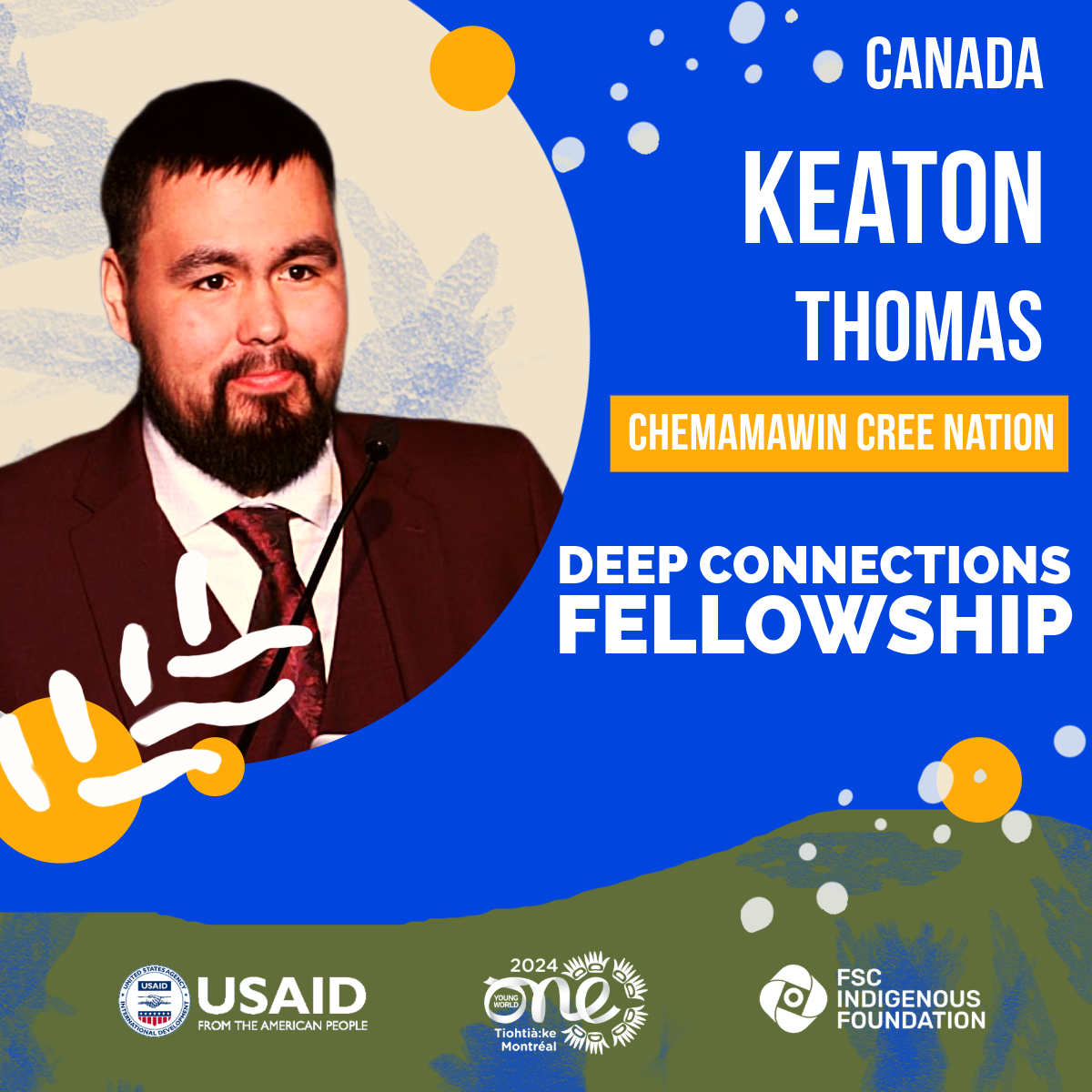
Keaton Thomas-Sinclair

Country: Canada

Indigenous People: Chemamawin Cree Nation

Keaton grew up in Mosakahiken and Chemawawin, deeply connected to his Cree heritage. After graduating from Frontier Mosakahiken School in 2017, he dedicated himself to serving his community as a Human Resources Coordinator at Chemawawin Cree Nation, where he strives to create a safe and supportive environment for all.

Keaton is also an active member of the Assembly of Manitoba Chiefs (AMC) Manitoba First Nations Youth Council, where he champions youth empowerment and the preservation of Indigenous traditions. His leadership is driven by his commitment to addressing critical issues such as violence, substance abuse, and the need for stronger support systems for youth.

Beyond his professional work, Keaton is an avid hunter, fisherman, and traveler, embracing the land and traditions of his people. He enjoys engaging with elders to learn about his nation’s heritage and sharing that knowledge with younger generations.

Keaton’s passion lies in community building and inspiring the next generation to create positive change. He believes in the power of unity and resilience, and he is dedicated to fostering an environment where everyone feels valued and supported.

Title: (AMC) Manitoba First Nations Youth Council

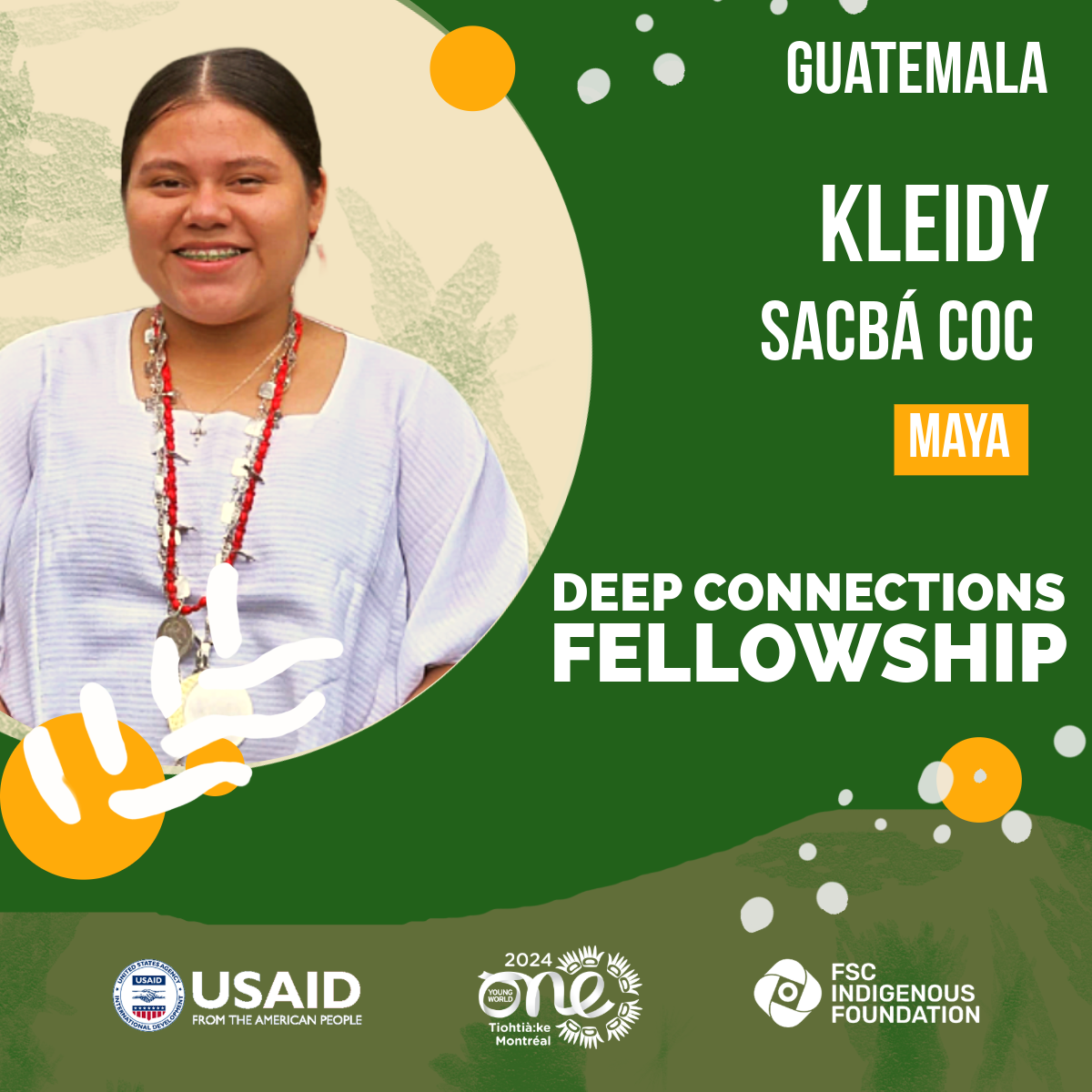
Kleidy Migdalia Sacbá Coc

Country: Guatemala

Kleidy Migdalia Sacbá Coc, a young Mayan Q’eqchi’, was born in Santa Catalina, La Tinta, Alta Verapaz, Guatemala.

La Tinta, department of Alta Verapaz, Guatemala, has been representative of the indigenous woman as Rab’in Aj Poop O’b’atz, Tezulutlan Princess and National Flower of the Mayan People, was named Favorite Daughter of Alta Verapaz, is an Expert in Natural Resources with a Sustainable Environmental Focus with an Agroforestry Technician and is currently studying Agronomy Engineering at the URG.

She works for CONEXIÓN ICCO LATINOAMERICA, promoting the development and economic empowerment of youth and Indigenous women in rural areas and communities to improve their living conditions in Costa Rica, Honduras, and Guatemala. It is part of the Regional Coalition for the Right to Live in a Healthy Environment in Central America of ASDEPAZ where it has promoted the Escazú Agreement.

She promotes the digital project Q’eqchi’ Xnimal Ruhil Chaq’rab’ where she shares informative content such as the Articles of the Political Constitution of the Republic of Guatemala, Environmental Awareness, and Social Problems in the Maya Q’eqchi’ language to inform Indigenous communities about their rights as Guatemalan citizens promoting the inclusion and promotion of cultural identity and environmental education.

As an activist, she has advocated for the rights of youth in Guatemala demanding the implementation and approval of a National Youth Law, where the conviction was born to start working for youth and create spaces to strengthen openness and participation in all social and environmental spheres.

“Let’s contribute with each of our strengths at all levels and spaces of social and environmental action for the construction of a better country for future generations.”

FSC deep connections fellowship banner promo

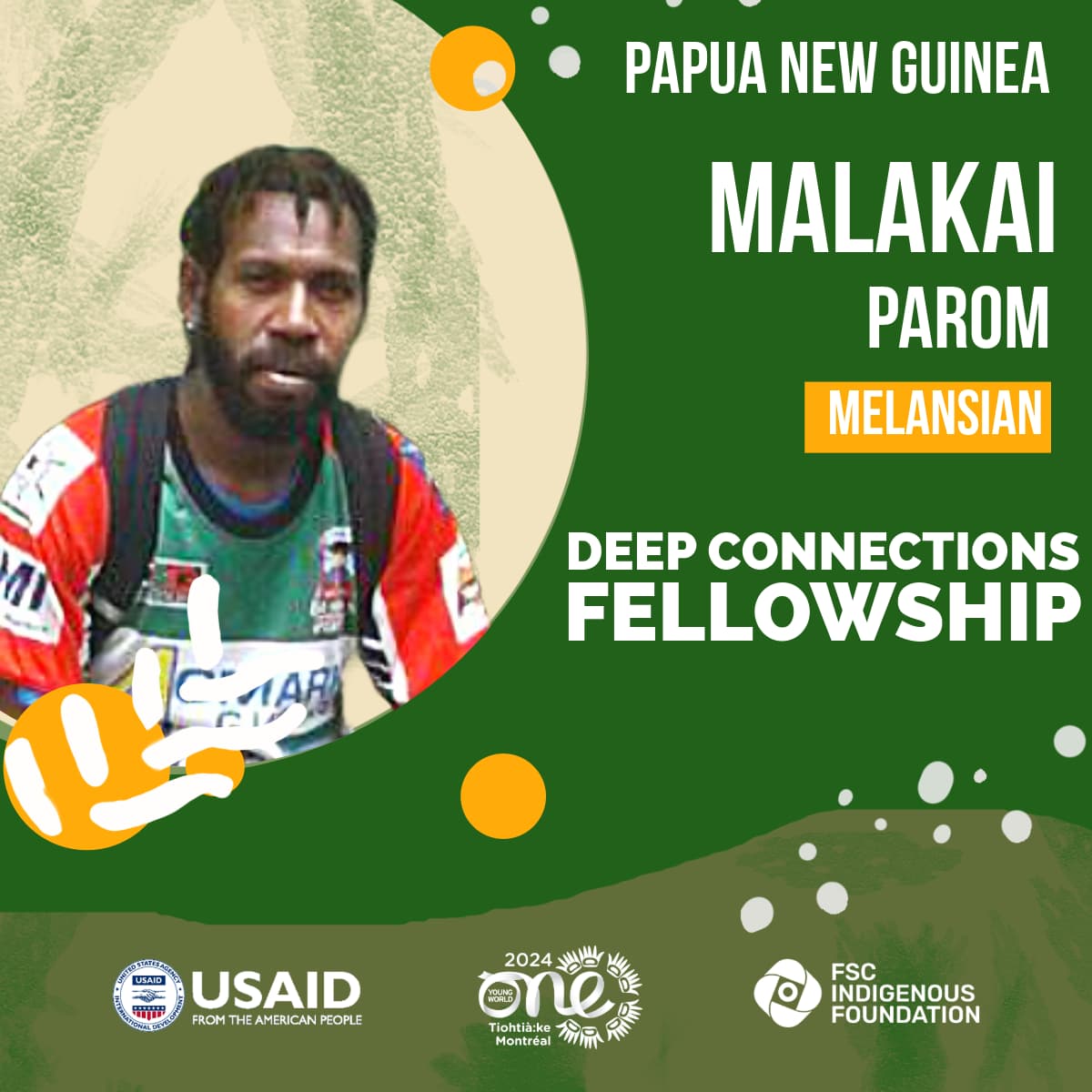
Malakai Parom

Country: Papua New Guinea

I hold a Bachelor’s Degree in Forestry and a certificate in Tropical Ecology from the Nugini Binatang Research Institute in 2015, and have been working with Rainforest Habitat and Conservation organization in the areas of Entomology, Zoology, and Landscape for environmental beautification before I left to my Bachelor of Science in Forestry at the Papua New Guinea University of Technology Forestry Department, majoring my final year projects in seeds biology of plantation forest and natural forest pests and diseases infestation. The key responsibilities I was involved in included a scope of work at environmental assessment, biodiversity survey, species collections in traps, schools, community, and village awareness about the importance of biodiversity as a non-timber forest products, and supervision of production with use of available labor and resources. With those experiences, skills, and knowledge, I believe I am suitable for the position applied for, and can contribute meaningfully to the Organization’s aims, goals, and objectives. I am young, energetic, and flexible to work in any given working environment and can achieve targets and meet deadlines.

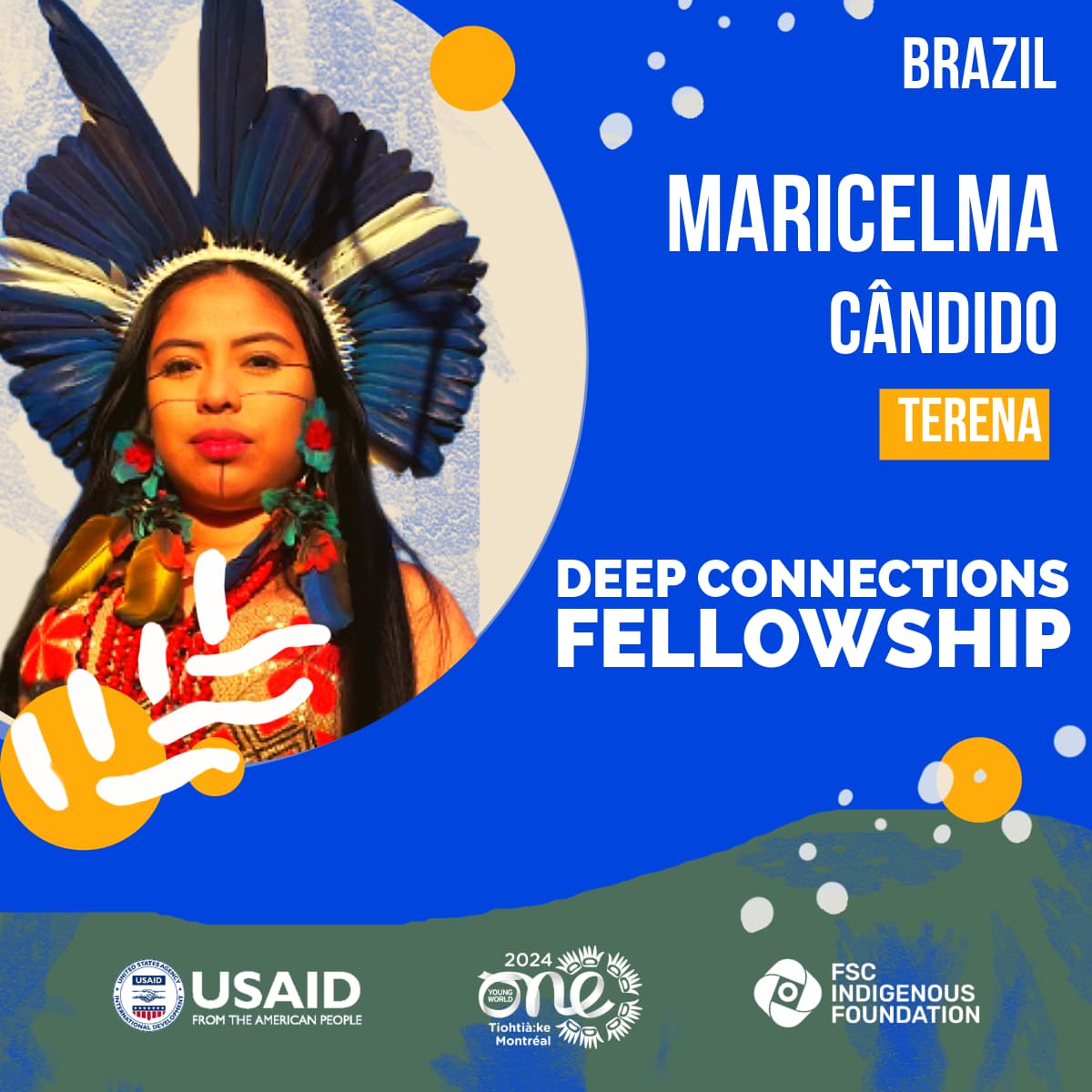
Maricelma Fiaho

Country: Brazil

Maricelma Fialho, an indigenous woman of the Terena ethnic group, was born and raised in Bananal Village, located in the interior of Mato Grosso do Sul, Brazil. The daughter of a single mother, Maricelma faced a childhood marked by humility but found an opportunity for growth in education. At the age of 17, she left her village to start her degree in Biomedicine, overcoming challenges to become the first Terena biomedical doctor.

A graduate of the Faculty of Medicine at the Federal University of Mato Grosso do Sul, Maricelma holds a Master’s degree in Infectious and Parasitic Diseases and is currently a PhD candidate in the same graduate program. Her research focuses on neglected rural Indigenous communities, seeking solutions to health problems that affect her community.

In addition to her academic achievements, Maricelma is a volunteer translator of the Terena Indigenous Language for the Brazilian Red Cross and treasurer of the Terena Intercultural Education Institute. Her leadership and commitment to education and health have benefited her community.

Internationally, Maricelma represents Brazil in the Youth Leadership Coalition (IYLC) Latin America, giving Indigenous youth a voice in global discussions about civic and political participation. Her participation in the White House Tribal Youth Forum and other important meetings highlights her role as an emerging leader in defending the rights and health of Indigenous communities.

 “Terena Indigenous Woman, I honor my roots in Bananal Village by using ancestral strength, education, and science to uplift my community and build a just and sustainable future.”

FSC deep connections fellowship banner promo

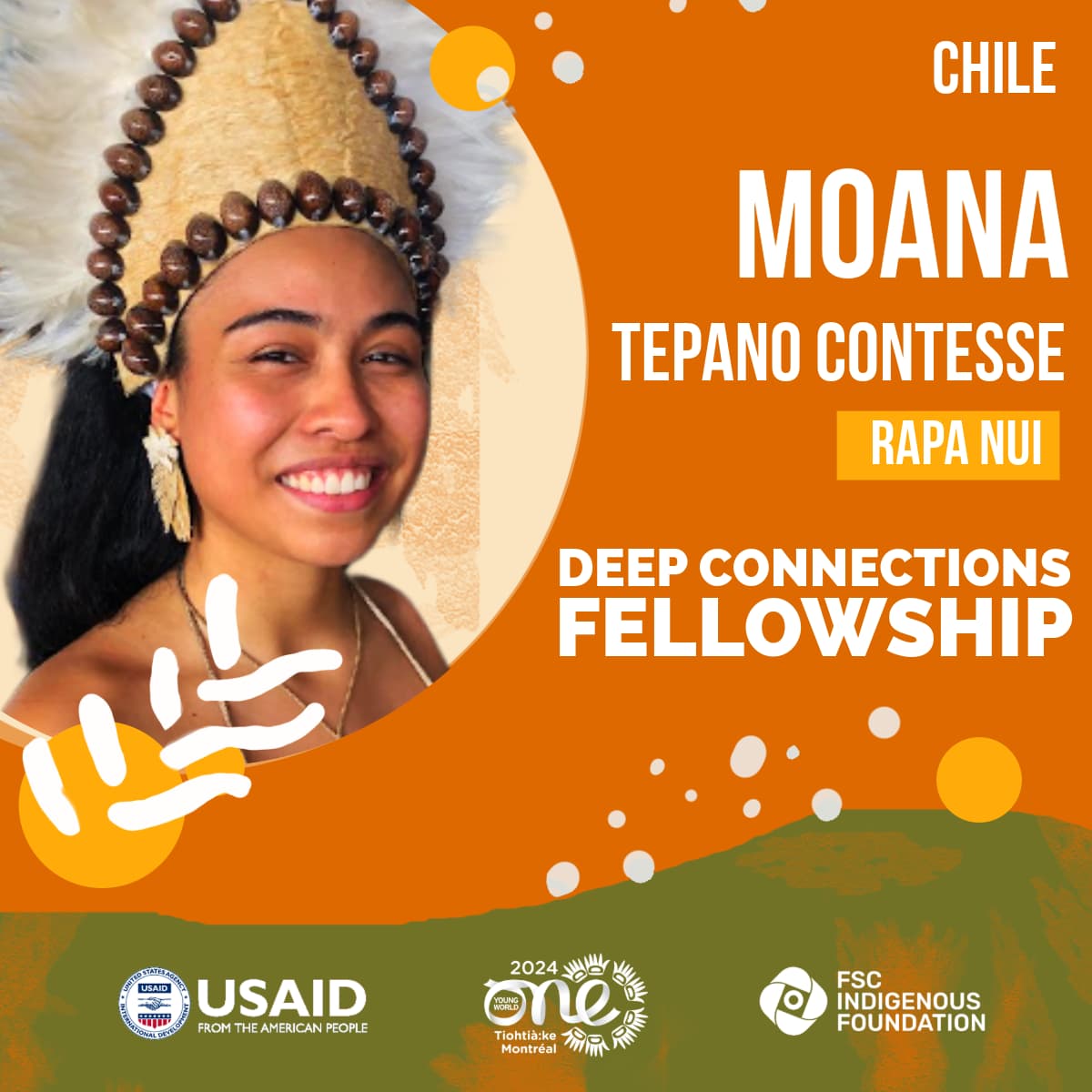
Moana Tepano

Country: Chile

Indigenous People: Rapa Nui

Moana Tepano Contesse is a young socio-environmental defensor from Rapa Nui Island and student of a Bachelor of Social Studies with major in Territory Planification and Sustainable Development

She is co-founder and current president of the youth organization Mo’a Mau o te Taure’a-re’a or Great Respect from young people to young people, which promotes various initiatives, such as workshops, coastal cleanups, discussions and summer schools for young people in order to revitalize the ancestral value of Mo’a or respect, towards different areas (personal, social, cultural and environmental) of our lives, with emphasis on mo’a towards nature, thus achieving Sustainability from a unique Rapa Nui cultural perspective.

Is also part of the recent Rapa Nui young student organization around the world called Haka Nonoga. He has participated in different meetings at the local, national and international level on climate change, environmental conservation, youth leadership and sustainability (LCOY, RCOY, COP24, COP27).

She has dedicated time to learn about her roots through wise masters of Rapa Nui, who have shared with her, for example the tākona practice (body painting) she has found a way to express and send a message to people about issues as important as the environmental protection and gender equality. All these expressed using Rapanui language.

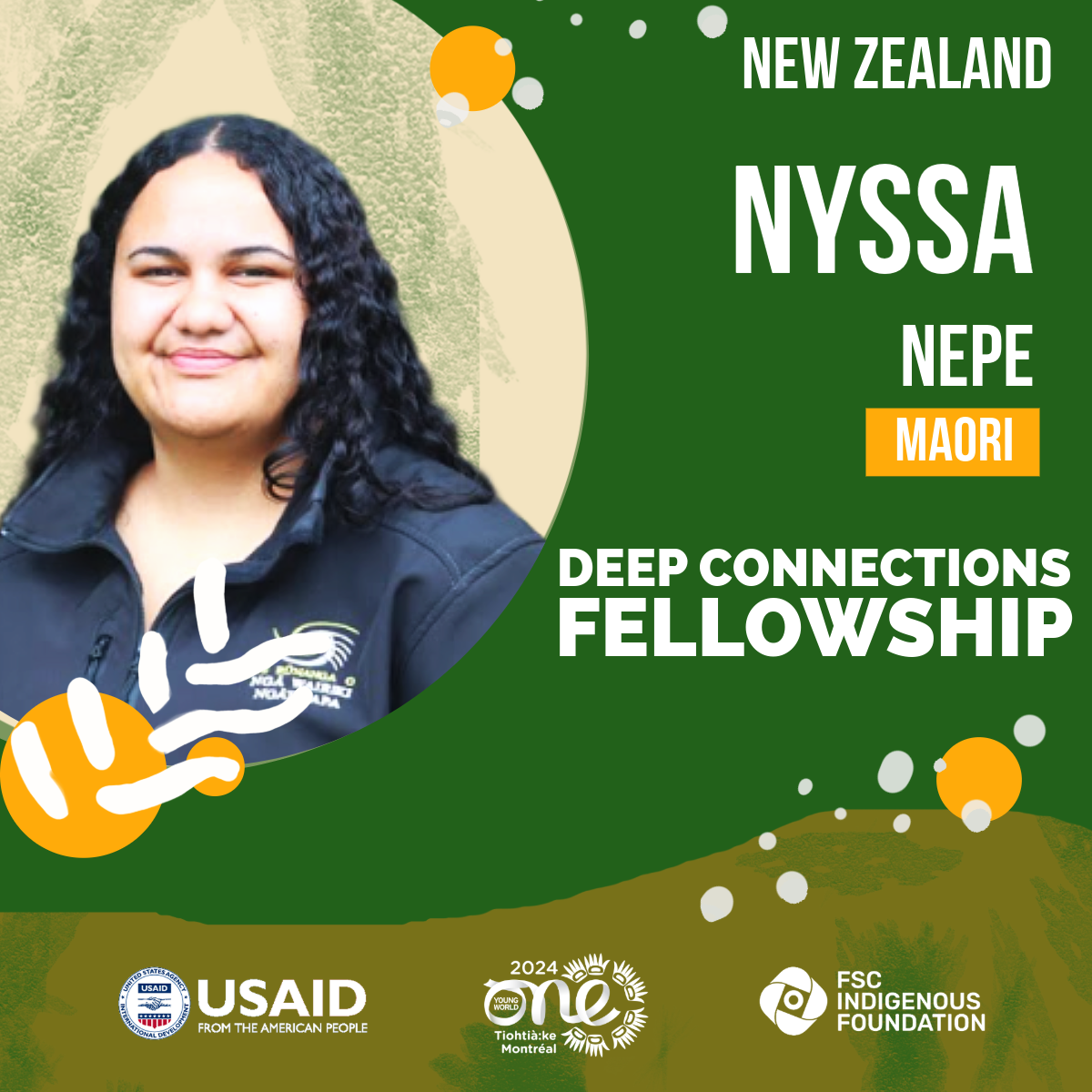
Nyssa Nepe

Country: New Zealand

Indigenous People: Maori

kia ora

He uri au Ngā Wairiki Ngāti Apa, Nga Rauru Kiitahi,

Te Arihaunui-ā-papaerangi, Tuwharetoa

Hello, my Name is Nyssa Nepe, I am 20 years old and from a country called Aotearoa. I work with my tribe doing research and administration and facilitating our youth leadership scholarship program Maripi Tuatini. I am honored to be a part of this experience and cannot wait to fill my cup with more knowledge in how to x better leader not only for my people but for the world.

“Don’t ever be ashamed of who you are.”

FSC deep connections fellowship banner promo

Rayen Alarcón Lipin

Country: Chile

Indigenous People: Mapuche

I am the oldest of three siblings, my mother is Mapuche so raised us together with my father as Mapuche, with the traditions and worldview that she obtained in the community. My mother and father are beautiful people who have always tried to give us the best principles and supported us in our struggles and dreams.

From a very young age I have felt a commitment to the Mapuche people, my mother says that my grandfather Pedro Lipin Motro was a fighter for the territorial and human rights of our people; in turn my grandmother Graciela Millalén Huenchuñir always saw that education in both worlds would be mechanisms to achieve recognition and respect for our identity.  So I seek to influence, in all spaces, from a positive leadership, with firm principles and collective commitment, that is to say, with territorial reality. As a young person who has been able to access university education without losing my Mapuche relevance and identity, it is essential to give back and contribute continuously with the knowledge and tools acquired with my people, and other Indigenous Peoples.

I advise various Indigenous organizations in the different communes of the Metropolitan Region, mainly urban and also rural Mapuche communities, on issues of ILO Convention 169, restitution of Indigenous lands and waters, change of Mapuche surname, human rights of Indigenous Peoples at the international level.

I contributed as an Indigenous advisor in the process of the Constitutional Convention of Chile. In 2024 I received the “Leader of the Future” award from Universitas 21 in recognition of my contribution to global collaboration through active leadership in generating social change and promoting the education of others.

“We are the reflection of the struggles of our ancestors, the principles of our roots, the Mapuche people, are our guide, therefore everything that we learn we must share with our people.

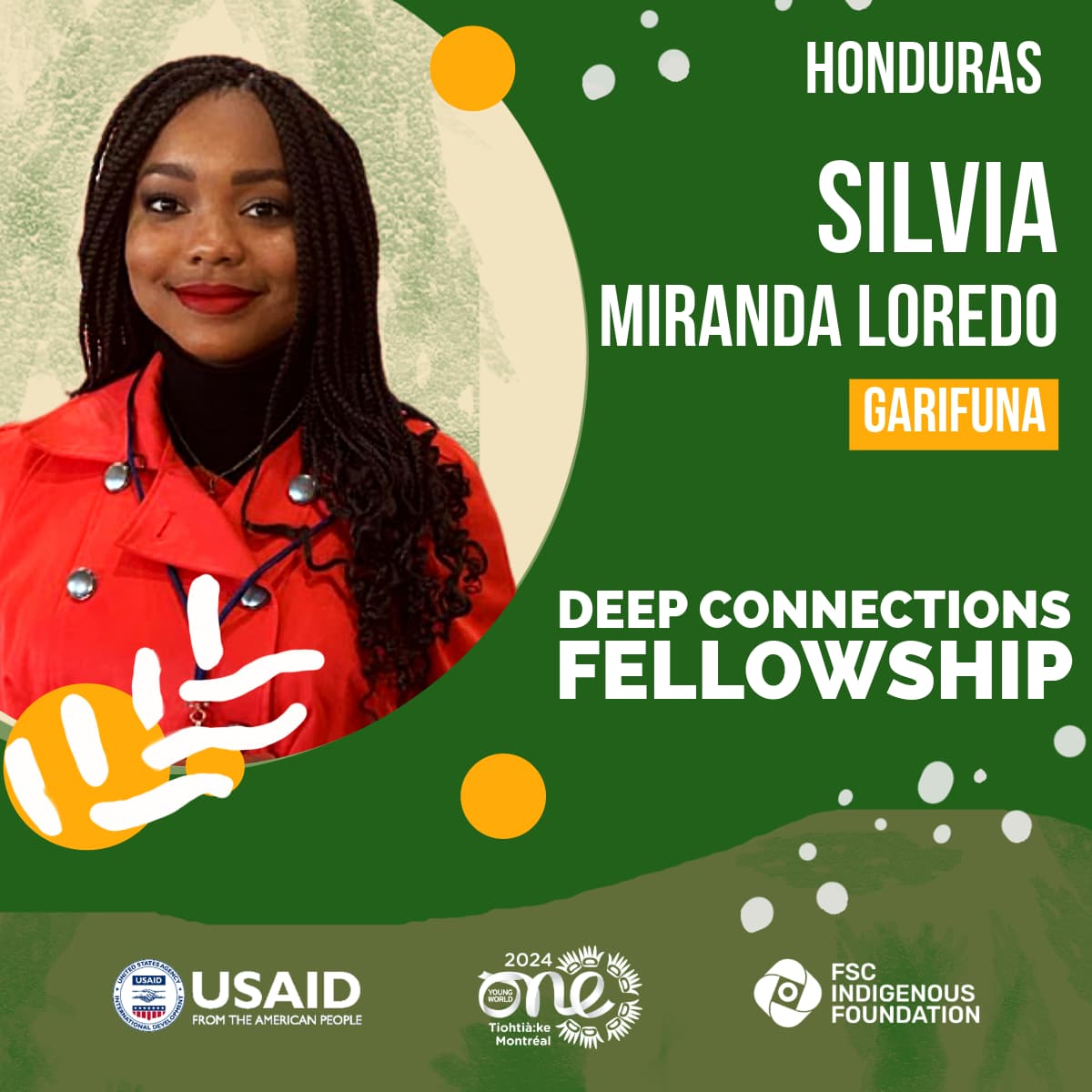
Silvia Miranda

Country: Honduras

Silvia Miranda Loredo is a Honduran Garifuna lawyer with a strong focus on advocating for equal human rights, peacebuilding, and promoting women’s empowerment. She is the founder and president of Fundación Mujeres con Poder which aims to provide financial and academic resources to indigenous and Afro-descendant women and girls in their lifelong learning.

Fundación Mujeres con Poder empowers women and girls through peace-building activities, leadership workshops, and English classes that encourage them to stand up for their rights. By pursuing peace, equal rights, and women’s empowerment, Silvia hopes to bring education to marginalized communities. Silvia is currently pursuing her Masters in Business Administration at the European Business School. Silvia desires a more peaceful and equitable environment where all girls have access to quality education.

FSC deep connections fellowship banner promo

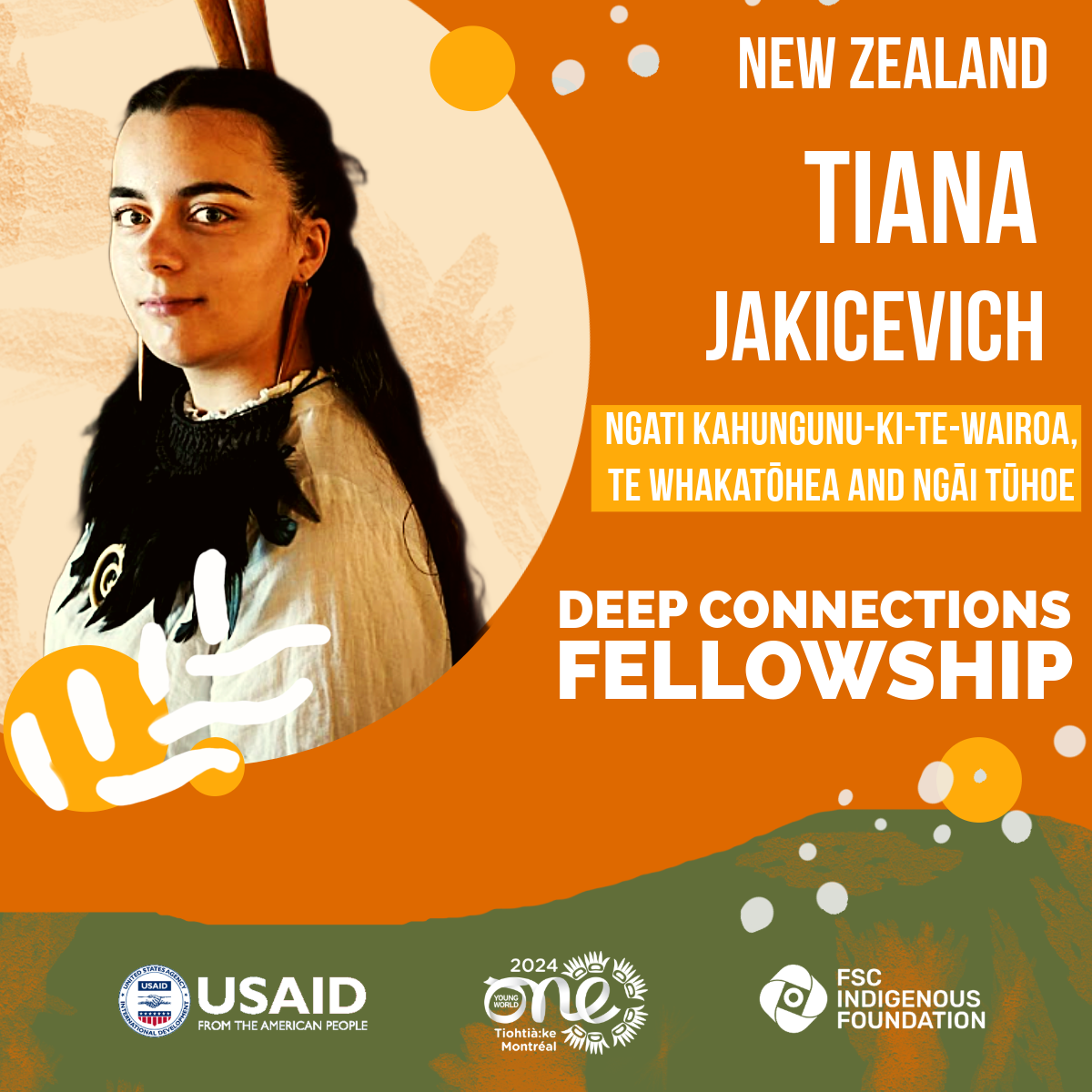
Tiana Jakicevich

Country: Aotearoa (New Zealand)

Tiana Jakicevich is an interdisciplinary Indigenous, human rights land and oceans defender, from Aotearoa New Zealand. She is a descendant of Ngāti Kahungungu ki Te Wairoa, Whakatōhea, and Ngāi Tūhoe, three tribes on the east coast of the North Island.

Tiana grew up surrounded by the forests and oceans of her ancestors. She holds an intrinsic understanding that the solutions to the climate crisis are tied to the decolonization and restoration of Indigenous knowledge systems and relationships with people and place.

Tiana champions the protection of human rights and Indigenous Climate Justice within her communities in Aotearoa, New Zealand, and internationally with Indigenous communities across the globe and within various United Nations mechanisms. She is a co-founder of Pakiaka, an Indigenous Climate Justice think tank, that builds the capability and capacity of Indigenous Peoples to engage proactively rather than reactively in this realm.

Tiana is currently co-leading a project across the Pacific to explore the revitalization of Indigenous knowledge systems to mitigate and adapt to climate change. She also sits as member of the Pou Herenga (Māori advisory board) to the New Zealand Climate Change Commission.

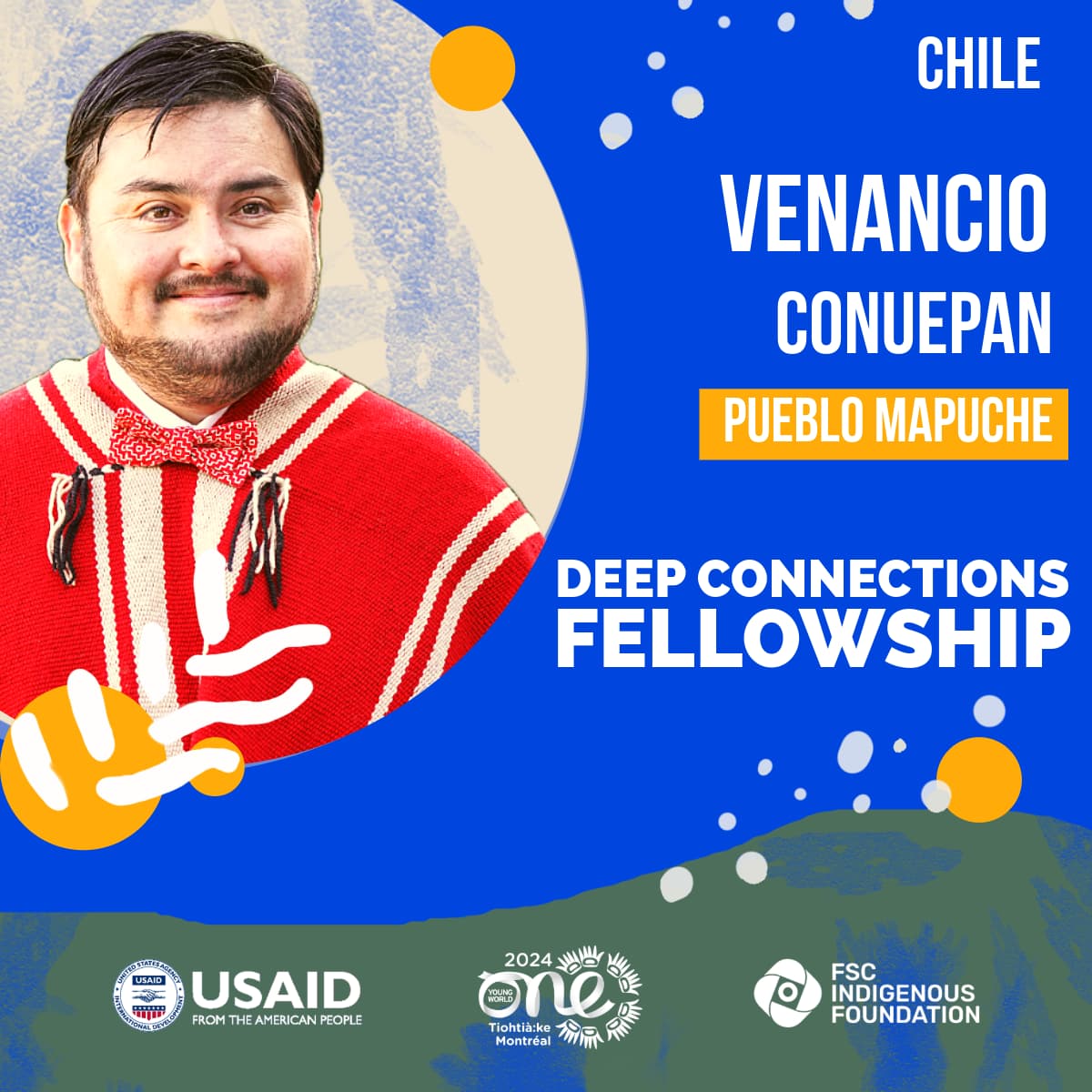
Venancio Coñuepan

Country: Chile

Venancio Coñuepan is a global leader, Indigenous Mapuche activist, lawyer, social entrepreneur, and international consultant. His mission is to transform the paradigm of Indigenous Peoples, promoting their recognition, empowerment, and development, and ensuring their impact on climate action, sustainable development, and peacebuilding. As Director of Impacto Indígena, an Indigenous consulting firm, he drives the quadruple impact of Indigenous entrepreneurs and organizations in Chile and Latin America, encompassing social, environmental, economic, and cultural dimensions.

Venancio is also co-founder and director of Fundación Empresas Indígenas, director of Fundación Pacto Social, Global Solvers of Fundación Melton, and president of Fundación Koñwepang-Millakir por el resto del Mapu y la Reconciliación de los Pueblos, where he works to position Indigenous Peoples as key players in the global sustainability and human rights agenda. His innovative approach challenges traditional conceptions, highlighting the role of Indigenous Peoples as full partners in creating a more equitable and resilient future.

With a strong background in Indigenous Peoples’ human rights, socio-environmental mediation, business and human rights, and corporate sustainability, Venancio has been a leading advisor and director in several organizations. His leadership focuses on designing impactful projects and forging strategic alliances that promote the value of Indigenous Peoples in building a more just and sustainable world for all.

FSC deep connections fellowship banner promo

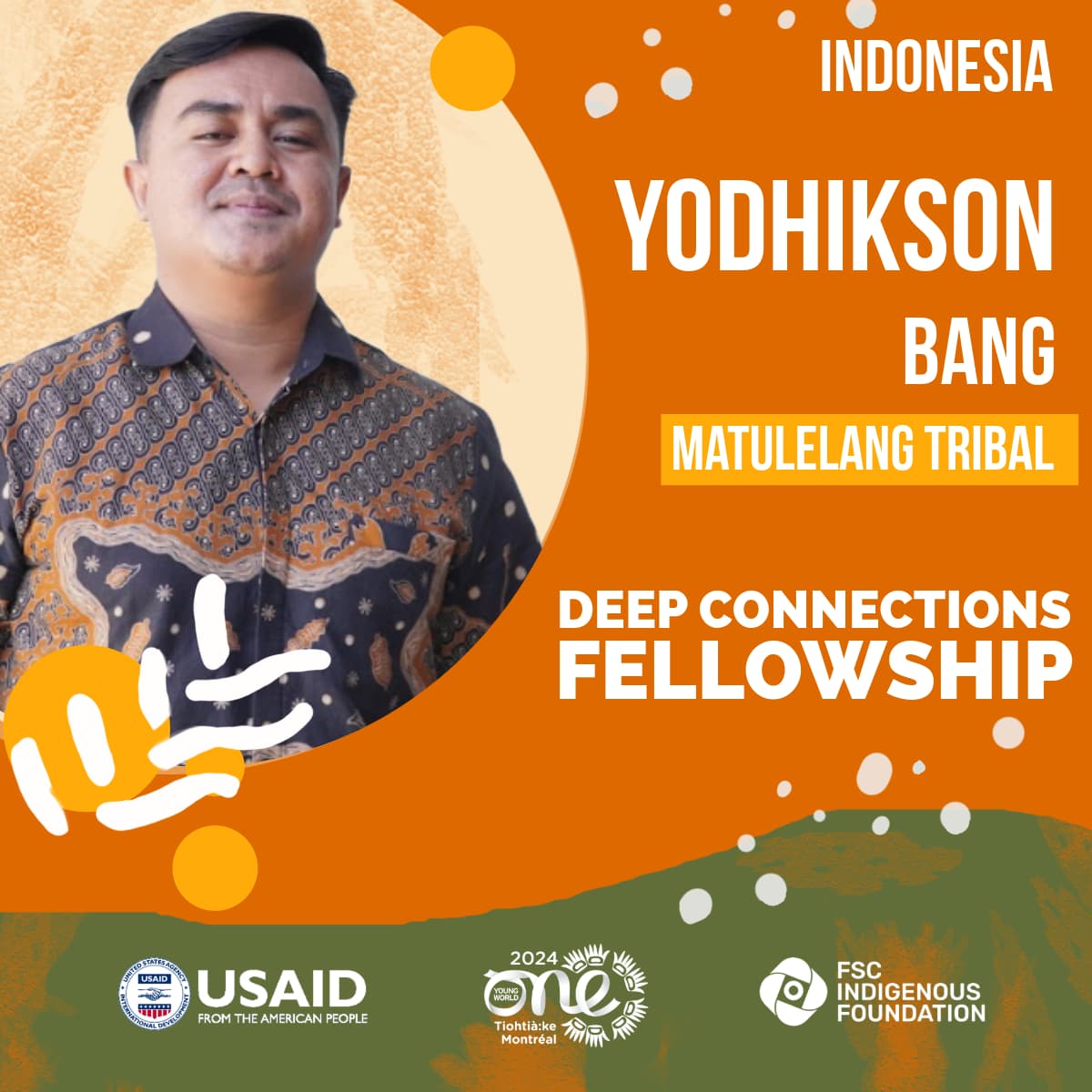
Yodhikson Bang

Country: Indonesia

Member of Matulelang Tribe, Alor Island, Indonesia

My name is Yodhikson M. Bang (Dicky), and I am a member of the Matulelang Tribal group from Alor Island, East Nusa Tenggara, Indonesia. I am the Operations Manager at Thresher Shark Indonesia (Yayasan Teman Laut Indonesia), a youth-led NGO focused on conserving endangered thresher sharks and supporting coastal communities. In my role, I lead field projects and build relationships with partners, including the government, indigenous communities, tourism actors, and the public. Currently, I lead and support several projects: improving marine resource conservation and empowering small-scale fisheries in Alor, integrating marine conservation curriculum into elementary schools, assisting former shark fishers and their wives in new livelihoods, and conducting extensive conservation outreach across Alor, Flores, and Banda regions.

Before joining Thresher Shark Indonesia, I was a Facilitator at Humanity Inclusion. I helped vulnerable community groups, such as women, girls, and people with disabilities, gain equal access to economic development. Additionally, I lead my church community, motivating youths to maximize their potential by minimizing plastic use and restoring mangrove areas for climate resilience.

Through this fellowship, the FSC Indigenous Foundation (FSC-IF) and the United States Agency for International Development (USAID) support Indigenous youth leadership. If you would like to partner with us and support young Indigenous leaders to innovate with ancestral knowledge and address climate change, please contact us at fsc.if@fsc.org.

News

Cultural references  

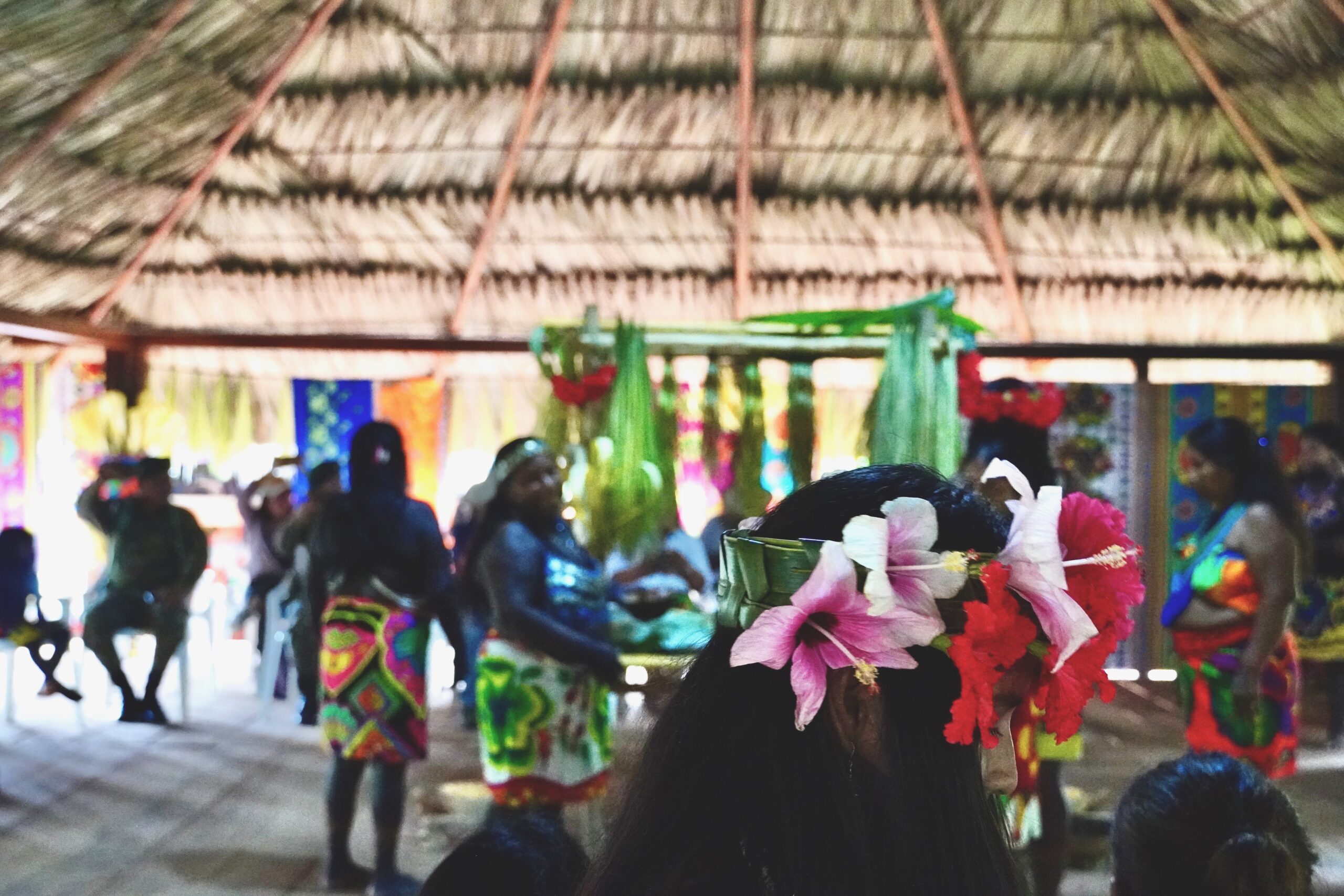
Indigenous women of the Emberá Ipetí community preserve and share their ancestral knowledge

Indigenous women are creators and guardians of culture, and their identity and belonging stem from this role. Recognition of identity and culture is crucial for the personal, social, and economic empowerment of Indigenous women. 

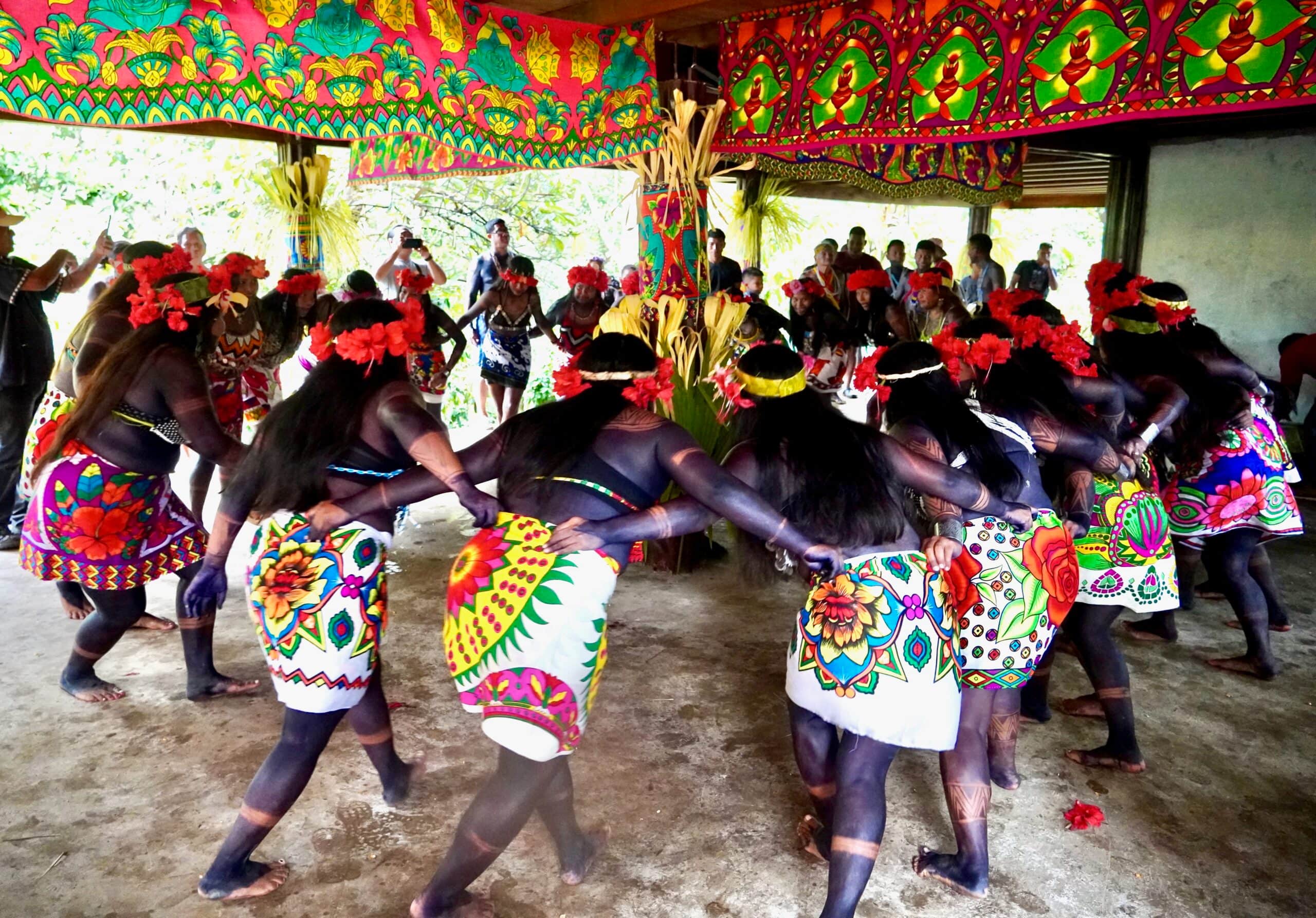
“Our cultural value, our identity, our language, will not die. That our way of living does not die, that our dance does not die, that our hair does not disappear, that our water does not disappear, that our way of being does not disappear. So, that is why identity is very important, because we want to continue resisting. Because nobody will value us, nobody will recognize us, nobody will respect us, if we do not maintain our identity in order to resist,” says Omaira Casama, leader in the Emberá Ipetí community located in eastern Panama. 

The FSC Indigenous Foundation, through the Indigenous Peoples Alliance for Rights and Development (IPARD) Program, is making a pioneering commitment to support the rescue of the cultural heritage of Indigenous Peoples. This project is part of the Economic Empowerment Plan for Indigenous Women of Panama (PEMIP 2025), developed by the Committee of Indigenous Women of Panama (CAMIP) and supported by the Government of Panama, the Inter-American Development Bank, and the FSC Indigenous Foundation.  

To develop a methodology for the restoration of cultural references of the Indigenous Peoples of Panama and apply it in a first pilot project, we worked in co-creation with the women of the Emberá Ipetí community. ENRED Panama and Norlando Meza of TV Indígena supported this project. 

Together we gathered a vision of the Emberá culture, based on the empowerment and self-determination of the women and men of the community. The community identified the thirteen priority cultural references to be mapped and documented in two focus group sessions, each lasting 6 hours, in which a total of 17 women and 4 men participated.  

None of this work could have been accomplished without the community, its traditional governments and representatives, and without their free, prior, and informed consent. 

Everything is collective  

An important element of the Emberá culture is that everything is collective, including the process to restore cultural practices. “Starting with the spiritual theme and the vision that spirituality teaches us, is that our way of living is collective,” explains Omaira.

“We cannot only see a theme of cultural rescue with a single woman or a single young woman or a single man. Because what we live is a collective coexistence. The food is not cooked by just one woman, it is cooked by all the women who come to talk, to tell that story and it is always the adolescents and the girls who are learning, so that is why it also has to do with a process of sharing, with a process of teaching and with a process that the food we are giving is healthy, that everything is natural.” 

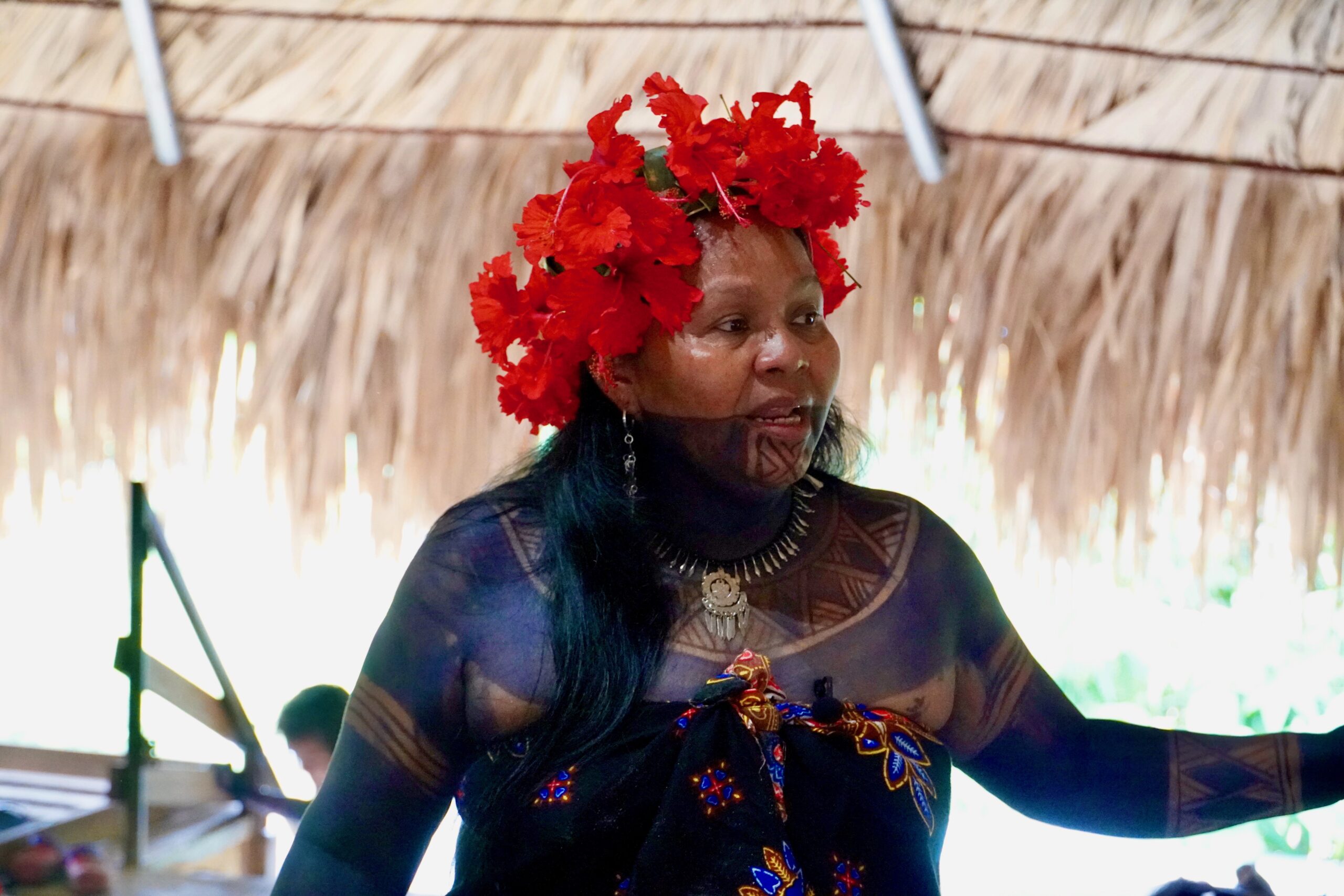
Embera face and body painting is linked to their cosmovision. It is one of the most important manifestations of their culture. Painting each other’s skin expresses the relationships between the members of the community, where each plant, each animal, and each element has a place in their cosmovision and a reason for being. 

Methodology and database 

The methodology developed in the pilot project presents a tool to provide Indigenous women with an organized and authentic vision of their culture to enhance social cohesion, transmission to youth, communication, and generation of economic activity. 

The guide establishes three main categories of cultural references:  

  • The body  
  • The structures and dynamics of community life  
  • Relationships in the territory and with the land of their ancestors.  

Everything points to a continuum between nature and culture, natural order and social order, and individual and community. In addition, time and the calendar occupy a prominent place as a meta-element. Time, in this case, is presented as the way to move forward, to develop the rescue of cultural references. 

We also produced twelve audiovisual references of the Emberá Ipetí community with accompanying texts and created a Database of Cultural References of the Indigenous Peoples of Panama where these resources are classified and can be accessed. 

In this series of videos, the women of the community explain and demonstrate their knowledge, including: 

  • Baby ritual (Warrazaque) 
  • Cultural house (Wera de) 
  • Rice ball (Bododji) 
  • Collection of chunga (Iwa / Nawal, Jupijapa, Carludovica palmata) 
  • Dyeing of the chunga (Iwa Zoadia) 
  • Senora Nely’s basket (Hösig di) 
  • Body painting (Kiparada Odia / Jawa) 
  • Preparation of pumpkin (Zan Dodi Karea) 
  • Preparation of corn (Be badia) 
  • Preparing the sacred space (Dau Zadia Jaibana) 
  • Opening of the room (Chimbombom / Karidia Werada) 
  • Spiritual cleansing (Dau Zadia) 

Watch the videos here: (in Spanish) 

“We Indigenous women need organizations, like the [Indigenous] Foundation, that give us hope, that give us confidence to continue challenging the process of social construction of Indigenous women, because many times when we do not have that confidence, we do not have those strategic allies. There are many people who continue speaking on behalf of Indigenous women and that is what we are not looking for. Maybe we have been able to reach their thoughts and their hearts and to be able to implement this great project of the needs and aspirations of Indigenous women, so that this knowledge can be transmitted from generation to generation,” says Omaira. 

Future pilots will be carried out with other Indigenous communities of Panama to expand the Database of Cultural References and involve more Indigenous women in the cultural restoration process for empowerment, the transmission of knowledge to future generations, and for the promotion of economic activity.  

There are different forms of cultural houses: the bat house, with a trunk in the center, representing men, and the women’s house, without a trunk because the women support themselves collectively. For the Emberá community it is important to take good care of nature and build the house with love, for the good of the new generations. 

News

A new generation of Indigenous leaders to promote rights and an alternate vision of development

Expert Degree empowers 44 Indigenous community leaders from Latin America to create and support agendas for change

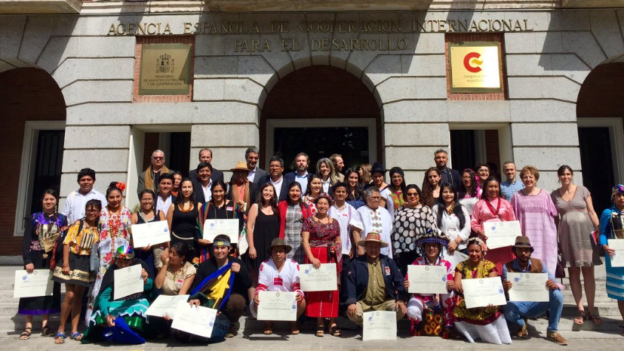
The FSC Indigenous Foundation (FSC-IF) supported the 16th edition of the Course: Expert Degree in Indigenous Peoples, Human Rights, and International Cooperation for Indigenous leaders in Latin America offered by the Fund for the Development of the Indigenous Peoples of Latin America and the Caribbean (FILAC) through the Universidad Carlos III de Madrid. 

Strong Indigenous leadership is essential for community development. The students who attended the course will become part of a new generation of global leaders who will provide solutions to protect Mother Earth, rooted in their cosmovision, ancestral knowledge, and innovation.

The future of the whole planet depends on the future of Indigenous Peoples. 

The course provided participants with training to assume responsibilities and leadership roles in the design and creation of national public policies to defend and protect Indigenous Peoples’ rights. In addition to leadership and capacity development, the Expert Degree promoted community and knowledge exchange around to the common values among the Indigenous students and awareness of shared challenges. 

Myrna Cunningham, Vice President of the board of FILAC, explained, “we have tried to promote a new intercultural higher education model which combines, in a very respectful way, the knowledge of our Indigenous Peoples with the knowledge of modern science together, and innovate, through a constructive dialogue, solutions to respond to the barriers which keep our peoples oppressed and discriminated against.”  

Francisco Souza, Managing Director of the FSC-IF, emphasized why Indigenous leadership is so important. “Less than 5% of the population of the planet manages almost 50% of the territory. And this 50% of the territory has been extremely effective in protecting Mother Earth. Here we are talking about 70% of the planet’s native forests…Indigenous Peoples are important in proposing solutions to challenges we face in different parts of the planet.” 

Scholarships funded by the Spanish Agency for International Development Cooperation (AECID), the Anne Deruyttere Foundation, the International Labor Organization (ILO), and the FSC Indigenous Foundation allowed 44 students to attend this course, including 25 Indigenous women leaders. The FSC-IF supported nine students from different Indigenous Peoples organizations in Bolivia, Guatemala, and Panama. 

“These topics deepen knowledge related to the human rights of Indigenous Peoples to achieve an alternative vision of more human development,” said Enrique Obaldia Pérez of the Guna People of Panama, one of the students supported by the FSC-IF. 

Listen to him discuss the importance of learning about the colonization of power, of being and knowing, intercultural education, multilingualism, development of identity, racism, and of living well.  

“I will continue to strengthen this knowledge which I consider a way to keep the essence of our true identity as Indigenous Peoples alive,” said Liria Elizabeth Tay Ajquill of the Maya Kaqchikel People of Guatemala, another student supported by the FSC-IF. 

Watch Liria’s video on how knowledge can lead to increased visibility of Indigenous Peoples and societies where collective rights and identity are respected and protected. 

Read more testimonies of previous graduates here.  

At FSC-IF we believe that Indigenous Peoples and their organizations have the capacity and should have access to the right tools and skills to be able to defend their rights, territories and livelihoods and achieve their vision of development. The FSC-IF and its Program the Indigenous Peoples Alliance for Rights and Development (IPARD) work to strengthen the capacities of Indigenous Peoples’ organizations through the development of leadership, planning, management, organizational, technical, and negotiation skills, as well as the capacities of other stakeholders in Indigenous issues.  

Watch the closing ceremony of the 16th edition of the Expert Degree here