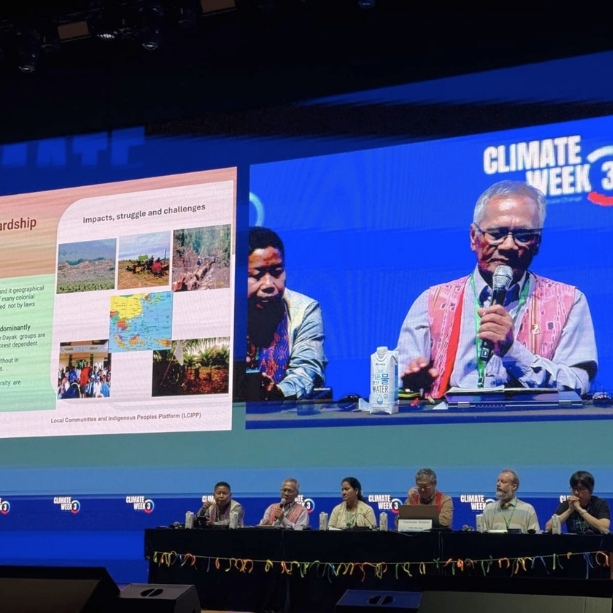
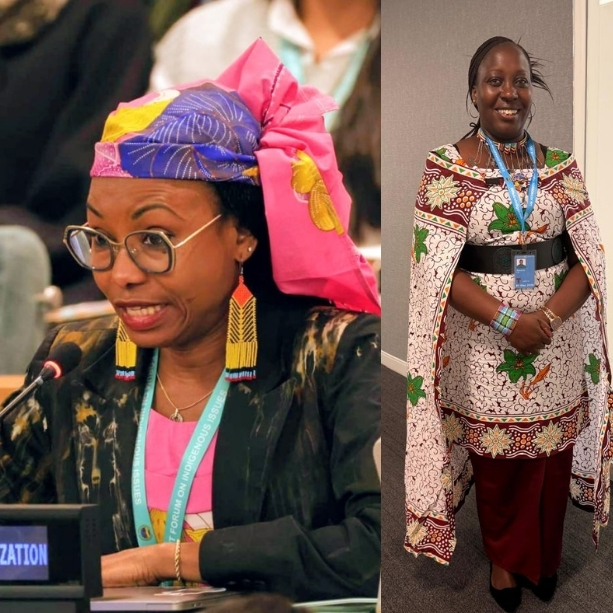
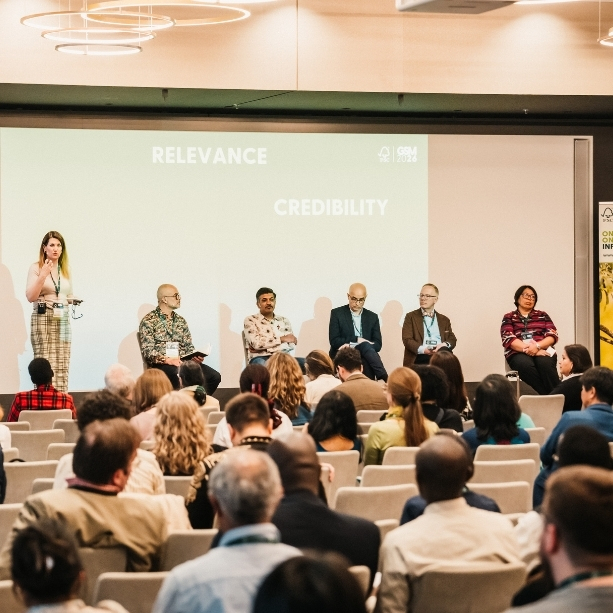
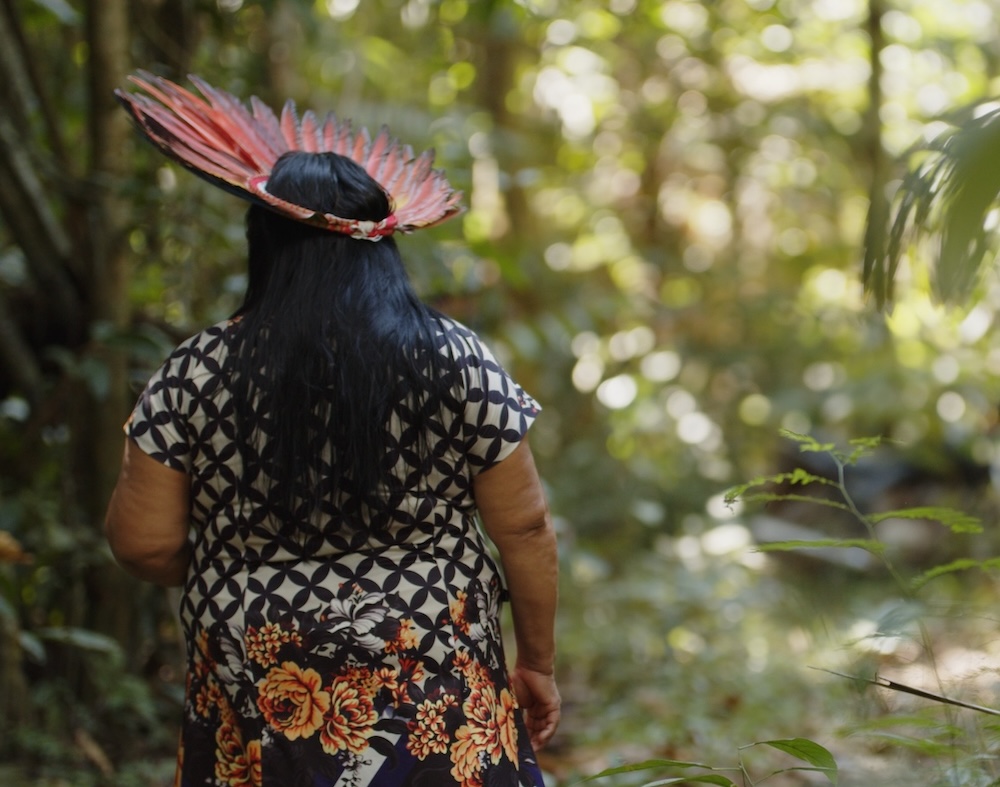
Indigenous voices in Santa Marta, New York, Cambridge (UK)
FSC IF
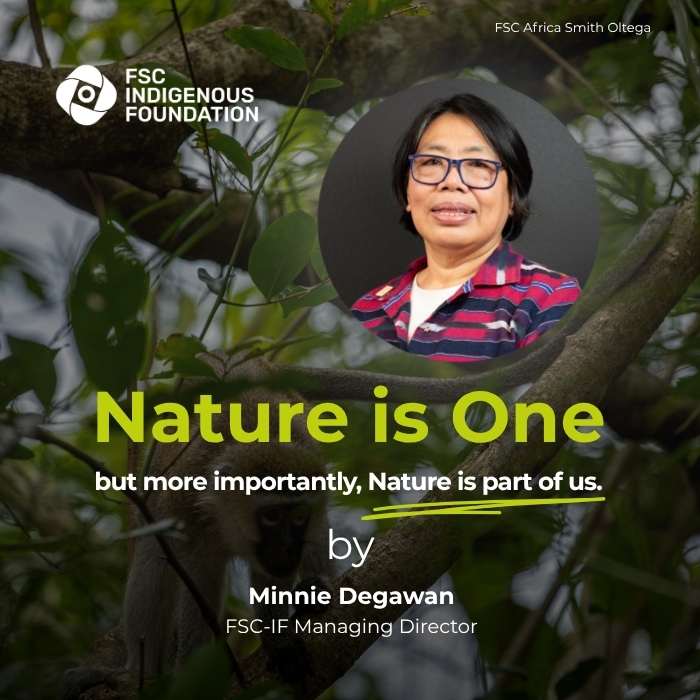
“For us, biodiversity is life,” Minnie Degawan
From safeguarding forests and mountains to nurturing sustainable food systems, Indigenous communities have long been stewards of nature through ancestral wisdom and deep responsibility to the land.
A Call for Integrated Action on Climate, Biodiversity, and Land Crises
Explore the need for stronger collaboration across the Rio Conventions. Indigenous leadership and knowledge are essential for addressing climate, biodiversity, and land crises through integrated solutions.
From Commitment to Action:
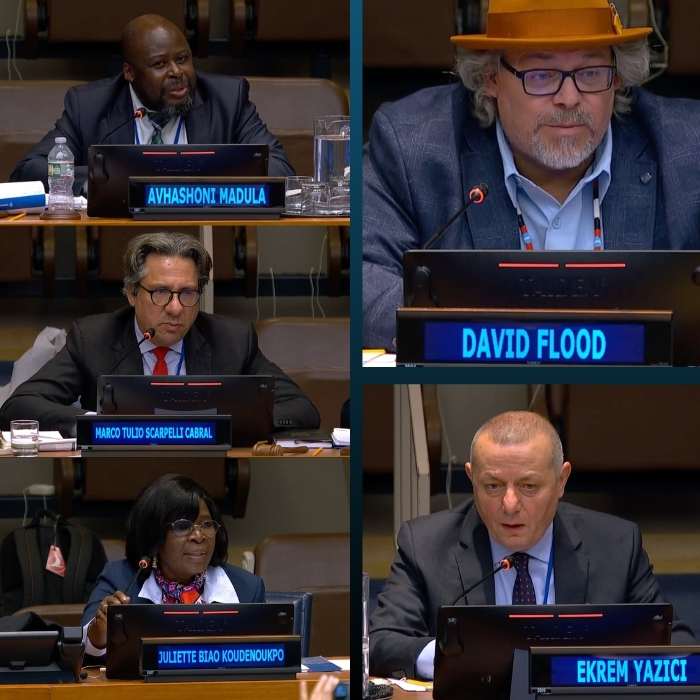
Scaling Sustainable Forest Management Halting Degradation and Deforestation (UNFF21 Side Event, FSC). “There is more value to the wood, the land, the forest, the water, the soil, plants, crawlers, swimmers, the fliers. This is why we say all our relations,” David Flood, Matachewan First Nation.
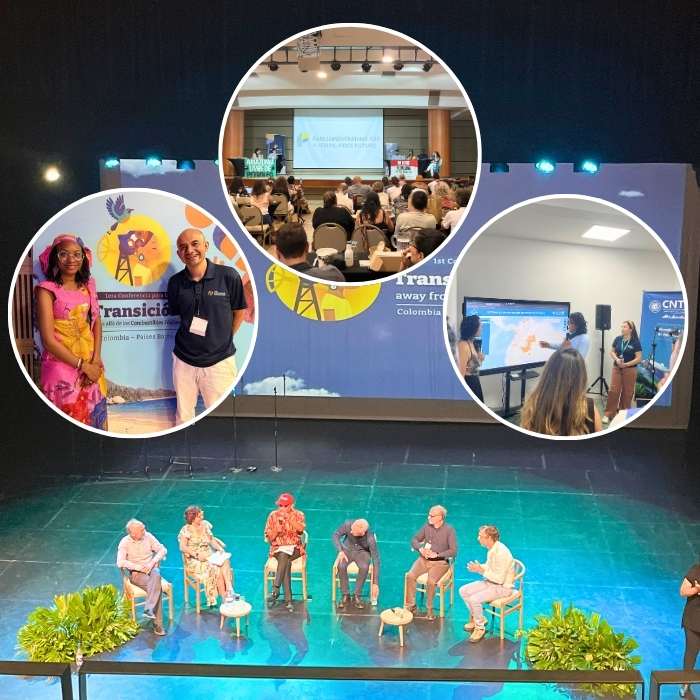
First International Conference on Transitioning Away from Fossil Fuels
In the event, it was highlighted that exchanges between Indigenous Peoples communities strengthen territorial solutions and sustainable forest-based livelihoods…
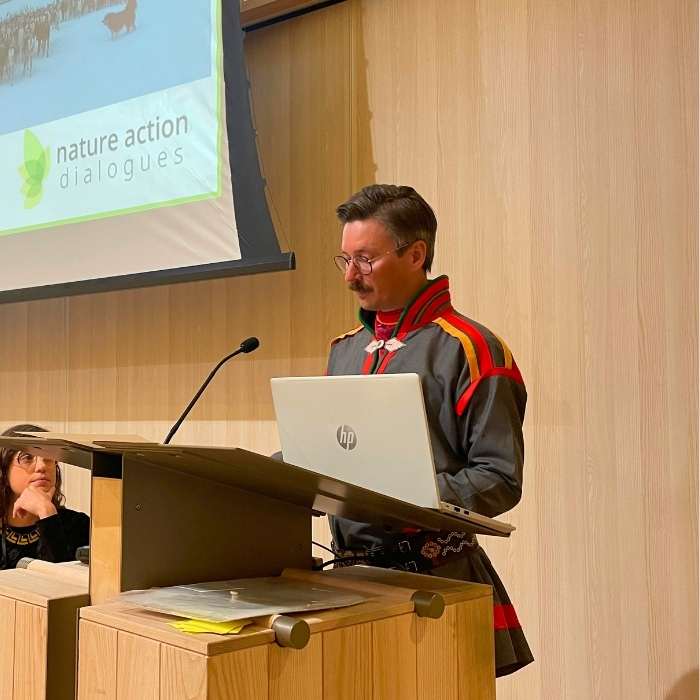
Nature Action Dialogues
Learning from Indigenous knowledge and leadership: Inspiring business models for nature and people “The quality of life and care of nature are more important than economic profit…” Niila Inga, Sámi People.
Indigenous Peoples Are Essential to Protecting Biodiversity
FSC IF
On this International Day for Biological Diversity, FSC-IF’s Managing Director, Minnie Degawan, highlights the vital role of Indigenous Peoples in protecting biodiversity and sustaining life for future generations.
“For us, biodiversity is life.” – Minnie Degawan
For Indigenous Peoples across the world, biodiversity is not only about protecting nature. It is a way of life rooted in responsibility, stewardship, and intergenerational knowledge.
For generations, Indigenous Peoples have worked at the local level to sustain ecosystems and protect biodiversity. Yet despite their contributions, policies affecting natural resources are too often developed without their meaningful participation. In many cases, Indigenous communities continue to face displacement from their lands due to extractive industries or conservation approaches that fail to respect their rights and knowledge systems.
As we mark Biodiversity Day, we must move beyond acknowledgement and take meaningful action to support Indigenous Peoples’ rights to lands, territories, self-determination, and resources.
Protect Indigenous rights, protect biodiversity.
Support Indigenous-led action for people and planet:
Indigenous voices in Chiang Mai, Oaxaca, Yeosu, New York, and Bonn.
FSC IF
Photos: Minnie Degawan: FSC/Christoph Söldner, other photos: FSC-IF
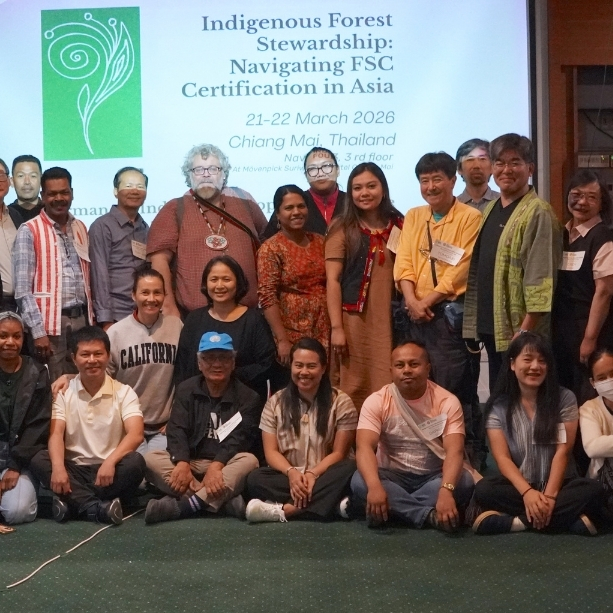
PIPC Asia Regional Meeting:
In Chiang Mai, a crucial dialogue unfolded, where Indigenous leaders challenged systems, shared lived realities, and reimagined the future of forest governance in Asia.
UNPFII in New York:
“Ensuring Indigenous Peoples’ health, including in the context of conflict.”
Protect their rights. Protect the Forests. Protect the Earth.
Exchange among Indigenous Peoples and the Development of Nature-Based Economic Models
FSC IF
April 2026, Ixtlán de Juárez, Oaxaca, Mexico
On April 1 and 2, 2026, a delegation of Indigenous Peoples from the Darién region of Panama visited Ixtlán de Juárez, in the Sierra Norte of Oaxaca, as part of the “Panama – Mexico,” a platform for exchange promoted by the FSC Indigenous Foundation (FSC-IF) with support from the Inter-American Development Bank Group’s innovation lab.
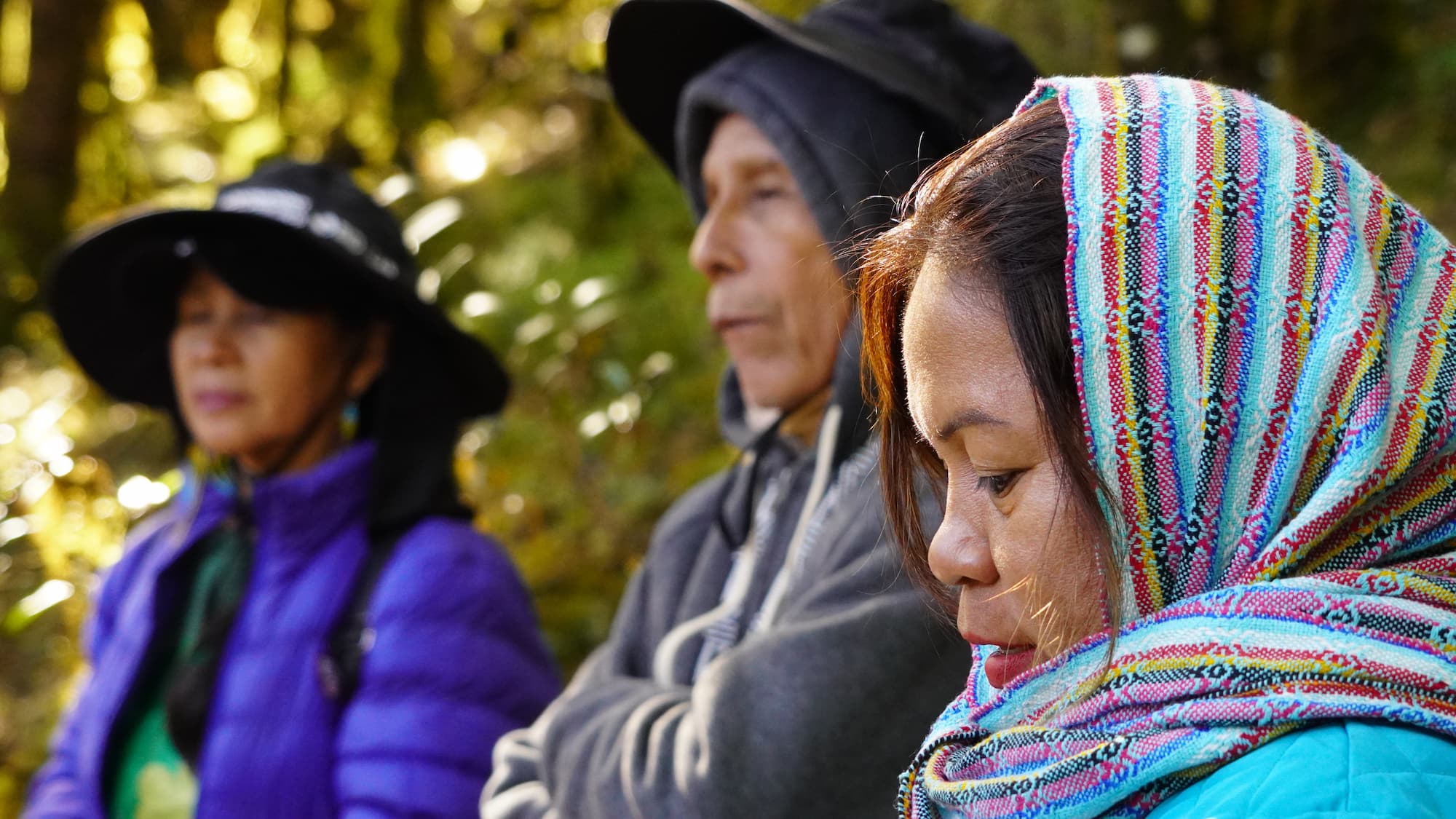
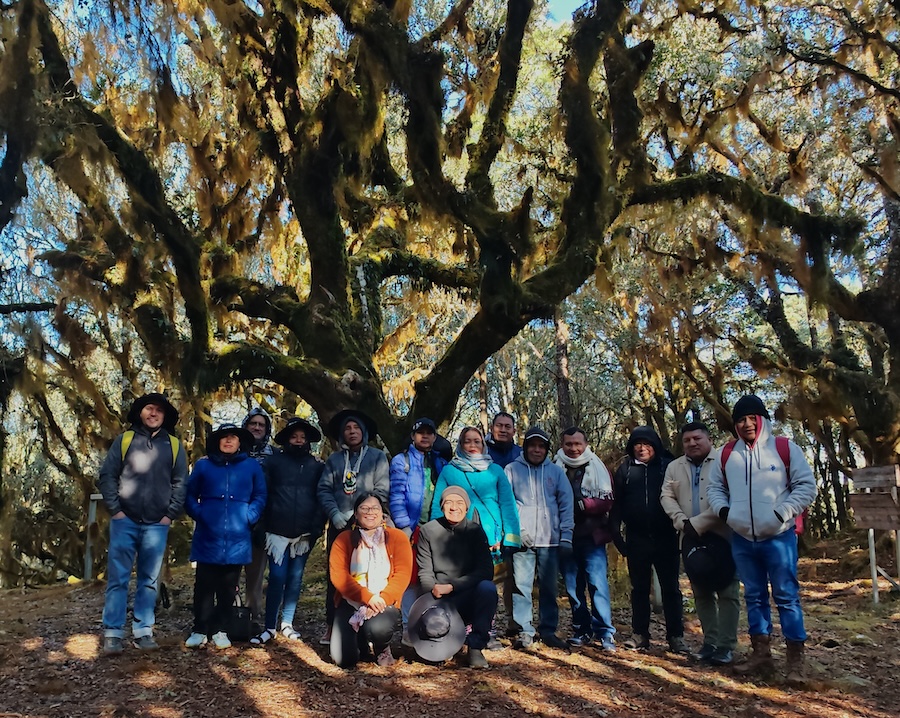
The delegation was composed of representatives from the communities of Alto Playón, Puerto Lara, Arimae, and Emberá Puru, belonging to the Emberá and Wounaan peoples, who engaged in direct dialogue with community leaders from the Zapotec community of Ixtlán de Juárez, accompanied by the project’s technical team and FSC Mexico.
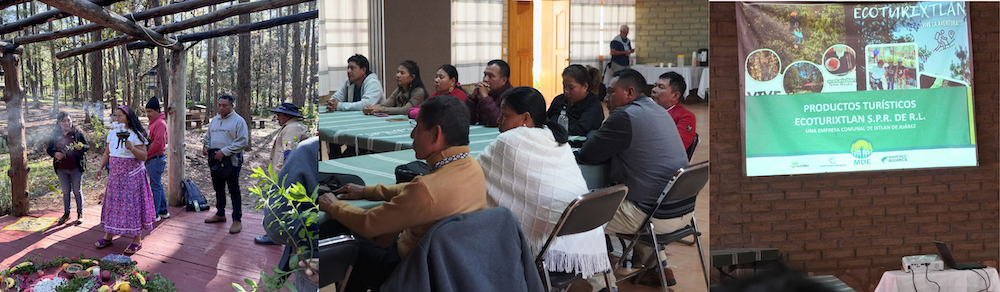
Traditional ceremony and dialogue
This exchange is part of the project “Boosting Indigenous Nature-Based Business Models”, an initiative led by the FSC Indigenous Foundation and co-financed by IDB Lab, which supports indigenous communities in building their own economies based on their relationship with the land.
Through this process, communities in the Darién region are exploring how to transform their knowledge, practices, and forms of organization into economic models that generate income without disrupting the balance with nature, and identifying mechanisms that allow them to recognize and communicate the cultural, social, and environmental value of their products and services.
Learning among communities, such as that experienced in Ixtlán de Juárez, thus becomes a key tool for identifying their own paths to development while simultaneously strengthening community governance and the capacity to make long-term decisions.
Governance and Community Vision
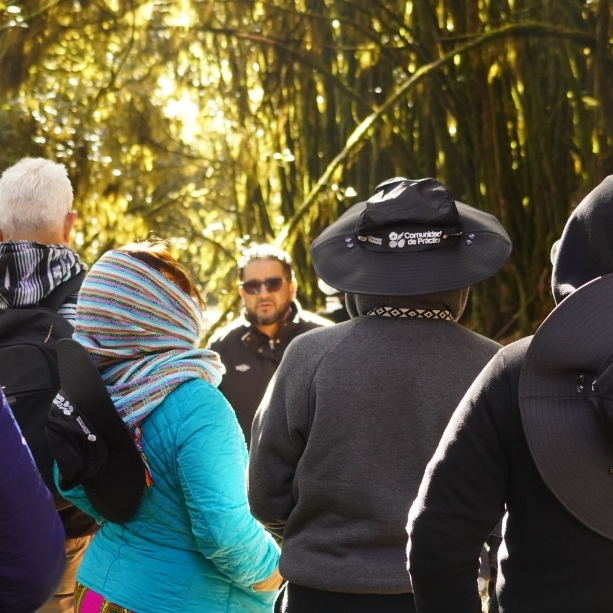
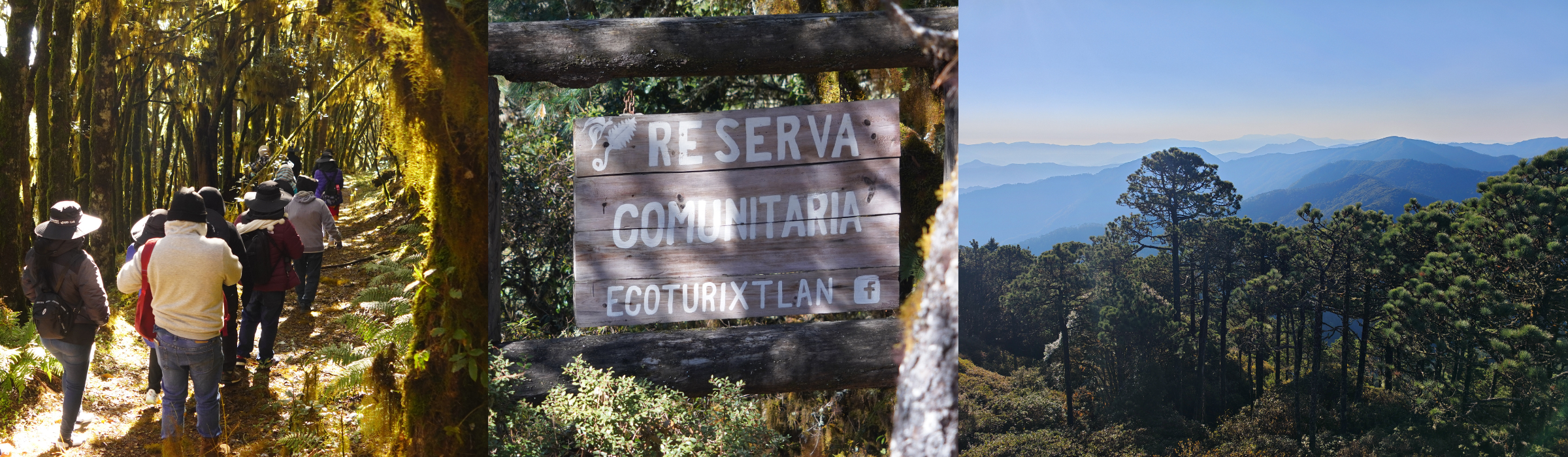
Visit to the community reserve
In Ixtlán de Juárez, the forest is central to community life. Its management is underpinned by an assembly-based governance structure, where decisions are guided by a long-term collective vision. This model is strengthened through FSC-certified forest management, which has helped establish clear criteria for forest management and consolidate responsible management practices.
During the exchange, the Commissioner of Communal Assets, Amado Maurilio Méndez Pacheco, shared some of the principles that have helped consolidate this model:
“We often want to see quick results, but community processes are long-term. A business needs time to mature. Here we have learned to organize ourselves, to reinvest, and to be clear about where we want to go as a community.”
More than isolated initiatives, the enterprises, forest management, and social organization are part of a single system that serves the community’s well-being.
Beyond the Forest: Community-Owned Businesses
One of the main focuses of the visit was to learn about the network of community-owned businesses that Ixtlán has developed within its territory.
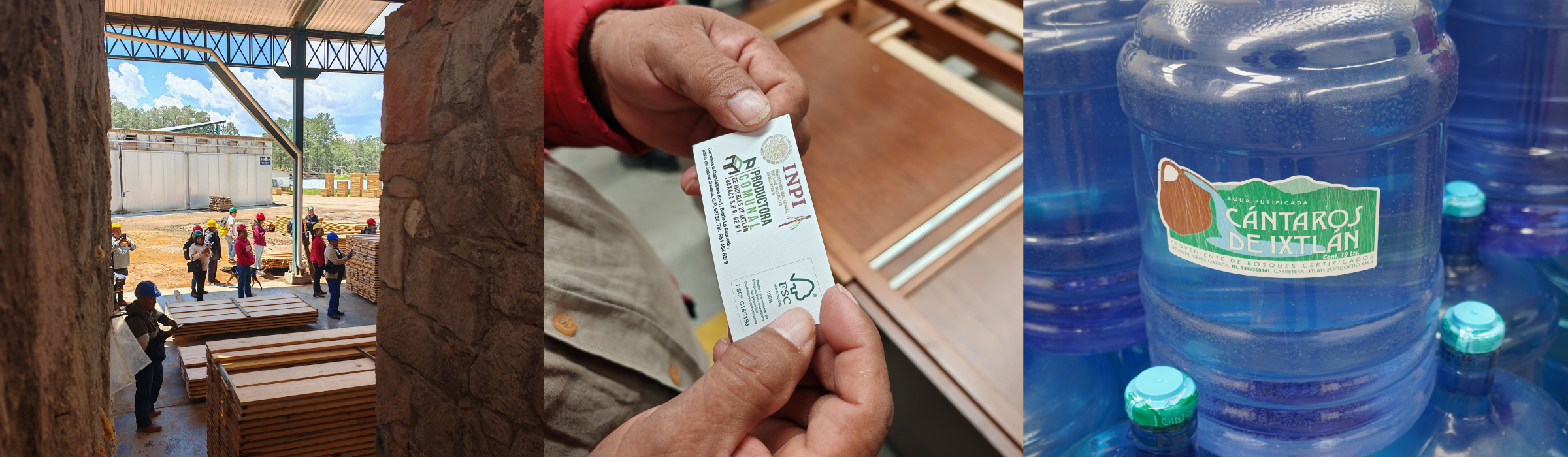
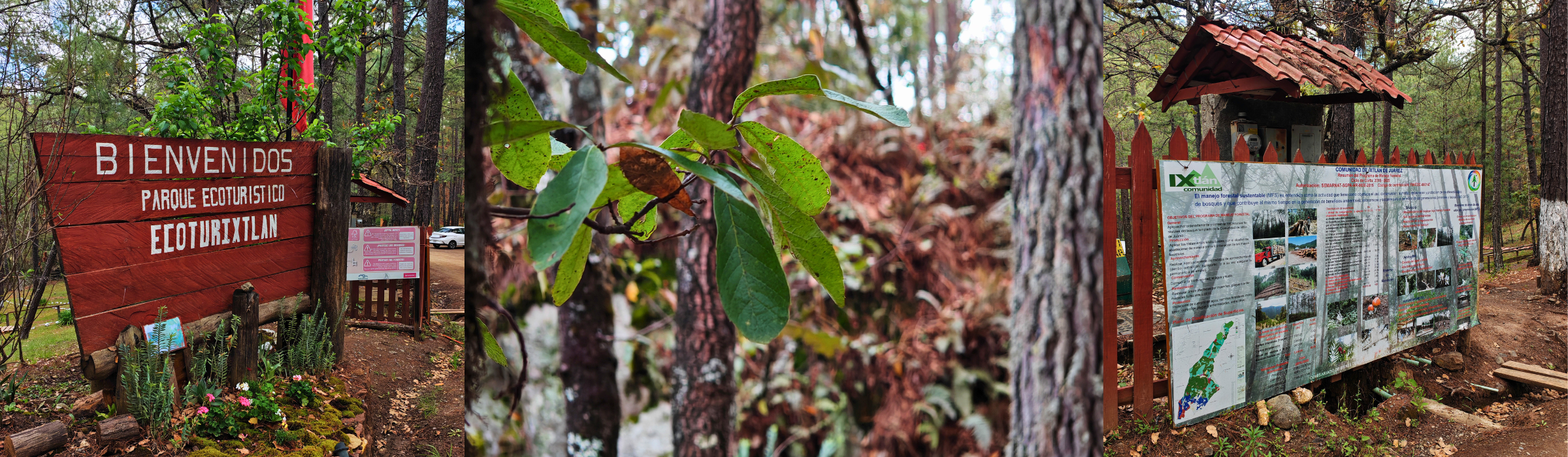
The delegation visited various productive initiatives created and managed by the community itself, including the sawmill, the furniture factory, the purified water bottling plant, and the Ecoturixtlán ecotourism park, where they also stayed.
Tour of the sawmill and bottling plant
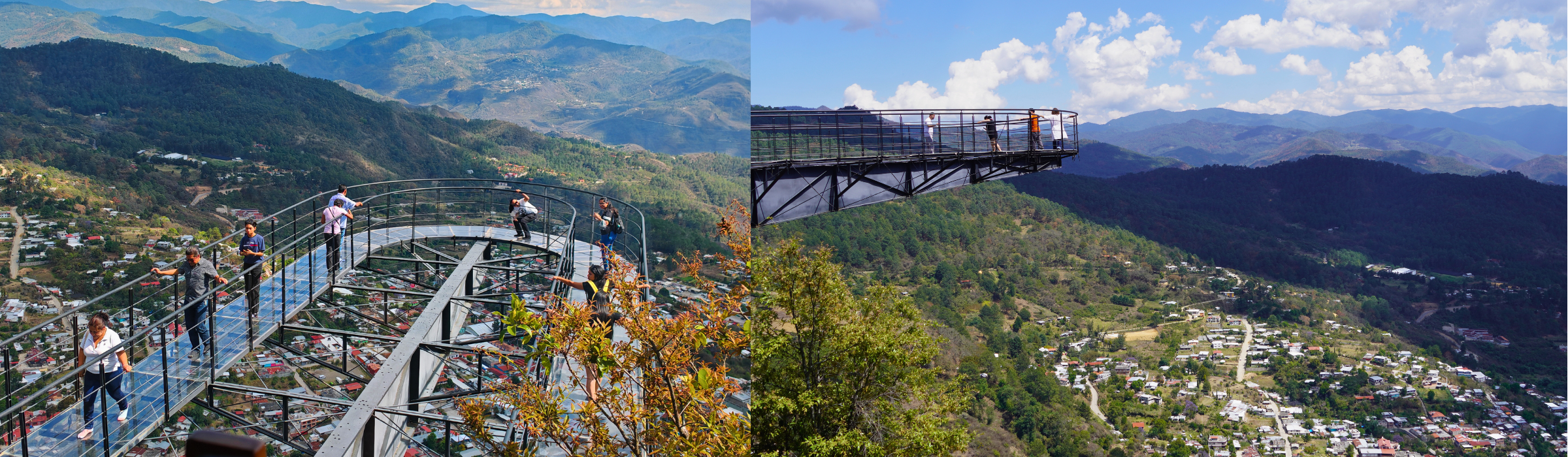
Among the sites visited, the Glass observation deck stood out as one of the highest observation decks of its kind in Latin America and a flagship example of the community-based tourism model. Its development has generated jobs and income not only for Ixtlán but also for neighboring communities that are part of the tourism value chain.
Glass observation deck
The Juguetearte Capulálpam initiative also participated; it crafts toys from wood waste from the forest. This model particularly caught the participants’ attention, as it demonstrated how materials not used in industrial processes can be utilized to generate economic value while simultaneously contributing to forest conservation.
Community Economy and Decision-Making
The exchange provided insight into how the community organizes and distributes the benefits of its economic activities.
In Ixtlán, income is not allocated solely for individual distribution. A portion goes toward social provision, another toward reinvestment in the forest and the enterprises, and only a fraction is distributed directly.
In the words of César Canseco, Chief Operating Officer of Ecoturixtlán
“Ixtlán isn’t looking to make a fortune from its businesses, but rather to create jobs. This allows young people to stay and find opportunities within the community. In the past, many wanted to become forest engineers because it was the main source of livelihood; today, they’re also seeking training in tourism, management, and other fields.”
This model is based on a logic of long-term sustainability, where economic development is built without compromising the land.
Likewise, the importance of having technical support to strengthen the management of community-owned businesses and ensure their long-term viability was emphasized.
Field-Based Learning
The activities included tours of the mesophilic mountain forest, as well as visits to local agricultural and tourism projects.
Ecoturixtlan Ecotourism Park
During these sessions, Alina Santiago, a Zapotec indigenous leader from Ixtlán de Juárez, played a key role in presenting the community model. Together with Alejandro Reynosa of FSC Mexico, they presented the FSC forest management certification and addressed the delegation’s questions, particularly regarding how this tool can strengthen forest management and help diversify income sources for indigenous communities.
Beyond the technical content, the gathering included ceremonies, cultural expressions, and opportunities for dialogue that reflect the deep connection between territory, identity, and community.
The delegation from the Emberá and Wounaan peoples shared with great interest and admiration the impact they felt upon learning about the work carried out by their Zapotec brothers and sisters. They expressed their enthusiasm upon observing the results of a process built over 60 years, as well as the growth achieved and the development of productive initiatives with a high level of organization. They particularly highlighted the way in which they have managed to sustainably utilize forest resources, while keeping the forest strong, healthy, and protected.
Luviana Chamapuro, president of the Indigenous organization Oropéndolas, shared this enthusiasm:
“I’m going back to my community very happy because I can share this; that’s why I came: to see and share with my community. Tourism is important, and welcoming tourists is important; we are artisans, we can offer good products and good service, and I will be sharing this with the group that welcomes tourists. They’ve accomplished these great projects they’re working on, and it’s not easy; it took many years, but they did it, and I’m speechless.”
Chief Aulina Ismare Opua, chief of the Wounaan People’s General Congress, also shared:
“The environmental aspect: I’m surprised to see land-use planning within the hectares. In Panama, some communities have it; we just need to harness the technical potential and add value. It helps us tell the government that we don’t just want to have it for the sake of having it, but that we want to decide how to care for it, and this also helps the development of the population and the government itself.”
Part of the delegation: The Emberá and Wounaan Peoples
Diversification and Ecosystem Services
One of the key topics of the exchange was income diversification through ecosystem services, particularly given the interest of Panamanian communities in identifying new economic opportunities beyond timber harvesting.
As Alina Santiago noted:“There are other products derived from the forest: water, handicrafts, biodiversity, carbon credits. There are seven ecosystem services managed by the FSC.”
This approach highlighted how forest benefits can be translated into business models that do not rely solely on timber, opening opportunities for communities that, due to their geographical conditions, do not have large forest areas.
In this regard, FSC-certified forest management was presented as a tool that strengthens community organization, facilitates better forest management, allows for the identification of economic diversification opportunities, and opens up possibilities for accessing new markets, including mechanisms such as the carbon market.
A Dialogue Among Territories
The experience in Ixtlán de Juárez offers insights that can be adapted to different contexts, recognizing that each territory has its own unique conditions, but also that there are common principles in the development of sustainable community models.
From the Sierra Norte of Oaxaca to the Panamanian Darién, the forest remains a meeting place, where sustainability is not an abstract concept, but a practice built by the community.