
News

International Women’s Day – March 8

Indigenous women, their rights, and Mother Nature’s protection

Across the world, women continue to lead change in their families, communities, and ecosystems. Among them, Indigenous women stand out as vital guardians of nature, holders of knowledge systems that sustain biodiversity, protect ecosystems, and help communities adapt to climate change. Yet their contributions are still too often overlooked in policy making, research, and public discourse. 

International Women’s Day offers an opportunity not only to reflect on the inequalities women continue to face, but also to recognize their profound contributions to society and to the planet. In many Indigenous communities, women play central roles in sustaining cultural traditions while protecting the natural environments on which their communities depend. 

As Indigenous leader Aissatou Ibrahim reflects on the meaning of the day:

“For me, International Women’s Day is simply a way of valuing even the little things that women do, even within the home. In the morning, it is she who wakes up earlier than everyone else, and it is she who goes to bed later than everyone else. Therefore, without women there is no life. Without women there is also no joy in the home. A house without a woman is like a house in darkness.”  

Her words remind us that the everyday contributions of women, often invisible or undervalued, are fundamental to the well-being of families, communities, and societies. 

When these contributions remain unseen, their knowledge is also excluded from environmental policies and conservation strategies. As a result, valuable opportunities to strengthen sustainable ecosystem management are lost. 

Knowledge carriers and climate observers 

In many Indigenous communities, women hold deep knowledge about plants, animals, weather patterns, and ecosystems. This knowledge is developed through generations of observation, experience, and cultural practice, and it plays an essential role in sustaining both livelihoods and biodiversity. 

Aissatou describes the depth of this knowledge in her community: 

“It is the woman who knows where to find herbs, trees, and leaves, whether for food, for healing, for teaching, or for expanding that knowledge and traditional wisdom.” 

This understanding of nature extends far beyond the use of plants. Indigenous women closely observe seasonal changes, animal behavior, and environmental signals that help communities anticipate climate conditions. 

As Aissatou explains: 

“Women know how to predict the weather. When it will be hot, when it will rain, what the season will be like, whether it will be long or short, whether there will be floods or drought.” 

These observations are vital in regions where livelihoods depend closely on natural cycles. Women often guide decisions about planting seasons, the use of natural resources, and the movement of animals, helping communities adapt to changing environmental conditions. 

Challenges and pressures 

Despite their essential role in environmental stewardship, Indigenous women continue to face significant challenges. Many Indigenous territories are increasingly threatened by deforestation, extractive industries, and land encroachment, placing both ecosystems and traditional livelihoods at risk. 

At the same time, social inequalities and gender discrimination often limit women’s participation in environmental decision-making. Recognizing Indigenous women’s rights, including their land rights, cultural rights, and leadership in environmental governance, is therefore essential for both gender justice and biodiversity protection. 

Indigenous identity and the future 

Despite these challenges, Indigenous women continue to demonstrate resilience, leadership, and determination. 

For Aissatou, Indigenous identity is a source of pride and strength: 

“Being indigenous means having traditional knowledge and wisdom, having an identity, being connected to a territory in one way or another.” 

This connection to land and culture shapes how Indigenous communities understand their responsibility to protect nature and sustain their way of life. 

Aissatou also shares an inspiring message for younger generations: 

“Young women, this message is for you. Be proud of who you are. Be very happy to be Indigenous, whatever your people, your country, or your origin.” 

“Being indigenous is an opportunity that we must never let slip away, and we must care for and protect our community, our identity, our culture, and our traditional knowledge.” 

Today, as we mark International Women’s Day, it is important to remember that the protection of nature and the advancement of women’s rights are deeply interconnected. 

The Forest Stewardship Council (FSC) and the FSC Indigenous Foundation recognize the vital role Indigenous women play in protecting forests, sustaining biodiversity, and strengthening community resilience. Learn more about how the FSC collaborates with Indigenous Peoples in various ways to create shared opportunities.

News

FSC-IF February Newsletter 2026

Highlights of the month and upcoming activities

Across territories and regions, Indigenous leadership continues to shape climate and forest action, and February was a month of connection and collaboration that strengthened this shared commitment in the FSC Indigenous Foundation.

Indigenous Lands Symposium 2026 in Canada 

The Indigenous Lands Symposium brought together leaders, Elders, youth, and partners from across Canada and beyond to center resurgence, restoration, and Indigenous rights in forest stewardship. The gathering created space for powerful dialogue on land governance, Free, Prior and Informed Consent, and the global relevance of Indigenous knowledge systems in addressing climate and biodiversity challenges.  

FSC Aus/Nz Melanie Robertson, Tolita Davis-Angeles, and Jacqueline Lorangi

A dedicated Indigenous exchange with FSC Australia and New Zealand further strengthened cross-regional relationships, as leaders shared experiences of asserting rights, advancing Care for Country, and leveraging tools such as FSC certification to support Indigenous-led stewardship. The week underscored the strength of international solidarity and the importance of learning from one another to advance Indigenous leadership worldwide. 

At the symposium, the panel “Beyond the Boreal” featured FSC-IF managing director Minnie Degawan, FSC PIPC alternate for Oceania Tolita Davis-Angeles, and Indigenous leader Jacqueline Lorangi, who shared cross-regional perspectives and lessons from around the world, with Minnie providing an overview of the key global challenges facing Indigenous Peoples and forest stewardship, and Tolita speaking on “the impacts of colonisation and how this is limiting First Nations Care for Country and how mechanisms like Forest Stewardship Council certification present pathways to increase First Nations opportunities to implement Care for Country practices.”

Webinar on Community-Led Forest Economies  

In the WRI webinar, Indigenous leaders from across regions reaffirmed that securing land rights, strengthening community forest governance, and ensuring direct access to climate finance are essential to advancing climate action, protecting biodiversity, and sustaining Indigenous-led economies.  

Among the panelists in the webinar were Ms. Alina Santiago and Kalea Aquino, both Indigenous women from the FSC Indigenous Foundation, who shared outstanding community leadership stories in forest stewardship and beyond.

Watch the recording:

Boosting Indigenous Nature-Based Business Models 

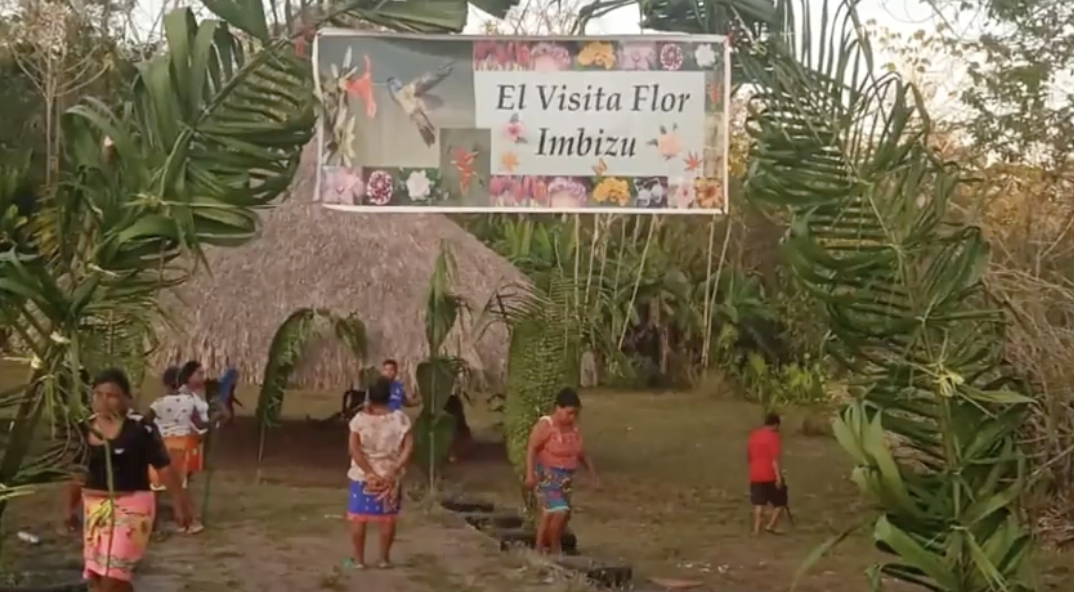
Indigenous women’s leadership continues to drive meaningful action in forest conservation. In the Emberá Purú community in Panama, leaders like Briceida Upua are strengthening local knowledge and stewardship of their territories. From January 22 to 25, FSC Indigenous Foundation, in coordination with Health in Harmony and If Not Us Then Who, facilitated community workshops to review bioacoustic monitoring results based on a biodiversity baseline established in their forests. 

Listen to Briceida’s story:

Through this collaborative process, 211 species were validated, including 199 birds, five mammals, and seven amphibians. This marks a significant advancement in community-led biodiversity knowledge. The initiative reinforced the importance of forest conservation and upheld the community’s rights to manage and use this information under the principles of Indigenous data sovereignty, demonstrating the vital role Indigenous women play in safeguarding their lands and knowledge systems.

FSC-IF in GATC annual planning meeting 

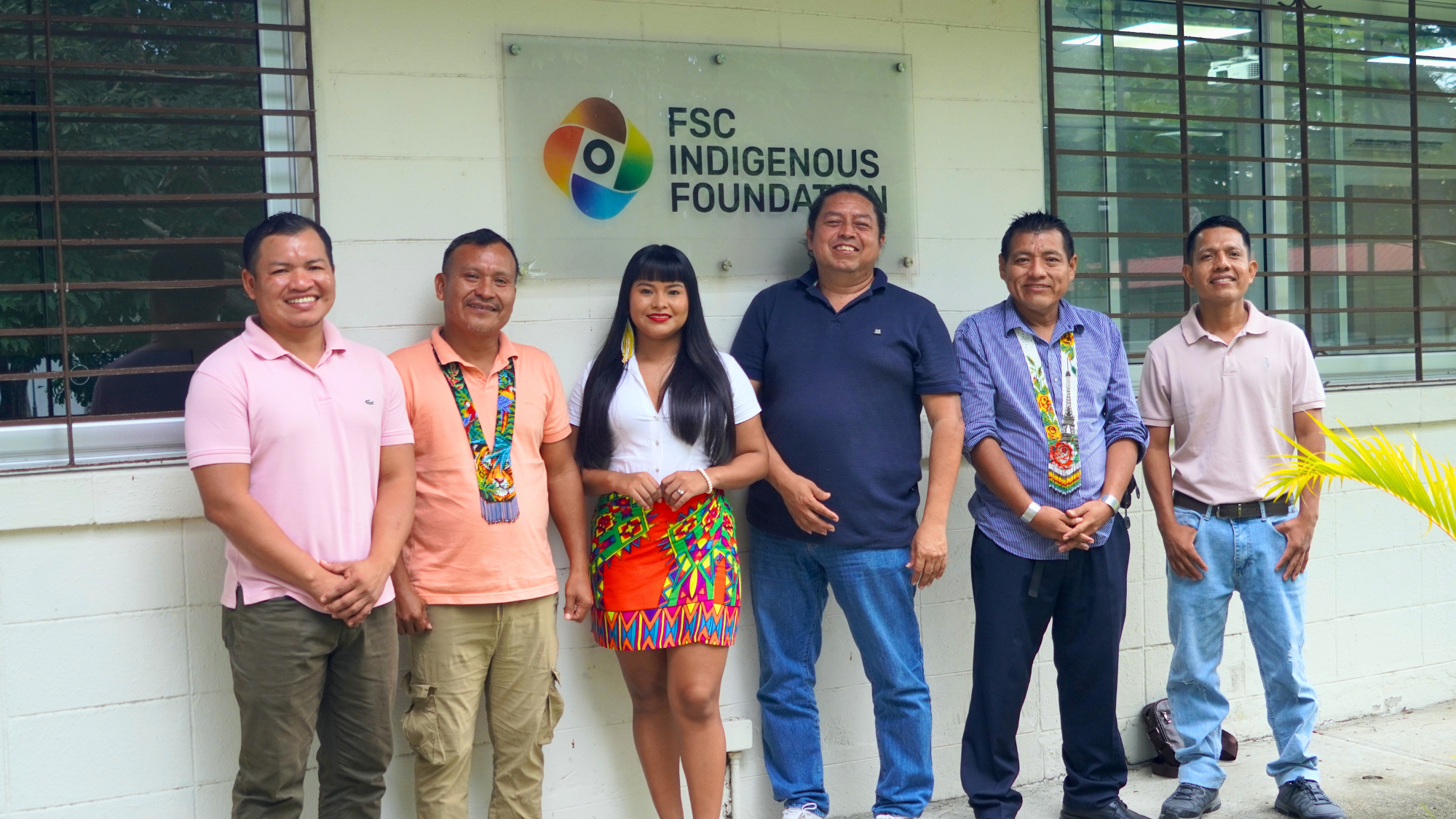
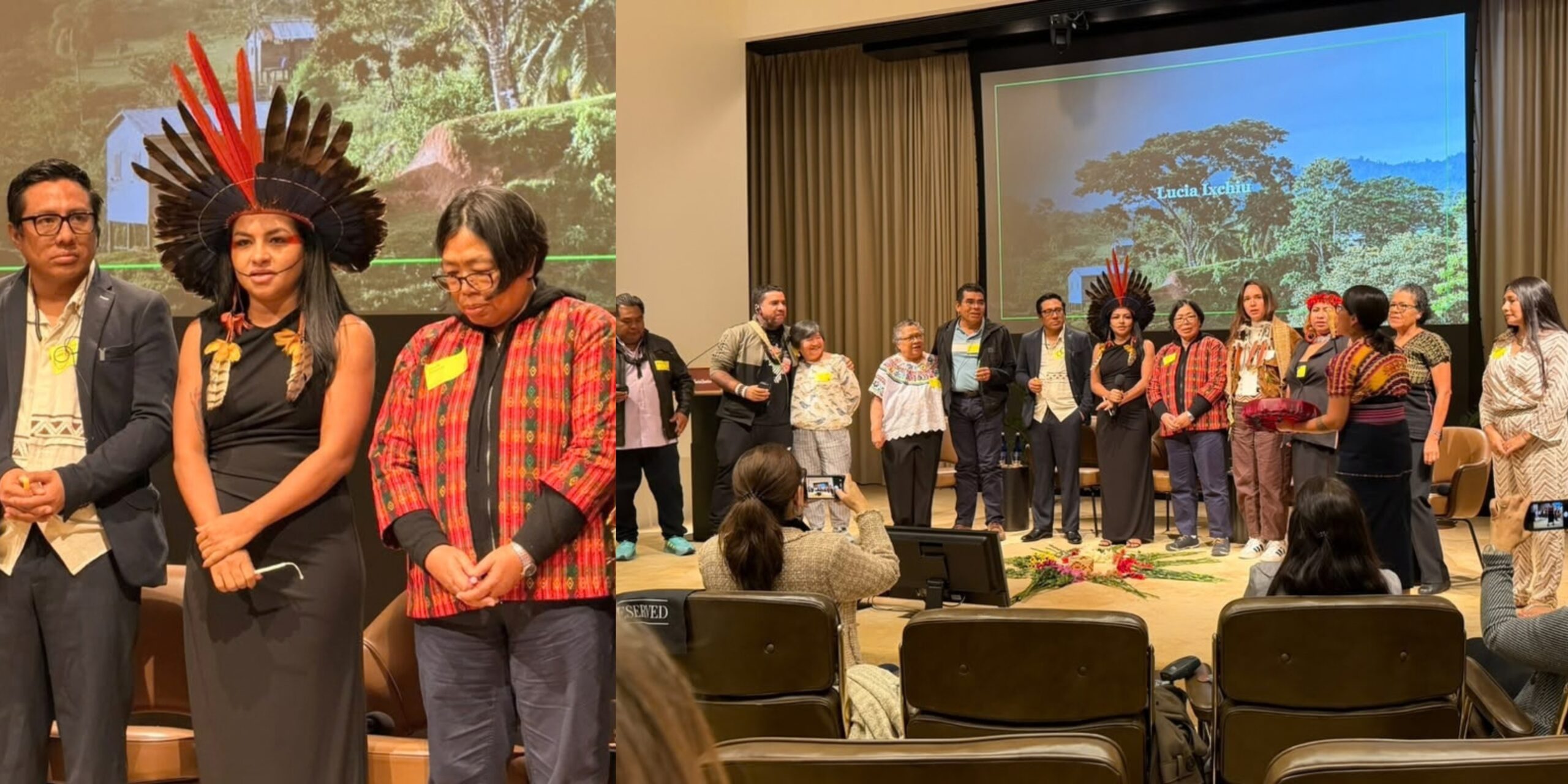
FSC Indigenous Foundation was honored to participate in the Global Alliance of Territorial Communities’ annual planning meeting for 2026, hosted in Panama by the Alianza Mesoamericana de Pueblos y Bosques and the territorial authorities of Guna Yala and Emberá from February 22nd to 27th.

Participants aligned key priorities for the year ahead, including governance and budget discussions, updates from member organizations, the Women’s and Youth Movements, the Shandia Platform, and the development of the 2026 strategy.

Levi Sucre, AMPB

During the gathering, FSC-IF Managing Director Minnie Degawan underscored the urgent need for stronger Indigenous solidarity in the face of climate change, biodiversity loss, and shrinking civic space, emphasizing that no single organization can address these challenges alone. She reaffirmed FSC-IF’s commitment to collaboration with GATC, including joint fundraising, technical exchange, and practical support such as strengthening global alliances across regions.  

Minnie Degawan, FSC-IF

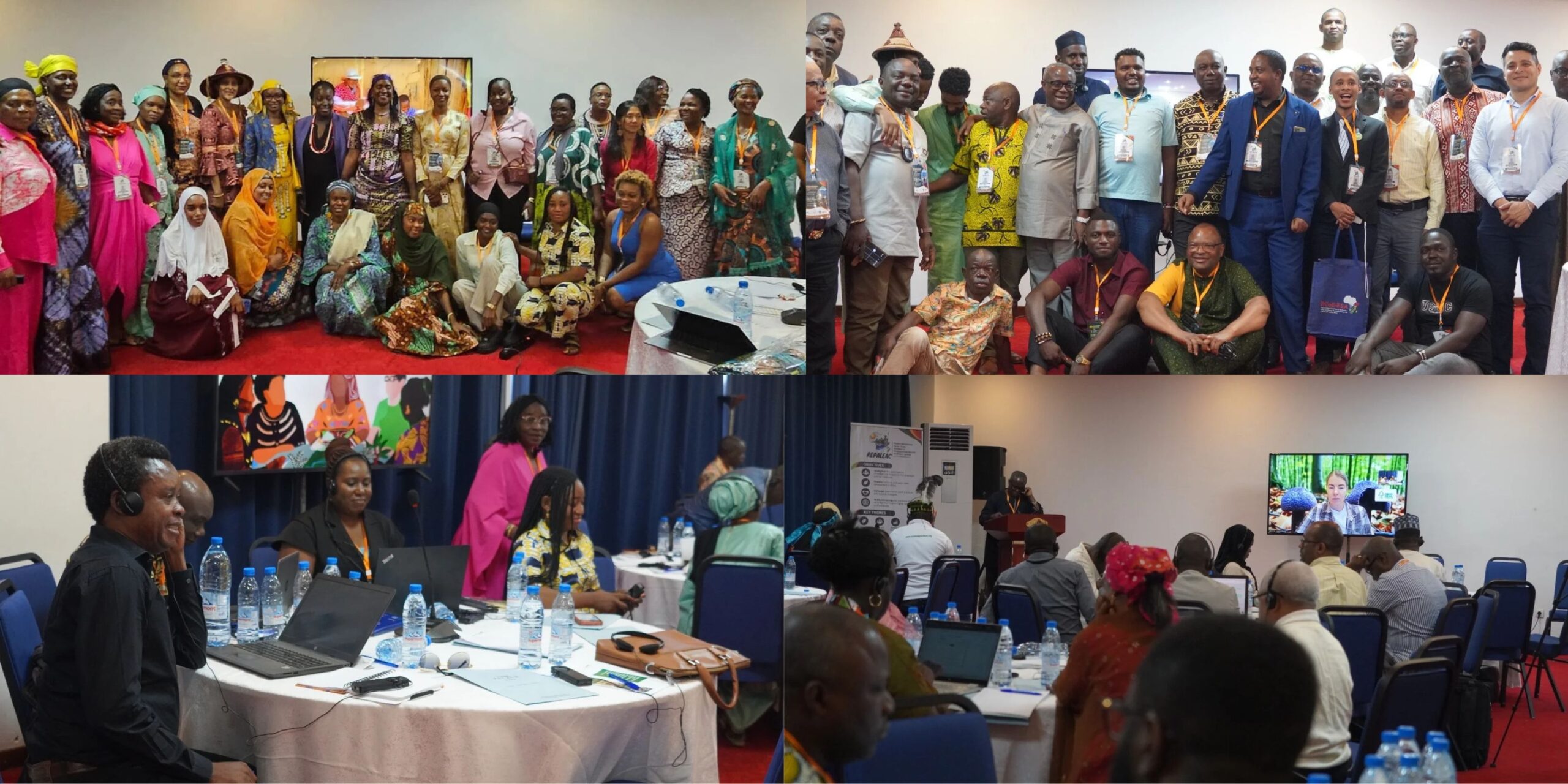
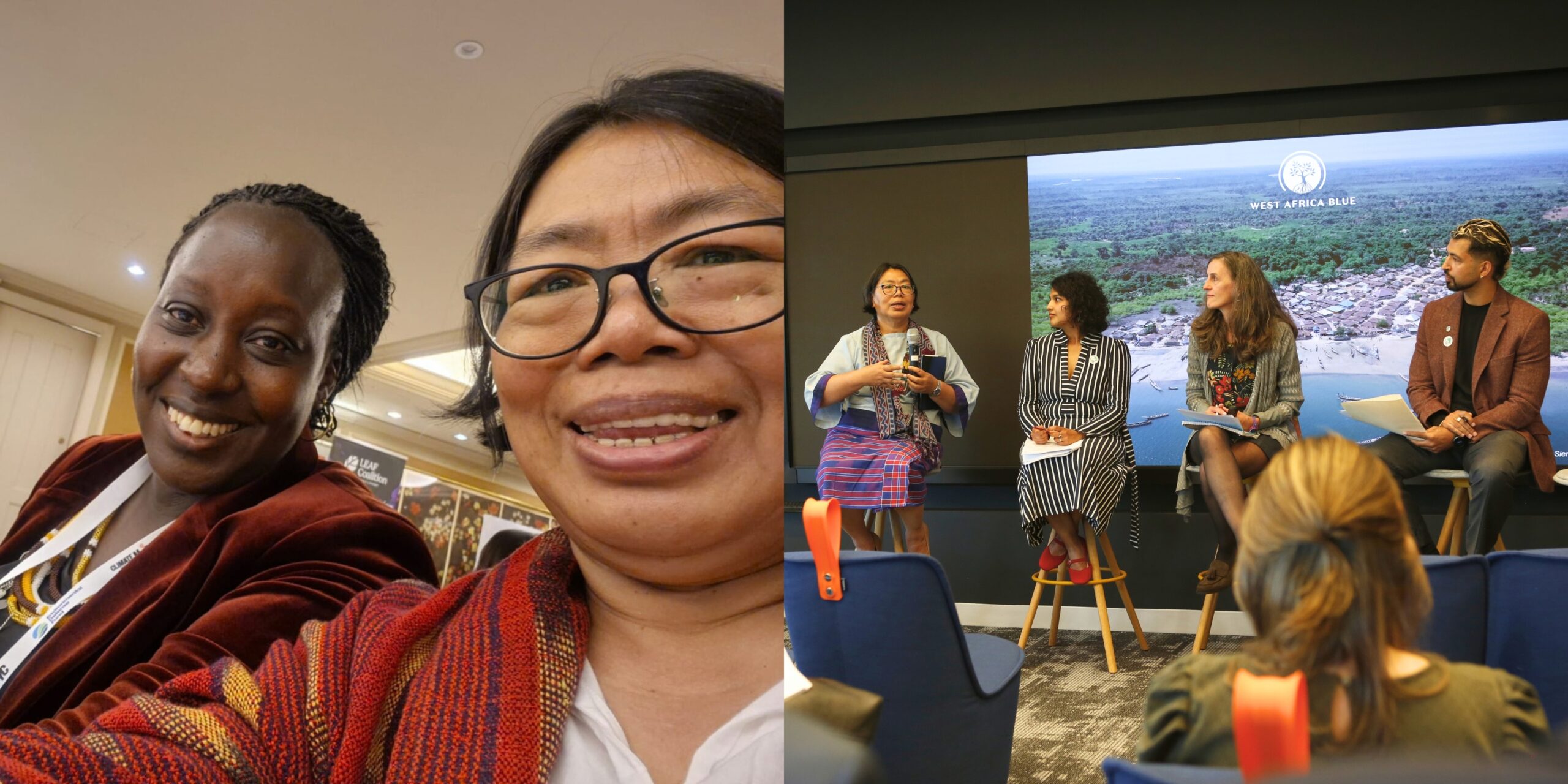
Aissatou Ibrahim, FSC PIPC Representative for Francophone Afric, co-leader of the GATC Women’s Movement, and Deputy Coordinator of REPALEAC in Central Africa, highlighted the shared struggles faced by Indigenous communities across basins and raised concerns about the lack of dedicated funding for the Women’s Movement. She stressed that it’s a very serious problem because women are the core of the family, and the family is what makes up the community. 

Aissatou Ibrahim, FSC PIPC/ REPALEAC

Research Spotlight

First Nations-led Circular Bioeconomies: Social and Economic Impacts and Social Perceptions 

This report provides an in-depth analysis of First Nations-led circular bioeconomies in Australia, examining their social, economic, environmental, and cultural impacts. It captures the perspectives of various First Nations groups, emphasising their traditional responsibilities for caring for Country, preserving ancestral knowledge systems, and engaging in sustainable practices that support community wellbeing and environmental health. 

Researchers: Tolita Davis-Angeles and Timothy McBride 

Upcoming activities in March:

20th Community-Based Adaptation Conference hosted by IIED  

The 20th International Conference on Community-Based Adaptation to Climate Change (CBA20) will be held from 11 to 14 May 2026 in Manila, Philippines, convening global practitioners to share lessons, strengthen partnerships, and advance locally led climate adaptation in practice. 

Re-Earth Initiative’s Climate Policy Fellowship for Indigenous Youth 

Re-Earth Initiative is proud to launch its Climate Policy Fellowship for Indigenous Youth. A year-long capacity-building and policy engagement program designed to support Indigenous youth in meaningfully engaging in international climate negotiations under the UNFCCC.  Applications for the 2026 cohort open on March 2nd and will be reviewed on a rolling basis until March 16th.

We thank our allies and partners for their continued support and collaboration. We also invite financial institutions and organizations interested in investing in Indigenous nature-based solutions to connect with us so we can work together to strengthen Indigenous-led climate and forest action worldwide. 

News

Oceania Regional meeting highlights

Indigenous leadership in Forest Stewardship

In January 2025, leaders, experts, and Indigenous representatives from across Oceania and beyond gathered for an important regional meeting focused on the future of forest stewardship. The event created a powerful space for collaboration, learning, and dialogue. At its heart was a shared goal: to strengthen Indigenous leadership and ensure that traditional knowledge stands alongside Western science in shaping sustainable forest management. 

The meeting highlighted the role of the Forest Stewardship Council in the region, the work of the FSC Indigenous Foundation, and the importance of the Permanent Indigenous Peoples Committee (PIPC) in advancing Indigenous rights within global forest governance. A key outcome of the gathering was the nomination and election of new PIPC representatives for Oceania, ensuring continued Indigenous representation in FSC’s decision-making processes. 

Above all, the meeting reaffirmed a strong commitment to cultural respect, Free, Prior, and Informed Consent FPIC, and inclusive leadership. 

Day 1: Foundations of Indigenous Leadership in Forest Stewardship

Day 1 began with a traditional Pōwhiri welcome ceremony and Karakia prayer, grounding the meeting in respect for Māori customs and Indigenous traditions. This opening set the tone for meaningful and culturally respectful dialogue. 

Leaders from FSC International, the FSC Indigenous Foundation, and the PIPC shared opening remarks, emphasizing the importance of Indigenous leadership and FPIC in forest governance. 

Participants were introduced to the FSC system and its work in Oceania, including certification processes and regional priorities. The role of the Permanent Indigenous Peoples Committee PIPC was highlighted, particularly its responsibility to advise the FSC Board of Directors on Indigenous rights and to advance an Indigenous Peoples Agenda within FSC. 

The FSC Indigenous Foundation presented its mission to uphold Indigenous rights, strengthen forest stewardship, and promote Indigenous-led solutions. 

A closing Karakia brought the first day to an end. 

Day 1 video summary:

Day 2: Strengthening Collaboration and Engagement

Day 2 opened with a Karakia and focused on action, collaboration, and strengthening Indigenous participation. 

Interactive sessions encouraged open dialogue and exchange of ideas. Speakers from New Zealand, Latin America, and other regions shared experiences on Indigenous leadership in forestry and inclusive forest strategies. Participants explored practical ways to strengthen regional cooperation and ensure Indigenous voices are fully integrated into FSC governance. 

A key discussion centered on aligning regional strategies with FSC’s global priorities, reinforcing Indigenous rights, and integrating traditional ecological knowledge into ecosystem services and sustainable forest management. 

One of the most important moments of the meeting was the nomination and election of new PIPC representatives for Oceania. Through a transparent and culturally respectful process, Te Ngaehe Wanikau was selected as the Principal Representative, and Tolita Davis as the Alternate Representative. 

The meeting closed with a final Karakia, marking the end of two impactful days. 

Day 2 video summary:

Day 3 Visit to TE POU O HINETAPEKA

On day 3, a visit to Te Pou o Hinetapeka was made.

Day 3 video summary:

Looking Ahead 

This regional meeting was more than a gathering. It was a transformative step toward stronger Indigenous leadership in forest stewardship. By bringing together traditional knowledge and modern systems, the participants reinforced a shared vision: forests are not only resources, but living landscapes deeply connected to culture, identity, and future generations. 

News

FSC-IF January Newsletter

New Year, new opportunites!

As we begin a new year, FSC Indigenous Foundation is looking ahead to 2026 with a clear and grounded vision: a future where the rights of Indigenous Peoples are fully honored, and Indigenous-led solutions are recognized as essential to protecting the world’s forests. In this spirit, we are also seeking financial partners who share our commitment to advancing Indigenous forest governance priorities that strengthen self-determined well-being, uphold knowledge systems, and support leadership rooted in community, culture, and territory. 

Indigenous Peoples are not only key partners in forest protection, they are experts and leaders in safeguarding Mother Earth. In 2026, we will amplify Indigenous wisdom globally, elevate Indigenous governance in decision-making spaces, and support actions that nurture forests for generations to come. 

Highlights of the month and upcoming activities: 

Youth application school last call January 25th 

Applications are now open for the Quaker United Nations Office Summer School (QUNSS) 2026, a two-week programme in Geneva for young changemakers to deepen their understanding of the United Nations and multilateralism. Participants will strengthen their policy, negotiation, and advocacy skills while engaging directly with diplomats, UN officials, and advocates on topics including human rights, peacebuilding, migration, and climate justice. Open to applicants aged 20–26 from all regions and backgrounds, the deadline to apply is January 25, 2026 (23:59 CET). 

Indigenous Lands Symposium 2026 in Canada 

February 2-6 

The Indigenous Lands Symposium 2026 in Canada is a catalyst event bringing together Indigenous and non-Indigenous partners to embrace sovereignty, innovation, collaboration, and culture in sustainable forestry. With over 300 delegates from 35+ Indigenous Communities, the Symposium represents more than 7 million hectares of shared traditional territories and the leadership of Lands & Resources Development teams as stewards of our shared lands. 

FSC Indigenous Foundation will be represented by Indigenous leaders Peggy Smith (FSC-IF Council member), David Flood (Vice-chair of FSC PIPC), Tolita Davis-Angeles (PIPC alternate representative for Oceania), and Minnie Degawan (FSC-IF Managing Director), who will be present throughout the event. The Symposium is organized by Wahkohtowin Development, where David Flood also serves as General Manager. 

Workshop on resource mobilization 

The CBD Workshop on Resource Mobilization (10–13 February 2026, Rome) will bring together Parties and stakeholders to advance discussions on closing the global biodiversity finance gap by 2030 and supporting upcoming negotiations at SBI-7 and COP-17. Held back-to-back with the sixth meeting of the Subsidiary Body on Implementation (SBI-6), it provides a space for informal dialogue on key resource mobilization priorities. FSC Indigenous Foundation (FSC-IF) will be participating in these discussions. 

Webinar on Community-Led Forest Economies  

📅 Tuesday, February 10 | 🕘 9:00–10:30 AM ET 
 
Join Indigenous and women leaders, family farmers, scientists, and policy partners from the Amazon, Congo Basin, and Southeast Asia to explore how community-led forest economies can protect forests and strengthen fair livelihoods. 
 
🤝 This webinar is a collaboration between World Resources InstituteEnvironmental Defense FundForest Stewardship CouncilFSC Indigenous Foundation, The African Women’s Network for Community Management of Forests (REFACOF), WRF FRM ML, and the Sustainable Development Solutions Network
 
We’ll explore how to shift policy and finance from extractive models to community power, and chart next steps beyond COP30 toward equitable forest solutions for 2026 and beyond. 
 
✨ Featuring Ms. Alina Livet Santiago Jiménez, Indigenous leader of the Zapoteca People from Ixtlán de Juárez and Chair of the FSC Permanent Indigenous Peoples Committee, amongst other incredible Indigenous leaders. 
 
🌎 Interpretation available in English, Spanish, Portuguese & French 

Research Spotlight: 

Research article about Indigenous‐Led Nature‐Based Solutions Align Net‐Zero Emissions and Biodiversity Targets in Canada 

Join us this 2026 in supporting Indigenous-led solutions that uphold rights, strengthen forest governance, and protect Mother Earth’s forests for generations to come.

1 2 3 7