
News

Request for Consulting Services: Execution of Communications Activities for the FSC Indigenous Foundation

Support the implementation of the FSC-IF global communications strategy
Introduction 

The FSC Indigenous Foundation invites interested and qualified indigenous persons to submit proposals for a consultancy on the execution of communications activities. This assignment will support the implementation of the organization’s global communication strategy through content production, visibility actions, and stakeholder engagement. 

📄 We recommend carefully reviewing the full Terms of Reference and downloading the annex with the General Conditions of the contract available at the end of this publication. 

🌿 About the FSC Indigenous Foundation 

The FSC Indigenous Foundation (FSC-IF) is a global non-profit organization created by and for Indigenous Peoples. It promotes sustainable forest management and the defense of collective rights globally. FSC-IF works with Indigenous Peoples in Asia, Africa, and Latin America to foster self-determination, strengthen governance systems, and protect territories by integrating traditional knowledge into development solutions. 

💡 Disclaimer 

This call is open to indigenous persons worldwide. Applicants must be bilingual and fluent in English; additional languages are considered an asset. Selected consultants should also be flexible with their schedules to attend online meetings, as the FSC Indigenous Foundation’s office is based in Panama City, Central America (time zone: UTC-05:00). 


TERMS OF REFERENCE 

Consultancy on Communications Activities Execution 

FSC INDIGENOUS FOUNDATION 

1. CONTRACT CONDITIONS 

Name: Consultancy on Communications Activities Execution – FSC Indigenous Foundation.

Type of consulting: Consulting agreement with payments tied to the deliverables specified in the payments and deliverables section. 

Contract period: October – November 

Location: Remote

Person in charge: Direct reporting to the Head of Communications at the FSC Indigenous Foundation 

2. INFORMATION ABOUT THE FSC INDIGENOUS FOUNDATION 

In 2019, the Forest Stewardship Council (FSC) established the FSC Indigenous Foundation (FSC-IF) as the operational office of the Permanent Indigenous Peoples Committee (PIPC). FSC-IF, a private interest foundation under Panamanian law, exists to secure Indigenous Peoples’ rights and promote sustainable forest-based solutions across 300 million hectares of Indigenous forests. 

We are Indigenous Peoples, guided by ancestral knowledge, practices, values, and respect for Mother Earth. We provide Indigenous-led solutions to global challenges by integrating Indigenous values, rights, livelihoods, ecosystem services, and territories into forest governance, climate change policies, and market systems. 

Our work is guided by Indigenous values: 

  1. Respect for Mother Earth – recognizing our duty as caretakers of lands, waters, and ecosystems for future generations. 
  1. Respect for Ancestral Knowledge – honoring our ancestors by sustainably managing resources and valuing traditional wisdom. 

3. CONTEXT 

Communications play a vital role in amplifying Indigenous voices, raising awareness of Indigenous-led solutions, and strengthening FSC-IF’s presence at global, regional, and local levels. The Communications Unit works to develop and implement culturally appropriate communication strategies, enhance visibility, and promote Indigenous Peoples’ narratives in global dialogues on forests, climate change, and rights. 

The Communications Consultant will provide support to the Head of Communications, ensuring timely content creation, and logistical support for communication products. This role will strengthen the visibility of FSC-IF programs, projects, and initiatives through consistent and culturally sensitive communications. 

4. OBJECTIVES OF THE CONSULTING 

General Objective 
The Communications Consultant will support the FSC-IF Communications Unit in the implementation of the global communication strategy by assisting with content production, visibility actions, and stakeholder engagement. 

Specific Objectives 

  1. Assist with the preparation of communication materials, including a policy brief, and a report. 
  1. Help monitor media mentions, digital trends, and analytics to inform communication efforts. 

5. ACTIVITIES 

The Consultant will assist the head of communications in the following deliverables:  

  1. Policy brief, for use by FSC-IF and FSC PIPC for UNFCCC CoP30  that details the official agenda items of importance to IPLCs, what to expect and how to effectively participate. 
  1. Assist in drafting a communication material: a summarized and concise report. 

6. DELIVERABLES AND PAYMENT METHOD 

Deliverables:

  1. COP30 Policy brief: 4–6 pages, synthesize outcomes & recommendations 
  2. COP30 activities report (summary version): 4-8 pages, a concise COP30 activities report (text-focused, light on design)

6.1. QUOTATION: 

We invite interested parties to submit letters of interest including a quotation of the cost of services based on the outlined deliverables.  Deadline for submission of such will be on September 25th this document “Terms of Reference: Consultancy on Communications Activities Execution for FSC-IF.” Please include the taxes for this work in case it’s necessary. 

6.2. PERIOD: 

The contract will run from October through November; however, it is deliverable-based rather than time-bound. Payment will be issued upon submission and acceptance of the agreed deliverables. 

6.3. PAYMENT METHOD: 

Bank transfer locally and internationally. 

Payments remain tied to the successful submission of deliverables and reports. 

7. MINIMUM REQUIREMENTS AND REQUIRED SKILLS 

  • Bachelor’s degree in communications, journalism, public relations, or a related field. 
  • Minimum 1–2 years of experience in communications, preferably in Indigenous, environmental, or development sectors. 
  • Ideally bilingual: Strong skills in writing, editing, and translating (English and/or Spanish required; proficiency in Indigenous or other languages is an asset). 
  • Strong organizational and coordination skills, with attention to detail. 
  • Ability to work collaboratively in multicultural environments. 
  • Sensitivity and respect for Indigenous Peoples’ rights, values, and perspectives. 
  • Active members of Indigenous Peoples are encouraged to apply. 

8. HOW TO APPLY 

Interested candidates are invited to send their CV, LinkedIn profile link (if any), Quotation, and Motivation Letter to procurement.fscif@fsc.org by September 25th  at 17:00 Panama Time. 

Subject line: Consultancy on Communications Activities Execution  – FSC Indigenous Foundation 

9. INTELLECTUAL PROPERTY RIGHTS 

All materials, content, and outputs produced during this consultancy will remain the property of the FSC Indigenous Foundation. 

10. CONFIDENTIALITY 

The consultant agrees to maintain confidentiality of all information and materials obtained during the consultancy and not to disclose them without prior authorization from FSC-IF. 

11. CONFLICT OF INTERESTS 

Any potential conflict of interest must be disclosed to FSC-IF management, which will determine appropriate measures to resolve it. 
News

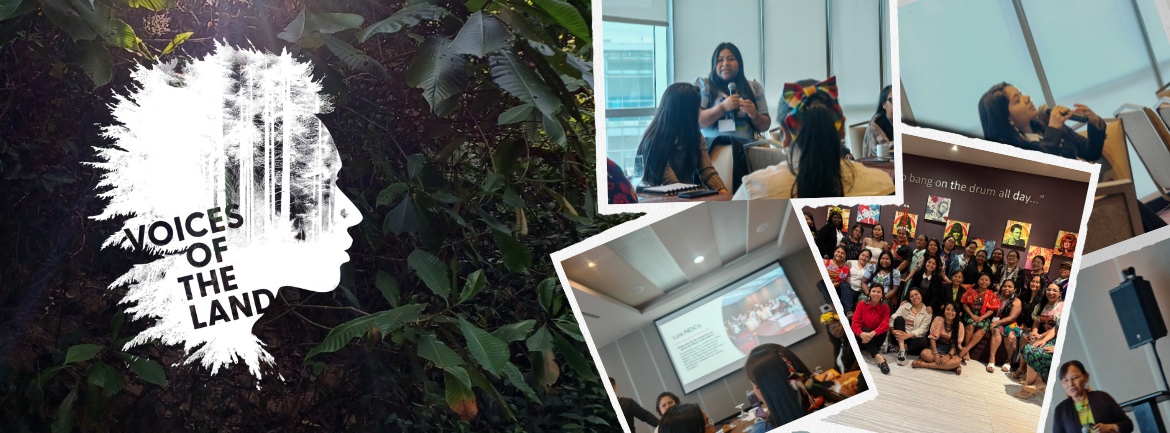
From the Ground to the Global Stage: Indigenous Women Prepare for COP30

A regional training co-organized by DGM Global, Conservation International, and the FSC Indigenous Foundation during Panama Climate Week 2025

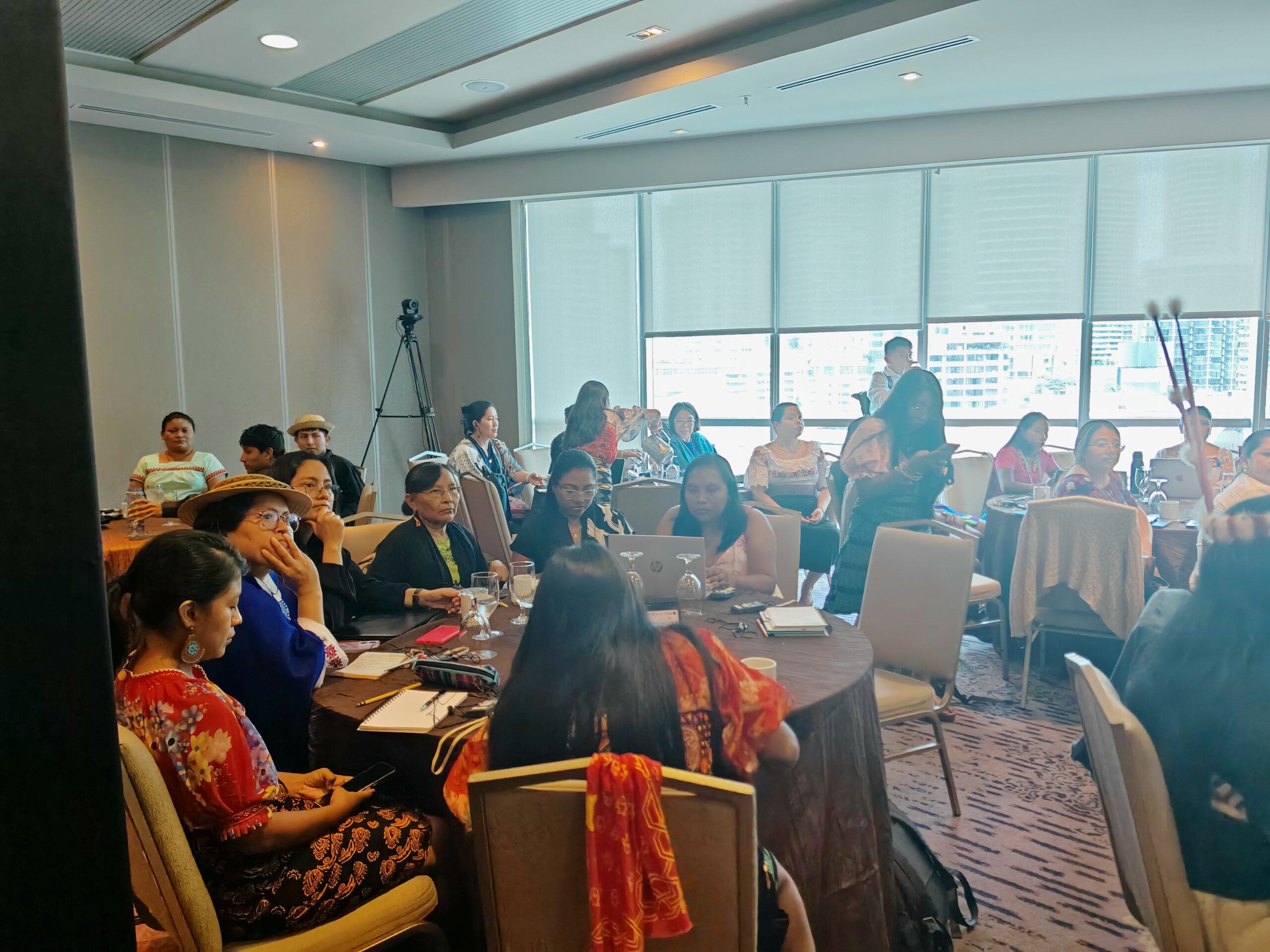
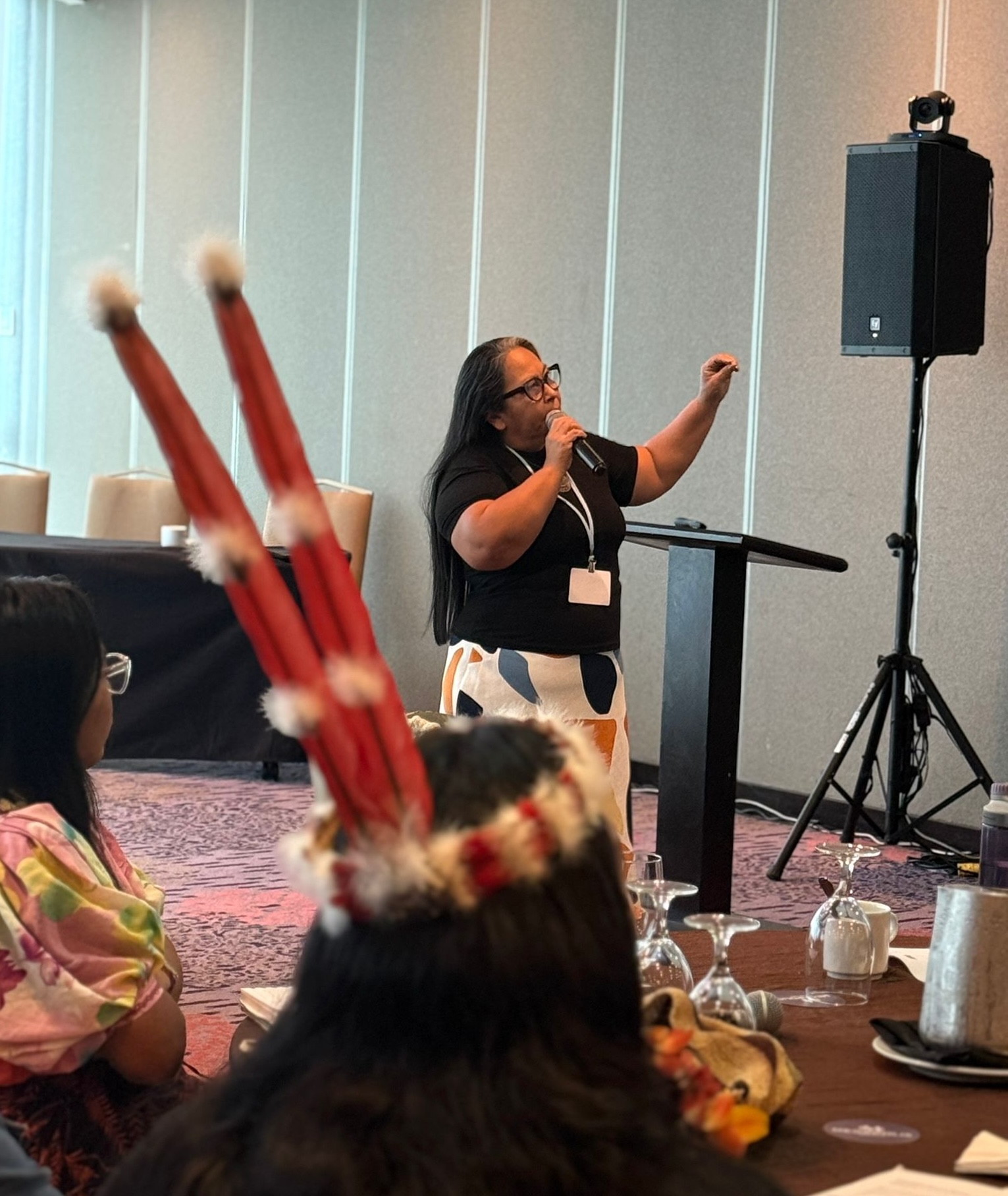
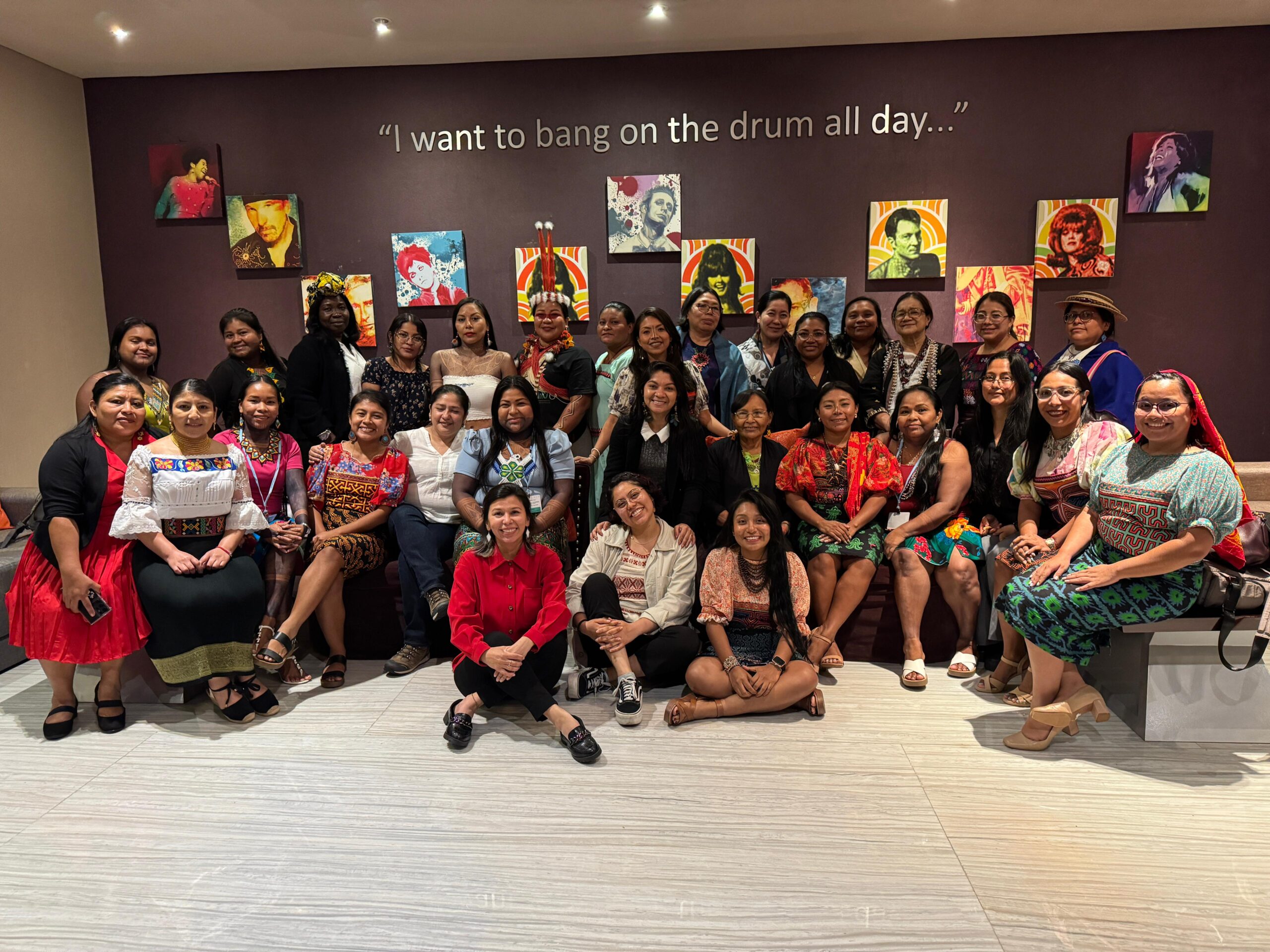
During Panama Climate Week 2025, a powerful gathering of Indigenous women leaders from across Latin America took place. The Capacity Building Workshop for Indigenous Women to Advocate in Climate and Biodiversity Negotiations—organized by the Dedicated Grant Mechanism (DGM), Conservation International, and the FSC Indigenous Foundation—created a space for dialogue, learning, and collective action. Participants from Mexico, Colombia, Ecuador, Honduras, Brazil, and Guatemala came together to strengthen their technical skills, exchange experiences, and deepen their impact on global environmental governance. Whether already engaged in national advocacy or beginning their journey, they shared a common commitment: advancing Indigenous leadership in climate and biodiversity negotiations.  

Reflections of Indigenous Women Leaders  

Learning emerges not only through technical knowledge but also through intergenerational dialogue and the revitalization of ancestral wisdom. During the workshop, participants shared several reflections:  

The COP began 33 years ago, but the commitments established have not progressed significantly over the past three decades. It was observed that many decisions remain concentrated in the hands of governments, and that it is necessary to integrate ancestral knowledge into climate policies to ensure progress that is both sustainable and collective.  

Participants also recognized the complexity of climate issues and noted that these are often not communicated in ways that are accessible to communities. They called for technical concepts to be translated into more understandable formats so that communities can engage with them within their own contexts. Although these issues may seem new in international forums, they have long existed within Indigenous peoples’ ancestral practices, worldviews, and values.  

“These issues are not new to us. What we need is for our way of naming them to be recognized,” mentioned one participant.  

Young People Leading the Way  

The new generations of Indigenous Peoples are prepared to confront the challenge of climate change from their own realities and perspectives. Among them are young professionals who are combining traditional knowledge with formal training to advocate for their communities on a global stage. One of the most inspiring moments was hearing from young Indigenous women, who voiced their concerns and aspirations to be agents of change within their communities. They spoke about bringing solutions and raising their peoples’ voices in international arenas.  

Rosibel Rodríguez Gallardo, from the Ngäbe people of southern Costa Rica, shared:  

“It is a privilege to participate for the first time in an international gathering of Indigenous women in Panama. I want to learn a lot so I can share it with my people.”  

This generational shift—rooted in respect for and continuity of ancestral knowledge—is a sign of enduring commitment to the Indigenous struggle for environmental and climate justice.  

A Partnership for the Future  

The meeting also provided an opportunity to build support networks among Indigenous women from different countries, promote mutual learning, and strengthen each participant’s leadership. The young women demonstrated their commitment to their communities and to continuing to influence the climate agenda.  

From left to right: Rosibel Rodríguez Gallardo and Yeshing Upún

Yeshing Upún, Maya Kaqchikel and a member of the Indigenous Women’s Network on Biodiversity of Latin America and the Caribbean, shared: 

“It is a pleasure to exchange experiences and knowledge, but above all, to join efforts and raise our voices in response to the different proposals that will be developed in the framework of COP30 and the ongoing biodiversity negotiations.” — Yeshing Upún 

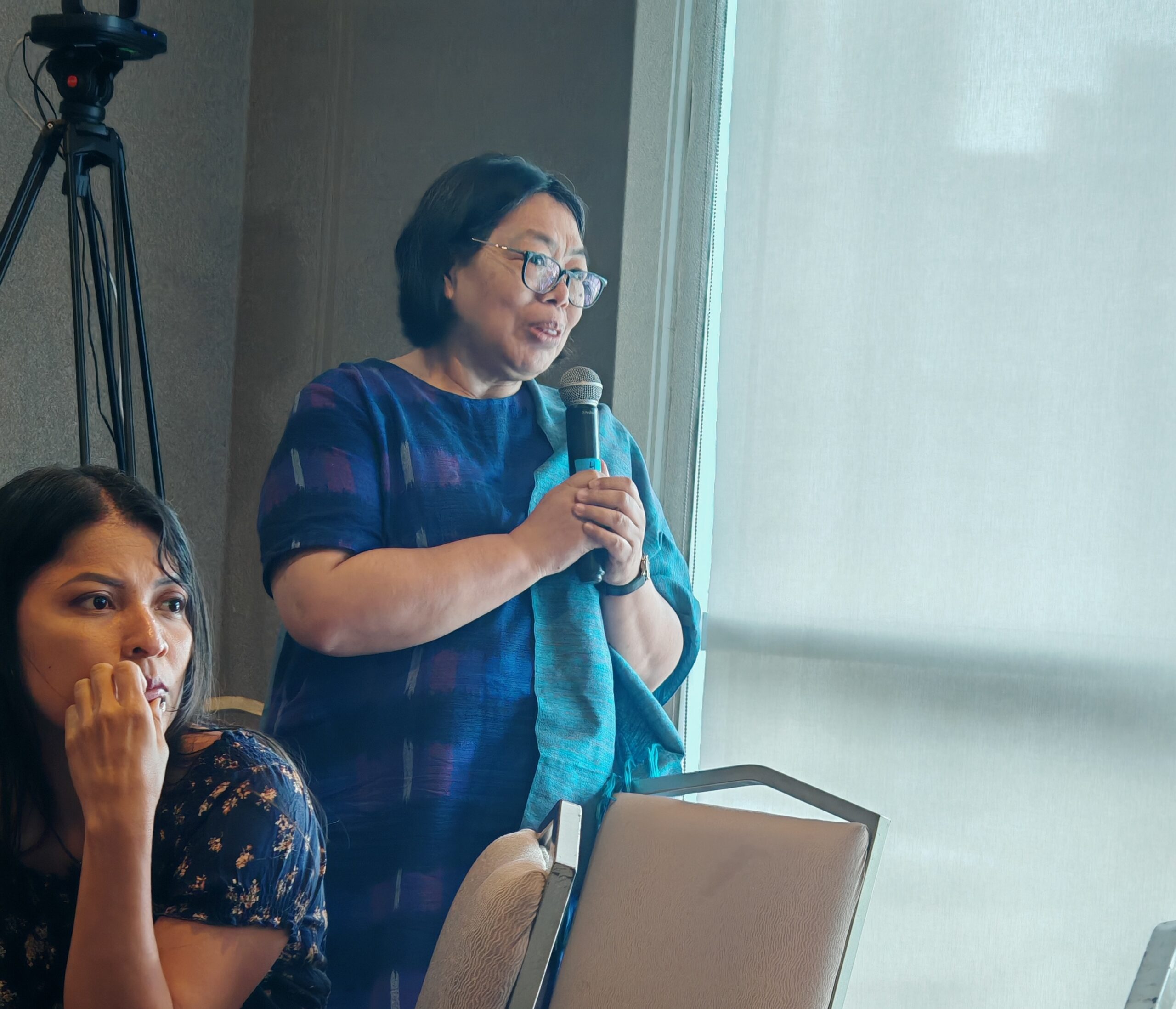
At the close of Climate Week, Minnie Degawan, Managing Director of the FSC Indigenous Foundation, reflected:  

“Climate Week should be more sensitive to the cultural aspects of the local people.” 

Minnie Degawan, Managing Director of the FSC Indigenous Foundation

Her words remind us that it is not possible to move toward a just climate future without active listening, deep respect, and genuine inclusion of those who have protected life in harmony with Mother Earth since time immemorial.  

Sineia do Vale – Co-chair of the Indigenous Peoples Caucus 

Climate Justice with a Voice: A Step Toward COP30 

As the world looks ahead to COP30 in Belém, Indigenous women are not only strengthening their leadership but also building the technical knowledge required to engage in international climate negotiations. While the Panama workshop focused on capacity building, advocacy strategies, and peer learning, it was also part of a larger effort to ensure that Indigenous women are equipped to participate meaningfully in formal spaces like the 62nd session of the Subsidiary Bodies (SB62) under the UNFCCC process. 

Held in parallel with Panama Climate Week 2025, this gathering complemented other preparatory efforts—such as technical trainings hosted earlier in June by partners including the International Indigenous Forum on Climate Change (IIFCC), the International Indigenous Youth Forum on Climate Change (IIYFCC), DOCIP, Nia Tero, and the United Nations Voluntary Fund for Indigenous Peoples (UNVFIP). Those sessions focused on the structure and agenda of SB62 and its relevance to COP30, including key negotiation tracks like the Global Goal on Adaptation and Article 6 of the Paris Agreement. 

Together, these efforts underscore the importance of linking political advocacy with technical readiness, ensuring Indigenous women are not only visible in global climate spaces but fully prepared to shape the outcomes. 

Closing Reflections  

As the world moves toward COP30 in Belém, the voices, knowledge, and leadership of Indigenous women must remain at the center of climate and biodiversity negotiations. This workshop, made possible through the collaboration between DGM Global, Conservation International, and the FSC Indigenous Foundation, reaffirmed the power of partnerships in creating spaces where Indigenous women can build skills, share knowledge, and shape global agendas. Strengthening these alliances is essential to ensuring that Indigenous women are not only present in decision-making spaces—but are leading efforts to build a more just and sustainable future for all.  

By Maria De Leon (FSC Indigenous Foundation) and Lidiane Castro (Conservation International) 

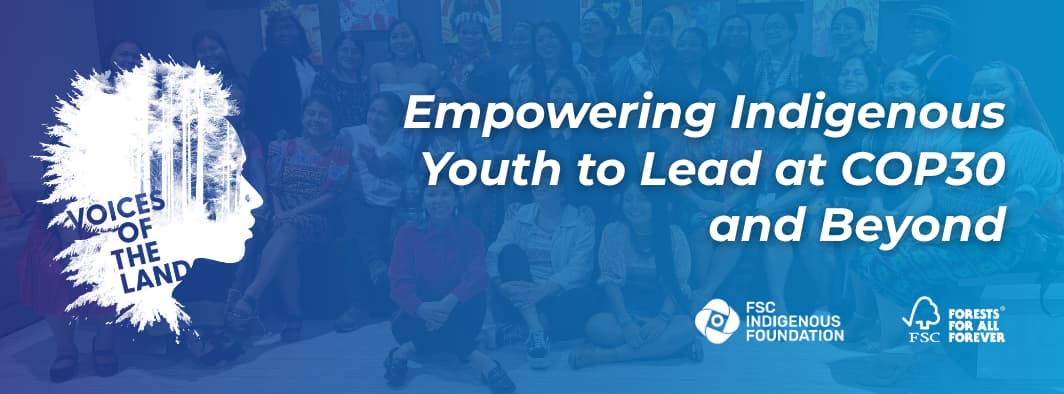
Empowering Indigenous Youth to Lead at COP30 and Beyond

News

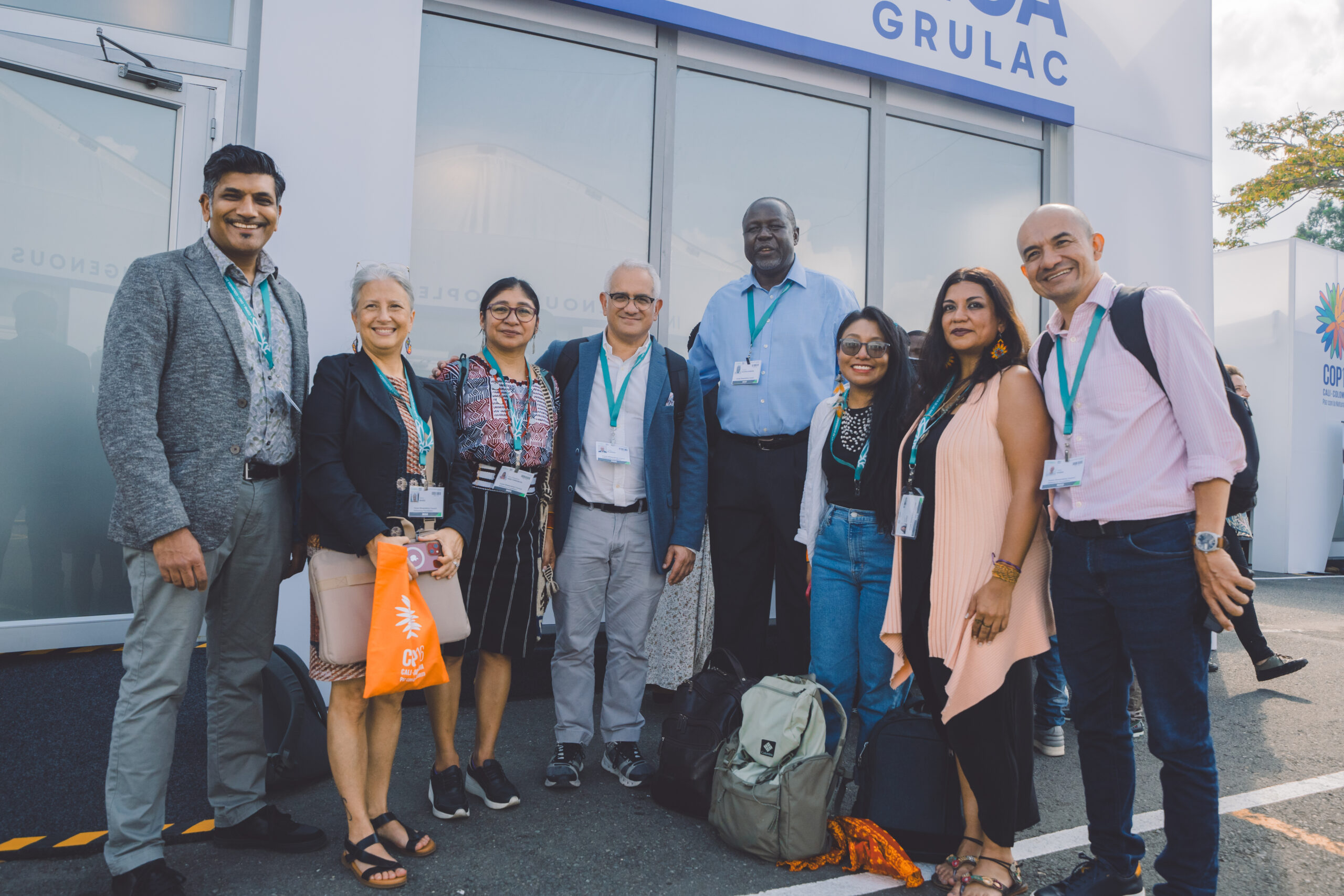
A milestone at COP16: Global recognition of Indigenous rights and their role in the protection of biodiversity

The creation of the Permanent Subsidiary Body on Article 8j and international partnerships pave the way for an active participation of Indigenous Peoples at COP30 in Brazil in 2025

The historic decision at COP16: Indigenous Peoples get a Permanent Subsidiary Body on Traditional Knowledge

The recent UN COP16 marked a milestone for Indigenous Peoples by establishing a Permanent Subsidiary Body on Article 8j, which gives them an official voice in global conservation policies. After intense negotiations, the agreement was announced by Colombia’s Minister of Environment, representing a historic recognition of Indigenous knowledge systems and their profound relationship with nature. This breakthrough validates the ancestral wisdom of Indigenous communities in the protection of biodiversity and underscores their essential role in caring for the planet.

The creation of the Permanent Subsidiary Body on Article 8J represents a historic step forward for Indigenous Peoples, whose recognition goes beyond symbolism; it is a true inclusion in global decision-making on biodiversity.

In this achievement, the G9 of the Indigenous Amazon, an alliance of nine organizations of Indigenous Peoples of the Amazon, was fundamental, standing out at COP16 as a strategic actor.

Amazonian Indigenous Organizations form an alliance; G9

In their statement, they highlighted their ancestral role as guardians of the forests, warning that any dialogue on biodiversity and climate is meaningless without their participation. Faced with threats such as illegal mining and deforestation, they urged states to protect their territories and recognize their rights, requesting direct funding and participation in global policies. Their efforts contributed to the creation of the Permanent Subsidiary Body on Article 8J, a key achievement for their inclusion in global decision-making, and laid the groundwork for them to play a key role towards COP30 in Brazil in 2025.

Partnerships for Indigenous Peoples’ rights, economies and ecosystems in Africa

Highlights at COP16:

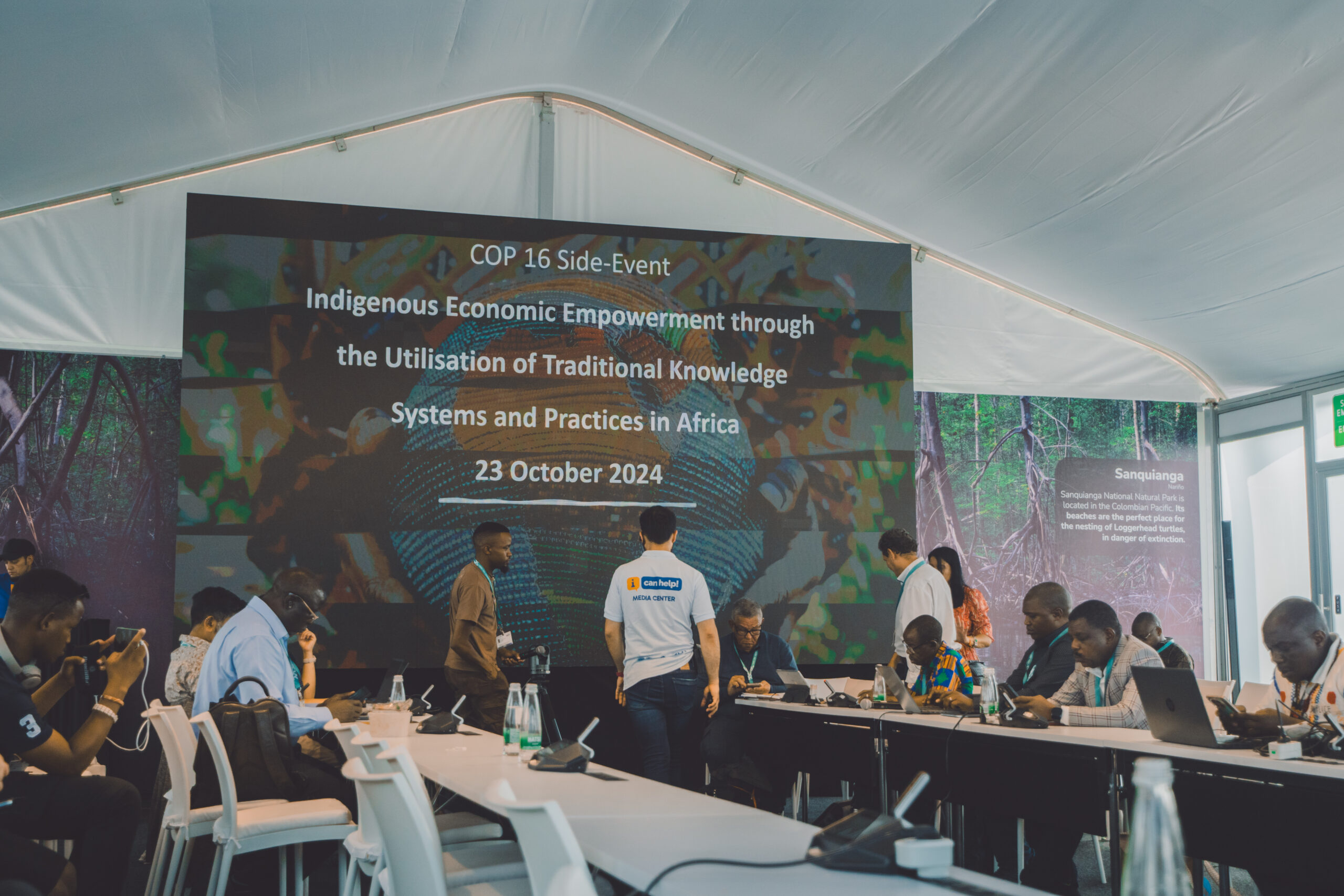
  • The FSC Indigenous Foundation and REPALEAC signed an agreement to strengthen initiatives with Indigenous Peoples in the Congo Basin, focusing on the defense of their rights, economic empowerment and sustainable management of forest ecosystems in Central Africa. This partnership with REPALEAC seeks to enhance the capacities of Indigenous organizations through participatory training and promote their participation in decision-making on natural resources, climate policy and biodiversity.
  • The FSC Indigenous Foundation signed an agreement with the Ogiek People’s Development Program (OPDP) to strengthen its collaboration with this community and protect the Mau Forest, a place of vital cultural and environmental importance to the Ogiek. This alliance seeks to empower Ogiek women and foster an inclusive dialogue by promoting policies that respect their rights and ancestral knowledge of biodiversity.
  • The FSC Indigenous Foundation has expanded its collaboration with the Indigenous Peoples of Africa Coordinating Committee (IPACC), the world’s largest Indigenous Peoples’ network, which brings together 135 organizations in 21 African countries. This alliance seeks to promote the defense of the rights, recognition and economic opportunities of Indigenous communities in the management of their lands, in addition to promoting economic activities based on their worldview and traditional knowledge.

These initiatives ensure that Indigenous communities actively participate in decision-making about their lands and resources, as highlighted by leaders such as Nadia Gómez and Maatal Pérez during COP16. The testimonies of these leaders invite us to reflect on the urgency of recognizing the importance of Indigenous participation in the preservation of biodiversity.

Voices from COP16: Listen to our delegation and Indigenous leaders:

  1. Mohamed HandaineIndigenous knowledge for biodiversity management: 
    • “If we take the Sahel as an example, we have a water shortage, so the Indigenous Peoples have created extraordinary systems to manage this water shortage.”
  2. Yaily Castillo – Indigenous Youth and Leadership:
    • COP16 serves as a space for Indigenous youth from Latin America and the Caribbean to connect and collaborate on leadership and participation strategies.
    • “We seek to create useful platforms and tools for the youth network that we are promoting at the FSC Indigenous Foundation.”
  3. Nadia Gómez – Importance of the Participation of Indigenous Peoples:
    • COP16 represents a platform for Indigenous youth and veteran leaders to be heard at the global level.
    • Forests and rivers we consider them sources of energy and wisdom and historically, we have been the ones to protect these ecosystems so that today the world enjoys preserved landscapes.”
  4. Carlos Blandón – Resource Mobilization for Indigenous Peoples:
    • The objective at COP16 is to establish partnerships with actors from the public and private sectors and multilateral organizations to implement biodiversity agreements.
  5. Maatal Perez – Economic Empowerment of Indigenous Peoples:
    • We work under the principle of “free, prior and informed consent” before any intervention, which guarantees respect for the autonomy of the communities.

Listen to each of them and discover how their efforts at COP16 open a path of change and hope for all. 

COP16 marked a significant advance in the recognition of the rights of Indigenous Peoples, underscoring their fundamental role in the protection of biodiversity and the sustainable management of ecosystems. This momentum towards inclusion and respect for their ancestral knowledge is crucially projected towards COP30 in Brazil in 2025, where the active participation of Indigenous Peoples will be essential to address the global challenges of biodiversity and climate change.

1 2