
News

Oceania Regional Meeting 2025

Advancing Indigenous Knowledge, Engagement and Collaborative Strategies for Sustainable Forest Stewardship
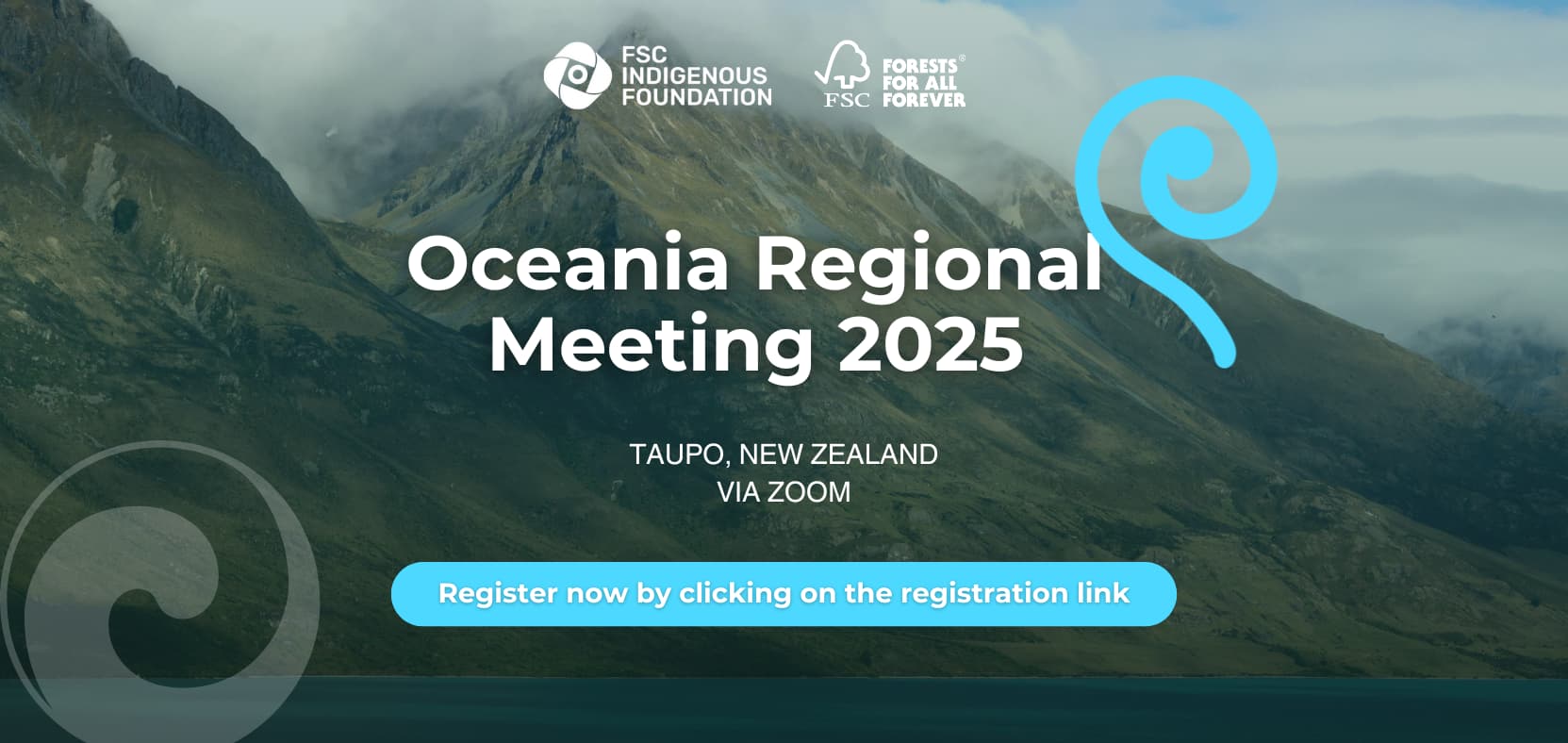
Join Us for the Oceania Regional Meeting: Hosted by the Forest Stewardship Council, FSC Indigenous Foundation, and FSC Permanent Indigenous Peoples Committee

Date: January 20–22, 2025 
Venue: Taupo, New Zealand, and virtual via Zoom (Virtual session only on the 20th-21st)

This meeting brings together Indigenous leaders, regional stakeholders from Oceania, and FSC representatives to discuss sustainable forest stewardship, foster collaboration, and promote Indigenous-led strategies for addressing environmental challenges.

Key Highlights: 

  • Integration of Indigenous and global practices for sustainable forest management 
  • Strategic discussions on FSC tools and ecosystem services 
  • PIPC election process for Oceania representatives 
  • Opportunities for regional partnerships and knowledge exchange 

Please Note: Participation will be confirmed following an approval process. Once your registration is reviewed and approved, you will receive a confirmation email with the Zoom meeting details. 

Register Now to Secure Your Spot.

For more information, please get in touch with us at fsc.if@fsc.org. We look forward to your participation in shaping the future of sustainable forest stewardship and Indigenous Peoples engagement within the Forest Stewardship Council, and the FSC Indigenous Foundation in Oceania! 
News

A milestone at COP16: Global recognition of Indigenous rights and their role in the protection of biodiversity

The creation of the Permanent Subsidiary Body on Article 8j and international partnerships pave the way for an active participation of Indigenous Peoples at COP30 in Brazil in 2025

The historic decision at COP16: Indigenous Peoples get a Permanent Subsidiary Body on Traditional Knowledge

The recent UN COP16 marked a milestone for Indigenous Peoples by establishing a Permanent Subsidiary Body on Article 8j, which gives them an official voice in global conservation policies. After intense negotiations, the agreement was announced by Colombia’s Minister of Environment, representing a historic recognition of Indigenous knowledge systems and their profound relationship with nature. This breakthrough validates the ancestral wisdom of Indigenous communities in the protection of biodiversity and underscores their essential role in caring for the planet.

The creation of the Permanent Subsidiary Body on Article 8J represents a historic step forward for Indigenous Peoples, whose recognition goes beyond symbolism; it is a true inclusion in global decision-making on biodiversity.

In this achievement, the G9 of the Indigenous Amazon, an alliance of nine organizations of Indigenous Peoples of the Amazon, was fundamental, standing out at COP16 as a strategic actor.

Amazonian Indigenous Organizations form an alliance; G9

In their statement, they highlighted their ancestral role as guardians of the forests, warning that any dialogue on biodiversity and climate is meaningless without their participation. Faced with threats such as illegal mining and deforestation, they urged states to protect their territories and recognize their rights, requesting direct funding and participation in global policies. Their efforts contributed to the creation of the Permanent Subsidiary Body on Article 8J, a key achievement for their inclusion in global decision-making, and laid the groundwork for them to play a key role towards COP30 in Brazil in 2025.

Partnerships for Indigenous Peoples’ rights, economies and ecosystems in Africa

Highlights at COP16:

  • The FSC Indigenous Foundation and REPALEAC signed an agreement to strengthen initiatives with Indigenous Peoples in the Congo Basin, focusing on the defense of their rights, economic empowerment and sustainable management of forest ecosystems in Central Africa. This partnership with REPALEAC seeks to enhance the capacities of Indigenous organizations through participatory training and promote their participation in decision-making on natural resources, climate policy and biodiversity.
  • The FSC Indigenous Foundation signed an agreement with the Ogiek People’s Development Program (OPDP) to strengthen its collaboration with this community and protect the Mau Forest, a place of vital cultural and environmental importance to the Ogiek. This alliance seeks to empower Ogiek women and foster an inclusive dialogue by promoting policies that respect their rights and ancestral knowledge of biodiversity.
  • The FSC Indigenous Foundation has expanded its collaboration with the Indigenous Peoples of Africa Coordinating Committee (IPACC), the world’s largest Indigenous Peoples’ network, which brings together 135 organizations in 21 African countries. This alliance seeks to promote the defense of the rights, recognition and economic opportunities of Indigenous communities in the management of their lands, in addition to promoting economic activities based on their worldview and traditional knowledge.

These initiatives ensure that Indigenous communities actively participate in decision-making about their lands and resources, as highlighted by leaders such as Nadia Gómez and Maatal Pérez during COP16. The testimonies of these leaders invite us to reflect on the urgency of recognizing the importance of Indigenous participation in the preservation of biodiversity.

Voices from COP16: Listen to our delegation and Indigenous leaders:

  1. Mohamed HandaineIndigenous knowledge for biodiversity management: 
    • “If we take the Sahel as an example, we have a water shortage, so the Indigenous Peoples have created extraordinary systems to manage this water shortage.”
  2. Yaily Castillo – Indigenous Youth and Leadership:
    • COP16 serves as a space for Indigenous youth from Latin America and the Caribbean to connect and collaborate on leadership and participation strategies.
    • “We seek to create useful platforms and tools for the youth network that we are promoting at the FSC Indigenous Foundation.”
  3. Nadia Gómez – Importance of the Participation of Indigenous Peoples:
    • COP16 represents a platform for Indigenous youth and veteran leaders to be heard at the global level.
    • Forests and rivers we consider them sources of energy and wisdom and historically, we have been the ones to protect these ecosystems so that today the world enjoys preserved landscapes.”
  4. Carlos Blandón – Resource Mobilization for Indigenous Peoples:
    • The objective at COP16 is to establish partnerships with actors from the public and private sectors and multilateral organizations to implement biodiversity agreements.
  5. Maatal Perez – Economic Empowerment of Indigenous Peoples:
    • We work under the principle of “free, prior and informed consent” before any intervention, which guarantees respect for the autonomy of the communities.

Listen to each of them and discover how their efforts at COP16 open a path of change and hope for all. 

COP16 marked a significant advance in the recognition of the rights of Indigenous Peoples, underscoring their fundamental role in the protection of biodiversity and the sustainable management of ecosystems. This momentum towards inclusion and respect for their ancestral knowledge is crucially projected towards COP30 in Brazil in 2025, where the active participation of Indigenous Peoples will be essential to address the global challenges of biodiversity and climate change.

News

Partnership with REPALEAC for Indigenous Peoples’ rights, economies, and forest ecosystems in Central Africa

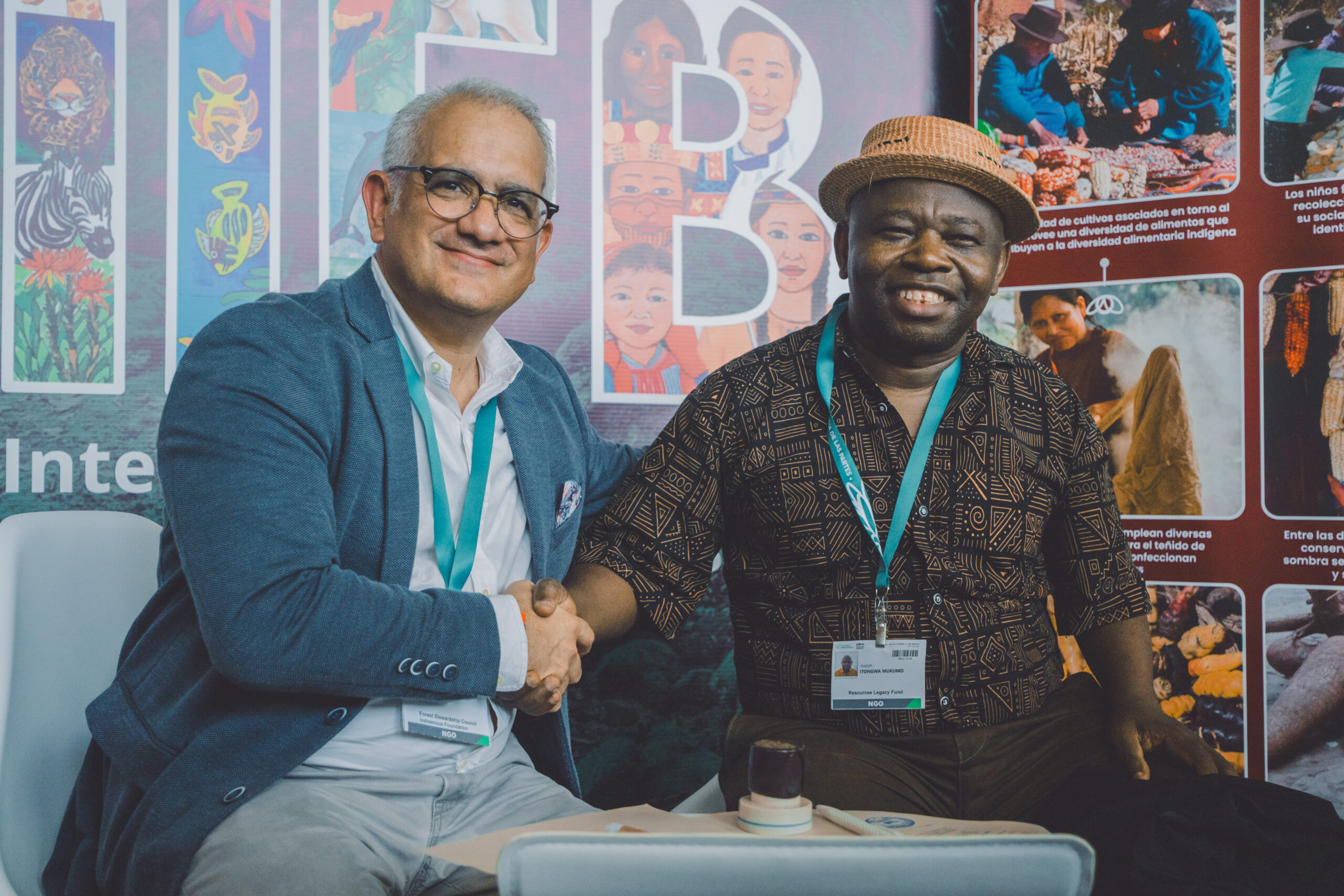
At COP16, the FSC Indigenous Foundation and REPALEAC signed agreement to implement new activities with and for Indigenous Peoples in the Congo Basin

October 23, Cali, Colombia — We are excited to announce our agreement with the Network of Indigenous and Local Communities for the Sustainable Management of Forest Ecosystems in Central Africa (REPALEAC) to implement new initiatives with Indigenous Peoples in Central Africa. This partnership will focus on strengthening organizations, advancing Indigenous rights and economies, and promoting the sustainable management of their lands and territories.

Central Africa’s forest ecosystems are rich in biodiversity. We know that Indigenous Peoples are proven to be the best stewards of biodiversity — especially when their ancestral knowledge is recognized and their rights upheld. By enhancing the capacities of REPALEAC and its member organizations in communications, participatory land mapping, and in the implementation and monitoring of their strategic plan, they will be able to participate in decision-making processes regarding access to and sustainable management of natural resources at local, national, and international levels.

Key components of our work plan include:

Capacity sharing: Enhancing the capacities of REPALEAC and its members through participatory trainings and exchanges.

Participation: Promoting Indigenous Peoples’ participation in the design, implementation, and validation of climate policies and programs and decision-making concerning access to, and sustainable management of lands and forests.

Economic empowerment: Developing and diversifying sustainable economic activities of Indigenous Peoples, including women and youth, based on their lands, territories and natural resources, and rooted in their ancestral knowledge. 

We believe that partnering with Indigenous Peoples is essential for their communities and the health of our planet, and our collaboration with REPALEAC ensures that Indigenous Peoples participate in crucial discussions and decisions on forests, biodiversity, and climate. Join us to make a lasting impact on the biodiversity of Central Africa and beyond.

Listen to Joseph Itongwa, Regional Coordinator for REPALEAC, on why data is important for Indigenous Peoples’ lands and rights. Our collaboration with REPALEAC includes collecting data on land tenure within Indigenous territories, cartography, participatory mapping, and the creation of databases to document the Indigenous Peoples’ lands in Central Africa.

The planned activities are part of the Indigenous Peoples Alliance for Rights and Development (IPARD) Program, supported by USAID, the Forest Stewardship Council, and private sector partners.

For more information, please contact:

Salina Sanou

FSC-IF Regional Director for Africa and Asia and IPARD Deputy Director

s.sanou@fsc.org 

News

The FSC Indigenous Foundation is at COP16

Let's learn how to live in peace with nature from the world's best biodiversity stewards.

FSC Indigenous foundation is at COP 16 cover art

For Indigenous Peoples, Mother Earth is not only the place where we live, it is the sacred space in which we manifest spiritual connections with all living things. Rooted in ancestral cosmovision, we view the natural environment as an integral being that sustains life and the harmony of ecosystems. This is biodiversity. This is living in peace with nature. 

Joining global biodiversity discussions

From October 21 to November 1, 2024, the vibrant city of Cali, Colombia, will host the 16th Conference of the Parties (COP16) to the Convention on Biological Diversity (CBD). Under the slogan “Peace with Nature,” this historic event calls for a renewed commitment to the preservation of our planet’s biodiversity and the sustainable use of its resources.

The FSC Indigenous Foundation (FSC-IF) will participate in COP16 to amplify the global voices of Indigenous Peoples and advocate for their crucial role in biodiversity conservation. 

At COP16, we aim to:

  • Collaborate: Engage with diverse stakeholders to build a comprehensive biodiversity agenda that values, recognizes and incorporates Indigenous knowledge
  • Network: Identify funding opportunities and strengthen partnerships with Indigenous Peoples Organizations (IPOs), governments, and other key stakeholders
  • Influence: Highlight the vital importance of Indigenous knowledge in biodiversity stewardship, particularly under Article 8J of the CBD.

Why Indigenous knowledge matters

Indigenous Peoples are among the world’s most effective stewards of biodiversity, especially where their rights and recognized and supported. As biodiversity declines, so too does cultural and linguistic diversity. Protecting both is critical for our planet’s future. Promoting Indigenous rights and inclusion of Indigenous Peoples and their valuable knowledge in biodiversity management and decision-making is essential for a successful global biodiversity framework.

Let’s learn how to live in peace with nature from the world’s best biodiversity stewards.

Biodiversity work in action

Explore FSC-IF impactful projects that illustrate our commitment to preserving biodiversity through Indigenous knowledge and solutions:

  • Boosting Indigenous Nature-Based Business Models: Collaborating with the IDB Lab and Health in Harmony in an innovative project to connect Indigenous Peoples with economic opportunities that align with their cultural values and biodiversity conservation efforts by collaboratively designing a market seal.
  • Indigenous Peoples and water: Integrating Indigenous knowledge and practices into sustainable models of transboundary watershed management.

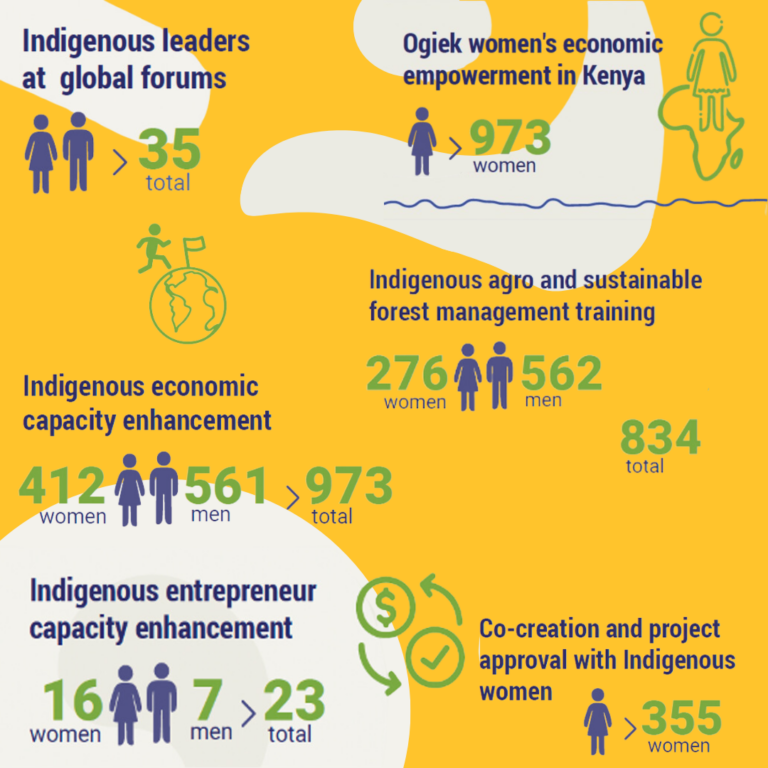
FSC-IF numbers of impact

FSC-IF numbers of impact inphography

See more numbers of impact for Indigenous Peoples, biodiversity, and forests, and read the stories behind the numbers here.

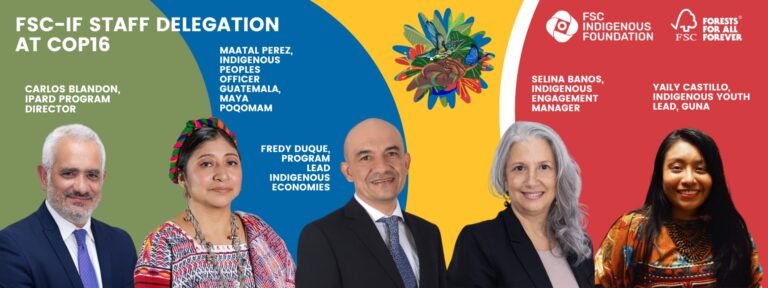
Our delegation at COP16

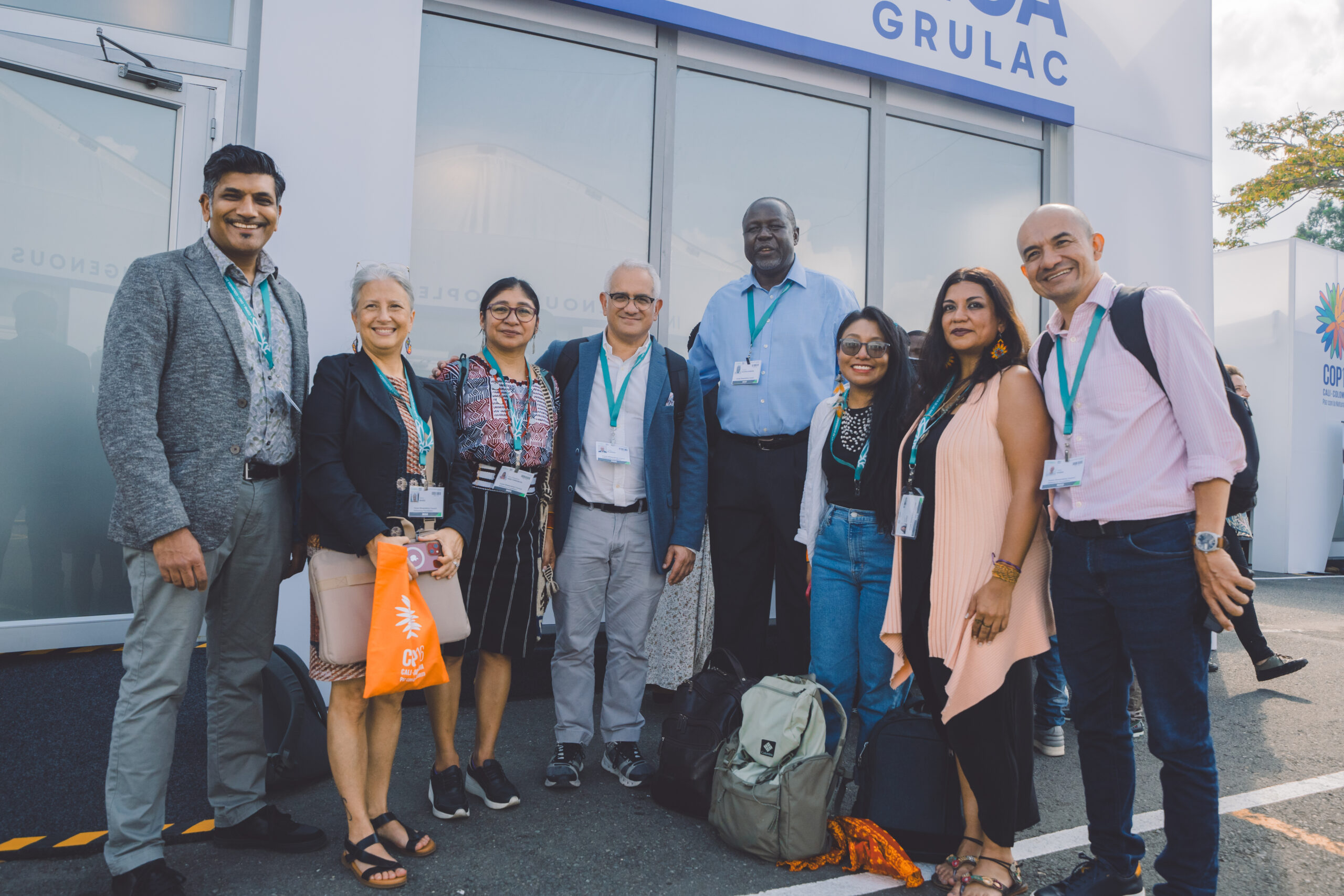
FSC-IF delegation at COP16

Indigenous leaders and our partners

FSC Aulina Ismare Opua indigenous leader portrait

Aulina Ismare Opua, Cacica Wounaan General Congress.

Wounaan People, Panama.

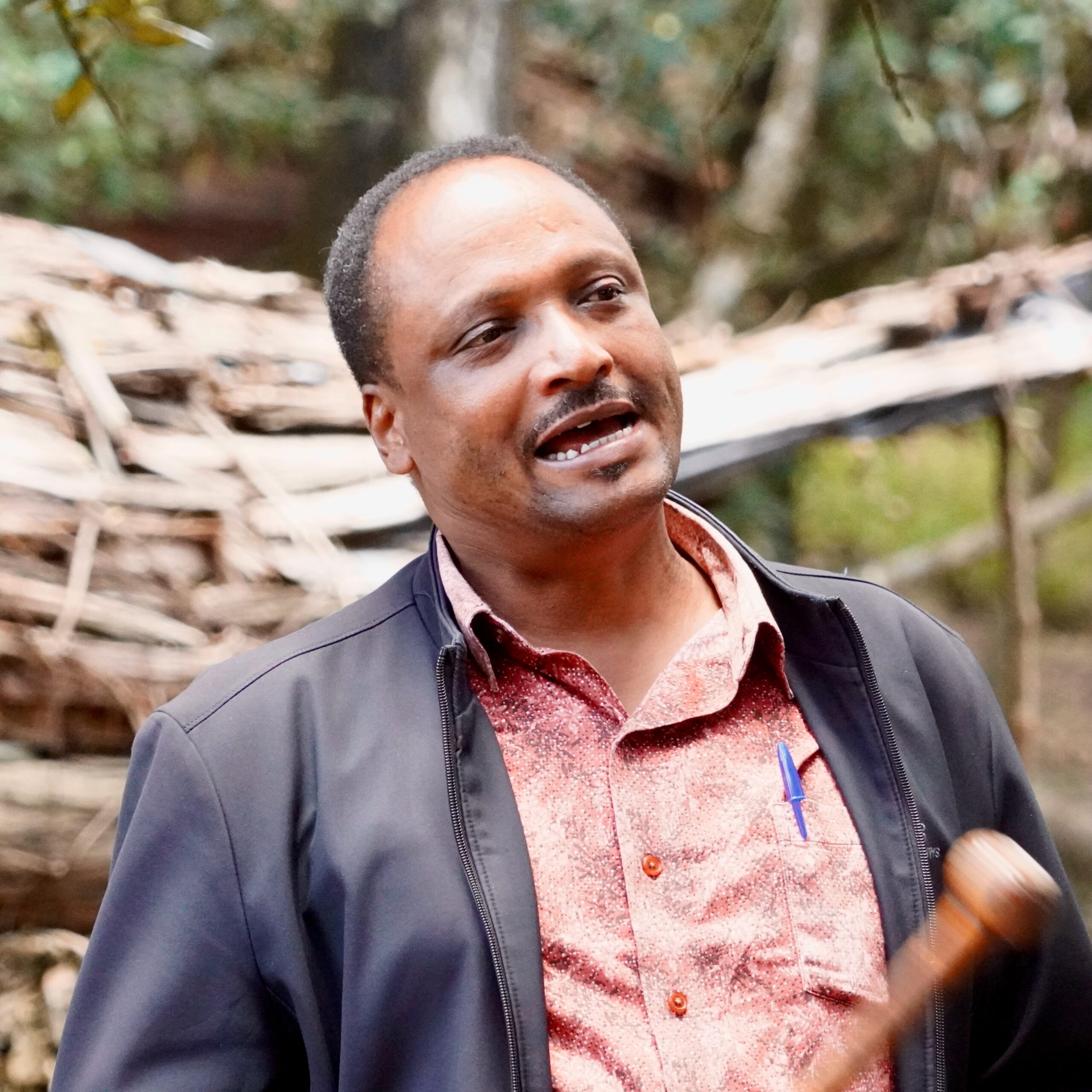
FSC Daniel Kobei indigenous leader portrait

Daniel Kobei, Executive Director, Ogiek Peoples Development Program (OPDP)

Ogiek People, Kenya.

FSC Juan Carlos Jintiach indigenous leader portrait

Juan Carlos Jintiach, Executive Secretary, Global Alliance for Territorial Communities (GATC)

Shuar People, Ecuador.

FSC Mala Mareachealee indigenous leader portrait

Mala Mareachealee, Deputy Director, Indigenous Peoples of Africa Coordinating Committee (IPACC)

FSC Nadia Gómez indigenous leader portrait

Nadia Gómez, FSC-IF Indigenous Advisor, and FSC Permanent Indigenous Peoples Committee (PIPC) representative from South America

Warpe People, Argentina.

FSC Norlando Meza indigenous leader portrait

Norlando Meza, TV Indígena

Guna People, Panama.

FSC Sara Madriz Martínez indigenous leader portrait

Sara Madriz Martinez, Mesoamerican Alliance for Peoples and Forests (AMPB)

Cabécar People, Costa Rica.

FSC Yoselin Yissel Casama Martínez indigenous leader portrait

Yoselin Yissel Casama Martínez, Association of Women Artisans of Ipeti Embera (AMARIE),

Emberá People, Panama

Get involved, make a difference

We are leading global efforts towards long-term and resilient Indigenous-led solutions. With Indigenous Peoples, we can conserve and restore biodiversity for everyone’s survival.

The FSC-IF seeks partnerships with governments, multilateral institutions, and the private sector to achieve visionary goals by leveraging the power of your resources, your expertise, and your innovative tools. Let’s work together to elevate Indigenous solutions for biodiversity stewardship and shape policies that respect and incorporate traditional knowledge.

Follow our journey: Check out our website and social media for updates, video interviews with our delegation, and our objectives at COP 16.

Connect with us: If you would like to meet us during COP16 to discuss how we can build sustainable solutions together, write to us at fsc.if@fsc.org 

Together, we can ensure that the wisdom of Indigenous Peoples is recognized and integrated into the global biodiversity agenda.

FSC hummingbird and butterfly over flowers art