
News

FSC-IF celebrates the launch of the Ogiek Peoples’ Cultural Center 

Center represents resilience, recognition, and preservation of Indigenous cultural heritage.

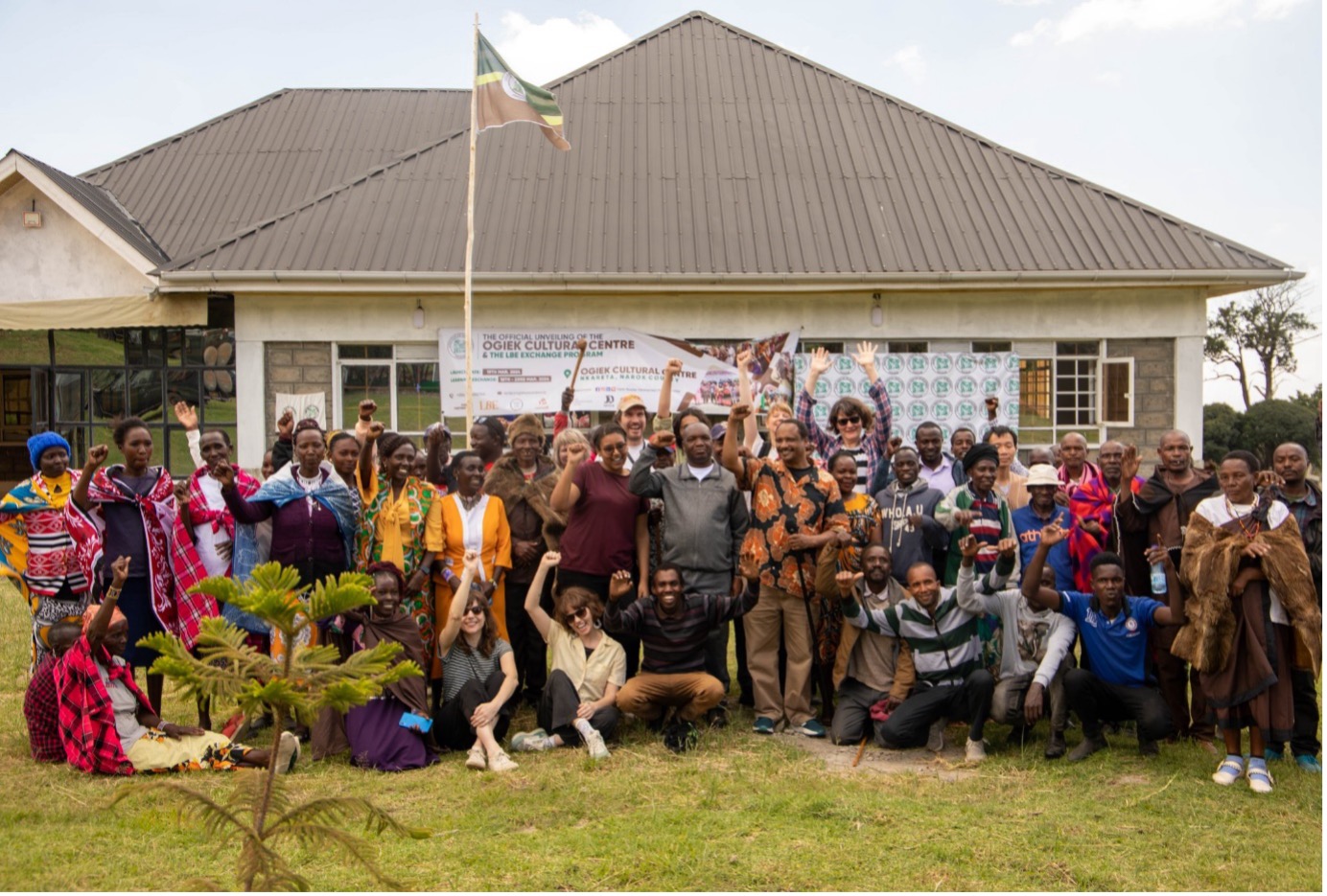
Partners and community members pose for a photo in front of the Ogiek Cultural Center. Photo credit: OPDP 

The official launch of the Ogiek Cultural Center on March 19, 2024, marked a significant milestone in the preservation and celebration of the Ogiek people’s rich culture and heritage. Organized by the Ogiek Peoples’ Development Program (OPDP) in partnership with Land Body Ecologies, Wellcome Trust, and other partners, this event was held at Nkareta ward, Narok County, Kenya, drawing attention to the deep-rooted culture, history, and traditions of the Ogiek community. The FSC Indigenous Foundation was invited as a partner.  

The Center, which also houses the Ogiek Museum, is now positioned to serve as a pivotal educational resource and a beacon for biodiversity conservation. 

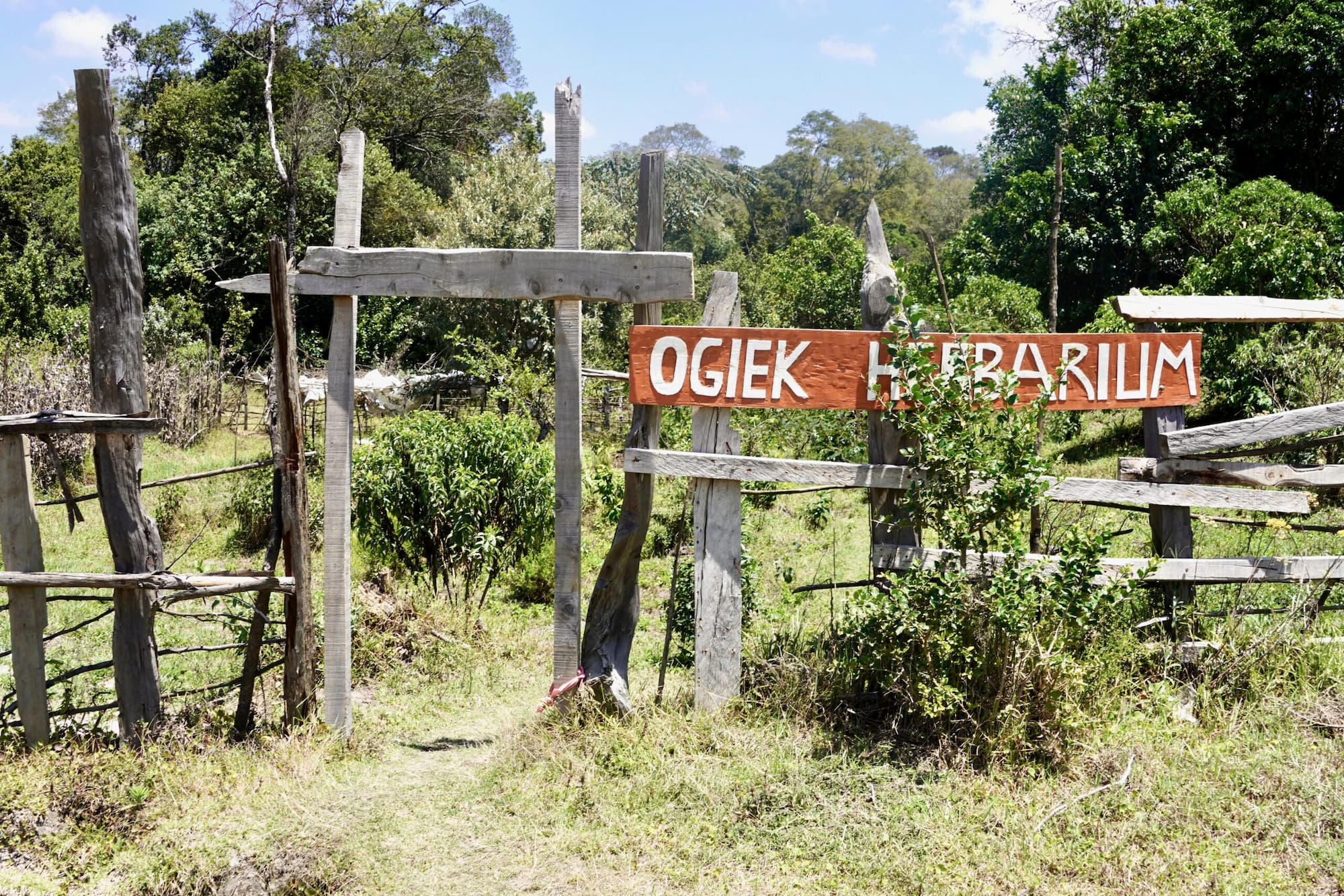
The inauguration week kicked off with an enriching learning exchange among partner learning hubs from across the globe, including Uganda, Thailand, India, the Arctic, and London, all of which are part of the Land Body Ecology (LBE) Project. This interaction paved the way for an immersive tour of the Ogiek Cultural Center, featuring the Ogiek Museum, the Ogiek herbarium — a repository of traditional herbs — and the Ogiek village, which offers a window into the community’s traditional lifestyle within an authentic Ogiek forest setting. The highlight of the day was a guided tour through the Mau Forest, allowing visitors to connect firsthand with the ancestral lands of the Ogiek people. 

The event was graced by community members from various regions, government officials, partners, donors, and other stakeholders. The chairperson of OPDP’s Board warmly welcomed attendees, emphasizing the center’s role in fostering an understanding of the intrinsic relationship between land, body, and health, as well as preserving the Ogiek’s traditional knowledge and practices. He also underscored the community’s commitment to sustainable development.  

Notable speakers, including Dr. Liz, strong Ally and Lawyer of the Ogiek community, voiced their determination to reclaim historical ownership of their lands and stressed the importance of community titles in protecting the forest. The day was charged with a spirit of resilience, with speakers from the Ogiek and other Indigenous communities such as the Sengwer and Endorois, sharing their experiences and the challenges they face, notably the loss of their territories and the need for more trees. The solidarity among Indigenous Peoples was noticeable and appreciated, with the Ogiek being applauded for their role in leading the way for Indigenous rights from national, regional, and international levels. 

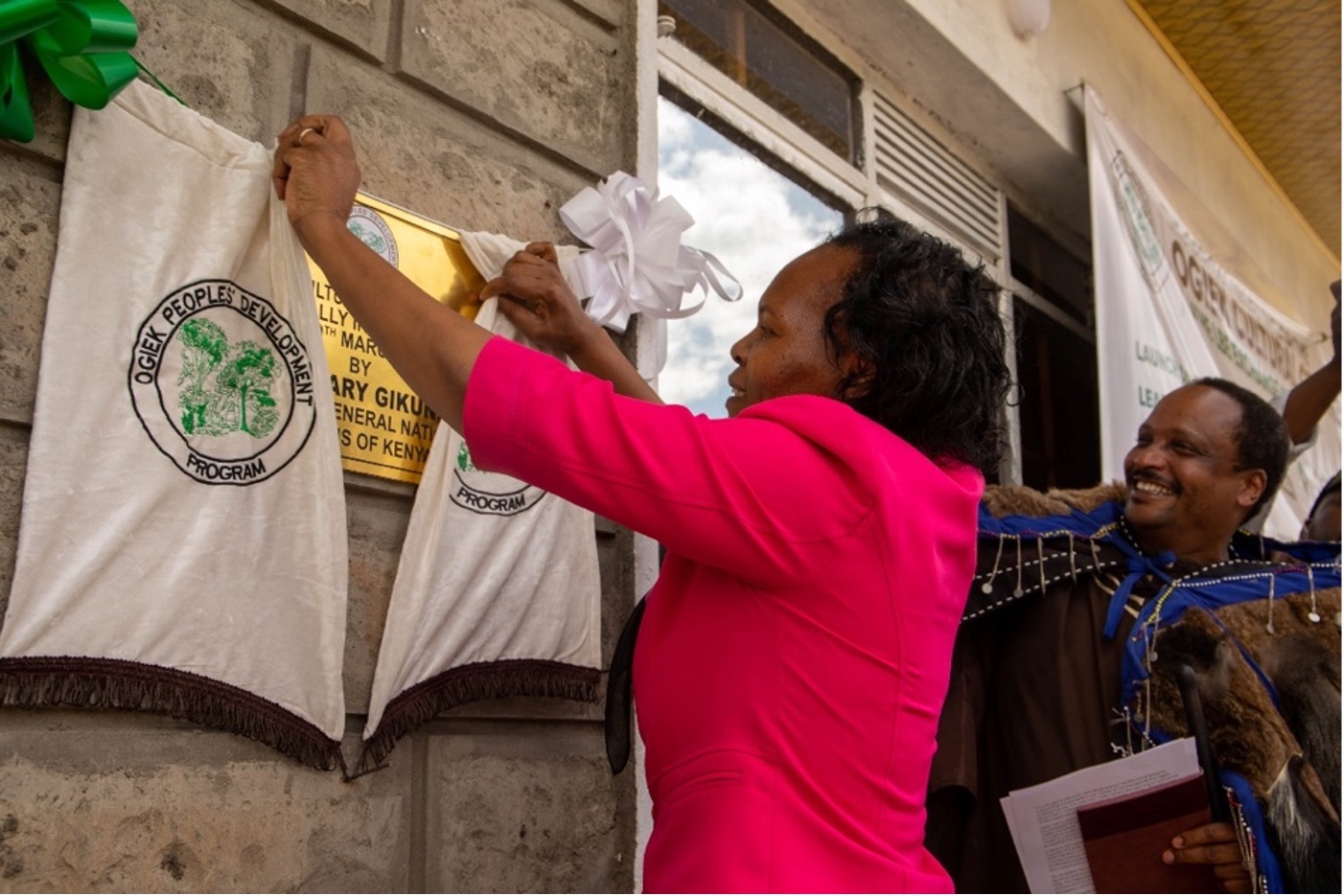
The Chief Guest Prof. Mary Gikungu Director General, National Museums of Kenya emphasizing the importance of documenting natural and cultural heritage, celebrated the centre as a testament to the Ogiek community’s resilience and dedication to preserving their culture. The message was clear: “culture is not only a link to the past but a bridge to the future, connecting us to our roots through unique songs, stories, and traditions that capture the essence of the Ogiek people.” 

The center was ushered in as a crucial facility for understanding and promoting the Ogiek culture, language, and traditional practices. The commitment to continue protecting their forests and the ongoing training in the Ogiek language during holidays were highlighted as key components of their continued legacy. 

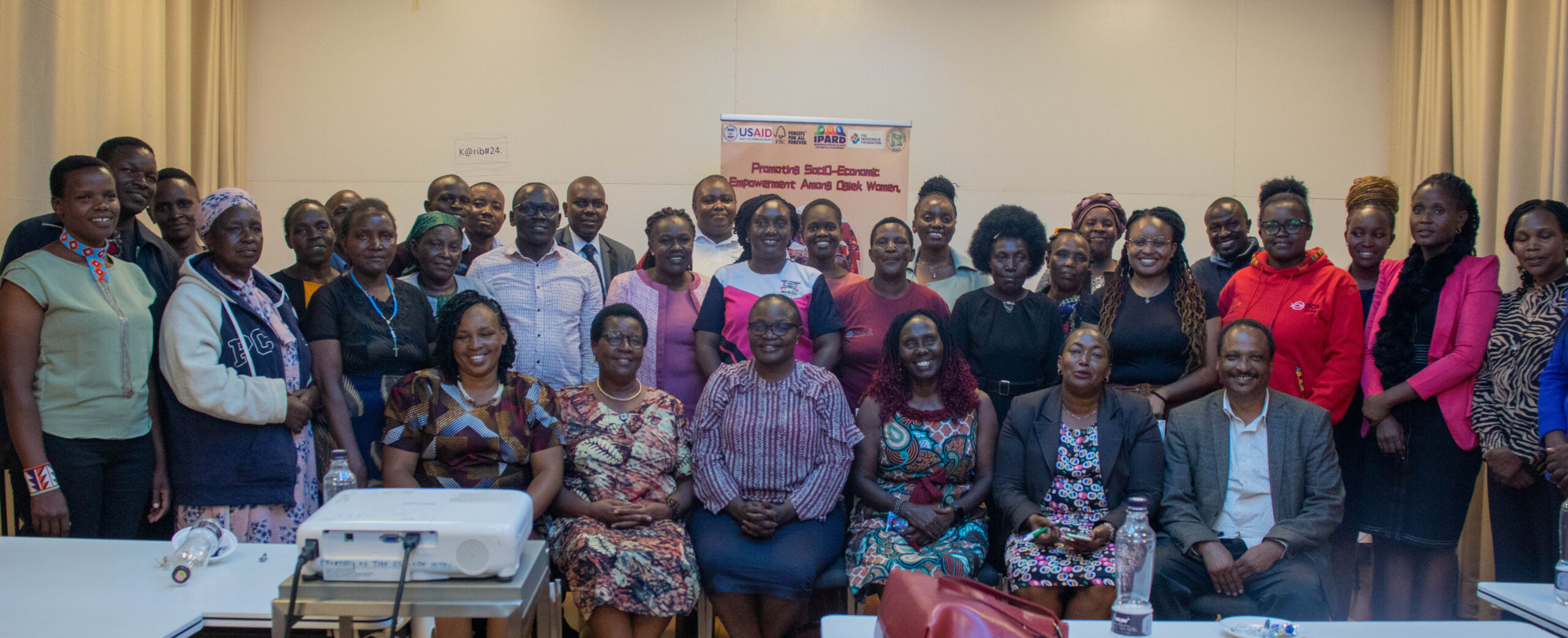
Promoting Socio-Economic Empowerment among Ogiek Women  

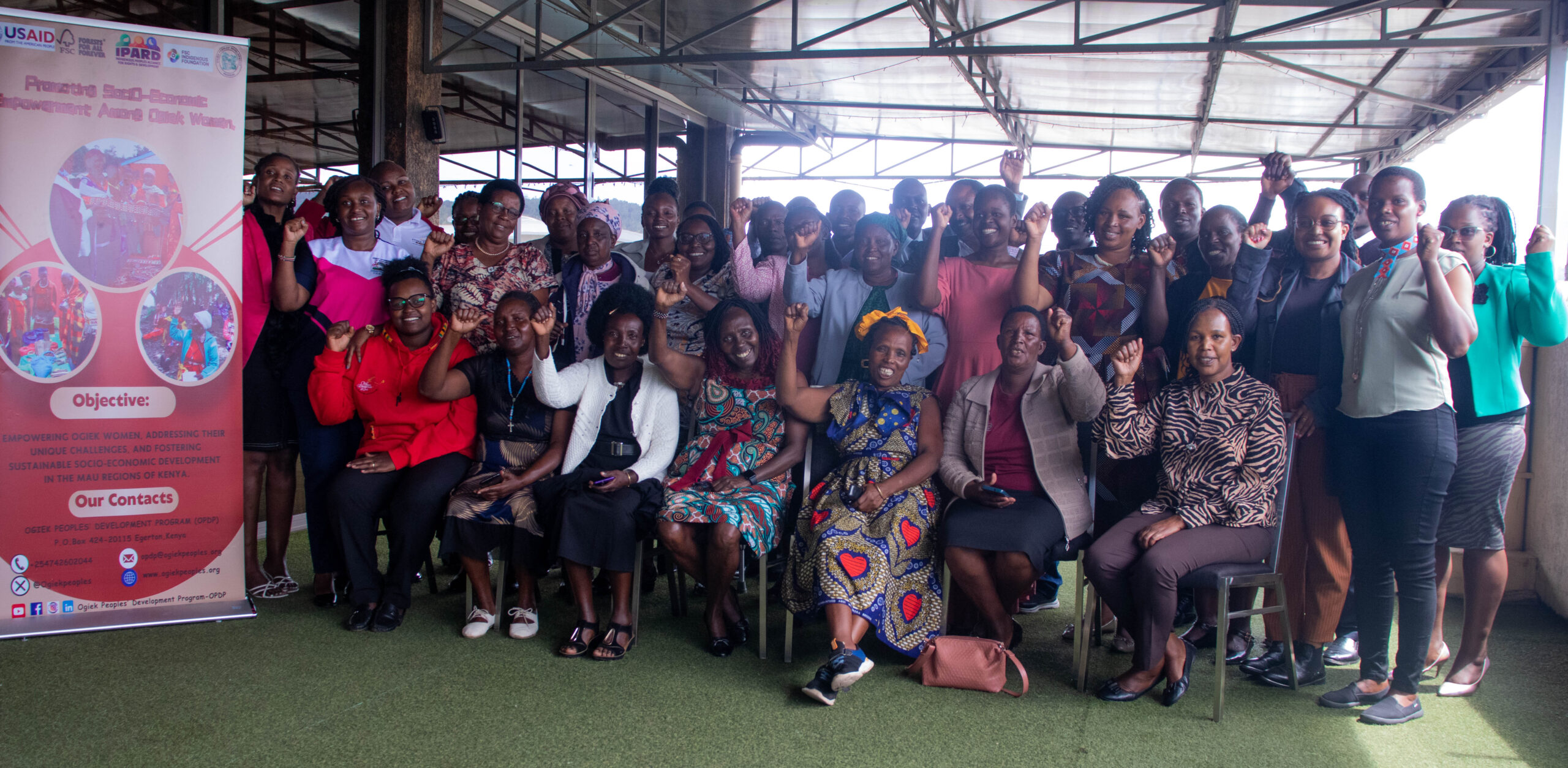
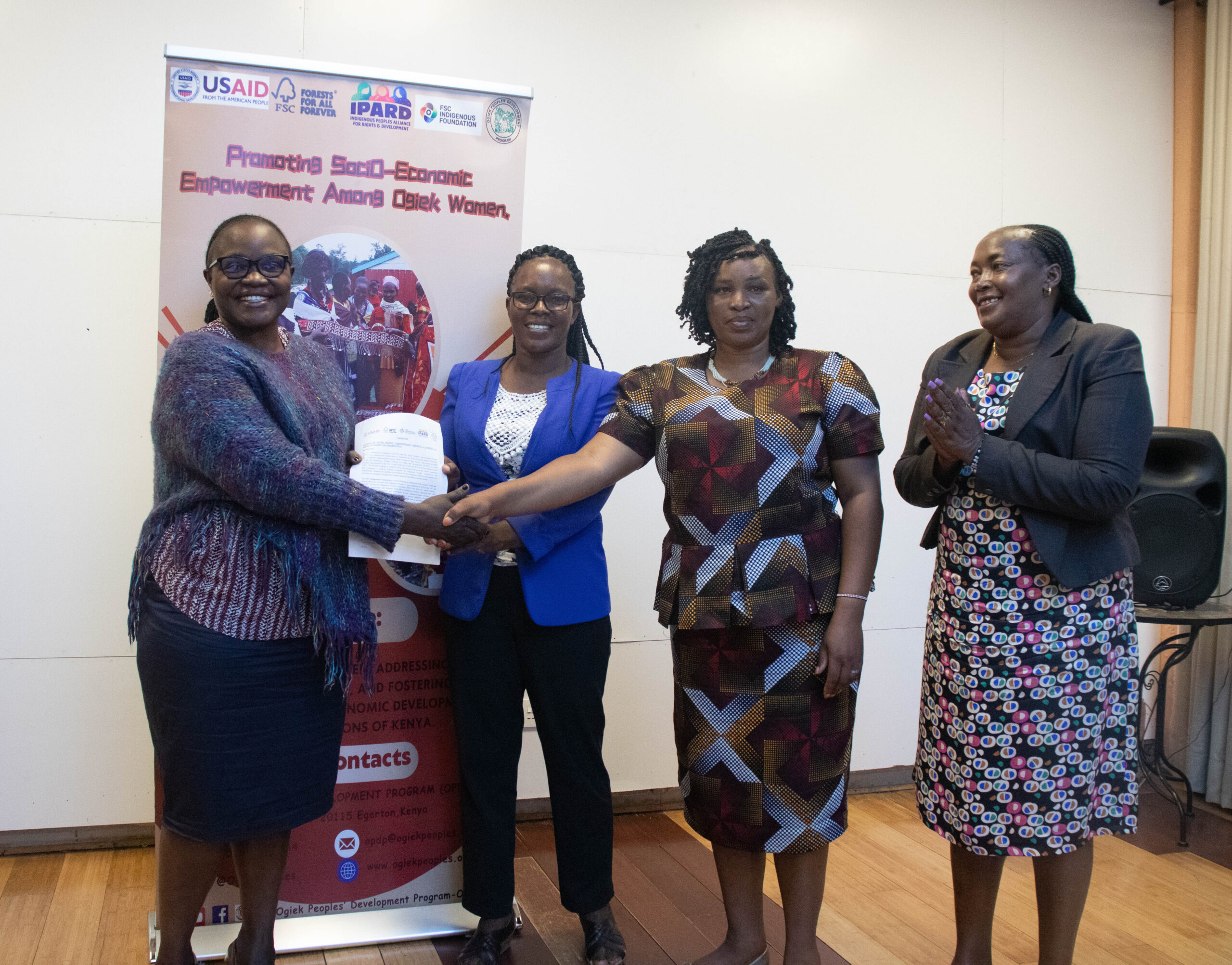
This event also underscores the strengthening partnership between the FSC Indigenous Foundation and the Ogiek Peoples’ Development Program (OPDP). Our collaboration on the “Promoting Socio-Economic Empowerment among Ogiek Women of Mau, Kenya” project, implemented through the Indigenous Peoples Alliance for Rights and Development (IPARD) Program, represents a shared commitment to empowering Indigenous communities while fostering sustainable economic models. IPARD is funded by the USAID, the Forest Stewardship Council, and private sector partners.  

FSC-IF’s presence at the launch amplifies our joint commitment to cultural preservation and the empowerment of Indigenous Peoples on an international stage. Secondly, the center serves as a physical space where the objectives of our partnership — such as socio-economic empowerment, particularly of women, and the promotion of sustainable livelihoods — can be visualized and realized. Lastly, it strengthens the bond between FSC-IF and OPDP, enhancing our collaborative efforts towards achieving greater recognition and effective participation of Indigenous Peoples in decision-making processes in Kenya and beyond.  

Watch a video for more information on the launch: https://youtu.be/0BafEJHviGk  

News

Indigenous Peoples’ knowledge is vital to combat the climate crisis

Takeaways from Africa Climate Summit and Climate Week 2023

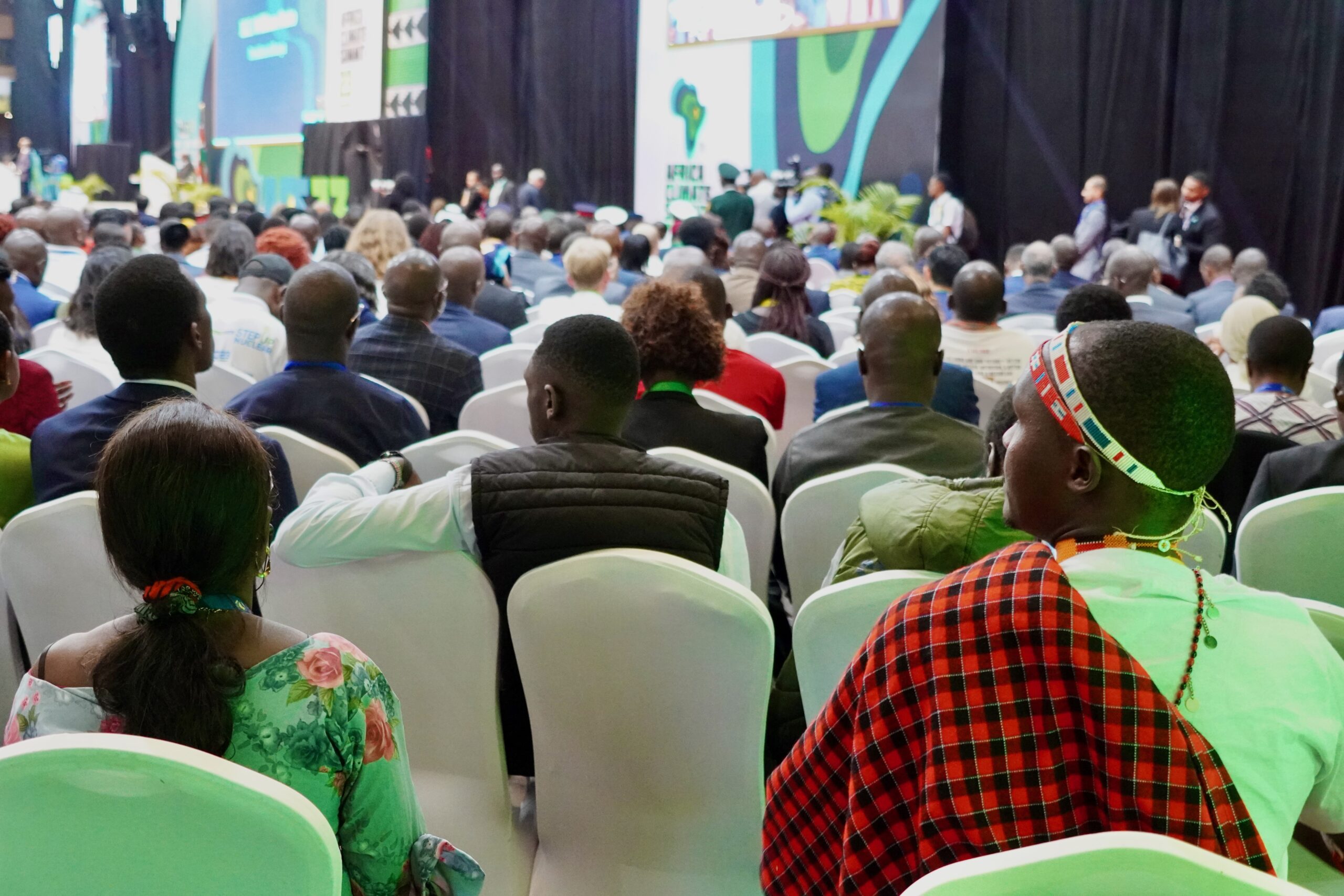
Last week in Nairobi, Kenya, governments, businesses, international organizations, civil society, and Indigenous leaders met at Africa Climate Week 2023 and African Climate Summit to highlight solutions to reduce greenhouse gas emissions while adapting to the climate crisis.

One message from the week is clear: Indigenous Peoples’ ancestral knowledge is vital to combating the climate crisis. If we scale up Indigenous-led actions and funding, we can protect our planet, peoples, and future.

Many stakeholders have identified nature-based solutions as key programmatic priorities in the next decade in the fight against climate change. Indigenous Peoples have been the world’s nature-based solution providers for thousands of years.

Highlights from Africa Climate Week

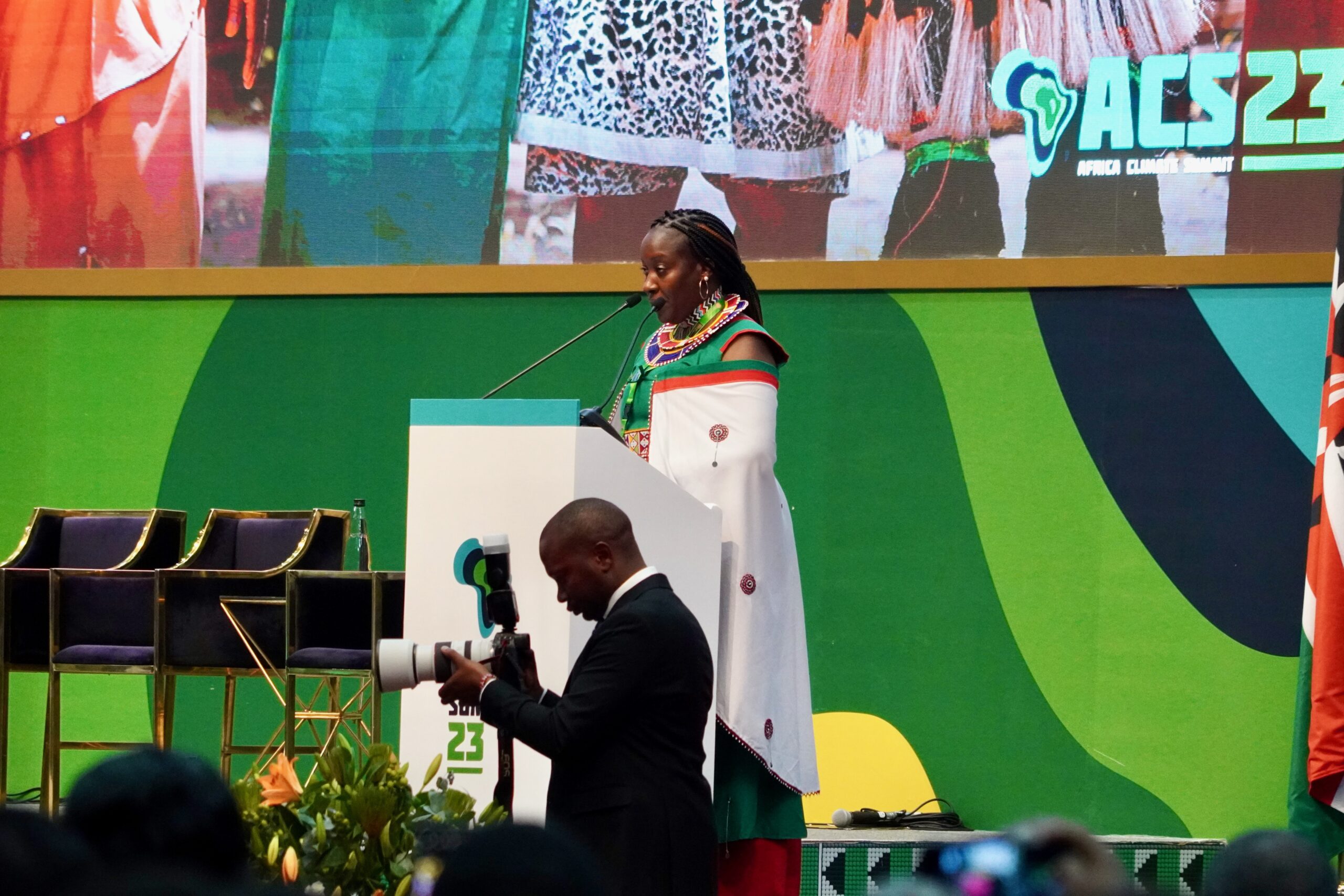
Over 30,000 people gathered for Africa Climate Week and Summit to explore solutions. In the opening ceremony, Anne Samante of the National Indigenous Peoples Coordinating Committee on Climate Change and MPIDO read a statement that was put together in an Indigenous Peoples pre-summit. 

Indigenous Peoples  “are not only victims but we also come with solutions,” Anne Samante said. 

The gathering concluded with the Nairobi Declaration – a common position for Africa leading up to COP28 with commitments around climate finance, renewable energy, a Global Climate Finance Charter, green minerals, and economic transformation. A key theme discussed throughout the week was the potential and need to include youth, one of Africa’s most valuable resource. The President of Kenya Dr. William Ruto acknowledged the role Indigenous Peoples play in their cultural landscapes in protecting forests, savannahs, marine environments, and drylands. 

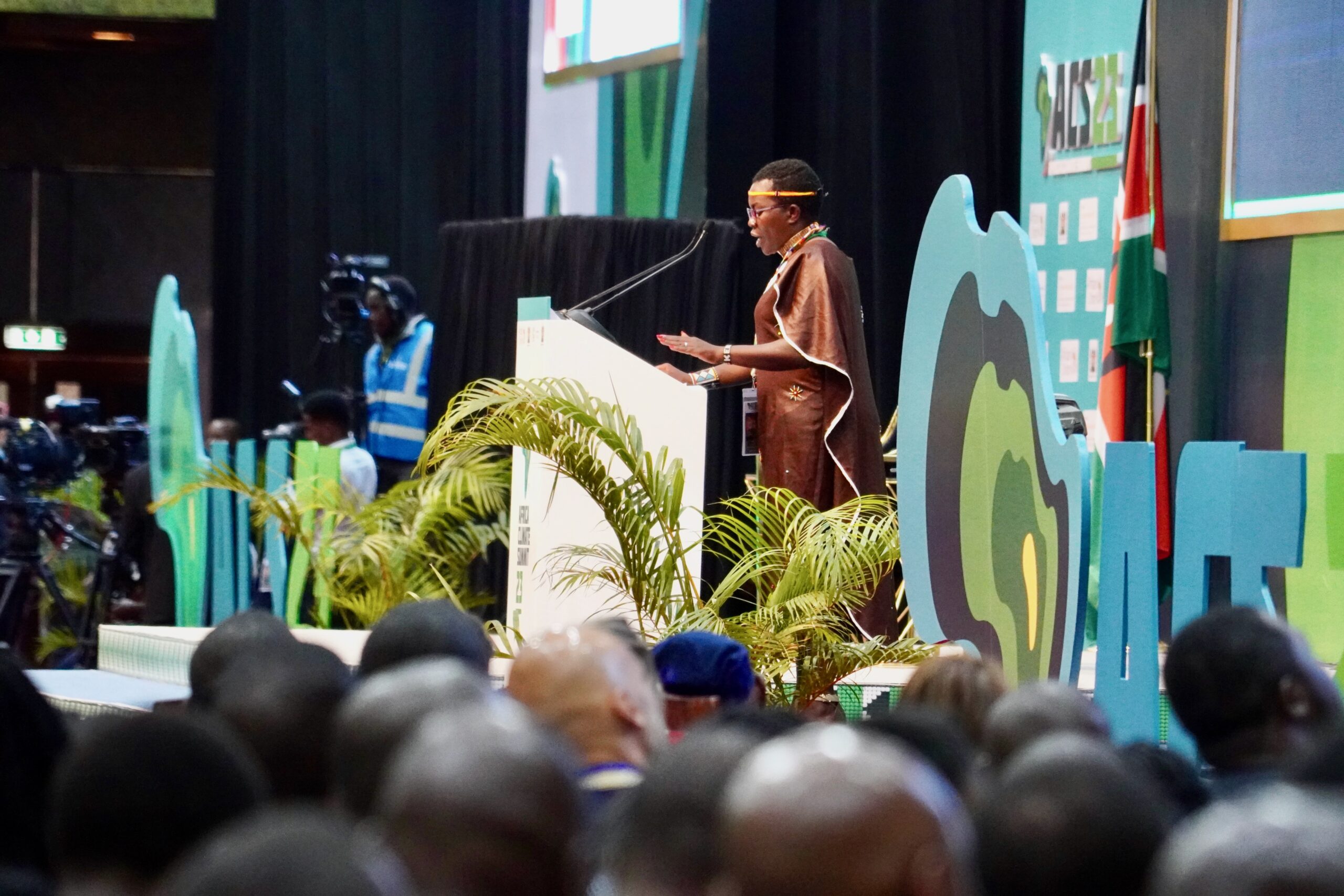
Judith Kipkenda from the Ogiek Peoples of Kenya and the Global Indigenous Youth Caucus read the Indigenous Peoples’ declaration in the closing ceremony. It includes the following key themes: (1) Indigenous focal points and participation at African Union and United Nations level, (2) free, prior, informed consent (FPIC) and stopping evictions of Indigenous Peoples from their lands, (3) recognition and strengthening traditional knowledge systems and partnerships to integrate this knowledge with scientific knowledge, among others.

“Although we as Indigenous Peoples contribute the least to climate change, we suffer the most from its consequences. We are here with solutions and lessons,” Judith Kipkenda said. 

Indigenous knowledge systems for adaptation actions in Africa

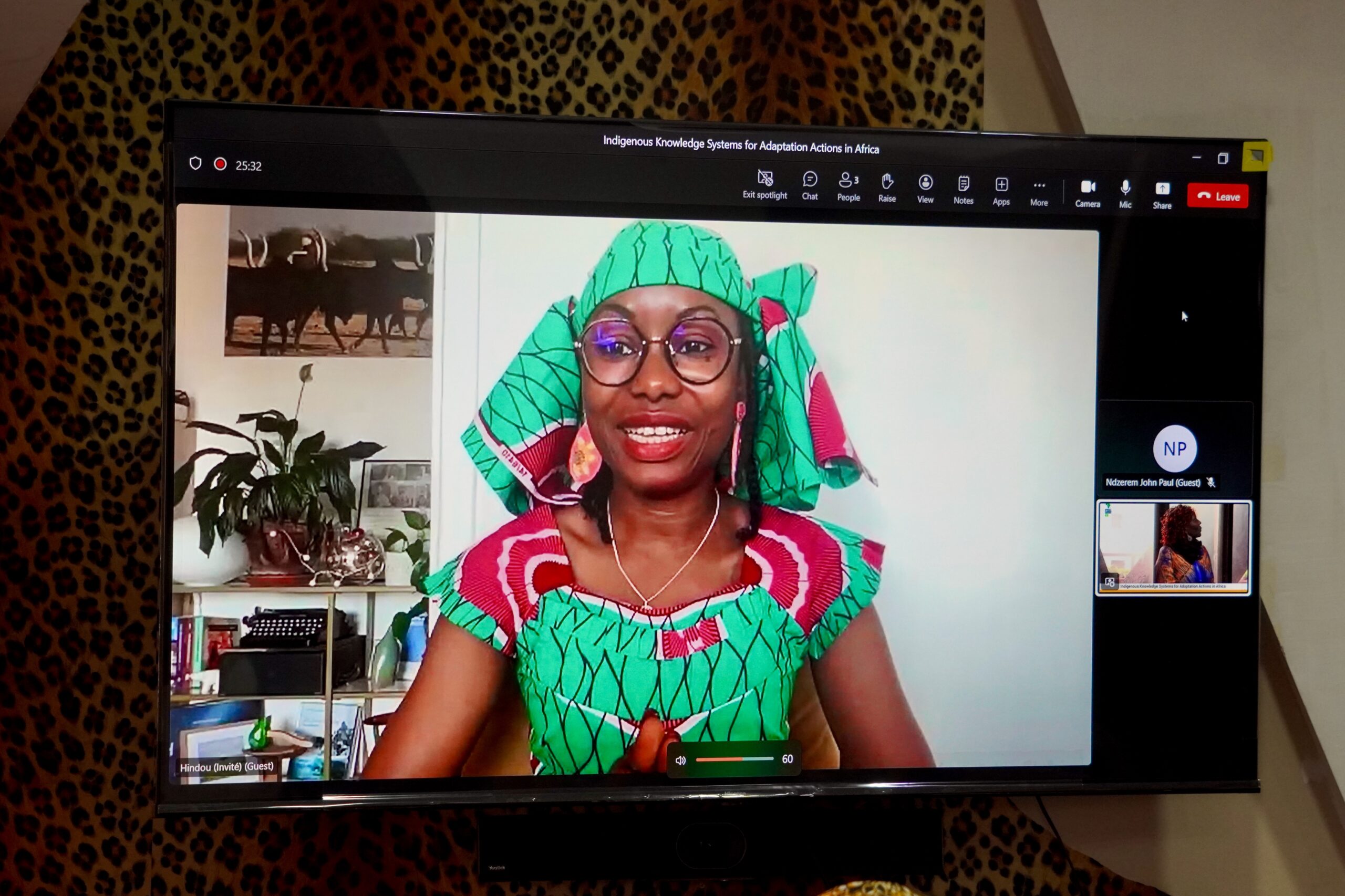
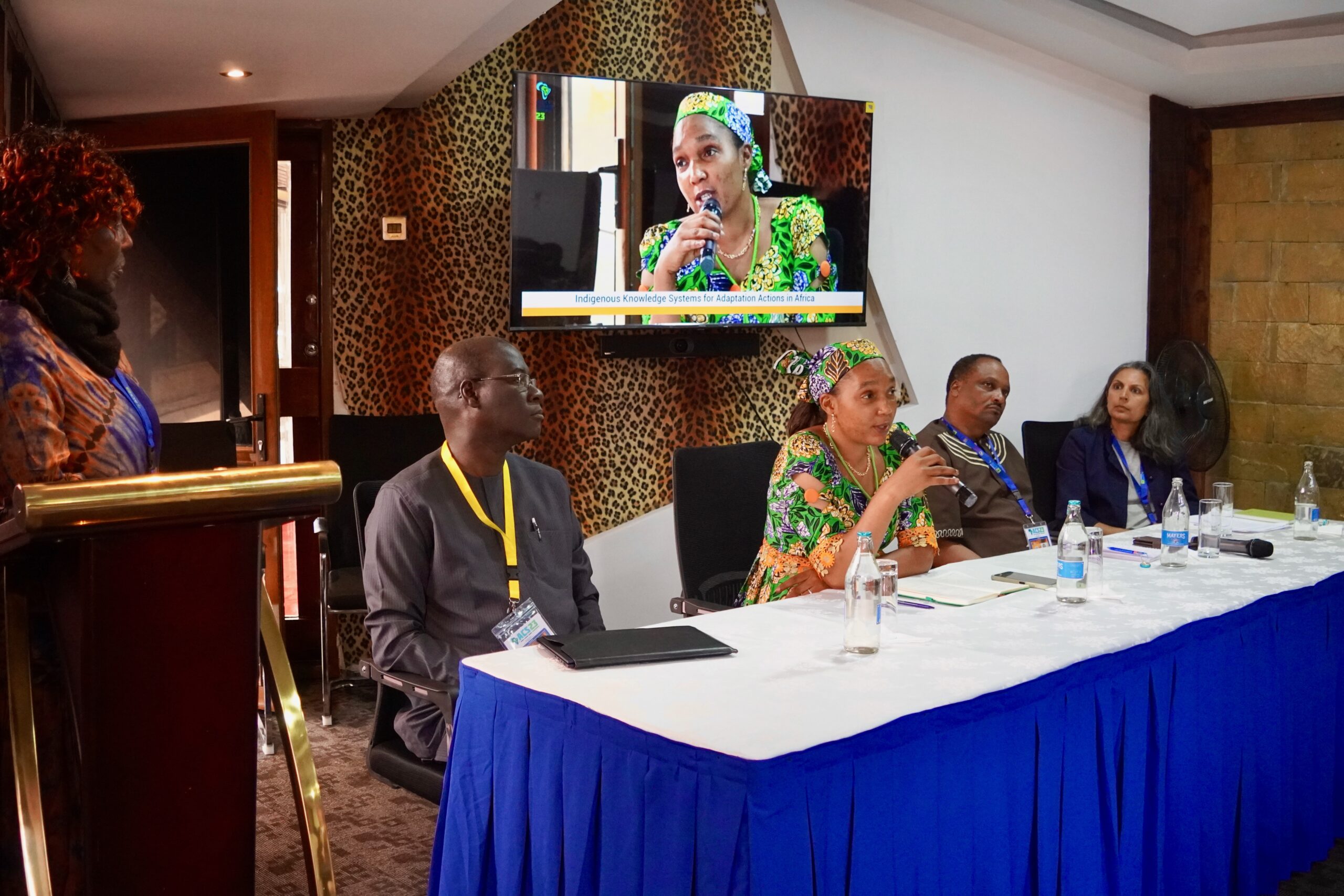
In an Africa Climate Week side event organized on September 8 jointly by the FSC Indigenous Foundation (FSC-IF) and the African Development Bank (AfDB), Indigenous Knowledge Systems for Adaptation Actions in Africa, Indigenous leaders and key stakeholders discussed the necessity of including Indigenous knowledge for effective and long-term solutions to the climate crisis.

Dr. Al-Hamndou Dorsouma, Division Manager, Climate and Green Growth Department, African Development Bank, and Hindou Oumarou Ibrahim, FSC Indigenous Foundation Council Chair, gave opening remarks. 

“Those with Indigenous knowledge have higher adaptation and lower vulnerability, they make informed decisions and used local knowledge of diversification of crops,” said Dr. Dorsouma.

“It is the time to trust Indigenous Peoples and learn from Indigenous Peoples,” said Hindou Ibrahim.

Then, a panel discussed the importance of Indigenous knowledge in addressing climate adaptation in Indigenous Cultural Landscapes, including Dr. Arona Soumaré, Regional Principal Climate Change Officer, AfDB; Daniel Kobei, Executive Director, Ogiek Peoples Development Program, Balkisou Buba, Vice President of the Cameroon Branch of the Network of Indigenous Peoples and Local Communities for Sustainable Management of Central Africa Forests Ecosystem (REPALEAC); and Roopa Karia, Environment Office Director, USAID Kenya and East Africa. Salina Sanou, FSC-IF Regional Director for Africa and Asia, moderated the event. 

“We are moving away from a do not harm to an inclusive approach, “ said Dr. Soumaré of the AfDB.  

“While working with science, we need to consider Indigenous knowledge. Women are holders of that knowledge,” said Balkisou Buba. 

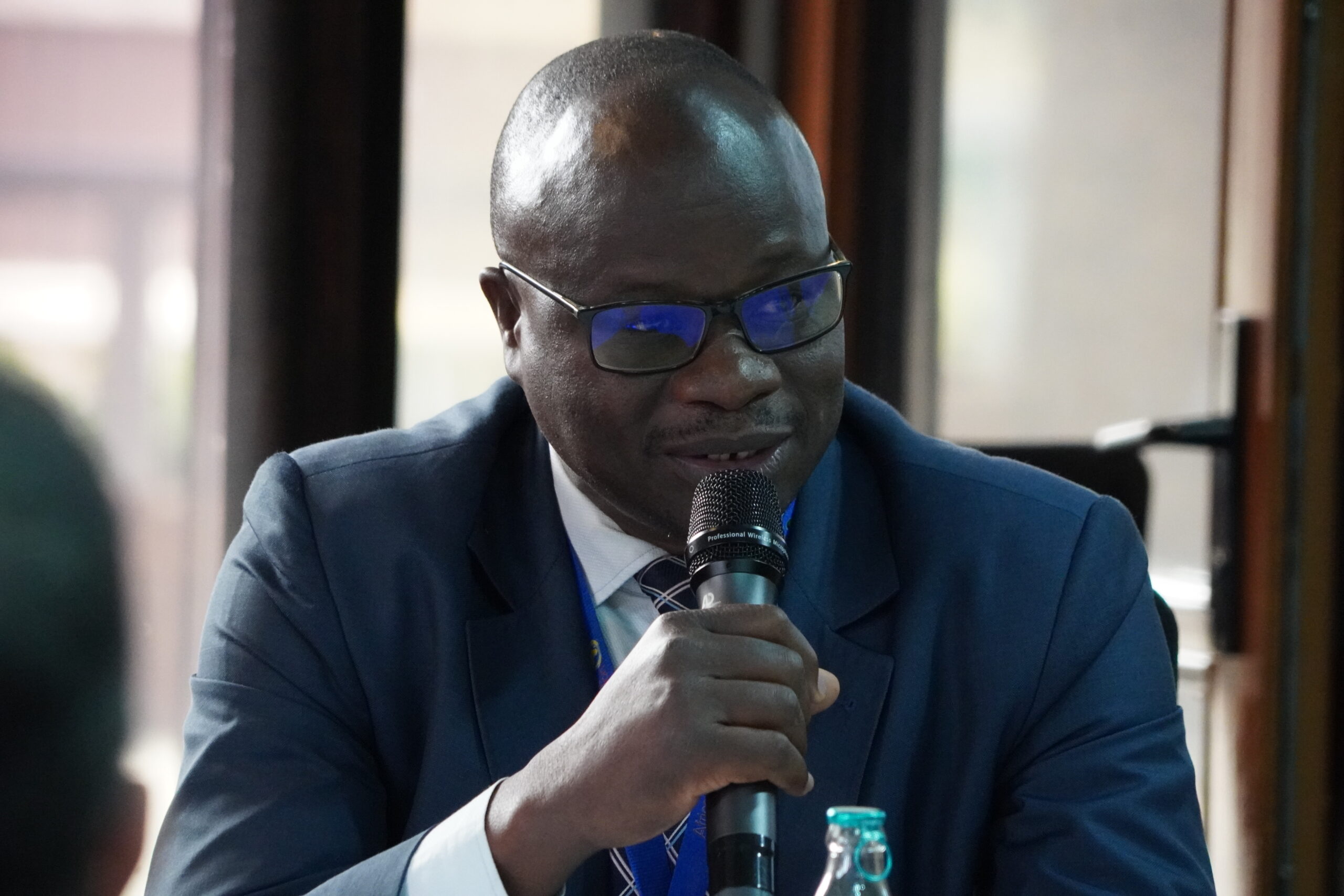
“Indigenous Peoples must be part of climate strategies from the design phase,” said Daniel Kobei, emphasizing that Indigenous knowledge is different from traditional knowledge. 

“A real concern from USAID is the legal rights of Indigenous Peoples and the human rights of Indigenous Peoples,” said Roopa Karia.

Dr. Alejandro Paredes, Interim Managing Director of the FSC Indigenous Foundation and Dr. Olufunso Somorin, Regional Principal Officer, Climate Change and Green Growth Program at the African Development Bank, closed the event.

Speakers agreed that Indigenous knowledge is powerful and we need to use it in climate adaptation strategies and actions. Indigenous knowledge is the future. 

We invite you to join us to make this future a reality as we carry this message to COP28 and work to elevate Indigenous-nature-based solutions with concrete actions. 

News

The FSC Indigenous Foundation promotes Indigenous-based solutions at COP27

We strengthened partnerships with and for Indigenous Peoples to confront and mitigate the global climate crisis.

portait indigenous woman of the world - COP27

Sharm, El Sheik, Egypt. The FSC Indigenous Foundation (FSC-IF) participated in the 27th edition of the United Nations Summit of the Parties on Climate Change (COP27) held on November 6 to 18, 2022, at Sharm El Sheikh, Egypt.

Based on the importance of Indigenous Peoples, their territories, and their traditional knowledge and practices for the conservation of forests, biodiversity and resources, the FSC Indigenous Foundation promoted events seeking the recognition of Indigenous Peoples as agents of change and main actors regarding global solutions to the climate crisis.

The FSC Indigenous Foundation also encouraged multi-sector collaboration, seeking partnerships and bringing together different stakeholders to identify and promote Indigneous-based solutions to global challenges.

Additionally, we worked to empower a new generation of Indigenous leaders who will boost the Indigenous climate action to combat the challenges of climate change and determine a different course of action for the future of the planet.

From proposal to direct action

The following is a summary of the main events of the agenda. 

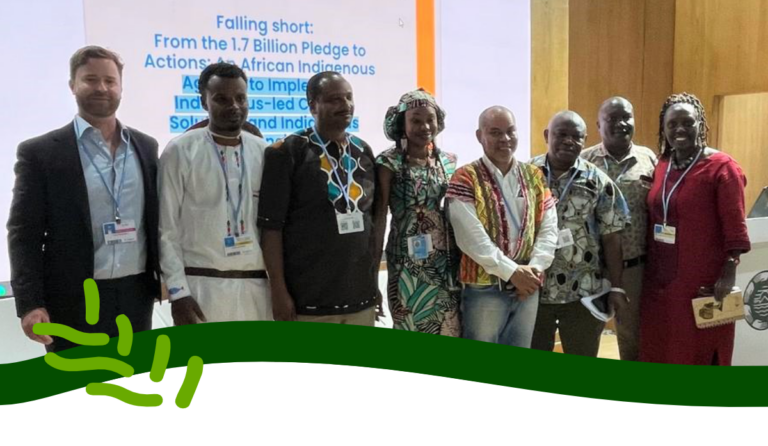
Side Event: From 1.7 Billion Commitment To Action: An African Indigenous Agenda for the Implementation of Indigenous-Led Climate Solutions and Indigenous Financing

portait participants of side event Side Event: From 1.7 Billion Commitment To Action: An African Indigenous Agenda for the Implementation of Indigenous-Led Climate Solutions and Indigenous Financing - COP27

The FSC Indigenous Foundation and its allies in Africa, the Indigenous Peoples of Africa Co-ordinating Committee (IPACC) and the Network of Indigenous and Local Populations for the Sustainable Management of Forest Ecosystems in Central Africa (REPALEAC), co-organized a side event on November 8 in the Indigenous Pavilion at COP27 to discuss the Indigenous Financing Plan proposed by Forest Tenure Funders Group (FTFG) to be implemented in Africa as part of the continuation of the 1.7 billion commitment for Indigenous Peoples, which had been announced at COP26.

This plan will constitute a pilot that will determine the implementation of this mechanism on a global scale.

“Any solution to the climate crisis must include Indigenous Peoples as active partners. We are here to seek solutions and work together.”
Francisco Souza, Managing Director of the FSC Indigenous Foundation.

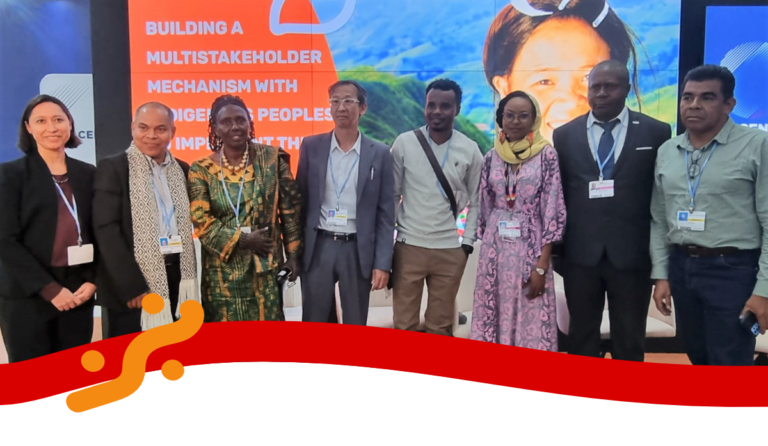
Side Event:  Building a Multisectoral Mechanism together with Indigenous Peoples towards the Implementation of the 1.7 Billion Pledge for Forest Conservation

participants of side event Building a Multisectoral Mechanism together with Indigenous Peoples towards the Implementation of the 1.7 Billion Pledge for Forest Conservation - COP27

The U.S. Agency for International Development (USAID) and the FSC Indigenous Foundation co-organized this side event, held on November 16 at the US Center, to to discuss how climate change disproportionately impacts Indigenous Peoples and identify ways of integration and collaboration with Indigeous Peoples to achieve common goals to move forward with the implementation of the Forest Tenure Pledge.

Panelists concluded that for climate finance to reach Indigenous Peoples and local communities directly, it will be necessary to develop and agree on transparent and efficient mechanisms, not only determined by donors and partners but in close consultation with Indigenous Peoples and local communities.

“There is not someone else telling us about climate impacts, we are experiencing it directly. It is better to focus our energy on how we can resolve it and bring hope back home.”
Hindou Oumarou Ibrahim, AFPAT and FSC-IF Council member.

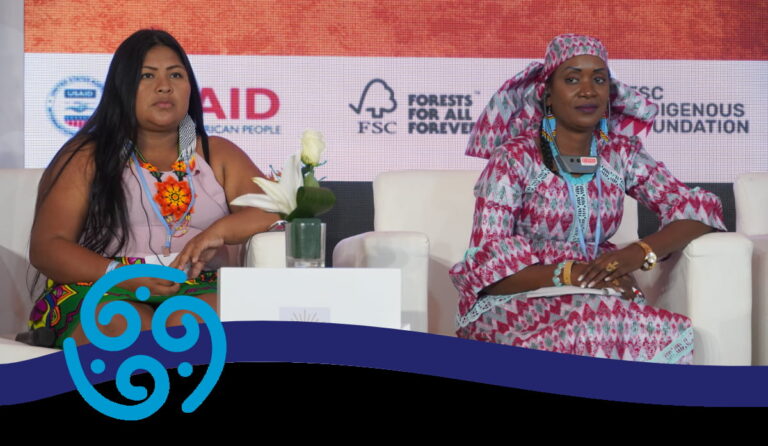
Side Event:  Indigenous Women Leading the Climate Change Agenda from their Ancestral Knowledge and Traditional Practices

participants of side event Indigenous Women Leading the Climate Change Agenda from their Ancestral Knowledge and Traditional Practices - COP27

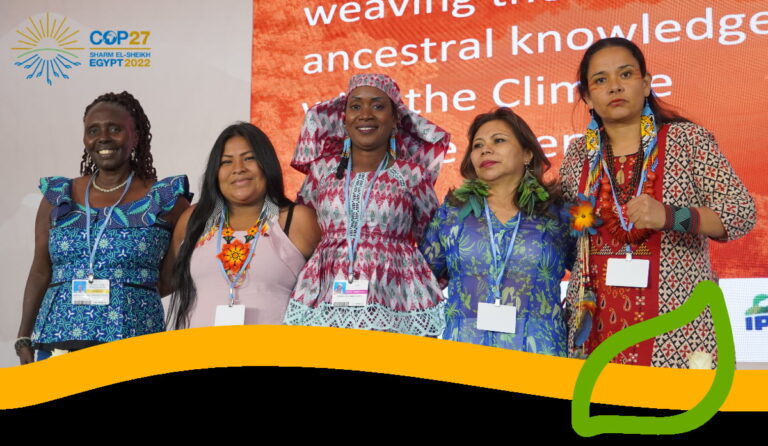
On November 11 in the Green Zone at COP27, Indigenous women from Africa, Mesoamerica, and South America presented local examples of why Indigenous women are key agents leading climate change agendas with their ancestral knowledge and traditional practices. The event was organized by the FSC Indigenous Foundation, the Coordinator of Territorial Women Leaders of the Mesoamerican Alliance of Peoples and Forests (AMPB), the Global Alliance of Territorial Communities (GATC), and TINTA.

Indigenous women, youth, and girls have been disproportionately impacted by climate change, even if they use, manage and conserve community territories consisting of more than 50% of the world’s land.

“Indigenous women’s traditional knowledge is part of the solution.”
Fany Kuiru of OPIAC.

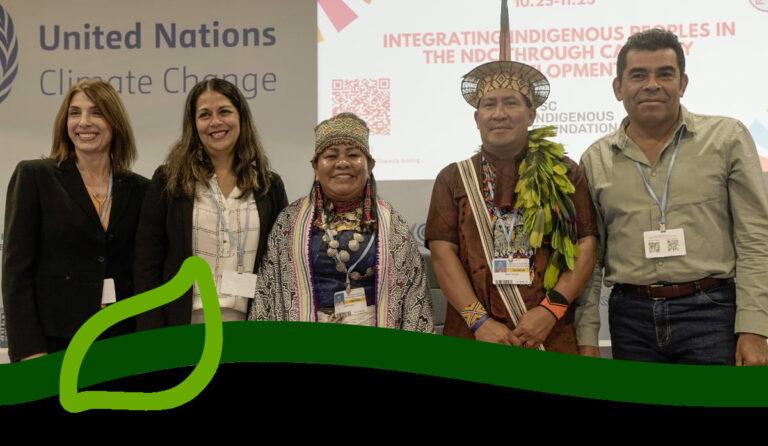
Capacity Development Center Event: Integrating Indigenous Peoples into the NDC Process through Capacity Development

participants of side event Integrating Indigenous Peoples into the NDC Process through Capacity Development - COP27

Held on November 16 in the Capacity Development Center at COP27, this event provided the opportunity to discuss  the key strategies to foster capacity development of Indigenous Peoples and communities to promote their participation and contribution on initiatives and projects aiming for the Nationally Determined Contributions (NDCs) goals.

For this event, the FSC Indigenous Foundation, the Mesoamerican Alliance of Peoples and Forests (AMPB), Association for Research and Integral Development (AIDER), and Ecosphere+ convened a group of experts to highlight cases in Costa Rica and Peru where Indigenous communities are effectively participating in carbon markets, and discuss key strategies for capacity building for Indigenous Peoples and communities. 

The FSC-IF seeks to elevate Indigenous Peoples’ contributions towards the protection of Mother Earth, as a means to be recognized as providers of inclusive, holistic and cultural solutions focused on diversity in global changes.

“Mechanisms should be participatory and socialized with Indigenous Peoples and leaders. It is important to have information before making decisions that involve our territories and resources.”
Berlin Diques, Regional Organisation AIDESEP Ucayali (ORAU)

The FSC Indigenous Foundation builds partnerships with and for Indigenous Peoples worldwide

Solutions to the climate crisis require collaboration from different sectors, especially Indigenous Peoples, who have been the world’s nature-based solution providers for thousands of years. 

For this reason, the FSC Indigenous Foundation is engaging with different sectors to identify and promote Indigenous-based solutions to global challenges. At COP27, we signed Memorandums of Understanding with the Network of Indigenous and Local Communities for the Sustainable Management of Forest Ecosystems in Central Africa (REPALEAC), the Indigenous Peoples Coordinating Committee of Africa (IPACC), the Ogiek Peoples Development Program, and Health in Harmony to advance Indigenous-led solutions, Indigenous Peoples’ rights, and Indigenous self-development. 

News

The FSC Indigenous Foundation builds partnerships with and for Indigenous Peoples worldwide

At COP27, FSC-IF signed Memorandums of Understanding with organizations and networks to identify and promote Indigenous-based solutions to the challenges facing our world.

FSC IF worldwide partnerships meeting

Solutions to the climate crisis require collaboration from different sectors, especially Indigenous Peoples, who have been the world’s nature-based solution providers for thousands of years. 

For this reason, the FSC Indigenous Foundation is engaging with different sectors to identify and promote Indigenous-based solutions to global challenges. At COP27, we signed Memorandums of Understanding with the Network of Indigenous and Local Communities for the Sustainable Management of Forest Ecosystems in Central Africa (REPALEAC), the Indigenous Peoples Coordinating Committee of Africa (IPACC), the Ogiek Peoples Development Program, and Health in Harmony to advance Indigenous-led solutions, Indigenous Peoples’ rights, and Indigenous self-development. 

Promoting Indigenous Peoples’ rights and self-development in Africa

The FSC-IF is forming strategic partnerships driven by, for, and with Indigenous Peoples in Africa through collaboration with REPALEAC, IPACC, and the Ogiek Peoples Development Program. 

REPALEAC is a sub-regional civil society organization with active national networks in Burundi, Cameroon, Congo, Gabon, Equatorial Guinea, Central African Republic, Democratic Republic of Congo, Republic of Chad, and Rwanda. REPALEAC and its member organizations are acting to defend the rights of Indigenous Peoples and Local Communities (IPLCs) as well as to protect the sustainability of the ecosystems to which they are intimately linked and on which their survival depends. 

FSC IF group photo for the worldwide partnerships meeting

The FSC-IF and REPALEAC established a joint work plan focused on capacity development of REPALEAC member organizations; participation in decisions concerning access to, and sustainable management of, lands, forests, and natural resources; and promoting and strengthening Indigenous economies. 

IPACC is a network of 135 Indigenous Peoples’ organizations in 21 African countries, headquartered in Cape Town, South Africa, making it the largest Indigenous Peoples’ network in the world. It was founded to address the most pressing issues facing Indigenous Peoples in Africa including human rights violations, systematic legal and social discrimination, exclusion from decision-making, and political economy. 

The FSC-IF and IPACC developed a work plan to strengthen the capacities of IPACC members on issues of women’s rights and youth members on research and digital documentation; support IPACC members to develop a strategy for integrating the United Nations Declaration on the Rights of Indigenous People (UNDRIP), support IPACC members to conduct a study on the operationalization of FPIC in Indigenous territories, and facilitate the development of partnerships with key academic and research institutions. 

FSC IF group photo for the worldwide partnerships meeting

The Ogiek Peoples Development Program (OPDP) is a Kenyan human rights organization dedicated to promoting, protecting, and defending Indigenous Peoples’ rights. It was formed by Ogiek elders, opinion leaders, and professionals after long land historical injustices that deprived the Ogiek community of their rights as Kenyan citizens. 

FSC IF group photo for the worldwide partnerships meeting

OPDP and the FSC-IF will work together to promote Indigenous Peoples’ rights and self-development in Africa, recognizing the contributions of Indigenous Peoples to protect the forest, the importance of their traditional knowledge, safeguarding cultures, and respect for the role of women in the region. 

Global partnership to scale-up Indigenous-based solutions 

Founded on Radical Listening, Health In Harmony is a rainforest conservation organization holistically addressing the health of people, ecosystems, and the planet. Its mission is to reverse tropical rainforest deforestation to halt the nature and climate crisis.

Together, we will work towards common goals by, for, and with Indigenous Peoples, on themes of forests, climate change, Indigenous economies, Indigenous leadership and capacity development, Indigenous financial mechanisms, and new funding opportunities. We will also explore the use of tools such as Radical Listening and Rainforest Exchange to facilitate Indigenous-designed solutions for climate, biodiversity, and human wellbeing.    

FSC IF group photo for the worldwide partnerships meeting

If you are interested in becoming a strategic partner of the FSC-IF, please contact us at: fsc.if@fsc.org 

1 2 3 4