Inclusive dialogue with Indigenous Peoples and the government in Kenya
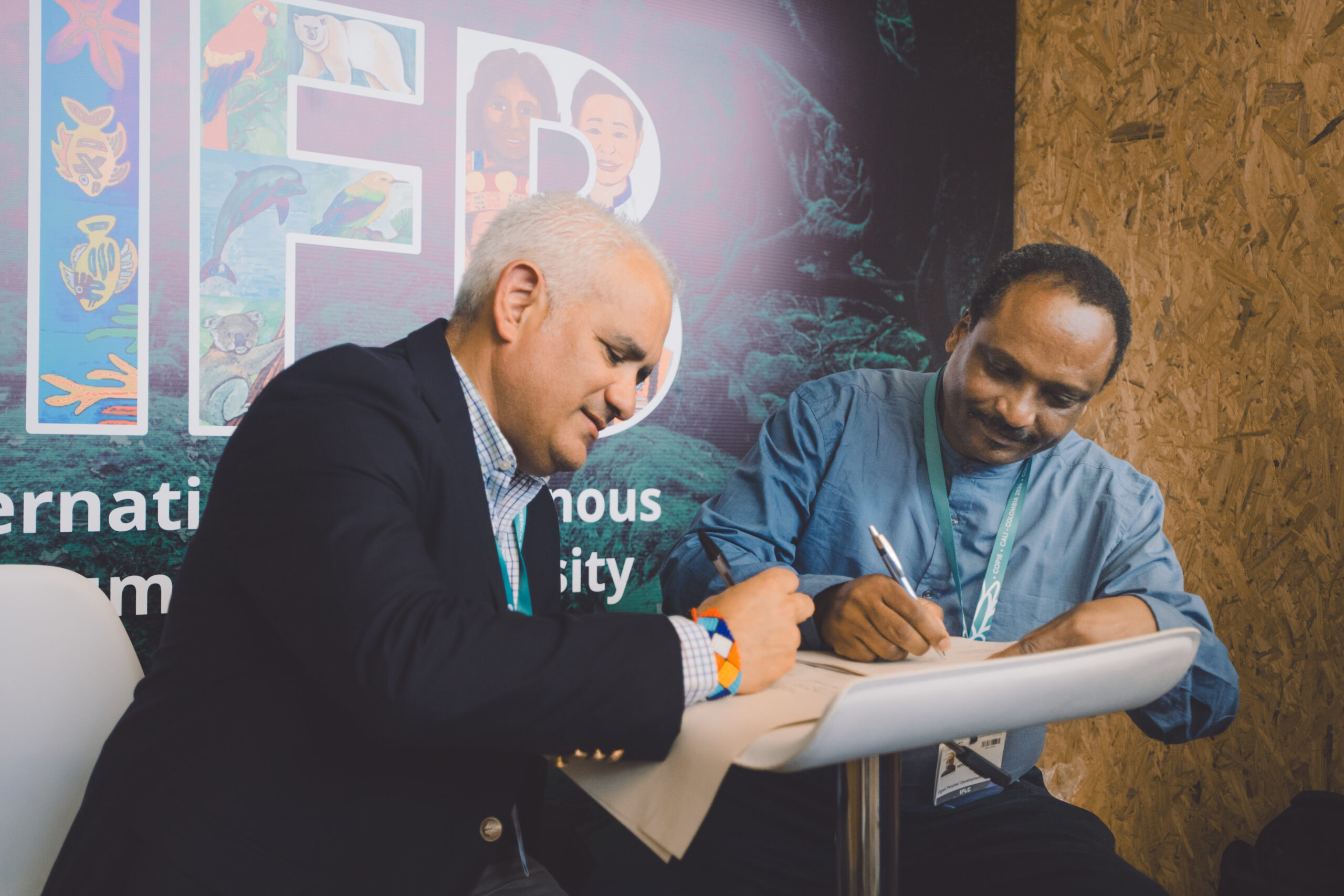
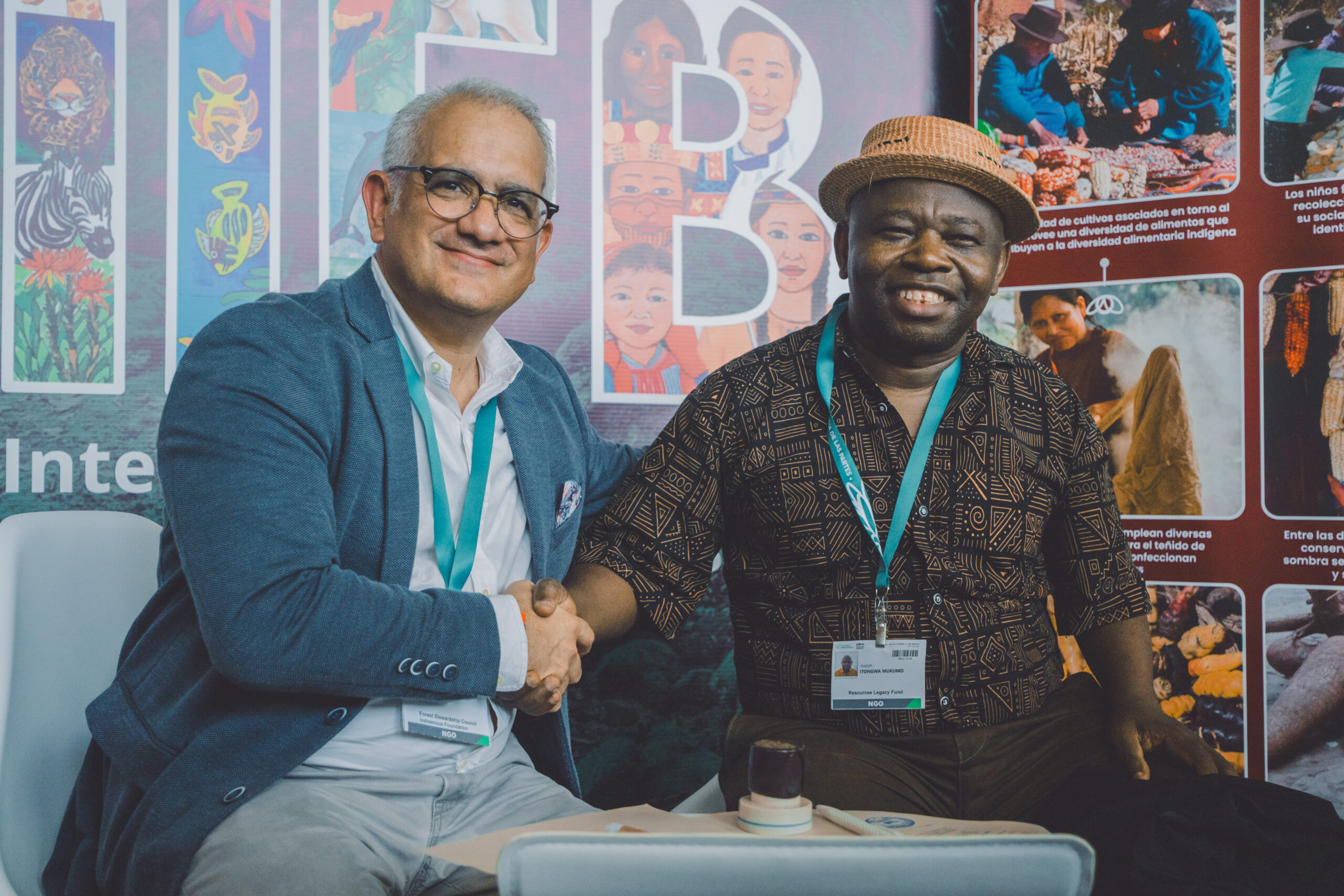
We are excited to sign an agreement with the Ogiek Peoples Development Program at COP16 to expand our collaboration with and for the Ogiek Peoples and their forests.
FSC-IF
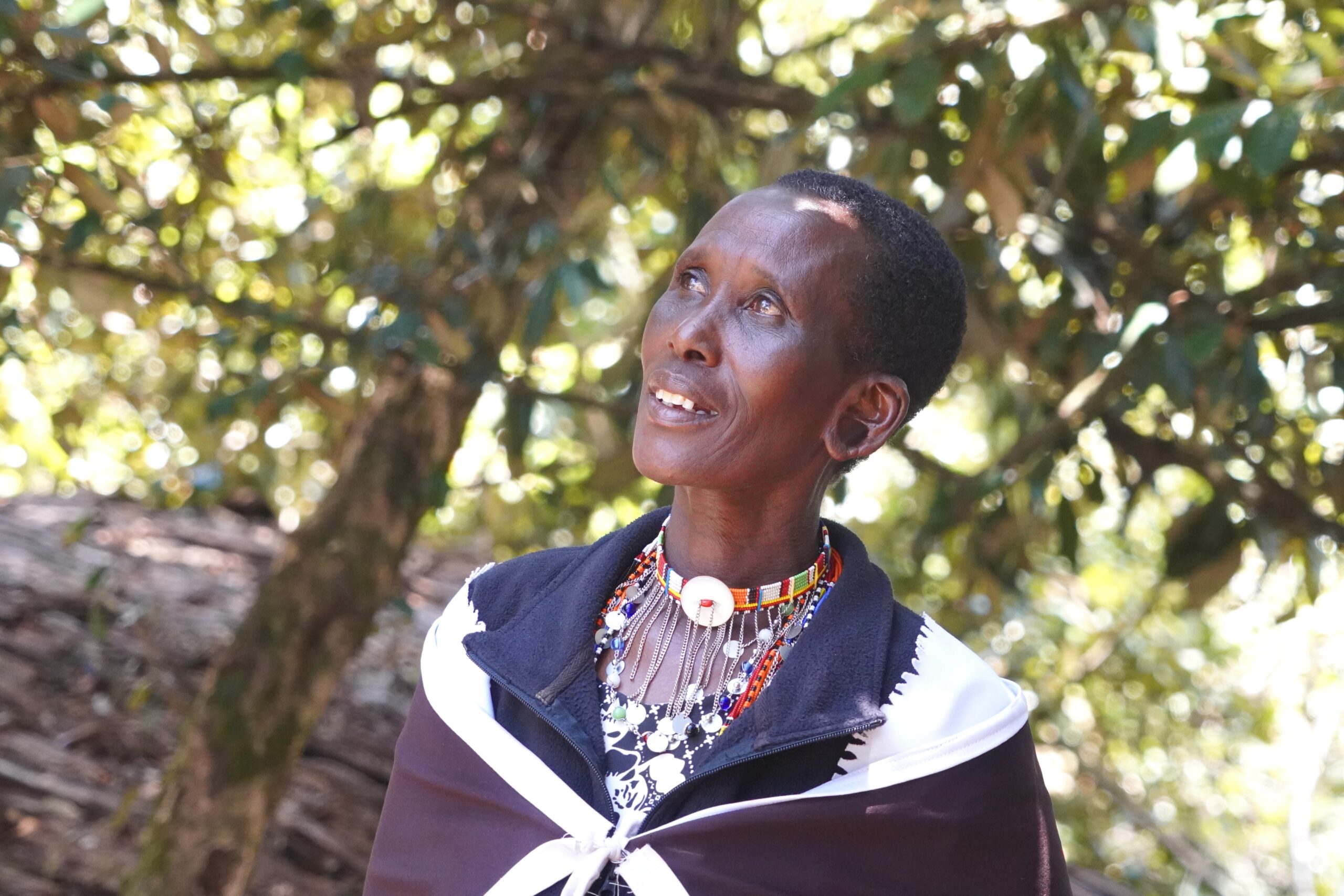
The Ogiek People have a deep, ancestral connection to the Mau Forest, viewing it as not just a physical space, but a vital part of their cultural identity and cosmovion. As guardians of this rich ecosystem, the Ogiek have practiced sustainable land management techniques for millenia that reflect their profound understanding of the forest’s biodiversity. Their traditional knowledge ensures the forest remains healthy and resilient.
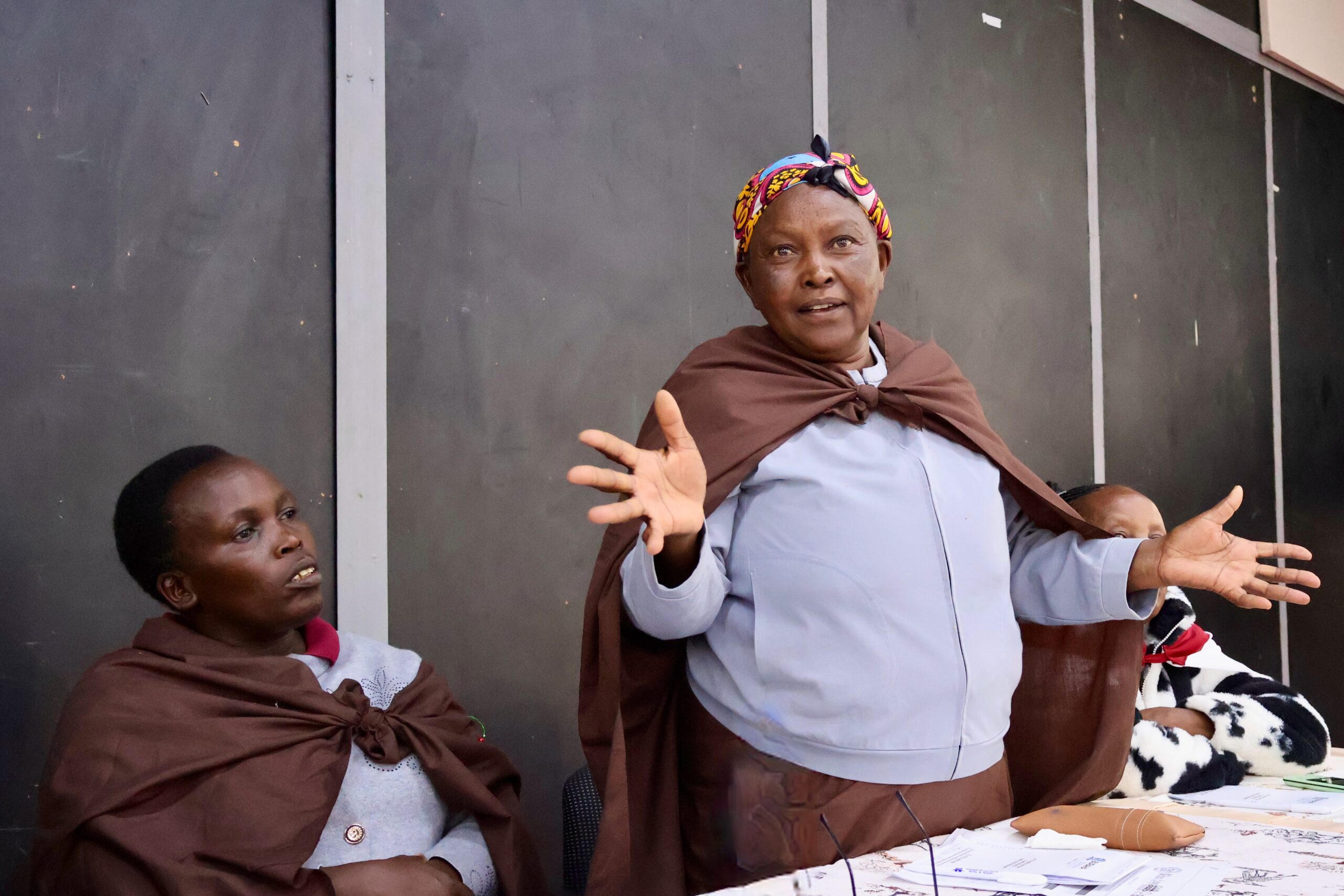
In the framework of the Convention on Biological Diversity COP16, the FSC Indigenous Foundation signed an agreement with the Ogiek Peoples Development Program (OPDP) building on our existing project for Ogiek women’s socio-economic empowerment. We will expand our collaboration to support a dialogue between the Ogiek Peoples and government institutions regarding policies based on Indigenous Peoples’ rights.
Through this work, the Ogiek People will be able to sustainably manage and restore their forests while advocating for their rights and recognition of their traditional knowledge.
Read an article authored by OPDP Executive Director Daniel Kobei on how the Ogiek People are conserving medicinal forest plants for future generations.
Watch the video below to learn about the connection between the Ogiek People and biodiversity.
Join us in supporting Indigenous Peoples’ rights and their invaluable connection to our forests. Together, we can support Indigenous Peoples to protect these vital landscapes for future generations.
For more information, please contact:
Salina Sanou
FSC-IF Regional Director for Africa and Asia and IPARD Deputy Director
Central Africa’s forest ecosystems are rich in biodiversity. We know that Indigenous Peoples are proven to be the best stewards of biodiversity — especially when their ancestral knowledge is recognized and their rights upheld. By enhancing the capacities of REPALEAC and its member organizations in communications, participatory land mapping, and in the implementation and monitoring of their strategic plan, they will be able to participate in decision-making processes regarding access to and sustainable management of natural resources at local, national, and international levels.
Key components of our work plan include:
Capacity sharing: Enhancing the capacities of REPALEAC and its members through participatory trainings and exchanges.
Participation: Promoting Indigenous Peoples’ participation in the design, implementation, and validation of climate policies and programs and decision-making concerning access to, and sustainable management of lands and forests.
Economic empowerment: Developing and diversifying sustainable economic activities of Indigenous Peoples, including women and youth, based on their lands, territories and natural resources, and rooted in their ancestral knowledge.
We believe that partnering with Indigenous Peoples is essential for their communities and the health of our planet, and our collaboration with REPALEAC ensures that Indigenous Peoples participate in crucial discussions and decisions on forests, biodiversity, and climate. Join us to make a lasting impact on the biodiversity of Central Africa and beyond.
Listen to Joseph Itongwa, Regional Coordinator for REPALEAC, on why data is important for Indigenous Peoples’ lands and rights. Our collaboration with REPALEAC includes collecting data on land tenure within Indigenous territories, cartography, participatory mapping, and the creation of databases to document the Indigenous Peoples’ lands in Central Africa.
Leadership and economic empowerment among Ogiek Women in Mau, Kenya
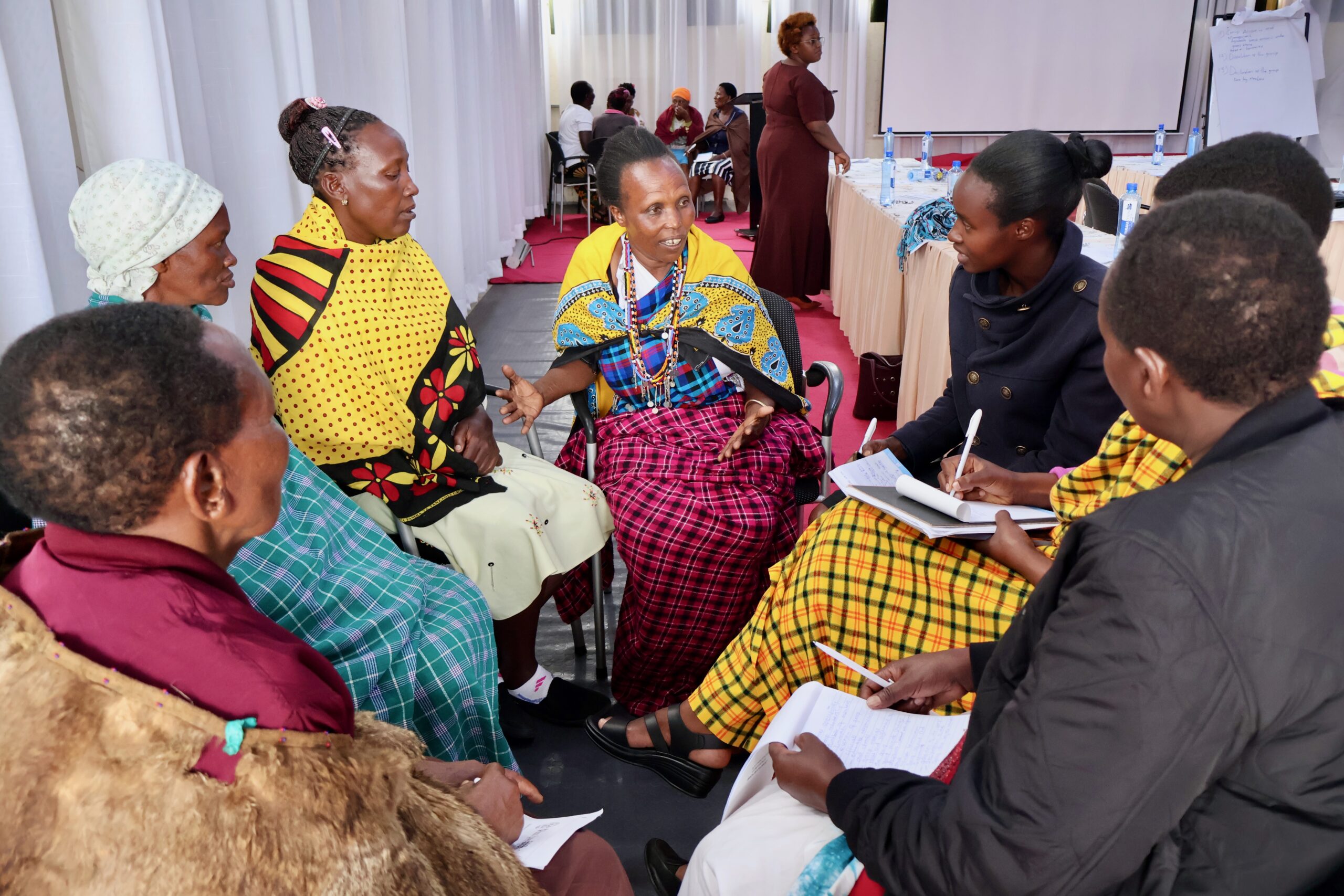
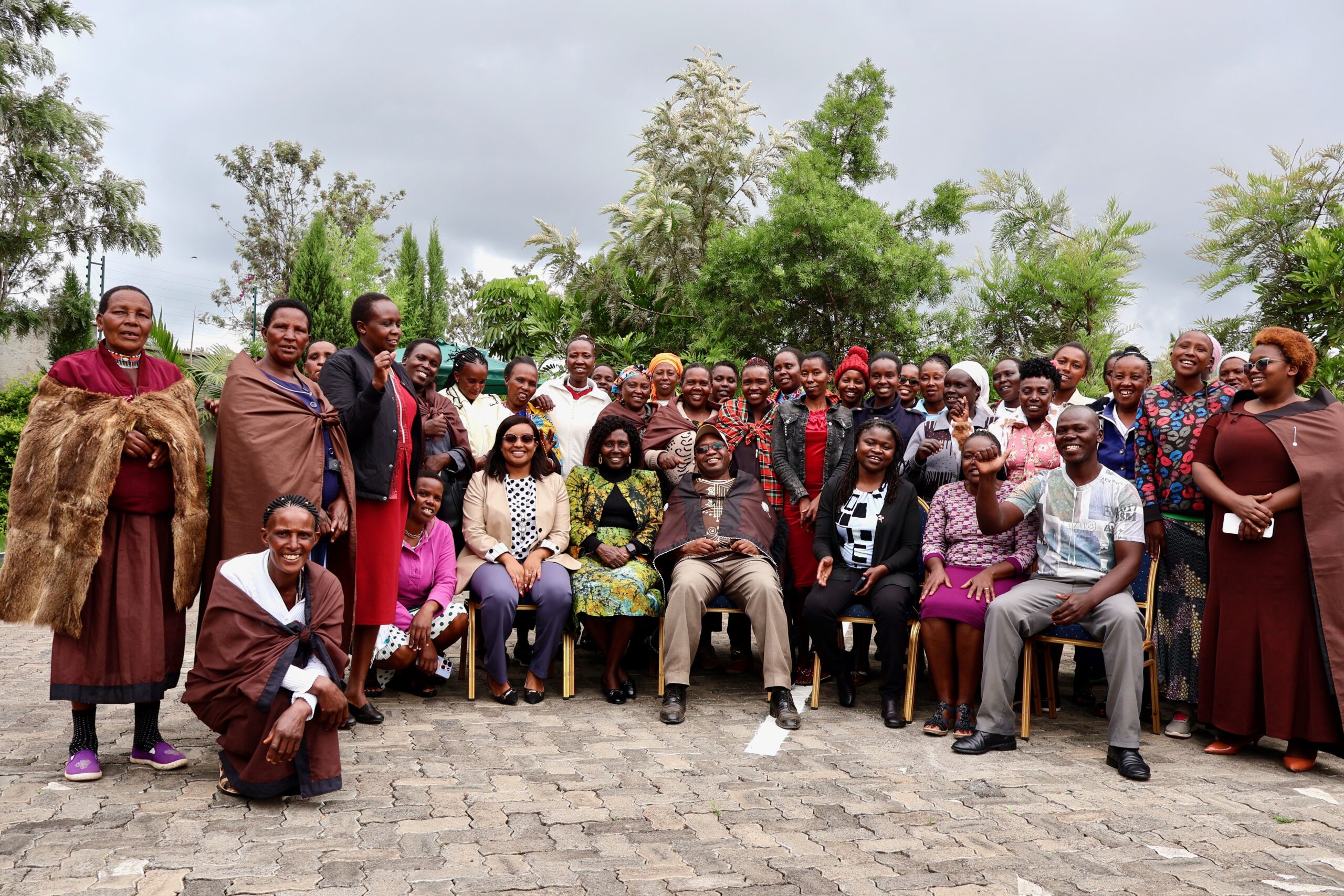
32 women participated in a workshop on leadership, negotiation and group dynamics for their management of Indigenous businesses
FSC-IF
In the heart of the Mau Forest, Kenya, a transformative initiative is underway for Ogiek Indigenous women leading socio-economic empowerment of their businesses and communities.
Through a collaborative effort between the Ogiek Peoples’ Development Program (OPDP) and the FSC Indigenous Foundation (FSC-IF), the “Promoting Socio-Economic Empowerment among Ogiek Women of Mau” project is designed to equip women leaders with essential skills in leadership and business management, fostering their ability to create sustainable economic opportunities.
Ogiek women, who have long faced significant challenges due to historical injustices and marginalization, are developing the skills and tools they need to thrive so they can advocate for their community’s rights and future. In the project, 16 women’s groups have been selected to receive seed funding and relevant training, using a train-the-trainers methodology.
Day 1: Leadership and Group Management
The workshop, held in Nakuru, Kenya in July 2024, began with a prayer and participant introductions, where attendees shared their names and affiliations. Ms. Eunice Chepkemoi from OPDP outlined the workshop’s goals, emphasizing the importance of empowering Ogiek women. Christopher Kipkones, Chairperson of OPDP Board, officially opened the workshop and highlighted the significance of the workshop for enhancing socio-economic projects in the community. He reiterated OPDP’s mission to address historical injustices and improve the socio-economic status of Ogiek women.
The first training session, led by Mary Omukhango from Uwezo Fund, a Kenya government empowerment fund, focused on effective group formation and management. Participants learned about different types of groups, the benefits of collaboration, and the five stages of group development. In the second session, participants were guided through drafting group constitutions, emphasizing the importance of governance and collaboration. The day concluded with discussions on potential funding sources and the value of networking for sustainability.
“It is not wrong to be born poor, but it is wrong to die poor,” said Eunice Chepkemoi, underscoring the session’s theme of empowerment and self-sufficiency.
Day 2: Leadership and Business Skills The second day centered on leadership qualities and the development of viable business ideas. Participants discussed the attributes of effective leaders and the challenges they may face, including disagreements and need for vision. Key roles within groups were defined, with shared experiences underscoring the necessity for transparency in managing group resources. Participants were encouraged to explore market opportunities and adapt to changing environments.
“Know who you are; you are more than what you think you are,” said the facilitator, emphasizing a message of empowerment.
The session also included brainstorming business ideas, with groups presenting innovative concepts that addressed community needs. Mary Omukhango the facilitator, emphasized the importance of collective agreement on business initiatives to ensure commitment.
Day 3: Business and Management Skills
The final day began with a recap of previous sessions, reinforcing the idea that business is essential for poverty eradication. The first session covered branding and advertising, highlighting the importance of creating a unique brand identity and effective marketing strategies. Participants learned about the significance of clear communication and customer understanding.
Subsequent discussions focused on the necessity of accurate record keeping for transparency and the vital role of monitoring and evaluation in project management. Participants were encouraged to adopt recommendations for sustainability, including capacity building and diversifying income sources.
In closing, Daniel Kobei, Executive Director of OPDP urged participants to share their knowledge within the Ogiek community and to innovate for financial independence. He framed the training as the beginning of their empowerment journey, emphasizing the importance of applying what they learned for their collective success.
“We will follow up on your projects to ensure they are on the right track, do work for the community and apply what you have learned. This is just the beginning of your journey towards empowerment and success,” he said.
Follow our website and social media for the latest updates on how these sixteen Ogiek women’s groups are leading transformative change.
We invite organizations and entities to become our financial and technical partners to continue and multiply the important impact of this project and other crucial initiatives. If your organization or business is interested in collaborating with us and with Indigenous women for sustainable change, we invite you to connect at fsc.if@fsc.org.
Indigenous leadership for lands, forests, and territories
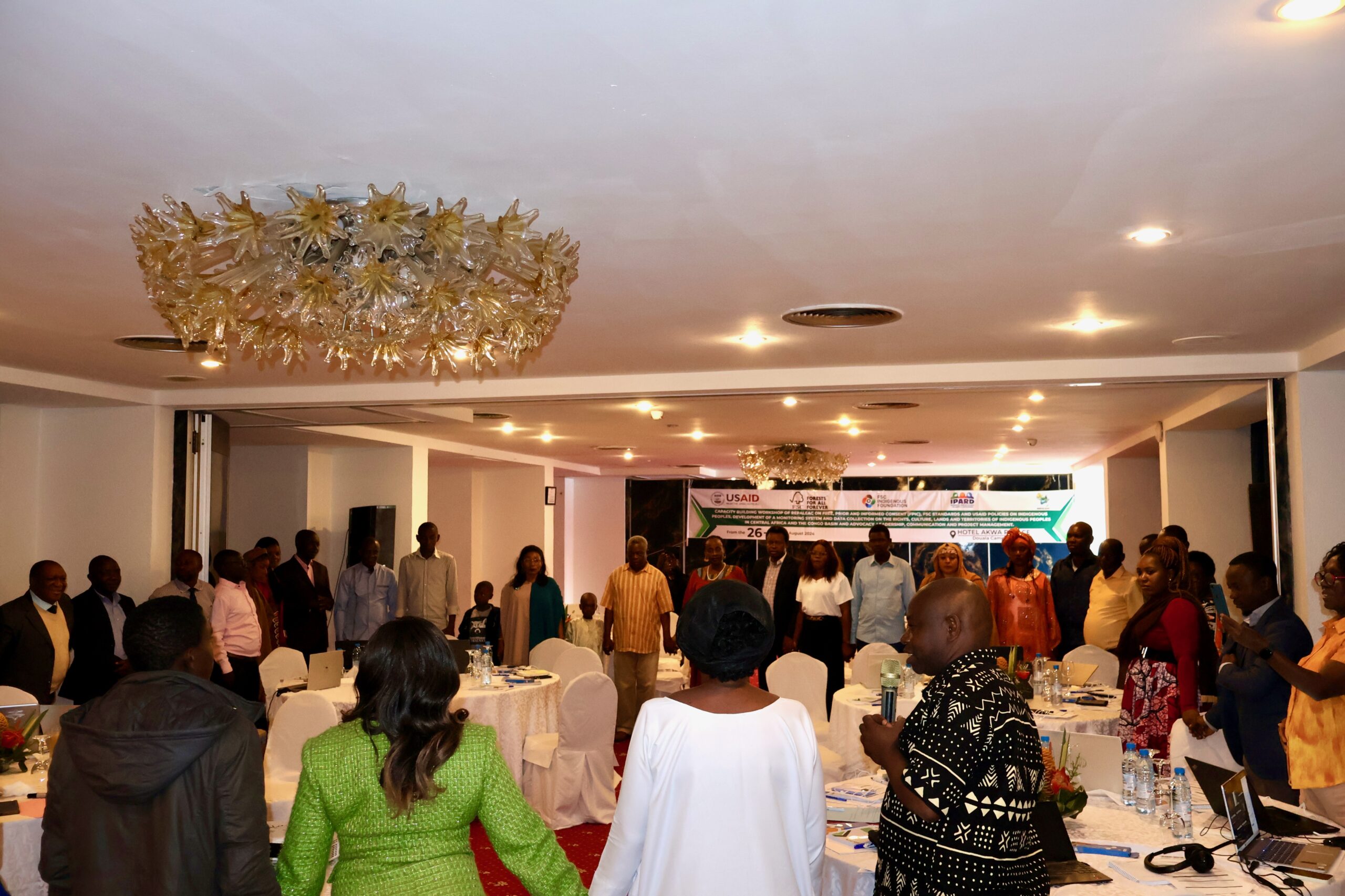
Central African Indigenous leaders gather for training on advocacy, leadership, communication, and project management in Douala, Cameroon.
FSC-IF
Central Africa’s forest ecosystems are home to exceptional biodiversity, offering vast potential for the socio-economic development of the region. Recognizing the ecological and economic importance of these forests—and the growing threats they face—the Heads of State of Central Africa pledged in March 1999 through the “Yaoundé Declaration” to work collaboratively towards the conservation and sustainable management of their countries’ forest ecosystems. This commitment supports the economic and social development efforts of their populations.
In line with this vision, the Network of Indigenous and Local Populations for the Sustainable Management of Forest Ecosystems in Central Africa (REPALEAC) was established in 2003. As a key partner under the FSC Indigenous Foundation’s Indigenous Peoples Alliance for Rights and Development (IPARD) Program, REPALEAC serves as a sub-regional platform for promoting and protecting the rights of Indigenous Peoples and Local Communities (IPLCs) across Central Africa. The network unites over 200 grassroots Indigenous community organizations, spread across eight national networks in Burundi, Cameroon, Congo, Gabon, Central African Republic, Democratic Republic of Congo, Rwanda, and Chad.
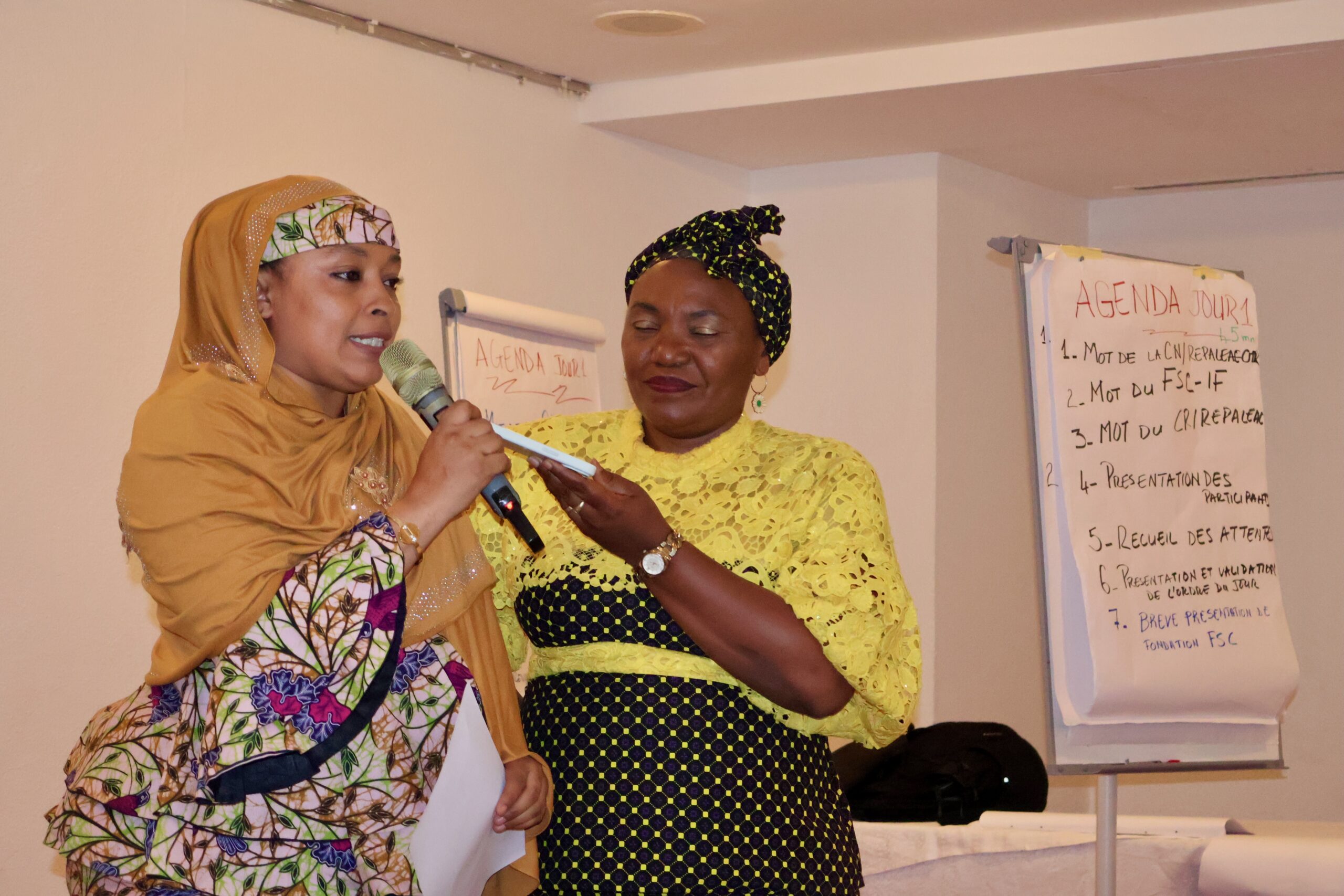
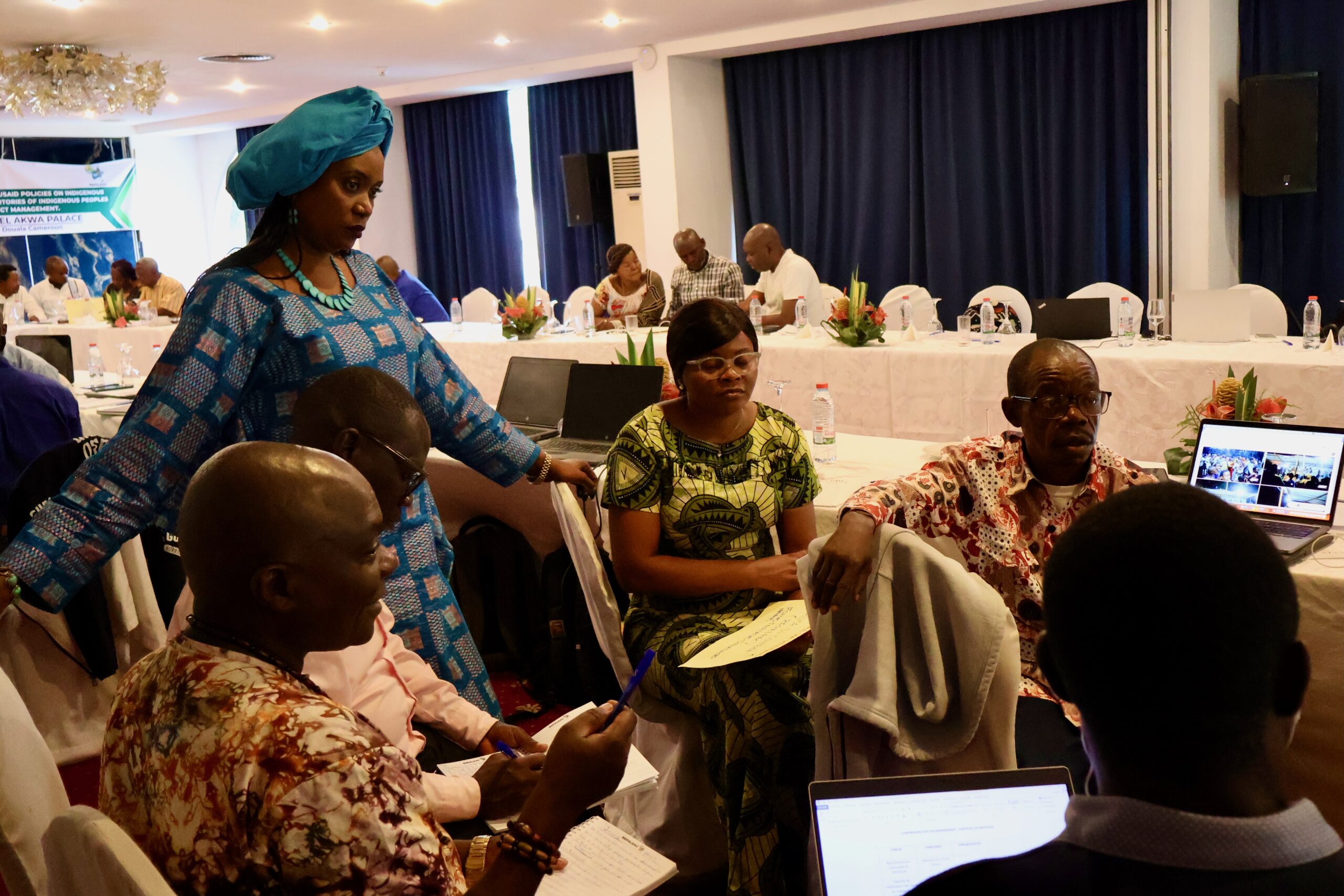
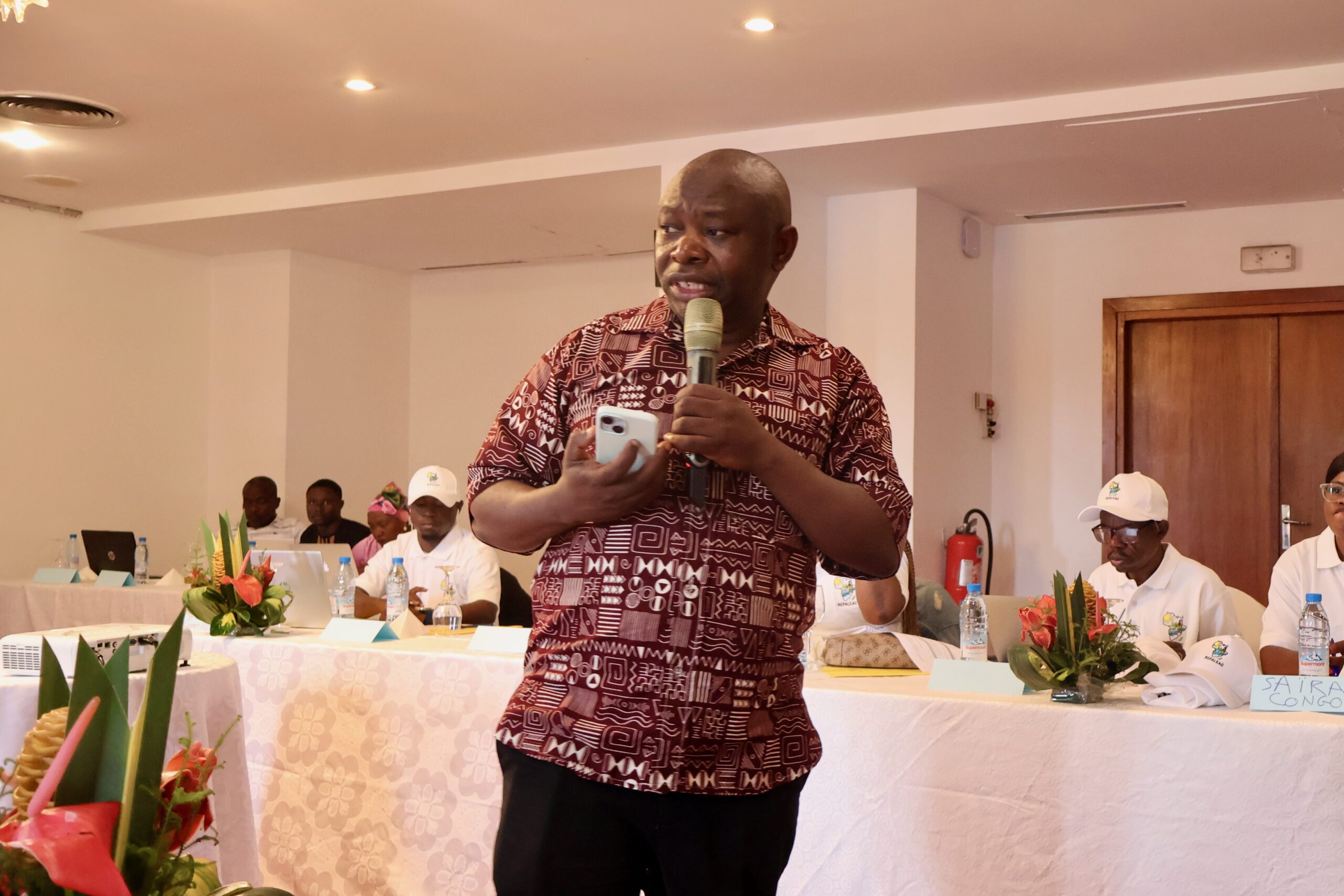
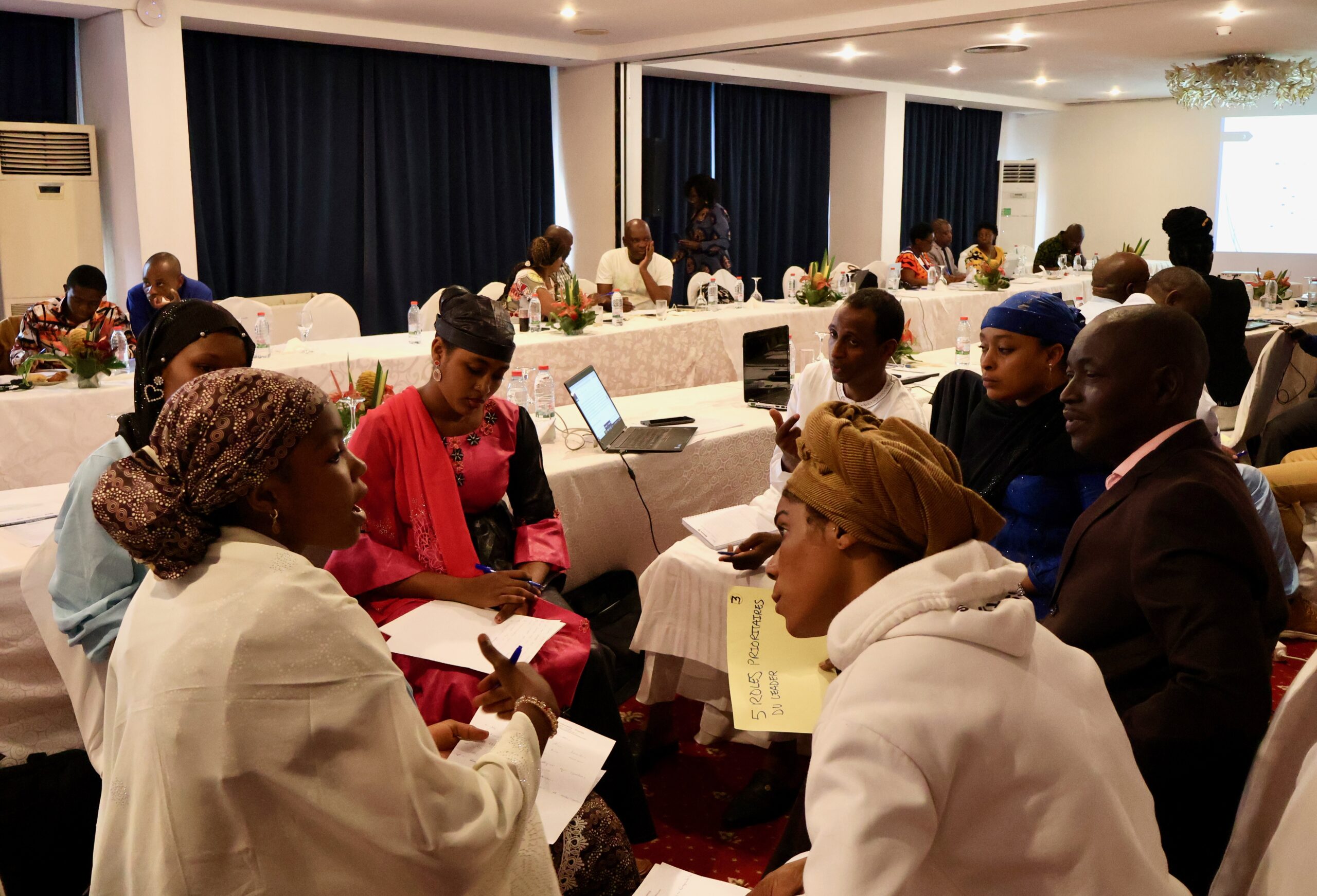
From 26-30 August 2024, REPALEAC, in collaboration with the FSC Indigenous Foundation, hosted an intensive training workshop in Douala, Cameroon, with 50 representatives from its member organizations to strengthen the organizational and operational capacities of the network.
Throughout the week, participants engaged in sessions designed to:
Enhance their knowledge of leadership, advocacy techniques, organizational communication, and project management principles.
Equip them with the technical skills necessary for collecting data on land tenure within Indigenous territories. This includes training on cartography, participatory mapping—particularly three-dimensional mapping—and the creation of databases to document the areas occupied by Indigenous Peoples in Central Africa.
Provide a deeper understanding of FSC standards related to Indigenous Peoples and the relationship between FSC and the FSC-IF, as well as USAID guidelines and policies concerning Indigenous Peoples. The workshop also explored the integration of Indigenous rights and priorities in USAID’s bilateral cooperation programs with states.
The workshop’s opening ceremony was graced by the Vice President of REPALEAC, highlighting the significance of the event for the region’s Indigenous communities.
“The forests of Central Africa are not just natural resources; they are the lifeblood of our communities, sustaining our way of life and our cultural heritage,” stated a representative from REPALEAC during the opening remarks.
“This workshop is a crucial step towards ensuring that Indigenous Peoples and Local Communities are at the forefront of decisions affecting their lands and resources,” said another REPALEAC representative.
REPALEAC members were curious to understand how USAID works with organizations such as the FSC-IF.
“For Indigenous Peoples, Free, Prior, and Informed Consent (FPIC) is important because it is the right to self-determination; opportunities for socioeconomic development and benefit-sharing; safeguarding against adverse impacts on lands, territories, natural resources, cultural heritage and/or sacred sites; supporting and aligning with Indigenous development plans and fulfilling obligations under international, regional and national regulatory frameworks,” said Vy Lam, USAID Indigenous Peoples Advisor.
The workshop focused on implementing REPALEAC’s strategic plan, which has four key objectives:
Securing Indigenous Peoples’ and Local Communities’ lands, vision territories, and natural resources.
Ensuring IPLC participation in decisions concerning access to and sustainable management of land, forests, and natural resources at local, national, and international levels.
Increasing and consolidating sustainable economic benefits for IPLCs from the management of natural resources and forests.
Improving the living conditions of IPLCs sustainably.
“We arevery grateful to the FSC-IF for the ongoing training in Douala. The module on ‘Leadership’ will surely bear fruit where the leadership of the network at the national level will demonstrate quality organizations.” said Basiru Isa, the REPALEAC’s Secretary General.
“Empowering our communities with knowledge and skills is essential for us to effectively protect our lands and assert our rights,” remarked one of the participants.
“This workshop is not just about learning; it’s about preparing to take action in our respective countries,” said another REPALEAC representative.
At the conclusion of the workshop, participants drafted action plans to implement the knowledge they acquired to make a tangible impact in their home countries.
In her closing remarks, Salina Sanou, FSC-IF Regional Director for Africa and Asia stated, “FSC-IF is pleased to be your partner of choice. We’re here to support you every step of the way. We’re also ready to learn from you because that’s what partnership is all about. Call on us any time. Our commitment to Indigenous Peoples knows no bounds.”
As we left this gathering, FSC-IF called for a working committee to co-create new initiatives with us for funding to scale up work with Indigenous Peoples in the African region.