
International Women’s Day – March 8
Indigenous women, their rights, and Mother Nature’s protection
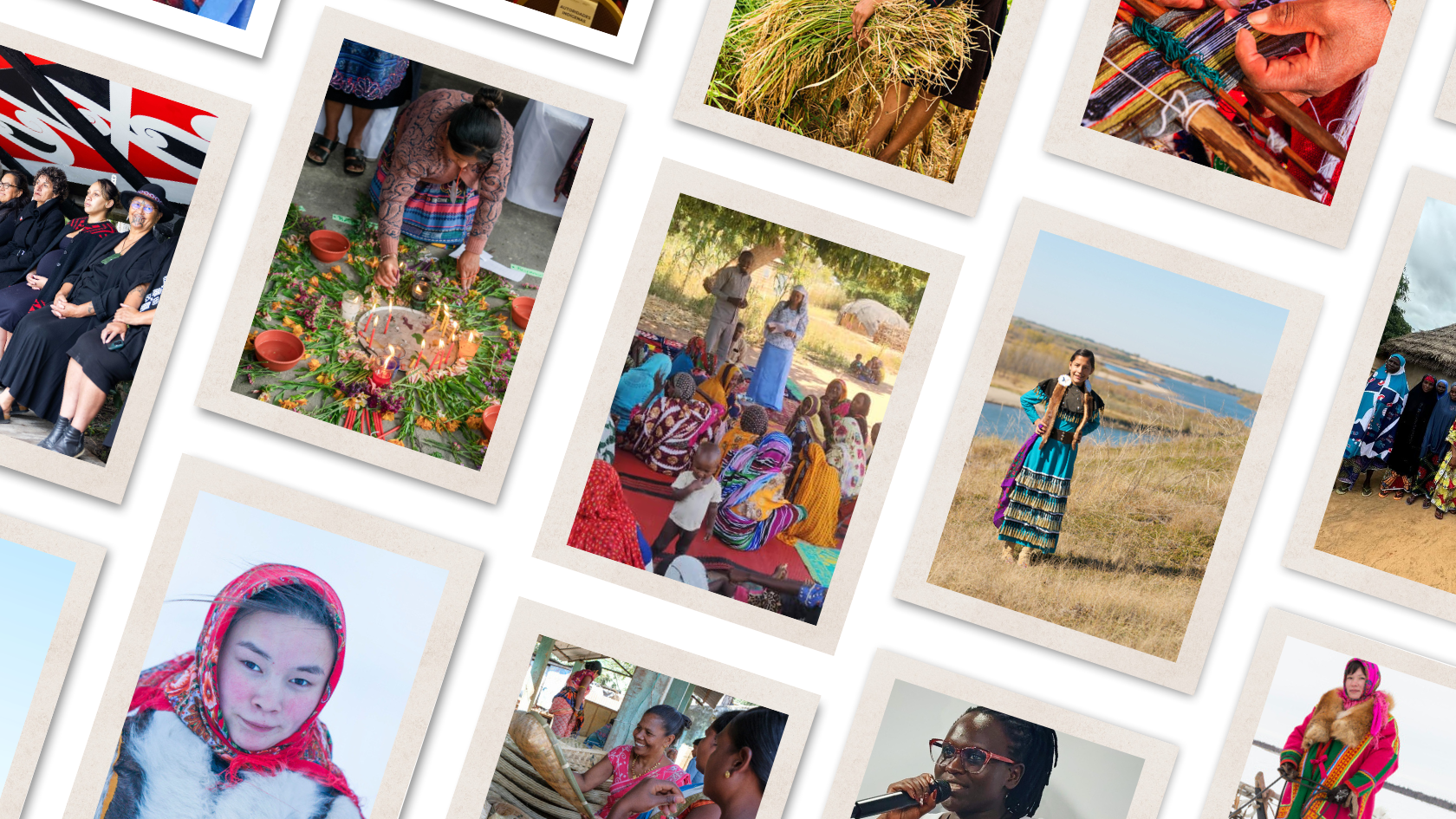
Across the world, women continue to lead change in their families, communities, and ecosystems. Among them, Indigenous women stand out as vital guardians of nature, holders of knowledge systems that sustain biodiversity, protect ecosystems, and help communities adapt to climate change. Yet their contributions are still too often overlooked in policy making, research, and public discourse.
International Women’s Day offers an opportunity not only to reflect on the inequalities women continue to face, but also to recognize their profound contributions to society and to the planet. In many Indigenous communities, women play central roles in sustaining cultural traditions while protecting the natural environments on which their communities depend.
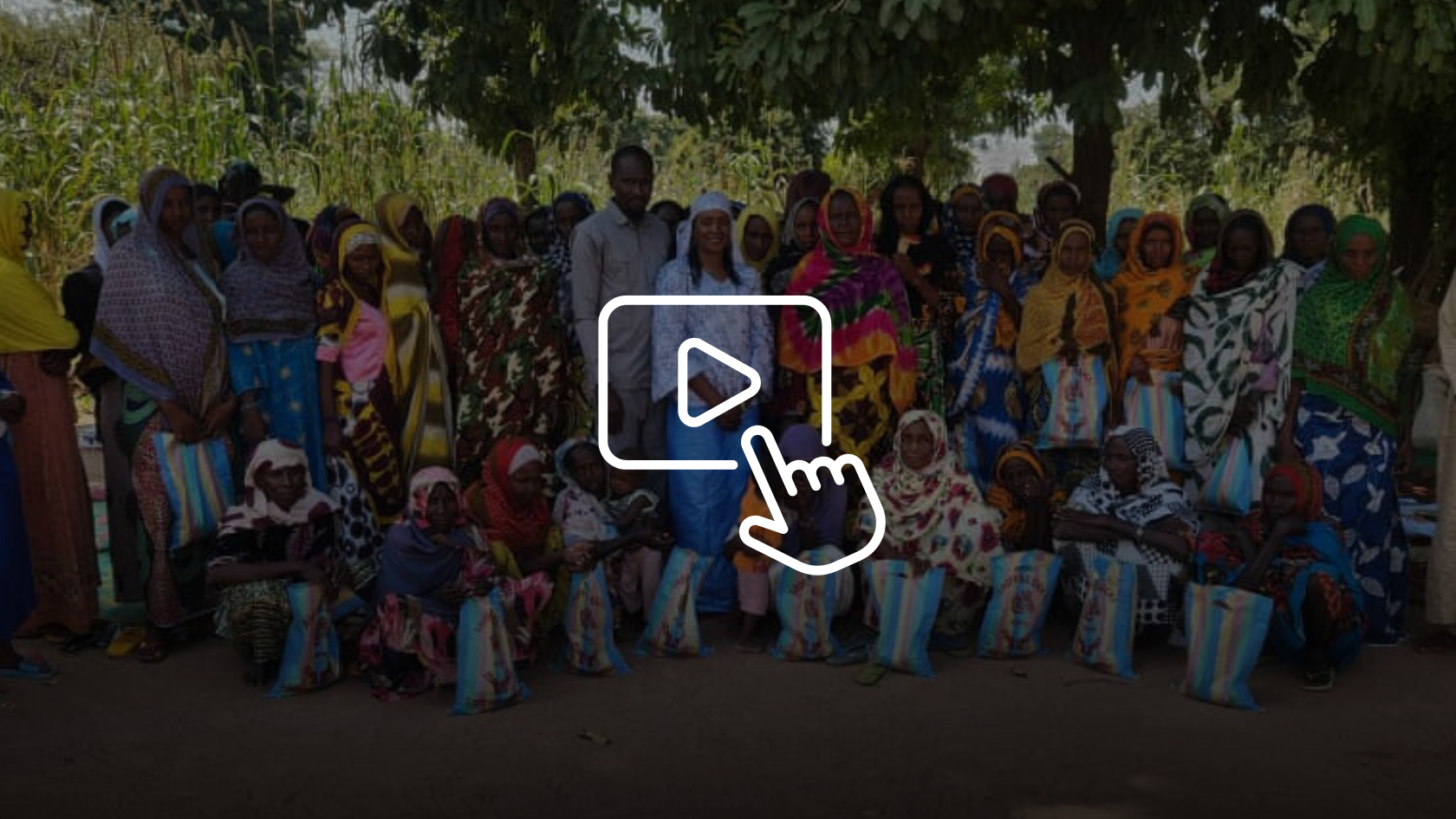
As Indigenous leader Aissatou Ibrahim reflects on the meaning of the day:
“For me, International Women’s Day is simply a way of valuing even the little things that women do, even within the home. In the morning, it is she who wakes up earlier than everyone else, and it is she who goes to bed later than everyone else. Therefore, without women there is no life. Without women there is also no joy in the home. A house without a woman is like a house in darkness.”
Her words remind us that the everyday contributions of women, often invisible or undervalued, are fundamental to the well-being of families, communities, and societies.
When these contributions remain unseen, their knowledge is also excluded from environmental policies and conservation strategies. As a result, valuable opportunities to strengthen sustainable ecosystem management are lost.
Knowledge carriers and climate observers
In many Indigenous communities, women hold deep knowledge about plants, animals, weather patterns, and ecosystems. This knowledge is developed through generations of observation, experience, and cultural practice, and it plays an essential role in sustaining both livelihoods and biodiversity.
Aissatou describes the depth of this knowledge in her community:
“It is the woman who knows where to find herbs, trees, and leaves, whether for food, for healing, for teaching, or for expanding that knowledge and traditional wisdom.”
This understanding of nature extends far beyond the use of plants. Indigenous women closely observe seasonal changes, animal behavior, and environmental signals that help communities anticipate climate conditions.
As Aissatou explains:
“Women know how to predict the weather. When it will be hot, when it will rain, what the season will be like, whether it will be long or short, whether there will be floods or drought.”
These observations are vital in regions where livelihoods depend closely on natural cycles. Women often guide decisions about planting seasons, the use of natural resources, and the movement of animals, helping communities adapt to changing environmental conditions.
Challenges and pressures
Despite their essential role in environmental stewardship, Indigenous women continue to face significant challenges. Many Indigenous territories are increasingly threatened by deforestation, extractive industries, and land encroachment, placing both ecosystems and traditional livelihoods at risk.
At the same time, social inequalities and gender discrimination often limit women’s participation in environmental decision-making. Recognizing Indigenous women’s rights, including their land rights, cultural rights, and leadership in environmental governance, is therefore essential for both gender justice and biodiversity protection.
Indigenous identity and the future
Despite these challenges, Indigenous women continue to demonstrate resilience, leadership, and determination.
For Aissatou, Indigenous identity is a source of pride and strength:
“Being indigenous means having traditional knowledge and wisdom, having an identity, being connected to a territory in one way or another.”
This connection to land and culture shapes how Indigenous communities understand their responsibility to protect nature and sustain their way of life.
Aissatou also shares an inspiring message for younger generations:
“Young women, this message is for you. Be proud of who you are. Be very happy to be Indigenous, whatever your people, your country, or your origin.”
“Being indigenous is an opportunity that we must never let slip away, and we must care for and protect our community, our identity, our culture, and our traditional knowledge.”
Today, as we mark International Women’s Day, it is important to remember that the protection of nature and the advancement of women’s rights are deeply interconnected.
The Forest Stewardship Council (FSC) and the FSC Indigenous Foundation recognize the vital role Indigenous women play in protecting forests, sustaining biodiversity, and strengthening community resilience. Learn more about how the FSC collaborates with Indigenous Peoples in various ways to create shared opportunities.