
Strengthening Indigenous Peoples’ Leadership in Forest Governance Across Africa
Africa Regional Meeting in Cameroon around meaningful participation and responsible forest management
Douala, Cameroon | October 7–8, 2026
Forests are more than natural resources. For Indigenous Peoples, they are ancestral territories deeply connected to their identities, cultures, traditional knowledge, and livelihoods. Recognizing these relationships and ensuring Indigenous Peoples have a meaningful voice in decisions affecting their territories are essential to responsible forest management.
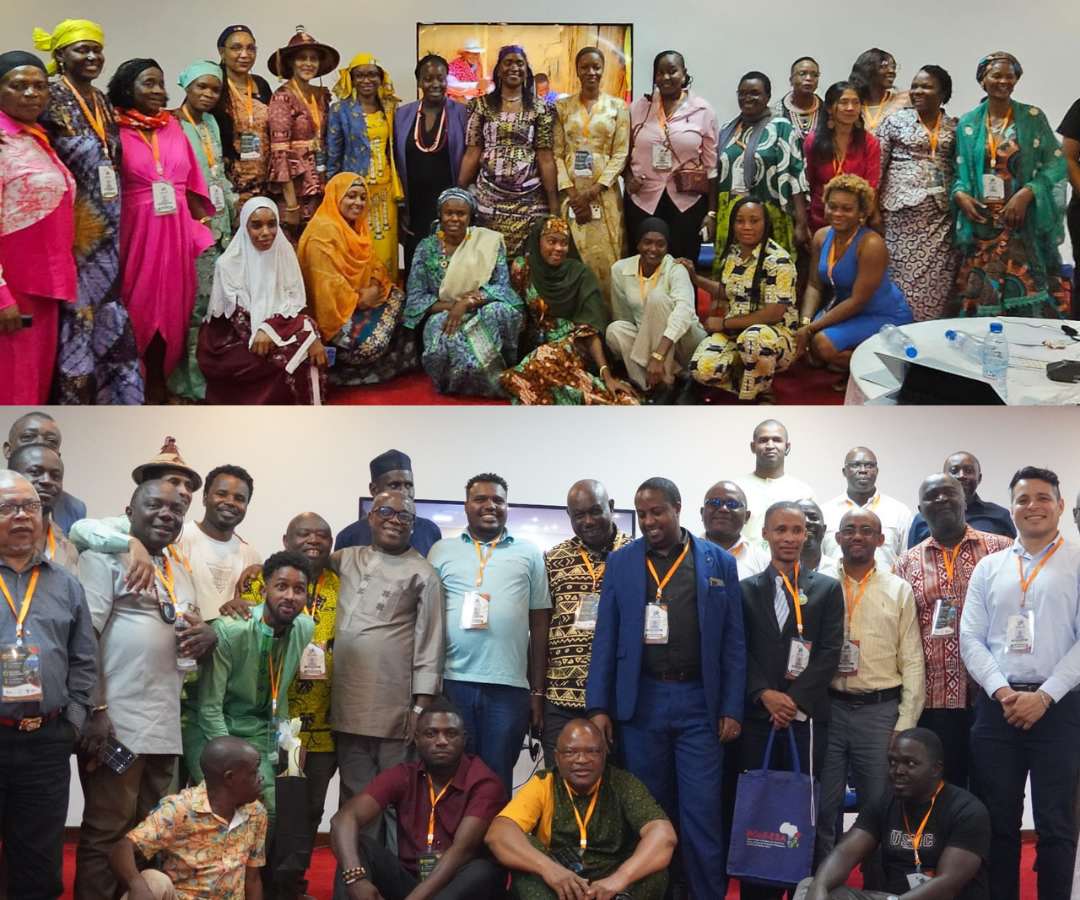
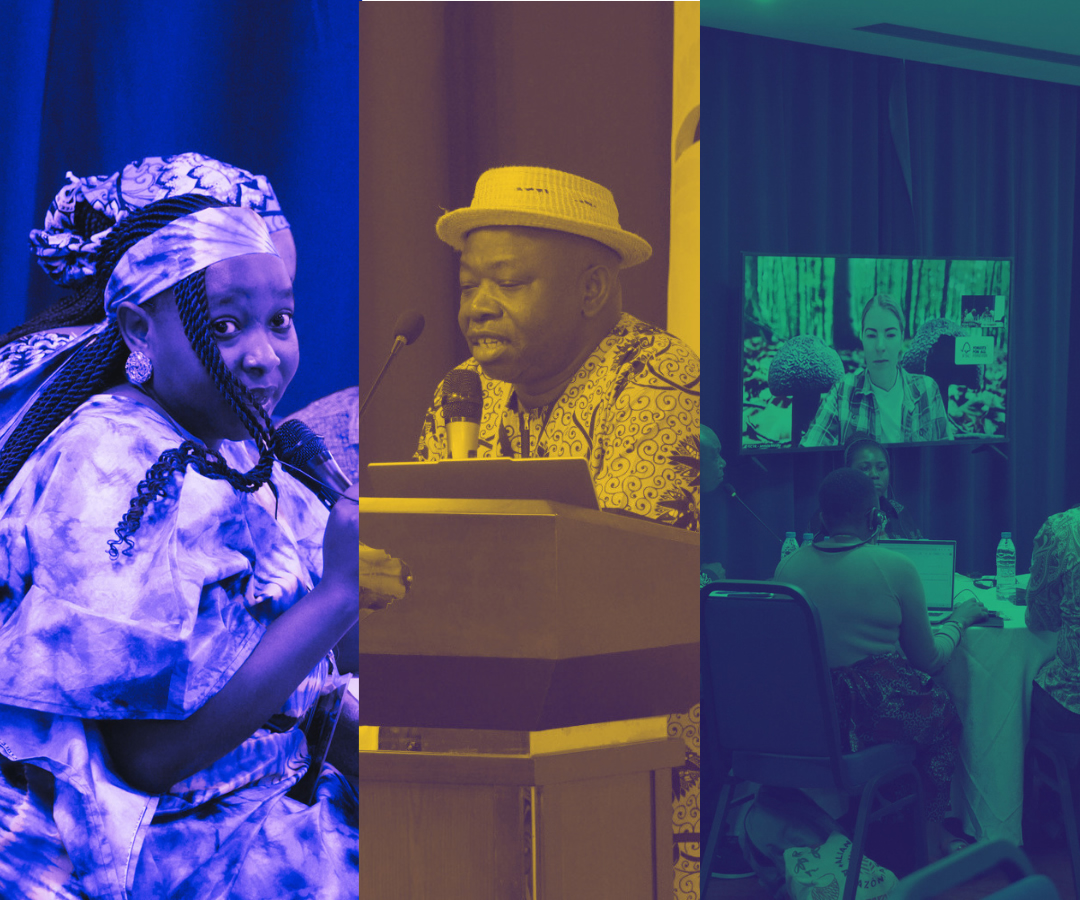
With this shared understanding, 51 representatives of Indigenous Peoples, local communities, Indigenous organizations, FSC institutions, and regional networks gathered in Douala, Cameroon, for the Africa Regional Forum on Indigenous Peoples, Forest Certification and Sustainable Forest Governance.
Held on October 7–8, 2026, the forum was organized by the Forest Stewardship Council (FSC), the FSC Indigenous Foundation (FSC-IF), and the Network of Indigenous Peoples and Local Communities for the Sustainable Management of Forest Ecosystems in Central Africa (REPALEAC).
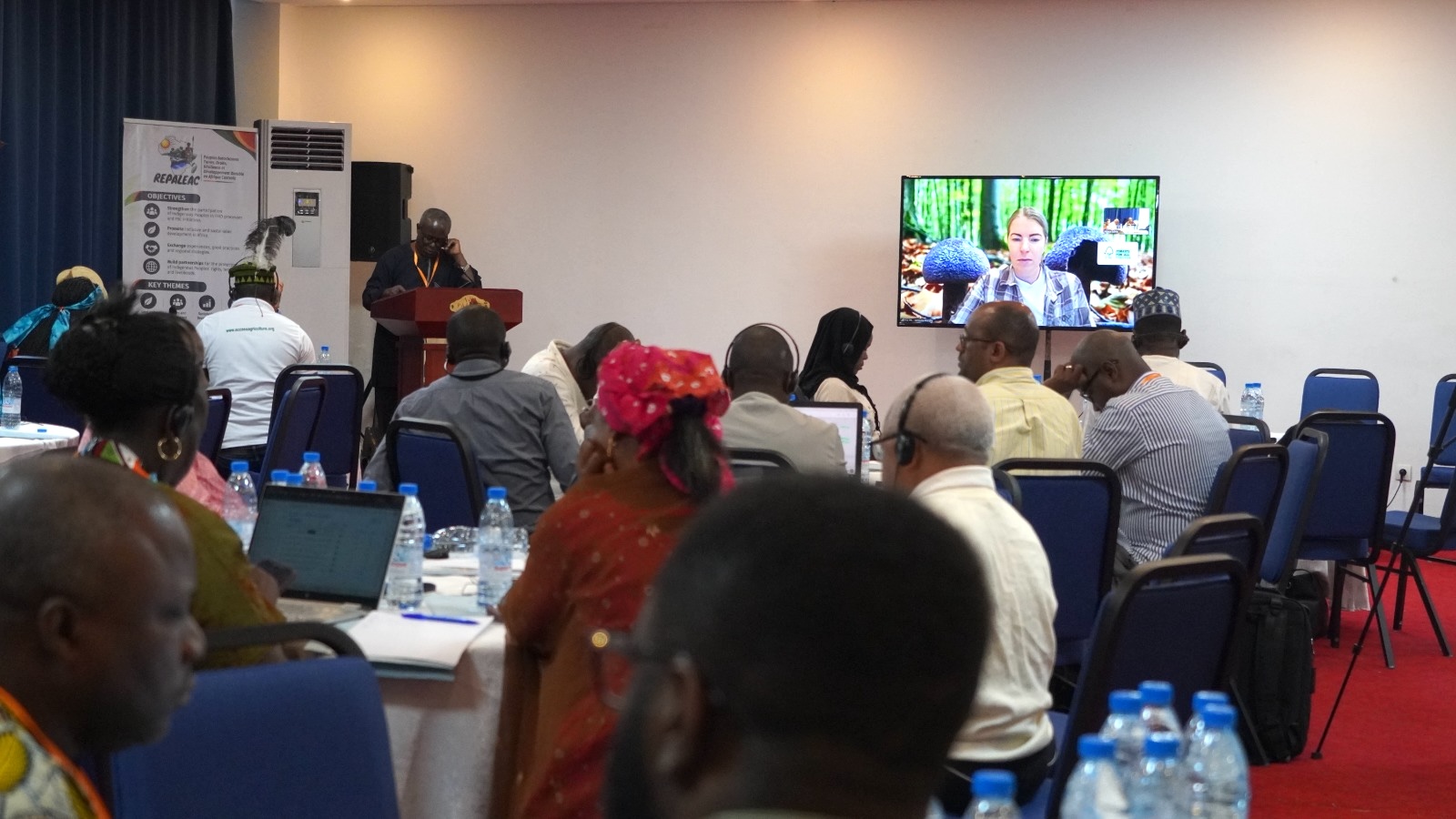
The two-day gathering created an opportunity to exchange experiences, identify challenges, and develop recommendations to strengthen Indigenous Peoples’ participation in forest governance and FSC certification processes across Africa.
Indigenous Peoples must have a seat at the decision-making table
A central message throughout the forum was the need to move beyond consultation and ensure that Indigenous Peoples participate meaningfully in decisions that affect their forests, territories, and communities.
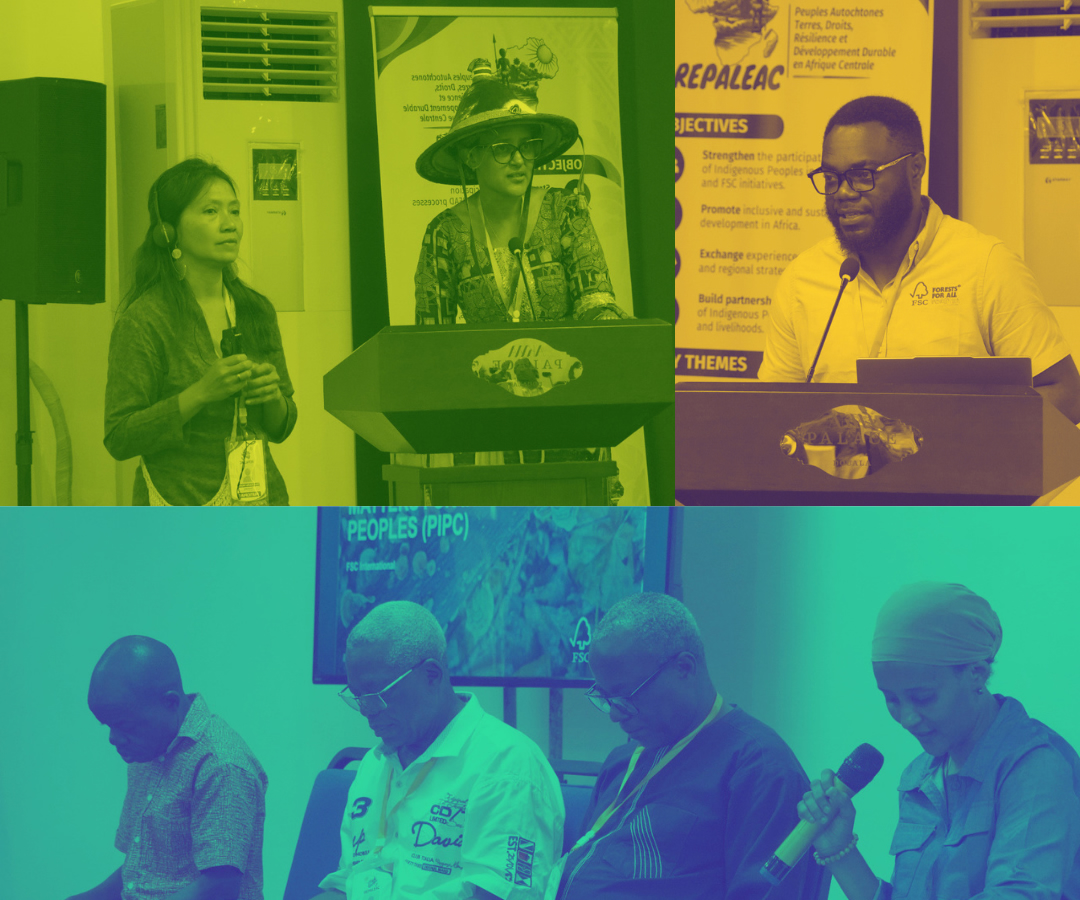
Participants highlighted persistent challenges, including limited recognition of customary land rights, insufficient representation in forest governance, unequal access to economic opportunities, and difficulties implementing Free, Prior and Informed Consent (FPIC).
For Samante Anne, a Maasai Indigenous leader from Kenya and member of the FSC-IF Council, stronger Indigenous representation begins with solidarity and access to decision-making spaces.
“Indigenous Peoples need first of all to be coordinated, because solidarity automatically gives a stronger voice,” she explained.
She emphasized that Indigenous Peoples must have the opportunity and support to participate meaningfully in decisions about forest management, recognizing their longstanding role as stewards of forests and ecosystems.
This perspective was also reflected in the discussions on FSC certification, where participants called for greater involvement of Indigenous Peoples in standard-setting processes, certification audits, and mechanisms that monitor commitments affecting their communities.
Recognizing Indigenous women’s knowledge and leadership
The forum also highlighted the essential role of Indigenous women in forest conservation, biodiversity protection, climate resilience, and the transmission of traditional knowledge.
Hindou Oumarou Ibrahim, Chair of the FSC-IF Council, emphasized that Indigenous women’s knowledge contributes to food sovereignty, water protection, traditional medicine, and community resilience in the face of climate change.
She also stressed that creating spaces for Indigenous women must go beyond opportunities to exchange experiences.
“Indigenous women must participate in all spaces, and participation means being involved in decision-making processes,” she shared.
For Hindou, meaningful participation also means ensuring that Indigenous women can determine how their knowledge is used and how it is protected and passed on to future generations.
Samante Anne reinforced this message as well by highlighting that Indigenous women have sustainably managed natural resources for generations and possess valuable knowledge of changing rainfall patterns, biodiversity, and ecosystems.
From forest certification to Indigenous Peoples’ rights
The forum participants examined how FSC certification can better respond to the realities, priorities, and rights of Indigenous Peoples in Africa.
Discussions focused on FSC Principle 3, which addresses Indigenous Peoples’ rights, and the importance of strengthening its implementation through clearer requirements on customary rights, cultural landscapes, and Free, Prior and Informed Consent (FPIC).
Participants emphasized that FPIC should not be treated as a one-time consultation or administrative requirement. Instead, it must be an ongoing process that respects Indigenous Peoples’ own decision-making structures, provides accessible information, and enables communities to monitor agreements and commitments.
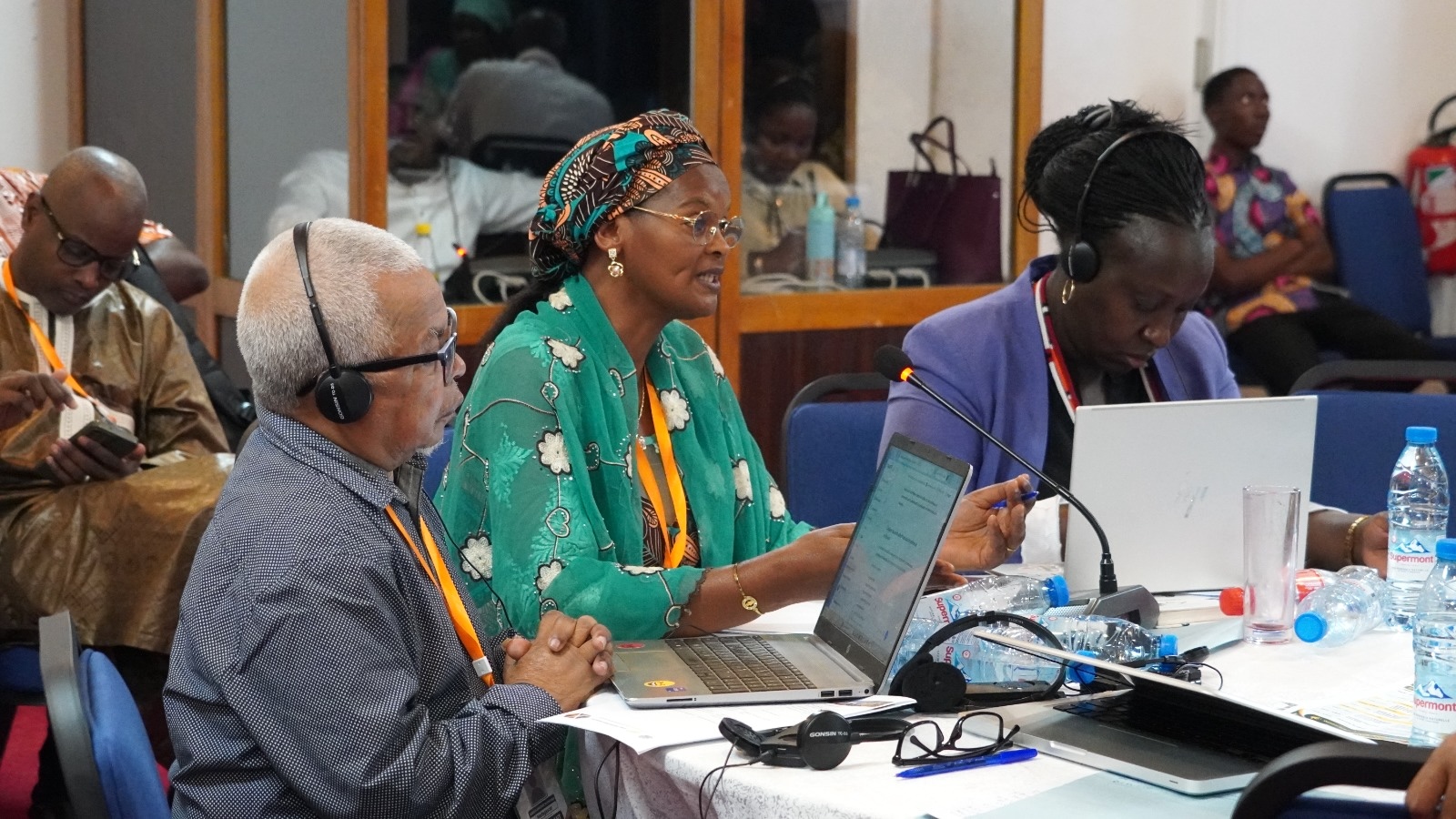
The discussions also highlighted the importance of community-led mapping, protecting sacred sites and traditional knowledge, improving access to information, and ensuring greater transparency in forest certification processes.
For Vital Bambanze, Executive Director of UNIPROBA, the gathering provided an important opportunity for learning, exchanging experiences, and strengthening awareness of Indigenous Peoples’ rights.
He emphasized the importance of helping Indigenous Peoples recognize themselves as “rights-holders rather than simply beneficiaries.”
His reflection reinforces a central message of the forum: Indigenous Peoples must be recognized as active decision-makers in the governance and stewardship of their territories.
Turning dialogue into collective action
Beyond identifying challenges, the forum provided an opportunity to develop recommendations for improving forest governance and strengthening Indigenous Peoples’ engagement with the FSC system.
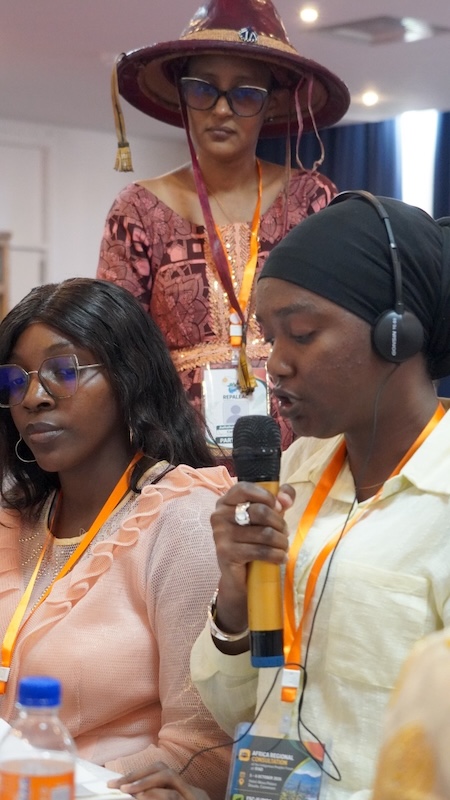
Participants called for stronger recognition of customary territories, more accessible information on certification processes, greater participation in monitoring and audits, and improved opportunities for Indigenous women and young people to contribute to decision-making. The gathering also facilitated exchanges among representatives from Cameroon, Gabon, and the Democratic Republic of the Congo, highlighting the importance of regional cooperation and approaches adapted to different national and community contexts.
One of the forum’s key outcomes was the development of recommendations to inform a regional FSC-IF roadmap for 2026–2027, aimed at translating the discussions into concrete priorities, coordinated activities, and measurable progress.
The gathering reaffirmed that responsible forest management must go beyond environmental protection and certification. It must also recognize Indigenous Peoples’ rights, cultures, knowledge, and leadership, ensuring that those who have stewarded forests for generations remain central to decisions about their future.