
Forests & Indigenous Voices | September 2026
News from around the world
The Forests & Indigenous Voices Newsletter brings you monthly stories and news on Indigenous leadership and knowledge, global advocacy, nature-based solutions, and opportunities to connect and engage.
GLOBAL NEWS
Finland
From Collaboration to Action: Advancing Motion 37
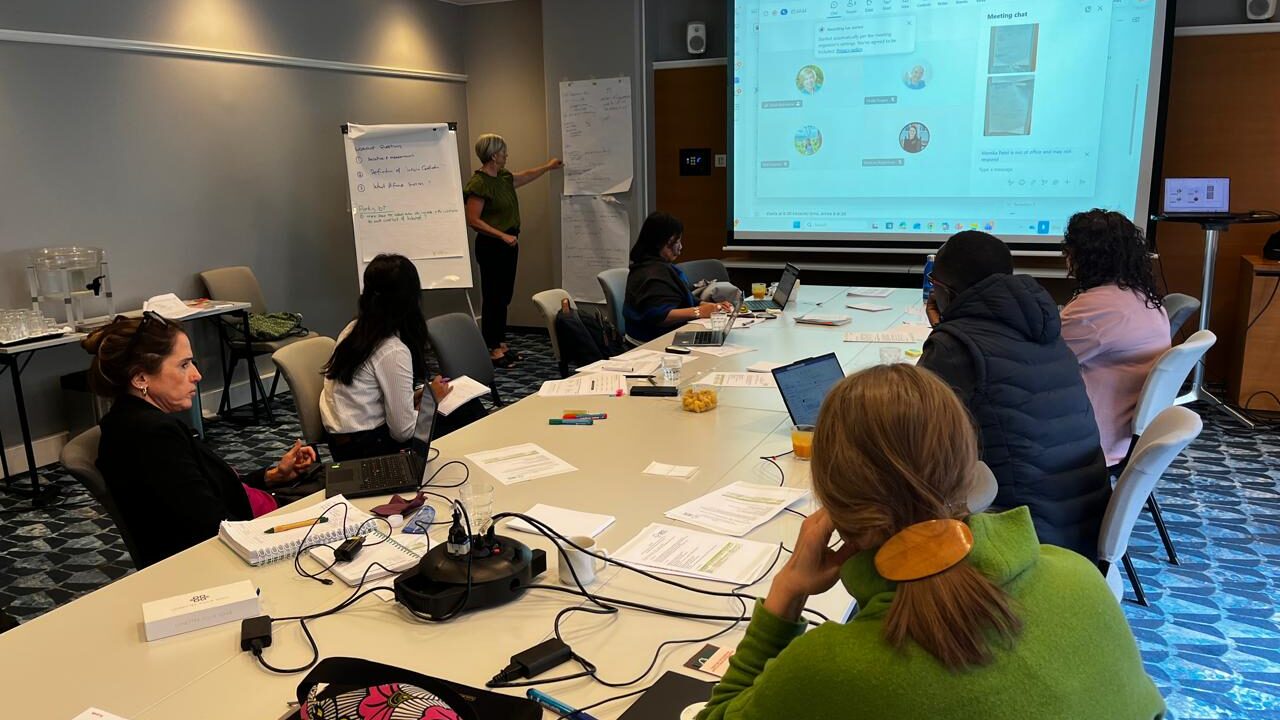
The workshop on Motion 37 was held in Helsinki on September 7, where FSC Indigenous Foundation’s Fredy Duque and Dian Intarini joined representatives from FSC International as facilitators.
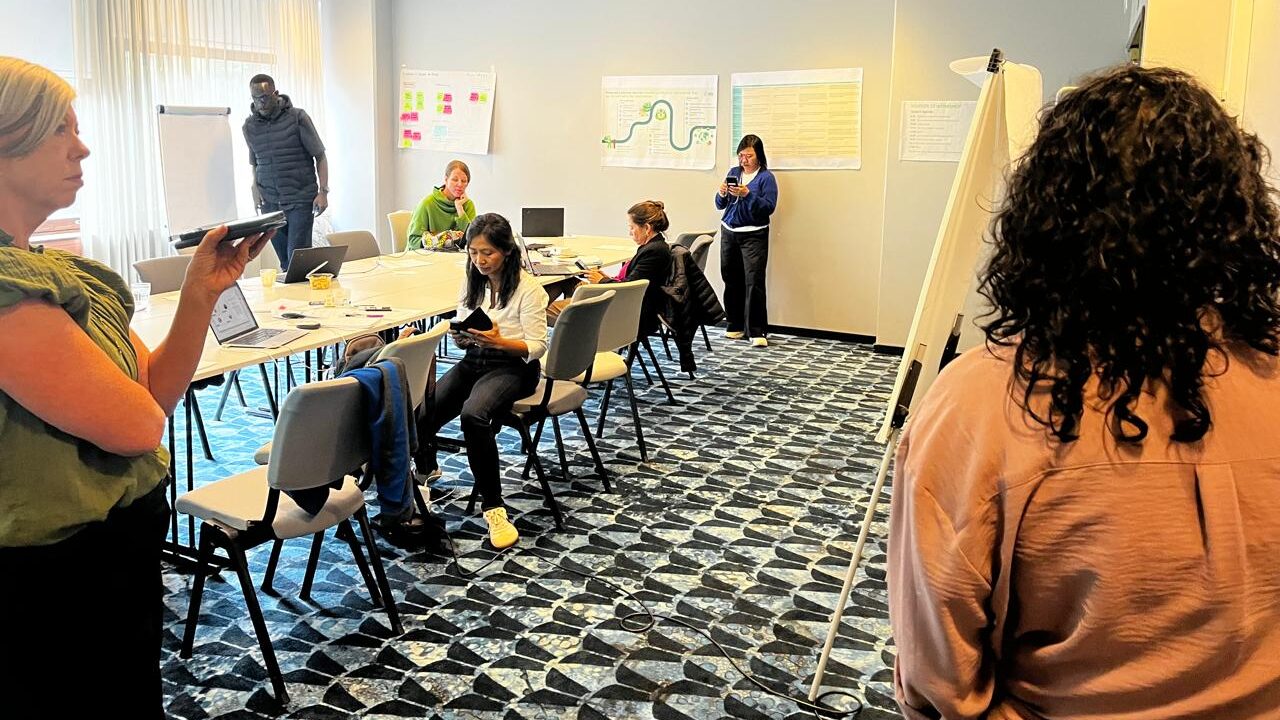
The workshop provided an opportunity to explore how existing tools and capacities within FSC can be better connected to respond to the needs of Indigenous Peoples and local communities, while identifying recommendations for the next phases of Motion 37.
The conversation in Helsinki was one step in that process, moving towards practical pathways for action.
Ireland
Healthy forests sustain life
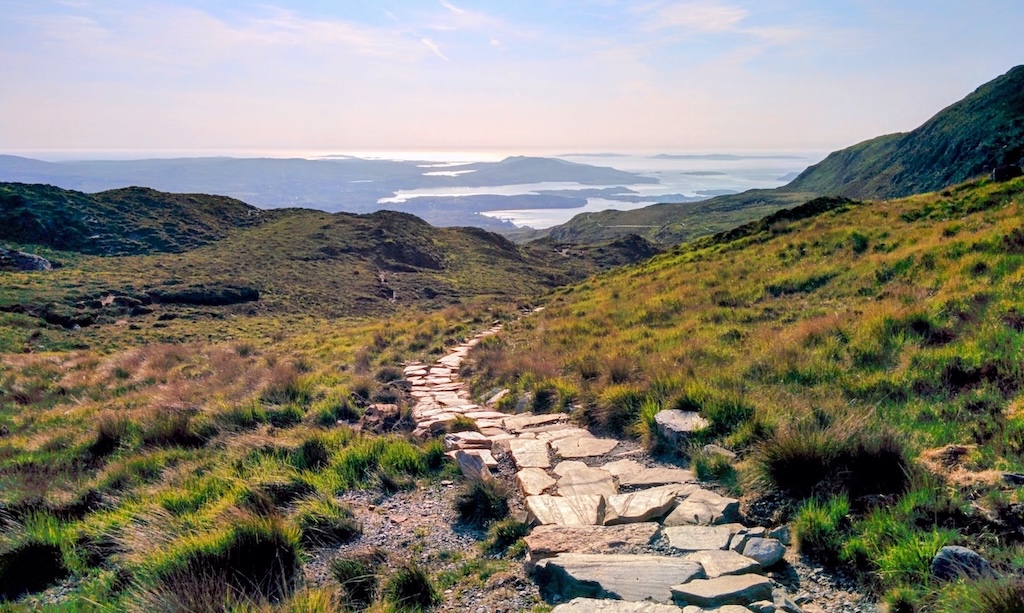
Healthy forests sustain biodiversity, cultures, livelihoods, and the well-being of communities. This interconnectedness reminds us why efforts around biodiversity, health, human rights, and climate action must come together.
At COHAB 3, the Third International Conference on Health and Biodiversity, we engaged in conversations around these connections on the road to the 2026 UN Biodiversity and Climate summits. This participation also provided an opportunity to keep strengthening relationships with partners, such as Health in Harmony, and explore how Indigenous leadership and knowledge can contribute to addressing these interconnected global challenges.
Germany
Annual FSC Certification Bodies Meeting
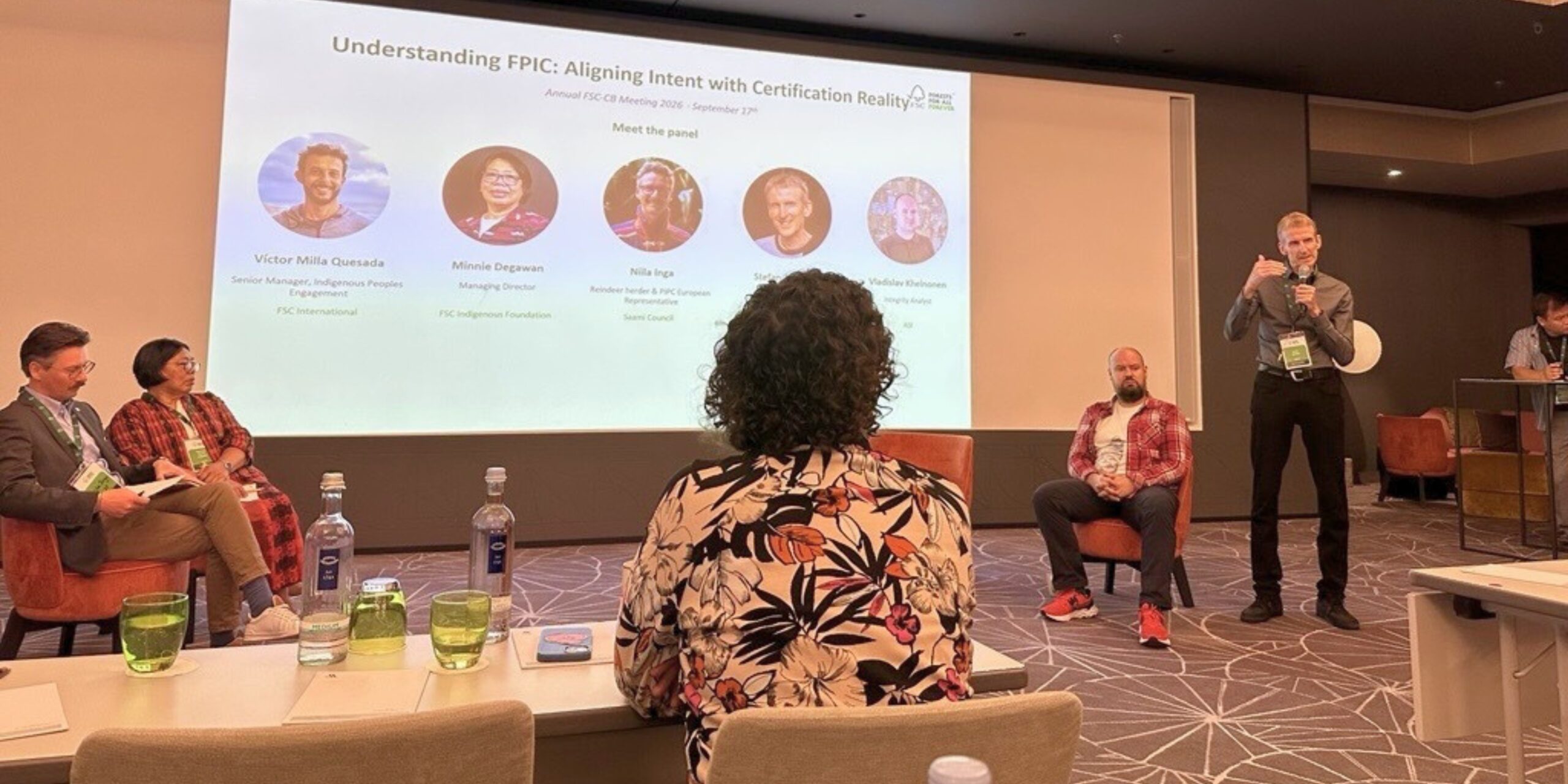
Certification Bodies, commonly referred to as CBs, play an important role in the FSC certification system, and within the FSC system, the rights of Indigenous Peoples are addressed through Principle 3 of the FSC Principles and Criteria for Forest Stewardship, including requirements related to FPIC.
During the CBs Meeting, we joined fellow panelists to discuss the importance of FPIC during the session Understanding FPIC: Aligning Intent with Certification Reality.
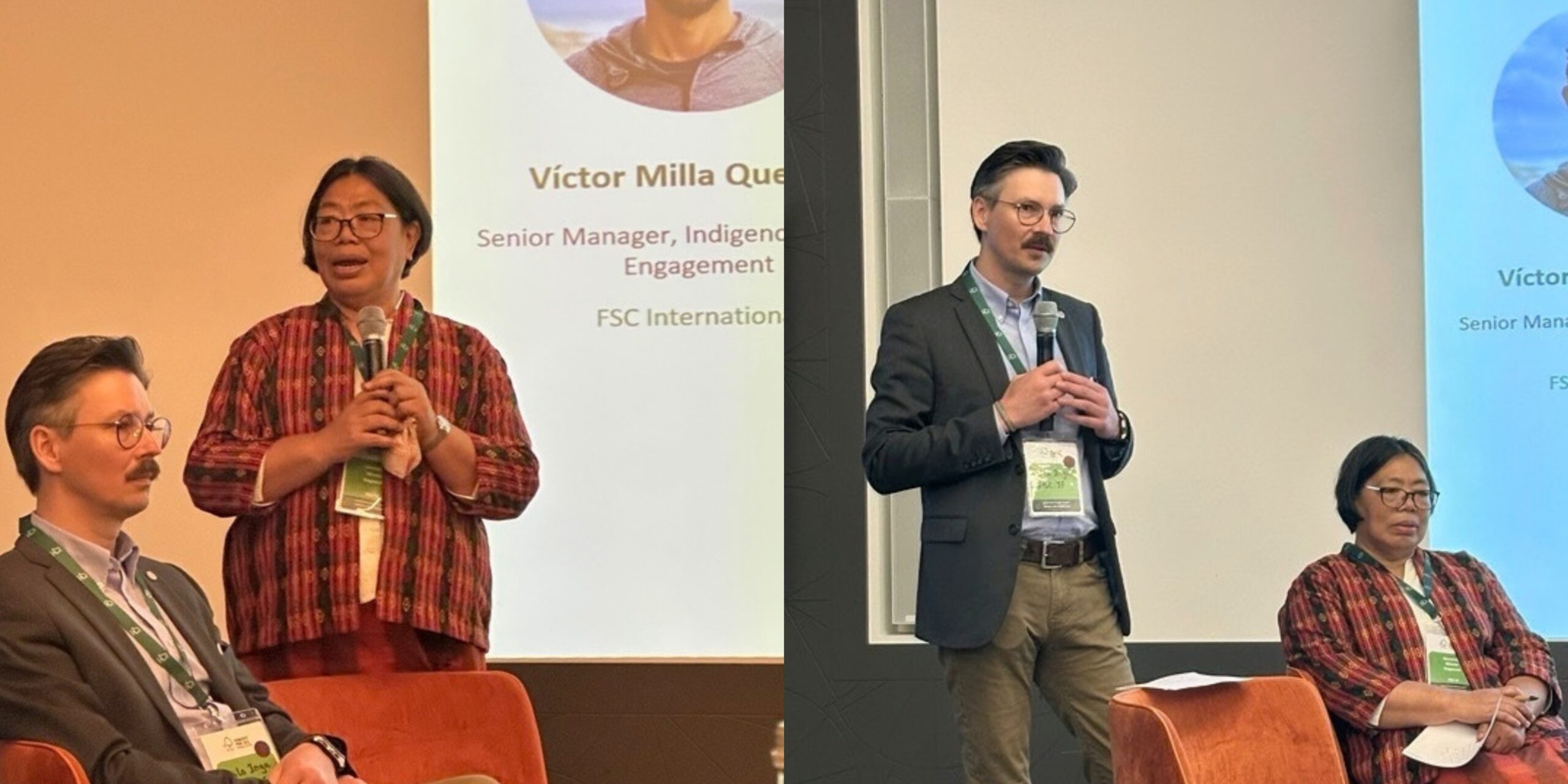
Minnie Degawan, FSC-IF Managing Director, shared that FPIC at its core is about relationship building and not so much about legalities.
Niila Inga, FSC-IF Council member, also commented on how mutual respect and understanding are a good basis for working together.
Philippines
Fourth Conservation and Human Rights Forum
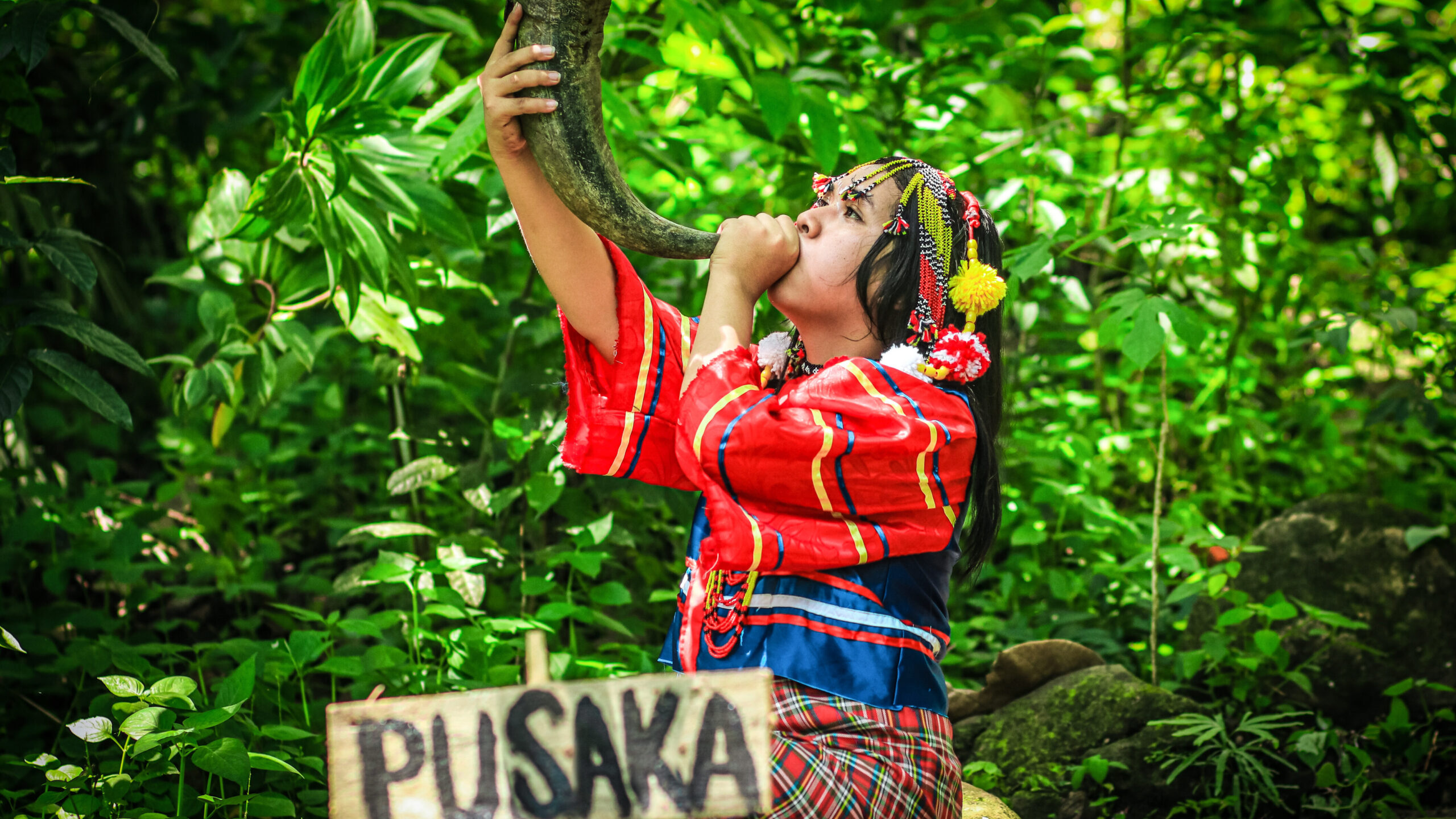
From September 14–17, we participated in the Fourth Conservation and Human Rights Forum in the Philippines, co-organized by the Pawanka Fund, Wildlife Conservation Society, and Tebtebba Foundation. The gathering brought together Indigenous Peoples, Afro-descendant Peoples, local communities, conservation organizations, and donors to look at an important question: how can commitments on rights, land tenure, direct funding, and governance translate into concrete action?
Kalea Aquino, FSC-IF’s Regional Focal Point for Asia and the Pacific, moderated the session Perspectives from the Philippines, which examined rights, conservation, and nature in the country through the experience of Indigenous Peoples, local communities, and the Philippines’ 30×30 commitments.
The discussion covered the state of Indigenous Peoples’ engagement with the Philippine government on biodiversity strategy and planning, the role of Indigenous knowledge, and the challenges and opportunities of the national guidelines on other effective area-based conservation measures (OECMs) and Indigenous and Community Conserved Areas (ICCAs). She guided participants toward the common issues facing Indigenous Peoples and local communities at the site level, how OECMs and ICCAs can advance a shared agenda, and recommendations for concrete action.
Panama
Connecting Generations, Culture and Forests
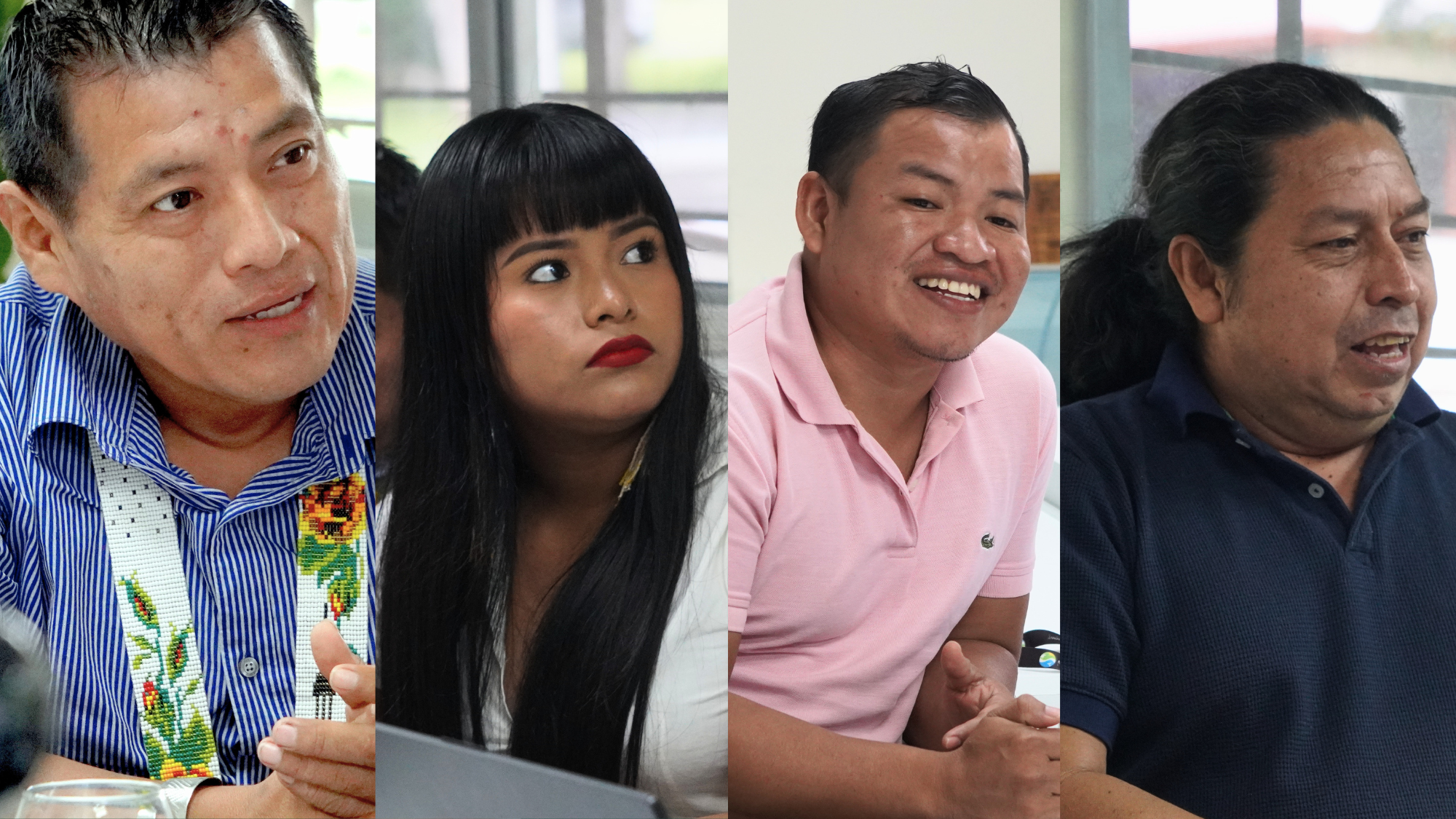
Bringing Indigenous leaders, women, and youth together creates space for communities to shape economic opportunities on their own terms. In Panama, representatives from the Emberá-Wounaan Comarca, Emberá-Wounaan Collective Lands, and the National Wounaan Congress came together to explore how community-based tourism can grow while respecting traditional authorities, cultural identity, community organization, and the decisions of Indigenous Peoples themselves. The participation of women and youth is especially important, bringing new perspectives while helping ensure that knowledge, leadership, and community priorities continue across generations.
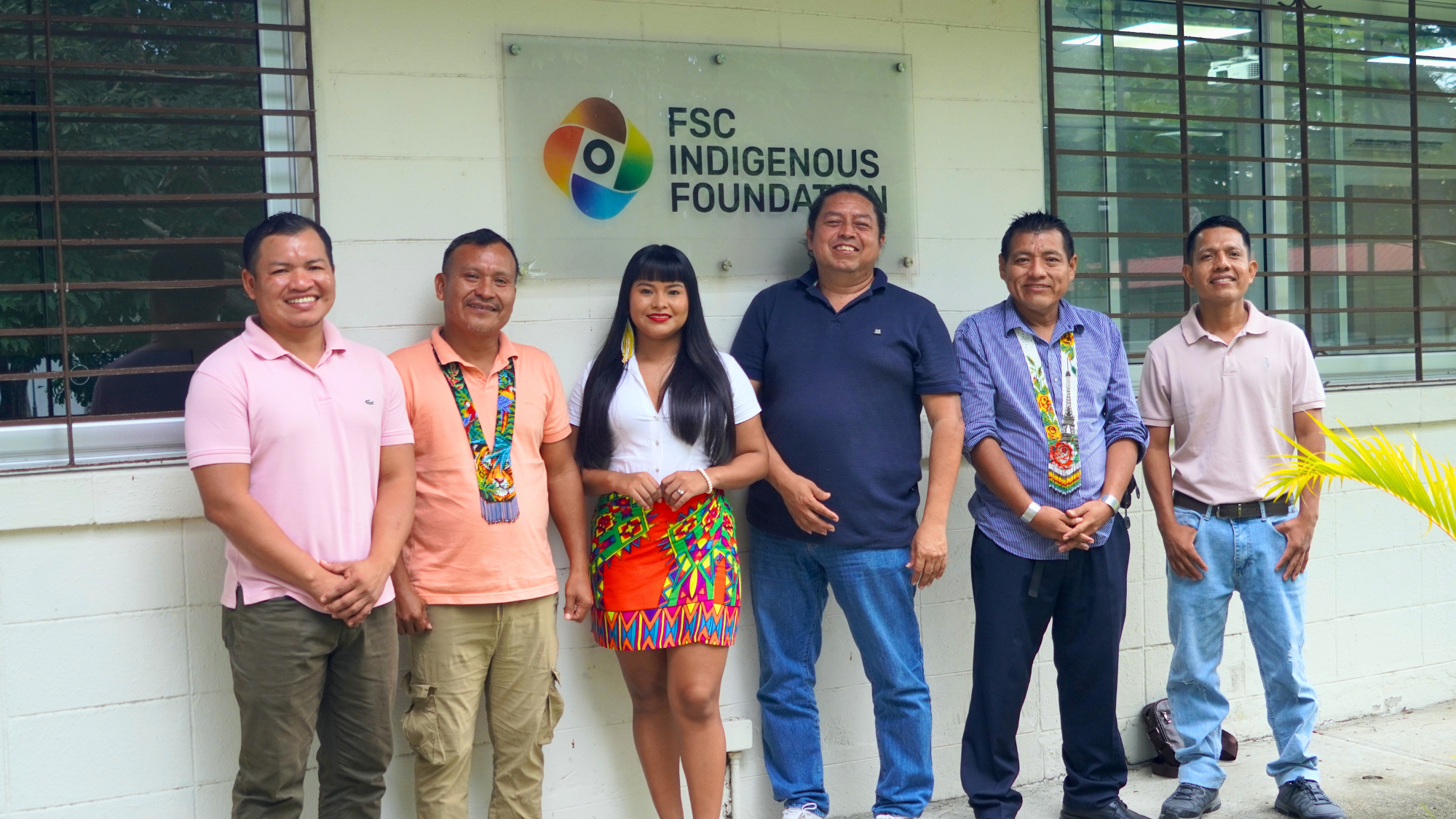
What stands out in these conversations is the deep relationship between Indigenous Peoples and forests. Forests are not simply resources or places to visit. They are connected to culture, knowledge, livelihoods, biodiversity, and ways of life. At a time when healthy forests are increasingly recognized globally to addressing climate change and biodiversity loss, Indigenous leadership and knowledge are essential to conversations about their future. By developing tourism around the territory, culture, and biodiversity of the Emberá-Wounaan Peoples, communities are exploring opportunities to generate income while keeping the forest, cultural heritage, and community priorities at the heart of development.
New York, USA
For us, forests are home and relatives
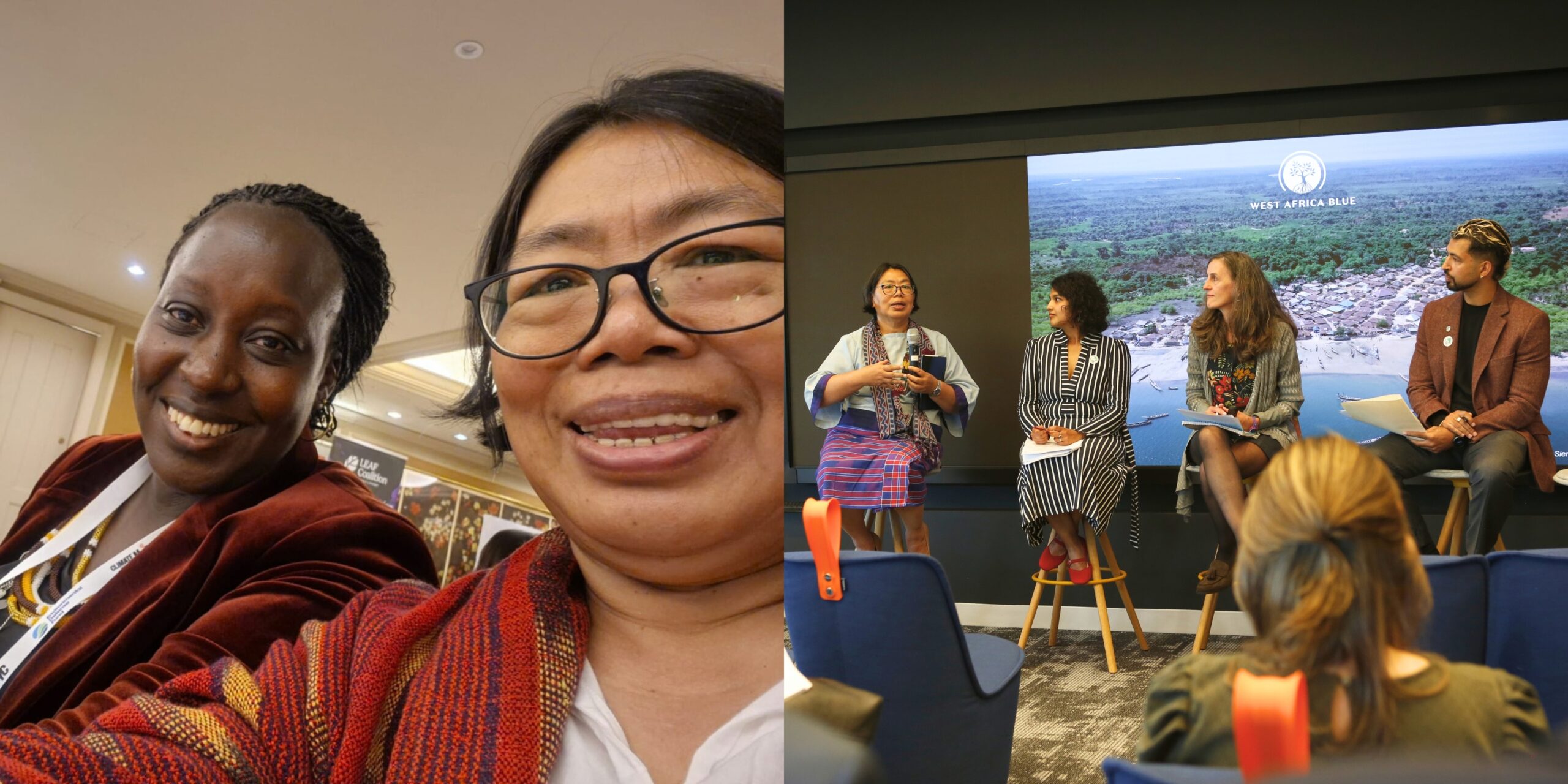
For Indigenous Peoples, “forests are more than carbon sinks or resources.” They are home and relatives, and our relationships with them are shaped by generations of knowledge, culture, livelihoods and ways of life.
During Climate Week NYC, we brought this perspective to several engagements. Across these spaces, Minnie shared messages on the value of forests beyond carbon and the connection between thriving forests and healthy communities.
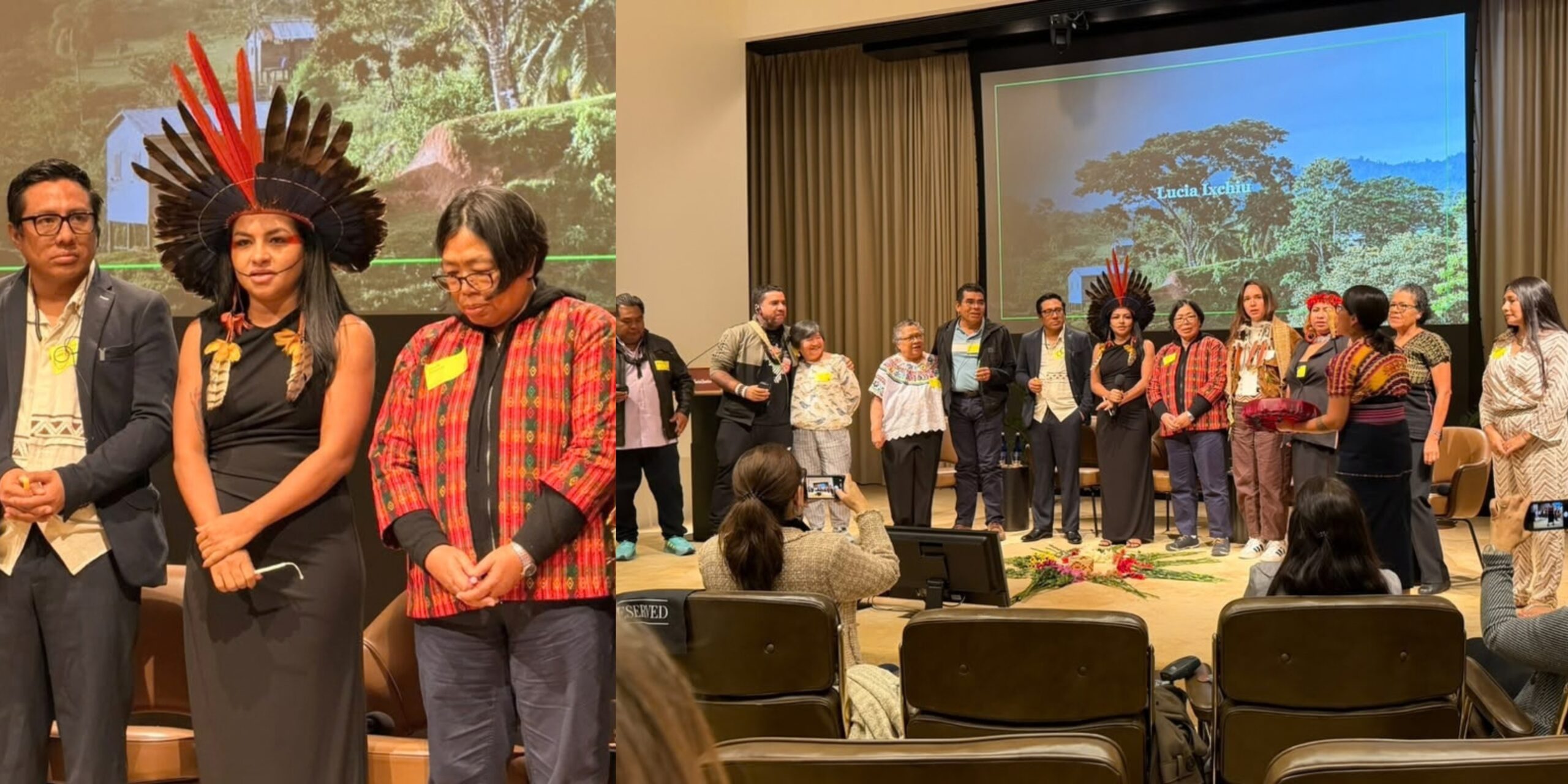
A particularly relevant engagement was the Forest Tenure Funders Group meeting, where the results of the five-year Forest Tenure Pledge were shared. The pledge reached $2.35 billion between 2021 and 2025, exceeding the original commitment.
This conversation goes beyond the amount of funding. It is also about how funding reaches Indigenous Peoples and their territories, whether it responds to their priorities and decision-making, and how it contributes to advancing collective land rights.
Global opportunity for youth
WIPO Video Prize for Indigenous Youth 2026
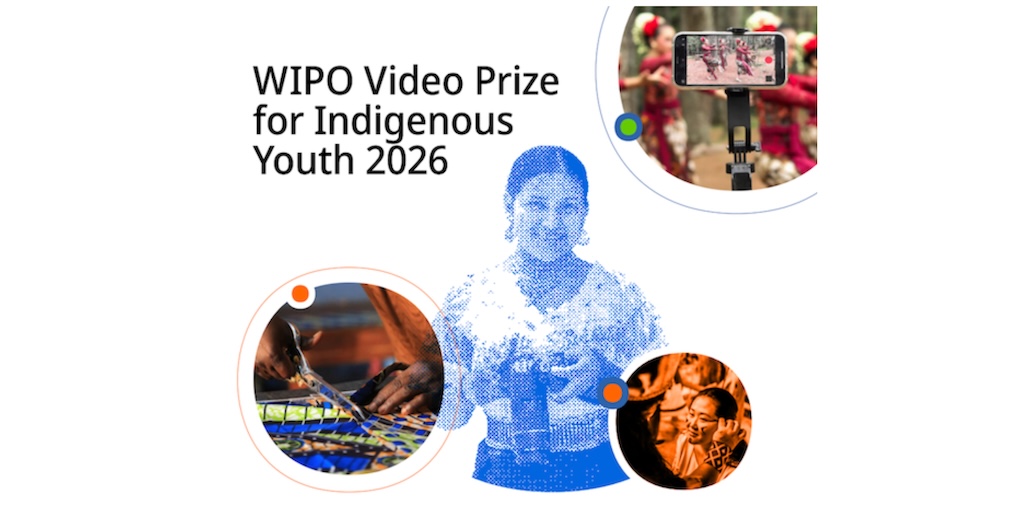
The WIPO Video Prize for Indigenous Youth 2026 invites Indigenous youth aged 18–35 to showcase their knowledge, culture, and creativity through video under the theme Indigenous Peoples’ Know-How and Creativity in Action.
Entries are open until November 6. The application is in English, Spanish and French. For any questions, please contact tkvideoprize@wipo.int.