
The Role of Forests in meeting the objectives of the UN Convention to Combat Desertification
FSC-IF's side event at the UNCCD COP17
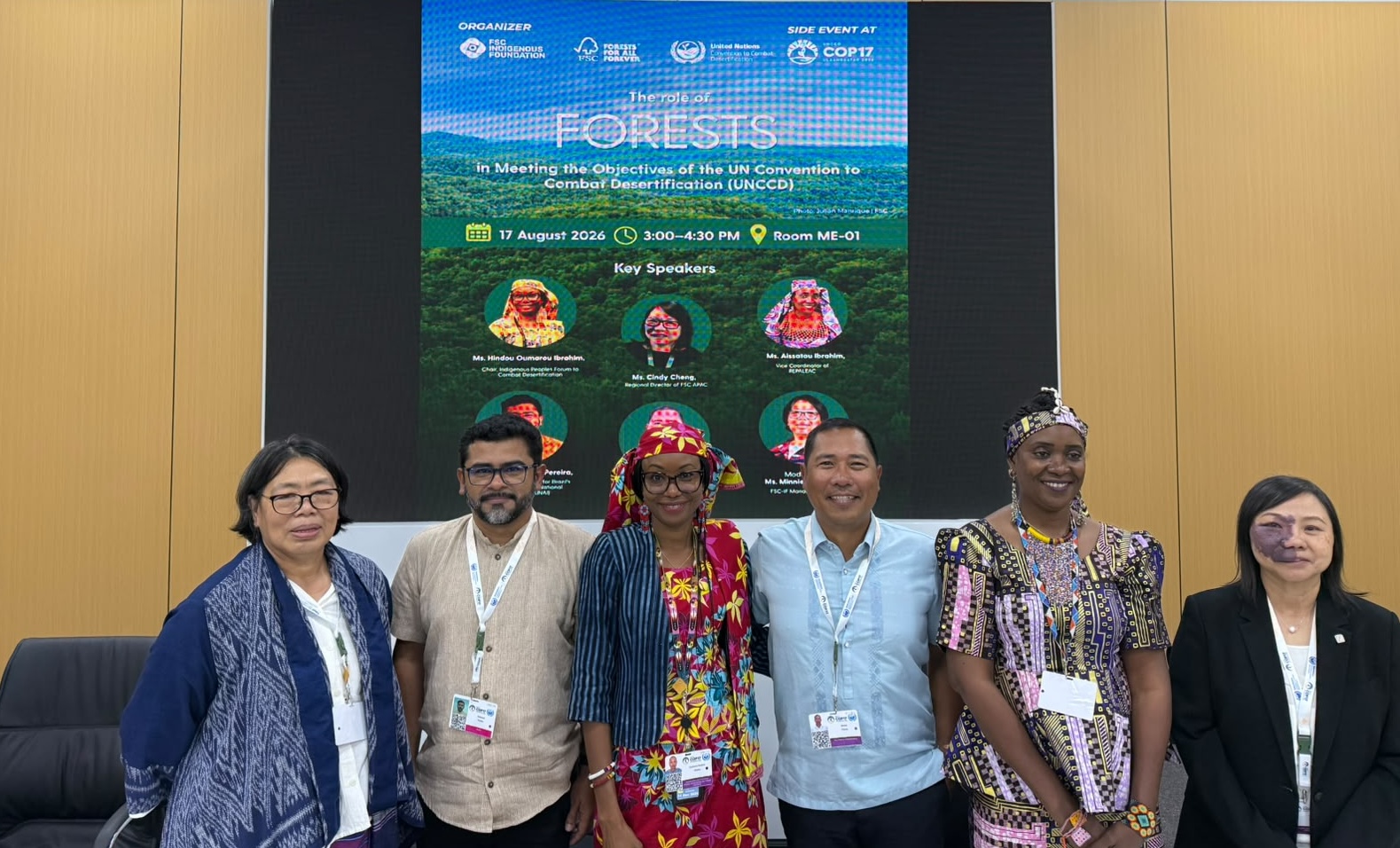
During the start of COP17 of the UNCCD, the FSC Indigenous Foundation (FSC-IF) held a side event on August 17, titled “The Role of Forests in Meeting the Objectives of the UN Convention to Combat Desertification.” It highlighted the often-overlooked contribution of forests and Indigenous Peoples to combating land degradation, desertification, and drought.
The panel was composed by:
- Ms. Hindou Oumarou Ibrahim, Chair, Indigenous Peoples Forum to Combat Desertification and FSC-IF Council chair.
- Ms. Cindy Cheng, Regional Director of the Forest Stewardship Council Asia and Pacific (FSC APAC)
- Ms. Aissatou Ibrahim, Vice Coordinator of Network of Indigenous and Local Communities for the Sustainable Management of Forest Ecosystems in Central Africa (REPALEAC)
- Mr. Natanael Braga Pereira, Specialist in Indigenism for Brazil’s Indigenous Peoples National Foundation (FUNAI)
- Mr. Morse Flores, Director, Global Indigenous Policy & Partnerships, The Nature Conservancy (TNC)
Moderator: Ms. Minnie Degawan, FSC-IF Managing Director
The discussion revealed clear common ground around key priorities: preventing land and forest degradation, recognizing Indigenous Peoples’ rights and leadership, valuing Indigenous knowledge alongside scientific and technical approaches, and ensuring access to long-term financing. Translating these priorities into action requires cooperation among Indigenous Peoples, governments, international organizations, civil society and the private sector.
That is why bringing together and listening to Indigenous leaders working across different regions and institutions, including Africa, the Brazilian government and The Nature Conservancy, alongside the Forest Stewardship Council, was so valuable. Their contributions brought distinct roles, experiences and expertise into the conversation, offering concrete examples of how Indigenous leadership and cooperation across sectors can advance shared priorities in practice.
Highlights of the side event
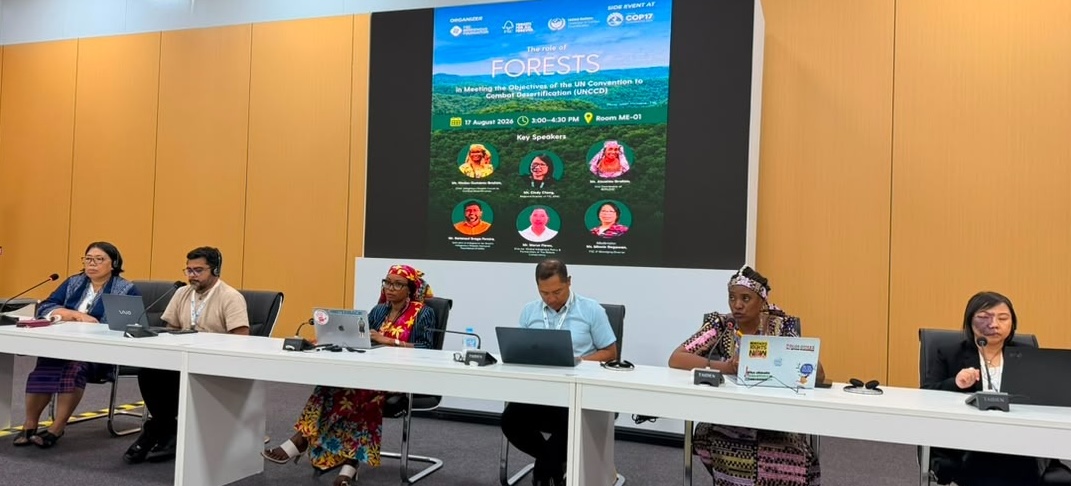
A central message in the discussion was that prevention is more effective and less costly than restoration. Indigenous Peoples are recognized as long-standing custodians of forests and territories, possessing traditional knowledge and governance systems that can prevent forest degradation and support ecosystem restoration.
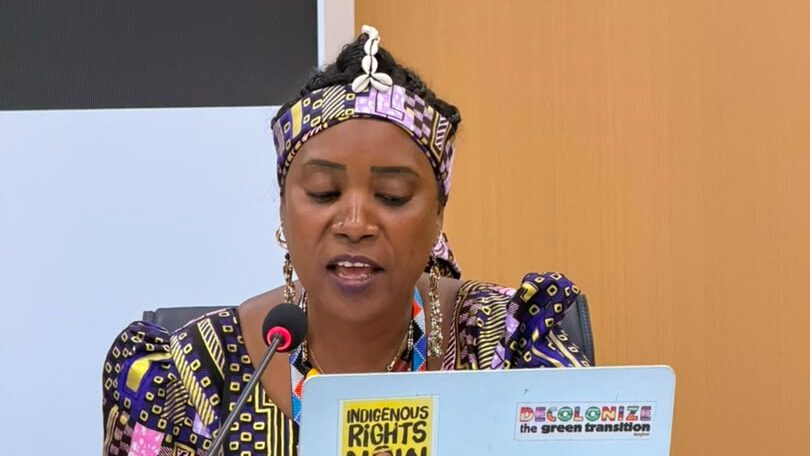
Hindou Oumarou Ibrahim stressed the importance of recognizing and securing Indigenous Peoples’ collective rights to their lands, territories, forests, and natural resources, as well as ensuring their meaningful participation in decisions that affect them. She also emphasized the need for direct financing and support for Indigenous-led conservation and land management.
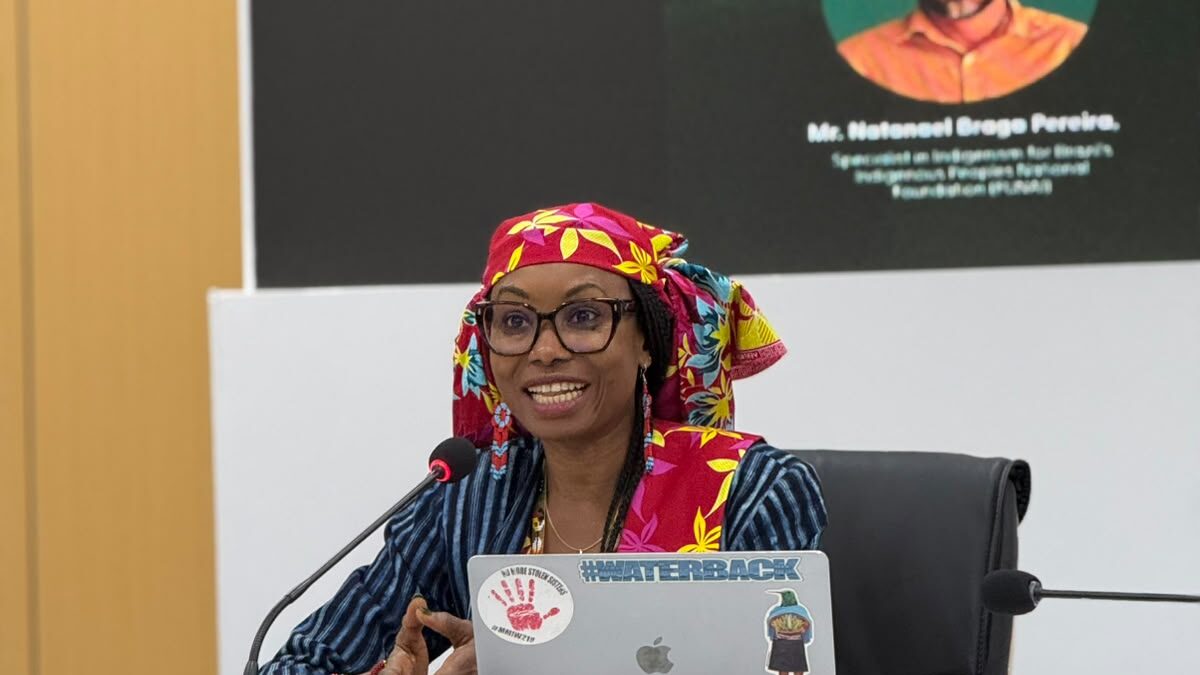
“In discussions on Desertification, Land Degradation, and Drought (DLDD), we often forget about the solutions. Forests are part of the solution, and Indigenous Peoples are the guardians of these forests.” Hindou Oumarou Ibrahim, Chair of FSC-IF Council
From the African context, Aissatou Ibrahim (REPALEAC) highlighted the importance of community participation, traditional knowledge, and local governance in protecting forests and restoring degraded landscapes. Indigenous and local communities were presented not simply as beneficiaries of conservation programs but as rights holders, knowledge holders, and active leaders in managing ecosystems.
Natanael Braga Pereira explained that Brazil has strengthened its institutional framework for Indigenous Peoples, including through the Ministry of Indigenous Peoples and policies supporting territorial and environmental management of Indigenous lands. Indigenous territories were highlighted as important areas for preventing deforestation, protecting biodiversity, maintaining water resources, and reducing carbon emissions.
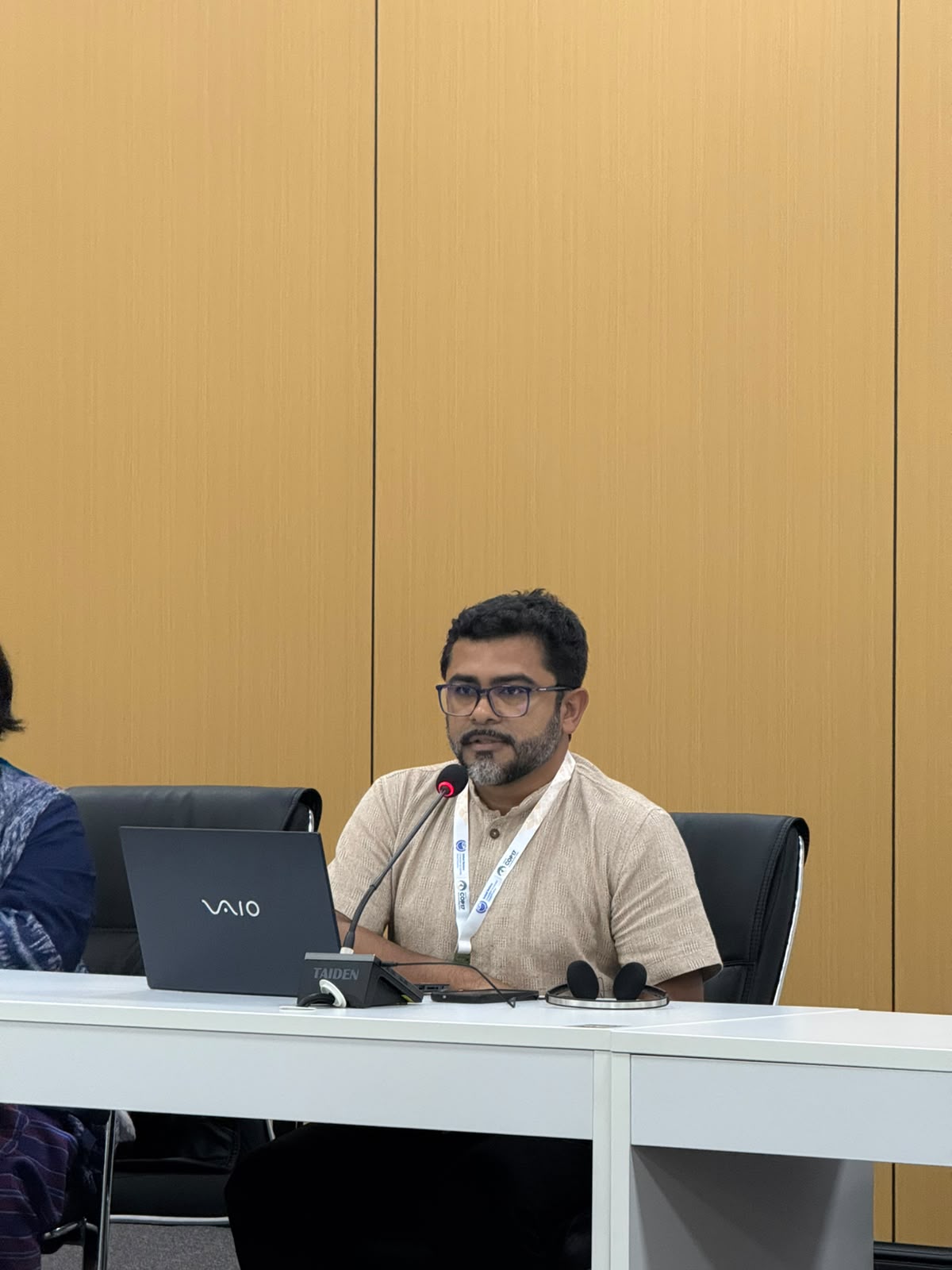
“Demarcating, protecting, strengthening environmental management, and promoting the ecological restoration of indigenous lands are fundamental actions to achieve the objectives of the UNCCD.” Natanael Braga Pereira, FUNAI
Cindy Cheng (FSC Asia and Pacific) emphasized the role of responsible forest management and certification in preventing degradation before restoration becomes necessary. FSC certification provides a framework that integrates environmental protection, social rights, Indigenous Peoples’ rights, and economic viability. She also underscored the essential role of Indigenous communities on the ground: “They are the feet, eyes, ears, and hands on the ground.”
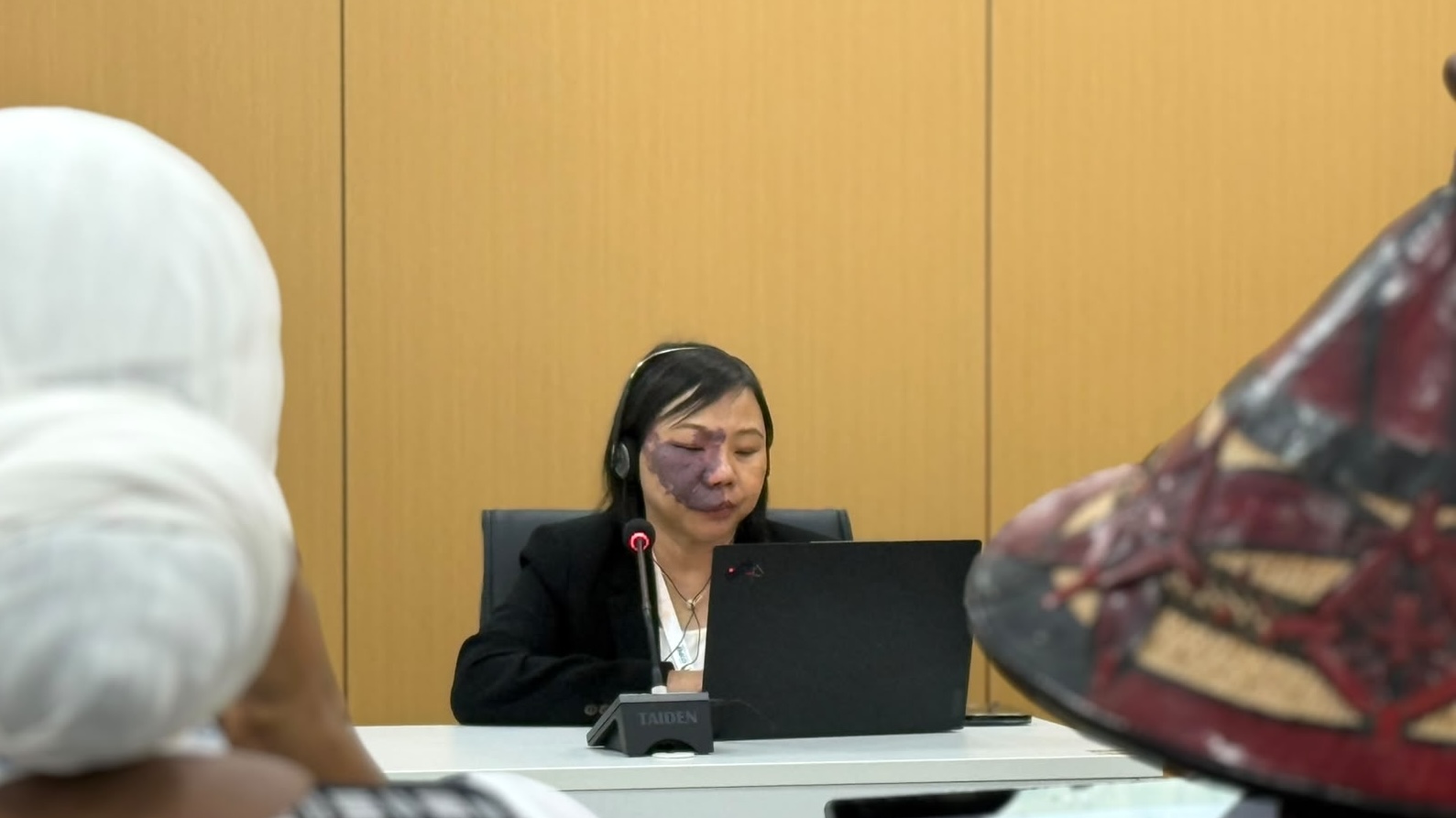
However, she noted that certification can be difficult for Indigenous and community-managed forests because of financial, technical, documentation, and monitoring requirements. She highlighted the potential of continuous improvement approaches to make certification more accessible while maintaining its credibility and standards. She also stressed that sustainable forest management should recognize the broader ecosystem services generated by forests, including biodiversity conservation, carbon storage, water regulation, and livelihood benefits.
The Nature Conservancy perspective, presented by Morse Flores, Director Global Indigenous Policy and Partnership reinforced four major lessons from conservation initiatives around the world. First, rights must come before restoration: conservation is more durable when Indigenous Peoples have authority and resources to manage their territories. Second, prevention is better than restoration, with Indigenous territories often serving as important barriers to deforestation. Third, Indigenous knowledge and science are stronger together, particularly through Indigenous Guardians and community-based monitoring programs. Fourth, conservation requires long-term and sustainable financing rather than short-term projects.
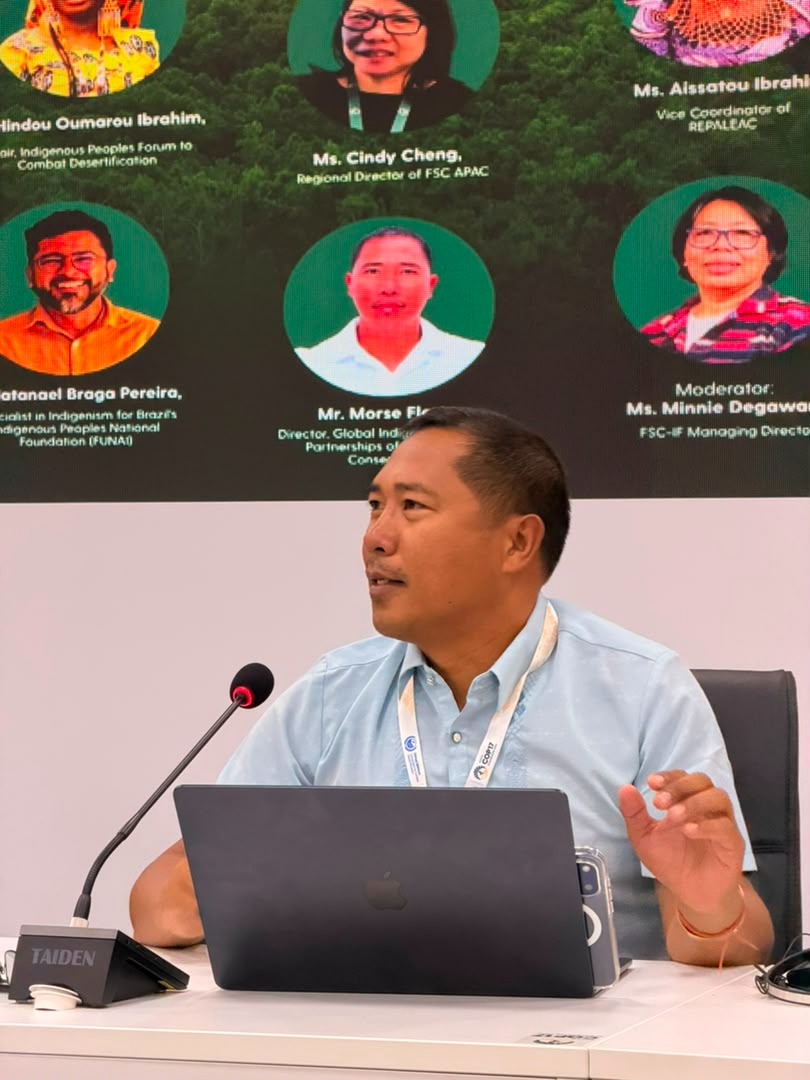
Examples from Canada, the Amazon, Australia, and Mongolia demonstrated how Indigenous governance, conservation finance, technical support, and long-term partnerships can produce durable outcomes.
Overall, the side event reinforced that forests and Indigenous-led stewardship are essential to achieving the objectives of the UNCCD, from preventing land degradation to strengthening ecosystem and climate resilience. Moving forward, speakers emphasized the need to better integrate forests, Indigenous rights and knowledge into UNCCD implementation, supported by direct and long-term financing. They also called for stronger synergies between the UNCCD and other environmental frameworks addressing forests, biodiversity, climate change and sustainable land management.
The event’s overarching message was clear: healthy forests, secure Indigenous rights, Indigenous leadership, and sustainable financing are mutually reinforcing foundations for achieving land degradation neutrality and resilient landscapes.
A meaningful closing
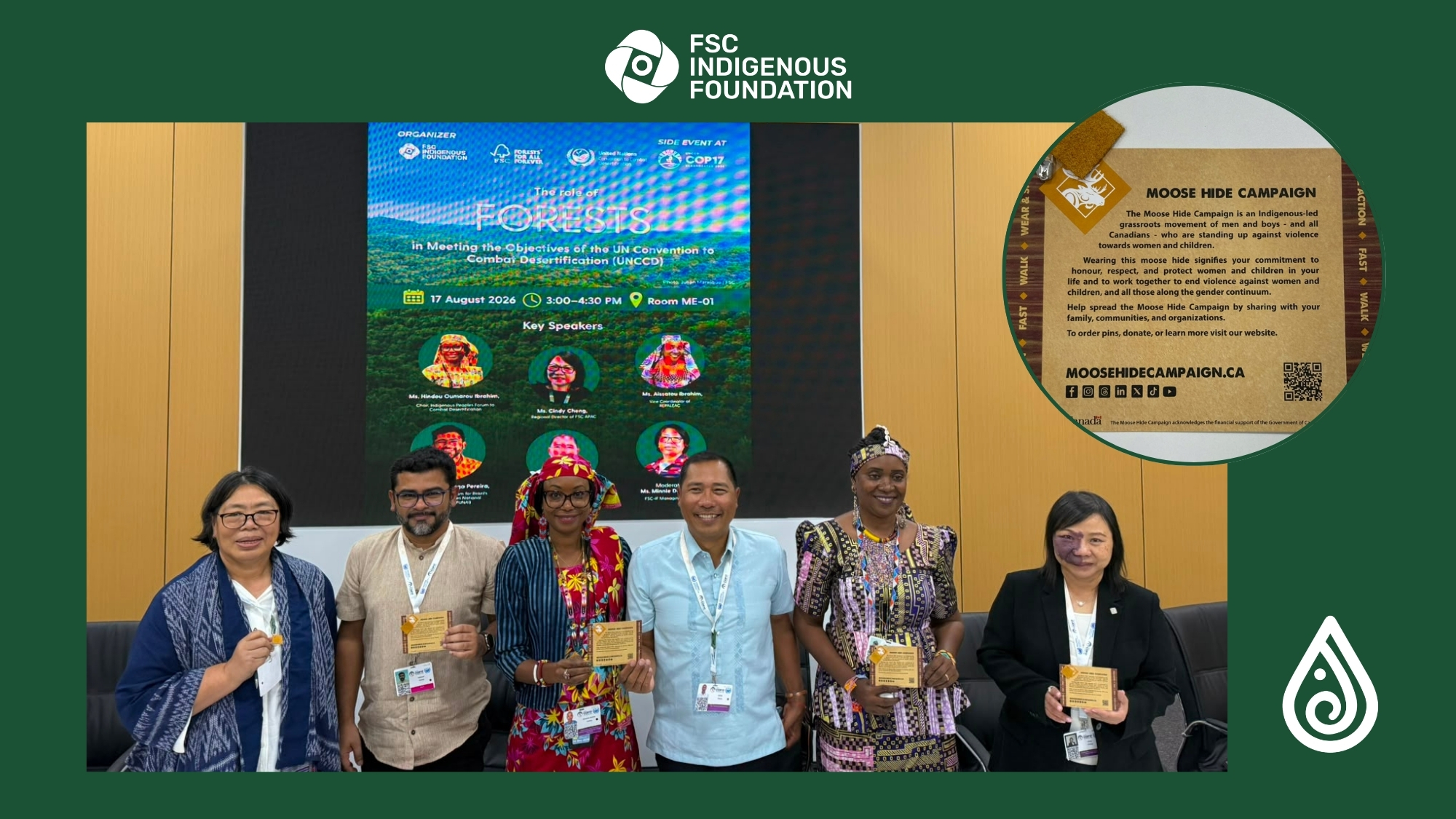
The event closed with the presentation of a moose hide pin in support of the Moose Hide Campaign, an Indigenous-led grassroots movement of men and boys, and all Canadians, standing against violence toward women and children. Wearing the moose hide signifies a commitment to honour, respect and protect women and children and to work together to end violence.
The gesture offered a meaningful close to an event that had emphasized throughout the discussion the importance of responsibility, respect and working together to turn shared commitments into action.