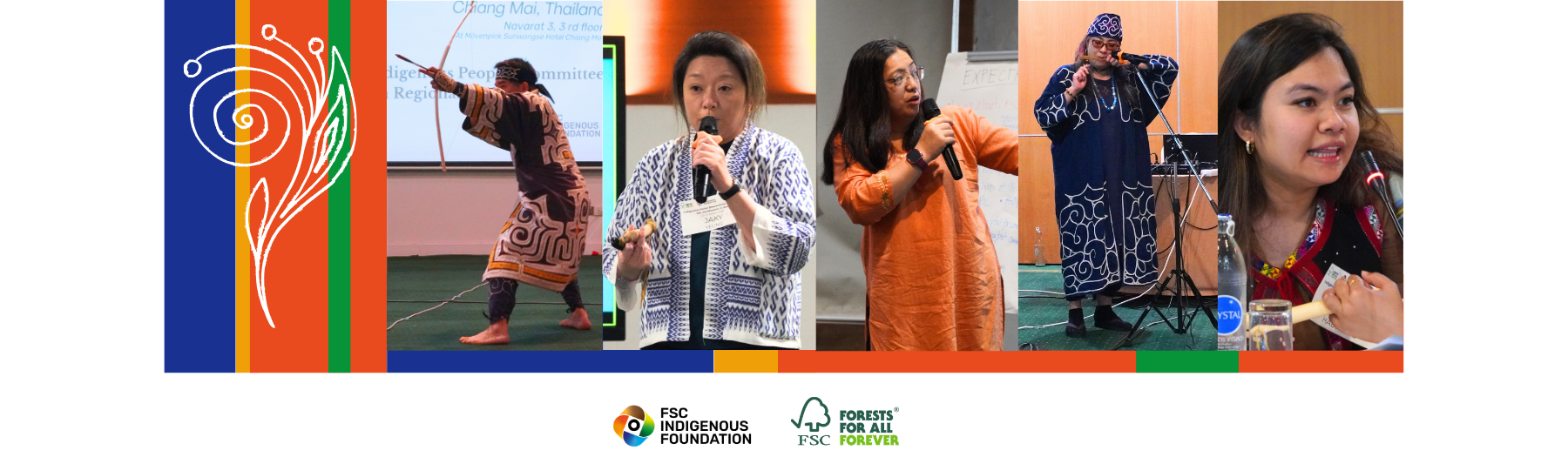
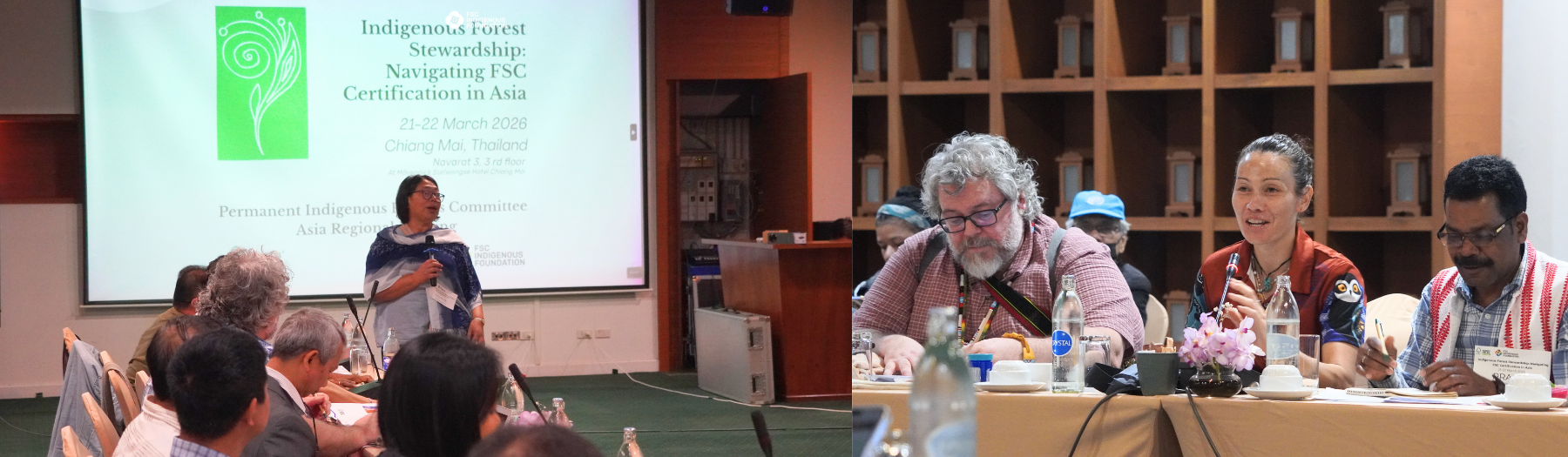
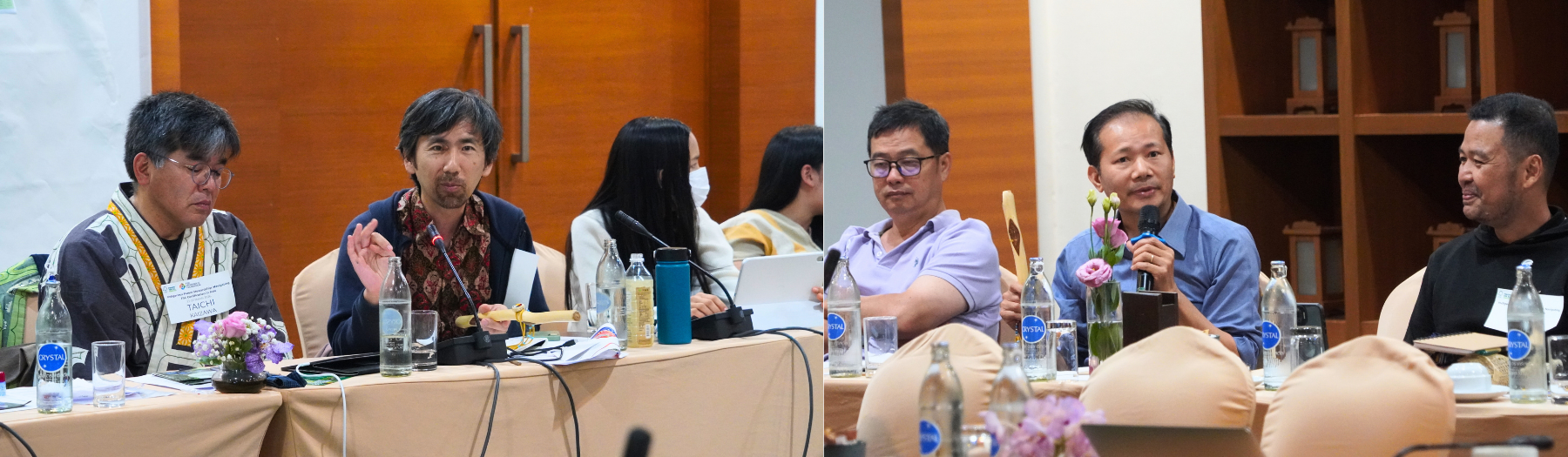
From March 21 to 22, the FSC Indigenous Foundation organized the “Indigenous Forest Stewardship: Navigating FSC Certification in Asia” meeting. A diverse group of Indigenous leaders, FSC-IF and FSC representatives, and regional stakeholders gathered in Chiang Mai, Thailand, for a critical dialogue on the future of forest governance in Asia. What emerged was not just a technical discussion about certification systems, but a powerful reflection on rights, resilience, and the lived realities of Indigenous Peoples navigating restrictive state policies and corporate pressures.
From the beginning, participants made one thing clear: Forest certification cannot be separated from the broader context of Indigenous rights. Across Asia, Indigenous Peoples continue to face shrinking access to their ancestral lands, restrictive state policies, and competing economic pressures.
The Tension Between Standards and Reality
The Forest Stewardship Council (FSC) positions itself as a global leader in responsible forest management, with over 117 million hectares certified worldwide. Furthermore, FSC has 10 principles and three are most relevant to Indigenous Peoples:
Principle 2: maintain or improve the social and economic well-being of workers;
Principle 3: uphold the rights of Indigenous Peoples
Principle 9: maintain or improve high conservation values; including cultural and spiritual sites.
These principles provide formal entry points for advancing Indigenous rights within the FSC system. Yet, the dialogue revealed a persistent gap between these commitments and their implementation on the ground.
A pressing concern was raised around FPIC. For many Indigenous participants, FPIC is not merely a procedural step but a fundamental expression of self-determination. Stories shared during the gathering illustrated how, in practice, communities are often consulted too late, or not at all, while decisions about their lands move forward. The fear is that ongoing revisions to FSC standards could weaken FPIC, turning a substantive right into a checkbox exercise.
Mr. Nicolas Mujah, FSC-IF Council member, also mentioned how communities can engage in grievance procedures to challenge violations:
“FPIC is important to integrate into FSC. In FSC, there’s a remedy framework: if you feel you have been criminalized, you can start with the complaint mechanism.”
Participants agreed that FSC and similar certification mechanisms must provide transparent and effective complaint and remedy processes. Complaint mechanisms can be anonymized to protect human rights defenders, but systemic support and follow-up are missing, undermining accountability.
Structural Barriers to Participation
A central theme of the dialogue was participation: who gets to shape the rules.
FSC’s governance structure, built around economic, social, and environmental chambers, is designed to balance interests. However, participants highlighted significant barriers for Indigenous Peoples. Membership fees, technical complexity, limited voting power, and uneven access to these mechanisms, all restrict meaningful engagement. For many forest-dependent communities, simply navigating the system can be overwhelming, especially for Indigenous communities with limited resources and adequate support.
However, despite these challenges, several engagement mechanisms were highlighted by Jacki Yeung, FSC Membership Manager for Asia Pacific:
Participation in General Assembly motions and voting processes
Involvement in chamber discussions and working groups
Engagement in consultations and policy development platforms
Participants emphasised that while individual membership may appear limited, collective organizing within chambers can strengthen Indigenous influence.
A Path Forward, Reform and Collaboration
Despite the challenges, the tone of the gathering was not one of resignation, but of cautious determination.
Participants called for concrete reforms within FSC recognizing that current structures are insufficient to protect Indigenous rights, including reducing barriers to membership, strengthening Indigenous representation, and ensuring that standards are consistently enforced. There was also a strong emphasis on collective action, organizing within chambers, building regional networks, and developing shared messages for global platforms.
On the last day of the dialogue, the UN Guiding Principles on Business and Human Rights were highlighted as a complementary tool, particularly in strengthening accountability and access to remedies. As mandatory due diligence laws begin to emerge in several countries, there is growing potential to align certification systems with broader legal frameworks.
Conclusion, From Participation to Power
The gathering underscored a critical moment for forest governance in Asia. FSC and similar systems hold significant potential, but their legitimacy depends on their ability to deliver on their promises.
For Indigenous Peoples, the question is not whether to engage, but how to transform these systems so they truly reflect their rights, knowledge, and leadership.
Overall, the gathering was eye opening and created a space for critical reflections, with participants expressing appreciation for the opportunity to share experiences and challenge existing systems.
“I learned a lot about FSC and PIPC. Thank you for the learning exchange; understanding each other’s challenges and experiences made it truly meaningful and successful. I also hope there will be more youth involvement.”